
Reviewed · WARSAW UPRISING & WORLD WAR II TOURS
Wroclaw: Third Reich and World War Two Historical Tour
WWII left scars on every corner. This 2-hour Wroclaw WWII tour turns the Old Town into a living timeline, starting with how the city was under Germany and how the 1945 siege reshaped nearly everything you walk past.
I especially like the format, because the licensed English guide gets your bearings first, so each stop makes sense right away. Guides such as Michael are described as very communicative, with plenty of room for questions.
One thing to plan for: there’s a fair bit of walking, and because so much was damaged or destroyed, you may feel like there are fewer surviving WWII-era structures than you hoped for.
In This Review
- Key things to know before you go
- Where Wroclaw’s WWII story actually comes into view
- Meeting at Hotel Monopol and getting your bearings fast
- Old Town under Germany: the story behind the street plan
- Former Gestapo building and Wolności Square: power made visible
- White Stork Synagogue and Jewish heritage: why this section matters
- Memorial stop, churches, and the slower pace of memory
- Sand Island and Cathedral Island: finishing with the city’s layout
- How much walking is involved, and who this tour fits best
- Price and value: is $31 worth it for 2 hours?
- Practical tips so you get the most from every stop
- Should you book the Wroclaw Third Reich and World War Two tour?
- FAQ
- Where is the meeting point for the tour?
- How long is the tour?
- Is the tour guide English-speaking?
- Does the tour run in bad weather?
- Is the tour wheelchair accessible?
- How many people are needed for the tour to operate?
Key things to know before you go
- Start outside Hotel Monopol main entrance, with your guide holding a sign that says World War Two Tour
- Former Gestapo building is a major highlight and a clear turning point in the story
- You’ll learn about Jewish heritage in Wroclaw and hear Holocaust-related stories as you move between sites
- The route threads through major Old Town landmarks like Wolności Square and the White Stork Synagogue
- You finish on Cathedral Island, which helps you see the city’s layout in a satisfying way
- The tour is 2 hours, rain or shine, and works best if you enjoy walking and learning on your feet
Where Wroclaw’s WWII story actually comes into view
Wroclaw is one of those Central European cities where the past is not behind glass. It is in the streets, in the street plan, and in the mix of buildings that feel older, newer, and rebuilt. That is exactly what makes the Third Reich and World War Two historical tour worth your time. In two hours, you do not just collect facts. You build a mental map of why Wroclaw looks the way it looks.
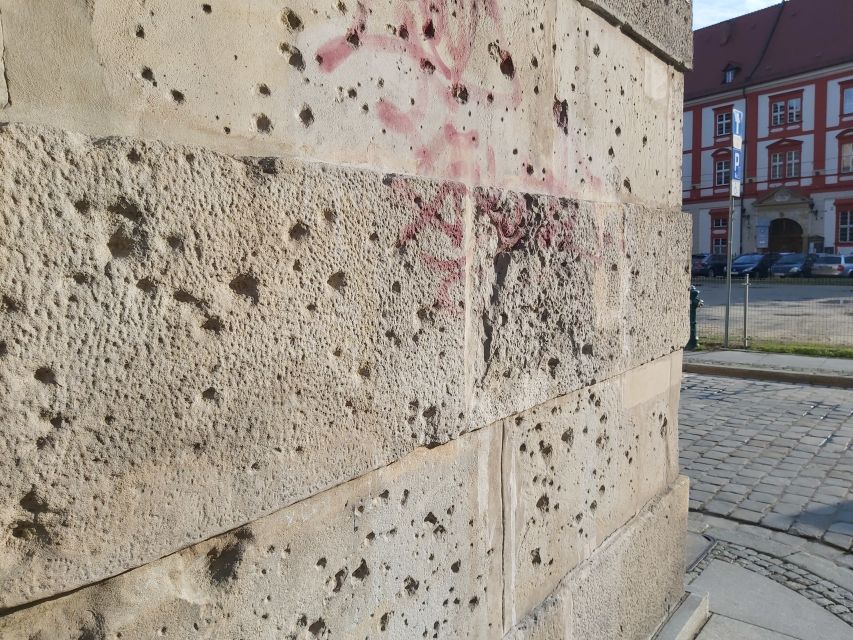
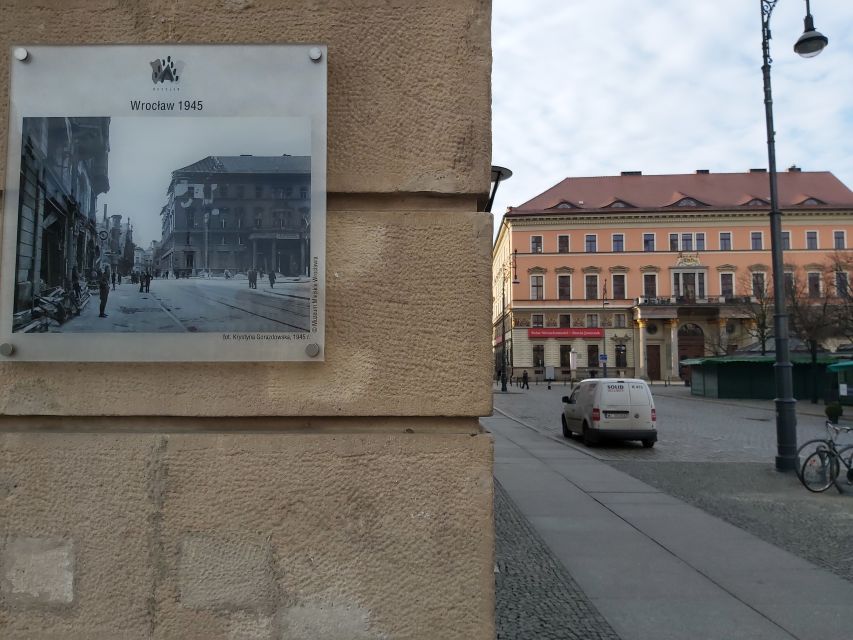
The core of the tour is the shift from German rule into the final, brutal months of the war. Your guide frames it with the siege between February and May 1945, when most of the city’s buildings were damaged or destroyed. Then, you walk through the landmarks that survived in some form, plus those that help explain what changed afterward. It is a compact way to understand a complicated period without getting lost in names and dates.
I also like that the guide keeps the focus on place. The city is not treated like a museum with individual exhibits. It is treated like a community that went through occupation, war, loss, and postwar transformation.
Further tours tracing the 1944 Uprising:
- III Reich & WW2 in Wroclaw. Monday, Wendsday, Friday regular tour
★ 4.5 · 32 reviews - The secrets of World War II
★ 5.0 · 18 reviews - Wroclaw: Day of WW2: Riese, Gross-Rosen, Ksiaz Castle
★ 4.8 · 16 reviews
Meeting at Hotel Monopol and getting your bearings fast
You meet at the main entrance of Monopol Hotel, and your guide is easy to spot, holding a sign that says World War Two Tour. That small detail matters more than you might think, because the route moves through busy Old Town streets. You want to start with clear direction so you are listening instead of orienting.
From there, the tour sets expectations quickly. You are not just walking to look at buildings. You are walking to understand why those buildings mattered in wartime, and how the city’s appearance reflects the damage from 1945 and later rebuilding.
Because it runs rain or shine, I suggest dressing for the weather even if the forecast looks mild. The tour is designed to keep going, so you will be outside for the full experience.
Old Town under Germany: the story behind the street plan
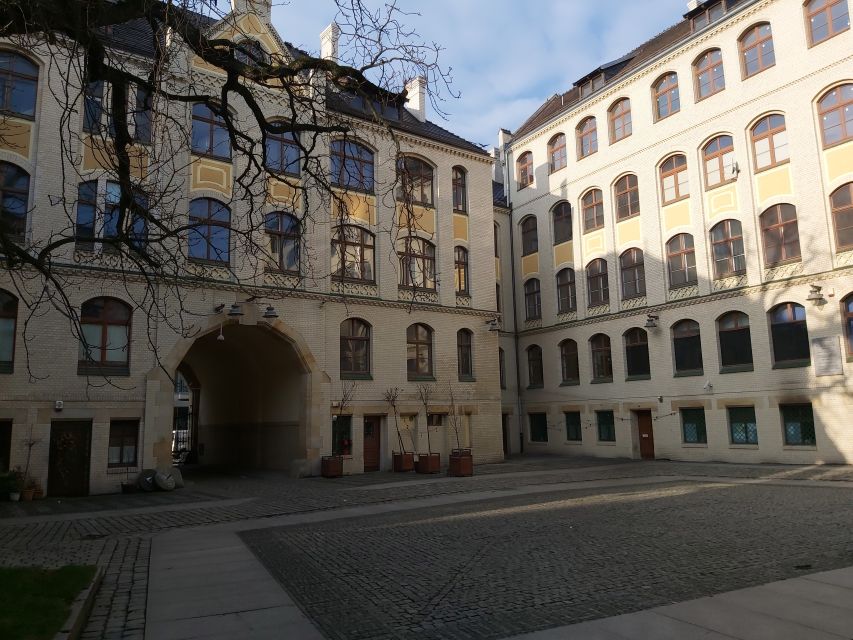
Once you are underway, the tour shifts into how Wroclaw belonged to Germany until the end of World War Two. Your guide uses the Old Town landmarks to show you how rule, daily life, and public spaces connect. Even if you already know the basics of the war, the place-based approach adds weight.
You’ll learn how the siege left the city with partially rebuilt infrastructure. That phrase matters for what you experience on the ground. You might notice that some areas look whole and continuous, while others feel like they have been patched together over time. The tour helps you read those signals instead of treating them as random architectural variety.
This is also where the guide’s communication style can make or break the experience. More than once, guides like Michael are described as being happy to answer questions and to give clear examples. If you are the type who asks why something is the way it is, you’ll likely enjoy this part.
Former Gestapo building and Wolności Square: power made visible
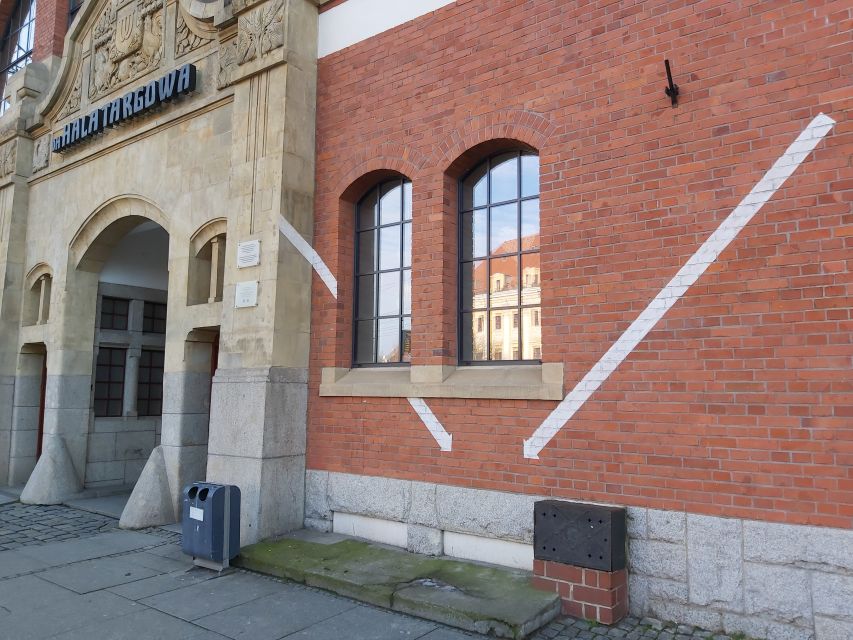
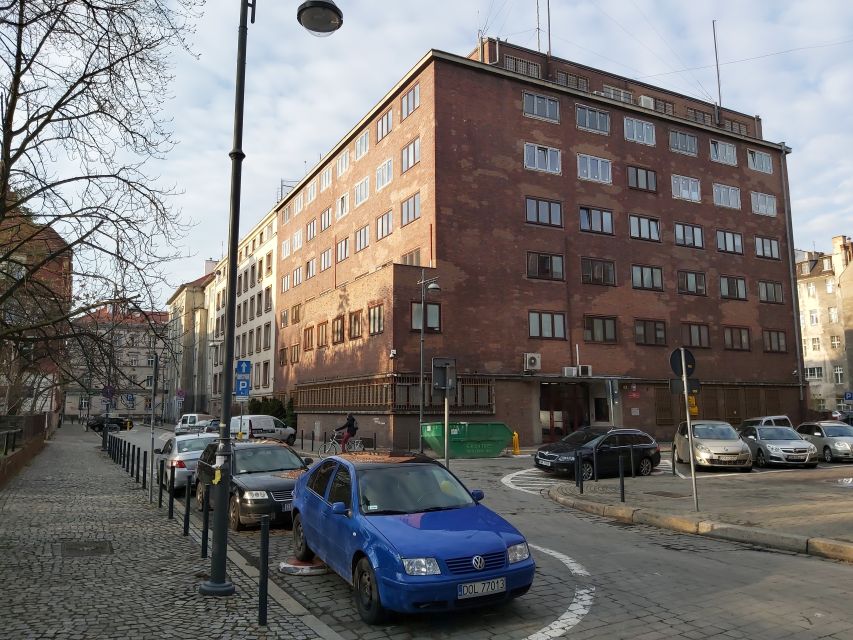
The former Gestapo building is one of the tour’s headline stops. It is hard to stand there and not feel the weight of what the Nazis used this system for. On this tour, it is not presented as an abstract concept. Your guide connects it to how occupation affected people and how authority showed up in real locations.
From there you move toward Wolności Square, another key anchor in the route. Squares in older European cities tend to be practical stages for public life. Here, the tour uses the square’s prominence to help you understand what occupied life could look like, where people would gather, and how the city’s layout shaped everyday routines.
One practical note: your comfort and pace will matter at this point. There is enough walking that you will want to wear supportive shoes. The good news is that the time investment pays off quickly because each stop is tied to a specific thread in the story.
More centuries between two rebuilt squares:


White Stork Synagogue and Jewish heritage: why this section matters
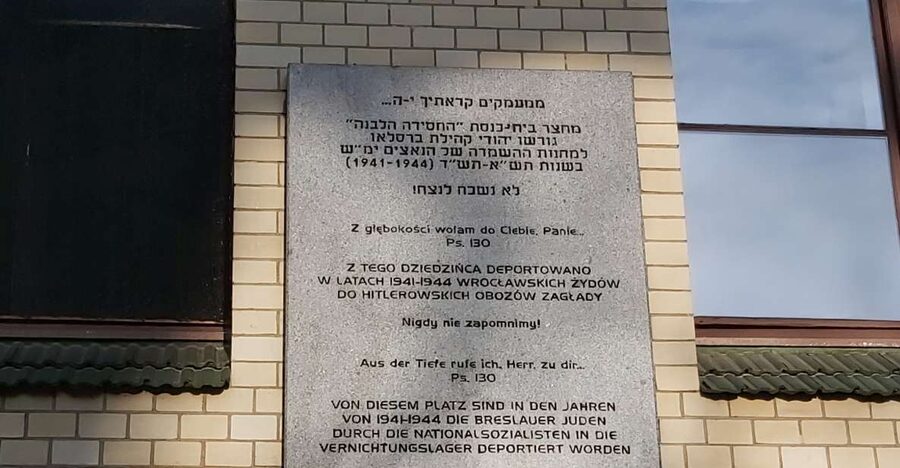
If you care about understanding World War Two through more than one lens, this is a standout part of the tour. You’ll hear about Wroclaw’s Jewish heritage and learn Holocaust-related stories as the route passes the White Stork Synagogue.
The value here is not just learning that a Jewish community existed. Your guide frames how heritage ties to the city’s identity, and how the war changed that identity in violent, irreversible ways. Standing near a synagogue while you hear those stories gives the information a human scale.
This stop can also be emotionally heavy. The tour is built to include these themes openly, so I recommend approaching with patience. If you know you get overwhelmed by Holocaust-related content, plan some breathing room after the tour. You will likely carry it with you.
And still, the tone matters. The guide’s job is to explain clearly, not to sensationalize. That balance is one reason the tour earns such strong satisfaction ratings.
Memorial stop, churches, and the slower pace of memory
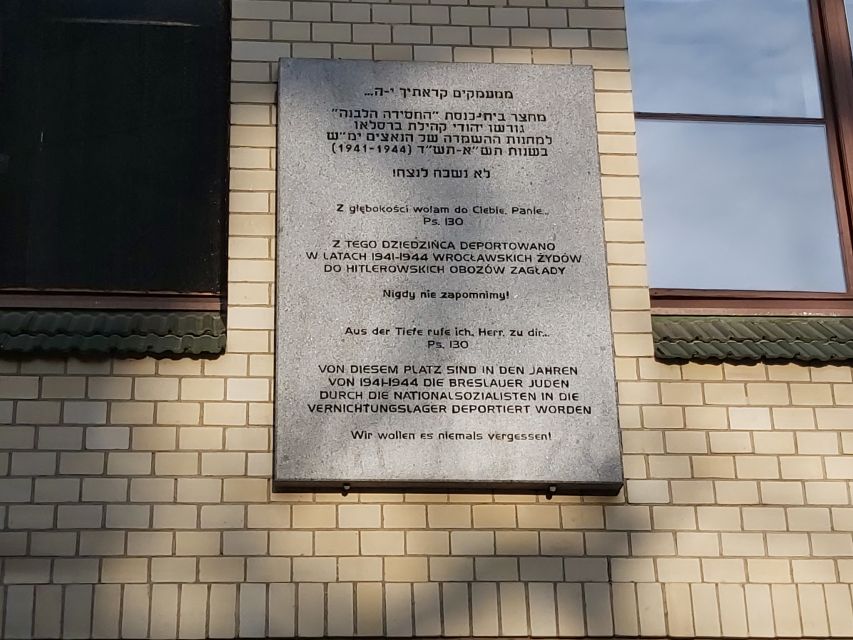
As the route continues, you’ll move through additional landmarks that help you see how public life and memory coexist in modern Wroclaw. Among the listed highlights are the Dietrich Benchoffer Memorial, the University Church, and the Ossolineum Garden.
What makes stops like these useful on a tour like this is the way they change the tempo. After heavier sites, you get moments where architecture and place can represent continuity, commemoration, and the work of rebuilding a civic identity.
You may not always feel like you are looking at a wartime artifact. That is part of the point. With so much damage in 1945, the city you see now often reflects rebuilding choices and later priorities. The guide helps you connect those layers back to the war years, so the tour does not feel like it is stuck only in destruction.
If you enjoy history books as much as streets and stones, you might also appreciate the way some guides, like Michael, point you toward follow-up reading. That is a nice extra, because it gives you a path to keep learning after the walk ends.
Sand Island and Cathedral Island: finishing with the city’s layout
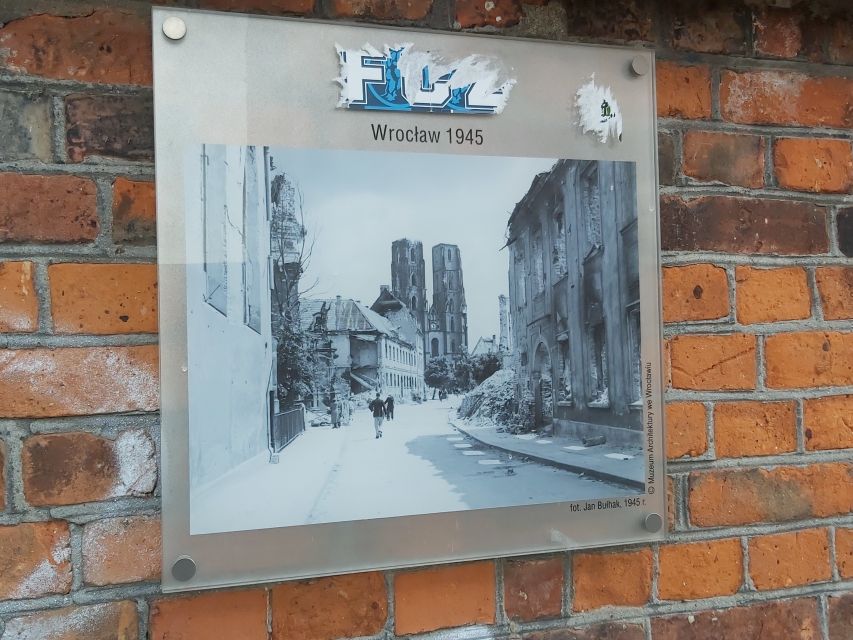
By the time you reach Sand Island and then Cathedral Island, you start to feel the city as a whole rather than a list of checkpoints. Wroclaw’s islands and river-connected streets help you understand the geography that people once lived with day after day.
This is where the tour’s structure becomes satisfying. Many WWII tours in Europe end abruptly. Here, finishing at Cathedral Island feels like closing a circle: you started in a hotel meeting point, moved through Old Town landmarks that show occupation and survival, and end at a place that lets you step back and look at the city’s shape.
Even if you are not the kind of person who takes many photos, this is a good moment for one practical habit. Before you drift off to explore on your own, pause and re-orient. The tour ends at Cathedral Island in part so you can use that orientation for the rest of your day.
How much walking is involved, and who this tour fits best
This tour is short, but it is not a sit-and-watch history lesson. You will be on your feet for the full two hours, moving through different parts of the Old Town and finishing on the island area. If your mobility is limited, you should know it is described as wheelchair accessible. Still, confirm how the route might handle cobblestones and any outdoor segments, because the tour is run rain or shine.
In terms of who it suits best, it fits a few clear traveler types:
- You want a fast, place-based explanation of Wroclaw’s WWII experience, including German rule and the 1945 siege
- You want key landmarks, without spending a whole day bouncing between sites
- You are comfortable with Holocaust-related stories and want them included in a respectful way
It may be less satisfying if you expect lots of perfectly preserved wartime buildings. The tour explicitly connects to widespread damage in 1945, and that can mean fewer intact WWII-era structures to physically examine. One review summary point captures the possible feeling: you may see the outline of history more than the final form of every event.
Price and value: is $31 worth it for 2 hours?
At about $31 per person for a 2-hour guided walk, the value mostly comes from three things: the licensed guide, the concentrated route, and the way the story ties together multiple themes.
If you tried to DIY this without a guide, you could certainly visit landmarks like the former Gestapo building, Wolności Square, and White Stork Synagogue. But you would likely spend extra time piecing together connections between German rule, the 1945 siege, Jewish heritage, and the postwar changes that shaped what you see today. Here, that work is done for you.
Also, the route includes a lot of interpretive framing. You are not just looking. You are imagining what life might have been like here during World War Two, while still anchoring those thoughts in real locations. That is exactly what you want to pay for.
What is not included is also worth factoring in. There is no hotel pickup or drop-off, and there are no food and drinks included. For most visitors, that is fine, but plan to eat before or after. Since the tour lasts two hours, you’ll likely be ready for a meal right after.
Practical tips so you get the most from every stop
Here are a few habits that make this kind of historical walk go smoother.
Wear shoes you can trust. This is a fair amount of walking on Old Town streets.
Bring a question or two. Some guides, including Michael in the feedback, are described as happy to answer questions, and that can help the tour click faster for you.
Take a moment at each major site before moving on. Especially at places tied to oppression and the Holocaust, your brain needs a beat to switch gears from sightseeing mode to listening mode.
Plan for changing monument hours. Some stops may depend on site conditions, and operating hours can change. The tour is designed to keep moving, but your own expectations should stay flexible.
Should you book the Wroclaw Third Reich and World War Two tour?
I think you should book this tour if you want a focused, guided way to understand Wroclaw under German rule, the 1945 siege, and how the city’s landmarks connect to Jewish heritage and Holocaust stories. It is short enough to fit into a busy day, but structured enough that you end with a clearer map in your head, not just scattered facts.
Skip it if you’re looking for a mostly outdoor walking tour that feels like a typical postcard city day. Wroclaw’s WWII story here is powerful because it includes destruction and loss, and because much of what existed did not survive intact. If that theme does not match your mood, you might want a different kind of Wroclaw outing.
Overall, for most visitors who enjoy history with real-world locations, this is a good use of two hours at a reasonable price.
FAQ
Where is the meeting point for the tour?
Meet your guide outside the main entrance of Monopol Hotel. The guide will be holding a sign that says World War Two Tour.
How long is the tour?
The tour lasts 2 hours.
Is the tour guide English-speaking?
Yes, the live tour guide provides the experience in English.
Does the tour run in bad weather?
Yes, the tour takes place rain or shine.
Is the tour wheelchair accessible?
Yes, the tour is listed as wheelchair accessible.
How many people are needed for the tour to operate?
The tour requires at least 4 participants to operate.
Freshly posted from Wroclaw
- Segway Tour Wroclaw: Old Town Tour – 1,5-Hour of Magic!★ 4.8 · 7 reviews
- The Roots of Poznań (small group)★ 5.0 · 8 reviews
- Wroclaw to Rock City Adrspach in Czech Republic Private Tour including tickets★ 4.5 · 8 reviews
- Wroclaw Private Old Town Guided Walking Tour★ 5.0 · 8 reviews
- Wroclaw: Multimedia Fountain Evening Show★ 4.0 · 9 reviews
- Wroclaw: Solar Catamaran Cruise on the Odra River★ 4.8 · 9 reviews
- Segway Tour Wroclaw: Old Town & Ostrów Tumski – Full Tour★ 5.0 · 9 reviews
Warsaw Uprising & World War II Tours, compared.
World War Two in Krakow: Jewish Quarter & Ghetto Tour
Read our review →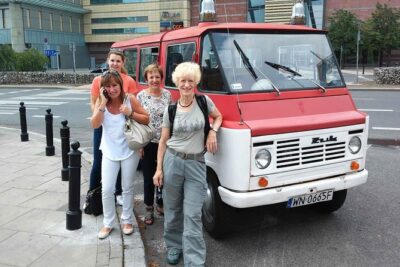
Warsaw for WWII Buffs – private tour with hotel pickup
Read our review →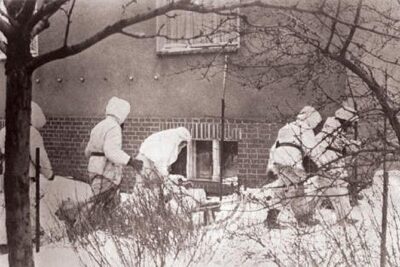
III Reich & WW2 in Wroclaw. Monday, Wendsday, Friday regular tour
Read our review →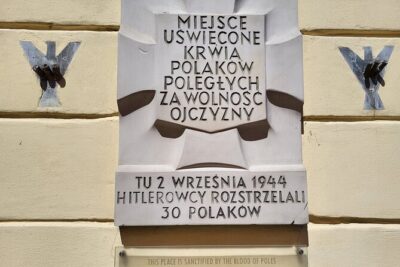
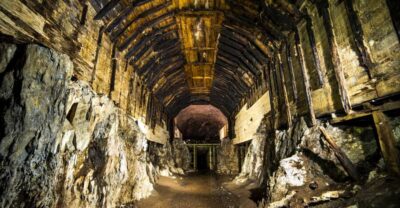
Museum of the Second World War Gdansk Private Tour & Tickets
Read our review →
Gdansk Private WWII Tour with Museum of the Second World War
Read our review →Browse the lists this tour appears in