
Reviewed · WARSAW UPRISING & WORLD WAR II TOURS
Wroclaw: Day of WW2: Riese, Gross-Rosen, Ksiaz Castle
A day like this changes how you read the past. You’ll move through the Riese underground scheme, the biggest Nazi-German camp in Lower Silesia, and the Książ Castle site tied to Hitler’s major headquarters plans. It’s intense, but it’s also structured well, so you’re not just looking at stones and barbed wire.
Two things I really like: the small group size (up to 8) keeps questions possible, and the combo of a live English guide plus English, German, and Russian audio gives you options if you want more detail. One drawback to keep in mind: at the underground Riese/Osówka portion, the story can feel a bit harder to track if you rely too heavily on the headset alone.
In This Review
- Key things worth knowing before you go
- A WW2 day trip that moves beyond one site
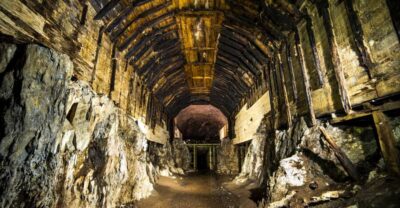
- Osówka Complex and the Riese underground city you cannot fully explain
- Gross-Rosen in Rogoźnica, forced labor, and Vermichtung durch Arbeit
- Książ Castle, the Pelcznica River cliff, and Hitler’s main quarters plans
- How the live English guide and multilingual audio work together
- Price and value for a 10-hour, Wrocław-to-Lower-Silesia day
- Who this tour is best for, and who might want to adjust expectations
- Should you book this WW2 Wrocław day trip?
- FAQ
- How long is the tour?
- What is included in the price?
- How big is the group?
- Is there a live guide, or just audio?
- Where do you get picked up from in Wrocław?
- Is cancellation free if my plans change?
Key things worth knowing before you go
- Osówka Complex (Riese) links to a Nazi-era project code-named Riese from 1943 to 1945, tied to the mysterious underground city.
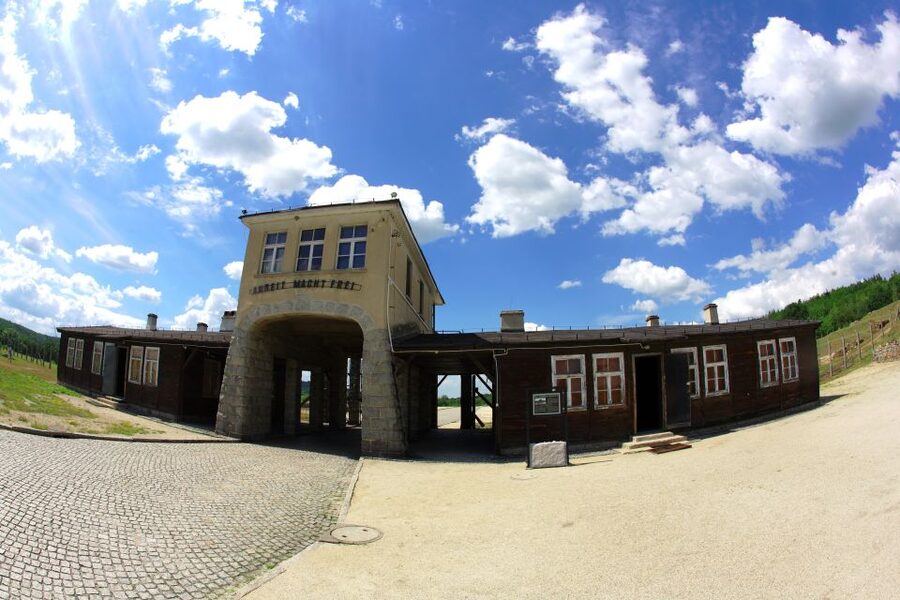
- Gross-Rosen in Rogoźnica is the largest Nazi-German concentration camp in Lower Silesia, including quarry forced labor.
- Vermichtung durch Arbeit is the grim motto you’ll hear associated with Gross-Rosen, paired with the scale of deaths.
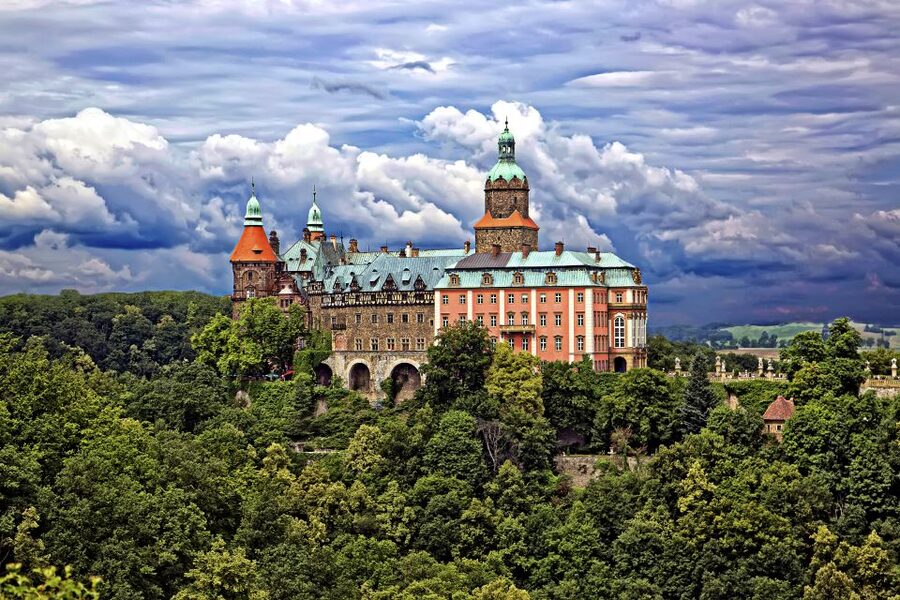
- Książ Castle is the third-biggest castle in Poland, perched above the Pelcznica River and called the Pearl of Lower Silesia.
- Small-group pacing helps you keep the day coherent, especially with a live guide like Jakob supported by audio.
A WW2 day trip that moves beyond one site
This is a long 10-hour day out of Wrocław, built around three places that each tell a different part of the same brutal machine. Instead of treating WW2 like a single museum stop, you’re tracing how the Nazi system used planning, forced labor, and power-building in the Lower Silesia region.
I like that the day isn’t random. It starts with the mysterious Osówka Complex and the broader Riese project, where the “underground city” still hasn’t given up all its secrets. It then hits the physical reality of suffering at Gross-Rosen in Rogoźnica. Finally, it rises to Książ Castle, where Hitler’s paramilitary organization began building major quarters in 1943. You end with scale and architecture, but anchored to what those spaces meant during the war.
For most people, that arc is exactly what makes this tour worth your time. You’re seeing how secrecy and cruelty connected, not just collecting facts in isolation. That said, this is not a casual sightseeing day. Plan for emotion and for a steady schedule, with a lot of walking and standing typical of major historic sites, especially in and around a castle.
Further tours tracing the 1944 Uprising:
- Wroclaw: Third Reich and World War Two Historical Tour
★ 4.9 · 43 reviews - III Reich & WW2 in Wroclaw. Monday, Wendsday, Friday regular tour
★ 4.5 · 32 reviews - The secrets of World War II
★ 5.0 · 18 reviews
Osówka Complex and the Riese underground city you cannot fully explain
The Osówka Complex is part of a Nazi German project conducted between 1943 and 1945, code name Riese. The name fits what you’ll feel there: a sense that the place was designed for concealment and control, not for visitors or transparency. The structure described as an underground city is still not fully understood, and that uncertainty is part of the experience.
What makes this stop stand out is the contrast between mystery and purpose. On one hand, you’re dealing with a site that has unfinished answers, so you’ll hear interpretations and context rather than a neat “this is exactly how it worked” story. On the other hand, the tour framing connects it to the harsh machinery of the period, including a place where a secret movement against the Nazis was born. Even without every detail being resolved, the moral center of the day matters: this is history where people resisted.
Here’s the practical advice I’d give you. If you want the underground material to stay clear, don’t let the audio run the whole show. One review noted that the English audio track for Riese can be a little difficult to follow at times and may not cover everything you’d like. In a place built around complexity, the live guide’s thread helps you keep your bearings fast. If you do prefer audio, you can still use it, just treat it as support, not as your only map of what you’re seeing.
Small group touring helps here. With fewer people, you’re more likely to catch clarifying answers, like how Riese related to other objects near Osówka and Włodarz. That kind of context is what turns “cool underground site” into “now I understand why this mattered.”
Gross-Rosen in Rogoźnica, forced labor, and Vermichtung durch Arbeit
Then the day shifts sharply to Gross-Rosen in Rogoźnica, the largest Nazi-German concentration camp in Lower Silesia. This part is heavy, and it should be. It wasn’t built for comfort. Prisoners faced particularly harsh conditions and penal work, especially in quarries.
One phrase you should be ready for is Vermichtung durch Arbeit. It translates to annihilation through work, and you’ll see how the camp’s design and daily reality connected labor to death. This is not just a slogan to memorize. It’s a clue to how the system thought: work was used as a weapon, not a way to build anything humane.
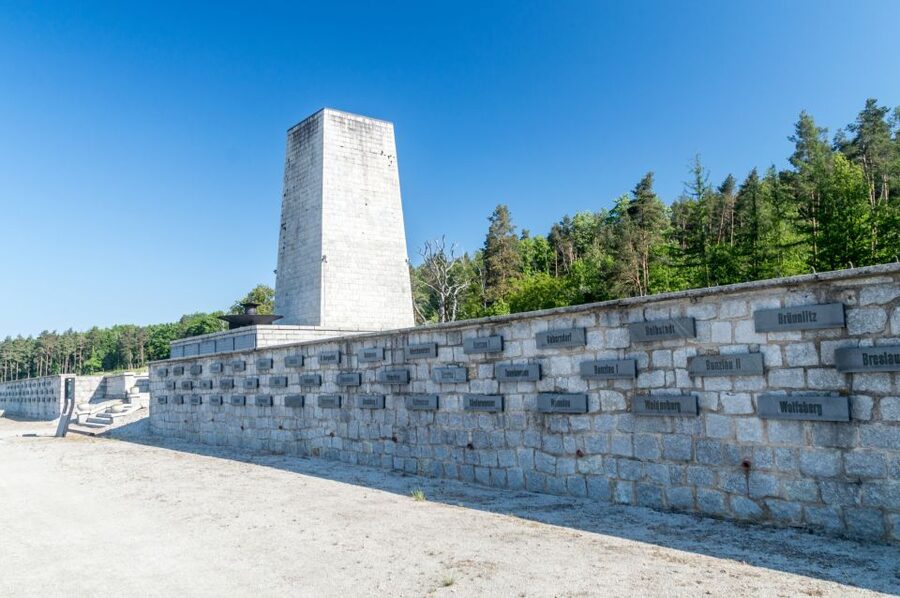
The numbers you’ll hear put the scale in front of you. About 40,000 prisoners died here, including Poles, Jews, Russians, French, and Hungarians. When you know the range of nationalities, you start to see the camp not as one group’s tragedy, but as a multi-country engine of terror.
What I appreciate about this stop on a tour like this is the balance between explanation and restraint. You’re not given the luxury of treating it as “just another WW2 stop.” At the same time, the guide approach matters because the site can overwhelm you. The best outcomes happen when you understand what you’re looking at and why it existed, even if you can’t fully process everything in one visit.
If you’re the type who likes to ask questions, this is where a live English guide is a big advantage. The emotional subject matter is fixed, but your understanding can still deepen through guided context: what “quarry forced labor” meant in practice, how conditions were organized, and how the camp fit into the broader Nazi network in Lower Silesia.
Książ Castle, the Pelcznica River cliff, and Hitler’s main quarters plans
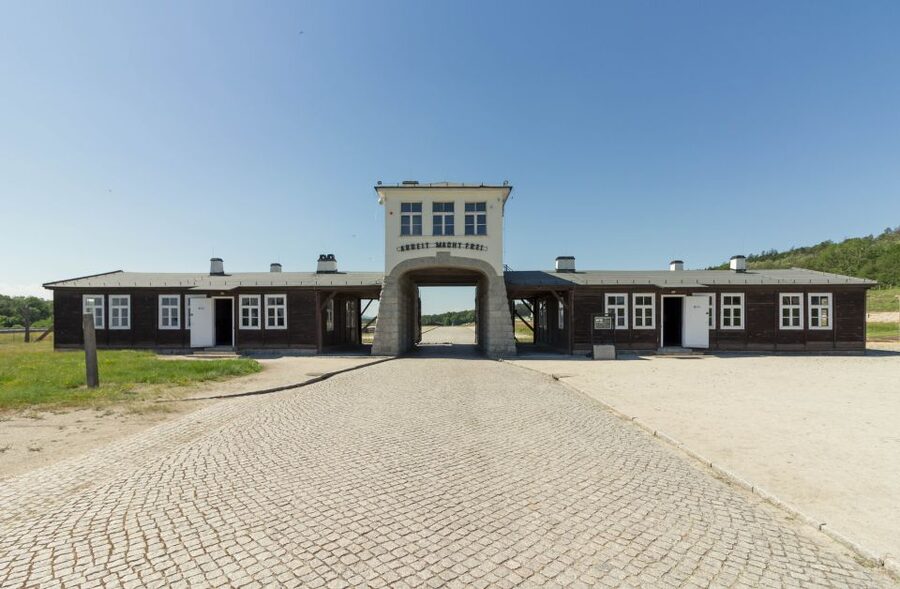
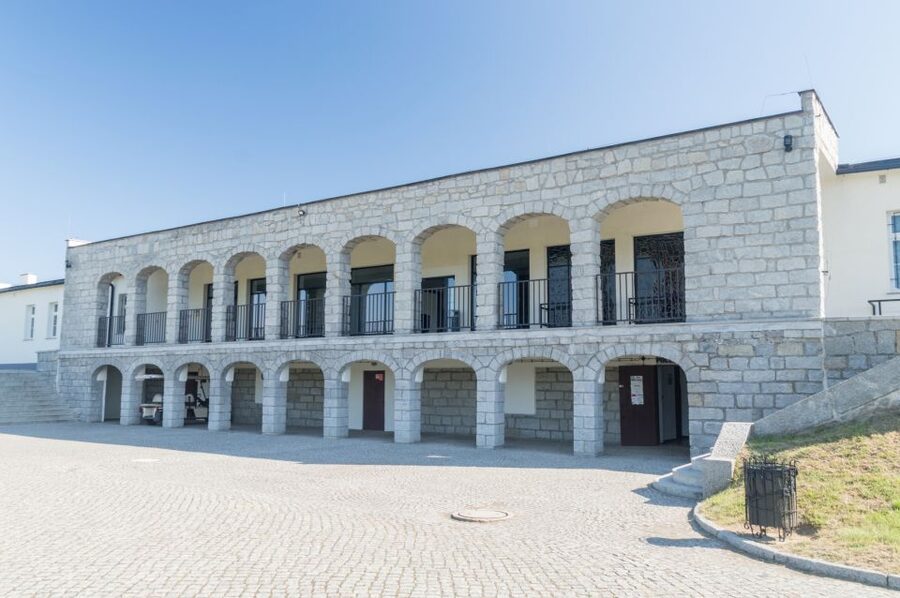
After the concentration camp, Książ Castle can feel like a world away. But that’s exactly why this stop works. Książ is the third-biggest castle in Poland, located on a rock cliff above the Pelcznica River, at 395 meters above sea level. People sometimes call it the Pearl of Lower Silesia, and you’ll understand why once you take in the setting and the size.
This is not a “pretty castle photo” stop, even though the location is dramatic. In 1943, Hitler’s paramilitary organization began building one of his main quarters there. The tour also connects Książ to the larger Riese complex through other nearby objects near Osówka and Włodarz, showing you how power and secrecy could be built into both underground structures and above-ground fortifications.
So what should you pay attention to at Książ? Focus less on generic castle facts and more on how the setting would have supported the wartime plan. A cliffside position isn’t only for views. It changes movement, visibility, security, and how you might control access. The castle’s scale also matters. Large sites can become planning hubs, housing, and operational bases, and the tour framing makes that connection clear.
If you care about architecture as a historical tool, this is a strong ending. One review specifically praised how Gross-Rose and Książ Castle were handled well with the English audio guides. That’s useful guidance for you: if you like audio support, Książ seems to deliver the story in a way you can follow while you look around.
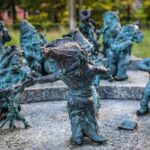
Still tacked up around Wroclaw
How the live English guide and multilingual audio work together
This tour uses a live English guide, plus audio guide support in English, German, and Russian. That combination is a big deal on a day packed with three sites, each with its own level of complexity.
In a small group, you’re not stuck listening only for the back of the line. You can hear the guide, and you can also use audio if you want extra detail or a different pacing. In at least one case, the guide Jakob was described as knowledgeable and friendly, and the overall day ran like clockwork. That matters, because when you’re dealing with sites tied to WWII atrocities and secret construction projects, timing and clarity help you absorb what you’re seeing.
Still, you should plan for variability. The Riese/Osówka portion is the most “mysterious” part of the day, and at that stop, one reviewer felt the English audio missed information and was hard to follow at times. Translation: you might get better results by letting the live guide lead the explanation underground, then use audio for reinforcement rather than as your primary guide.
A simple way to do this: listen first for the big thread from the guide, then use audio for specific points you don’t catch. If you’re the type who walks ahead to see better angles, slow down here. Underground complexes reward attention to the narrative, not just the visuals.
Finally, consider language needs. Even if you’re English-first, having audio options can reduce frustration when your hearing or pace gets disrupted by the environment. It’s a small inclusion that can make the day feel more “under control.”
Price and value for a 10-hour, Wrocław-to-Lower-Silesia day
At $279 per person for a 10-hour tour, you’re paying for more than entry-style sightseeing. You’re also paying for private transport, driver and guide coordination, and the structure that ties these sites together without you having to plan everything yourself.
Here’s how the value adds up, practically:
- Hotel pickup and drop-off from Wrocław keeps the logistics simple.
- Private vehicle transport matters on a long day when you’re crossing between multiple sites in Lower Silesia.
- All taxes, fees, and handling charges, plus a fuel surcharge, reduce surprises.
- Trip insurance is included, which adds confidence when your day involves travel and guided sites.
- Small group size helps with attention, not just crowd avoidance.
If you tried to DIY this, you’d likely spend time solving transport and timing, and you might end up seeing one place really well and the other two less clearly. This itinerary aims for balance, so you get the underground Riese context, Gross-Rosen’s human scale and labor system, and Książ’s architectural role in the wartime plan.
The one value warning I’d give is the same theme as the audio note. If you’re very dependent on audio tracks, Osówka might require more patience. If you’re comfortable using the live guide as your main source during the underground portion, the price feels much easier to justify.
Who this tour is best for, and who might want to adjust expectations
This is a strong match if you:
- want a single guided day that links underground secrecy, forced labor, and power-building
- like WW2 context that goes beyond basic textbook timelines
- prefer small groups and live guidance over a large bus with a strict pace
It may be less ideal if:
- you expect a relaxing “tourist day” with lots of free time
- you plan to rely entirely on audio for the most complex material underground
- you want a lighter emotional tone, because Gross-Rosen is undeniably grim and you will hear mortality figures and the camp’s logic
If you do book, consider going in mentally prepared. This day isn’t only about history facts. It’s about confronting what happened and understanding how it was organized. The itinerary’s structure supports that, but your emotional processing is still on you.
One last practical bonus: the driver support can be useful. One review mentioned Jakub offering great restaurant recommendations for the stay. That’s not the main reason to choose the tour, but it’s a nice example of the “day runs smoothly” approach you’ll likely experience.
Should you book this WW2 Wrocław day trip?
Yes, if you want a well-paced, small-group WW2 day in Lower Silesia that covers the underground Riese project, Gross-Rosen, and Książ Castle in a way that makes connections. The live English guide support, along with multilingual audio, helps you keep the story straight, and reviews highlight that the day often feels organized and friendly, with guides like Jakob keeping things moving.
Book it with realistic expectations: Gross-Rosen will be emotionally demanding, and Osówka is the stop where you may need to lean more on the live explanation than the audio track. If you can handle that, you’ll end the day with a clearer sense of how the Nazi system built secrecy underground, used forced labor to destroy people, and tried to anchor power in major quarters at places like Książ.
FAQ
How long is the tour?
The tour lasts 10 hours.
What is included in the price?
The price includes all taxes, fees, handling charges, fuel surcharge, driver and pilot, hotel pickup and drop-off from Wrocław, transport by private vehicle, and trip insurance.
How big is the group?
The group is limited to 8 participants.
Is there a live guide, or just audio?
There is a live tour guide in English. Audio guides are also included in English, German, and Russian.
Where do you get picked up from in Wrocław?
Your hotel or apartment is the meeting point, with hotel pickup and drop-off included.
Is cancellation free if my plans change?
Free cancellation is available up to 24 hours in advance for a full refund.
Freshly posted from Wroclaw
- Segway Tour Wroclaw: Old Town Tour – 1,5-Hour of Magic!★ 4.8 · 7 reviews
- The Roots of Poznań (small group)★ 5.0 · 8 reviews
- Wroclaw to Rock City Adrspach in Czech Republic Private Tour including tickets★ 4.5 · 8 reviews
- Wroclaw Private Old Town Guided Walking Tour★ 5.0 · 8 reviews
- Wroclaw: Multimedia Fountain Evening Show★ 4.0 · 9 reviews
- Wroclaw: Solar Catamaran Cruise on the Odra River★ 4.8 · 9 reviews
- Segway Tour Wroclaw: Old Town & Ostrów Tumski – Full Tour★ 5.0 · 9 reviews
Warsaw Uprising & World War II Tours, compared.
World War Two in Krakow: Jewish Quarter & Ghetto Tour
Read our review →
Warsaw for WWII Buffs – private tour with hotel pickup
Read our review →
III Reich & WW2 in Wroclaw. Monday, Wendsday, Friday regular tour
Read our review →
Museum of the Second World War Gdansk Private Tour & Tickets
Read our review →Browse the lists this tour appears in