
Reviewed · WARSAW UPRISING & WORLD WAR II TOURS
Gdansk Private WWII Tour with Museum of the Second World War
One city, one century of trauma.
That is the feeling as you walk into Gdansk’s wartime story with a licensed guide.
I like two things right away: the skip-the-line entry to the Museum of the Second World War and the fact this is a private tour with a licensed guide who can steer you through the big turning points without wasting time. One thing to watch, though, is that the skip-the-line is time-slot dependent, so you need to show up on schedule.
If you choose the longer option, I really like the way it connects WWII to the post-war years and communist control using real sites you can stand next to. Just keep in mind that the 4-hour walk includes uneven surfaces or steps, so comfy shoes matter even on a “moderate” day.
In This Review
- Key highlights at a glance
- The Museum of the Second World War, skip-the-line that actually saves time
- What the 2-hour and 4-hour options really change
- The 2-hour private museum option
- The 4-hour WWII plus post-war communism option
- Defenders of the Polish Post Office and the shift from invasion to resistance
- St. James, the shipyard monument, and why Gdansk’s industry mattered
- European Solidarity Centre and BHP Hall, independence written in dates
- Obrońca mural, air raid shelter, and a city you can feel
- The guide you get, and how to make it count
- Practical logistics that affect your day
- Value check: is $153 per person worth it?
- Should you book this Gdansk WWII private tour?
- FAQ
- Where is the meeting point?
- What is included in the 2-hour versus 4-hour option?
- What does skip-the-line mean for the museum?
- What languages are available for the live guide?
- Is hotel pickup available?
- Is the tour wheelchair accessible?
Key highlights at a glance
- Skip-the-line Museum access for a pre-booked date and time, so you can start faster
- Licensed private guide in your chosen language to shape the pace and focus
- Museum focus on 1939, occupation, resistance, and aftermath with reconstructed scenes and original artifacts
- 4-hour option adds a post-war communism walk to key memorials and political landmarks
- Gdansk’s war and shipyard story shows up through memorials, murals, shelters, and the Imperial Shipyard
- Pickup in Old Town area (within 1.5 km) makes meeting up easier
The Museum of the Second World War, skip-the-line that actually saves time
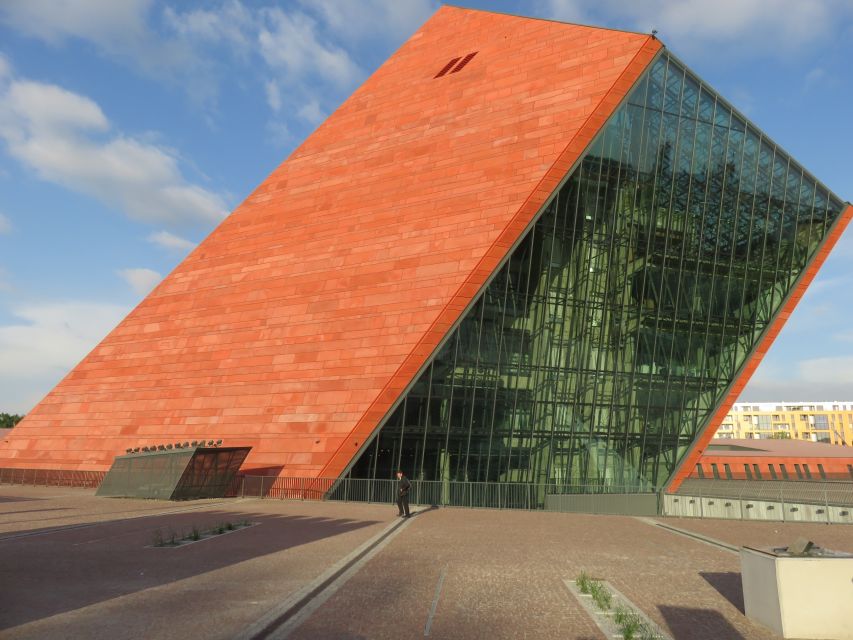
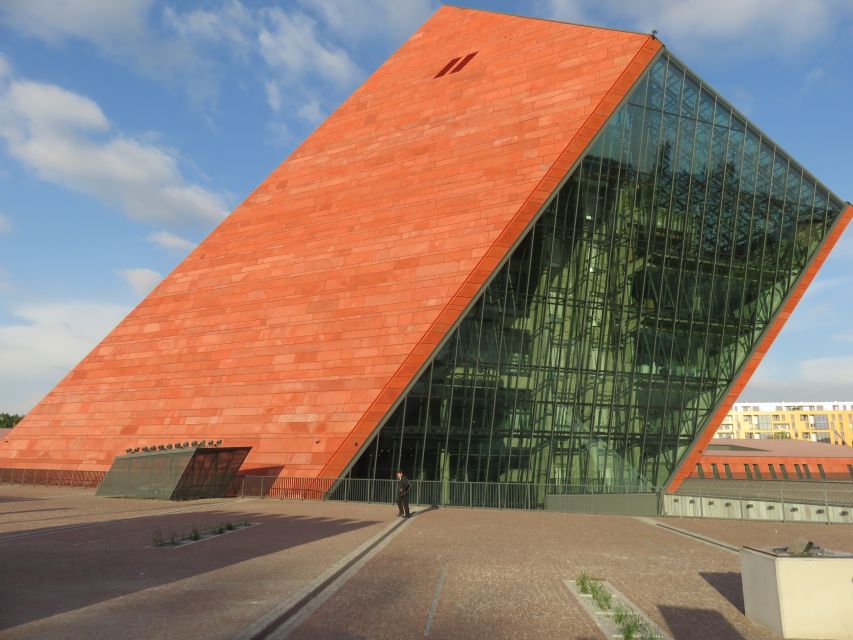
Gdansk’s Museum of the Second World War is the star of this tour. It is world-class because it does not treat WWII like one single event. It shows the lead-up, the invasion, the occupation, resistance, and what came after.
With this private format, your guide helps you get your bearings fast. You start at the planned meeting spot, then you head straight to the museum experience. The key win is the skip-the-line tickets. You skip the ticket office line, which is where delays usually pile up.
A practical detail to keep straight: the skip-the-line is for the ticket office, not for every part of the visit. The museum still has its own entrance flow, so if you arrive late, you can lose the advantage. That is why showing up on time matters more than you might expect.
Inside, the guide leads you through the museum’s most compelling sections, including:
- the outbreak of war in 1939
- occupied Poland, with the human cost made clear through documents and accounts
- resistance movements
- the aftermath, and how the war’s impact kept echoing in daily life
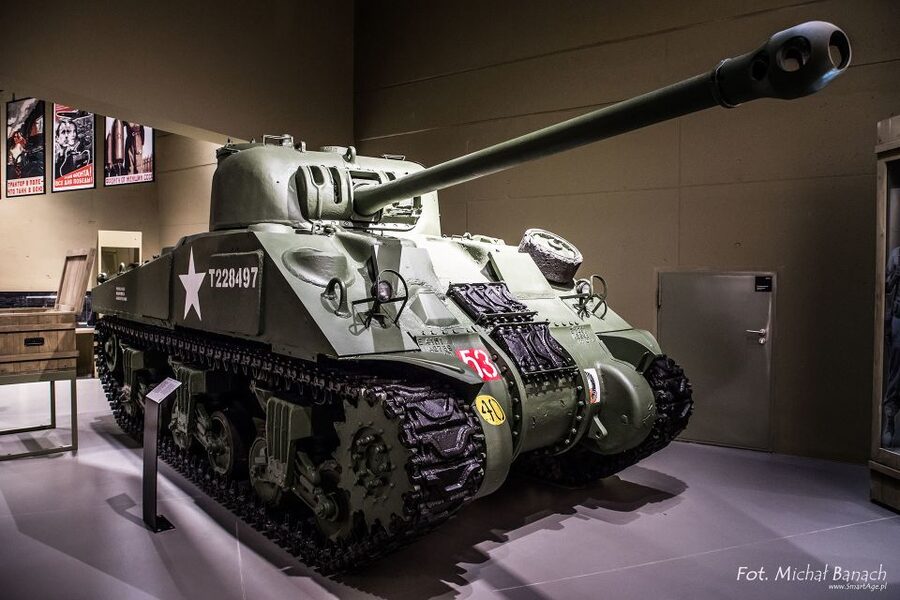
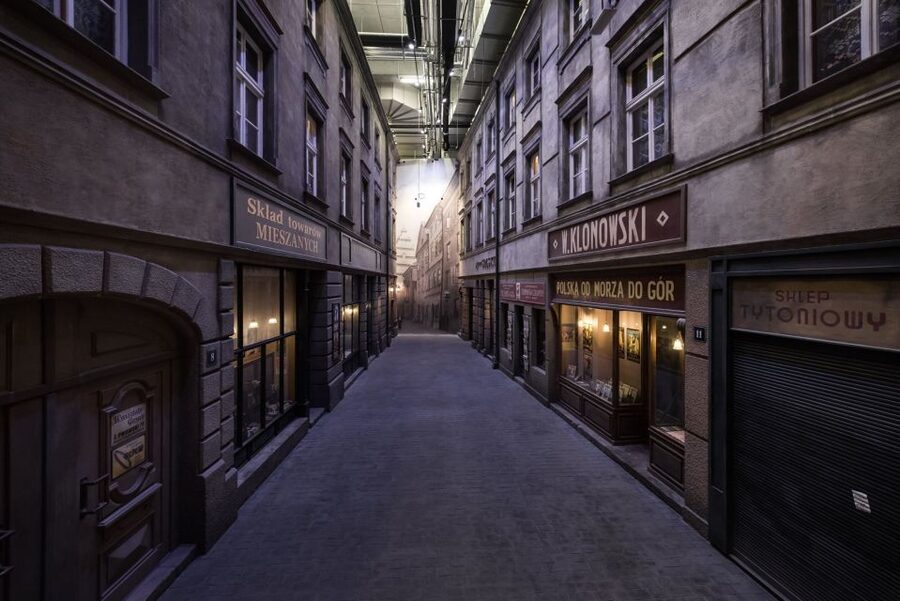
You will also see reconstructed war-torn street settings, along with original weapons and uniforms and firsthand-style accounts. That mix matters. You get context, then you get objects, then you get stories tied to those objects.
If you like history that has names, choices, and consequences, this museum format tends to work well. If you only want a quick overview, a guide is still helpful, because you can focus on the sections that match your interests instead of trying to self-navigate a huge site.
Further tours tracing the 1944 Uprising:
- Museum of the Second World War Gdansk Private Tour & Tickets
★ 5.0 · 24 reviews - Private WW2 Tour of Westerplatte,Gdansk and Stutthof Including Lunch
★ 5.0 · 12 reviews - Gdańsk: World War II Tour
★ 5.0 · 10 reviews
What the 2-hour and 4-hour options really change
The tour has two main lengths, and they feel different in how they tell the story.
The 2-hour private museum option
If you book the shorter version, you’re basically buying time. You focus on the Museum of the Second World War with your licensed guide, using the skip-the-line to cut the waiting.
This option is ideal if:
- you want the museum first and don’t want a long city walk
- you prefer a tighter, more focused experience
- you have limited time in Gdansk Old Town
One practical note: you still need to arrive on the correct pre-booked date and time for the skip-the-line benefit to work as intended.
The 4-hour WWII plus post-war communism option
This is the “walk the story” choice. It keeps the museum as the anchor, then adds a structured city walk tied to resistance, memorials, and the post-war political shift.
Here’s the sequence of what you’ll get on the longer version:
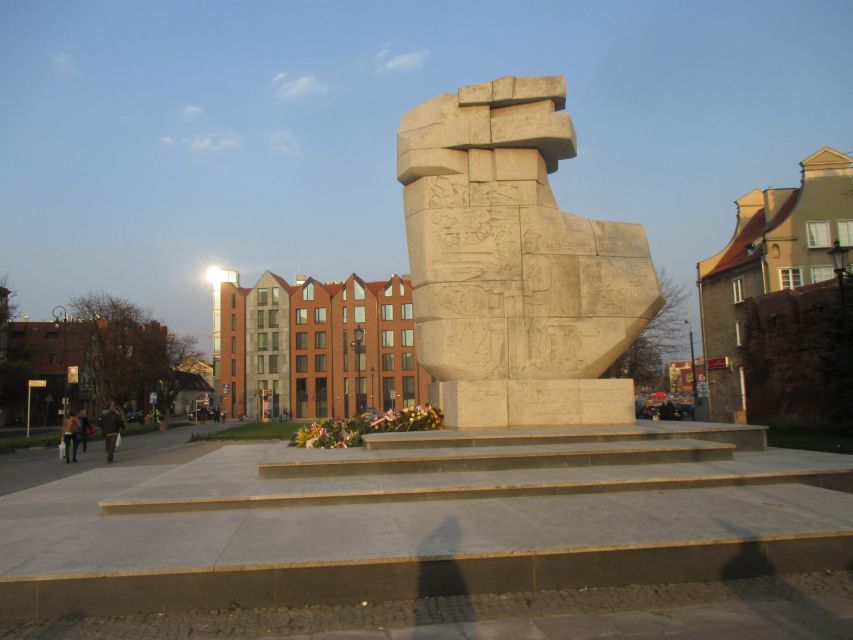
- Defenders of the Polish Post Office memorial, tied to early WWII fighting
- Church of St. James
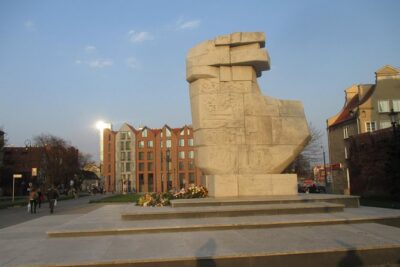
- Monument to the Fallen Shipyard Workers, focused on resistance against Nazi occupation and later struggles after the war
- stop at the European Solidarity Centre
- visit the BHP Hall, connected to the August Agreements
- see the Obrońca mural
- visit a preserved WWII air raid shelter
- end near the Imperial Shipyard
That list is doing more than “covering attractions.” It connects power and control across time. You see how the war era shaped identity, then how the political contest after the war continued in new forms.
If you like cause-and-effect history, the 4-hour version usually feels more satisfying than doing the museum alone. It turns Gdansk from a pretty port city into a place that keeps showing what people faced and what they fought for.
More Polish museums that take an afternoon:



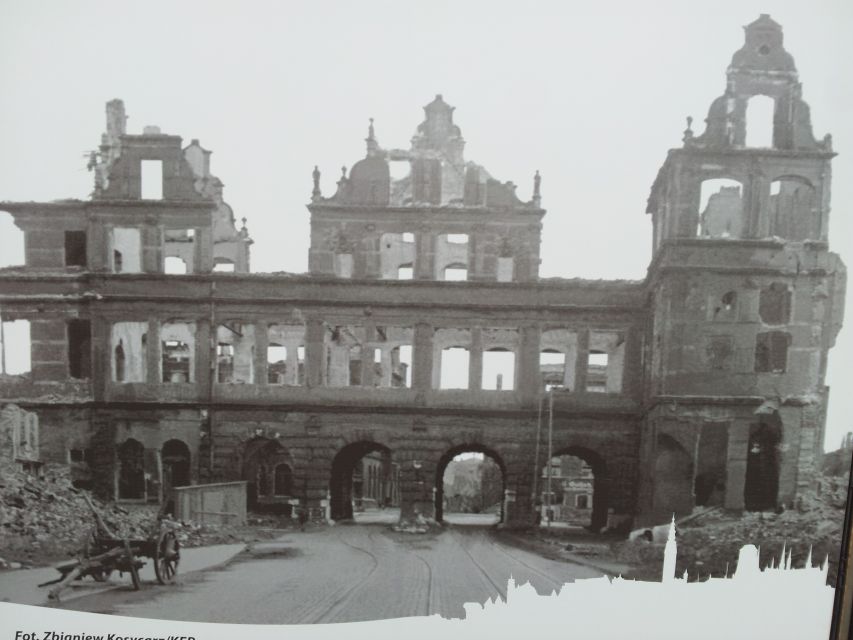
Defenders of the Polish Post Office and the shift from invasion to resistance
One of the most striking stops on the 4-hour walk is the Defenders of the Polish Post Office memorial. It marks one of the first battles connected to the Nazi invasion, and it sets the emotional tone for the rest of the city segment.
A memorial like this works best when you treat it like more than a photo spot. Your guide’s role here is important, because the meaning is in the details: who resisted, why it mattered, and how those early actions became part of Poland’s larger story.
Then you keep moving through the city, and you start noticing how resistance is not only a “war story” but a social one. It shows up in communities, buildings, and institutions.
For me, that is the strongest value of doing the walking part with a guide. Without context, you might just read plaques. With context, you understand why this specific place was chosen to be remembered here.
St. James, the shipyard monument, and why Gdansk’s industry mattered
The walk includes the Church of St. James and the Monument to the Fallen Shipyard Workers. That combination matters because it ties spiritual or civic space to work space and sacrifice.
Shipyard stories in Gdansk are not abstract. The port and industry were strategic. They created both employment and leverage for occupying forces. They also became symbols of worker identity, resistance, and later political battles.
Your guide helps you connect the resistance against Nazi occupation to later fights tied to communist control. That is a big theme of the 4-hour option: the war did not end cleanly in 1945 for everyone, and Gdansk’s labor history kept shaping what came next.
If you love learning how ordinary places become historical battlegrounds, this portion is well worth the walking time. If you are physically limited, note the 4-hour option can include uneven ground and steps, and your guide adapts pacing to your group.
European Solidarity Centre and BHP Hall, independence written in dates
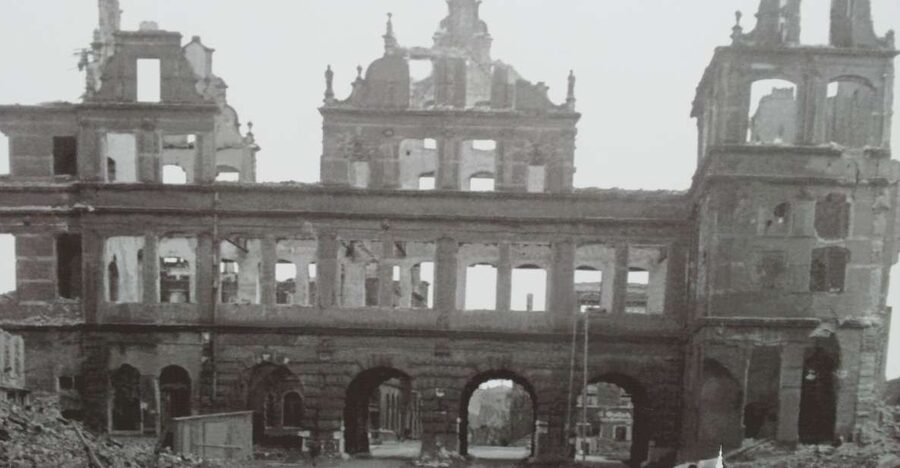
Next, you shift from WWII resistance into the next chapter. The stop at the European Solidarity Centre is a key one if you care about Poland’s path toward independence after the devastation of occupation and war.
Then comes the BHP Hall, where the famous August Agreements were signed. This is where history becomes specific. Dates and negotiations start to explain how political change happens, not just why it happens.
If you only visited a museum and skipped city landmarks, you would miss this kind of cause-and-effect. The museum gives you the war. These stops help you understand how the aftermath turned into organized resistance and political momentum.
You might also like the pace here, because it feels less like a lecture and more like a guided walk through meaning. You can ask questions and redirect the conversation toward what you care about most.
Obrońca mural, air raid shelter, and a city you can feel
Two stops add a strong visual and sensory layer: the Obrońca mural and a preserved WWII air raid shelter.
A mural like Obrońca is not just art. It’s a public memory choice. It tells you what a community decided to honor and how that honor should be seen in everyday life.
Then the air raid shelter makes the war physical. You move from symbolic remembrance to survival architecture. It’s the kind of stop that makes WWII feel less distant, because shelters are built for fear that is immediate and unavoidable.
After that, the tour ends near the Imperial Shipyard, where wartime industry still echoes in the city’s layout and identity. Even if you are not a shipyard history fanatic, this stop helps you connect the dots between geography and events.
The guide you get, and how to make it count
This tour is private, which means the guide can shape the pace around you. That matters in a WWII context, where people often want different things. Some want the timeline. Some want the human stories. Some want the political thread. With a private guide, you can steer.
The language options are wide: English, German, Russian, Polish, Spanish, French, Italian, Norwegian, Swedish. The tour also states that your guide is fluent in your chosen language.
I also like that the tour has a track record of strong personalities. Names that have come up include Krzysztof for enthusiasm and humor, Małgorzata for extensive knowledge on a 4-hour run, Magdalena for a careful museum experience, Luca for answering lots of questions, and Elvira for making a large museum feel organized.
One consideration: history tours can turn into a lot of information in a short time. If English is your choice and you want crisp phrasing for complex questions, it helps to write down your top topics before the start. That way, you get the answers you came for without stress.
Practical logistics that affect your day
This is a timed experience. You meet your guide at Pomnik Rotmistrza Witolda Pileckiego, in front of the Museum of the Second World War, plac Władysława Bartoszewskiego 1, 80-862 Gdańsk.
You might also get hotel pickup if you’re within 1.5 km of the meeting point in Gdansk Old Town. For anyone staying farther out, you should plan to reach the meeting point on your own, since pickup is not guaranteed outside that zone.
The tour runs rain or shine, and the 4-hour option can include some uneven surfaces or steps. Bring comfortable shoes. Even if you’re not a big walker, plan for at least a decent amount of time on your feet.
One more museum-specific detail to remember: your skip-the-line ticket is for the pre-booked date and time, and it covers the permanent exhibition. If you plan to see extra museum sections beyond that, you might need to check what else is included separately.
Value check: is $153 per person worth it?
For $153 per person, you’re paying for three things that usually cost more when you do them separately:
- a licensed private guide to translate the museum and city into a coherent story
- skip-the-line museum tickets for a timed entry visit
- a structured city walk in the 4-hour option, with specific stops tied to WWII and post-war communism
The value angle is not just “you save time.” It’s that a guide turns a big museum into a set of meaningful threads. Without a guide, a museum visit can become a blur of rooms and artifacts. With a guide, the experience becomes directed and personal.
Also, the private format is great for couples and small groups, because you can ask questions at the pace you want. For many people, that flexibility is exactly what they pay for.
If you only have time for one WWII-related thing in Gdansk and you love history, the museum + guide pairing is the strongest value. If you want the full story from occupation into the political aftermath, the 4-hour option gives you more “there, and then” context and is usually the smarter buy.
Should you book this Gdansk WWII private tour?
I’d book it if you want WWII history in Gdansk with a guide who can connect the dots from 1939 to resistance and then to the post-war communism thread. The museum alone is a big deal, but the city walk option is what makes Gdansk feel like one continuous story instead of a set of separate stops.
I would hold off if you only want a quick overview, because a guided tour plus a museum plus walking is not a “light afternoon.” Also, if timed entry is likely to be stressful for your schedule, plan your day so you can arrive on time for the museum slot.
If you do go, come with 3 to 5 questions you genuinely care about. This is the kind of tour where those questions get answered, and you leave with a clearer picture of what people faced, not just what happened.
FAQ
Where is the meeting point?
Meet your guide at Pomnik Rotmistrza Witolda Pileckiego in front of the Museum of the Second World War, plac Władysława Bartoszewskiego 1, 80-862 Gdańsk.
What is included in the 2-hour versus 4-hour option?
The 2-hour option focuses on the Museum of the Second World War. The 4-hour option adds an extended walking tour covering significant WWII and post-war communist history sites in Gdansk.
What does skip-the-line mean for the museum?
The tickets help you skip the ticket office line at the museum. You still need to enter through the museum entrance, and tickets are valid for a pre-booked date and time. Admission is for the permanent exhibition.
What languages are available for the live guide?
The live guide is available in English, German, Russian, Polish, Spanish, French, Italian, Norwegian, and Swedish.
Is hotel pickup available?
Pickup is available from hotels located within 1.5 km of the meeting point in Gdansk Old Town, and the itinerary may be adjusted based on where you are staying.
Is the tour wheelchair accessible?
Yes, the tour is listed as wheelchair accessible.
Freshly posted from Gdansk
- Private Walking Tour of Old Gdańsk with an architect-guide★ 5.0 · 7 reviews
- GDANSK City Tour by Golf Cart Live Guide & Sightseeing 90min★ 4.7 · 7 reviews
- Stutthof Concentration Camp private tour★ 5.0 · 7 reviews
- Private Roundtrip Transfer to Stutthof Concentration Camp 4h★ 5.0 · 7 reviews
- Gdansk: Polish Craft Beer Tasting Session★ 4.5 · 7 reviews
- Gdansk, Sopot & Gdynia – Private 3 City Tour★ 5.0 · 7 reviews
- Gdansk: PRIVATE Alcotour City Tour Sightseeing Golf Cart★ 5.0 · 7 reviews
Warsaw Uprising & World War II Tours, compared.
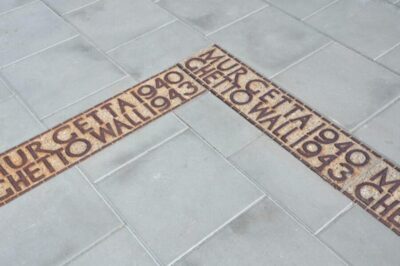
World War Two in Krakow: Jewish Quarter & Ghetto Tour
Read our review →
Warsaw for WWII Buffs – private tour with hotel pickup
Read our review →
III Reich & WW2 in Wroclaw. Monday, Wendsday, Friday regular tour
Read our review →
Museum of the Second World War Gdansk Private Tour & Tickets
Read our review →Browse the lists this tour appears in