
Reviewed · WARSAW UPRISING & WORLD WAR II TOURS
Wrocław: World War II and the non-existent city of Breslau
Some cities feel like postcards. Wrocław feels like a document.
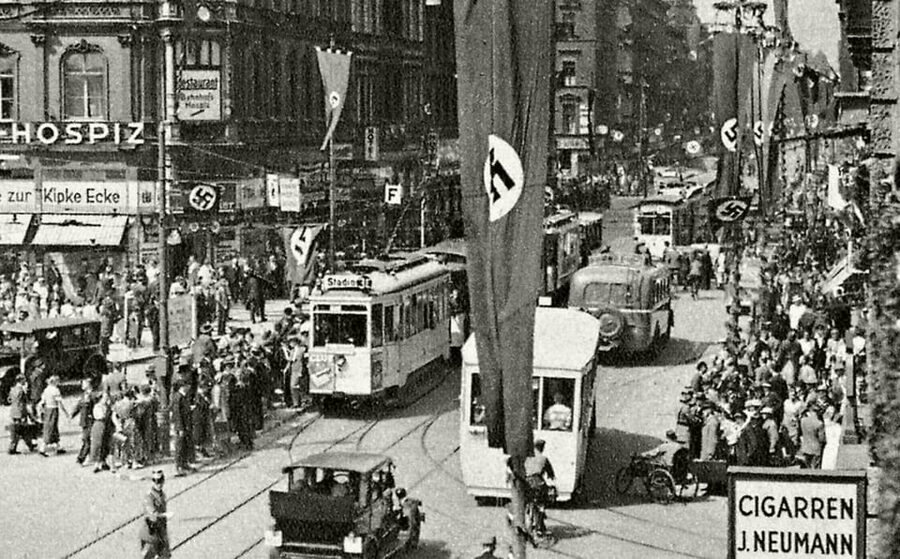
This tour traces how Breslau’s World War II story unfolded, then shows what changed after 1945. I like that you start in places that still look shockingly intact, especially Rynek and the Old Town Hall, and the guide ties it to what the city was like before and during the fighting. You’ll also see photographs from 1933 to 1945, which makes the vanished city feel real, not abstract.
Two things really work for me here: the route is tight, and the guide keeps it grounded in what you can actually see. A recurring standout is the guide Norbert, praised for being exceptionally informative, and that matters because this topic can get blurry fast if someone only gives dates. One possible drawback: the tour is only 2 hours, so if you want ultra-deep focus on ideology and politics, you should go in ready to ask for emphasis on the WWII angle early in the walk.
In This Review
- Key points worth knowing before you go
- Where Breslau’s WWII story lives in today’s Wrocław
- Meeting at Piwnica Świdnicka, then straight into the timeline
- Rynek: where the Old Town Hall still carries the weight
- Solny Square bunkers: protection built into the city
- From parade routes to the Monopol Hotel balcony
- Partisan Hill: Breslau Fortress command and the surviving underground
- Ostrów Tumski: the fiercest 1945 battles and today’s restored core
- The NSDAP headquarters stop and the freedom to explore after
- Price and value: $209 per group up to 14 people
- Who should book this Wrocław WWII walk, and who might skip it
- Book it or not? My practical take
- FAQ
- How long is the Wrocław: World War II and the non-existent city of Breslau tour?
- Where do we meet for the tour?
- What sites does the tour include?
- Do we see photographs from the war period?
- What languages is the live guide available in?
- Is this a private group tour?
- Is the tour wheelchair accessible?
- What is the price and group size?
- What are the cancellation and reserve options?
Key points worth knowing before you go
- Surviving landmarks versus total war damage, so you can feel the contrast immediately
- Bunker history at street level, including what remains at Partisan Hill
- Nazi-era symbolism mapped to real buildings, like the Monopol Hotel balcony views
- Breslau Fortress command sites and underground spaces, not just general history
- Ostrów Tumski and the Cathedral viewpoint, tied to the fiercest 1945 battles
Where Breslau’s WWII story lives in today’s Wrocław
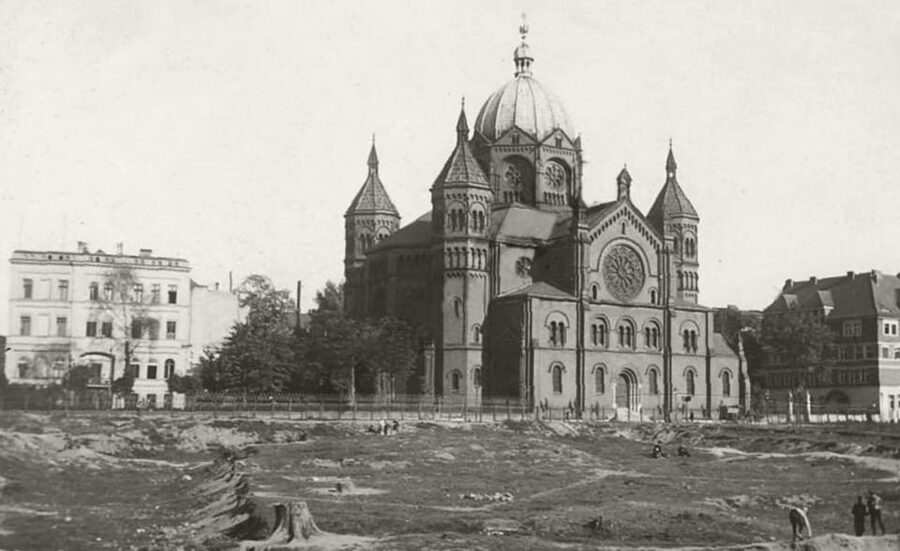
Wrocław was Breslau, and the name change is more than a label. The city became heavily connected with the NSDAP movement in Germany, especially from the early 1930s, and it later took on a fortress identity when 1945 turned desperate. On this tour, you’re not just hearing theory. You’re walking through the same urban structure that shaped decisions, fear, and daily life until the end.
You’ll also get a clearer picture of why this period still matters locally. The tour doesn’t freeze the story in 1939 and call it done. It explains how the city functioned and suffered up to 1945, then points to how Wrocław was rebuilt afterward. That before-and-after framing is what makes the walk feel practical, not museum-only.
Further tours tracing the 1944 Uprising:
- Wroclaw: Third Reich and World War Two Historical Tour
★ 4.9 · 43 reviews - III Reich & WW2 in Wroclaw. Monday, Wendsday, Friday regular tour
★ 4.5 · 32 reviews - The secrets of World War II
★ 5.0 · 18 reviews
Meeting at Piwnica Świdnicka, then straight into the timeline
You meet at the entrance of Restauracja Piwnica Świdnicka. Starting at a working restaurant makes it easier to settle in, get oriented, and focus on the walk ahead rather than spending time on a generic introduction.
From there, you head toward the city center on foot. You’ll cover several key locations in a logical order, so the story builds like a sequence: surviving core first, then protection efforts, then public events, then the fortress and underground side, and finally the fighting around Ostrów Tumski.
Rynek: where the Old Town Hall still carries the weight
Your first major stop is Rynek, right by the Old Town Hall. The guide frames this place as something of a miracle. This is one of the areas that survived the war and the destruction that followed, so it becomes a powerful contrast point when you’re hearing about what Breslau became after it was declared a fortress in 1945.
What I like about starting here is that it forces you to think spatially. From the square, it’s easier to understand why rallies, commands, and everyday movement would matter so much. Even if you’re not a history person, standing in a surviving public square makes the rest of the tour click.
One consideration: if you prefer long museum-style explanations, you may wish the guide had more time for the central square alone. But the short format is also a strength, because it prevents the topic from drifting into random tangents.
Solny Square bunkers: protection built into the city
Next comes Plac Solny, where the tour connects the city’s war reality to concrete survival steps. This is where the first bunkers in the city were built to protect local residents. The guide then focuses on whether remnants exist today, which is important because it moves you beyond “there were bunkers” into “here is what’s still visible.”
For practical sightseeing, this stop teaches you how to read the city. You start noticing that everyday streets and squares were shaped by wartime planning, not just by later reconstruction. Even short stretches between locations become meaningful when you understand the purpose behind them.
Still tacked up around Wroclaw

From parade routes to the Monopol Hotel balcony
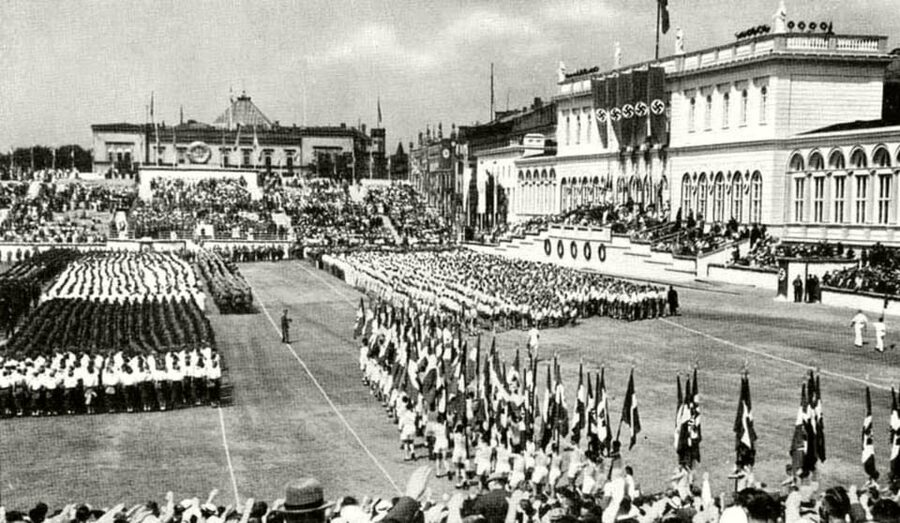
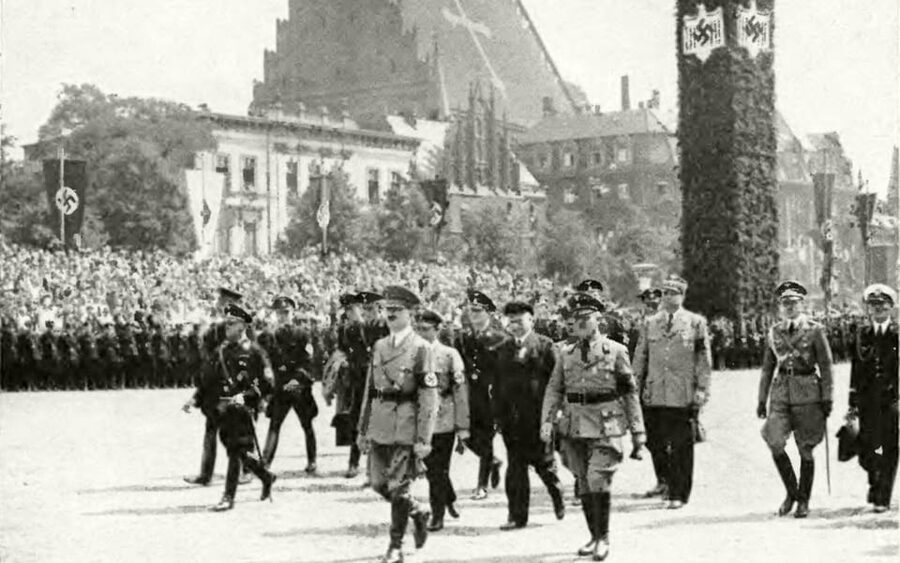
The tour continues toward the former Castle Square area, the kind of place where public power showed itself. Before 1945, Nazi parades and Fackelzüge took place here. The guide also links it to Hitler visiting Breslau several times, including the dramatic detail of him greeting supporters from the balcony of the Monopol Hotel.
Then you move onto Świdnicka Street (Schweidnitzer-Strasse). This street is presented as a representative spine of the city: it’s where the inhabitants greeted their leader during visits, and it’s also where the victorious Soviet Army entered the city in 1945. That contrast is the emotional engine of this segment. The same street rhythm can represent two completely different realities, depending on who controls it.
If you’re the type who needs quiet time to process heavy history, consider that this part includes political symbolism and public spectacle. It’s still informative, but it can feel intense.
Partisan Hill: Breslau Fortress command and the surviving underground
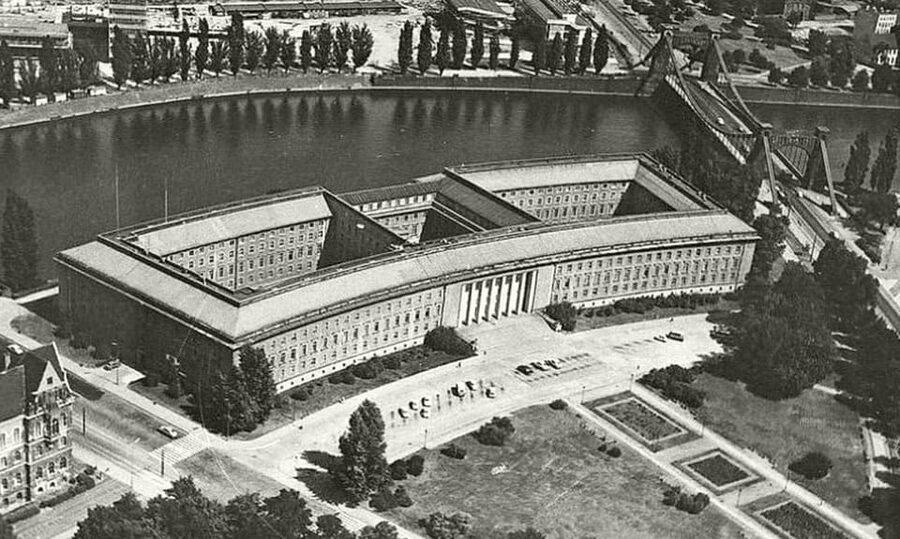
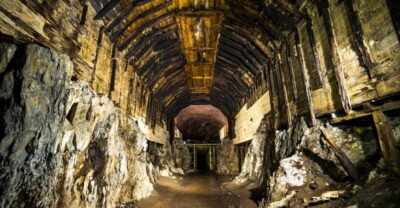
This is where the walk turns from “storytelling” into something you can almost picture. At Wzgórze Partyzantów (Partisan Hill, Lieblichs Höhe), the guide explains that this area held command elements of the Breslau Fortress and that underground bunkers were located here as well.
The payoff is that the underground bunkers remain to this day, and the hill itself is now a place for everyday relaxation, with cafes and beer gardens plus city views. That blend is fascinating, because it shows how quickly a city tries to return to normal life when the war stops. Still, the physical presence of the bunkers keeps the memory rooted.
Practical tip: bring comfortable shoes. Even if the stops are not long, the tour relies on good walking pace, and the hill setting makes it easy to lose track unless you’re ready for a few active minutes.
Ostrów Tumski: the fiercest 1945 battles and today’s restored core
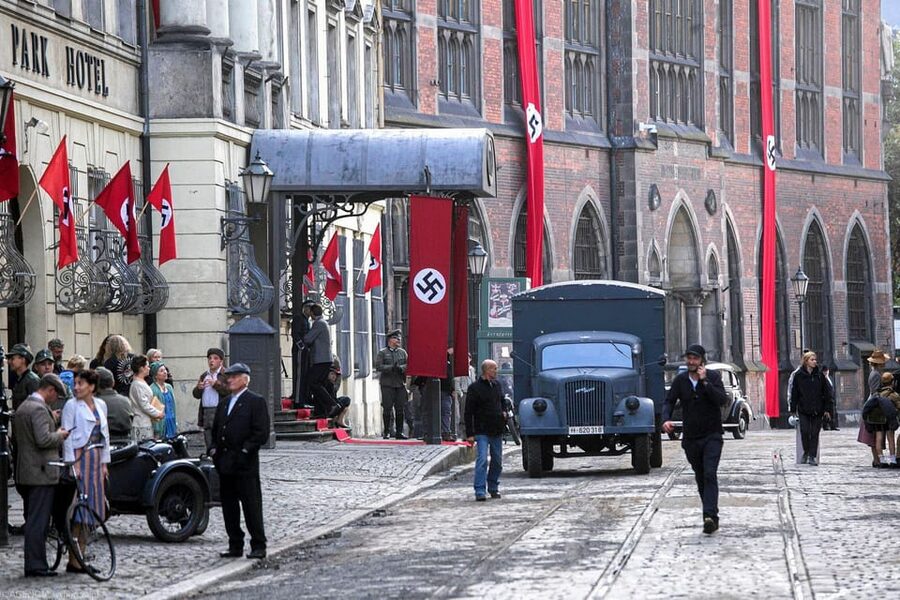
The last major portion brings you toward Ostrów Tumski (Dominsel), described as the place where the most fierce battles for the city took place in 1945. The key point here is that you’re not just approaching an old neighborhood. You’re approaching a site where the war concentrated violence, then watching how it reappeared after restoration.
You’ll also connect the viewpoint experience to history. The tour includes admiration of the oldest part of the city from Ceglarskie Hill (Holtei-Hoehe), with the Cathedral area at Ostrów Tumski beautifully restored. This viewpoint is the kind of moment where you can look out over the city and start noticing how the modern layout grew out of the older core.
Photo stop time here is short, so if you want extra photos, it helps to be ready with your framing early. Once you step onto a viewpoint path, you’ll want to capture the overall composition, not just close-up details.
The NSDAP headquarters stop and the freedom to explore after
The tour ends in front of the former building that served as the headquarters of the NSDAP authorities in Breslau. After that, you can explore Ostrów Tumski and its monuments on your own, which is a smart way to balance heavy content with personal pacing.
This is also where the tour’s structure makes sense. You finish near one of Wrocław’s most photogenic historic zones, so the walk doesn’t end with a dead stop. Instead, you get a natural transition: from wartime mapping to sightseeing at your own speed.
Price and value: $209 per group up to 14 people
The listed price is $209 per group up to 14, for a total duration of 2 hours. What that means in practice is that the value jumps when you travel with friends or family. If you fill the group size, the effective cost per person can drop to around the teens per person range. If you have only a few people, the per-person cost rises, so it’s usually best when you can spread it.
The tour also includes a professionally licensed guide for your group only, which is a big factor in value. With topics like Festung Breslau, bunker locations, and the symbolism of specific buildings, you really want a guide who can connect street-level details to the big events.
Two more value signals: the guide language setup (Polish and German) and the fact that the itinerary includes both the wartime sites and what remains today. Many city tours skim past the physical evidence. Here, you get the survival contrast built into the route.
Who should book this Wrocław WWII walk, and who might skip it
Book it if you want a focused World War II in Wrocław route with a clear story from ideology and daily life to fortress defense and the aftermath. You’ll like it if you enjoy seeing how history sits directly on the city’s bones: squares, streets, hills, and buildings that still exist.
It’s also a good pick if your group wants something more personal than a large public tour. This is a private group experience, so you can absorb the information at a more comfortable pace.
Skip or think twice if your main goal is general sightseeing. The core theme is Breslau and the war period, and the experience quality can depend on how strongly the guide keeps the discussion anchored to those specifics. One attendee reported that the thematic expectations were not fully met, which is a reminder to set your intent clearly at the start.
Book it or not? My practical take
If your idea of a great Wrocław day includes WWII sites, bunker remnants, and the grim logic of a fortress city, I’d book this. It’s efficient, visually grounded, and it uses real locations plus 1933 to 1945 photos to make the story tangible.
If you’re traveling with people who want lighter history, consider pairing it with a more relaxed Old Town stroll on another day. But for anyone who wants a sharper, more specific Wrocław story than the usual highlights reel, this walk gives you a useful spine for understanding the city.
FAQ
How long is the Wrocław: World War II and the non-existent city of Breslau tour?
It lasts about 2 hours.
Where do we meet for the tour?
You meet at the entrance to Restauracja Piwnica Świdnicka in Wrocław.
What sites does the tour include?
It includes stops and pass-bys around Rynek (Old Town Hall area), Plac Solny, the Hotel Monopol area, Świdnicka Street, Wzgórze Partyzantów (Partisan Hill), and Ostrów Tumski, with photo stops along the way.
Do we see photographs from the war period?
Yes. The tour includes photographs of the city from 1933 to 1945.
What languages is the live guide available in?
The live guide speaks Polish and German.
Is this a private group tour?
Yes. It is offered as a private group experience, for your group only.
Is the tour wheelchair accessible?
Yes, it is listed as wheelchair accessible.
What is the price and group size?
The price is listed as $209 per group up to 14 people.
What are the cancellation and reserve options?
You can cancel up to 24 hours in advance for a full refund, and you can reserve now and pay later.
Freshly posted from Wroclaw
- Electric Scooter Tour: Old Town Tour – 1,5-Hour of Magic!★ 5.0 · 1 review
- Poznan: Heart of Greater Poland full Day Trip from Wroclaw★ 5.0 · 1 review
- Wroclaw Scavenger Hunt and Highlights Self-Guided Tour★ 5.0 · 1 review
- Wroclaw – Gross Rosen Round Trip including tickets★ 5.0 · 1 review
- University of Wrocław – discover this place with a guide!★ 5.0 · 1 review
- Wrocław: Solar gondola cruise on the Oder with a guide★ 5.0 · 1 review
- Wroclaw Grand City Private Tour with Japanise Garden and Panorama Painting★ 5.0 · 1 review
Warsaw Uprising & World War II Tours, compared.
World War Two in Krakow: Jewish Quarter & Ghetto Tour
Read our review →
Warsaw for WWII Buffs – private tour with hotel pickup
Read our review →
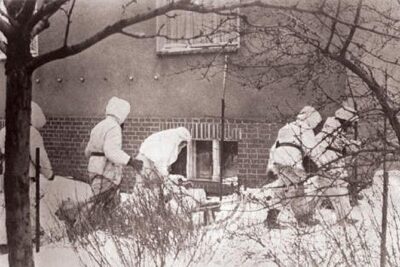
III Reich & WW2 in Wroclaw. Monday, Wendsday, Friday regular tour
Read our review →
Museum of the Second World War Gdansk Private Tour & Tickets
Read our review →Browse the lists this tour appears in