
Reviewed · WARSAW UPRISING & WORLD WAR II TOURS
Gdańsk: World War II Tour
Gdańsk starts the war you learned about. This Gdańsk WWII tour takes you to the places tied to the opening moves and the brutal end of the conflict, with a live guide telling the story through the eyes of Poles. I love how the route uses real sites like Westerplatte and the Polish Post area to make the history feel immediate, not textbook-only.
I also like the human scale of the tour. You get guided time for the big turning points, but it is still paced like a conversation with a person who cares about the city, including guides such as Bożena and Roxana, who bring warmth and clear explanations in English or Polish.
One caution: this tour is not suitable for people with mobility impairments, and bad weather can make outdoor walking and waiting more demanding. If rain and wind are likely, plan your clothes around it.
In This Review
- Key points to know before you go
- Why Gdańsk is more than a “WWII stop”
- Getting oriented fast with pickup and a private guide
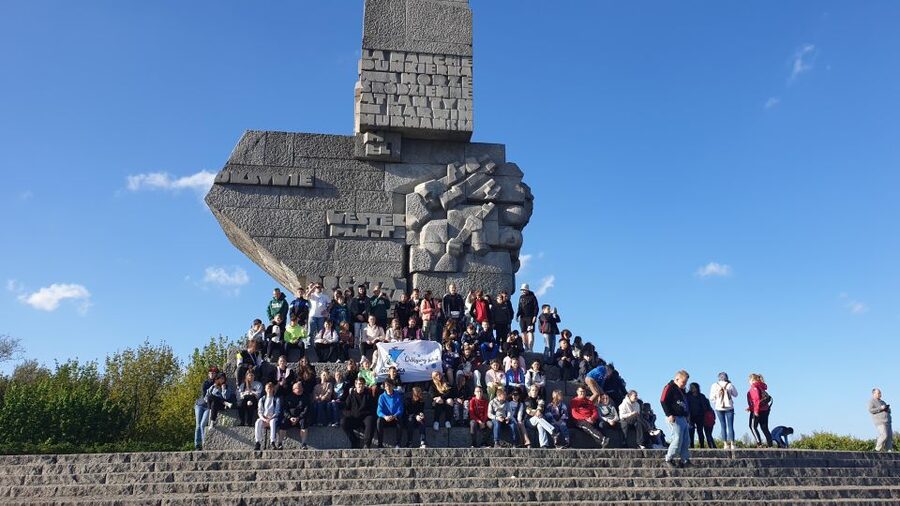
- Westerplatte: the one-hour guided anchor of the story
- The Museum of the Polish Post: short stop, heavy meaning
- Main City guided hour: Free City to the Red Army and wartime geography
- Price and value: when $195 makes sense
- Who should choose this WWII tour in Gdańsk
- Before you go: weather, comfort, and pacing tips
- FAQ
- How long is the Gdańsk WWII tour?
- What does it cost?
- Does the tour include pickup and drop-off?
- What stops are included during the tour?
- What is included in the price?
- What languages are available?
- Is the tour suitable for people with mobility impairments?
- Should you book this Gdańsk WWII tour?
Key points to know before you go
- Westerplatte for a full guided hour so the opening chapter has room to land.
- Museum of the Polish Post for 30 minutes that keeps focus on messages, people, and consequence.
- Main City guided time for one hour, connecting the wartime story to the way Gdańsk developed around it.
- Private group format, with pickup and drop-off in Gdańsk and transport in a car or minivan.
- English and Polish live guiding, so you can ask questions and follow the thread clearly.
- Bad-weather clothing helps, because part of the experience takes place outdoors.
Why Gdańsk is more than a “WWII stop”
Gdańsk is one of those cities where history sits in the ground and in the street names. This tour is built around a simple idea: don’t treat WWII as something that happened elsewhere. Here, you trace how the conflict began and how it spread, then you get the hard reality of what it meant when the war finally returned to the city itself in 1945.
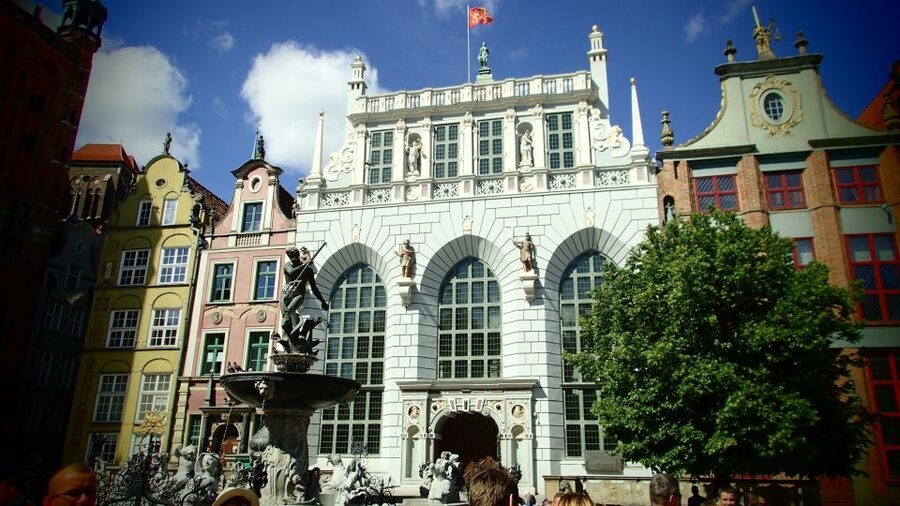
What I find especially valuable is the focus on the Polish perspective. The tour frames the story through the experiences, choices, and tragedies of people in the region, not just big-picture military charts. You also hear the arc from the Free City of Gdańsk era through key moments like the attack of the Red Army, and the story reaches into Gdańsk’s wartime geography, including Gradowa Mountain.
If you like history but hate lectures that feel like reciting dates, this format helps. You are moving between places where the setting explains why events unfolded the way they did. It is history you can walk through.
Further tours tracing the 1944 Uprising:
- Museum of the Second World War Gdansk Private Tour & Tickets
★ 5.0 · 24 reviews - Gdansk Private WWII Tour with Museum of the Second World War
★ 4.9 · 22 reviews - Private WW2 Tour of Westerplatte,Gdansk and Stutthof Including Lunch
★ 5.0 · 12 reviews
Getting oriented fast with pickup and a private guide
The “where do I meet and when do I start” part matters, especially in Gdańsk where you do not want to burn time hunting addresses. This experience includes pickup and drop-off at your accommodation or a central location in the city. You also get transportation by car or minivan between stops, which keeps the day from turning into a long transit puzzle.
The private group format is another practical win. You are not squeezed into a crowd, so your guide can adjust pacing and questions to your language comfort and interests. The tour is offered with a live guide in English or Polish, and the reviews highlight guides like Bożena, Roxana, and Sebastian Malyszczyk for being friendly and clear, with explanations that help you actually follow what you are seeing.
Time-wise, it is 210 minutes total. That is about three and a half hours, including transfers. For many people, that is the sweet spot, long enough for real guided time at major sites, short enough to still keep the rest of your Gdańsk day open.
Westerplatte: the one-hour guided anchor of the story
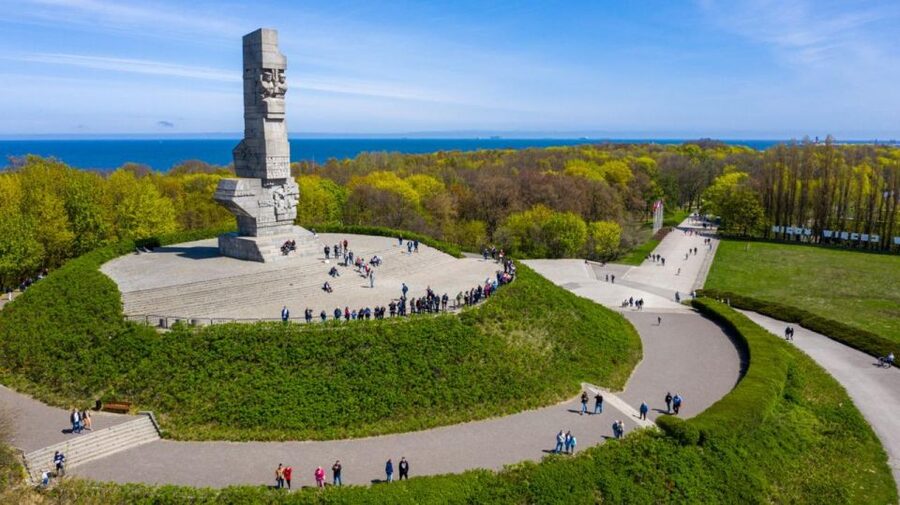
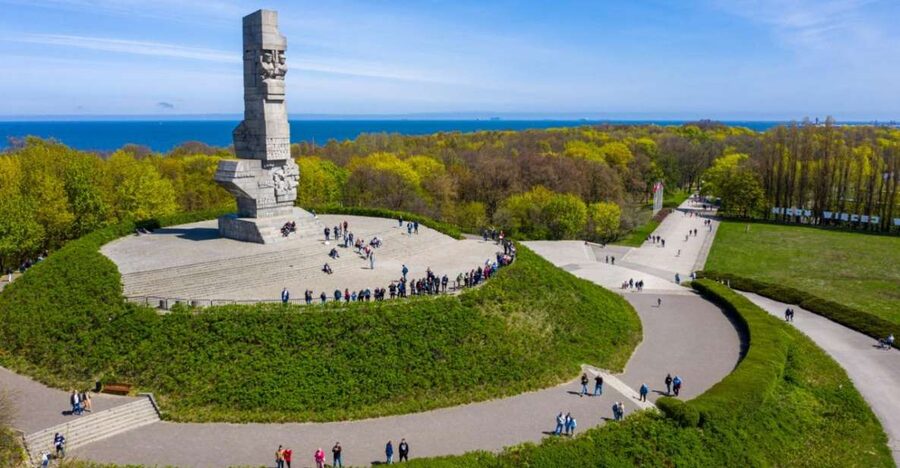
Westerplatte is where the tour’s emotional engine starts. The experience is designed so you spend a guided hour there, which is important. If you only skim, the place turns into a photo stop. Give it time, and it becomes a scene with context.
During your visit, you should expect your guide to set up the meaning of Westerplatte in the larger conflict, then connect it back to what came after. The tour’s descriptions also emphasize the opening moves and how WWII continued to spread from this point, so your time on Westerplatte is not isolated. It is the beginning of a thread that the rest of the day follows.
Practical note: plan for outdoor time at Westerplatte. Even if the route does not keep you standing constantly, you will likely spend time observing and listening in the elements. This is why the tour recommends clothes appropriate for bad weather. The Baltic area can change fast, and you do not want to spend the most intense part of the tour thinking about your discomfort.
If you care about understanding cause and effect, Westerplatte is the right first stop. It gives you a reference point, so later details in the main city do not feel random.
The Museum of the Polish Post: short stop, heavy meaning
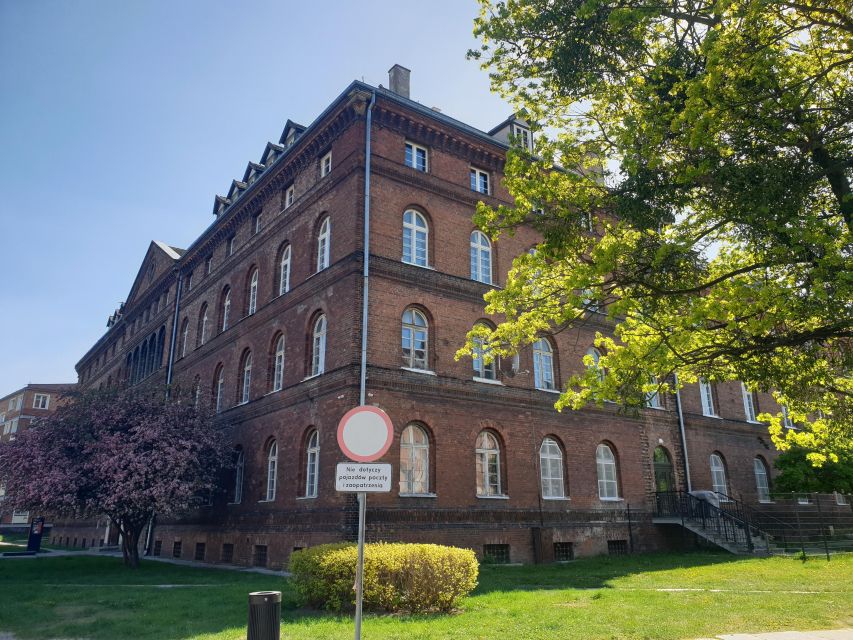
After Westerplatte, the tour moves to the Museum of the Polish Post for about 30 minutes of guided time. A half hour sounds brief, but it is designed like a focused breather, not a detour.
This stop matters because it shifts the story from battlefield movements to communication and the human stakes of conflict. Even without getting buried in paperwork, you can feel the point: wars are not only fought with weapons. They are also fought with information, orders, fear, and the ability to reach people.
Why I like this pacing: it prevents the day from becoming one long parade of solemn monuments. The museum stop gives you something different to process, and then you return to the streets with clearer context. When you later hear about the Free City of Gdańsk period and the approach of bigger forces like the Red Army, the story connects more naturally.
Because the museum time is shorter, you will get more out of this stop if you keep your questions simple. Ask what the guide thinks is most important to notice, then listen for the details they point out.
Still tacked up around Gdansk

Main City guided hour: Free City to the Red Army and wartime geography
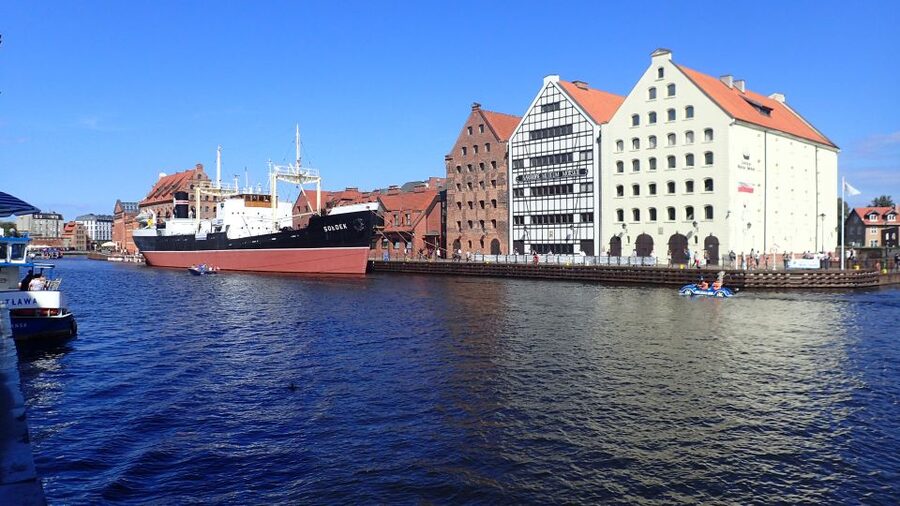
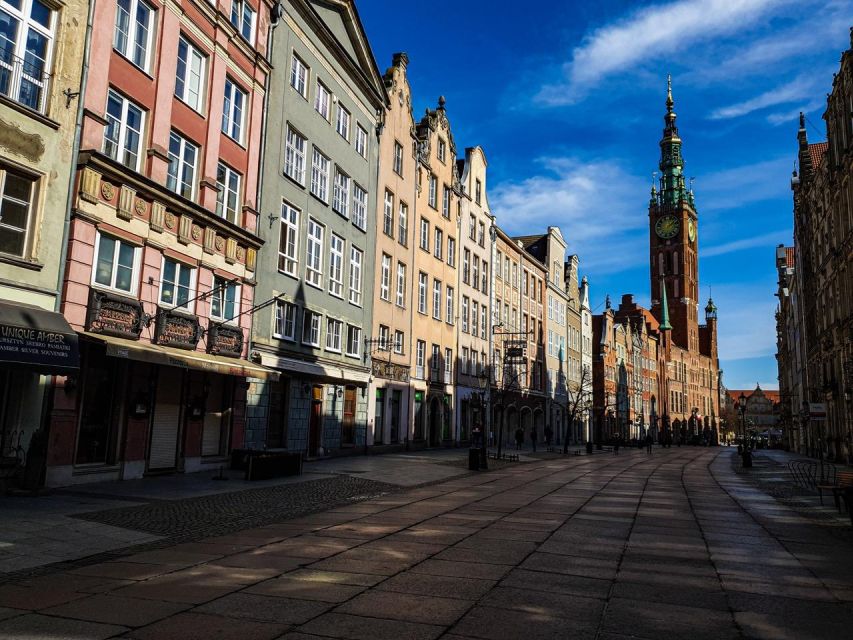
The final guided block is the main city, with about one hour of touring time. This is where you take everything you learned at Westerplatte and the Polish Post museum and translate it into how Gdańsk’s story developed.
The tour description specifically references moving from the Free City of Gdańsk era through the attack of the Red Army, and it also points to wartime geography like Gradowa Mountain. In practical terms, you are not just collecting facts. You are seeing how the war’s timeline fits the shape and layout of the city.
If you have been to Gdańsk before, I would still do this part. It is the segment that helps you connect what you already know with what you did not know. Even people who think they understand the city usually leave this kind of guided city walk with a new mental map.
There is also a subtle emotional structure to the day: it starts at the origin point, shifts to human consequence through a museum, then lands back into the city where you can imagine everyday life being disrupted. That arc is the difference between a “site list” and an actual understanding.
Price and value: when $195 makes sense
At $195 per person for roughly 210 minutes, you are paying for more than entry tickets. You are paying for a guided experience with pickup and drop-off, transportation by car or minivan, a live guide, and water.
Is it expensive? It can be, depending on how you travel and what you value. But the math looks different when you factor in convenience and time. You are not scheduling multiple guide appointments or stitching together public transit between dispersed WWII-related stops. You also get private-group attention, which can matter when language and details are key to understanding tense historical moments.
For me, the value case is strongest if:
- You want a coherent WWII story in Gdańsk, not three separate visits.
- You are okay paying for guide-led interpretation instead of self-guided wandering.
- You prefer fewer logistics and more time understanding what you are seeing.
If you are the type who loves reading on your own and you do not care about guided explanations, then the price might feel steep. But if you want clarity, this price buys you that.
Who should choose this WWII tour in Gdańsk
This tour fits best if you want history that feels grounded. I recommend it for people who:
- Like guided storytelling that connects sites, not just “look at this plaque” stops.
- Want the Polish perspective on WWII events in Gdańsk and the surrounding region.
- Appreciate English or Polish live guiding and the chance to ask questions.
It may be a poor fit if you need accessibility accommodations, since it is not suitable for people with mobility impairments. It is also worth considering if you dislike weather-dependent walking, because the tour does suggest packing for bad weather.
For families, it can work for older teens who can handle serious topics and a few hours of focused attention. But if you are traveling with very young kids, you might want to choose a different style of sightseeing.
Before you go: weather, comfort, and pacing tips
Because the tour recommends clothing for bad weather, take that seriously. Bring layers, a waterproof outer layer if rain is possible, and shoes you trust on uneven surfaces. The goal is simple: be comfortable enough to listen without distraction.
Also, plan your day around a focused three and a half hours. This is not a quick checklist tour. The stops are guided for meaningful blocks of time, so try not to stack your schedule immediately after with demanding plans.
Finally, come ready to think in timelines. The tour moves from the Free City era to later wartime phases, so if you keep one question in mind, like What changed here over time?, you will get more from every stop.
FAQ
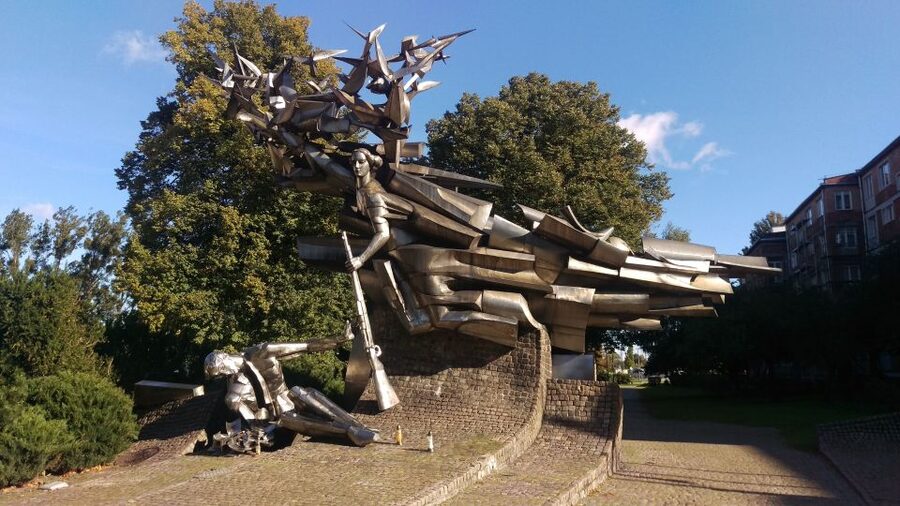
How long is the Gdańsk WWII tour?
The tour duration is 210 minutes.
What does it cost?
The price is $195 per person.
Does the tour include pickup and drop-off?
Yes. Pickup and drop-off are included at your accommodation or a central location in Gdańsk.
What stops are included during the tour?
The tour includes visits to Westerplatte (guided tour), the Museum of the Polish Post (guided tour), and the main city (guided tour).
What is included in the price?
Included items are transportation in a car or minivan, a tour guide, water, plus pickup and drop-off in Gdańsk.
What languages are available?
The live tour guide is available in English and Polish.
Is the tour suitable for people with mobility impairments?
No. It is not suitable for people with mobility impairments.
Should you book this Gdańsk WWII tour?
Book it if you want a guided, site-based WWII story in Gdańsk that actually connects the opening conflict to what happened to the city later. The value comes from the private format, the pickup convenience, and the way the guide ties together places like Westerplatte and the Museum of the Polish Post into one clear narrative.
Skip it if accessibility is a concern, or if you do not want a few hours of serious historical content guided in a structured way. If you do want that structure, you will likely appreciate the clear pacing and the kind of guide attention highlighted by Bożena, Roxana, and Sebastian Malyszczyk.
Freshly posted from Gdansk
- Private Walking Tour of Old Gdańsk with an architect-guide★ 5.0 · 7 reviews
- GDANSK City Tour by Golf Cart Live Guide & Sightseeing 90min★ 4.7 · 7 reviews
- Stutthof Concentration Camp private tour★ 5.0 · 7 reviews
- Private Roundtrip Transfer to Stutthof Concentration Camp 4h★ 5.0 · 7 reviews
- Gdansk: Polish Craft Beer Tasting Session★ 4.5 · 7 reviews
- Gdansk, Sopot & Gdynia – Private 3 City Tour★ 5.0 · 7 reviews
- Gdansk: PRIVATE Alcotour City Tour Sightseeing Golf Cart★ 5.0 · 7 reviews
Warsaw Uprising & World War II Tours, compared.
World War Two in Krakow: Jewish Quarter & Ghetto Tour
Read our review →
Warsaw for WWII Buffs – private tour with hotel pickup
Read our review →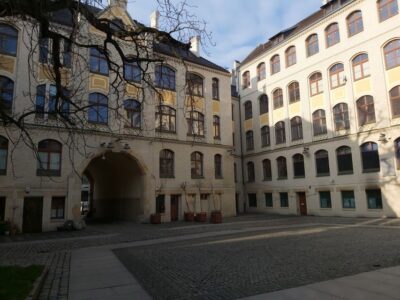
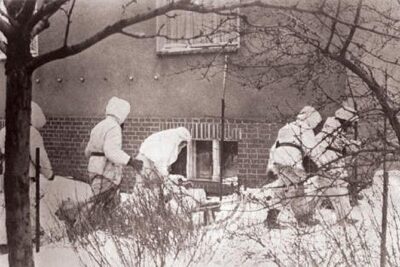
III Reich & WW2 in Wroclaw. Monday, Wendsday, Friday regular tour
Read our review →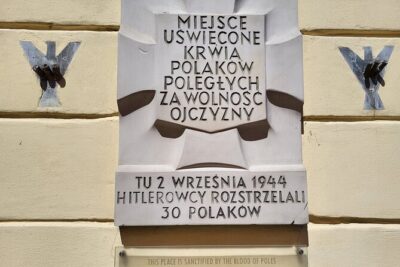
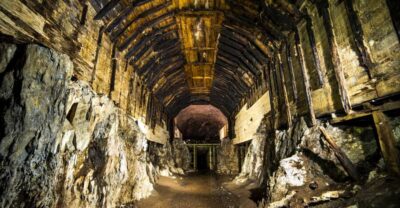
Museum of the Second World War Gdansk Private Tour & Tickets
Read our review →Browse the lists this tour appears in