
Reviewed · JEWISH HISTORY & HERITAGE TOURS
Warsaw: POLIN Museum of the History of Polish Jews Ticket
You walk in for history, then it keeps going. POLIN turns 1,000 years of Polish Jewish life into hands-on galleries with artifacts, paintings, and audio support you can follow at your own pace. I especially liked the audio guide setup, which helps you stay oriented while you move through the museum’s changing themes. One catch: it can feel intense, and you will need real time if you want more than a quick skim.
This is a one-day ticket for the permanent exhibition, plus access to a temporary exhibition if one is running. Plan around the fact that admission to the core areas closes 2 hours before the museum closes, and that you must pass electronic scanning before entering the main exhibition.
In This Review
- POLIN At a Glance, and Why It Works
- Value First: What Your $12 Ticket Really Buys
- Getting In: Where Time Goes and How to Start Well
- How POLIN Tells 1,000 Years in Sections You Can Actually Follow
- Early Life, Community Roots, and Why the First Half Can Be a Lot
- The Interactive Stations, Buttons, and a Beautiful Sense of Place
- The Audio Guide Technology: Freedom With Structure
- The Holocaust Section: Intense, Direct, and Placed in Context
- How Long You Need: 2 Hours Is the Minimum, Not the Goal
- Lunch and Breaks: Eat Inside, Keep Going
- Best Time to Go and How to Avoid Feeling Rushed
- Who This Works For, and Who Might Want a Different Plan
- Should You Book the POLIN Museum of the History of Polish Jews Ticket?
- FAQ
- What does the Warsaw POLIN ticket include?
- How long should I plan to spend at the museum?
- When can I enter the core exhibition?
- Do I need a guided tour?
- Is there an audioguide, and what languages are available?
- Is the museum wheelchair accessible?
- Are there any luggage restrictions?
- Can I leave the museum for lunch and come back the same day?
POLIN At a Glance, and Why It Works
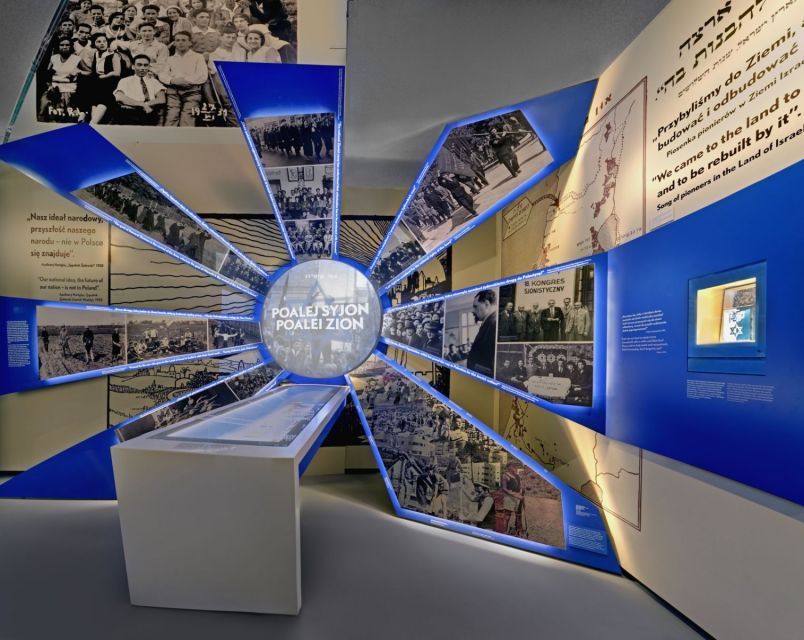
- 1,000 years in 8 galleries that move from early community roots to today
- Audio guide that helps you find the right story as you go, without needing a group guide
- Artifacts, paintings, and interactive stations that make daily life feel specific, not abstract
- The Holocaust section is contextualized, placed inside the larger arc of Jewish life in Poland
- Real pacing breaks are built in, with seating and a cafeteria style restaurant
- You control the speed, but the museum rewards those who slow down
Value First: What Your $12 Ticket Really Buys
At about $12 per person, this ticket is good value because it includes the heavy hitters: access to the permanent exhibition, access to a temporary exhibition if available, and an audioguide. There is no guided group included, but the museum is designed for self-guided learning. That matters. You can spend more time on the sections that hit hardest or interest you most, instead of feeling rushed by a tour schedule.
You also get flexibility in practice. Your ticket is valid for one day, so you can match it to your Warsaw rhythm. Just remember you are still working within museum hours, and entry to the core exhibition closes 2 hours before closing time.
More Museum Tours in Warsaw
- Warsaw: Polish Vodka Museum Tour with Tasting
★ 4.6 · 788 reviews - Warsaw: Museum of Life Under Communism Entry Ticket
★ 4.5 · 178 reviews - Warsaw: Ghetto, Jewish Cemetery & POLIN Museum Private Tour
★ 4.8 · 132 reviews
Getting In: Where Time Goes and How to Start Well
Your visit starts with something simple: present your voucher at POLIN. But do not treat the early minutes as trivial. Before you enter the main exhibition, every guest undergoes electronic scanning due to security restrictions. This is not dramatic, but it is part of the flow, so arriving earlier helps your day feel smoother.
Two other practical notes that shape your experience:
- The museum is closed on Tuesdays.
- Oversize luggage is not allowed, so travel light if you can.
Once you are past scanning, you are free to move. The museum’s layout is built so you can follow the story without needing a guide to point you around. That said, you do want to be ready to focus. The topics are serious, and the museum doesn’t hide behind vague themes.
How POLIN Tells 1,000 Years in Sections You Can Actually Follow
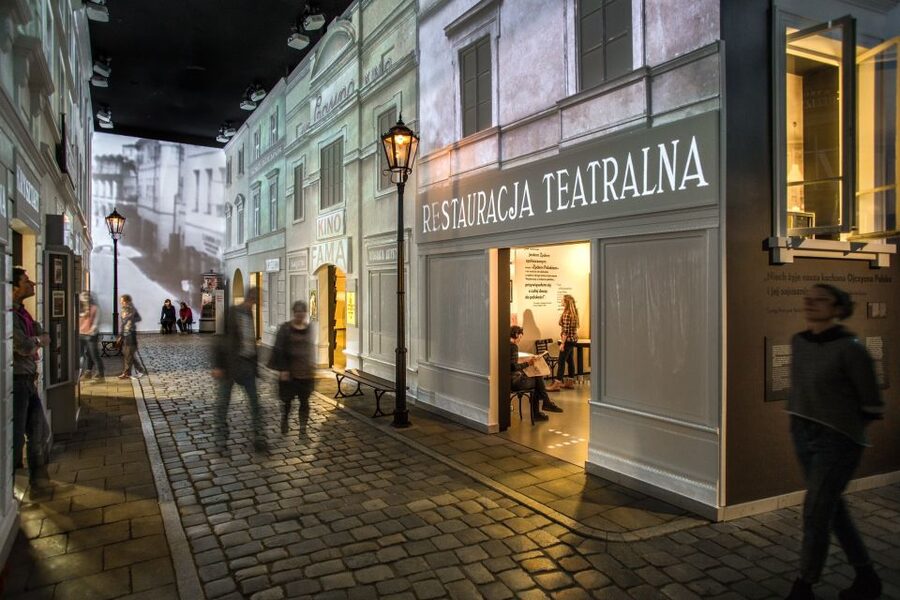
The core exhibition is organized to take you from the first Jewish communities in Poland through centuries of change, right up to the present. The museum does this through eight different galleries, using visual and audio materials, plus artifacts and paintings.
Here is the benefit of that structure for you: it keeps the story connected. You are not jumping from one random fact to another. Instead, you see how community life, religious practice, politics, and everyday culture shift over time. Even if you only have a few hours, the pacing is designed to keep the narrative readable.
You will also notice the museum’s balancing act. It does not treat Jewish history in Poland as only a Holocaust story. The tragic period is central, but it is framed by centuries of community life. That context changes how you process the hard material. You understand what was lost because you have already met what existed before.
Early Life, Community Roots, and Why the First Half Can Be a Lot
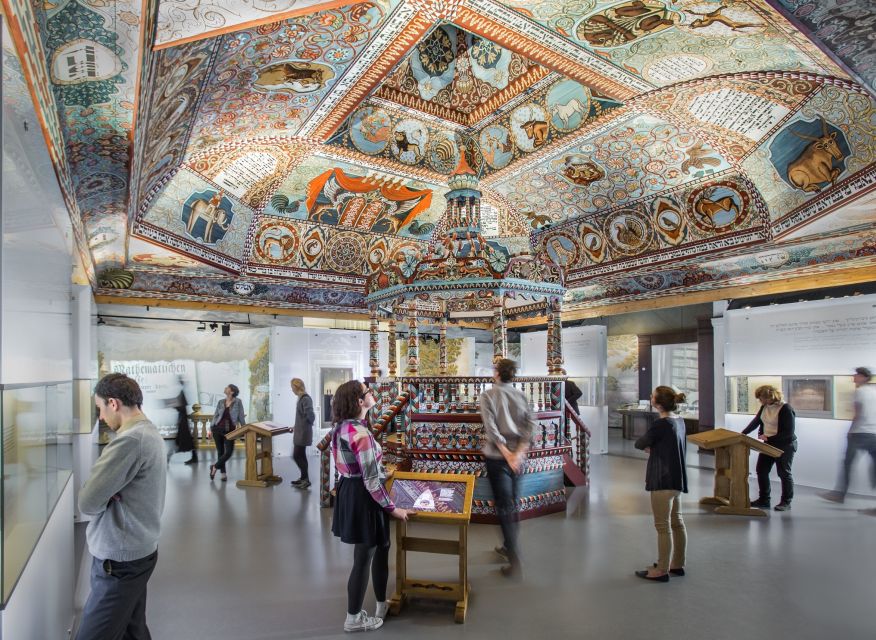
One theme I found important, based on what people highlight, is that the early chapters of the exhibition can be dense. Several visitors feel the pre-18th century portion is heavy, and they were more awake for the later periods they knew better. That is not a complaint about quality, more a signal about energy.
So here is a practical way to approach it: if you tend to skim when tired, do not plan your visit right after a long travel day. Give yourself a calmer start. You can also take seating breaks while you are in the earlier sections. The museum has places to rest, and those breaks help you keep absorbing instead of mentally switching off.
Still, do not think the early sections are pointless. They do a crucial job. They show Jewish life as part of Poland’s social fabric across time, including how communities formed and how individuals fit into wider society.
Further Jewish history and heritage itineraries:



The Interactive Stations, Buttons, and a Beautiful Sense of Place
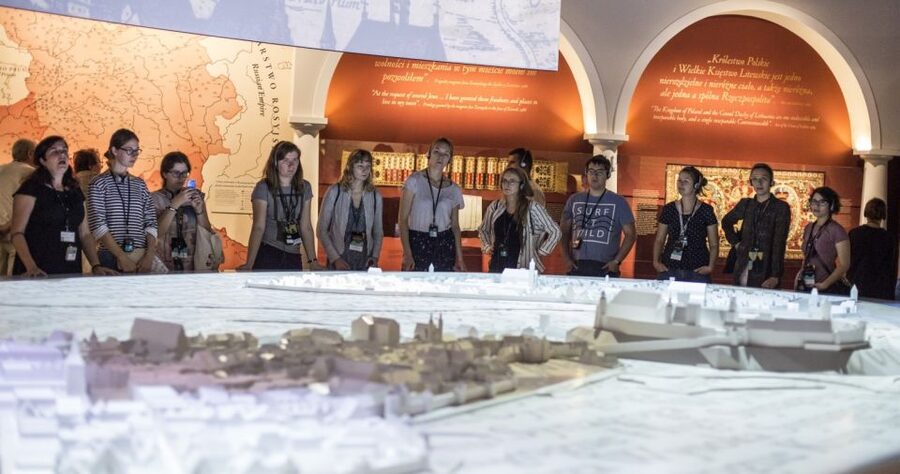
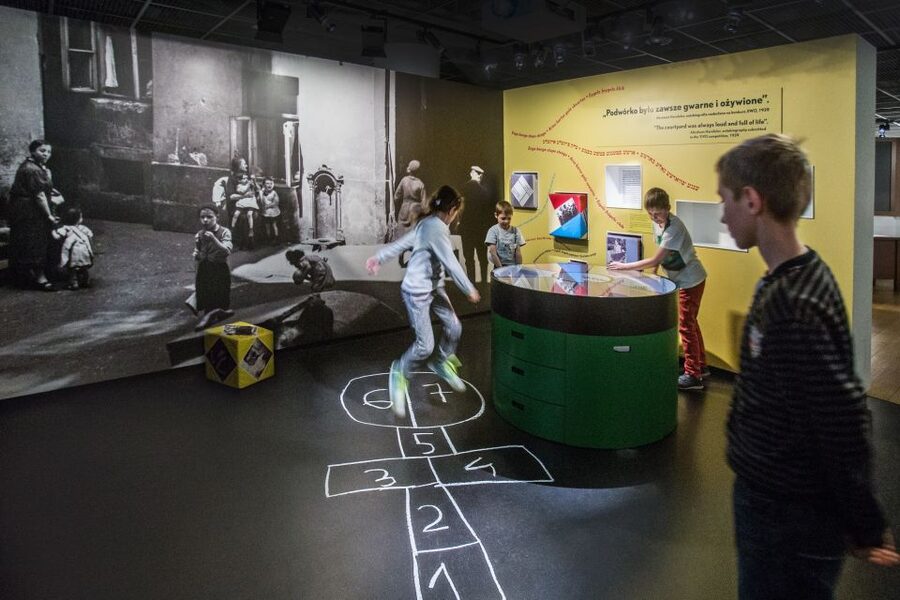
POLIN is not a museum of long rows of silence. It uses interaction to keep your brain engaged. You will see a mix of:
- interactive installations
- audio components you can follow through headphones
- artifacts and paintings presented with clear visual direction
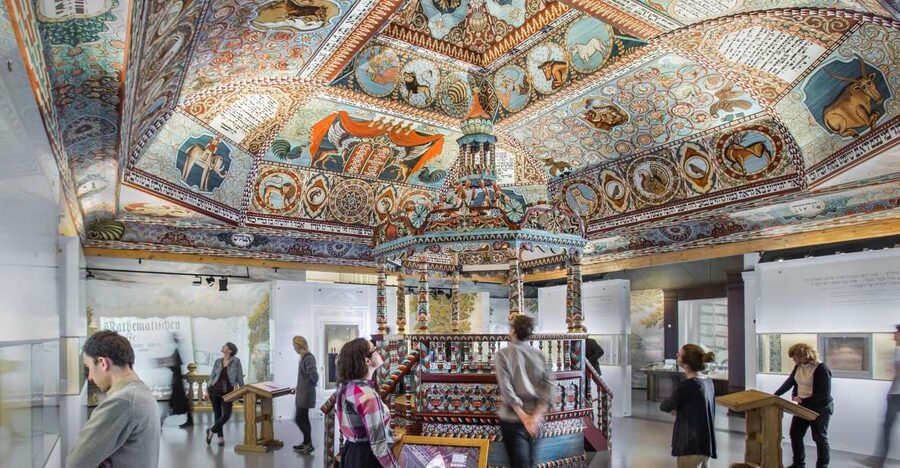
One of the repeatedly praised details is the reconstructed synagogue ceiling. It is one of those moments that makes you stop and look upward, because the setting feels physical, not just explained. Reviews also mention the museum’s design helps you feel like you are moving through different worlds rather than walking past flat displays.
For you, the sweet spot is to treat the interactions as short stops, not tasks. Press what calls your attention. Listen to what you can. If you spend too long with every station, you risk rushing later. But if you completely skip the hands-on parts, you may miss what makes POLIN different from typical history museums.
The Audio Guide Technology: Freedom With Structure
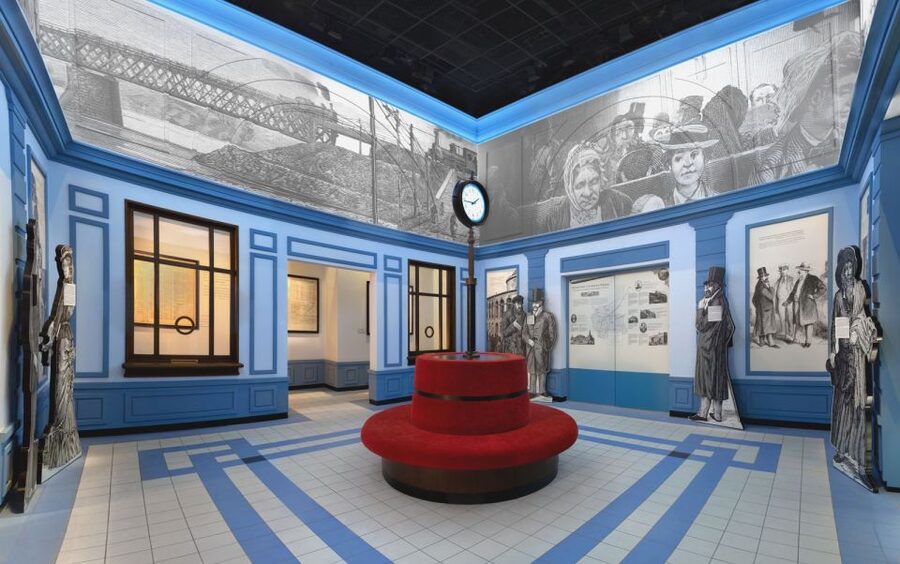
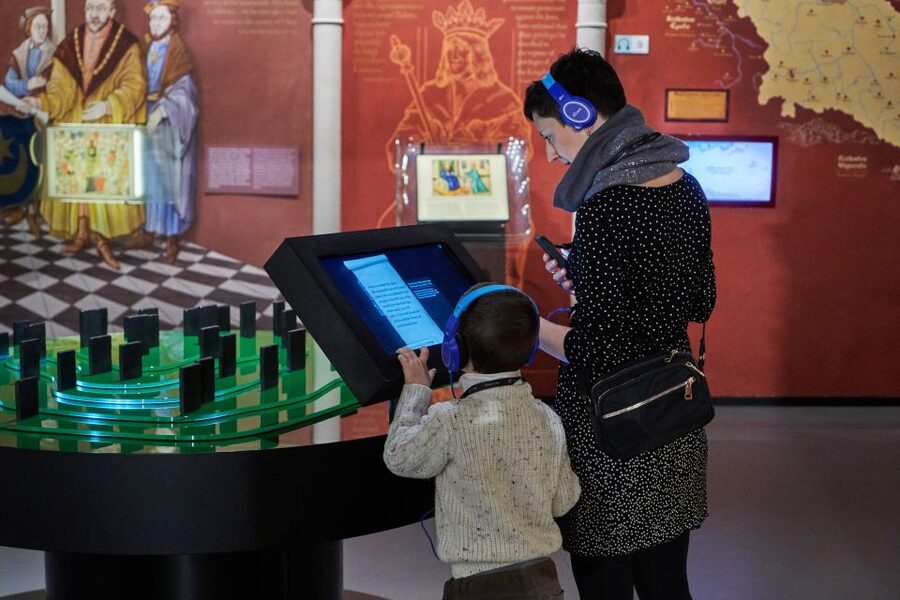
The audioguide gets a lot of love, and it’s easy to see why. People mention it is informative and easy to follow, and some describe technology that recognizes where you are and automatically gives you the right narrative.
That matters because POLIN is information heavy. Wall text, objects, and interactive elements are everywhere. Without audio support, the experience can turn into reading marathon mode. With the audio guide, you can listen while you look, and you can keep moving without constantly checking whether you are in the correct section.
If you prefer audio-first, you are in good shape. If you prefer reading-first, you might find the audio sometimes distracts you while you’re trying to focus on written content. That is not a deal breaker. It just means you should pace yourself and decide when to pause the audio and read.
The Holocaust Section: Intense, Direct, and Placed in Context
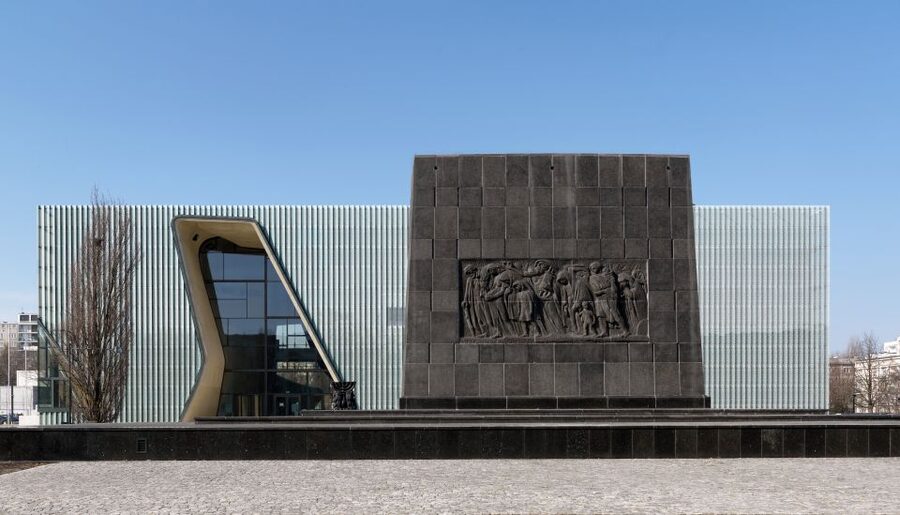
The Holocaust portion is often described as moving and intense. You should plan for that emotional weight. The museum also tries to keep the learning straightforward, rather than leaning heavily on dramatics. That can feel respectful and clear, but it still hits hard, because the subject matter is not light.
What makes it especially valuable is the surrounding context. You are not thrown into tragedy without groundwork. By the time you reach the section focused on the Holocaust and its effects, you have already learned what made Jewish life in Poland distinct and how it changed over time.
One review even notes that the terror is part of an eight-section structure, with additional optional content elsewhere. While you should not expect a single line that covers everything, you will likely feel the narrative tighten as you move forward in time.
Tip from the real-world pacing: if you are visiting right after you do something emotionally heavy in Warsaw, like other history sites, give yourself a slower, longer meal break before or after POLIN. Your brain needs time to process.
How Long You Need: 2 Hours Is the Minimum, Not the Goal
The museum estimates about 2 hours for the core exhibition. That might be enough if you move quickly and use the audio guide only as a guide for big picture context.
But the practical advice from experience is clear: most people end up spending more time. Several visitors recommend 2.5 to 3 hours, and many put it closer to 4 to 5 hours. One person even suggested planning around 5 hours to see more fully.
Here’s how I’d plan it for you:
- If you want a solid overview: aim for 3 hours.
- If you want to actually absorb and stop for details: plan 4 to 5 hours.
- If you are sensitive to heavy topics: build in extra seating and breaks.
Also note: you can leave for lunch and return on the same day, as long as you are still within your visit window.
Lunch and Breaks: Eat Inside, Keep Going
One of the underrated parts of POLIN is that you can take a break without losing your day. The museum has a cafeteria-style restaurant with informal service, but reviews describe it as good quality with generous portions.
This matters because the museum can run long. If you try to power through without a reset, you will start skipping things. If you do take breaks, you stay present for more of the story.
You do not need to turn lunch into a major plan. Treat it like a reset switch. Get food, sit down, and then decide how much longer you want to stay in the museum based on your energy.
Best Time to Go and How to Avoid Feeling Rushed
The museum is open on days other than Tuesday, but exact hours are not listed in your ticket info. The one timing rule that matters for your visit is this: admittance to the core exhibition closes 2 hours before closing.
So your goal is simple. Do not start too late. If you have only one day in Warsaw, try to schedule POLIN early enough that you can finish the core exhibition comfortably, and still have time for lunch and the temporary exhibition if it’s available.
Also consider crowds. Some visitors mention school groups and noise at times. If you are sensitive to background commotion, you might prefer a calmer start earlier in the day.
Who This Works For, and Who Might Want a Different Plan
POLIN is a strong fit if you want:
- a long-form history experience with structure
- interactive learning that keeps you engaged
- a story that includes daily life and not just the end of the story
It is also a good match for history-minded travelers who enjoy audio guides and self-guided museum routes. Since there is no guided tour included, it rewards people who like to set their own pace.
If you dislike emotional subject matter or want short and light museum stops, you might feel overloaded here. The content is intense, and the museum gives you lots of material to process.
For families: children age 7 or younger enter for free. Children age 12 or younger need supervision at all times. If you are traveling with younger kids, plan for more pauses than you would for adults.
Should You Book the POLIN Museum of the History of Polish Jews Ticket?
Yes, you should book it if you want an intelligent, human-scale view of Jewish life in Poland across centuries, not just a Holocaust snapshot. The value is strong for what you get, especially since your ticket includes the audio guide and access to both the permanent exhibition and a temporary exhibition if available.
Book it if:
- you like audio-guided museums and hands-on displays
- you want context around the Holocaust, including what came before and what followed
- you can spare 3 to 5 hours for a satisfying visit
Skip or rethink if:
- you only have a short window and cannot make it to the core exhibition before the last 2 hours of entry
- you know you struggle with intense historical topics
- you prefer a guided narrative led by a person, since this ticket does not include a guided tour
FAQ
What does the Warsaw POLIN ticket include?
Your ticket includes access to the permanent exhibition, access to a temporary exhibition if available, and an audioguide.
How long should I plan to spend at the museum?
The estimated time needed for the core exhibition is 2 hours, but many people end up spending longer. A longer visit lets you see more at a comfortable pace.
When can I enter the core exhibition?
You can enter at your own convenience within your one-day ticket, but admittance to the core exhibition closes 2 hours before the museum’s closing time.
Do I need a guided tour?
No. This ticket does not include a guided tour. The museum experience is designed for self-guided visiting with the audioguide.
Is there an audioguide, and what languages are available?
Yes, an audioguide is included. Languages listed for the host or greeter and overall languages are Polish and English.
Is the museum wheelchair accessible?
Yes. The activity notes that the museum is wheelchair accessible.
Are there any luggage restrictions?
Oversize luggage is not allowed, and security screening is required before entering the core exhibition.
Can I leave the museum for lunch and come back the same day?
Yes. You can leave to have lunch and return as long as it is within the same day.
Between Rebuilt Squares
- Warsaw: Chopin Concert at Historical Venue in Old Town
★ 4.7 · 445 reviews - Small-Group Historical Guided Tour of Warsaw with pick up/drop off. Public Tour.
★ 4.5 · 343 reviews - Warsaw: Warsaw Historical Group Tour with Pickup & Drop-Off
★ 4.6 · 233 reviews - Private Historical Tour of Warsaw by a Retro Fiat with Pickup
★ 5.0 · 190 reviews
Museums for an Afternoon
- World of Illusion Museum Skip-the-Line Ticket
★ 4.0 · 55 reviews - Warsaw: Cold War Museum Entry Ticket
★ 4.6 · 55 reviews - Daily live piano Chopin’s concerts at 6:30 pm in the Warsaw Archdiocese Museum
★ 4.5 · 25 reviews - From Warsaw: Lublin and Majdanek State Museum Day Tour
★ 4.8 · 21 reviews
Freshly posted from Warsaw
- Krakow Small Group Tour from Warsaw with Lunch, Schindler’s Factory included★ 5.0 · 7 reviews
- Warsaw Private Transfer from Warsaw Chopin Airport (WAW) to City centre★ 4.0 · 7 reviews
- 3-hour tour at Warsaw Uprising 1944 Museum /inc. Pick-up/★ 4.9 · 7 reviews
- Wolfs Lair – Hitlers hideout★ 4.5 · 7 reviews
- Warsaw: Evening History and Pubs Tour by Retro Minibus★ 5.0 · 7 reviews
- Warsaw: Private Vodka Tasting Night with Snacks and Pickup★ 5.0 · 7 reviews
- Warsaw Old Town with Royal Castle + Royal Route: SMALL GROUP /inc. Pick-up/★ 5.0 · 7 reviews
Jewish History & Heritage Tours, compared.

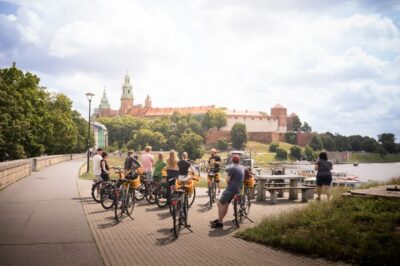
Bike Tour of Old Town, Jewish Quarter and the Ghetto
Read our review →
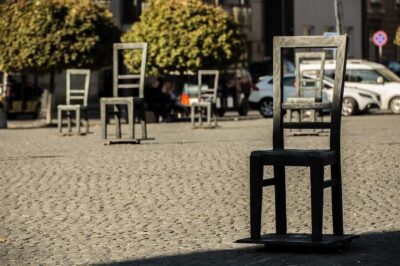
Kazimierz, Schindler’s Factory & Ghetto Guided Tour
Read our review →
Full Bike Tour – the Old Town, Jewish Qtr & the Ghetto NEW BIKES
Read our review →
Warsaw Ghetto Private Walking Tour with Hotel Pickup
Read our review →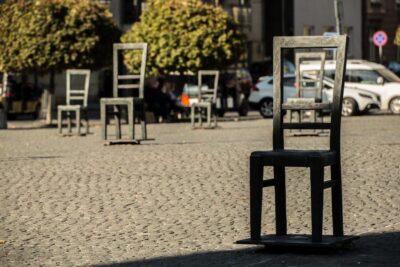
Browse the lists this tour appears in