
Reviewed · COMMUNISM & PRL HISTORY TOURS
Warsaw: Museum of Life Under Communism Entry Ticket
Communism here is hands-on. Warsaw’s Museum of Life Under Communism turns propaganda into everyday stuff you can handle, and you can even line up for photos in an authentic telephone booth. I also love that you get a 1950s-style cafe moment, with a warm coffee poured from a 60-year-old coffee maker and a classic Warsaw cake available for purchase. One key consideration: this museum is not suitable for people with mobility impairments.
In This Review
- Museum of Life Under Communism: What You’ll Actually Do
- The Best Parts (So You Can Plan With Confidence)
- Price and Value: Is $8 Really Worth It?
- Where to Meet: Reception Near KFC at Plac Konstytucji
- Audio Guide Setup: Using the Free Smartphone App
- Start of the Visit: Solidarity and the End of Communism
- The 1970s Propaganda Cinema: Watch, Then Look Again
- Housing and Everyday Rooms: From Small Spaces to Real Details
- Newspapers, Toys, Books, and the Touch-Friendly Angle
- The Telephone Booth Photo Stop: One of Those Moments
- Moped, Saturator, and the Stuff That Ran Daily Life
- Kindergarten Corner: Toys and Books from the Younger Years
- Shops Inside the Museum: Three Store Stops
- The 1950s-Style Cafe: Coffee From a 60-Year-Old Maker
- Rules and Practical Timing: What to Know Before You Go
- Who This Museum Fits Best (And Who Should Skip It)
- Should You Book This Entry Ticket?
- FAQ
- How long is the Museum of Life Under Communism entry ticket valid for?
- Where do I show my voucher when I arrive?
- Is there a free audio guide?
- What is included in the entry ticket price?
- Is food or alcohol allowed inside the museum?
- Can I pick an exact time of my visit?
- Is the museum suitable for people with mobility impairments?
Museum of Life Under Communism: What You’ll Actually Do
If you want history that doesn’t sit behind glass, this is a strong pick. The exhibits are built around daily life, so you’ll spot original items like old newspapers and magazines, children’s toys and books, and domestic setups that look lived-in. And yes, you can take one-of-a-kind photos in a real telephone booth and period living rooms, which makes the whole place feel less like a lecture and more like a time capsule.
The other thing I appreciate is how many “small objects” you encounter. You’re not only looking at labels. You’re seeing practical details, like what daily transport looked like (including a typical moped) and how people dealt with household needs (there’s even a saturator on display). For me, that’s what makes the story feel real.
The biggest drawback for some people is physical access. The museum is not suitable for mobility impairments, so if you need step-free routes or extra room to maneuver, you’ll want to think twice before booking.
The Best Parts (So You Can Plan With Confidence)
- Touch-friendly exhibits: Many displays are made for up-close, hands-on viewing of everyday objects.
- Photo moments in period settings: The telephone booth and living-room setups are designed for memorable pictures.
- Solidarity and the end of communism storyline: Your visit starts with the human events, not just dates and slogans.
- Propaganda cinema from the 1970s: You’ll watch period films as part of the timeline.
- Cafe break with real period flavor: A 1950s-style cafe offers warm coffee and typical Warsaw cake (at your own cost).
More Museum Tours in Warsaw
- Warsaw: POLIN Museum of the History of Polish Jews Ticket
★ 4.7 · 1,142 reviews - Warsaw: Polish Vodka Museum Tour with Tasting
★ 4.6 · 788 reviews - Warsaw: Ghetto, Jewish Cemetery & POLIN Museum Private Tour
★ 4.8 · 132 reviews
Price and Value: Is $8 Really Worth It?
At about $8 per person, this museum is priced like a small splurge that can still feel like a full experience. The entry covers the museum itself, plus daily surprises during your visit. There’s also a free smartphone audio guide tied to the museum’s app, with languages listed as English, French, Italian, Spanish, and Polish.
The value comes from variety. You’re not only touring one themed room. You move through a sequence that covers propaganda, housing spaces, personal items, and kid life. That mix makes it easier to stay engaged, even if you’re not the type who normally reads every caption.
One more value point: you don’t have to treat this as a sit-and-stare museum. The ability to touch and feel items is part of what you’re paying for, and it’s the kind of detail that usually costs more at other museums.
Where to Meet: Reception Near KFC at Plac Konstytucji
Your start point is simple. You’ll arrive at the Museum of Life Under Communism and show your voucher at the reception area. It’s right beside the entrance to KFC by Plac Konstytucji (Constitution Square).
I like this kind of meeting setup because you can arrive, handle the paperwork quickly, and then get moving. The reception area is also where you can ask about the museum’s daily surprises, which can affect what you notice while you’re there.
Audio Guide Setup: Using the Free Smartphone App
Before you go, you’ll want to get your audio guide ready. The museum info says you can upload the app in advance, and then access the free smartphone audio guide in several languages. The link provided is: https://mzprl.pl/audioguide-free-of-charge/?lang=en
English is available, along with French, Italian, Spanish, and Polish. One note to keep straight: the included section also mentions a free mobile audio guide on Thursdays. Either way, plan to use the app you’re told to upload before your visit, and check at reception if you have any questions about which mode applies on your exact day.
Bring your phone charger habit too. You’ll be walking room to room, and audio guides chew up battery if you’re not careful.
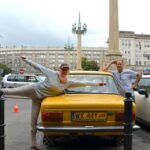
More Nowa Huta blocks and PRL relics:



Start of the Visit: Solidarity and the End of Communism
When you enter, you’re directed to begin with a storyline about solidarity and the end of communism. This matters because it sets the emotional context before you get hit with specific time periods and policies.
From there, you follow the timeline back through early communism in Poland and the period of martial law. You’ll see original materials like flyers and pictures as you move, so the exhibits don’t feel like generic reconstructions. It’s more like stepping through a scrapbook of everyday life under political pressure.
If you enjoy museums where the story builds in order, this opening is a smart way to start. You’re given a frame for what you’ll see next, so the propaganda later on feels less random and more part of a broader system.
The 1970s Propaganda Cinema: Watch, Then Look Again
After the story setup, you’ll watch propaganda movies in the cinema space from the 1970s. This is a key moment in the visit because it changes how you interpret what comes after.
Even if you’re not thrilled by film in museums, this stop helps you understand why certain images and slogans were everywhere. Then, when you later see objects from homes, shops, and public life, you’ll connect the political messaging to the daily reality around it.
My practical tip here: don’t treat the cinema like a quick intermission. Watch it with the rest of the visit in mind, because it will color how you read the small details later.
Housing and Everyday Rooms: From Small Spaces to Real Details
Next, the museum moves into housing and close-up domestic life. You’ll tour a small housing space filled with typical items, and you can look through newspapers, magazines, and books.
This section is where the “everyday” idea really pays off. Instead of focusing only on big historical events, you get a feel for what a household might have had, how it was arranged, and what kinds of media and reading people could access.
It also sets you up for the most fun kind of museum behavior: slowing down to inspect textures and layout. The setup is designed for up-close viewing, and the ability to handle items where permitted makes it feel like a lived-in set rather than distant history.
Newspapers, Toys, Books, and the Touch-Friendly Angle
One of the most praised elements here is the range of everyday objects, and it’s easy to see why. You’ll encounter old newspapers and magazines, children’s toys, and books across different display areas.
The museum goes beyond “look at this” by encouraging hands-on interaction where allowed. That means you spend less time decoding text and more time recognizing the physical presence of the era: paper style, packaging cues, toy shapes, and the kinds of reading materials that fit into real homes.
If you’re visiting with kids, this section tends to be a win because it’s visual and object-based. For adults, it can be a surprise, because the small stuff often feels more authentic than the official story summaries.
The Telephone Booth Photo Stop: One of Those Moments
If you want pictures that don’t look like every other museum selfie, plan your time around the telephone booth. The museum includes an original booth where you can take photos, and you can even make a phone call from inside it.
That’s not just a gimmick. It’s a tangible look at communication technology and everyday routines. The booth also gives you a controlled, themed backdrop, so your photos come out more interesting than a random hallway shot.
My advice: treat this like a photo appointment. Wear shoes you can stand in, take a moment to frame shots in different angles, then move on. Don’t rush it, because it’s one of the easiest places to feel like the museum is performing for the era you came to see.
Moped, Saturator, and the Stuff That Ran Daily Life
Keep your eyes open for the transport and household displays. The museum includes a typical moped, which helps you picture how people moved, not just how they talked about moving.
It also features a saturator. If that term is unfamiliar, here’s the practical takeaway: it’s the kind of device associated with making carbonated drinks at home or locally. Seeing it in context makes you understand that daily life was built around tools and machines, not just convenience apps.
This section tends to work best if you like small-world practicality. You’re not learning only political slogans. You’re seeing the physical infrastructure of ordinary days.
Kindergarten Corner: Toys and Books from the Younger Years
Near the family-focused areas, there’s a kindergarten stop where you can marvel at original toys and books. This part of the visit is especially useful if you want the human angle, because childhood often reveals the values and expectations of the society around it.
Even if you don’t read every placard, the objects do the storytelling. Toys and children’s literature show what kids were given, what they were supposed to learn, and how parents and teachers prepared them for the world.
If you’re trying to explain communism-era life to someone who doesn’t want politics, this is your bridge. It’s easier to connect through the objects than through ideology.
Shops Inside the Museum: Three Store Stops
As you work through the museum, you’ll also find three on-site stores. These aren’t just afterthoughts. They give you a place to buy products tied to the theme, and they help you extend the experience beyond the exhibits.
I suggest planning at least a little time for browsing. If you’re interested in souvenirs that feel specific to the era, these stores are where you’re most likely to find that kind of match.
And if you’re focused on photos, don’t let store time erase your exhibit time. You can shop after you’ve captured the must-have photo stops.
The 1950s-Style Cafe: Coffee From a 60-Year-Old Maker
Before you finish, you can stop for a break at the museum cafe. It’s reminiscent of original cafes from the 1950s, and it offers a warm coffee made using a machine described as 60 years old.
You can also try typical Warsaw cake. Drinks and food are available to purchase, so this is an optional add-on that costs extra. The value here is atmosphere plus taste, not a full meal plan.
Practical tip: this is the place to reset. Sit down, take a breath, and compare what you saw in the housing rooms with what people might have done in a cafe setting. It’s a useful contrast, and it keeps the visit from feeling like nonstop weighty topics.
Rules and Practical Timing: What to Know Before You Go
A few clear rules help you avoid friction. Food is not allowed, and the museum also notes alcohol and drugs are not allowed. Drinks and food are for purchase at the cafe instead.
On timing, the guidance says that in most cases you do not have to book the precise time of your visit. Still, there can be optional local authority restrictions that might require a brief wait to enter. So build in a little patience, especially if you’re arriving during a busy window.
Also plan around the fact that the ticket is valid for 1 day, and you’ll check availability for starting times. If you want a relaxed pace with the photo booth and reading exhibits, pick a start time that won’t make you feel rushed later.
Finally, the museum interaction includes a host or greeter in English and Polish, which can make it easier if you want to ask about what’s happening that day, including the daily surprises.
Who This Museum Fits Best (And Who Should Skip It)
This is a great fit if you like history you can see and touch, not only read. It’s also ideal if you want Warsaw experiences that feel specific, not generic. The telephone booth, living-room photo sets, and object-based exhibits give you a strong “I’m glad I did this” payoff.
It may not be a great fit if you need step-free access or have mobility limitations, because the museum is not suitable for people with mobility impairments.
If you’re traveling with a mix of interests, this can still work. The propaganda cinema appeals to anyone interested in politics and media. The kindergarten and toys are a different entry point. The cafe and coffee maker help close the loop in a more human way.
Should You Book This Entry Ticket?
I’d book it if you want a compact, high-impact museum that focuses on real objects, period details, and photo opportunities you can’t get anywhere else in Warsaw. For the price, $8 is especially fair if you care about hands-on exhibits, the telephone booth, and the small-life details like newspapers, toys, and everyday household tech.
Skip or rethink if mobility access is an issue for you. And come with the mindset that this is not a quiet, purely contemplative museum. It’s built for looking closely, touching where allowed, and paying attention to the physical reality of Communism-era life.
If your goal is an authentic slice of Warsaw that’s memorable in photos and meaningful in context, this entry ticket is a strong yes.
FAQ
How long is the Museum of Life Under Communism entry ticket valid for?
The ticket is valid for 1 day. You can check availability to see starting times.
Where do I show my voucher when I arrive?
Show your voucher at the reception area beside the entrance to KFC by Plac Konstytucji (Constitution Square).
Is there a free audio guide?
There is a free smartphone audio guide mentioned in the information, available via the app link provided. The included notes also mention a free mobile audio guide on Thursdays. Languages listed include English, French, Italian, Spanish, and Polish.
What is included in the entry ticket price?
The entry includes the Museum of Life Under Communism access, daily surprises, and a mobile audio guide on Thursdays (as listed).
Is food or alcohol allowed inside the museum?
No. Food is not allowed, and the museum also lists alcohol and drugs as not allowed. Drinks and food can be purchased at the cafe.
Can I pick an exact time of my visit?
In most cases, you do not have to book the precise time. You might briefly wait to enter due to optional local authority restrictions.
Is the museum suitable for people with mobility impairments?
No. The museum is not suitable for people with mobility impairments.
Museums for an Afternoon
- World of Illusion Museum Skip-the-Line Ticket
★ 4.0 · 55 reviews - Warsaw: Cold War Museum Entry Ticket
★ 4.6 · 55 reviews - Daily live piano Chopin’s concerts at 6:30 pm in the Warsaw Archdiocese Museum
★ 4.5 · 25 reviews - From Warsaw: Lublin and Majdanek State Museum Day Tour
★ 4.8 · 21 reviews
Freshly posted from Warsaw
- Krakow Small Group Tour from Warsaw with Lunch, Schindler’s Factory included★ 5.0 · 7 reviews
- Warsaw Private Transfer from Warsaw Chopin Airport (WAW) to City centre★ 4.0 · 7 reviews
- 3-hour tour at Warsaw Uprising 1944 Museum /inc. Pick-up/★ 4.9 · 7 reviews
- Wolfs Lair – Hitlers hideout★ 4.5 · 7 reviews
- Warsaw: Evening History and Pubs Tour by Retro Minibus★ 5.0 · 7 reviews
- Warsaw: Private Vodka Tasting Night with Snacks and Pickup★ 5.0 · 7 reviews
- Warsaw Old Town with Royal Castle + Royal Route: SMALL GROUP /inc. Pick-up/★ 5.0 · 7 reviews
Communism & PRL History Tours, compared.
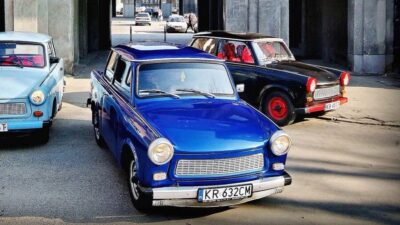
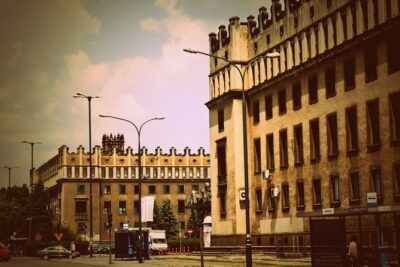
Legendary Private Nowa Huta Communism Tour with Crazy Guides
Read our review →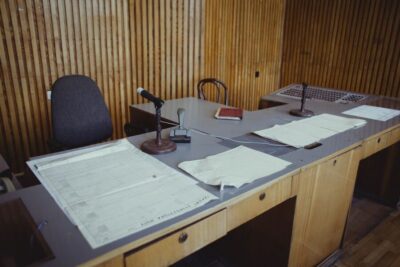
Nowa Huta: Steelworks Administration Buildings/Shelters Tour
Read our review →
Private Tour: Warsaw’s Communist History by Retro Fiat
Read our review →Private Nowa Huta Adventure Tour in Communist Cars
Read our review →
Browse the lists this tour appears in