
Reviewed · SCHINDLER'S FACTORY MUSEUM TOURS
Krakow: Schindler’s Factory & Ghetto Guided Tour
Krakow history hits you in the face, fast. This 3-hour tour links Schindler’s enamel factory museum with a guided walk through the wartime Jewish ghetto, ending at Ghetto Heroes Square and the Chair Memorial. You’re not just looking at dates, you’re moving through the places where fear, survival, and rescue were real.
I especially like how the museum focuses on daily life under Nazi occupation for both Jewish and non-Jewish residents, not only Schindler’s biography. I also like the ghetto portion, because it guides you from the remains of the ghetto walls to the memorial sites and the Under the Eagle Pharmacy story.
One drawback to consider is the pace and setting. The museum uses narrow, dim rooms designed to recreate confinement, and a guided group visit means you may not have long solo time to linger on every exhibit.
In This Review
- Key highlights worth your attention
- Schindler’s Factory Museum, where wartime Krakow becomes a lived feeling
- The 3-hour reality: how the timing shapes what you’ll get
- Skip-the-line entry and meeting point: start strong, stay on track
- Inside the museum: narrow rooms, artifacts, and the occupation story
- Oskar Schindler and the factory role: what to listen for
- The ghetto walk through three key stops
- Under the Eagle Pharmacy: why this stop hits harder than you expect
- Guides, microphones, and group size: what makes or breaks the experience
- Price and value: is $57 for 3 hours worth it?
- Weather, comfort, and what to wear
- Who should book this tour, and who might want a different approach
- Should you book Schindler’s Factory and the Krakow Ghetto tour?
- FAQ
- How long is the Krakow Schindler’s Factory and Ghetto guided tour?
- Where do I meet the guide?
- What is included in the price?
- Is food included?
- What museum will I visit?
- Can I expect to see original factory machinery?
- What ghetto landmarks are part of the walking tour?
- What languages are available?
- Do I need to arrive early?
- Is the tour affected by weather?
Key highlights worth your attention
- Skip-the-line entry into Schindler’s Factory, so you spend time in the exhibits, not in queues
- A licensed expert guide who brings context to what you see in the museum’s wartime rooms
- Ghetto Heroes Square and the Chair Memorial, with symbolism tied to deportations and loss
- Under the Eagle Pharmacy and the courage of Tadeusz Pankiewicz and his staff
- A structured 3-hour flow that connects museum history to walking tour landmarks
- Headsets and microphones can make it easier to hear clearly in busy, small spaces
Schindler’s Factory Museum, where wartime Krakow becomes a lived feeling
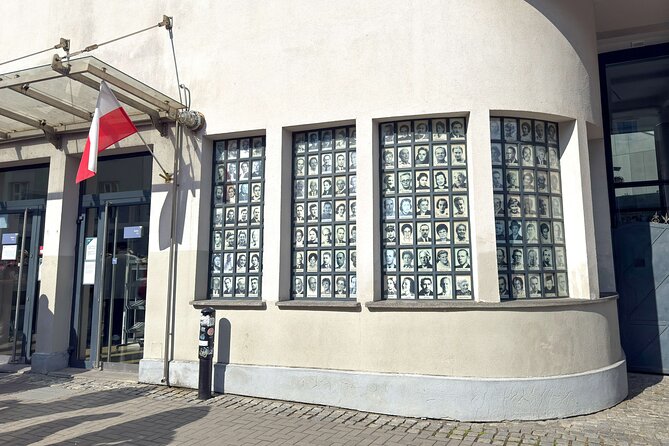
Schindler’s Factory is one of Krakow’s most visited museums for a reason. It takes you into the years of Nazi occupation and shows how the war changed the city and the lives inside it. The setting matters, too, because the exhibition is placed in the former enamel factory buildings, so you’re stepping into the frame that holds the story.
What I like most is that the museum doesn’t treat this as a simple “hero story.” It’s built around how persecution worked, how people tried to survive, and how daily routines were shattered. You’ll hear about Oskar Schindler and the factory role in sheltering more than a thousand Jewish workers, but the bigger goal is understanding the systems of oppression and the human choices that happened inside them.
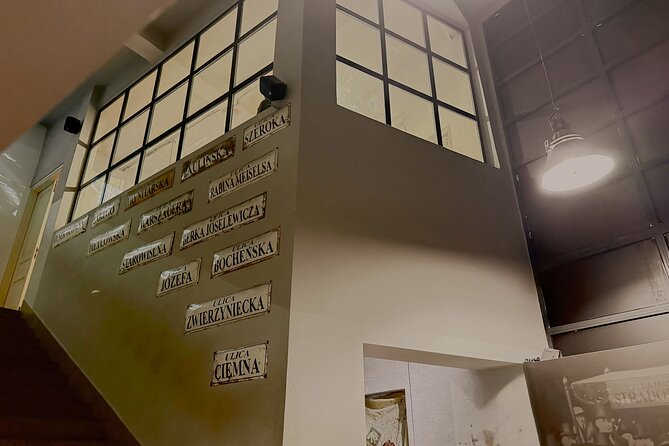
The museum’s design leans into atmosphere. Expect narrow corridors, dim light, and rooms that can make you feel boxed in on purpose. That’s not a gimmick, it’s part of the message, and it can feel heavy.
Further visits to Schindler’s Factory Museum:
- Krakow: Schindler’s Factory Ticket and Guided Tour Option
★ 4.3 · 4,306 reviews - Krakow: Schindler’s Factory Tour with Entrance Ticket
★ 4.5 · 3,182 reviews - Krakow: Schindler’s Factory Skip-the-Line Ticket
★ 4.4 · 3,105 reviews
The 3-hour reality: how the timing shapes what you’ll get
This tour runs about 3 hours, and that timeframe changes how the visit feels. In practice, you’ll likely spend most of your time inside Schindler’s Factory, then shift to the ghetto walk afterward. One common experience: many people end up in the museum for close to two hours, with a short break before heading out.
That time balance is good value if you want both parts without planning your day. But it can be too fast if you read every sign like it’s your job. Several guides are praised for packing in a lot without turning it into a lecture, yet you still won’t have museum-hours of wandering.
If you’re the type who likes to take your time looking at every photo and object, consider whether you might want an additional unhurried visit to the museum later. This tour is ideal for building understanding quickly, then letting you explore at your own speed afterward if you want.
Skip-the-line entry and meeting point: start strong, stay on track
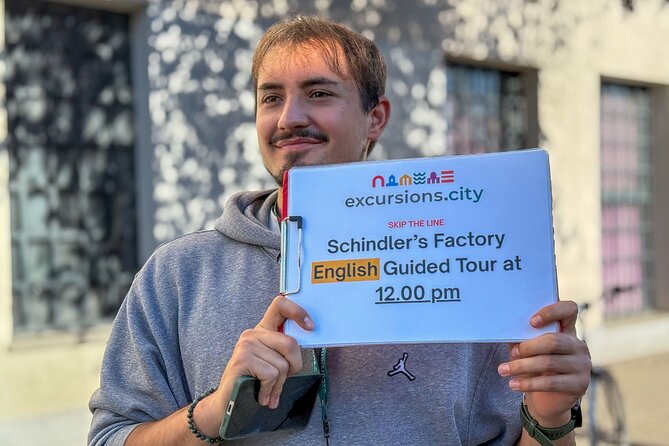
You meet your guide at the main entrance to Schindler’s Factory Museum, on the right-hand side, with an excursions.city sign held out. The tour asks you to arrive 10 minutes early, and once the group has departed, latecomers can’t join and tickets can’t be refunded.
That matters more than it sounds, because you’re aiming to save time on entry. The tour includes skip-the-line admission, so showing up late can turn your “skip” into waiting anyway. If you’re unsure where you are, give yourself extra buffer time, then you can focus on the experience instead of sprinting to catch up.
Also note: this is a one-language group. If you want English, Spanish, Italian, French, or German, choose that language when booking, because the group runs only in that selected language.
Inside the museum: narrow rooms, artifacts, and the occupation story
The exhibition you’ll follow is centered on Krakow under Nazi occupation from 1939 to 1945. It’s not laid out like a simple timeline of Schindler the businessman. Instead, it pushes you through how life tightened, how persecution escalated, and how different kinds of people were affected.
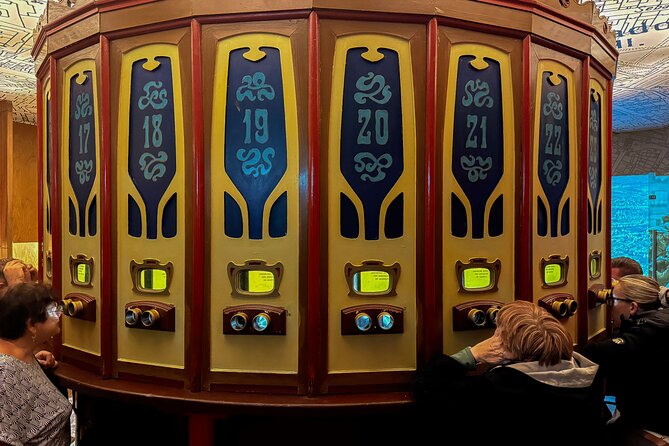
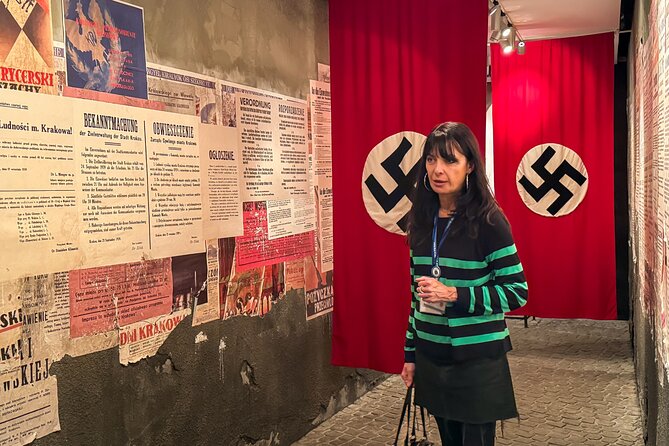
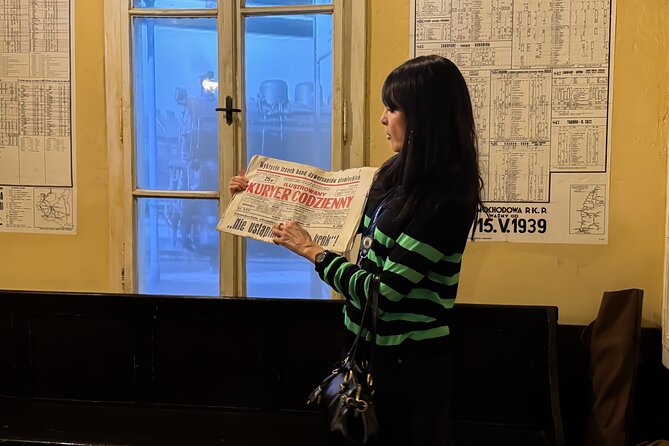
As you move through galleries, you’ll see original artifacts, photographs, and recreations. A lot of the museum experience happens in smaller, darker spaces that are designed to create discomfort. That approach is meant to help you feel the pressure of the time, not just read about it.
A practical takeaway: wear comfortable clothes and be ready for a slower physical pace. Narrow corridors and crowding can make it hard to stop suddenly for photos. If you plan to take pictures, do it when your guide pauses, then keep moving when the group flows.
And yes, the museum can surprise people. Some visitors expect to see working machinery. The building is the former factory, but today it’s a museum, and it does not present original factory machinery. The value is in the historical presentation, not the industrial set pieces.
Further Jewish history and heritage itineraries:


Oskar Schindler and the factory role: what to listen for
Oskar Schindler’s story is a major thread, but the tour keeps it grounded in the bigger tragedy around it. You’ll hear how the factory provided refuge for more than a thousand Jewish workers. You’ll also get clear context about persecution, deportations, and the destruction of Krakow’s Jewish community.
This is where a strong guide makes a visible difference. In the best versions of this tour, your guide ties the factory story to the reality outside the walls. Guides like Fil, Alexandra, Joanna, and Eva are repeatedly praised for being respectful, organized, and good at answering questions without turning it cold or robotic.
If you’re worried that the museum will feel too sad or too heavy, don’t skip it. This is one of the ways to understand World War II in Krakow in a focused, local way. Just pace yourself. If you feel overwhelmed, take the museum break when it comes, then re-enter with a calmer rhythm.
The ghetto walk through three key stops
After the museum, you switch from indoor exhibits to outdoor memory work. The ghetto tour is structured, so you don’t wander and guess what mattered most.
Your first stop is the remains of the ghetto walls. Even if you know the history, seeing physical remnants helps your brain lock into what confinement meant. It’s a stark start, and it sets the theme for everything after.
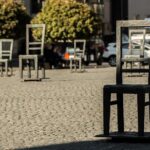
Then you move to Ghetto Heroes Square, often described as the emotional core of the walk. This is closely tied to deportations to extermination camps. Today, the square includes the Chair Memorial, made of symbolic chairs, with each chair representing lives lost.
Finally, the tour includes the Under the Eagle Pharmacy. This stop is powerful because it shifts from what was taken to what was protected. Here, you’ll hear about Tadeusz Pankiewicz and his staff, who helped ghetto residents by preserving medicine and offering a measure of hope.
Under the Eagle Pharmacy: why this stop hits harder than you expect
Pharmacies might sound ordinary when you list them. In wartime Krakow, this one wasn’t ordinary at all. The pharmacy stop gives you a different angle on survival: not escape, not power, but access to essentials like medicine, and the courage to keep helping when helping could cost everything.
The tour framing is careful. Instead of treating the pharmacy as a random landmark, it connects the building to real actions by Pankiewicz and his team. You walk away with a sharper sense of how rescue sometimes looked like small, stubborn choices that kept people alive one day at a time.
If you’re building a deeper understanding of the ghetto, this is the kind of stop that makes the history feel specific. It’s easy for big stories to blur. This one helps you hold onto concrete details.
Guides, microphones, and group size: what makes or breaks the experience
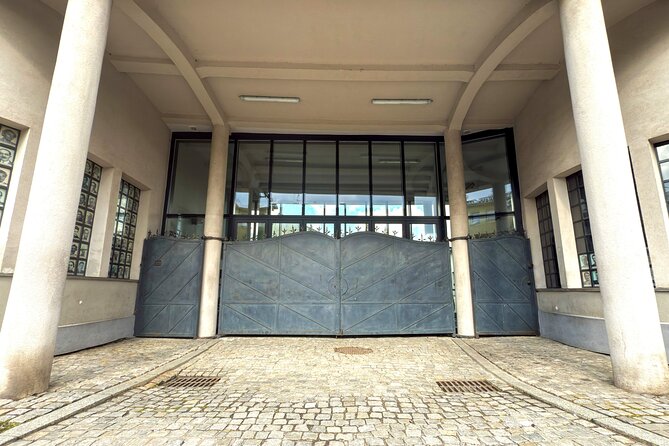
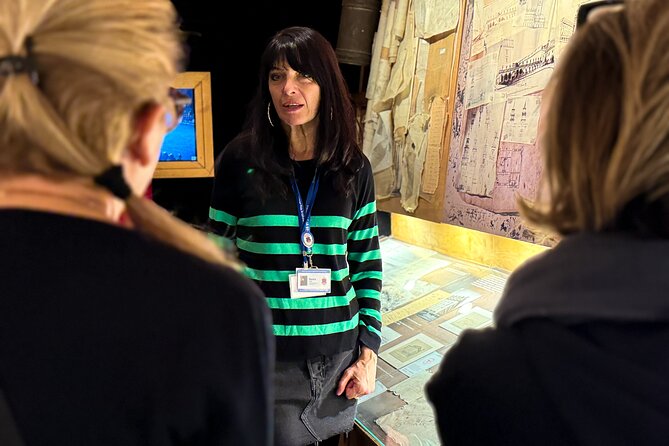
The guide is the difference between reading labels and actually understanding what they mean. People repeatedly praise guides for clear explanations and for keeping the experience balanced, especially in small rooms where it’s hard to hear.
You may notice your guide uses a microphone system, and sometimes the group has headsets. This matters in a museum with narrow spaces and tight pacing. When sound is clear, you can focus on the story instead of straining.
Group size is the main practical variable. Some feedback points out that groups can be around 20 people, and the museum rooms can be tight. That can limit how long everyone can stand at an exhibit. If you’re sensitive to crowds, consider that trade-off before booking, and know that pace is part of the design.
A good guide helps you get through a lot without feeling rushed in a shallow way. Some guides are also described as very engaging during breaks, creating a more human connection rather than keeping everything strictly formal.
Price and value: is $57 for 3 hours worth it?
At $57 per person for about 3 hours, the value depends on what you want from Krakow. You’re paying for three things that add up: skip-the-line admission, a guide, and a guided walking tour that connects museum context to ghetto landmarks.
If you tried to do this on your own, you would likely spend time figuring out where to go, and you might miss key connections between exhibits and outdoor memorials. A guide also helps you interpret the museum’s layout, because the museum is intentionally designed to feel confining and the story is dense.
Also, this is one of those tours where “cheap” can end up being costly in time and emotional whiplash. The guided format helps you pace the information. You’ll likely leave with a much stronger grasp of how the occupation played out locally, why those specific sites matter, and what the memorial symbols are pointing to.
Weather, comfort, and what to wear
This tour goes ahead in all weather, rain or shine. That’s great for flexibility, but you’ll want to dress for conditions, especially on the walking part through the ghetto area.
Wear comfortable, closed shoes with traction. The museum portion involves narrow indoor corridors, but the ghetto walk adds uneven surfaces and time outdoors. Bring layers for cool months, because one common mention is that breaks can feel necessary in winter weather, with people grabbing hot drinks when available.
If you’re prone to getting cold easily, plan for it. If you’re prone to feeling overwhelmed in dim rooms, give yourself a mental heads-up, and use the break to reset.
Who should book this tour, and who might want a different approach
This tour is a strong fit if you:
- Want a guided overview that connects Schindler’s Factory to specific ghetto sites
- Prefer structure in an information-heavy museum
- Want someone to explain how the occupation changed daily life, not just list events
It may feel less ideal if you:
- Need lots of unstructured time in museums to read everything slowly
- Are uncomfortable with confined spaces and dim lighting
- Don’t do well with tight pacing in groups
A balanced approach could be this: use the tour to build your foundation, then return later if you want slower time in the galleries. That gives you the best of both worlds, understanding now and space later.
Should you book Schindler’s Factory and the Krakow Ghetto tour?
If you care about meaningful, place-based history, I’d book it. The combination of skip-the-line entry, a guided museum route, and a structured ghetto walk ending at the Chair Memorial makes it a smart use of a short Krakow visit. The Under the Eagle Pharmacy stop adds depth that you won’t get from a quick museum pass alone.
Just go in with the right expectations: this tour is emotionally intense, the museum environment can feel confining, and the pace is designed for groups. If you can handle that, you’ll come away with a clearer, more human understanding of Krakow during the occupation.
FAQ
How long is the Krakow Schindler’s Factory and Ghetto guided tour?
It lasts about 3 hours.
Where do I meet the guide?
Meet at the main entrance to the Schindler’s Factory Museum, on the right-hand side, where the guide will hold an excursions.city sign.
What is included in the price?
The tour includes a guide, skip-the-line admission to Schindler’s Factory, and a walking tour of the Krakow Ghetto.
Is food included?
No. Food and drinks are not included.
What museum will I visit?
You’ll visit Schindler’s Factory Museum, housed in the former enamel factory where the exhibition Kraków under Nazi Occupation 1939 to 1945 is presented.
Can I expect to see original factory machinery?
The building was the factory, but today it is a museum without original machinery.
What ghetto landmarks are part of the walking tour?
The tour includes the remains of the ghetto walls, Ghetto Heroes Square and the Chair Memorial, and the Under the Eagle Pharmacy.
What languages are available?
The live tour guide runs in one chosen language, available in Italian, English, French, Spanish, and German.
Do I need to arrive early?
Yes. Arrive about 10 minutes early. Latecomers cannot join after the group departs, and tickets cannot be refunded.
Is the tour affected by weather?
It goes ahead in all weather, rain or shine, so wear suitable clothing and comfortable footwear.
Freshly posted from Krakow
- ZALIPIE – painted village, unique small group tour from Krakow★ 5.0 · 7 reviews
- “John Paul II Route” PRIVATE -Wadowice, Kalwaria Z.-Łagiewniki★ 5.0 · 7 reviews
- Krakow: Craft Beer Tasting City Walking Tour★ 4.4 · 7 reviews
- Magic of Krakow: Guided Tour of the Old Town★ 5.0 · 7 reviews
- Krakow in One Day: City Tour by Electric Car★ 5.0 · 7 reviews
- Krakow : Zakopane Tour + Thermal Pools with Hotel Pickup★ 4.8 · 7 reviews
- Guided Tour of Plaszow Concentration Camp, Kraków★ 4.8 · 7 reviews
Schindler's Factory Museum Tours, compared.
Schindler’s Factory Ticket and Guided Tour Option
Read our review →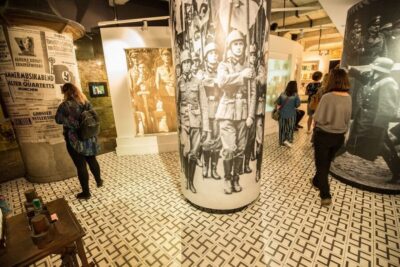
Schindler’s Factory Tour with Entrance Ticket
Read our review →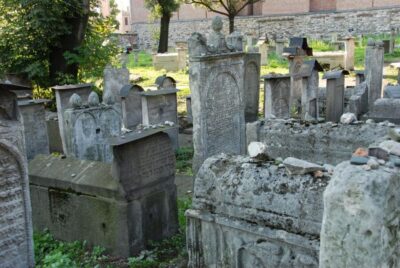
Schindler’s Factory Tour with Entrance Ticket
Read our review →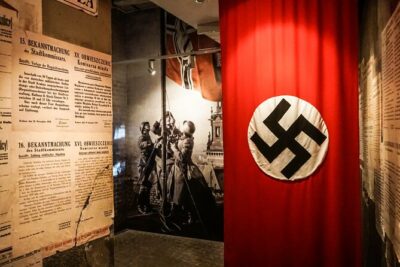
Schindler’s Factory in Krakow: Guided Tour & Skip the Line Ticket
Read our review →
Krakow Schindler’s Factory Guided Tour with Admission Ticket
Read our review →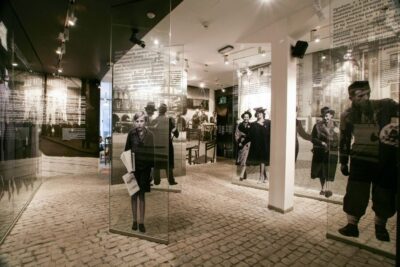
Schindler’s Factory Guided Tour with Entry Ticket
Read our review →Browse the lists this tour appears in