
Reviewed · JEWISH HISTORY & HERITAGE TOURS
Warsaw: Jewish History Guided Walking Tour in English
Warsaw changes when you walk it with context. This 150-minute English walk links Jewish life before World War II to the ghetto’s boundaries using real street locations, and I love how it centers Nożyk Synagogue and Waliców Street so you get the story in the exact place it happened. You also spend time on Chłodna Street, learning how the ghetto’s layout shaped movement and survival.
The one drawback to plan for is that this is a true walking tour in the open air. Even with a great guide, freezing weather can be a grind, and the subject matter is emotionally heavy, so you should dress for cold and pace yourself.
In This Review
- Key moments that make this tour hit harder
- Meeting Grzybowski Square and getting oriented fast
- Chłodna Street and the ghetto bridge you can still picture
- Nożyk Synagogue: why one building carries so much weight
- Waliców Street, the ghetto border, and the Warsaw Uprising connection
- Jewish life in good times: uprisings, interwar arts, and everyday identity
- How guides handle difficult material, including humor and real questions
- Price and value: what $26 buys you on foot
- When to book and who should take this tour
- Should you book this Warsaw Jewish history walking tour?
- FAQ
- How long is the Warsaw Jewish History Guided Walking Tour?
- What is the meeting point for the tour?
- Is the tour offered in English?
- What’s included in the price?
- Is hotel pickup included?
- Can I book now and pay later, and is there free cancellation?
Key moments that make this tour hit harder
- Nożyk Synagogue: the only surviving pre-war Warsaw synagogue gives the tour a powerful anchor.
- Chłodna Street bridge: learn how parts of the ghetto were physically joined and what that meant for daily life.
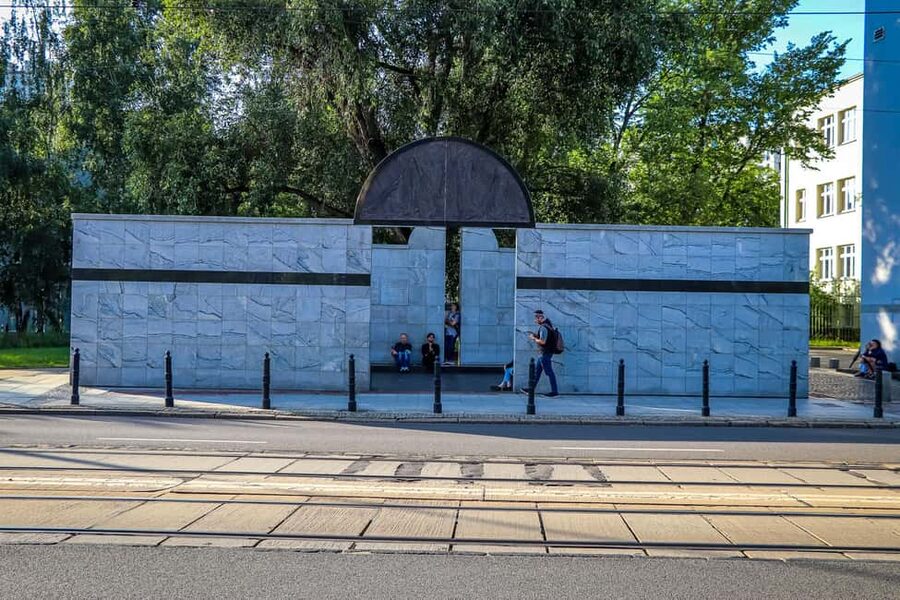
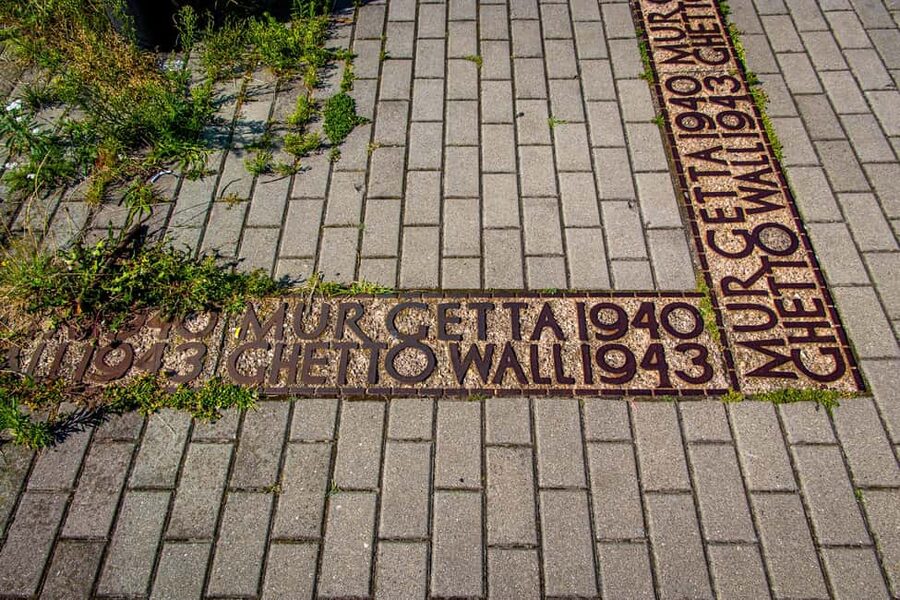
- Waliców Street: a former ghetto border that helps you understand where lines were drawn before the war’s worst moments.
- Warsaw Uprising context at the border area connects Jewish history to the wider fight over the city.
- Guides who use facts plus visuals like photos and maps to explain places that no longer look the same.
- A look at today’s Jewish community so the tour ends with continuity, not just tragedy.
Meeting Grzybowski Square and getting oriented fast
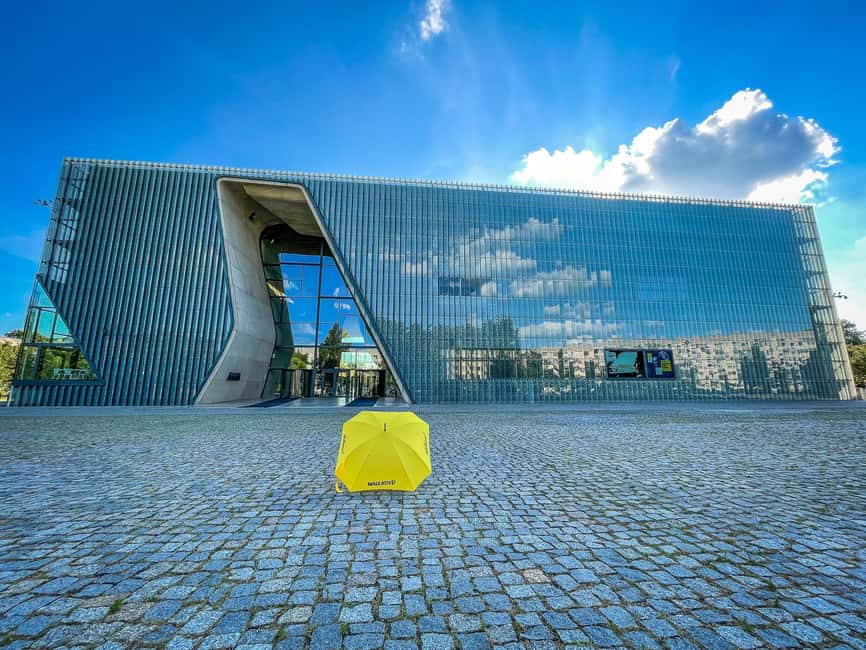
You’ll meet next to the All Saints Church at Grzybowski Square, and you should look for a yellow umbrella. No hotel pickup here, so you’ll want to arrive a few minutes early, take a quick look around, and settle in before the walk begins.
The pace is set for a walking tour, about 150 minutes, and it stays focused on a handful of meaningful stops. That matters, because Warsaw can feel like any big European city unless you know how to read it. This tour gives you a way to see the city as layered, not random.
One more practical note: because the tour is outdoors the whole time, you’ll get more out of it if you dress like you’re attending a cold walk, not a museum visit. I’d treat this as weather-dependent, especially in winter when “freezing” shows up in guide feedback often.
More Walking Tours in Warsaw
- Warsaw: Old Town Highlights Walking Tour in English
★ 4.7 · 1,516 reviews - Warsaw: Old Town Guided Walking Tour
★ 4.9 · 599 reviews - Half-Day Polish Food Walking Tour with Guide and Dinner
★ 4.5 · 381 reviews
Chłodna Street and the ghetto bridge you can still picture
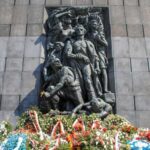
One of the most memorable parts of the walk is how it uses Chłodna Street as a stage for the ghetto story. You visit the site of the bridge on Chłodna that joined parts of the ghetto, and the point is not just to mark a location. It’s to understand how the ghetto’s design shaped what people could access, where movement was controlled, and how geography became a tool of oppression.
What I like about this approach is that it turns abstract history into street-level thinking. When you hear how and why certain crossings were built or where routes funneled people, the city starts to make grim sense. Instead of “there was a ghetto,” you see why separation was enforced in daily life.
There’s also a learning bonus here for anyone who knows Warsaw only through a few iconic sites. Chłodna is not just a road on the map. It becomes a narrative corridor, where your guide explains the logic behind the city’s WWII changes and what residents faced as they tried to live, work, and survive.
Nożyk Synagogue: why one building carries so much weight
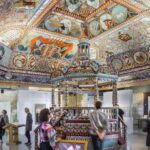
The tour’s most emotional stop is Nożyk Synagogue. It’s highlighted as the only surviving pre-war Warsaw synagogue, which is why it lands so hard. Even if the exterior is what you take in, the meaning comes through quickly: this is not a rebuilt set piece. It’s one of the rare physical links that lets you stand near what was lost.
You might find different experiences depending on access that day. Some people mention hoping to go inside, so you should not assume interior access will always be available. Still, the value of the stop is there either way. Your guide uses the synagogue as a way to talk about Jewish civic life before the war, and then to contrast that with what came later.
I also appreciate how tours like this tend to handle the transition carefully. They move from centuries of Jewish participation in Warsaw’s public life toward the scale of destruction in the Holocaust. Nożyk Synagogue becomes the hinge. You can almost feel the timeline change from one breath to the next.
Waliców Street, the ghetto border, and the Warsaw Uprising connection
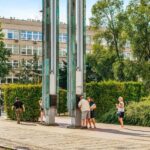
Next, the walk heads to Waliców Street, described as the once-active ghetto border. This is one of those places where the lesson is geography. Borders were not lines on paper. They were lived boundaries that affected which doors opened, where people gathered, and how escape or movement worked in practice.
Your guide also ties the area to the Warsaw Uprising, which gives you a wider frame. Without that context, it’s easy to think in terms of separate chapters: WWII here, then revolt there. The tour helps you see how these events overlapped in the city’s struggle and why residents were facing layered violence at once.
For readers who like history with cause-and-effect, this is a strong section. You’re not only learning “what happened.” You’re learning how the war reshaped the urban plan and how that mattered to decisions people had to make.
Further Jewish history and heritage itineraries:
Jewish life in good times: uprisings, interwar arts, and everyday identity
This tour is not only about the Holocaust. It spends real time on what Warsaw’s Jewish community was doing in different eras, including periods of struggle and periods of cultural bloom.
You’ll hear how, in the 19th century, Jews joined other Warsaw residents in struggles against occupying powers and participated in Polish uprisings. That detail is important because it pushes back against a one-note view of Jewish history in Eastern Europe. It’s about participation, community, and civic life long before the ghetto period.
Then the story widens to the Interwar Period, when Jewish Warsaw flourished with hundreds of artists, actors, writers, and journalists. The tour treats this as a lived ecosystem, not a vague “culture happened here.” That context makes what comes next even more brutal, because you understand what was destroyed on an enormous scale, not just that tragedy occurred.
If you want a trip that helps you understand the pre-war diversity and richness, this is exactly what you’re getting. It gives your brain something concrete to hold onto before the narrative turns toward persecution and death, and that makes the hardest parts easier to process.
How guides handle difficult material, including humor and real questions
A huge factor in whether this tour works for you is the guide. The feedback is remarkably consistent: people praise English fluency, strong storytelling, and the way the guide handles difficult topics with care.
You’ll see names like Andrzej, Christopher, Luke, Jacek, Yatzic, Agneska, Ana, Olivia, and Tomasz pop up in reviews. The common thread is how they keep attention during two and a half hours on heavy history. One guide style people mention is a mix of seriousness with humor, which sounds odd until you realize it helps you keep listening without shutting down.
Another detail I’d call out for your expectations: several reviews mention visuals like photos and maps. That’s a big deal in Warsaw, where many buildings have changed or disappeared. When your guide can show you what stood where, the story becomes clearer and less abstract.
You’ll also find that questions are encouraged. Multiple guides are described as answering thoroughly, staying after to answer more, or inviting discussion. One review even notes a guide asked before speaking on a sensitive point, which tells me the best guides on this route think about how the group is handling emotional weight.
Price and value: what $26 buys you on foot
At $26 per person for about 150 minutes, this is not a “drive-by highlights” experience. You’re paying for a local guide who connects multiple sites tied to Warsaw’s Jewish history, including Nożyk Synagogue and specific ghetto-related locations.
Value here comes from two things:
- You get expert interpretation, not just directions from point A to point B.
- You cover several high-impact stops in one walking format, instead of needing separate tickets or multiple tours to build the story.
Also, this tour is described as a reservation fee that goes toward the guide’s payment. That matters because it’s part of why guides show up well prepared. And if you want something smaller, the info says you can contact the supplier to organize a private tour.
Is $26 cheap? In the market sense, it’s fairly accessible for what you’re getting. But the better question is whether it’s the right kind of experience for you. If you want a short, upbeat city stroll, this is not that. If you want a street-by-street historical read of Warsaw’s Jewish life, it’s a good match.
When to book and who should take this tour
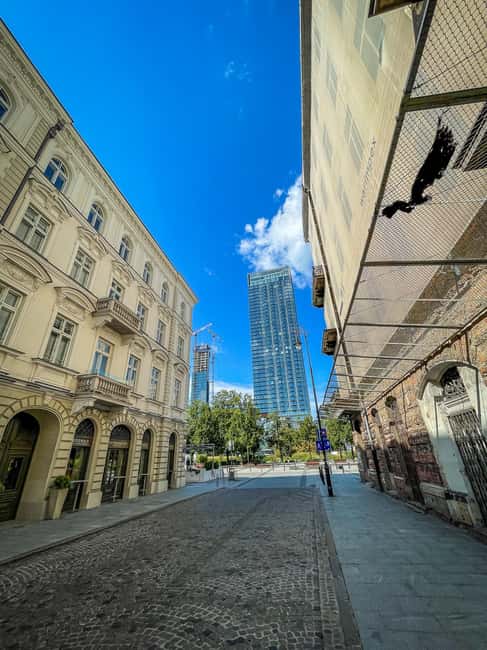
This works best if you:
- Want Jewish history in Warsaw told through specific locations, not only a museum timeline.
- Like a guide who uses photos, maps, and clear narration to connect vanished details to today’s streets.
- Can handle emotional material. This is a Holocaust and ghetto-focused walking tour, and the topic is intentionally serious.
It may feel like too much if you need a lighter itinerary or if you struggle with long outdoor time in cold weather. People often mention chilly conditions, and that’s practical, not picky. Dress in layers, bring gloves if you run cold, and plan to take in the tour at a steady pace.
Should you book this Warsaw Jewish history walking tour?
Yes, if you’re coming to Warsaw for more than landmarks and you want context that actually changes how you see the city. The pairing of Nożyk Synagogue, Chłodna Street’s ghetto bridge, and Waliców Street’s border area gives you a clear geographic story. Add in guides who handle the material with care, invite questions, and use visuals, and you get a tour that feels both human and grounded.
Before you book, just be honest with yourself about two things: the cold outdoors and the emotional weight of the subject. If that’s manageable, this is one of the best ways to understand Warsaw’s Jewish history in a focused, street-level way.
FAQ
How long is the Warsaw Jewish History Guided Walking Tour?
The tour lasts 150 minutes, or about two and a half hours.
What is the meeting point for the tour?
Meet next to the All Saints Church at Grzybowski Square. Look for a yellow umbrella.
Is the tour offered in English?
Yes, the live tour guide speaks English.
What’s included in the price?
The tour includes a local guide and the walking tour itself.
Is hotel pickup included?
No. Hotel pickup and drop-off are not included.
Can I book now and pay later, and is there free cancellation?
Yes. You can reserve now and pay later, and you can cancel up to 24 hours in advance for a full refund.
Between Rebuilt Squares
- Warsaw: Chopin Concert at Historical Venue in Old Town
★ 4.7 · 445 reviews - Small-Group Historical Guided Tour of Warsaw with pick up/drop off. Public Tour.
★ 4.5 · 343 reviews - Warsaw: Warsaw Historical Group Tour with Pickup & Drop-Off
★ 4.6 · 233 reviews - Private Historical Tour of Warsaw by a Retro Fiat with Pickup
★ 5.0 · 190 reviews
Squares Crossed on Foot
- Old Town Warsaw Walking Tour
★ 4.5 · 333 reviews - World War 2 in Warsaw walking tour in English
★ 4.7 · 237 reviews - Warsaw: Jewish Heritage & Holocaust Walking Tour
★ 4.7 · 119 reviews - Warsaw: Old and New Town Private Walking Tour
★ 4.8 · 116 reviews
Freshly posted from Warsaw
- Krakow Small Group Tour from Warsaw with Lunch, Schindler’s Factory included★ 5.0 · 7 reviews
- Warsaw Private Transfer from Warsaw Chopin Airport (WAW) to City centre★ 4.0 · 7 reviews
- 3-hour tour at Warsaw Uprising 1944 Museum /inc. Pick-up/★ 4.9 · 7 reviews
- Wolfs Lair – Hitlers hideout★ 4.5 · 7 reviews
- Warsaw: Evening History and Pubs Tour by Retro Minibus★ 5.0 · 7 reviews
- Warsaw: Private Vodka Tasting Night with Snacks and Pickup★ 5.0 · 7 reviews
- Warsaw Old Town with Royal Castle + Royal Route: SMALL GROUP /inc. Pick-up/★ 5.0 · 7 reviews
Jewish History & Heritage Tours, compared.
Bike Tour of Old Town, Jewish Quarter and the Ghetto
Read our review →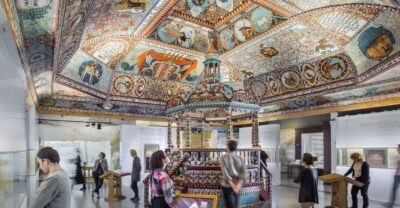
POLIN Museum of the History of Polish Jews Ticket
Read our review →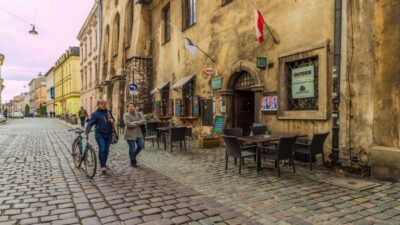
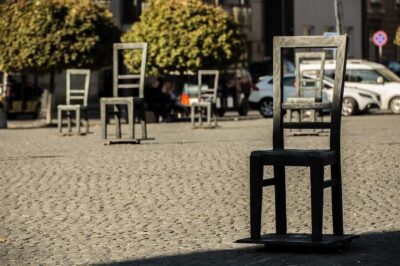
Kazimierz, Schindler’s Factory & Ghetto Guided Tour
Read our review →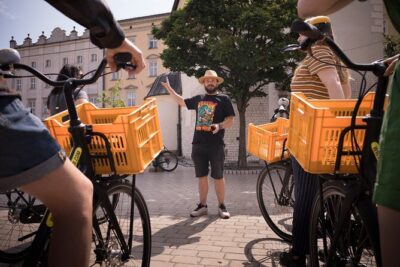
Full Bike Tour – the Old Town, Jewish Qtr & the Ghetto NEW BIKES
Read our review →
Warsaw Ghetto Private Walking Tour with Hotel Pickup
Read our review →Browse the lists this tour appears in