
Reviewed · COMMUNISM & PRL HISTORY TOURS
Communism in Wroclaw and in Poland – Private Tour
Communist Wrocław hits different on a walking tour. This private experience is built around real places, from plac Wolności to Ostrow Tumski, where you connect propaganda to everyday life. I like that you get the big themes (economy, secret service, justice system, transition) explained clearly, and I especially like that the guide, Michal, brings a political science lens to what can otherwise feel like dry textbook stuff.
The main thing to consider is that this is not a museums-only outing. Expect plenty of outdoor time and discussion at sites, and a couple stops note admission that is not included, so your comfort with walking and some “story time” matters.
In This Review
- Key points
- Price and what you are really paying for
- Plac Wolności: propaganda, economy, secret service, and justice
- A walk along Swidnicka Street to Rynek: seeing transition times
- Wrocław’s Dwarfs in the 1980s: protest with a wink
- Rynek of Wrocław: past versus today, architecture versus lifestyle
- Wrocław University: education and exchanging elites
- Ossolineum: what happened to Polish cultural heritage after WWII
- Plac Nowy Targ: destruction in WWII and the reconstruction process
- Hala Targowa (Market Hall): coffee and a restroom break
- Ostrow Tumski (Cathedral Island): communists, church relations, and Solidarity money
- What I think makes this tour worth it
- Who should book this communist Wrocław tour
- Should you book it?
- FAQ
- How long is the Communism in Wrocław private tour?
- What does the tour cost?
- Is pickup offered?
- Is this a private tour?
- What ticket costs should I expect?
- Do I need to buy tickets separately for every stop?
- What is the meeting time window?
- What is the cancellation policy?
Key points
- A private format up to 15 people means questions and follow ups are easier.
- Political science based storytelling keeps the why behind communism from getting lost.
- Street level stops help you see what changed during the transition, not just what was said.
- Little Wrocław Dwarfs become part of the resistance story, even when you are just passing by.
- Church and Solidarity threads show how power and faith tangled in real life.
- Built in break time at Hala Targowa gives you a practical pause for coffee and the restroom.
Price and what you are really paying for
The tour costs $183.65 per group, up to 15 people, for about 2 to 3 hours. That is good value when you share it, because you are buying a live, licensed guide who can tailor the pace and field questions. If your group is smaller, the per person cost rises, so it helps to book with friends or family.
Also, the format is designed to be efficient. You have pickup offered, a mobile ticket, and a plan that runs from one strong discussion point to the next without wasting half the time on logistics.
More Nowa Huta blocks and PRL relics:
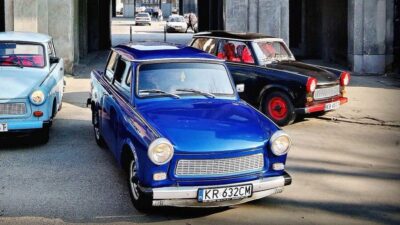
- Krakow: Nowa Huta Guided Tour in Vintage Car
★ 4.9 · 277 reviews - Legendary Private Nowa Huta Communism Tour with Crazy Guides
★ 5.0 · 262 reviews - Nowa Huta: Steelworks Administration Buildings/Shelters Tour
★ 4.8 · 260 reviews
Plac Wolności: propaganda, economy, secret service, and justice
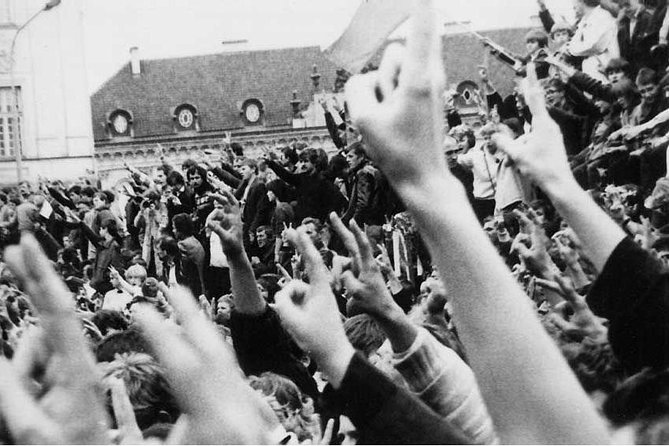
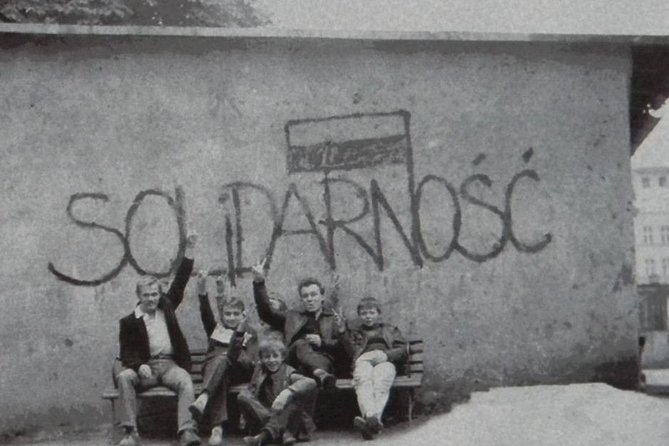
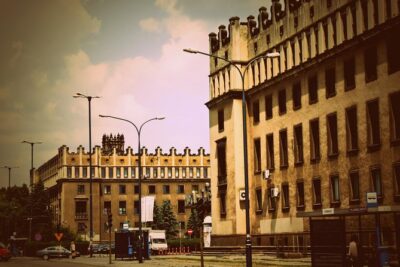
Most tours in Wrocław start with beauty. This one starts with power, and that is a refreshing switch. At plac Wolności, you set the frame for how communist systems shaped daily life, not just big political events.
You will hear stories about communist propaganda, how the economy was managed, and how institutions like the secret service and the justice system worked in practice. I like this start because it gives you a map for what you will later notice around the city, like the difference between official messages and lived reality.
Practical note: it is a quick beginning (about 10 minutes), and it is outdoors. Dress for the weather, because this tour leans on walking and standing, not sitting in one room for most of the time.
A walk along Swidnicka Street to Rynek: seeing transition times
From there, you walk along Świdnicka Street toward the Rynek (Main Square) without going into buildings. That “no door, just streets” approach matters. It trains your eyes to look at how a city’s story shows up in movement, locations, and what changed between regimes.
This segment focuses on transition times in Poland, so it is less about monuments and more about how the shift affected systems, tone, and daily life. The walk is short, about 5 minutes, so it works even if you have limited time or you want something that does not drag.
What to consider: since you are not entering buildings here, you will want your guide’s explanations to do the heavy lifting. If you prefer hands-on museum style learning only, you might need to mentally switch gears for this portion.
Wrocław’s Dwarfs in the 1980s: protest with a wink
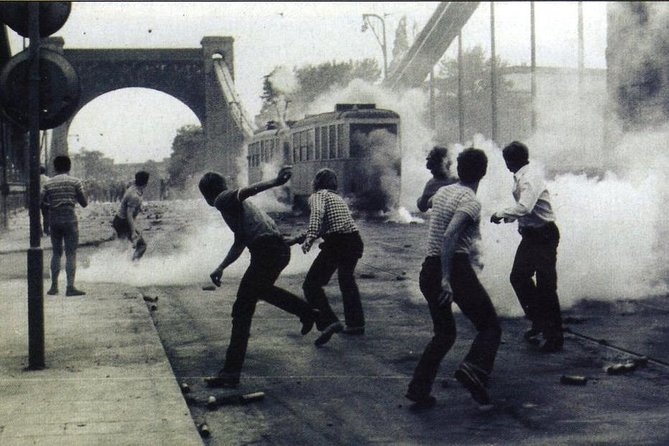
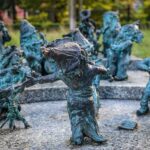
Then comes one of the smartest parts of the tour: Wrocław’s Dwarfs. These small figures sound cute on paper, but the guide uses them to talk about how people used humor and symbols to push back. You will learn how the dwarfs played an important role during the 1980s and how they helped make fun of militia forces.
I love this stop because it shows that resistance was not only marches and speeches. It was also daily creativity, coded messages, and ways to keep morale up when official power felt all around you.
This stop is brief (about 10 minutes). That is perfect here, because it keeps the tour moving while still giving you a memorable story you will likely remember long after the walk ends.
Still tacked up around Wroclaw
Rynek of Wrocław: past versus today, architecture versus lifestyle
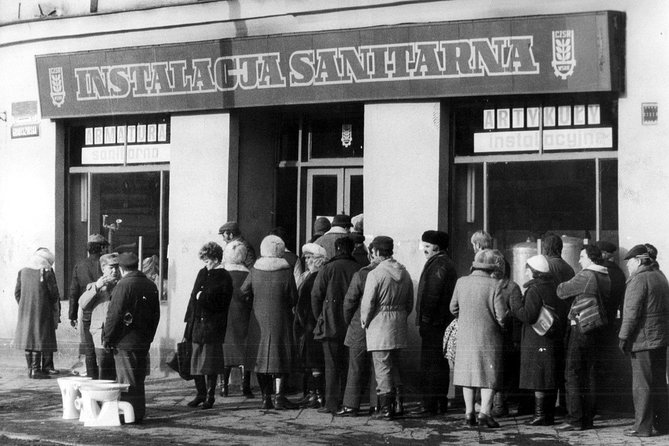
Next, you arrive at the Rynek of Wrocław, and this is where you connect ideas to what you can actually see. The guide compares the square in the past with today, focusing on the main differences in architecture and lifestyle.
I like this because you get two kinds of learning at once. You hear the political context, but you also start noticing how design choices and urban life shifted. Even if you have visited Rynek before, the communist and transition lens can make familiar streets feel new.
Drawback to keep in mind: because the tour is time-boxed (about 15 minutes at this stop), you will not get a long free roaming session here. You will get guided comparisons and a few key takeaways, then you move on.
Wrocław University: education and exchanging elites
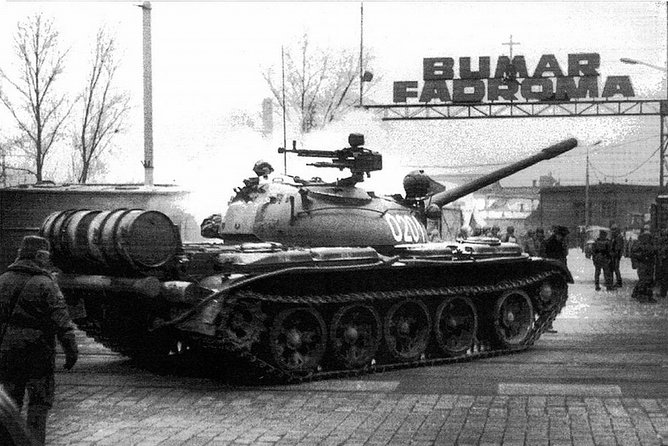
At Wrocław University, the theme changes from propaganda and public life to education and power. You will cover the education system in communism and the process of exchanging elites.
This is one of the most important topics in any communist era story, because education is how systems shape who gets authority later. You are not just learning what schools looked like. You are learning how a regime tries to reproduce itself through people.
You should plan on standing and listening rather than expecting an included ticket-based visit, since admission is listed as not included for this stop. That means you are likely there for discussion and views around the university area, not a deep inside-the-building experience.
Ossolineum: what happened to Polish cultural heritage after WWII
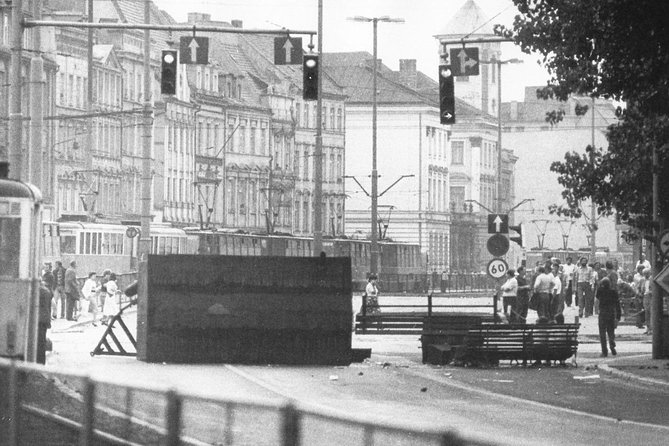
Then you turn to Ossolineum, where the focus is on Polish cultural heritage after WWII and what was left in the Soviet Union. This stop is about memory and ownership, not just politics in the narrow sense.
I appreciate this part because it widens the story. Communism was not only about uniforms and slogans. It also reached into archives, cultural institutions, and the question of what a nation preserves during upheaval.
The tour lists admission as free at this stop. That is useful if you want to spend a bit more time with the setting once the talk is done, but in any case you will get the key narrative points connected to the building and its significance.
Plac Nowy Targ: destruction in WWII and the reconstruction process
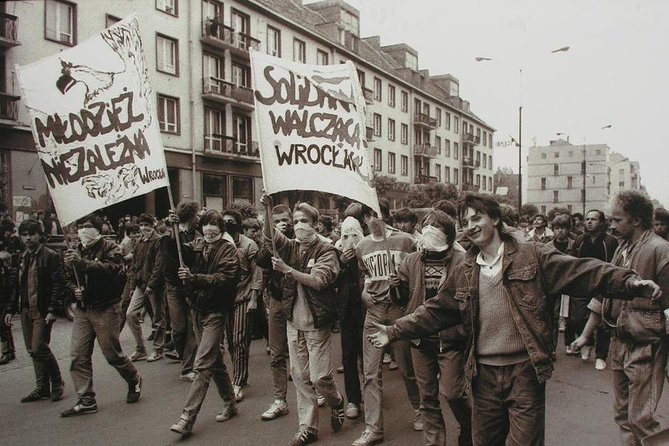
At plac Nowy Targ, the tour shifts again into the city’s physical scars. You learn about Wrocław’s destruction in WWII and the process of reconstruction.
This matters because communist rule is only one layer of modern history. If you understand how a city was damaged and rebuilt, you can better grasp why later political systems shaped rebuilding priorities and what “normal” meant after catastrophe.
This stop is about 10 minutes, so it is not meant to be a full wartime history lesson. Instead, it gives you a focused link: how postwar realities set the stage for later control and later change.
Hala Targowa (Market Hall): coffee and a restroom break
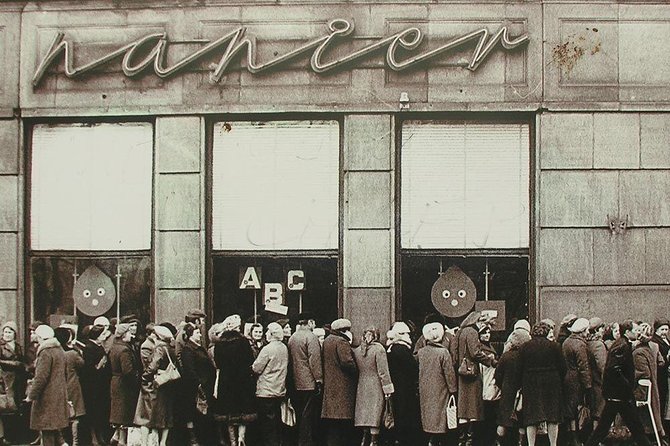
After several story-heavy stops, the tour builds in a reset at Market Hall, Hala Targowa. You get a coffee and WC break, with about 15 minutes at the stop.
This is a practical win. When you are learning about heavy topics like secret services and justice systems, a real break keeps your brain from turning into a wall of names and dates. Just remember: coffee and/or tea are not included, so you will need to pay for your drink if you want one.
I also like that this stop is placed in the middle. It gives you a chance to regroup and decide if you want to push for deeper questions when the tour moves to the final and spiritual part of the story.
Ostrow Tumski (Cathedral Island): communists, church relations, and Solidarity money
The tour ends on Ostrow Tumski, Cathedral Island, and it is a strong finish. Here you cover communists and Church relations, plus a story about hidden money connected to Solidarity.
This is where the narrative becomes more than institutions. It becomes about relationships and moral pressure, because faith and organized labor helped challenge the legitimacy of the system. I like ending here because the setting encourages you to think about how resistance can be both public and private, legal and underground, open and symbolic.
This stop is about 15 minutes and admission is listed as free, so you are not forced into an extra ticket step just to enjoy the place and the talk. You get a guided framing, then you can choose to linger if your energy holds out.
What I think makes this tour worth it
For me, the value is not just that you learn about communism. You also learn how to notice it in a city. The structure moves from ideological framing at plac Wolności, into street level transition clues, then into cultural and social resistance signs like the dwarfs, and finally into institutions and counter-power links at the university and church sphere.
The private group format helps too. With your own group, you can pace the conversation. If a topic hits you, you can ask a follow up without the tour guide having to ration explanations to a large crowd.
One more plus: the tour does not pretend every stop will be a long museum visit. It is honest about what you are doing, walking between meaningful points and using each location as a prompt for a specific part of the story.
Who should book this communist Wrocław tour
This is a great match if you like political history that stays grounded in real places. It is also ideal if you enjoy learning with a guide who can connect systems like the secret service and justice system to what people experienced.
You will likely enjoy it most if:
- you are comfortable with a 2 to 3 hour walking and standing tour
- you want a guided story focused on communism and Poland’s transition
- you want a private setting so you can ask questions
If you want mostly indoor sightseeing with long ticketed stops, you might find the outdoor pacing a bit more talk heavy than expected. But if you are in the mood for explanation and story, this one hits the sweet spot.
Should you book it?
Yes, if you want a focused, private way to understand communism in Wrocław and Poland through specific locations. The price makes sense when you share it, and the stop selection is designed for connection: propaganda and institutions first, then symbols and culture, then church and Solidarity.
Book it with confidence if you like clear guided context and you can handle an outdoor walk plus a few short standing moments. Skip it only if you strongly prefer long, ticketed museum time over narrative street learning.
FAQ
How long is the Communism in Wrocław private tour?
The tour lasts about 2 to 3 hours.
What does the tour cost?
It costs $183.65 per group, up to 15 people.
Is pickup offered?
Yes, pickup is offered.
Is this a private tour?
Yes. It is private, and only your group participates.
What ticket costs should I expect?
Many stops list admission as free, but some entries note admission tickets not included. Coffee and/or tea are also not included.
Do I need to buy tickets separately for every stop?
Not for every stop. Several stops are listed as admission ticket free, while a couple are marked as not included.
What is the meeting time window?
It runs Monday through Sunday from 8:00 AM to 9:00 PM, with service available from 12/15/2019 through 10/05/2026.
What is the cancellation policy?
You can cancel for a full refund up to 24 hours in advance of the experience start time, and cancellation is free. If you cancel less than 24 hours before, the amount paid is not refunded.
Freshly posted from Wroclaw
- Electric Scooter Tour: Old Town Tour – 1,5-Hour of Magic!★ 5.0 · 1 review
- Poznan: Heart of Greater Poland full Day Trip from Wroclaw★ 5.0 · 1 review
- Wroclaw Scavenger Hunt and Highlights Self-Guided Tour★ 5.0 · 1 review
- Wroclaw – Gross Rosen Round Trip including tickets★ 5.0 · 1 review
- University of Wrocław – discover this place with a guide!★ 5.0 · 1 review
- Wrocław: Solar gondola cruise on the Oder with a guide★ 5.0 · 1 review
- Wroclaw Grand City Private Tour with Japanise Garden and Panorama Painting★ 5.0 · 1 review
Communism & PRL History Tours, compared.
Legendary Private Nowa Huta Communism Tour with Crazy Guides
Read our review →
Nowa Huta: Steelworks Administration Buildings/Shelters Tour
Read our review →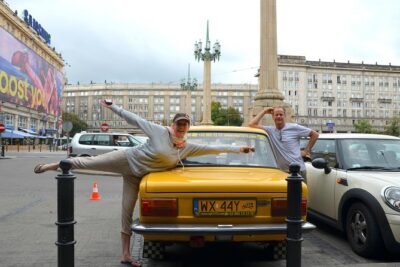
Private Tour: Warsaw’s Communist History by Retro Fiat
Read our review →Private Nowa Huta Adventure Tour in Communist Cars
Read our review →
Browse the lists this tour appears in