
Reviewed · COMMUNISM & PRL HISTORY TOURS
Krakow: Nowa Huta Guided Tour in Vintage Car
Krakow’s communist playground is surprisingly fascinating. This Nowa Huta tour turns planning, propaganda, and everyday life into something you can actually see, from the first streets to underground shelters, all while you’re cruising in a vintage car.
I love how the guide makes the Socialist Realist design make sense, not just as pretty blocks but as a system meant to shape people. I also love the punchy variety, from Central Square and Roses Avenue to a close-up look at a WWII Soviet tank and the bunker parts that feel very real.
One thing to consider: you’re riding in older vehicles, and at least some tours have run with cars that do not have modern, reliably working seatbelts, so keep that in mind if safety is your top priority.
In This Review
- Key things I’d circle before booking
- Nowa Huta: the planned city that still feels unreal
- Riding a Polski Fiat or Lada: history you can hear and smell
- Central Square and Aleja Róż: propaganda in giant font
- Ujastek 1: Soviet-era leftovers with real weight
- Church and armed forces stops: a contrast you’ll feel
- Optional upgrade: steelworks offices or a Cold War nuclear shelter
- Price and what you truly get for $75
- Pickup, drop-off, and how to plan your Krakow timing
- Who this tour is best for
- Should you book the Nowa Huta vintage car tour?
- FAQ
- How long is the Nowa Huta guided tour by vintage car?
- What kind of vintage cars will I ride in?
- Does the tour include hotel pickup in Krakow?
- What languages is the tour available in?
- What is included if I choose the extended option?
- Where will I be dropped off at the end?
Key things I’d circle before booking
- Vintage-car transport that actually matches the story (Polski Fiat, Lada, and more)
- A guided look at Nowa Huta as a planned utopia built around the steelworks
- Plac Centralny and Aleja Róż, including the history around the big Lenin statue
- Time for photos and walking, not just quick photo stops
- Ujastek 1 visit that includes a close look at Soviet-era WWII gear
- Optional upgrade that can add steelworks director offices or a Cold War nuclear shelter
Nowa Huta: the planned city that still feels unreal
Nowa Huta is one of those places where Krakow feels like it has a second face. The area was built as a new socialist settlement tied directly to heavy industry, and your tour leans into that idea right away. You’re not just seeing buildings, you’re seeing a concept: a city designed from the top down, where architecture, statues, and even the street layout were meant to influence daily life.
The neighborhood’s signature style is Socialist Realism, the kind of monumental, carefully composed look meant to project confidence. In Central Square and along Roses Avenue, the scale is the point. It can feel overdone on purpose, and that is exactly what makes it interesting. You get to compare what the plan promised versus what people actually lived.
And since Nowa Huta was founded because of the huge steelworks initiative, the whole place has a “built for industry” rhythm. When you understand that the steel mill was the engine, the rest clicks: housing blocks, public spaces, and the Cold War mindset built into the area’s thinking.
More Nowa Huta blocks and PRL relics:
- Legendary Private Nowa Huta Communism Tour with Crazy Guides
★ 5.0 · 262 reviews - Nowa Huta: Steelworks Administration Buildings/Shelters Tour
★ 4.8 · 260 reviews - Krakow: Private Nowa Huta Adventure Tour in Communist Cars
★ 4.9 · 114 reviews
Riding a Polski Fiat or Lada: history you can hear and smell
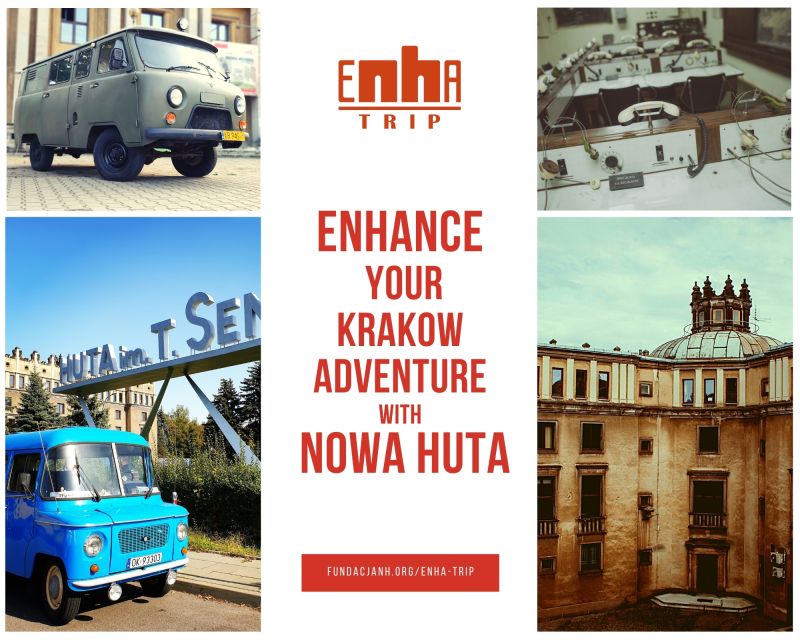
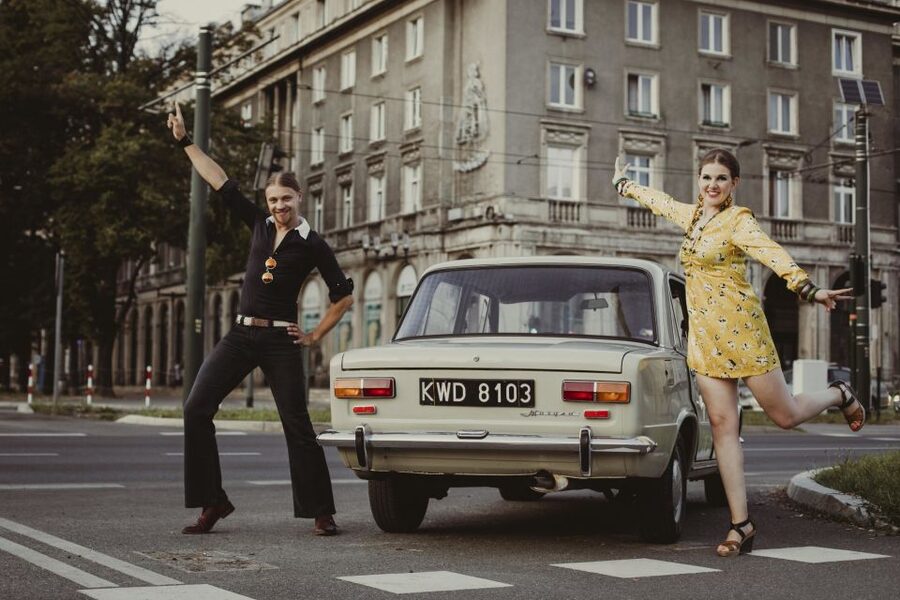
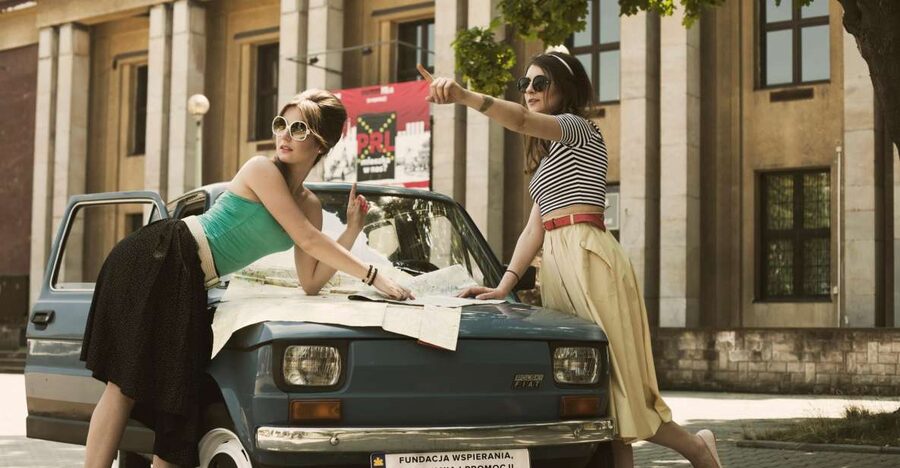
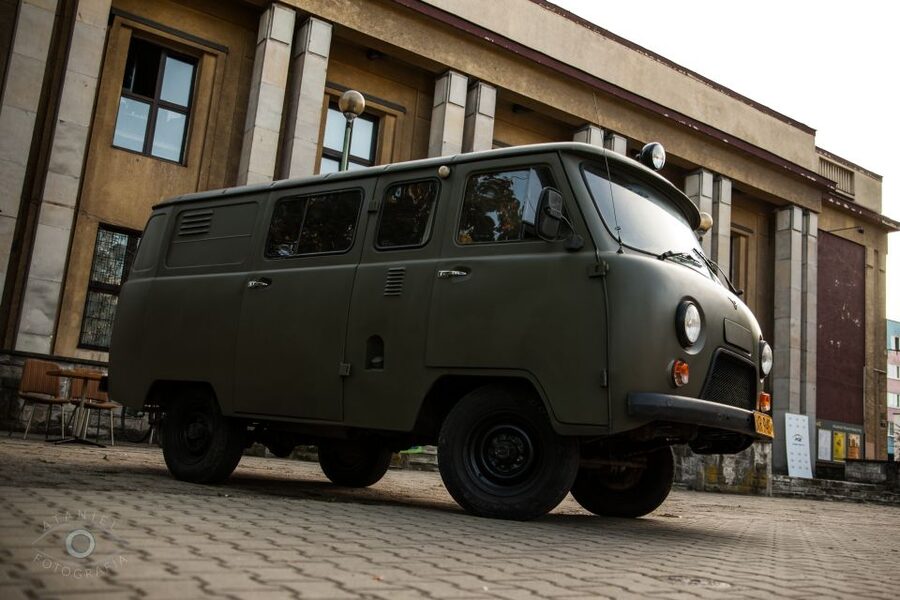
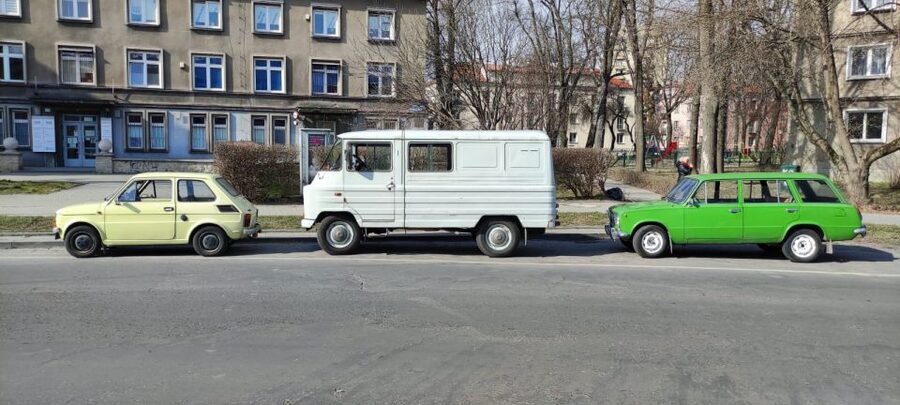
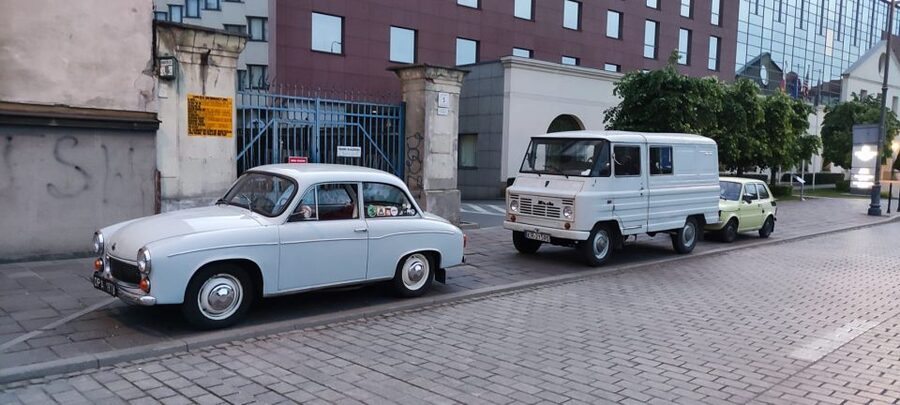
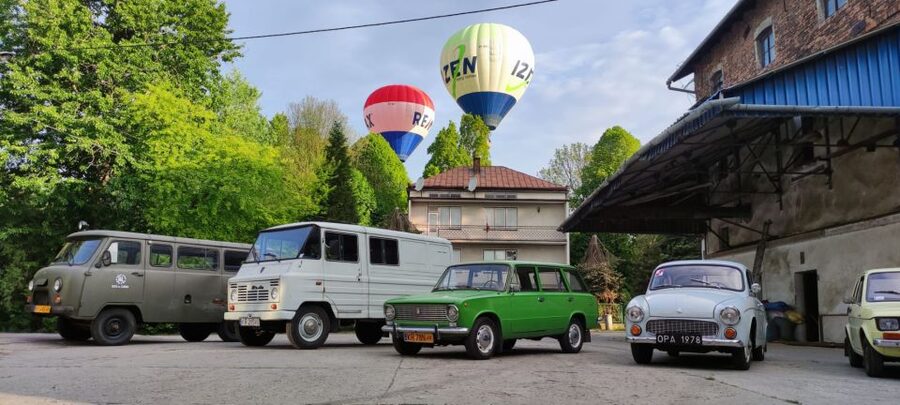
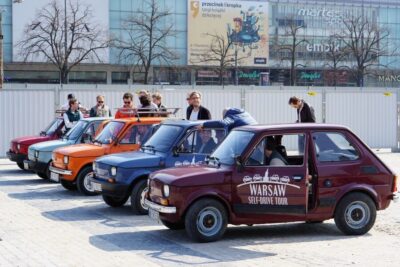
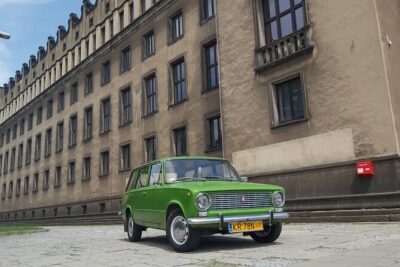
The vintage car element is not just a gimmick. These are classic Polish-era vehicles like the Polski Fiat 126 (Maluch), Lada 2101, Syrena, Nysa, Żuk, or even a Soviet-era style UAZ 452 depending on the day. The tour is designed so you’re not stuck staring out a window like it’s a museum bus. You’re moving through the neighborhood in the same kind of everyday transport people would have associated with that era.
In practice, that means slow, scenic pacing and plenty of chance to stop for photos. The ride itself buys you time, because your guide is explaining as you go. A lot of people end up talking with the guide more than they expect, and that’s where the history stops feeling like textbook facts.
Do plan for “old car” reality. Seatbelts, for example, are not guaranteed to feel like modern standards, and at least one guest noted that working seatbelts were not present. I’d treat the car as part of the experience, but not as a reason to ignore basic comfort. Dress warmly if it’s cold out, and wear shoes that work for a mix of walking and getting in and out of a classic vehicle.
Central Square and Aleja Róż: propaganda in giant font
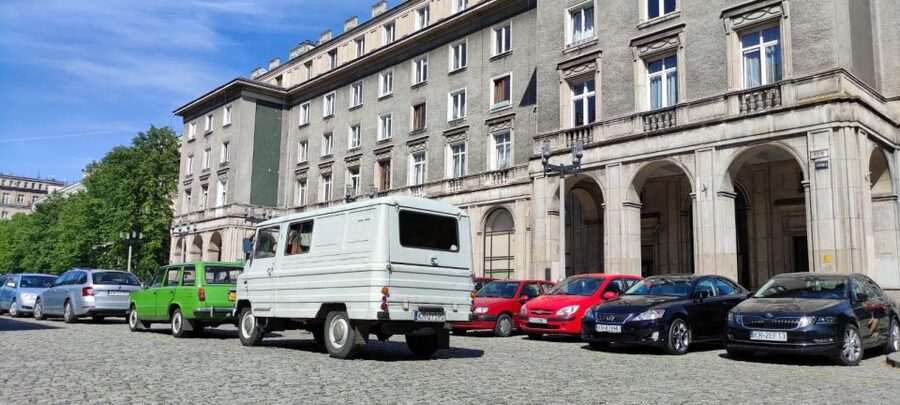
If you want one moment that explains the whole vibe, it’s the stretch around Plac Centralny (Central Square) and Aleja Róż (Avenue of Roses). This is where the planned city shows its teeth. The architecture is bold and symmetrical in a way that feels staged, like a stage set for a story the state wanted people to repeat.
Your guide connects the landmarks to how the communist era used symbols. That includes the history of a large Lenin statue that once stood along Aleja Róż. You’ll likely hear about how local attitudes toward that symbol hardened over time and how the statue ended up being removed. One interesting detail your guide may mention is that Lenin’s statue later went to Sweden and is associated with High Chaparral there, which adds an extra layer to the weirdness of how symbols travel when they lose their power at home.
The walking here is not long, but it’s deliberate. It’s the kind of stroll where you start seeing the logic behind the layout: where the sightlines go, why the square feels dominant, and how Socialist Realist architecture tried to make power look permanent.
Expect a short photo-and-walk rhythm rather than a long hike. You’re meant to absorb the design and then move on while the guide keeps tying the urban planning to the political goals behind it.
Ujastek 1: Soviet-era leftovers with real weight
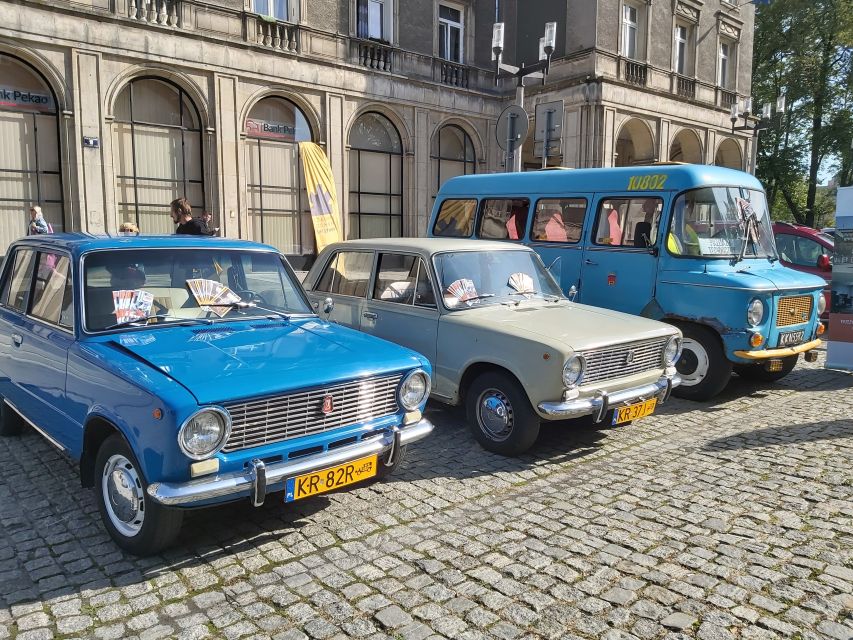
The standout hands-on stop on this tour is the Ujastek 1 segment, where you spend about 1.5 hours with a guided visit. This is where the experience gets physical, not just visual. One of the tour’s big highlights is getting up close to a Soviet tank from World War II, and this part of the outing is built around that kind of encounter.
That matters because it changes how you understand the rest of the story. Before this, you’re thinking about city planning, symbols, and ideology. After this, you’re thinking about military reality, how the Cold War era was never only about posters. A tank is heavy. It forces scale. And it makes the era’s fear feel less abstract.
This stop is also a good moment to ask questions. Guides for this tour tend to be very passionate, and many guests specifically praised the way guides kept answering questions without turning it into a lecture marathon. If you’re the kind of person who likes context, plan to spend real energy here, not just time taking pictures.
Still tacked up around Krakow
Church and armed forces stops: a contrast you’ll feel
After the tank-and-history portion, the tour shifts to more everyday and cultural landmarks. There’s a photo stop at the Museum of the Armed Act, followed by time at Our Lady Queen of Poland Church that includes both a visit and guided time.
I like this contrast because it keeps the day from becoming only one theme. You see how one area can carry communist-era planning while also holding space for Polish religious identity. The church visit helps balance the “state power” story with something that has a different kind of staying power.
The museum stop is shorter, but it’s part of the way the guide frames the era. Even without spending hours inside, you get the feeling that the tour is trying to show how people lived through political pressure, not just how governments drew maps.
If you’re sensitive to long storytelling, this is where the pacing helps. You get a mix of driving, photos, short guided elements, and then the deeper time sinks later.
Optional upgrade: steelworks offices or a Cold War nuclear shelter
This is the decision point that can make or break your day.
The extended option adds the kind of access that most visitors never get on their own: visits related to the industrial leadership side and the Cold War preparedness side. Depending on the upgrade you pick, you’ll include either the steelworks director’s offices or the Cold War HQ bomb shelter, and you’ll get the tickets for those parts too.
Why this matters: Nowa Huta was built around the steelworks, and the director’s offices are where you get the “how decisions were made” feel. It’s not just architecture anymore, it’s administration. You can stand in rooms that were meant to run big systems and picture the day-to-day of managing a city built for production.
Then there’s the bunker. A nuclear-war shelter takes the story from history into psychological reality. It’s one thing to hear the Cold War talked about. It’s another to go down underground and see the preparations people made when they believed the next war could be the last one.
If you’re trying to choose between these two upgrades, I’d pick based on your curiosity:
- Choose director’s offices if you want the industrial power story and how the steelworks shaped the neighborhood.
- Choose the Cold War bomb shelter if you want the most intense atmosphere and the most direct fear-from-the-era connection.
In both cases, the guide’s explanations are what turn the visit into understanding, not just a walk through rooms.
Price and what you truly get for $75
At $75 per person, the value is strong because you’re paying for three things at once:
1) a guided lesson in English (and sometimes Polish or Russian, depending on advance booking),
2) transportation in a classic car, and
3) access to specific Nowa Huta sites that match the theme.
This is not a “ride by bus while you listen to an audio track” kind of deal. The car isn’t just decor, it’s part of the experience. And the guided access at places like Ujastek 1, plus the option to add either steelworks offices or a Cold War shelter, pushes it beyond a simple neighborhood stroll.
Food is the one obvious loose end. The basic info says meals are not included unless you book the lunch option. If you do choose lunch, you’ll get Polish food, and at least one group described mixed pierogi at a place popular with locals. Just don’t assume lunch is automatically included in the base price.
Also, keep an eye on timing. The duration runs from 150 to 270 minutes, so depending on the option, you’ll be out long enough to feel like you did a full mini-day, not a quick add-on.
Pickup, drop-off, and how to plan your Krakow timing
Logistics are pretty friendly. Pickup is included by default if you book the pickup option, and your guide can coordinate based on where your accommodation is. They can’t always reach the very center, but pickup points can include places like Plac Matejki and the area around Mikołaja Zyblikiewicza and Mikołaja Kopernika street. If you’re staying in Kazimierz, you can have pickup from Dajwór street.
You’ll also be able to meet the guide directly in Nowa Huta if you prefer. The vintage car is also easy to spot, since these vehicles are unusual on Krakow streets.
At the end, drop-off goes to one of three areas: Kraków, Kiss and Ride Zyblikiewicza or Pawia 3 (and Kraków as another drop-off option). If you’re trying to get back to a hotel quickly, I’d match your pickup and drop-off options with your day plan around main Krakow areas.
If you’re unsure which car you’ll get, communication via WhatsApp is offered, and the team can even tell you what the car will look like, so you can find it fast without stress.
Who this tour is best for
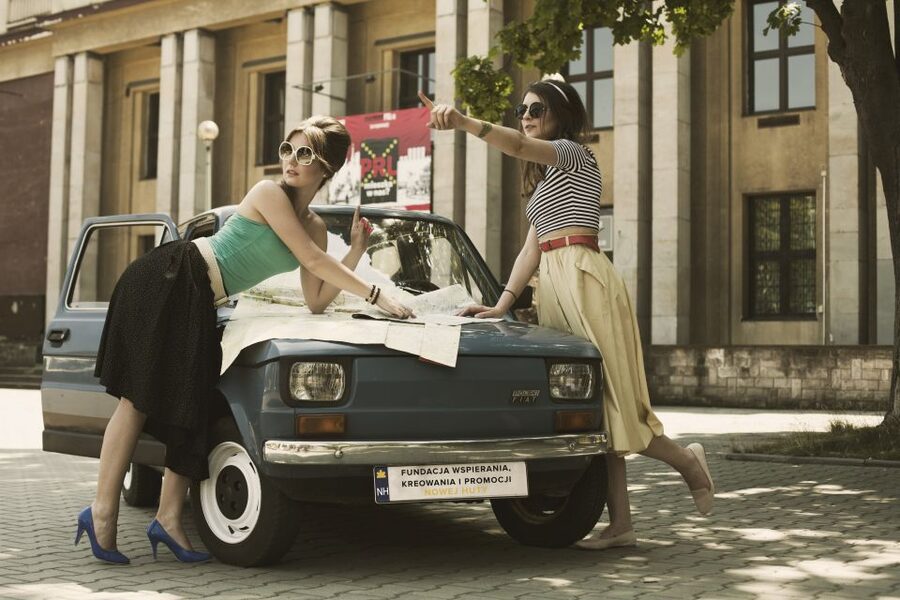
This is a great fit if you enjoy:
- communist-era architecture and the way cities were designed to shape society,
- WWII and Cold War history that feels physical, not abstract,
- photography, because there are multiple built-in photo stops,
- and travelers who like strong guides, especially local ones who can explain in plain language.
It’s also a good choice if you’ve already seen Krakow’s old town and want something that feels genuinely different. Nowa Huta is not a “pretty postcard neighborhood” tour. It’s more about understanding a system, and how Poland moved through it.
Should you book the Nowa Huta vintage car tour?
Yes, if you want a guided way to understand Nowa Huta that includes more than just standing in front of buildings. The combination of Socialist Realist city planning, a WWII Soviet tank moment, and an optional visit to steelworks director offices or a Cold War bomb shelter gives you real range for one outing.
I’d especially book if you’re okay with older-car comfort being part of the charm, and if you like asking questions. If you only want a quick, easy, fully comfortable city experience, you might find the pacing a bit more “hands-on and intense” than you expected.
If you can only do one choice, do the longer option. That extra time is where the day goes from interesting to memorable, because the underground or administrative access is the stuff you cannot fake with screenshots.
FAQ
How long is the Nowa Huta guided tour by vintage car?
The duration ranges from 150 to 270 minutes, depending on the option you choose.
What kind of vintage cars will I ride in?
The tour uses classic vintage cars such as the Polski Fiat 126 (Maluch), Lada 2101, Syrena, Nysa, Żuk, and UAZ 452, depending on availability.
Does the tour include hotel pickup in Krakow?
Yes. Pickup and drop-off are included with the pickup option. Pickup points can include areas like Plac Matejki, and Mikołaja Zyblikiewicza around Mikołaja Kopernika street, and if you stay in Kazimierz, pickup can be from Dajwór street.
What languages is the tour available in?
The tour is offered in English, and it can also be organized in Polish or Russian if booked at least 48 hours in advance.
What is included if I choose the extended option?
With the extended option, you can add a visit with ticket to either the steelworks director’s offices or a Cold War HQ bomb shelter, depending on the option selected.
Where will I be dropped off at the end?
Drop-off is available at three locations: Kraków, Kiss and Ride Zyblikiewicza, and Pawia 3.
Freshly posted from Krakow
- ZALIPIE – painted village, unique small group tour from Krakow★ 5.0 · 7 reviews
- Magic of Krakow: Guided Tour of the Old Town★ 5.0 · 7 reviews
- “John Paul II Route” PRIVATE -Wadowice, Kalwaria Z.-Łagiewniki★ 5.0 · 7 reviews
- Krakow: Craft Beer Tasting City Walking Tour★ 4.4 · 7 reviews
- Krakow : Zakopane Tour + Thermal Pools with Hotel Pickup★ 4.8 · 7 reviews
- Krakow in One Day: City Tour by Electric Car★ 5.0 · 7 reviews
- Cracow: Wawel Castle and Cathedral Guided Tour★ 5.0 · 7 reviews
Communism & PRL History Tours, compared.
Legendary Private Nowa Huta Communism Tour with Crazy Guides
Read our review →
Nowa Huta: Steelworks Administration Buildings/Shelters Tour
Read our review →
Private Tour: Warsaw’s Communist History by Retro Fiat
Read our review →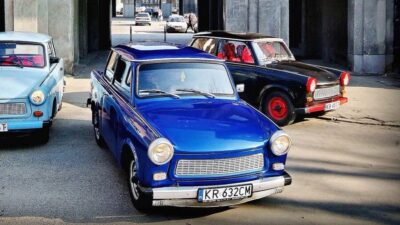
Private Nowa Huta Adventure Tour in Communist Cars
Read our review →
Browse the lists this tour appears in