
Reviewed · COMMUNISM & PRL HISTORY TOURS
Nowa Huta: Steelworks Administration Buildings/Shelters Tour
Krakow has a second face, and it is steel. Inside Nowa Huta’s administration buildings you’ll see time-capsule Cold War management spaces and go down into the bomb shelters and underground command areas, not just look at the city from outside. Two things I really liked were how intact the interiors feel, and how your guide ties the architecture to how decisions got made day to day.
The main drawback is practical: this isn’t an easy walk. There are staircases, tunnels, and tight underground areas, and the tour is not suitable for people with mobility impairments or wheelchair users.
In This Review
- Key things to know before you go
- Nowa Huta as a Cold War time capsule you can walk through
- The administration buildings, with real differences you can spot
- The underground tunnel, then the bomb shelter era in detail
- Radio control room and station, plus authentic recorded tapes
- Staircases and the workers’ theater hall that still has a pulse
- Director offices, engineers’ corner rooms, and the plant’s management mindset
- What the guide adds, especially in storytelling like Mateusz
- Optional vintage car photos and private district sightseeing
- Price and how to judge value at about $26 per person
- How long it takes, and when to schedule it
- Who should book, and who should skip this experience
- Should you book Nowa Huta Steelworks Administration and Shelter Tour?
- FAQ
- How long is the Nowa Huta Steelworks Administration Buildings and Shelters tour?
- Where is the meeting point?
- What does the tour cost?
- What is included in the tour?
- What is not included?
- Is the tour offered in English?
- Do I need to book in advance?
- Is there an option to add sightseeing?
- Is the tour suitable for wheelchair users or people with mobility impairments?
- What is the cancellation policy?
Key things to know before you go
- Two administration buildings: explore the near-twin complexes and notice how they differ in real life
- Underground tunnel link: move between parts of the site in a way that matches the Cold War layout
- Bomb shelters and command center: see what protection and communication meant in the late 1950s
- Original radio spaces and tapes: visit the radio control room and station where audio was recorded
- Workers’ theater hall: a performance space that still gets used today
- Optional vintage car photos: add a retro touch to a very old-world setting
Nowa Huta as a Cold War time capsule you can walk through
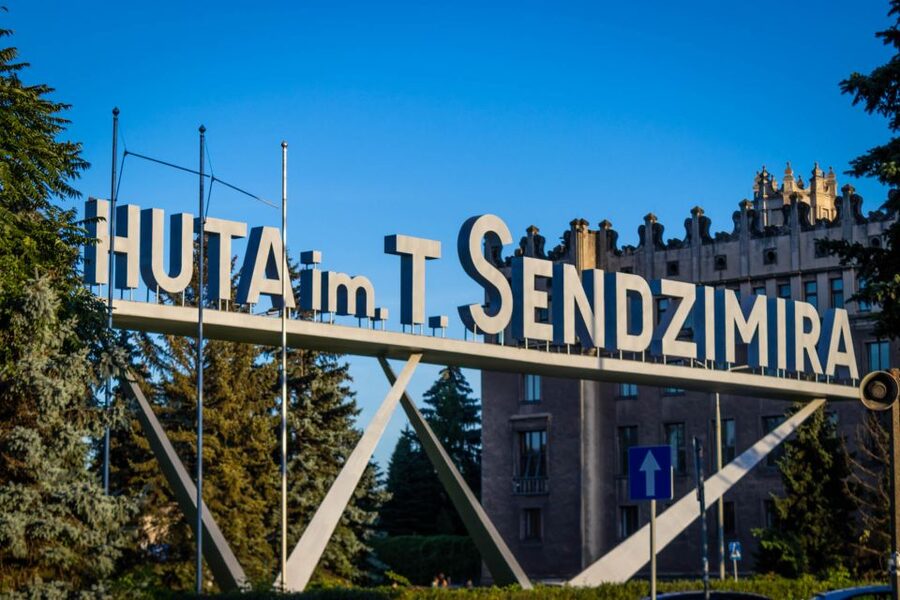
Nowa Huta was planned as a socialist city of the 1950s, built around steel. That matters because this tour is not just about “some old buildings.” You’re stepping into the places where plant leadership, engineers, and communication staff operated, with design choices meant to signal power and control.
What I find most compelling is the contrast. You’re in an industrial world, yet the administration spaces can feel almost ceremonial. That’s why the interiors hit differently than a typical museum room. The tour gives you a sense of how the system wanted to be seen.
More Nowa Huta blocks and PRL relics:
- Krakow: Nowa Huta Guided Tour in Vintage Car
★ 4.9 · 277 reviews - Legendary Private Nowa Huta Communism Tour with Crazy Guides
★ 5.0 · 262 reviews - Krakow: Private Nowa Huta Adventure Tour in Communist Cars
★ 4.9 · 114 reviews
The administration buildings, with real differences you can spot
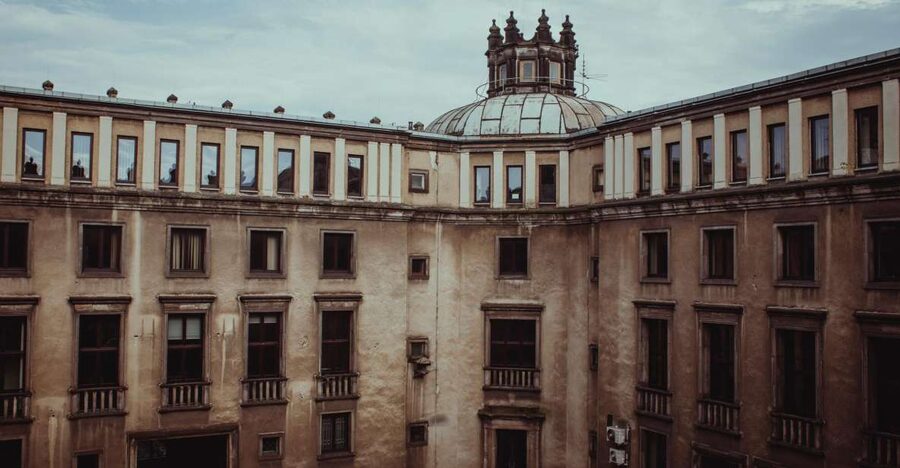
This tour focuses on two nearly twin buildings, which you explore in sequence. Walking between them helps you compare details that you would miss if you only saw one side. It also makes the visit feel fuller, because each building carries its own “personality,” even if the overall style looks familiar at first glance.
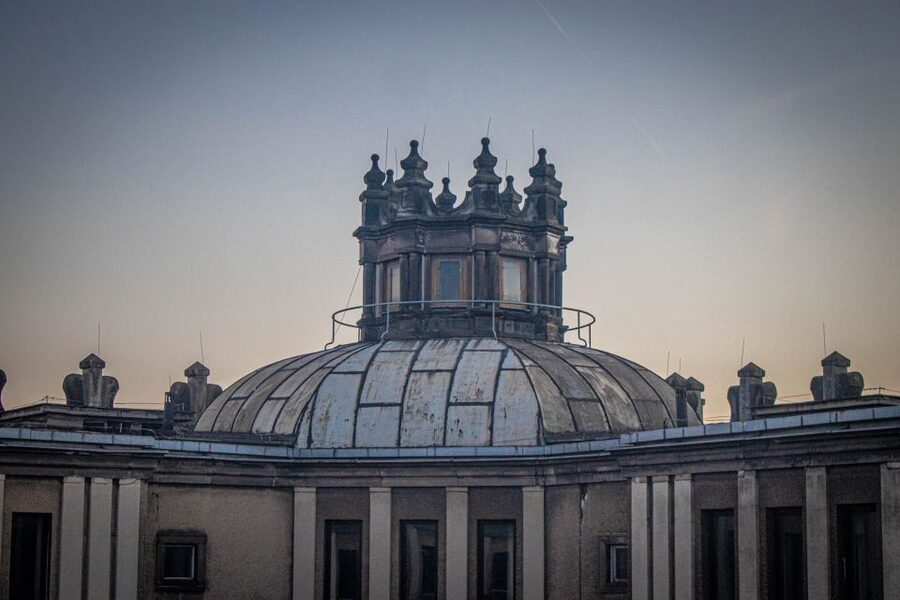
You’ll start with the grand, public-facing side of management life. Look closely at the entrance areas, because the design aims for impact. Expect a spacious hall with a dramatic feel, plus interior rooms where solid ornamental stone is used. It is not random decoration, it is a message to visitors and staff that this was an important command center.
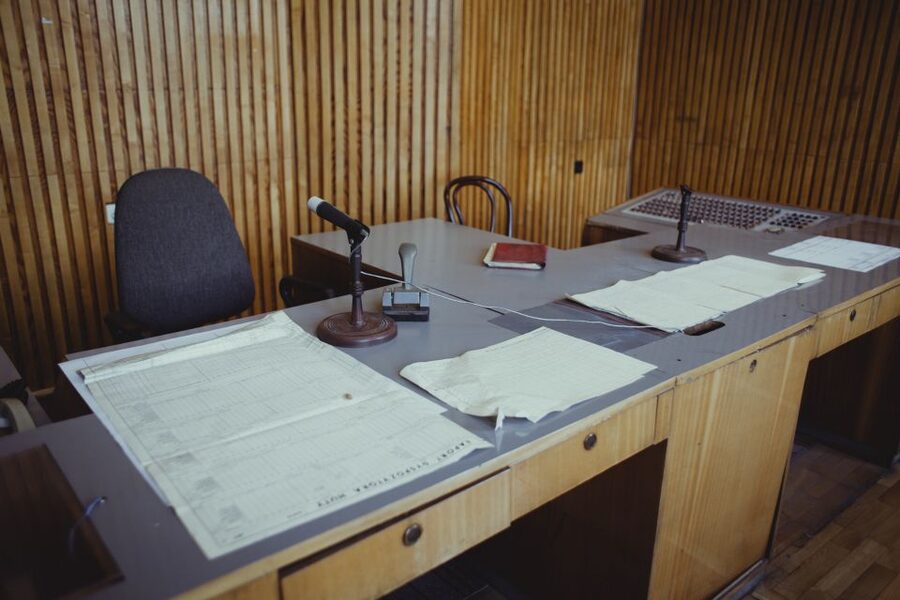
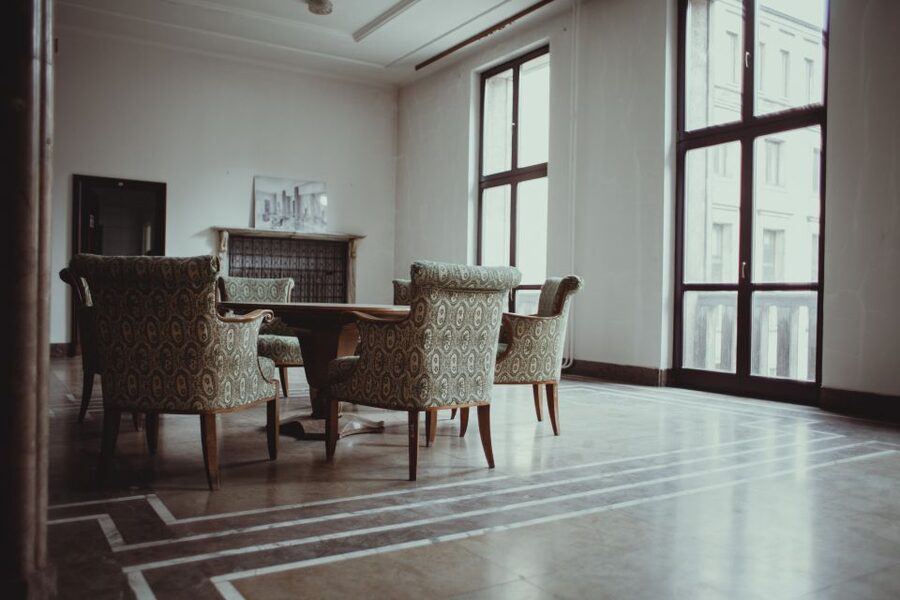
Then you get closer to the workstations behind the authority. You’ll pass through director-level spaces and engineer corner offices. These are the kinds of places that can feel theatrical in photos, but in person they read as functional. You notice where people would sit, where documents would be handled, and how radio communications fit into the building’s daily rhythm.
One more thing that surprised me in the best way: the tour is built to make you look. Instead of rushing, you’re guided to pay attention to the exact spots that shaped communication and control.
The underground tunnel, then the bomb shelter era in detail
A big part of the attraction is the underground tunnel that connects key areas of the complex. Moving through it changes the mood fast, and it helps you understand this site as a whole system rather than separate rooms.
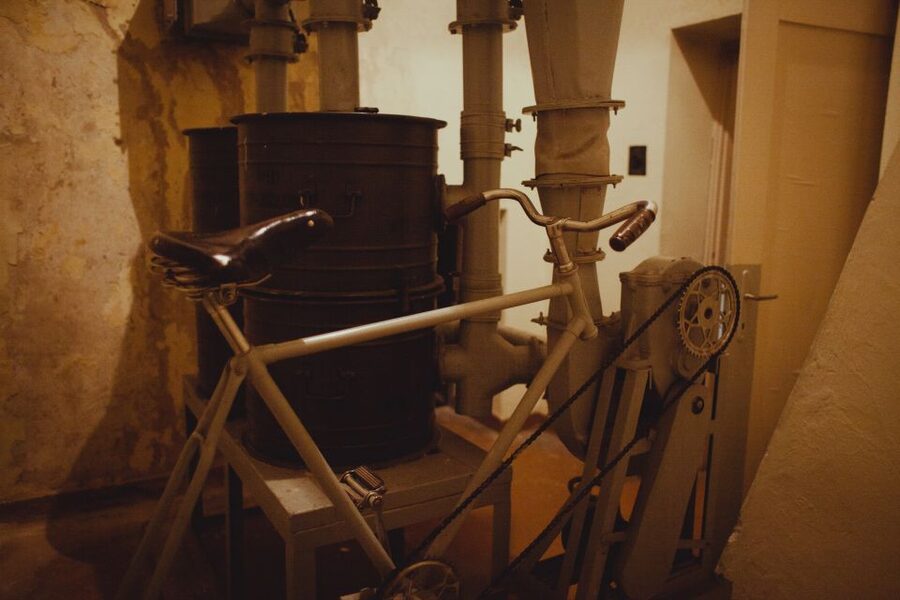
The shelter visit is set in the second half of the 1950s, so you’re not just touring an underground “bunker look.” You’re seeing how protection and communication were organized in that specific era. The underground command feel comes through in layout and equipment choices, and you get a close look at shelter rooms that reflect late Cold War thinking.
If you’re the kind of traveler who likes to visualize procedures, this section is for you. You can almost imagine how staff would move, communicate, and make decisions if the surface world fell apart.
Because this is underground, plan for it physically. Expect cooler air and enclosed spaces. If you’re claustrophobic, consider how comfortable you are in tight areas before booking.
Radio control room and station, plus authentic recorded tapes
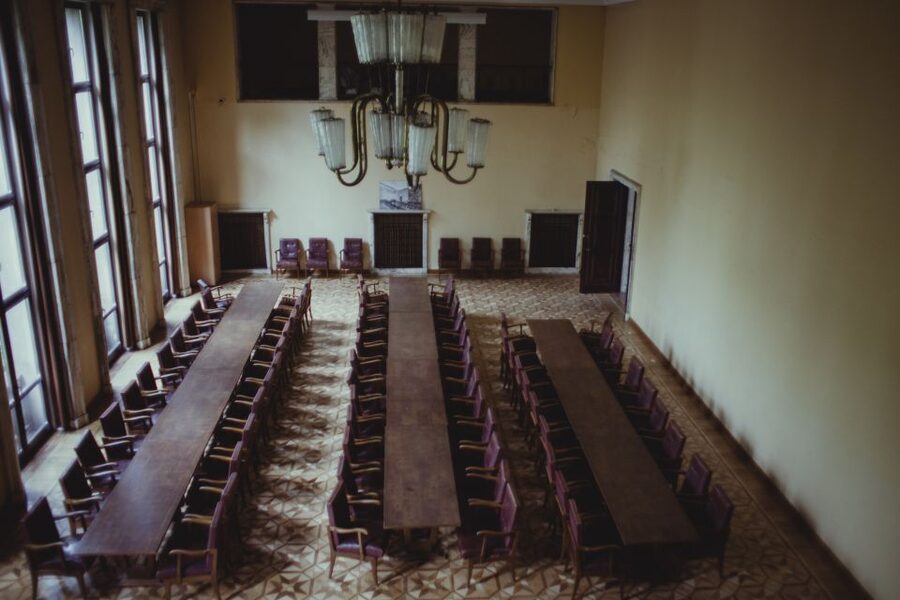
In many industrial history tours, communications are mentioned but not shown. Here, you can actually visit the radio control room and the radio station spaces.
What makes this special is the way the tour treats radio as a living system, not a display. You’re shown how it works, and you can listen to authentic tapes recorded in the location. That audio detail adds a real time layer, which is hard to replicate with a photo or a diagram.
If you like technology history, this part lands well. It ties the Cold War atmosphere to something practical: who received information, how it traveled, and how quickly responses could be coordinated.
Still tacked up around Krakow


Staircases and the workers’ theater hall that still has a pulse
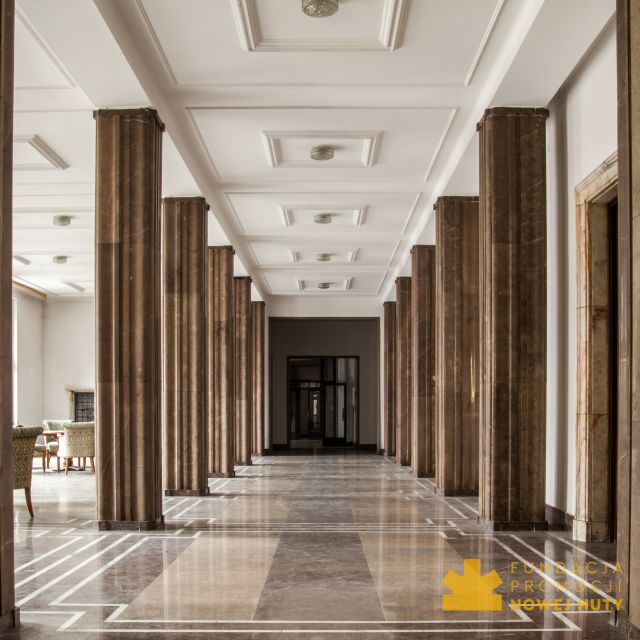
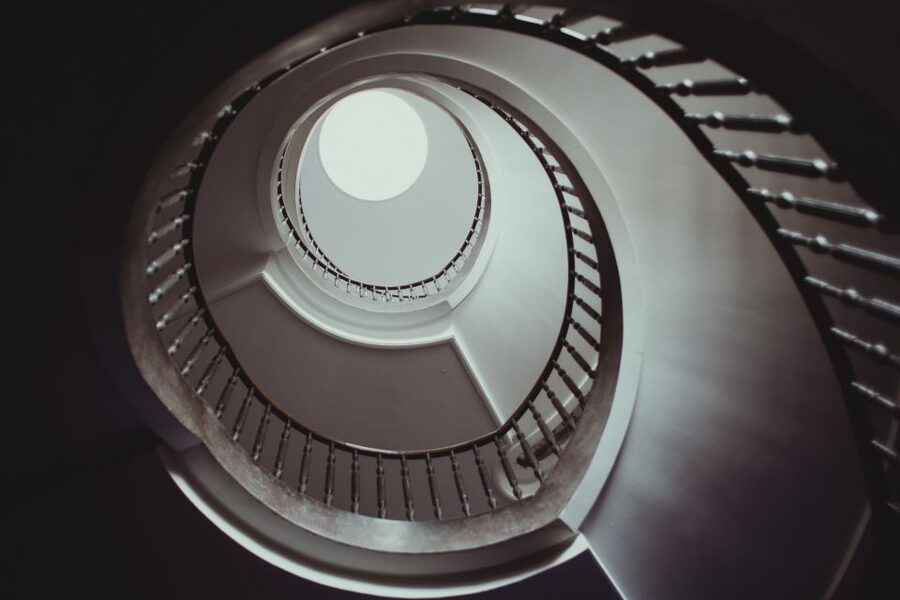
The tour also takes you to interior architectural features that are easy to overlook. One highlight is the presence of oval corner staircases located in both buildings. You get to see these in context, which makes the building design feel intentional rather than decorative.
Then you move into the workers’ building to find a theater hall. This is not just a preserved set. You’ll see a space that is used today, which adds a human layer to everything you’ve just seen in offices and shelter areas. It’s a reminder that even in a heavy political and industrial environment, the site included culture and gatherings.
When a tour connects architecture to daily life, it becomes more than a spectacle. The theater hall does that here.
Director offices, engineers’ corner rooms, and the plant’s management mindset
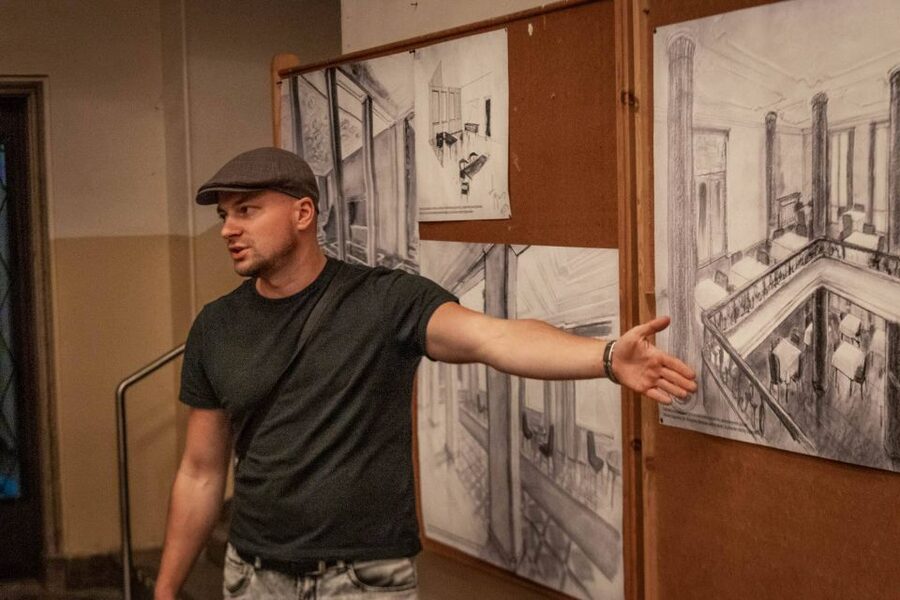
One reason this tour is repeatedly praised is how thoroughly it shows the management side. You’re not limited to corridors and grand rooms. You go into director executive offices and engineers’ corner offices.
That matters because these spaces reveal what leadership wanted. The placement of rooms, the visual status of certain offices, and the material choices all support a top-down structure. It is the kind of design you feel in the air, even when you’re just walking.
If you care about how systems operated, you’ll appreciate the attention to detail in these management zones. You get a clearer idea of how policy and production goals linked together, and how communication staff fit into the chain of command.
What the guide adds, especially in storytelling like Mateusz
The tour lives or dies by the guide, and here that factor shows up again and again. Many visitors mention guides like Mateusz, a local with a personal connection to Nowa Huta. That local angle changes your experience quickly, because the facts come paired with small lived-in details.
Expect a fast-moving explanation style, with room for questions. Some people specifically liked how guides keep the energy up and handle queries without turning it into a lecture. Others enjoyed humor, including light personal anecdotes connected to family memories.
One practical tip: bring your curiosity. The tour tends to reward you when you ask about what you’re looking at, not just the big events.
Also, note one small comfort point from visitor feedback: there can be a bathroom break, and it helps to plan ahead. If you need a quick stop, ask the guide at the start of the tour so you’re not surprised mid-route.
Optional vintage car photos and private district sightseeing
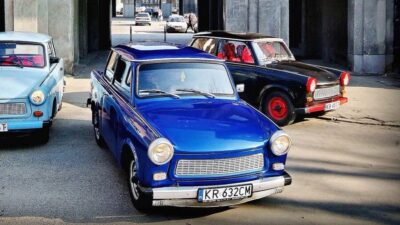
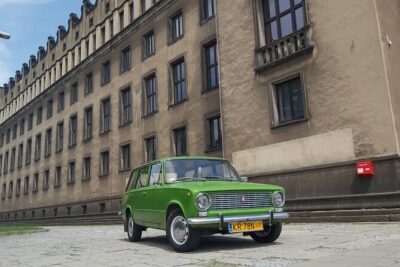
You can add a vintage car option for photos. It works well here because you’re pairing a retro transport moment with a retro political-era industrial setting. Even if you are not a car person, the photo opportunity makes the experience feel like a time travel chapter.
There’s also an option to expand from the buildings tour into a private sightseeing of the entire district. This is valuable if you want context for what you saw underground and inside the administration buildings. Seeing the layout of Nowa Huta from above and from the streets gives shape to the architecture you were walking through.
If you have limited time in Krakow, this tour already gives you the inside story. Add the district sightseeing only if you want to place it in a bigger picture and you enjoy city walks.
Price and how to judge value at about $26 per person
At around $26 per person, this tour is priced for a small, high-access experience. You are getting entry into spaces that are not part of the everyday public museum circuit, plus an English-speaking guide and a structured look at underground shelters, radio areas, and offices.
It also compares well against other history tours because it’s not only “seeing.” You’re moving through connected spaces, including a tunnel link and shelter rooms, with audio elements like authentic tapes. That kind of access and pacing is exactly what you’re paying for.
Group size can be small, which makes a difference for questions and for not feeling herded through tight areas. Some visitors even described it as feeling private when the group was tiny.
One note for budget planning: if you add the vintage car option or the private district sightseeing add-on, your total will be higher. Still, those options make sense if photos and extra context are part of what you want.
How long it takes, and when to schedule it
The tour runs about 90 minutes to 2 hours. That time window is long enough to see multiple building areas and do the underground segment, but short enough to fit into a day in Krakow without stress.
Because the exact meeting point can vary by option booked, double-check your details when you confirm. Once you’re there, the route makes sense as you move from public administration spaces to inner leadership offices to shelters and communications.
If you’re the type who likes a slow start, schedule this earlier rather than later. Underground sections and stair-heavy interiors can wear you down faster than you expect.
Who should book, and who should skip this experience
This is a great fit if you like Cold War era design, political history through architecture, and industrial-era interiors you can actually walk in. It also works for travelers who want something different from Krakow’s Old Town routine, because Nowa Huta gives you a distinct chapter.
Book it if you:
- enjoy seeing original spaces and working features like radio setups and taped audio
- like guided storytelling grounded in local connection, especially with guides such as Mateusz
- want to understand how communication and command operated during the socialist industrial period
Skip it (or reconsider) if:
- you need wheelchair access or have mobility limitations, because it is not suitable for people with mobility impairments
- you dislike enclosed underground rooms or you get uncomfortable in tunnels and shelters
- you only want a casual photo stroll, because this is a structured interior tour
If you travel with a small dog, one visitor reported they were allowed to join. Still, confirm in advance, because policies can vary by day and route conditions.
Should you book Nowa Huta Steelworks Administration and Shelter Tour?
If you want one Krakow tour that feels like a time machine, this is a strong choice. It is rare to get access to administration buildings that still feel preserved in place, plus an underground shelter and radio areas that help you picture how decisions and communications worked.
I’d book it if you’re curious about the socialist city concept, Cold War planning, and the human side of industrial power. I’d think twice only if your mobility is limited or you’re not comfortable underground.
If your travel goal is authentic experience over checklist sights, this one fits. You’ll come away seeing Nowa Huta not as a distant industrial district, but as a system designed to run, communicate, and endure.
FAQ
How long is the Nowa Huta Steelworks Administration Buildings and Shelters tour?
The tour lasts about 90 minutes to 2 hours, depending on the starting time and pacing.
Where is the meeting point?
The meeting point may vary depending on the option booked, so you should confirm it when you reserve.
What does the tour cost?
The price is listed as $26 per person.
What is included in the tour?
You get a guided tour of the steelworks buildings and the shelter, an English-speaking guide, and a communist era car presentation for photos. If you select the vintage car option, that is included too.
What is not included?
Entry to the operating part of the steelworks is not included.
Is the tour offered in English?
Yes, the tour is offered in English.
Do I need to book in advance?
It is recommended to book at least 1 day in advance.
Is there an option to add sightseeing?
Yes. You can expand the buildings tour with a private sightseeing of the entire district with an experienced local guide.
Is the tour suitable for wheelchair users or people with mobility impairments?
No, it is not suitable for people with mobility impairments, and wheelchair users are not accommodated.
What is the cancellation policy?
Free cancellation is available up to 24 hours in advance for a full refund.
Freshly posted from Krakow
- ZALIPIE – painted village, unique small group tour from Krakow★ 5.0 · 7 reviews
- “John Paul II Route” PRIVATE -Wadowice, Kalwaria Z.-Łagiewniki★ 5.0 · 7 reviews
- Krakow: Craft Beer Tasting City Walking Tour★ 4.4 · 7 reviews
- Magic of Krakow: Guided Tour of the Old Town★ 5.0 · 7 reviews
- Krakow in One Day: City Tour by Electric Car★ 5.0 · 7 reviews
- Krakow : Zakopane Tour + Thermal Pools with Hotel Pickup★ 4.8 · 7 reviews
- Guided Tour of Plaszow Concentration Camp, Kraków★ 4.8 · 7 reviews
Communism & PRL History Tours, compared.
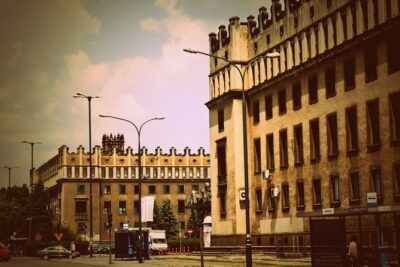
Legendary Private Nowa Huta Communism Tour with Crazy Guides
Read our review →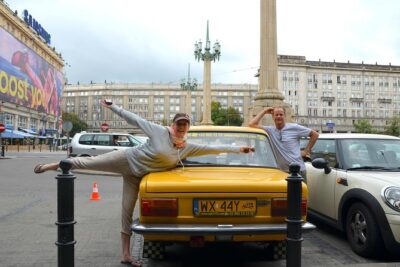
Private Tour: Warsaw’s Communist History by Retro Fiat
Read our review →Private Nowa Huta Adventure Tour in Communist Cars
Read our review →
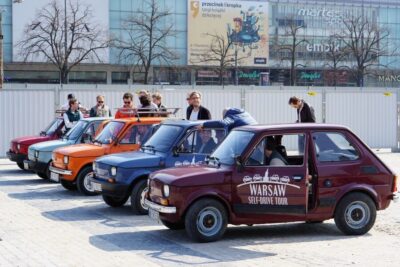
Browse the lists this tour appears in