

Reviewed · JEWISH HISTORY & HERITAGE TOURS
Warsaw : Jewish Quarter Private Walking Tour
Warsaw’s ghetto memorials hit harder with a guide. This private walking tour lets you shape the pace, and guides like Paulina and Karol explain what you see in clear English. You also get a smart route that covers the big sights you came for, plus the details most self-guided plans miss.
I especially like how the tour balances named places with human stories, from resistance to remembrance. You’ll also come away with practical advice on what else to do in Warsaw, not just facts about the Jewish Quarter.
One consideration: the subject matter is heavy, and even in two hours you’ll still be walking a fair bit. So wear comfortable shoes and keep the tone respectful.
In This Review
- Key Points I’d Use to Plan My Day
- Meeting At Miodowa 21B, Then Setting the Tone
- Nożyk Synagogue: Starting With Living Roots
- Footbridge of Remembrance: The Ghetto Split, Made Visual
- Okopowa Street Jewish Cemetery: Names That Stay With You
- Mauzoleum Walki i Męczeństwa: Resistance, Not Only Loss
- Umschlagplatz Monument: Deportation, Explained Step by Step
- Monument to the Ghetto Heroes: Bravery and Refusal
- Ghetto Wall Fragments and Boundary Markers: The Story at Ground Level
- The Private Format: Why Two Hours Can Feel Like More
- Timing and What to Pack for a Two Hour Walk
- Price and Value: Why $58 Can Make Sense Here
- Who This Tour Fits Best
- Should You Book This Warsaw Jewish Quarter Private Walking Tour?
- FAQ
- How long is the Warsaw Jewish Quarter private walking tour?
- Where does the tour start?
- What sites will we see during the walk?
- Is this tour private?
- What languages are available for the guide?
- Is public transport included?
- Is food or drink included?
- Is the tour refundable if plans change?
- Is the tour wheelchair accessible?
Key Points I’d Use to Plan My Day
- A true private tour with no one else in your group, so you can ask questions freely
- Nożyk Synagogue to Umschlagplatz coverage, with major memorial stops in one compact walk
- Footbridge of Remembrance explained so the design and history make sense
- Jewish Cemetery on Okopowa Street including famous names like Ludwik Zamenhof and Janusz Korczak
- English or Spanish guide plus photo stops for the moments you will want to remember
Meeting At Miodowa 21B, Then Setting the Tone

The tour begins at Miodowa 21B in central Warsaw, close enough to Old Town that you can make a full day of it before or after. Meeting here is handy because it keeps you from starting with a long commute, and you can get into the walking right away.
In the first few minutes, the guide usually frames what you’re about to see. That matters in this area. You’re not just sightseeing. You’re moving through places tied to persecution, resistance, and memory, and a good guide helps you look at the right things, in the right way.
This is also where the private format becomes real. If you want more context before you move on, you can ask. If you want to focus on architecture, layout, or just understanding timelines, your guide can shift gears.
More Walking Tours in Warsaw
- Warsaw: Old Town Highlights Walking Tour in English
★ 4.7 · 1,516 reviews - Warsaw: Old Town Guided Walking Tour
★ 4.9 · 599 reviews - Half-Day Polish Food Walking Tour with Guide and Dinner
★ 4.5 · 381 reviews
Nożyk Synagogue: Starting With Living Roots
A natural way to begin this Jewish Quarter route is at Nożyk Synagogue. It’s a photo stop plus a short guided look, which is perfect early on because it reminds you that Jewish life in Warsaw was more than the ghetto era.
Even in a limited stop, you can notice how the site stands apart from the memorials that come later. The tour uses it as a kind of palate cleanser, a reminder that the story includes culture, community, and continuity, not only tragedy.
What to watch for: look at the building’s presence and think about how places like this survived long enough to shape later memory. If you’re the kind of traveler who likes to understand symbolism, you’ll find your guide pointing out details you would probably miss on your own.
Footbridge of Remembrance: The Ghetto Split, Made Visual
Next comes the Footbridge of Remembrance, a stop that works because it turns history into something you can see. The guide’s job here is to explain what the bridge represents and why its modern presence matters for how we understand the ghetto’s division.
This is one of those places where a few extra minutes with a local guide help a lot. Without guidance, you might take photos and move on. With guidance, you’re more likely to understand the geography, the barriers, and what the design is trying to tell you.
Photo stops are built into the timing, so you can step back, look around, and then refocus when your guide gives the key points. You’ll likely want to pause longer than you think, especially if the story hits you personally.
Okopowa Street Jewish Cemetery: Names That Stay With You
The Jewish Cemetery on Okopowa Street is one of the most moving parts of the whole route. It’s not a quick look, either. Your guide helps you connect the cemetery to people, not just dates.
This is where the tour gets very specific about names. You’ll hear about Ludwik Zamenhof and Ischok Leib Perec, two figures tied to Polish and Jewish intellectual life. Even if you only know one name, you’ll understand why they’re remembered here.
You’ll also pay tribute to Janusz Korczak at a symbolic grave. Korczak is often discussed in relation to moral courage and how a person can stay with others when the world turns cruel. Walking the cemetery with that context changes the whole atmosphere.
A practical tip: this is a place where your pace matters. If you tend to rush, gently slow down. Your guide will likely encourage a quieter moment at key points, and that’s where the experience becomes most meaningful.
Further Jewish history and heritage itineraries:


Mauzoleum Walki i Męczeństwa: Resistance, Not Only Loss
After the cemetery, the route heads to the Mauzoleum Walki i Męczeństwa, a stop framed around struggle and martyrdom. This is not simply a memorial wall experience. It’s a reminder that people did not only endure. Many also resisted.
The value here is perspective. When you move from the cemetery to a resistance-focused monument, you avoid the all-or-nothing feeling that some memorial routes can give. You start to see a wider range of responses: grief, persistence, planning, and defiance.
Photo stop plus guided explanation is a good format for this location because the details can be easy to miss. Your guide can help you connect what you see with the broader story of Warsaw’s Jewish community under Nazi oppression.
Umschlagplatz Monument: Deportation, Explained Step by Step
Then you reach Umschlagplatz, with the Umschlagplatz Monument as your focal point. This stop is solemn by design, tied to deportations from the Warsaw ghetto. It’s the kind of place where you’ll feel the weight quickly, especially if your guide explains what happened there in plain, grounded terms.
Your guide typically walks you through the significance of the site, what it functionally was during those years, and why it is remembered now. The point is not just to know the facts, but to understand why the location became a memorial.
What I like about this part: it’s structured. You aren’t thrown into the hardest material without framing. The tour moves through the story in a way that helps you keep track of the timeline, even in two hours.
Monument to the Ghetto Heroes: Bravery and Refusal
After Umschlagplatz, the route continues to the Monument to the Ghetto Heroes. This is a moment centered on resistance during the Warsaw Ghetto Uprising and on remembering the people who fought back.
A strong guide helps you avoid turning this into a vague speech. Instead, you get a sense of bravery as something lived, organized, and chosen in extremely constrained circumstances. It’s history with names and motives, not only slogans.
You’ll likely pause for a photo or a quiet look, then your guide ties the stop back to the memorial route of martyrdom and struggle. Even if you’ve read a lot about the Holocaust, you may still pick up small clarifications here, because the layout of memorial spaces often communicates information in a different way than books do.
Ghetto Wall Fragments and Boundary Markers: The Story at Ground Level
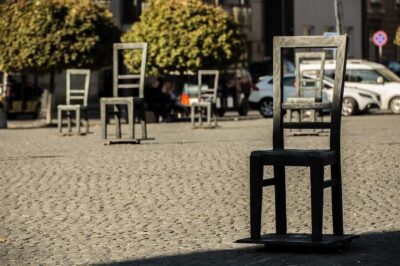
A memorable feature of this walk is how it uses physical traces. The route includes fragments of the Jewish Ghetto wall and iron slabs marking boundaries.
This is one reason I think walking tours beat museum-only plans here. When you stand near remnants like these, it’s harder to keep history abstract. The boundary markers help you understand how control worked in everyday terms, where people could go, where they could not.
Your guide’s job is to help you read these leftovers as evidence. Not just old stone or metal, but a map of where suffering was engineered. It’s the kind of detail that sticks after your photos fade.
A practical consideration: these spots can involve standing and looking. So plan to stay present rather than treating it like a checklist. The tour is short, and the concentration is the point.
The Private Format: Why Two Hours Can Feel Like More
This tour is private and exclusive, meaning your group is just you and your guide. That single detail changes everything. You can ask questions that pop up mid-walk, and your guide can tailor explanations to your interests.
The format also supports different styles of learning. Some people want story and timeline. Others want to understand the geography, why these sites are arranged this way, and what the memorial route is trying to teach. A good private guide can adjust without making you feel rushed.
Your tour guide is available in English and Spanish. In real-world terms, that matters because it affects how much you can take in quickly. And in this kind of tour, details matter. Clear language helps you absorb context without constantly translating in your head.
You also get a strong “leave ready to explore” benefit. Guides often share valuable advice about other things to do in Warsaw, not just related sites. That can turn your Jewish Quarter afternoon into a better whole-day plan.
Timing and What to Pack for a Two Hour Walk
It’s a two hour walking tour, with multiple photo stop moments. In other words, you will cover a lot of ground, and you’ll be stopping often enough to listen deeply.
Because drinks and food are not included, I recommend you bring water, especially in warm weather. Even if you’re not hungry, it keeps your energy steady for the walk.
Also, expect a route that includes memorial areas and outdoor viewing. Plan for comfort first:
- Comfortable shoes
- A light layer if it’s cool
- A small umbrella if Warsaw weather turns
Finally, remember the tone. This is not the kind of walk you do while thinking about lunch and leaving your phone to do everything. Your guide’s pacing encourages respect, and that helps you get more out of every stop.
Price and Value: Why $58 Can Make Sense Here
At $58 per person for a private 2 hour tour, the value comes from focus. This is not a big-group “drive-by” experience. You’re getting targeted attention at multiple meaningful stops: Nożyk Synagogue, the Footbridge of Remembrance, the Jewish Cemetery on Okopowa Street, Umschlagplatz, and the Monument to the Ghetto Heroes, plus wall fragments and boundary markers.
Two things make it feel worth it:
1) You’re buying interpretation. Memorial sites can look similar at a glance. A guide helps you read them correctly and understand what matters.
2) You’re buying time efficiency. Packing these core locations into a compact route saves you from piecing everything together, especially if you want the story in one coherent flow.
If you’re the kind of traveler who hates wasting time on guesswork, private pricing often feels fair. If you’re more into quiet self-guided wandering, you might not need a guide. But for a subject where details and wording matter, this private format is usually a smart trade.
Who This Tour Fits Best
I think this Jewish Quarter tour is a strong match if:
- You want the main memorial sites without spending hours researching the order
- You prefer a private experience where you can ask questions
- You want clear guidance in English or Spanish
- You like getting practical city advice at the end
It may be less ideal if you’re looking for a relaxed, casual “just walking around” vibe. This walk asks you to pay attention. The payoff is understanding, not entertainment.
And if you’re visiting Warsaw for the first time, starting in this part of the city is powerful. It gives you context for the city you’ll see afterward.
Should You Book This Warsaw Jewish Quarter Private Walking Tour?
If you want a short, focused route through the Jewish Quarter that actually explains what you’re looking at, I recommend booking. The tour’s best advantage is how it combines major sites with guided context, and how the private format keeps the conversation flexible.
Choose it if you care about getting names, locations, and meanings straight, and if you like the idea of leaving with both memories and real city guidance. If you do book, come ready for a serious walk, and give yourself time to absorb what you learn at each stop.
FAQ
How long is the Warsaw Jewish Quarter private walking tour?
The tour lasts 2 hours.
Where does the tour start?
The meeting point is Miodowa 21B, 00-246 Warsaw, Poland.
What sites will we see during the walk?
The tour includes stops such as Nożyk Synagogue, the Footbridge of Remembrance, the Jewish Cemetery on Okopowa Street, Mauzoleum Walki i Męczeństwa, Umschlagplatz Monument, the Monument to the Ghetto Heroes, and it also covers fragments of the ghetto wall and boundary markers.
Is this tour private?
Yes. It is a private tour with an exclusive group, meaning there will be no one else in your group.
What languages are available for the guide?
The live guide is available in English and Spanish.
Is public transport included?
Yes. A walking tour and public transport are included, unless you select an option that changes this.
Is food or drink included?
No. Drink or Food is not included.
Is the tour refundable if plans change?
There is free cancellation up to 24 hours in advance for a full refund.
Is the tour wheelchair accessible?
Yes. The tour is listed as wheelchair accessible.
Squares Crossed on Foot
- Old Town Warsaw Walking Tour
★ 4.5 · 333 reviews - World War 2 in Warsaw walking tour in English
★ 4.7 · 237 reviews - Warsaw: Jewish Heritage & Holocaust Walking Tour
★ 4.7 · 119 reviews - Warsaw: Old and New Town Private Walking Tour
★ 4.8 · 116 reviews
Freshly posted from Warsaw
- Warsaw Private Transfer from Warsaw Chopin Airport (WAW) to City centre★ 4.0 · 7 reviews
- Krakow Small Group Tour from Warsaw with Lunch, Schindler’s Factory included★ 5.0 · 7 reviews
- Wolfs Lair – Hitlers hideout★ 4.5 · 7 reviews
- 3-hour tour at Warsaw Uprising 1944 Museum /inc. Pick-up/★ 4.9 · 7 reviews
- Warsaw: Evening History and Pubs Tour by Retro Minibus★ 5.0 · 7 reviews
- Warsaw: Private Vodka Tasting Night with Snacks and Pickup★ 5.0 · 7 reviews
- Warsaw Old Town with Royal Castle + Royal Route: SMALL GROUP /inc. Pick-up/★ 5.0 · 7 reviews
Jewish History & Heritage Tours, compared.
Bike Tour of Old Town, Jewish Quarter and the Ghetto
Read our review →
POLIN Museum of the History of Polish Jews Ticket
Read our review →
Kazimierz, Schindler’s Factory & Ghetto Guided Tour
Read our review →
Full Bike Tour – the Old Town, Jewish Qtr & the Ghetto NEW BIKES
Read our review →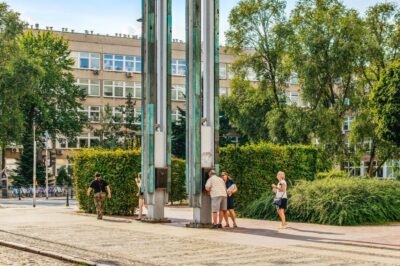
Warsaw Ghetto Private Walking Tour with Hotel Pickup
Read our review →Browse the lists this tour appears in