
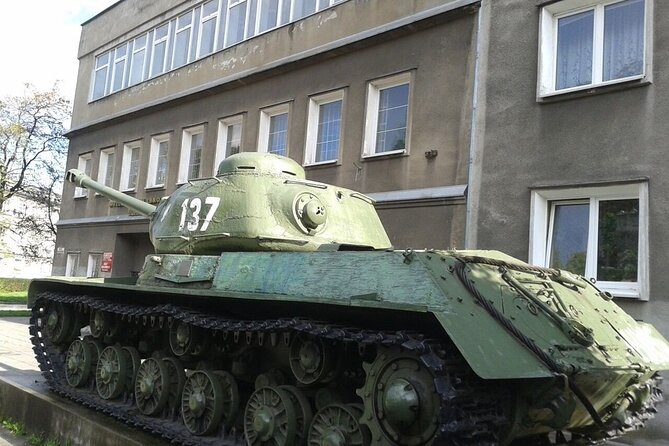
Reviewed · COMMUNISM & PRL HISTORY TOURS
Nowa Huta Tour from Krakow: Communist City, Vodka & Zapiekanka
Nowa Huta feels like a time capsule in Krakow. This 4-hour tour pairs a former Cold War shelter museum with a guided walk through a city built on ideology, then finishes at a church that became a symbol of resistance.
I especially like the Podziemna Nowa Huta underground museum, because it shows everyday objects and propaganda in a setting that still feels locked in time. I also like the small, local-food payoff, zapiekanka plus a vodka tasting in a communist-themed restaurant. One thing to consider: if you’re hoping for extra-heavy focus on socialist realism architecture or a deep breakdown of the workers’ protest story, this tour may feel more centered on human stories and city planning than those specifics.
In This Review
- Key highlights you should not miss
- Why Nowa Huta feels different from the rest of Krakow
- Price and value for this 4-hour communist city tour
- The first stop: Podziemna Nowa Huta museum in a Cold War shelter
- Walking Nowa Huta: socialist city planning, big streets, and controlled space
- The Nowa Huta Cultural Centre: what once promoted ideology, and what exists now
- Zapiekanka and vodka: a local snack stop with real social meaning
- Church of Our Lady Queen of Poland (Arka Pana): where resistance became a landmark
- The guides are the secret sauce
- Logistics that help you enjoy it, not just survive it
- Who should book this Nowa Huta tour
- Should you book it?
- FAQ
- How long is the Nowa Huta tour from Krakow?
- What does the tour cost?
- Is the tour offered in English?
- What is included besides the guide?
- Is the museum ticket included?
- Where does the tour start and where does it end?
- Is hotel pickup available?
- How big is the group?
- What should I wear or bring?
- Do you accommodate vegetarians or food allergies?
Key highlights you should not miss
- Former Cold War shelter museum: walk through original rooms and displays that explain life under communism
- Planned city design explained: wide avenues, symmetrical blocks, and monumental public space, with the ideology behind it
- Nowa Huta’s Cultural Centre: learn what used to promote socialist values and how it functions today
- Zapiekanka and vodka tasting: a simple, very local snack plus a shot in a communist-style bar
- Arka Pana church ending: see how faith and community solidarity survived opposition from communist authorities
- Small group vibe: capped at 12 travelers with an English-speaking guide
Why Nowa Huta feels different from the rest of Krakow
Krakow is famous for medieval streets and grand churches. Nowa Huta is the opposite mood: broad streets, formal squares, and a district that was designed to run on ideology. That contrast is why this tour works. You’re not just watching history from the outside, you’re getting guided context for why this part of the city was built and why people living there still matter to the story of Poland after 1945.
The best part is how the tour mixes three angles. First, it gives you a setting you can stand inside, the underground museum. Second, it maps ideology onto the streets with practical urban design explanations. Third, it ends with a visible symbol of resistance, the Church of Our Lady Queen of Poland, also known as Arka Pana.
This is also a smart introduction if you know little about Poland’s communist era beyond the basics. You’ll get just enough to understand the bigger picture, and you’ll hear how the Solidarity Movement ties into the district’s history and the role religion played during the era.
More Nowa Huta blocks and PRL relics:
- Krakow: Nowa Huta Guided Tour in Vintage Car
★ 4.9 · 277 reviews - Legendary Private Nowa Huta Communism Tour with Crazy Guides
★ 5.0 · 262 reviews - Nowa Huta: Steelworks Administration Buildings/Shelters Tour
★ 4.8 · 260 reviews
Price and value for this 4-hour communist city tour
At $114.14 per person, you’re not paying for a big museum day with multiple paid entrances. You’re paying for a guided, curated walk that bundles the key “you should see this” moments, plus transport and food.
Here’s how the value adds up:
- Guide: local, friendly, English-speaking. The guide makes or breaks this kind of history tour, and this one typically leans on lived stories, not just dates.
- Transport included: tram to Nowa Huta and back. You’re not stuck figuring out how to get there efficiently.
- Admission included: the underground museum ticket is part of the price.
- Food included: zapiekanka and a vodka tasting are built in, so you’re not hunting for “the local thing” on your own.
- Group size capped at 12: that keeps it conversational. You can ask questions when something feels confusing.
Is it always perfect value? Not for everyone. One review suggested the tour may not go as far as they wanted on socialist realism architecture details or on a more extensive workers’ protest thread. If you come with an academic-level interest in those topics, you might prefer a more specialized history lecture tour. If you want a clear, guided, human-scale experience that still covers city design and symbols, the price can feel reasonable for what’s included.
The first stop: Podziemna Nowa Huta museum in a Cold War shelter
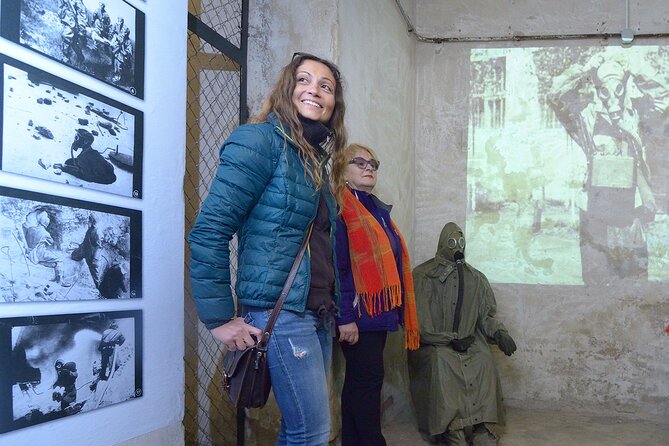
Your tour starts with the Podziemna Nowa Huta – Muzeum Krakowa stop, inside a former Cold War shelter. This matters, because the “under communist rule” story is easier to grasp when you’re physically in the kind of reinforced space the era demanded. You’ll spend about 45 minutes here with the admission included.
What makes this stop genuinely useful is the way the exhibits are arranged. Instead of only grand speeches or posters, you’ll see original interiors, propaganda displays, and everyday household objects. That combination helps you understand something key: ideology wasn’t only for public buildings. It shaped daily routines, what people had around them, and what they were told to believe.
You’re also not just absorbing facts. The setting makes it hard to stay detached. The shelter context nudges you to ask a better question: what did it feel like to live under systems that planned for control, scarcity, and survival?
Practical note: the museum is closed on Mondays, so if your schedule lands on a Monday, check before you book.
Walking Nowa Huta: socialist city planning, big streets, and controlled space
After the underground museum, you continue on foot through the heart of Nowa Huta. This part runs about 30 minutes, with admission not required because you’re outside and walking through the district.
Here, the tour shifts from artifacts to layout. Your guide explains the urban design logic behind a planned socialist city: wide avenues, symmetrical housing blocks, monumental squares, and public spaces shaped by ideology. Even if you’re not an architecture nerd, the idea is simple to follow. When a government builds a city, it also builds a daily pattern of movement, visibility, and who is meant to feel important.
This is the section where the guide’s style really shows. Some guides focus on hard facts and buildings. Others connect the design to how community life actually works. Either way, I recommend watching for the contrast between what the city was meant to be and how it functions now. Nowa Huta didn’t freeze in time after communism ended. You’ll see the district’s evolution discussed as part of the story.
For your comfort, wear comfortable shoes. It’s not described as rough terrain, but it is walking, and you’ll want to enjoy the details rather than think about your feet.
More small glasses, straight and cold:


The Nowa Huta Cultural Centre: what once promoted ideology, and what exists now
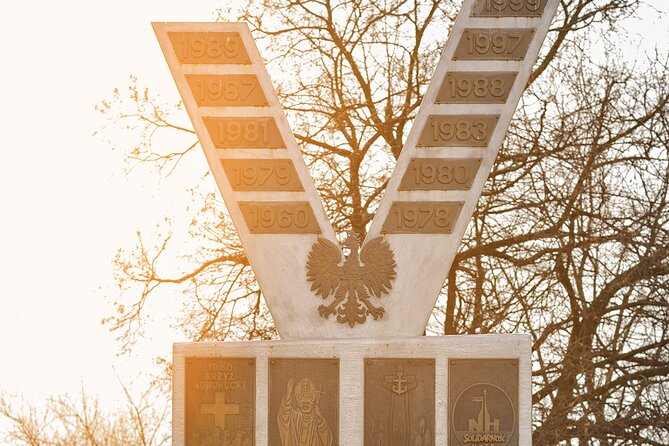
As you stroll, you pass the Nowa Huta Cultural Centre. This stop is quick in the flow, but the concept is big. Your guide explains the centre’s role when it promoted socialist values through art, theatre, and music, and then you get context for how it operates today as a local cultural hub.
Why this matters: it’s an example of how institutions survive political shifts, but their tone changes. The same building and public function can serve different messages over time. That’s a useful lens for understanding the entire district.
If you like tours where you don’t just learn what communism was, but how it transformed into something else after 1989, this cultural stop will fit your taste.
Zapiekanka and vodka: a local snack stop with real social meaning
No Nowa Huta tour feels complete without a food moment. This stop takes about 45 minutes and includes a local snack, zapiekanka, plus a shot of traditional Polish vodka.
Zapiekanka is Poland’s open-faced toasted baguette, and here it’s more than a meal. It’s a quick, everyday-style taste that connects to what people ate and how food sat inside social life, not just special occasions. That’s the point of including food in a history tour: you stop treating the past like a museum label and start treating it like lived routine.
Then comes vodka in a genuine communist-style bar. Drinking culture is risky to romanticize, so I like how this tour frames it as part of everyday life rather than some party story. You’re getting a cultural reference point that fits the era and the setting.
You may also appreciate that the group gets enough time to eat without feeling rushed. One review even called out a chance for coffee and a bite to eat at this stage, which makes the break feel more human and less like a check-the-box stop.
Diet notes: vegetarians are welcome. For food allergies, the info is practical: unless you have multiple combined food allergies or you are vegan, they say they will figure it out.
Church of Our Lady Queen of Poland (Arka Pana): where resistance became a landmark
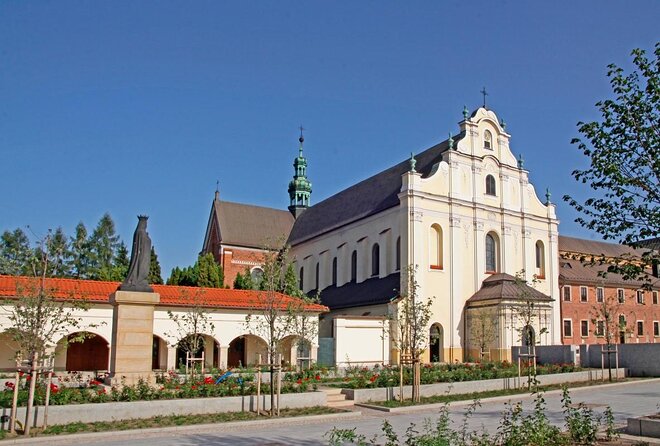
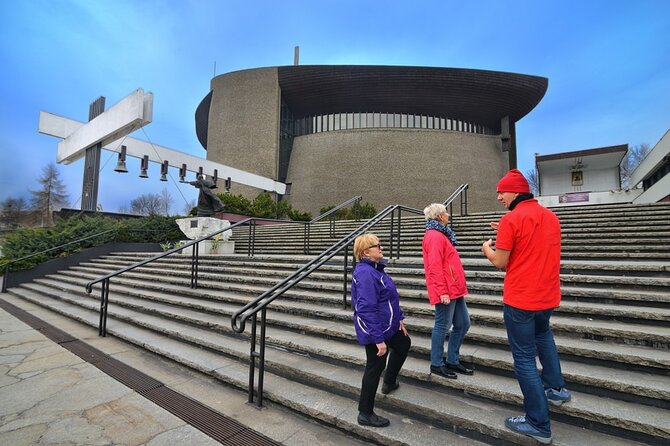
The tour closes at the Church of Our Lady Queen of Poland, nicknamed Arka Pana (The Ark of the Lord). This final stop is about 45 minutes.
This is where the story sharpens. You’ll learn how this church was built despite opposition from communist authorities, and how it became a powerful symbol of resistance, faith, and community solidarity. In other words, Nowa Huta’s history isn’t only about buildings and politics. It’s also about people choosing belief and community connection when the state said no.
I like that the guide explains the role religion played in the district’s story. When you see Arka Pana at the end of the walk, it stops being an abstract topic. It becomes the visible “why this mattered” chapter.
If your travel style is part photography, part understanding, this stop gives you both. The church is a strong visual ending and a meaningful one.
The guides are the secret sauce
This tour is scheduled and themed, but it lives or dies on the guide. The strongest praise in the feedback centers on guides who bring more than facts. For example, Anna has been described as someone who lived through Poland’s communist times, which makes her stories hit differently. Another guide, Marta, was praised for adjusting pace to your comfort and for knowledge about how the community worked then and how it works today.
So if you’re booking, think of it like this: you’re not just buying a history walking route. You’re buying an explanation that connects spaces to people. That connection is why the tour scores so high overall.
Logistics that help you enjoy it, not just survive it
A few practical things make this easier than it sounds:
- You’ll get tram transport to Nowa Huta and back, so the route from Krakow feels straightforward.
- The group is kept small at a maximum of 12 travelers, which helps discussions stay focused.
- You’ll use a mobile ticket.
- The tour runs in English with a local guide.
- You’ll start at Długa 1, 31-147 Kraków and end near Krakow’s Main Market Square (Rynek Główny), so you’re not stranded far from the centre.
The tour also includes local community support in a tangible way: the museum admission helps with conservation of local heritage and culture. The food stop is designed to support local vendors rather than only tourist-heavy places.
Who should book this Nowa Huta tour
This works best if you:
- want a guided way to understand Poland’s communist era without needing a full-day lecture
- enjoy city design and symbolism, especially how ideology shows up in streets and institutions
- like history told through lived experience and personal stories, not only a slide deck
It might be less satisfying if you:
- want heavy technical focus on socialist realism architecture details
- want an in-depth, protest-first political deep study without the walking and mixed story approach
Should you book it?
If you want a memorable, practical way to understand Krakow’s communist chapter, I think this tour is a strong choice. The underground shelter museum gives you a grounded starting point, the street walk teaches you how planning can control daily life, and the ending at Arka Pana turns the whole story into something you can actually see.
Book it if you’re open to a guided mix of history, architecture basics, and human stories, with zapiekanka and vodka as a real cultural stop. Skip it if your main goal is purely detailed architecture criticism or an extended workers’ protest deep dive, because this tour’s balance leans toward story and context rather than a purely academic breakdown.
FAQ
How long is the Nowa Huta tour from Krakow?
It runs about 4 hours (approximately).
What does the tour cost?
The price is $114.14 per person.
Is the tour offered in English?
Yes, it is offered in English.
What is included besides the guide?
You get tram transport to and from the communist district, entrance to the underground museum, vodka tasting, and 1 zapiekanka snack.
Is the museum ticket included?
Yes. Admission to Podziemna Nowa Huta – Muzeum Krakowa is included in the tour price. (It is closed on Mondays.)
Where does the tour start and where does it end?
You start at Długa 1, 31-147 Kraków and end at Krakow’s Main Market Square (Rynek Główny).
Is hotel pickup available?
A private tour option may include central Krakow hotel pickup.
How big is the group?
The tour has a maximum of 12 travelers.
What should I wear or bring?
Wear comfortable shoes, since the experience includes walking.
Do you accommodate vegetarians or food allergies?
The tour says vegetarians are welcome. For food allergies, they say they will figure it out unless you have multiple, combined food allergies or you are vegan.
Freshly posted from Krakow
- ZALIPIE – painted village, unique small group tour from Krakow★ 5.0 · 7 reviews
- “John Paul II Route” PRIVATE -Wadowice, Kalwaria Z.-Łagiewniki★ 5.0 · 7 reviews
- Krakow: Craft Beer Tasting City Walking Tour★ 4.4 · 7 reviews
- Magic of Krakow: Guided Tour of the Old Town★ 5.0 · 7 reviews
- Krakow : Zakopane Tour + Thermal Pools with Hotel Pickup★ 4.8 · 7 reviews
- Krakow in One Day: City Tour by Electric Car★ 5.0 · 7 reviews
- Guided Tour of Plaszow Concentration Camp, Kraków★ 4.8 · 7 reviews
Communism & PRL History Tours, compared.
Legendary Private Nowa Huta Communism Tour with Crazy Guides
Read our review →
Nowa Huta: Steelworks Administration Buildings/Shelters Tour
Read our review →
Private Tour: Warsaw’s Communist History by Retro Fiat
Read our review →Private Nowa Huta Adventure Tour in Communist Cars
Read our review →

Browse the lists this tour appears in