
Reviewed · WARSAW UPRISING & WORLD WAR II TOURS
Krakow: Second World War History Guided Walking Tour
Krakow survived the war in a strange way. This 2-hour walk explains why Krakow’s city structure offered cover, and how occupation reshaped daily life for Poles. It’s not just dates and uniforms. It’s about how a city functioned while the world around it got twisted.
What I liked most was the live Spanish guidance from someone trained in geography and history, and the way the tour connects the big picture to streets you can still see today. One possible drawback: this is a heavy topic, so if you want a light, sightseeing-only outing, you might feel the weight of it for the full two hours.
In This Review
- Key highlights you’ll feel fast
- Krakow’s WWII story is not Warsaw 2.0
- Entering the story: pre-war context and why Poland got pulled in
- Why the Nazi occupation changed Krakow’s “function”
- The walking stops that matter, and what to listen for
- Daily life under occupation: what changed for ordinary people
- Resistance, survival, and how the war order shifted locally
- Price and value: $19 for 2 hours of city-level WWII context
- Who this tour suits best (and who might not)
- How to make the most of your walk
- Should you book this Krakow WWII guided walking tour?
- FAQ
- What is the price of this tour?
- How long is the Krakow WWII history guided walking tour?
- Where does the meeting take place?
- What language is the tour guide?
- Is the tour wheelchair accessible?
- What is included in the price?
- Are food and drinks included?
- When should I arrive?
- FAQ
- What is the cancellation policy?
- Is there an option to pay later?
Key highlights you’ll feel fast
- Grey umbrella meet-up: easy to spot, even if you’re running a minute late
- Built around Krakow’s WWII survival: why the city’s layout mattered when other places fell apart
- Daily life under Nazi and Soviet occupation: what changed for ordinary people
- Occupation-era buildings in the city center: you’ll see the physical reminders and hear what they meant
- A guide with geography and history training: the explanation connects place and events, not just facts
- Wheelchair accessible: a walking tour that aims to be usable for more people
Krakow’s WWII story is not Warsaw 2.0
When you learn WWII through the usual headline cities, you can end up with one simple idea: war equals destruction, end of story. In Krakow, the lesson is more complicated. The city’s structure took on a different role in the conflict, and that changed what you can still see today.
This tour focuses on how Krakow suffered, but also why it remained physically more intact than places like Warsaw. That contrast matters. It helps you understand that survival in wartime is not luck alone. It is geography, power, and decisions made by occupiers.
You also get a reminder that physical damage is only part of the story. Even when buildings hold up, a culture can be broken. People can be displaced, controlled, or forced into new routines. That’s where the tour keeps its emphasis.
More Walking Tours in Krakow
- Old Town Krakow & Wawel Castle Walking Tour
★ 5.0 · 1,508 reviews - Creepy Krakow: 2-Hour City Walking Tour
★ 4.7 · 1,131 reviews - Krakow: The Old Town Walking Tour
★ 4.8 · 794 reviews
Entering the story: pre-war context and why Poland got pulled in
The walk starts by setting the scene before the fighting fully arrives. You’ll get the reasons Poland entered the war, which makes the later occupation details easier to follow. Without that setup, the city tour can feel like it jumps straight into grim outcomes.
Then the guide ties this moment to the larger war context, including the importance of resistance. The goal is not to turn resistance into a slogan. It’s to show how resistance fit into the wider war picture, including why it mattered for both morale and survival odds.
This is where the geography angle helps. The tour treats the city like an actor in the story, not a passive backdrop. Streets and location influence how armies and administrators move, and how a population experiences the occupation.
Why the Nazi occupation changed Krakow’s “function”
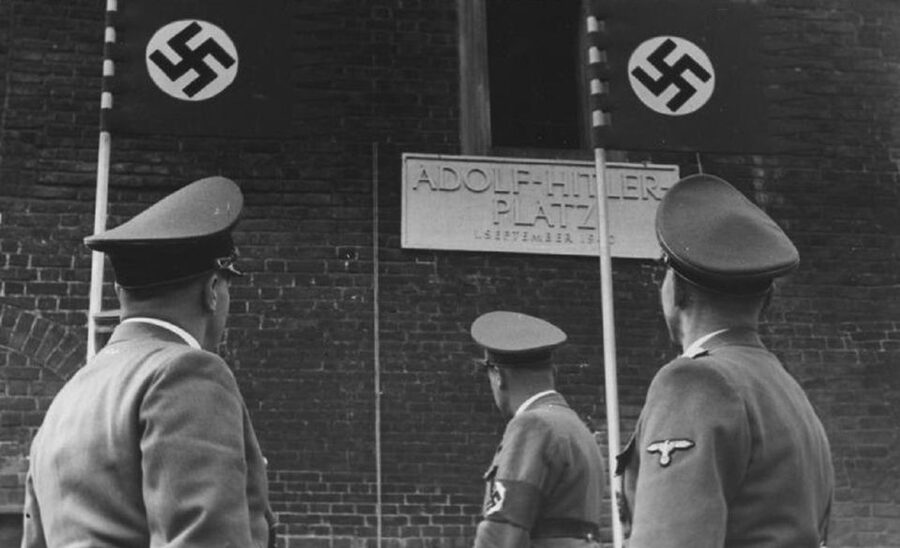
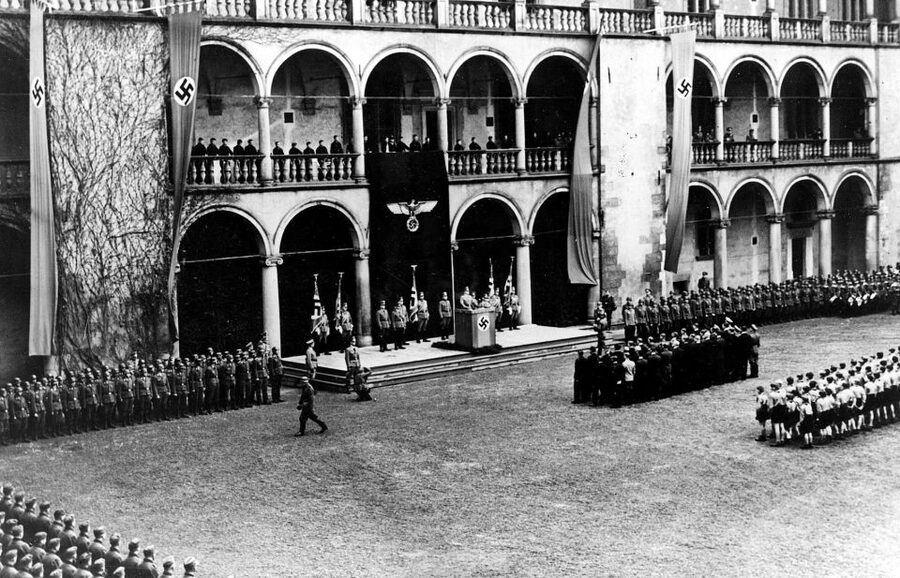
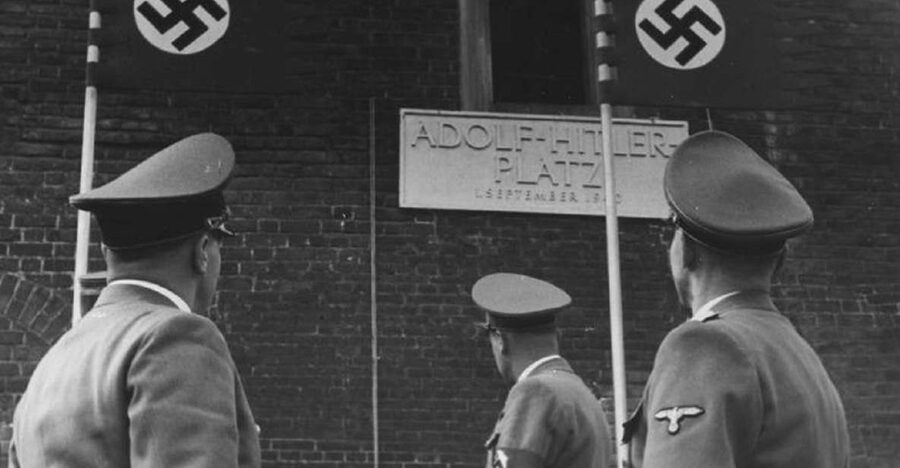
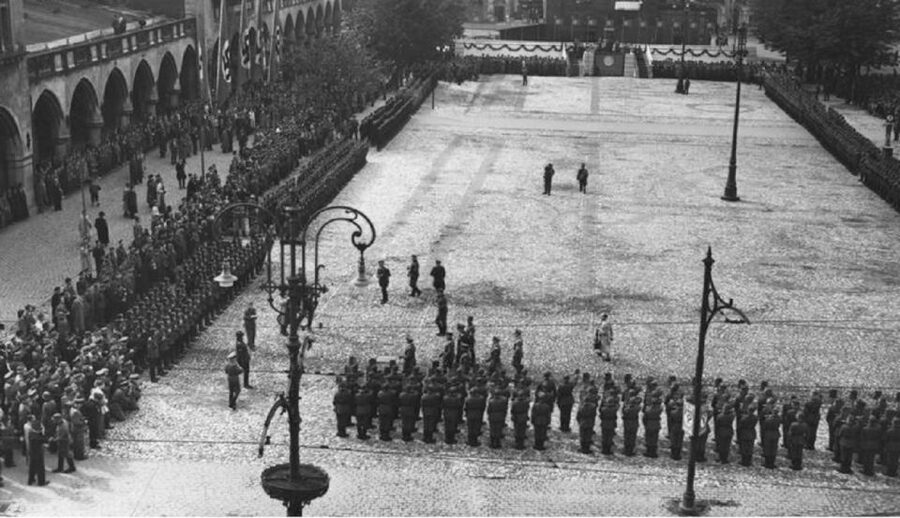
One of the most interesting ideas in this tour is the reason Krakow’s city structure received some protection. It wasn’t protected in a friendly way. It was protected because Krakow acted as a bastion and headquarters tied to the Nazi General Government.
That changes how you should interpret what you see on the walk. You’re not just learning what happened. You’re learning why the occupiers might have spared certain areas, kept certain offices running, and used the city’s infrastructure for governance.
In practical terms, your guide helps you connect the buildings and streets to what occupiers needed: administration, control, communication, and a visible presence. The tour is designed so the city reads like evidence, not just a backdrop for a lecture.
A recent review highlighted Luis as an expert guide who explains this period across social, economic, and geographic angles. That is exactly the kind of approach you want here, because WWII in a single city is too big to understand from one dimension.
The walking stops that matter, and what to listen for
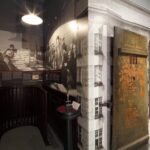
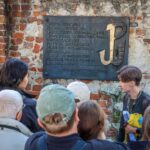
The route includes the main occupation-related buildings in Krakow and uses them as teaching points. Since you are walking through the city center, you’ll be watching architecture and city layout while listening to what each place represented during the occupation structure.
At each stop, I recommend you focus on three things the guide is likely building toward:
1) What role the building played in occupation life
2) How that role affected people nearby
3) What you can infer about control, everyday routines, and power
Some tours stop at a single plaque and move on. This one is more about reading the city. You’ll hear how Krakow’s relative physical protection did not mean safety for its inhabitants. It meant the occupation system could operate more openly, with the city serving that machinery.
Possible drawback to know up front: with a 2-hour format, the tour moves at a steady pace. If you like to linger and take deep notes at every building, you might want to plan a little extra time in Krakow afterward to revisit the areas you find most meaningful.
Further tours tracing the 1944 Uprising:
Daily life under occupation: what changed for ordinary people
The tour’s heart is daily life under Nazi and Soviet occupation. That’s where the story stops being abstract. You start hearing about the human scale: the routines people had to follow, the pressures they lived with, and the way occupation reshaped society.
Even when the tour stays focused on buildings, it keeps pulling you back to people. You’ll learn how occupation affected social patterns and economic life, not just politics. That matters because you want to understand how the war entered daily routines, meals, work, and movement through the city.
The guide’s background in geography and history is helpful here. It supports explanations that connect policies to real outcomes. It is one thing to know an occupation happened. It’s another to understand what that occupation required from the city and from its residents.
Also, keep in mind that this is a guided walking tour with no food included. So if you schedule this right before or after a long day of sightseeing, you’ll want to manage energy. Bring water and plan a meal nearby after the tour if you can.
Resistance, survival, and how the war order shifted locally
WWII is often told as a sequence of military events. This tour frames it differently by including the importance of resistance in the war context. You’ll learn how resistance fits into the larger war picture, not just as bravery, but as a factor that shaped outcomes in occupied areas.
That focus helps you interpret what the occupation system was trying to prevent. If resistance matters, then control matters too. And if a city is both administratively useful and politically contested, the stakes get complicated fast.
You’ll also see the tour’s bigger idea: Krakow’s survival was connected to its role in the occupation system, but that same role did not mean a clean or comfortable war. It means the occupation could function, and society had to survive inside it.
This is where the emotional tone of the tour makes a difference. Even when the guide is factual and clear, the content is not light. If you like war history presented as a slow walk through tragedy, you’ll likely appreciate this approach. If you need comedy in your history, give yourself a break afterward.
Price and value: $19 for 2 hours of city-level WWII context
At $19 per person for a 2-hour guided walking tour, the value is strong if you want a structured way to understand Krakow during WWII. You get a live guide in Spanish, plus historical framing that connects Krakow’s survival to its specific role in the occupation.
The included training matters too. The tour lists a graduate guide in Geography and History. That usually signals you’ll get more than random facts. Here, it shows up as place-based explanations, not just a timeline.
What’s not included is also part of the value equation. No food or drinks means you’re paying for the guide and walking route, not a full package meal. For most people, that’s fine. It also lets you choose your own snack plan and not feel stuck with tour-provided extras.
My practical take: this is a good “first contact” tour. It gives you a coherent story arc, then you can explore on your own with better questions in mind.
Who this tour suits best (and who might not)
This is a good match if you:
- Want WWII in Krakow explained in a city-based way
- Prefer a guide who connects geography and history
- Like tours that point at places and explain why they mattered during occupation
It may feel less ideal if you:
- Want only light attractions and casual stories
- Are sensitive to heavy historical topics
- Need a lot of time at each stop for slow, in-depth photo sessions
If you’re traveling with a wheelchair or you plan to use mobility support, the tour is listed as wheelchair accessible, which is an important plus.
How to make the most of your walk
This tour works best when you show up ready to listen. That sounds obvious, but WWII tours can turn into rushed photo marathons unless you protect your attention.
A few simple moves help:
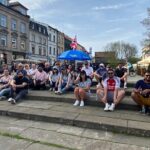
- Arrive about 15 minutes early so you can find the guide carrying the grey umbrella
- Wear comfortable shoes. Two hours of walking in central areas adds up fast
- Bring water, since food and drinks are not included
- If you know Spanish, great. If you don’t, you may still follow much of the structure, but the tour is explicitly in Spanish
And after the tour, give yourself a bit of space to process what you learned. War history often lands differently once you stop moving and start thinking.
Should you book this Krakow WWII guided walking tour?
I’d book it if you want a clear, practical way to understand why Krakow survived physically more than some other cities, and how that still came with major harm to its people and culture. The value comes from the guide approach, trained in geography and history, plus the focus on daily life under Nazi and Soviet occupation and the key occupation-era buildings you can see in the city today.
I would skip it only if you need a lighter itinerary or you strongly prefer tours with named landmarks and very specific building visits. This one is built more around interpretation and city role than around a checklist of famous stops.
If you want Krakow WWII explained in a way that helps the city make sense, this tour is a smart bet.
FAQ
What is the price of this tour?
It costs $19 per person.
How long is the Krakow WWII history guided walking tour?
The duration is 2 hours.
Where does the meeting take place?
The guide will carry a grey umbrella, and that is the meeting point.
What language is the tour guide?
The live tour guide speaks Spanish.
Is the tour wheelchair accessible?
Yes, the tour is listed as wheelchair accessible.
What is included in the price?
The tour includes a graduate guide in Geography and History.
Are food and drinks included?
No, food and drinks are not included.
When should I arrive?
You should arrive 15 minutes before the start of the tour.
FAQ
What is the cancellation policy?
You can cancel up to 24 hours in advance for a full refund.
Is there an option to pay later?
Yes, you can reserve now and pay later.
Between Rebuilt Squares
- Krakow: Tipsy Polish Food Tour With History, Pierogi & Shots
★ 4.9 · 439 reviews - Krakow: Vistula River Cruise with Historical Views
★ 3.5 · 357 reviews - Historic Krakow : Old Town & Wawel Castle Walking tour
★ 5.0 · 318 reviews - Krakow Old Town Segway Tour — 2H of History, Fun & Discovery
★ 4.8 · 91 reviews
Squares Crossed on Foot
- Krakow: Kazimierz Jewish Quarter Walking Tour
★ 4.8 · 571 reviews - Kraków: Old Town & Wawel Castle Walking Tour in English
★ 4.8 · 532 reviews - Krakow: Evening Walking Tour with Spooky Stories
★ 4.7 · 500 reviews - Krakow Old Town Guided Walking Tour
★ 4.5 · 438 reviews
Freshly posted from Krakow
- Krakow: Audio-Guided City Experience by Golf Cart★ 5.0 · 1 review
- Krakow: Zakopane and Thermal Springs Tour with Hotel Pickup★ 5.0 · 1 review
- Half-day In the footsteps of John Paul II Tour from Krakow★ 5.0 · 1 review
- Krakow: Wawel & Salt Mine Experience with Lunch★ 5.0 · 1 review
- Tour to Wadowice: Hometown of Pope Saint John Paul II★ 5.0 · 1 review
- Krakow: Nowa Huta Communist District Walking Tour★ 5.0 · 1 review
- Krakow: Outdoor Paintball with Hotel Transfers★ 5.0 · 1 review
Warsaw Uprising & World War II Tours, compared.
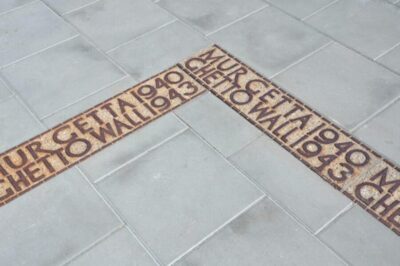
World War Two in Krakow: Jewish Quarter & Ghetto Tour
Read our review →
Warsaw for WWII Buffs – private tour with hotel pickup
Read our review →
III Reich & WW2 in Wroclaw. Monday, Wendsday, Friday regular tour
Read our review →
Museum of the Second World War Gdansk Private Tour & Tickets
Read our review →Browse the lists this tour appears in