
Reviewed · STUTTHOF MUSEUM TOURS FROM GDANSK
From Gdansk: Stutthof Concentration Camp Museum Day Tour
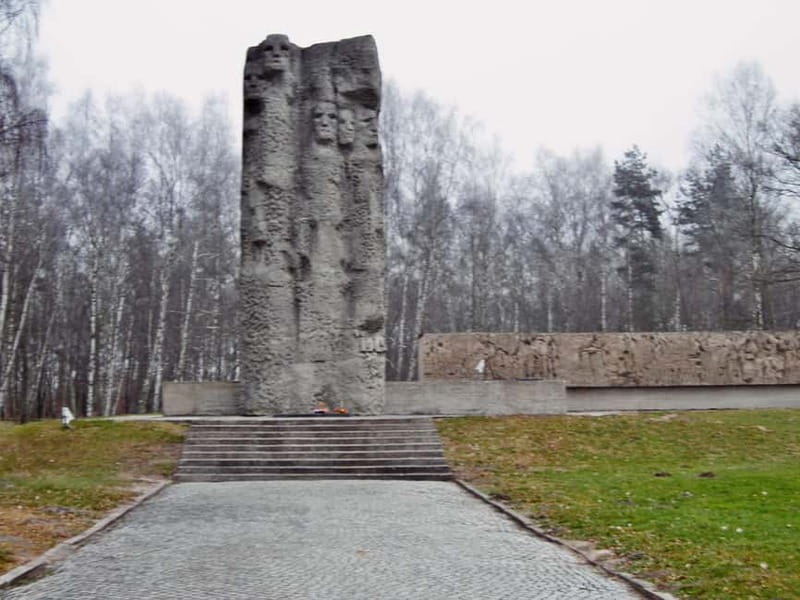
Stutthof hits hard, and the guide helps. This is a 4-hour, guided day trip from Gdansk to a remote site west of Sztutowo, where the Nazis opened the first concentration camp in Poland in 1939. I really like that hotel pickup and drop-off are handled for you, and the visit stays tightly focused on Stutthof’s WWII story, from incarceration to liberation in 1945.
What I love most is the clarity of the camp walk. You see the gas chamber, crematorium, prisoner barracks, the guard’s tower, and the museum context that ties those places to the genocide unfolding here. One drawback to plan around is language choice, because you do need to pick from the listed tour languages and understanding matters when the topic is so heavy.
In This Review
- Key things to know before you go
- A 4-hour Stutthof trip from Gdansk, with pickup handled
- Where Stutthof sits, and why the setting matters
- Museum framing: learning the camp’s timeline before you walk
- Gas chamber and crematorium: seeing the machinery of genocide
- Prisoner barracks: understanding life inside the camp
- Guard’s tower and camp layout: why location equals power
- Liberation by the Soviet Army: finishing with closure, not denial
- Private group feel: why your guide’s language makes a difference
- Price and value: is $68 fair for a Stutthof day tour?
- Who this tour is best for, and who should skip it
- Should you book this Stutthof day tour?
- FAQ
- How long is the Stutthof day tour from Gdansk?
- What languages are offered for the live tour guide?
- Is hotel pickup and drop-off included?
- What will I see during the tour?
- Where is Stutthof located relative to Gdansk?
- Is this tour suitable for children?
- Is there free cancellation or a pay later option?
Key things to know before you go
- 4 hours of guided time: a focused visit with transit from Gdansk handled
- A complete camp overview: gas chamber, crematorium, barracks, and guard’s tower
- Clear WWII timeline: built in 1939, freed by the Soviet Army in 1945
- Remote setting near Sztutowo: wet, wooded, and secluded, so dress for the outdoors
- Language choice is crucial: tours run in Spanish, English, German, Polish, Russian, French, Italian, Portuguese
- Not for very young kids: children under 12 are not suitable
A 4-hour Stutthof trip from Gdansk, with pickup handled
Even though it’s called a day tour, the experience is designed to fit into a tight 4-hour block. That matters because Stutthof is not the kind of place where you want to rush, but you also do not want to waste time coordinating transport.
I like that pickup is straightforward. Your guide meets you in the hotel lobby with a sign showing your name, then you head out from Gdansk together. The tour includes the Stutthof Museum entrance, so once you arrive, you spend your energy on the guided walk instead of ticket lines.
Where Stutthof sits, and why the setting matters
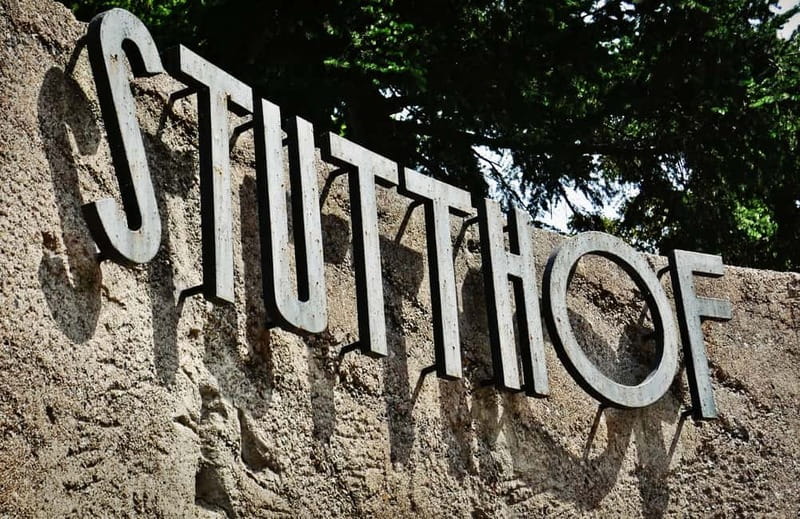
Stutthof is outside Gdansk in Pomerania Province, about 25 miles (40 kilometers) away. It sits in a secluded, wet, wooded area west of the small town of Sztutowo, which also appears in German as Stutthof.
That setting is not a random backdrop. The camp’s isolation shaped how it operated and how little the outside world could see. When you arrive, take a minute to notice the environment, then listen closely to how the guide frames why the landscape mattered to the Nazis’ system of control and deportation.
Museum framing: learning the camp’s timeline before you walk
A strong start makes the rest of the visit easier to follow. You are not just walking through buildings and rooms; you’re learning how Stutthof was organized and how the chronology unfolded.
The essentials you’ll hear are sobering. Stutthof was the first concentration camp in Poland, built by Nazi Germany in 1939, and it remained active until the last camp in the region freed in 1945 by the Soviet Army. Over time, as many as 110,000 people were deported, and about 85,000 were victims of genocide.
That context is what turns a list of places into understanding. Instead of treating each stop as an isolated exhibit, you learn how each area supported the overall machinery of terror.
Gas chamber and crematorium: seeing the machinery of genocide
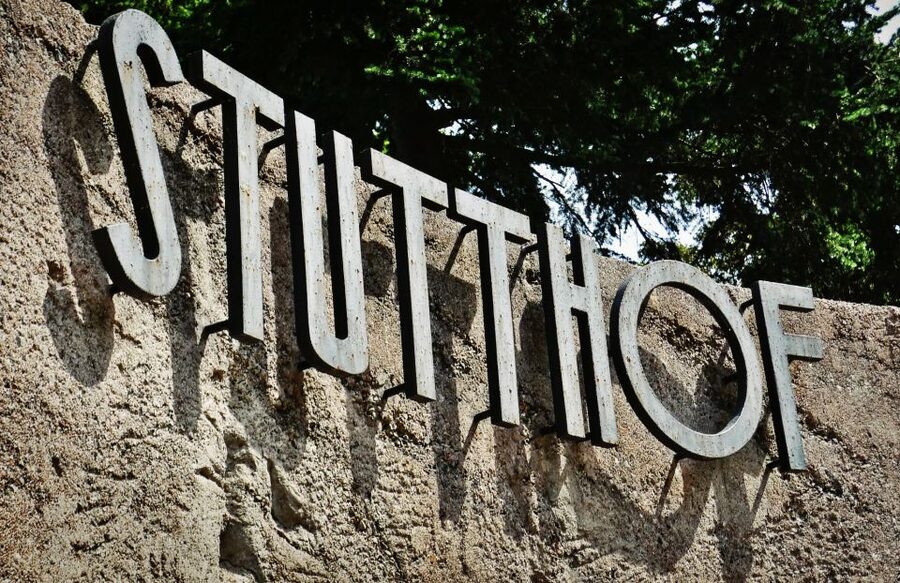
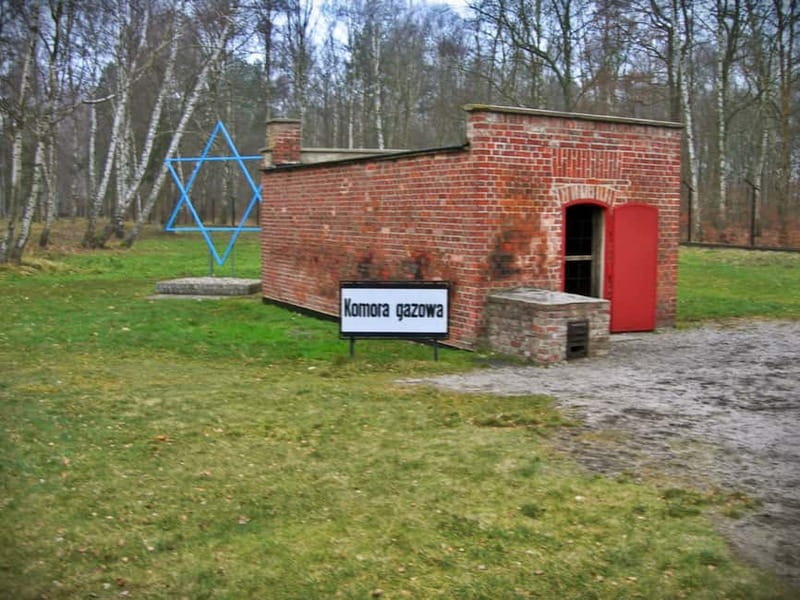
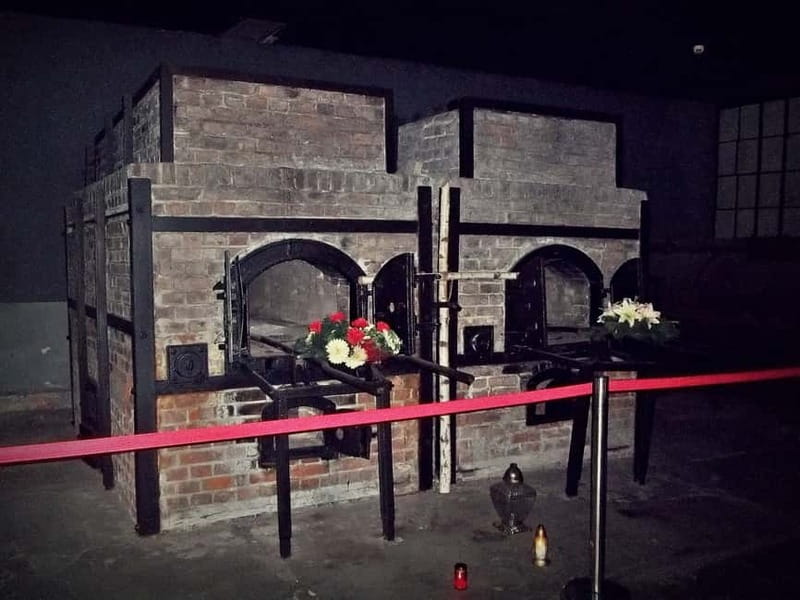
This is the part where your emotions will likely catch up with your brain. The tour includes direct time at the places linked to mass murder and the processing of victims, including the gas chamber and the crematorium.
I appreciate that the guide does not skip over these areas, but also does not treat them like props. What you need here is interpretation, because the physical spaces can look deceptively simple. A good guide helps you connect what you see to what happened, including how the Nazis used these facilities as part of an organized system.
Practical note: even if you feel ready, you may still be shaken. Give yourself a moment between stops to steady your focus, then move on with the guide’s explanation.
Prisoner barracks: understanding life inside the camp
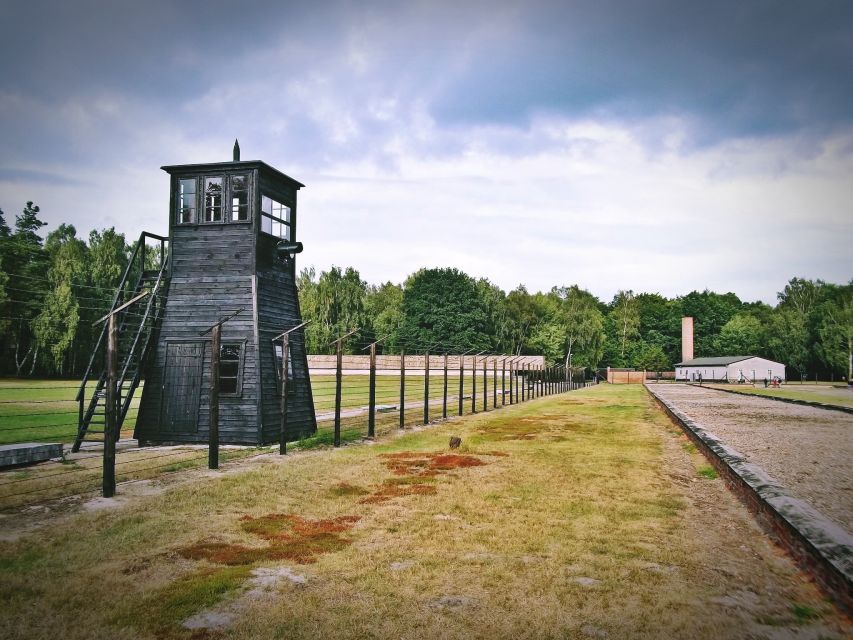
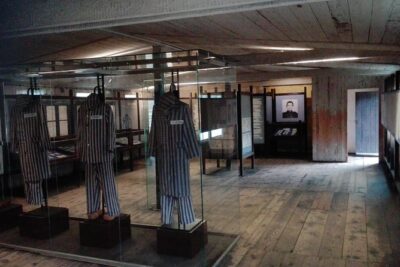
After you’ve faced the killing facilities, the prisoner barracks land differently. This is where you shift from machinery to human reality, and the contrast is hard.
The tour shows the prisoner barracks among other camp remains. This stop matters because it helps you grasp that people were not processed in some abstract way. They were confined, controlled, and stripped of normal life, day after day, until liberation arrived.
If you feel overwhelmed, that’s normal. Use the guide’s pacing. Don’t feel pressured to keep up with every detail on the first pass. Let the overall picture form: where prisoners slept, how the camp worked spatially, and why these structures were built to support Nazi rule.
Guard’s tower and camp layout: why location equals power
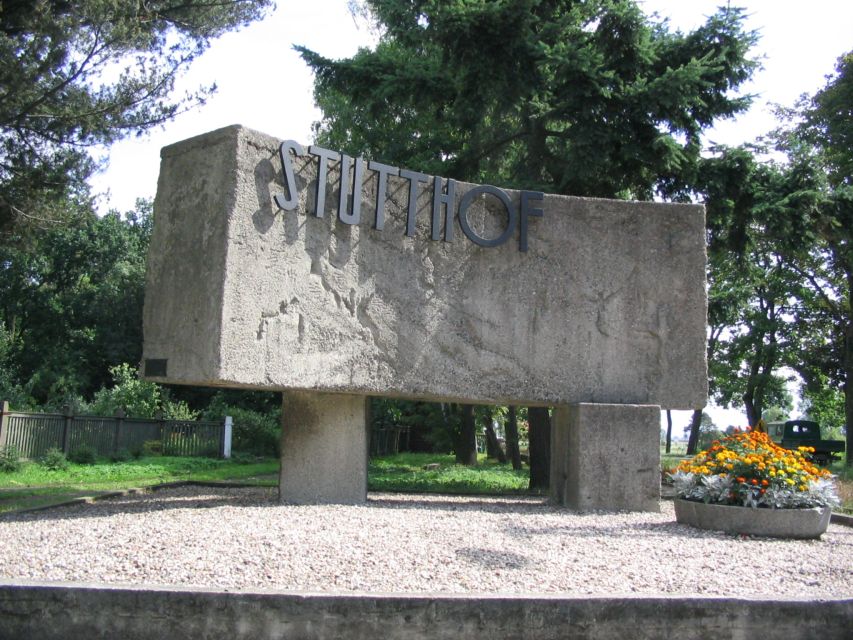
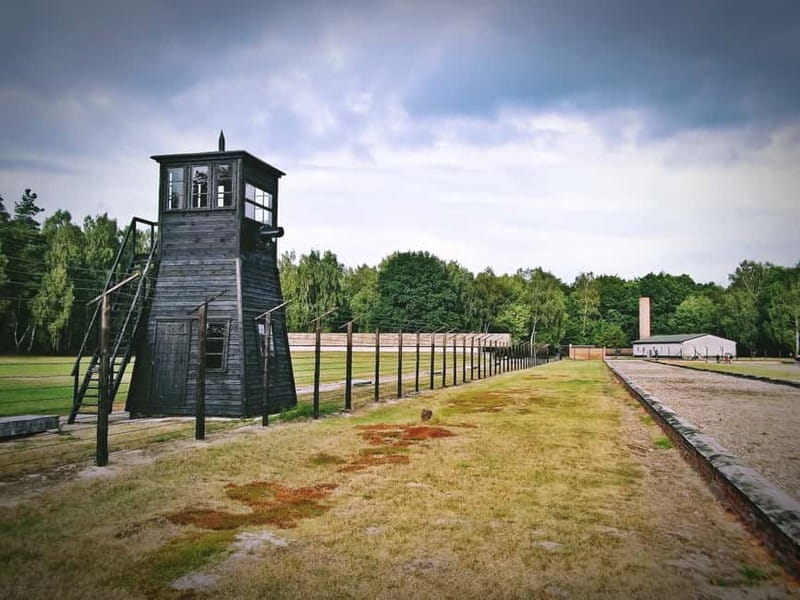
Stutthof includes visible parts of the guard area, including the guard’s tower. When you see the tower in relation to the rest of the camp, the logic of the system becomes clearer.
This stop is valuable because it turns your attention to control and surveillance, not just buildings. The Nazis needed more than locked doors and forced labor. They needed constant monitoring, and the camp’s layout supported that.
I also find it helps to listen for how the guide describes movement inside the camp and what the guards could observe. Even without extra drama, the placement of watch points can explain a lot about how terror functioned as daily routine.
Liberation by the Soviet Army: finishing with closure, not denial
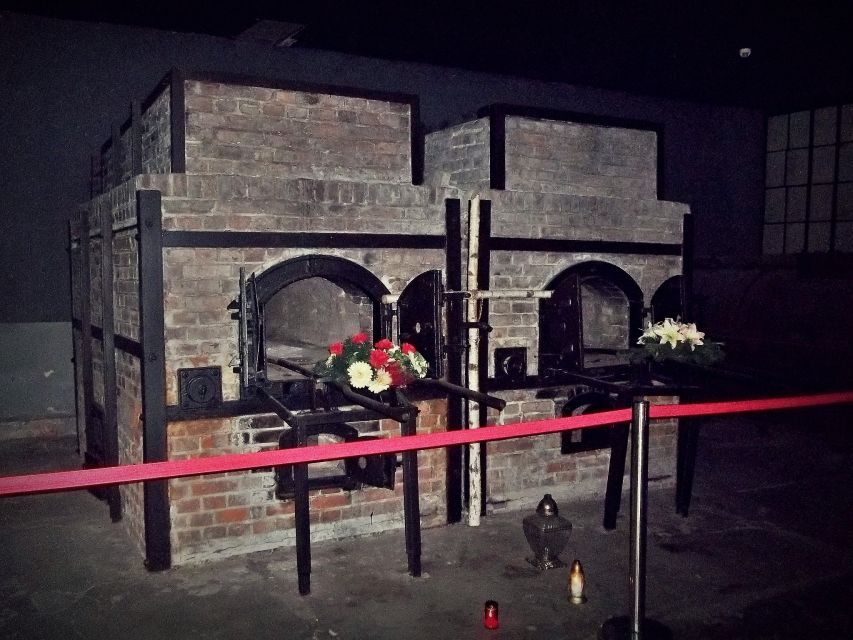
The final part of the guided story includes learning about the liberation of Stutthof by the Soviet Army. That ending matters, even though it does not undo what happened.
The point of ending with liberation is to keep the narrative complete. A concentration camp visit can sometimes get stuck in the mechanism of violence. Here, you’re helped to connect the end of the camp’s operation to WWII’s broader shift in 1945.
You’ll likely leave with a clear sense of why the camp was able to persist, and why it finally fell when the Soviet advance reached the region.
Private group feel: why your guide’s language makes a difference
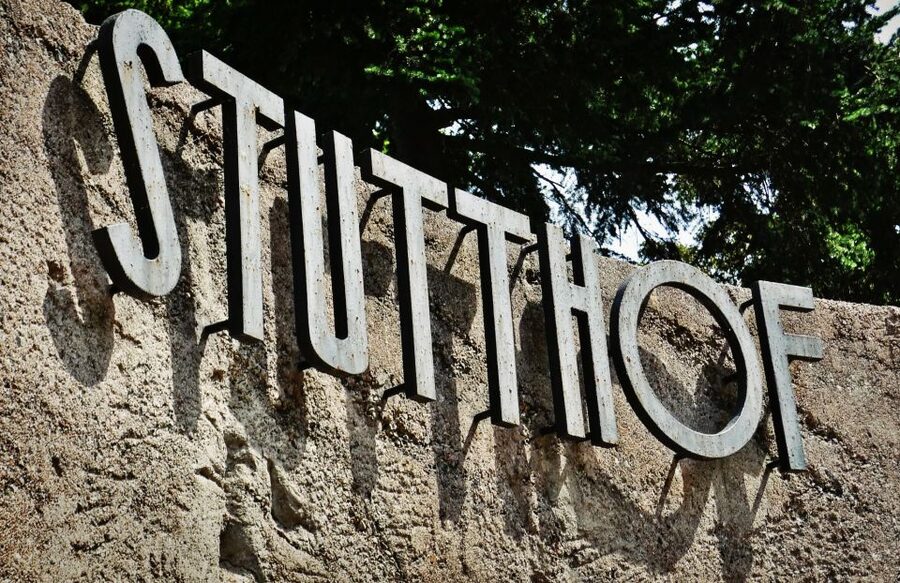
This tour runs as a private group. That can be a real advantage with a topic like Stutthof, because you can get more out of the guide’s explanations without competing with a crowd’s noise level.
Language choice still has to be right. The tour provides live guided interpretation in Spanish, English, German, Polish, Russian, French, Italian, Portuguese. You choose the language while booking, and I strongly recommend picking what you are genuinely comfortable understanding for extended periods.
A helpful clue from experience: one traveler had a guide named Anna and praised how well she told the story, along with smooth pickup and drop-off. That kind of strong guiding is exactly what you want here, since nuance is everything.
One more real-world consideration: if you pick a language that is only partially understood by your group, key details can get missed. For this topic, partial understanding is frustrating, and it can also limit your emotional and intellectual takeaway.
Price and value: is $68 fair for a Stutthof day tour?
At $68 per person, you are paying for more than transit. You’re paying for a guided, museum-supported visit to one of Poland’s most significant WWII sites, including entrance and round-trip pickup.
Here’s how I see the value:
- Hotel pickup and drop-off save you time and stress, especially in an area with limited public-transport flexibility.
- Museum entrance is included, so the guide experience is the main event.
- You get a multilingual driver/guide, and you can choose from several languages.
- The visit covers multiple major sites inside the camp, including the gas chamber, crematorium, barracks, and the guard’s tower.
Could you do it cheaper on your own? Maybe. But you’d be taking on the hardest part, which is interpretation. At Stutthof, interpretation is not optional if you want meaning.
Also, since the tour is about 4 hours, you’re not committing a whole day. For many budgets, that balance of cost, time, and guidance is what makes the price feel reasonable.
Who this tour is best for, and who should skip it
Stutthof is intensely serious. This is not a sightseeing stop, and it’s not designed for kids.
The tour is not suitable for children under 12. If you’re traveling with older teens or adults, this can be a powerful educational experience. Still, it’s smart to consider your group’s emotional readiness before you go.
This tour also suits people who want structure. If you like a clear guided flow, where each location is explained and tied to the larger story of Nazi occupation and genocide, you’ll get a lot out of it.
If you prefer a more independent pace, you might find a guided 4-hour format limiting. But given how much there is to understand at Stutthof, most people do better with a guide setting the sequence.
Should you book this Stutthof day tour?
Yes, if you want a guided, organized, and respectful visit with practical help from Gdansk. The big reasons to book are simple: hotel pickup and drop-off, included museum entrance, and a route that covers the core sites you came to see, including the gas chamber, crematorium, barracks, and the guard’s tower.
Book with care if language is your main concern. Pick the option you can understand clearly from start to finish, because this is one of those trips where comprehension directly shapes the experience.
Finally, go in dressed for an outdoor, wet, wooded setting and give yourself room to feel whatever comes up. This tour is structured to help you learn, but it still demands attention.
FAQ
How long is the Stutthof day tour from Gdansk?
The duration is 4 hours. You’ll want to check availability for the starting times.
What languages are offered for the live tour guide?
The tour guide is available in Spanish, English, German, Polish, Russian, French, Italian, and Portuguese. You choose the language during booking.
Is hotel pickup and drop-off included?
Yes. Pickup and drop-off are included, and your guide will wait in your hotel lobby with a sign showing your name.
What will I see during the tour?
You’ll tour Stutthof Concentration Camp Museum and see key locations such as the gas chamber, crematorium, prisoner barracks, and the guard’s tower.
Where is Stutthof located relative to Gdansk?
Stutthof is about 25 miles (40 kilometers) from Gdansk. It is west of the town of Sztutowo.
Is this tour suitable for children?
No. The tour is not suitable for children under 12.
Is there free cancellation or a pay later option?
Yes. You can cancel up to 24 hours in advance for a full refund. There is also a reserve now and pay later option, so you can book without paying immediately.
Museums for an Afternoon
- Auschwitz-Birkenau Museum and Memorial Guided Tour from Krakow
★ 4.5 · 1,510 reviews - Warsaw: POLIN Museum of the History of Polish Jews Ticket
★ 4.7 · 1,142 reviews - Krakow: Rynek Underground Museum Guided Tour
★ 4.6 · 1,122 reviews - Warsaw: Polish Vodka Museum Tour with Tasting
★ 4.6 · 788 reviews
Stutthof Museum Visits from Gdansk
- Gdansk: Stutthof Concentration Camp Regular Tour
★ 4.7 · 361 reviews - Stutthof Concentration Camp English Tour with Gdansk Hotel pickup
★ 4.5 · 73 reviews - Stutthof Concentration Camp Private Tour with Transport
★ 4.8 · 57 reviews - Stutthof Concentration Camp tour including transfer from Gdansk
★ 5.0 · 34 reviews
Stutthof Museum Tours from Gdansk, compared.
Stutthof Concentration Camp English Tour with Gdansk Hotel pickup
Read our review →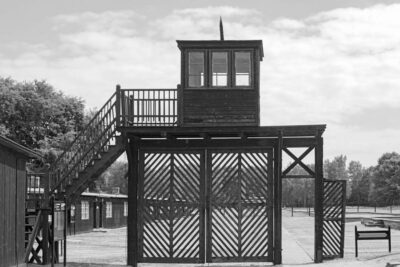
Stutthof Concentration Camp Private Tour with Transport
Read our review →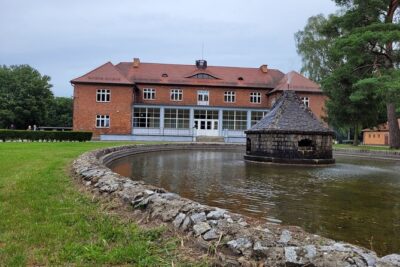
Stutthof Concentration Camp tour including transfer from Gdansk
Read our review →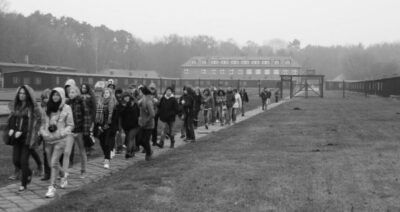
Stutthof Concentration Camp Half-Day Private Tour
Read our review →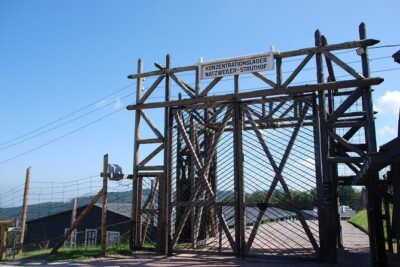
Stutthof Concentration Camp: Private Guided Tour with Transport
Read our review →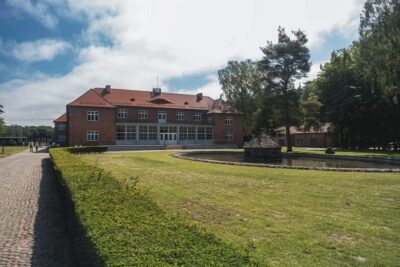
Stutthof Concentration Camp Regular Tour from Gdansk
Read our review →Browse the lists this tour appears in