
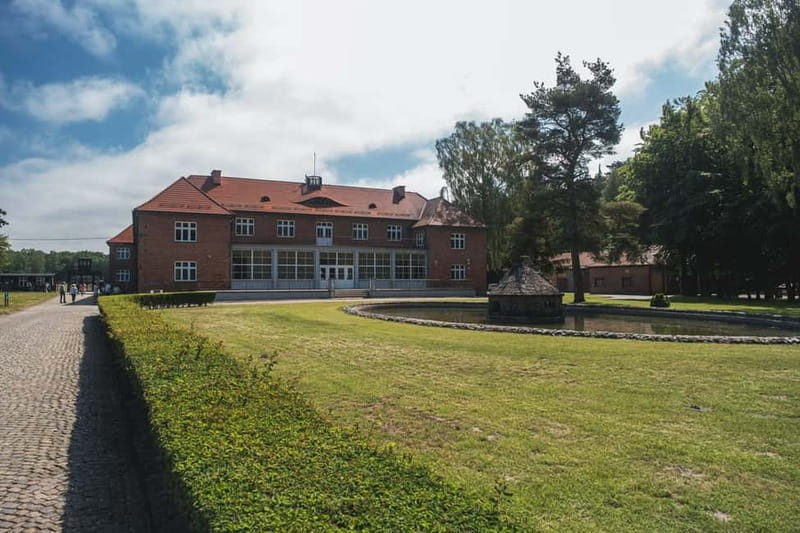
Reviewed · STUTTHOF MUSEUM TOURS FROM GDANSK
Gdansk: Small-Group Stutthof Tour
Stutthof is hard to forget. This small-group trip (up to 8 people) takes you to the first Nazi concentration camp outside German territory, including the old and new camp quarters and the gas chambers and crematorium. The material is brutally upsetting, and the tour is not recommended for kids under 13.
You start with air-conditioned transport and hotel pickup anywhere in Gdansk, Sopot, or Gdynia, then get dropped back after the visit. It is a tight schedule, but that also helps you avoid getting lost in planning while still seeing the key sites.
The experience runs with an on-site Stutthof guide in English or German, plus a driver who handles the route and timing. You also end with a respectful stop at the victims’ monument and learn about the persecution and occupation of Pomerania. Do wear weather-appropriate layers, because the site can feel windy even when you expect mild weather.
In This Review
- Key things that make this tour worth your time
- Why Stutthof hits differently than other camp visits
- From Gdansk pickup to camp return: the 4-hour rhythm
- Old and new camp quarters, plus the commander’s villa
- Gas chambers and the crematorium: when the tour goes to the hardest places
- The victims’ monument and what you learn about Pomerania under occupation
- Guide style, language options, and why the small group works
- Price and value: does $142 make sense for 4 hours?
- Practical rules, what to pack, and timing tips that keep you comfortable
- Should you book the Gdansk small-group Stutthof tour?
- FAQ
- Where does the pickup happen for this Stutthof tour?
- How long is the tour, and how much time is spent at Stutthof?
- What is included in the price?
- Are food and drinks included?
- Does the tour help you avoid waiting in ticket lines?
- How big is the small group?
- What languages are available for the tour?
- Is the tour wheelchair accessible?
- Is this tour suitable for children?
- What should I wear or bring, and what is not allowed?
- Is there free cancellation and a pay-later option?
Key things that make this tour worth your time
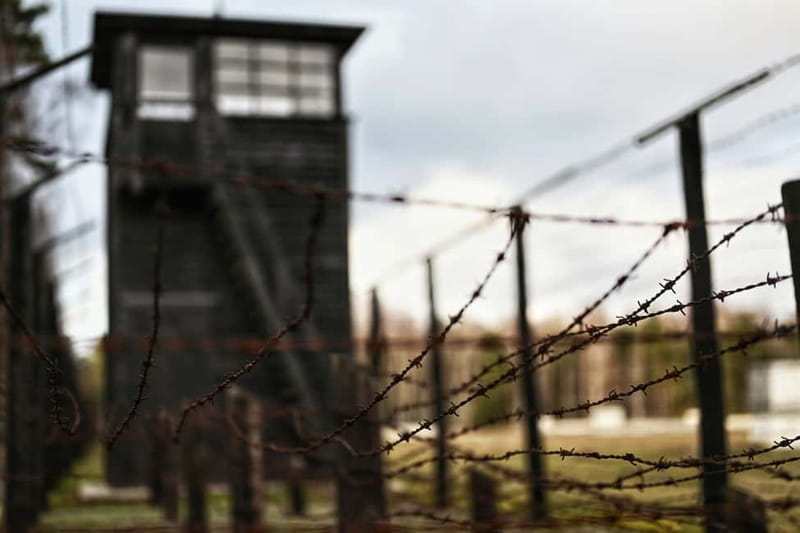
- First Nazi concentration camp outside German territory, explained on site
- Old and new camp quarters, plus the commander’s villa
- Gas chambers and crematorium, with terrifying reports of mass murder
- A dedicated moment at the camp victims’ monument
- Small group size (8 max) for clearer, less chaotic listening
Why Stutthof hits differently than other camp visits
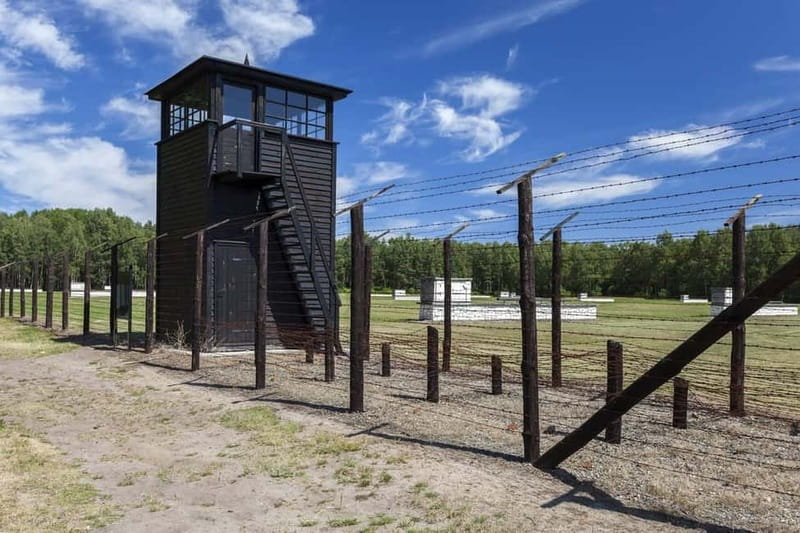
Stutthof is not just another stop on a WWII route. The big reason this tour feels focused is that it frames the camp in its location and purpose, in Pomerania Province, Poland. You learn how this site operated in territory that was under persecution and occupation, not inside Germany.
That location matters. It helps you understand that Nazi terror was not limited by borders. It was built, expanded, and run across occupied regions, too. On this tour, the guide ties that bigger story to the exact places you walk through, including both older and newer sections of the camp.
You also get a structured sequence of stops that prevents the visit from feeling like a random walk. You start with an overview inside the camp area, move through the old and new quarters and the commander’s villa, and then go to the gas chambers and crematorium. That ordering matters because it gradually steers you from how the camp functioned toward the most horrifying parts.
This is not a “light history” outing. Come expecting that you will be impacted, and plan your day accordingly. A half-day can feel emotionally longer than it is on the clock.
Further Stutthof Museum visits from Gdansk:
- Gdansk: Stutthof Concentration Camp Regular Tour
★ 4.7 · 361 reviews - Stutthof Concentration Camp English Tour with Gdansk Hotel pickup
★ 4.5 · 73 reviews - Stutthof Concentration Camp Private Tour with Transport
★ 4.8 · 57 reviews
From Gdansk pickup to camp return: the 4-hour rhythm
This tour is built as a 4-hour block, and the pacing is one of the practical advantages. The driver picks you up from your chosen spot in Gdansk, Sopot, or Gdynia, and then you ride out by air-conditioned transportation with an English-speaking driver. The drive takes about an hour, so you avoid the hassle of public transit or hiring your own ride for a single, remote site.
Once at the Stutthof museum area, you switch from the driver to the Stutthof guide. The tour inside the camp takes about 2 hours. Then you are taken back to your starting point in Gdansk.
A small group makes the timing workable. With a maximum of 8 participants, you are less likely to lose the thread when the guide is explaining details. It also tends to keep the movement smoother, since you are not waiting on huge clusters of people.
One thing to watch: while the overall duration is 4 hours, the day feels tight if you planned extra time afterward. If you have dinner reservations or another timed activity in Gdansk, I recommend keeping some buffer. I would not schedule anything “right after” unless you enjoy surprises.
Old and new camp quarters, plus the commander’s villa
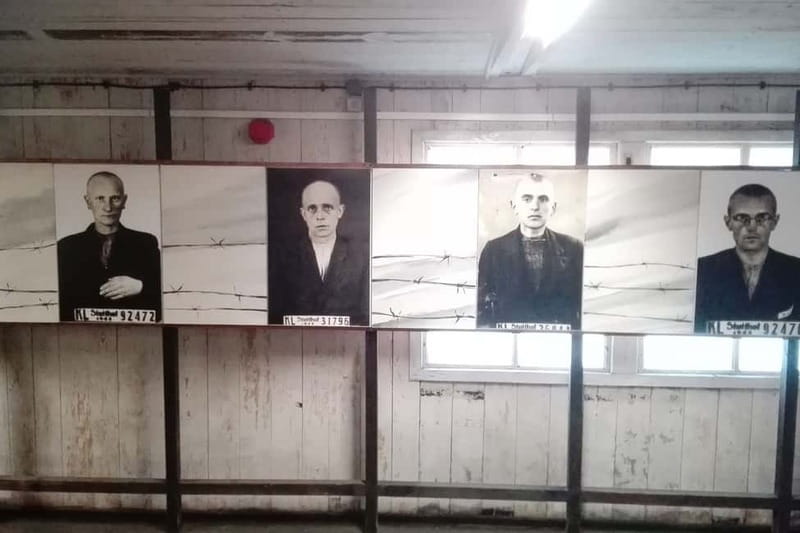
Inside the camp, you visit both the old and the new camp quarters, not just one section. That split is valuable because it gives you a clearer sense of how the camp was laid out and how the site developed over time. Instead of seeing one snapshot, you see contrasting areas within the same overall system.
You also stop at the commander’s villa. That is one of those stops that can feel unsettling for a different reason than the barracks or memorial areas. It puts physical power and authority into view, right inside the same space where victims were processed and harmed. Even without getting extra “shock value,” it helps you connect the human chain of command to the machinery of violence.
Practically, this part of the tour also gives you a chance to get your bearings. You can begin to recognize how the camp is organized, what’s close together, what’s farther apart, and how visitors are meant to move. The guide helps you keep track without turning it into a rushed slideshow.
If you are the kind of traveler who likes your tours to make sense step by step, you will probably appreciate this portion. It is structured enough to help you remember what you saw, and sober enough to keep the focus where it belongs.
Gas chambers and the crematorium: when the tour goes to the hardest places
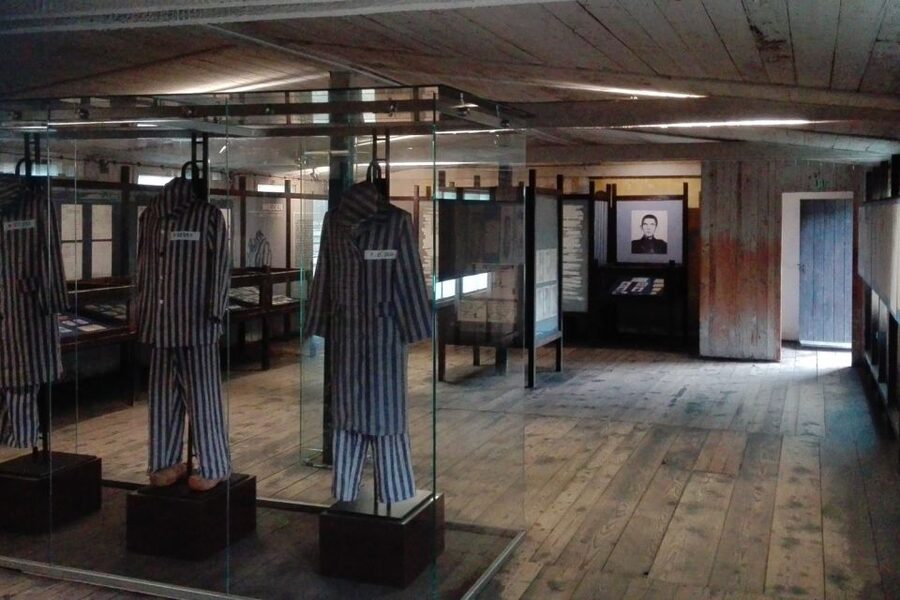
This is the emotional center of the experience. The tour includes the gas chambers and the crematorium, where you hear terrifying reports of mass murder. Your guide is there to explain what you are looking at in a respectful, guided way, rather than leaving you to interpret painful spaces on your own.
Because these locations are inherently disturbing, the tour does not feel like a “regular sightseeing” hour. It is more like a guided testimony, tied to physical remnants. You will likely find that your brain keeps trying to process details while your body just wants a moment of quiet. That tension is normal. It’s one of the reasons I think a guided visit matters more here than a self-guided one.
Also, plan your pace. If you need to pause during the hardest segments, do it discreetly and early. One practical heads-up from real-world experience: at least sometimes, facilities on site may not be open immediately when you arrive. If you rely on medication schedules, it is smart to speak up early and ask the team about timing so you are not trying to manage needs mid-explanation.
None of this changes the reality of what you’ll see. But it can help you stay present in the parts you came for.
Still tacked up around Gdansk



The victims’ monument and what you learn about Pomerania under occupation
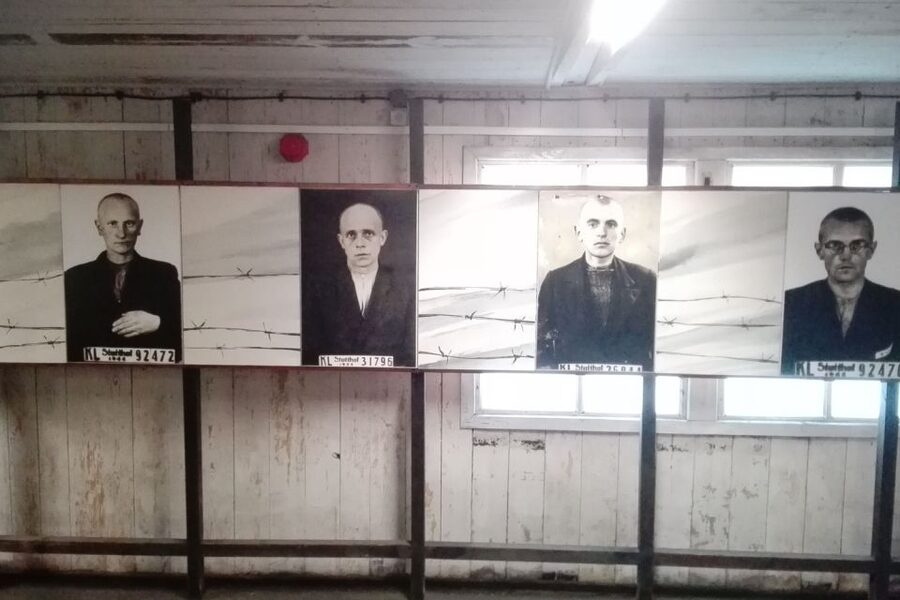
After the most difficult sites, you shift to a more reflective ending. You can pay your respects at the camp victims’ monument. This stop matters because it changes the mood from explanation to acknowledgement.
Then you learn about the persecution and occupation of Pomerania. This is important context. The camp is not an isolated story. The guide connects it to how terror played out across occupied regions, so the visit becomes more than a list of locations. It becomes an understanding of how this place fit into a wider system of oppression.
I like this sequence because it avoids ending on raw images without closure. You do not leave only with what happened in the camp. You also leave with a clearer sense of what the camp represented within the region around it.
If you are a traveler who tends to get emotional in silence, this ending works well. You are given a place to slow down, and you are not immediately rushed back into the logistics of travel.
Guide style, language options, and why the small group works
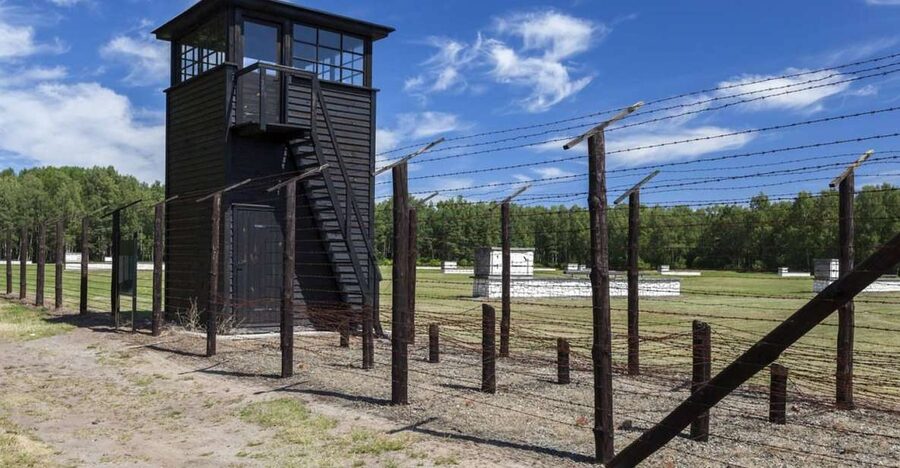
The tour runs with an English-speaking driver and an on-site guide at Stutthof. Guide languages include English and German, and that choice can make a difference in how smoothly you absorb the details. When explanations match your language comfort level, you can focus on the meaning, not on translation.
Small group size is a real asset here. With up to 8 participants, it is easier to hear the guide and harder for the tour to become a constant shuffle of people. You also get a better chance to ask practical questions if something isn’t clear, such as how the route works between sections.
You may also encounter guides who add extra clarity about the broader region, not just the camp itself. Some drivers have been praised for sharing helpful context about the route to Stutthof and what was happening around Gdansk, including industry and farming. That kind of “where we are, and why it mattered” framing can make the camp visit feel more connected to the world outside the fences.
Another plus: some guides are able to include present-day perspective when they think it helps the point. That can help the experience feel less like a distant textbook chapter and more like something with consequences that extend beyond the past.
Price and value: does $142 make sense for 4 hours?
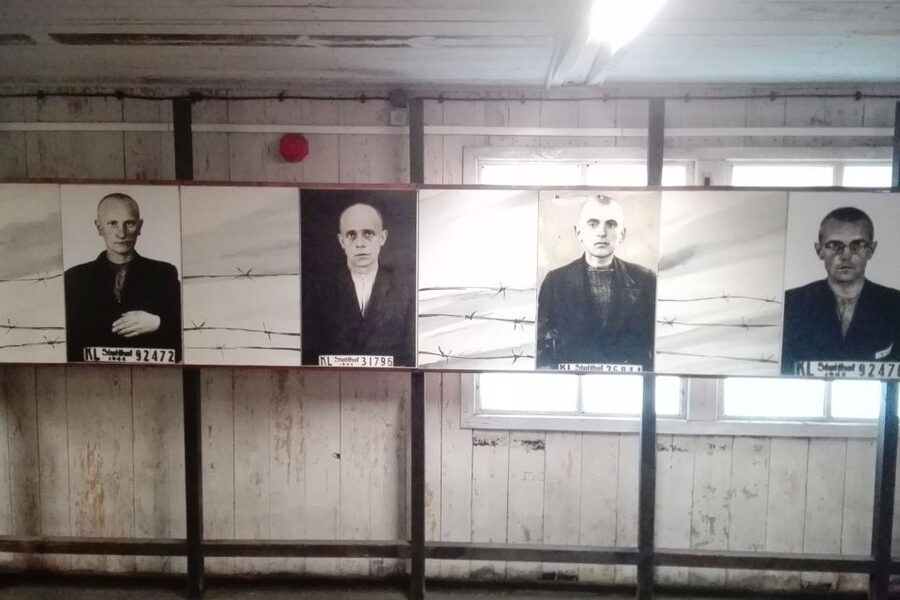
At $142 per person for a 4-hour experience, this is not a bargain. But it is also not overpriced for what you actually get.
Here is what contributes to the value:
- Hotel pickup and drop-off anywhere in Gdansk, Sopot, or Gdynia
- Air-conditioned transport with an English-speaking driver
- A Stutthof guide on site, not just transport to get you there
- Skip the ticket line
- Insurance included
When you add up those pieces, the price starts to feel more reasonable. The biggest cost you are paying for is not the drive, it is the guided time in the camp. And because the subject is heavy, you likely want a professional guide rather than trying to manage it with only signage.
The one thing not included is food and drinks. So you should plan to eat before you go or after you return. It is easy to underestimate how draining this tour can be, so having a meal waiting for you afterward feels like part of the value too.
If you want a self-directed visit, you can always do that. But if you want someone to guide you through the hardest sites in the right order, with the right explanations, this price buys you comfort, structure, and time.
Practical rules, what to pack, and timing tips that keep you comfortable
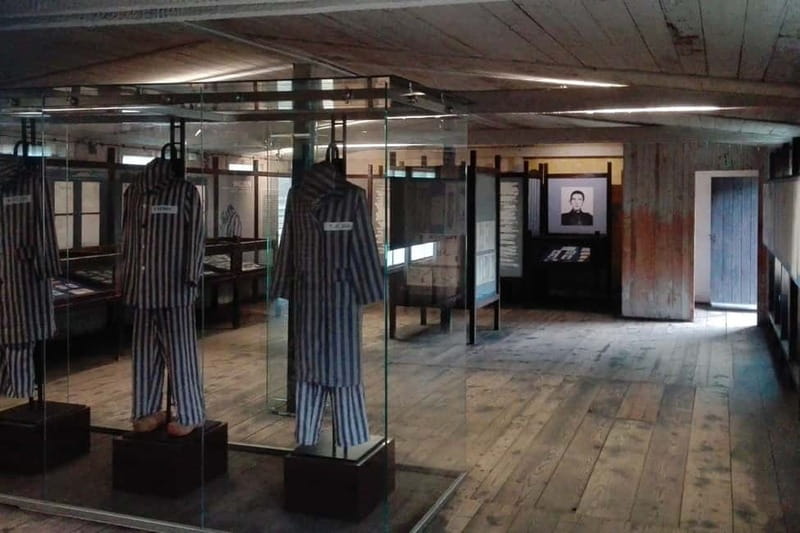
This tour has straightforward expectations, and following them makes the visit smoother for you and for the team.
What to bring
- Comfortable shoes
- Comfortable clothes
- If it is cloudy and chilly, bring an extra jacket, since it can be windy. You can leave it in the vehicle when you do not need it.
What not to do
- No smoking
- No luggage or large bags
- No sleeveless shirts
That last rule matters more than it sounds. In many places, it is easy to dress for weather and forget the site rules. I’d rather you be slightly overdressed than forced to change.
Also, think about your day plan. The tour lasts 4 hours total, with about 2 hours inside the camp. If you arrive thinking you will also have time to wander the rest of the area afterward, you may feel disappointed. The tour ends when you head back, not when you feel ready.
Finally, it is wheelchair accessible. That is helpful if mobility is a factor, but you will still be walking through memorial spaces. Comfortable footwear is still the right call.
Should you book the Gdansk small-group Stutthof tour?
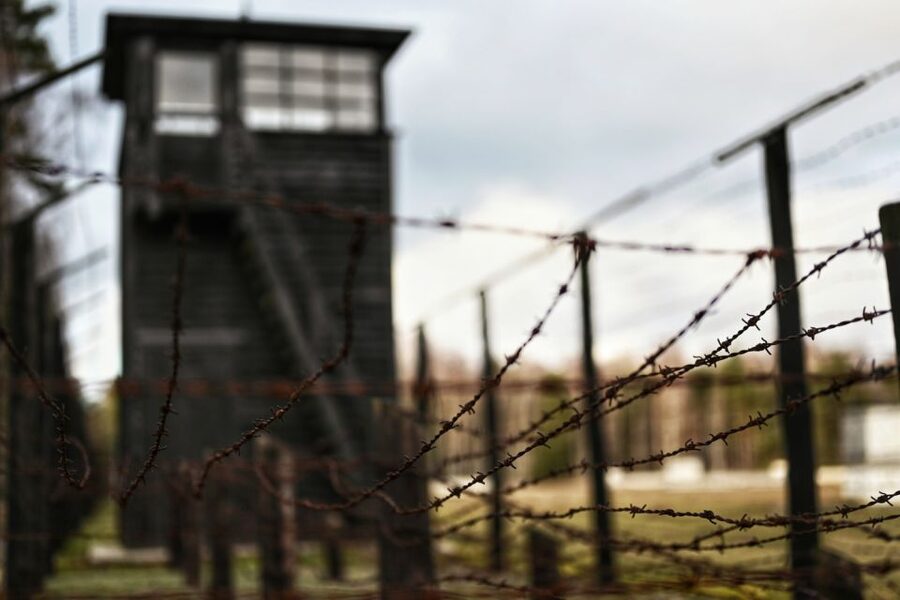
Book this tour if you want a small-group experience with hotel pickup, and you want a guide to walk you through the key sections in a logical order. The combination of old and new camp quarters, the commander’s villa, and the gas chambers and crematorium is exactly what most first-time visitors need, especially when the topic is emotionally heavy.
Skip it or reconsider if you are traveling with children under 13, or if you know you need a very light, flexible schedule with lots of downtime. This is not that kind of outing. It is also not ideal if you do not handle intense subject matter well.
If you are prepared to be affected, and you want the visit to feel guided rather than chaotic, this is a strong choice. You will leave with more than images. You will leave with a guided understanding of persecution and occupation in Pomerania, and a chance to pay respects at the victims’ monument.
FAQ
Where does the pickup happen for this Stutthof tour?
Hotel pickup and drop-off are included from any location in Gdansk, Sopot, and Gdynia. You can pick any location in Gdansk.
How long is the tour, and how much time is spent at Stutthof?
The total tour duration is 4 hours. The time inside the camp is around 2 hours, with about an hour of travel each way.
What is included in the price?
The tour includes hotel pickup and drop-off, air-conditioned transportation with an English-speaking driver, a Stutthof guide, and insurance.
Are food and drinks included?
No. Food and drinks are not included.
Does the tour help you avoid waiting in ticket lines?
Yes. Skip the ticket line is included.
How big is the small group?
The group is limited to 8 participants.
What languages are available for the tour?
The live tour guide is available in English and German.
Is the tour wheelchair accessible?
Yes, the tour is wheelchair accessible.
Is this tour suitable for children?
It is not recommended for children under 13.
What should I wear or bring, and what is not allowed?
Wear comfortable shoes and comfortable clothes. Bring an extra jacket if it is cloudy and chilly because it can be windy. Smoking is not allowed, luggage or large bags are not allowed, and sleeveless shirts are not allowed.
Is there free cancellation and a pay-later option?
Yes. Free cancellation is available up to 24 hours in advance for a full refund, and you can reserve now and pay later.
Freshly posted from Gdansk
- Private Walking Tour of Old Gdańsk with an architect-guide★ 5.0 · 7 reviews
- GDANSK City Tour by Golf Cart Live Guide & Sightseeing 90min★ 4.7 · 7 reviews
- Stutthof Concentration Camp private tour★ 5.0 · 7 reviews
- Private Roundtrip Transfer to Stutthof Concentration Camp 4h★ 5.0 · 7 reviews
- Gdansk: Polish Craft Beer Tasting Session★ 4.5 · 7 reviews
- Gdansk, Sopot & Gdynia – Private 3 City Tour★ 5.0 · 7 reviews
- Gdansk: PRIVATE Alcotour City Tour Sightseeing Golf Cart★ 5.0 · 7 reviews
Stutthof Museum Tours from Gdansk, compared.
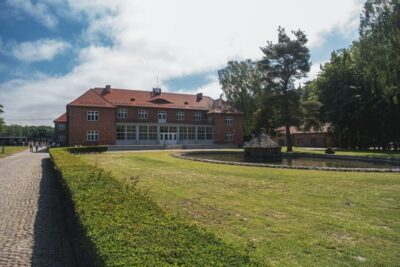
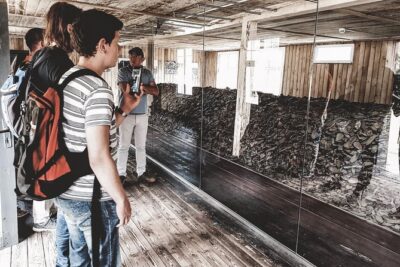
Stutthof Concentration Camp English Tour with Gdansk Hotel pickup
Read our review →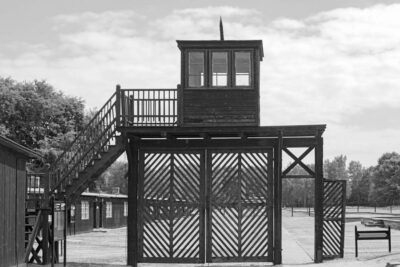
Stutthof Concentration Camp Private Tour with Transport
Read our review →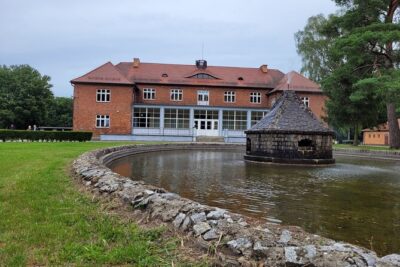
Stutthof Concentration Camp tour including transfer from Gdansk
Read our review →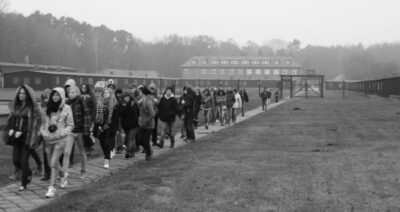
Stutthof Concentration Camp Half-Day Private Tour
Read our review →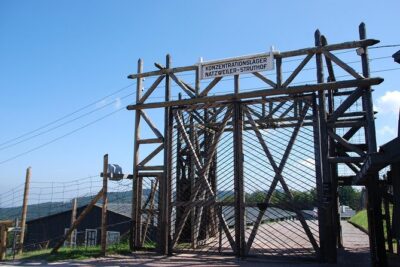
Stutthof Concentration Camp: Private Guided Tour with Transport
Read our review →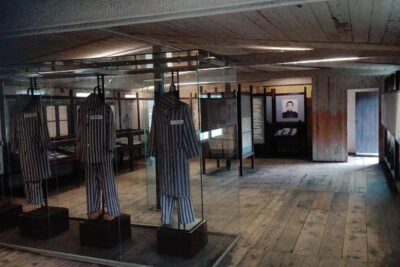
Stutthof Concentration Camp Regular Tour from Gdansk
Read our review →
Stutthof Concentration Camp Private Tour from Gdansk
Read our review →Browse the lists this tour appears in