
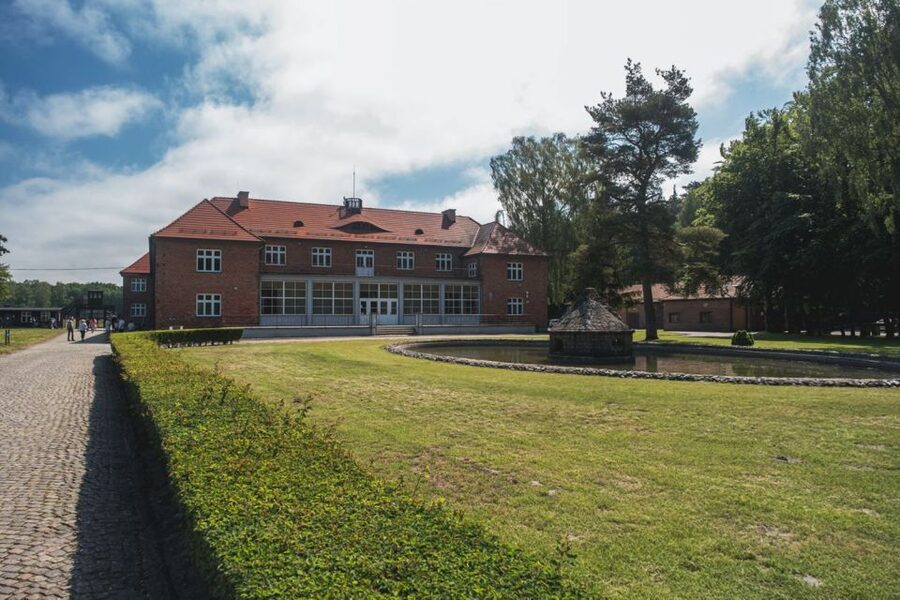
Reviewed · STUTTHOF MUSEUM TOURS FROM GDANSK
Gdansk: Stutthof Concentration Camp Regular Tour
Stutthof is history that hits hard. This Gdańsk day trip brings you to the Stutthof Museum and memorial grounds with an English-speaking guide, then focuses on the places where mass murder occurred, including the gas chambers and crematorium. What I like most is that the experience is built around understanding, not just passing by exhibits.
Two standout wins for me: you get hotel pickup and drop-off in an airconditioned minibus, and your museum time is guided in English so you can actually follow the story as you walk. The only real drawback to consider is that the total day runs about 5 hours, so it can feel time-bound if you prefer a slow, wander-at-your-own-pace visit.
In This Review
- Key Highlights You Will Feel on This Trip
- Why Stutthof Is One of the Most Important Stops Near Gdańsk
- The Minibus Transfer: Calm Start, Real Context on the Way
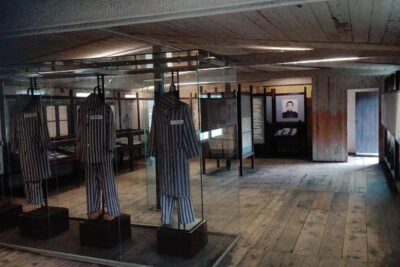
- The Memorial Museum Stop That Sets the Tone
- The Commander’s Villa: A Shift from Records to Power
- Entering the Gas Chambers and Crematorium
- The Victims’ Monument and the Pomerania Connection
- The Big Historical Frame: Why Stutthof Ends Up in Your Mental Timeline
- Price and Value: What $128 Actually Buys You
- Timing That Works, Timing That Might Not
- What To Pack, Wear, and Follow on Museum Grounds
- Who This Tour Fits Best
- Booking Wisdom: How to Decide If This Is Your Right Move
- Should You Book the Gdańsk to Stutthof Tour?
- FAQ
- How long is the Stutthof tour from Gdańsk?
- Where does pickup happen for this tour?
- Do I need tickets in advance?
- Is the tour guided in English?
- What is included in the price?
- What is not included?
- Is it suitable for kids?
- What should I bring or wear, and are there any restrictions?
Key Highlights You Will Feel on This Trip
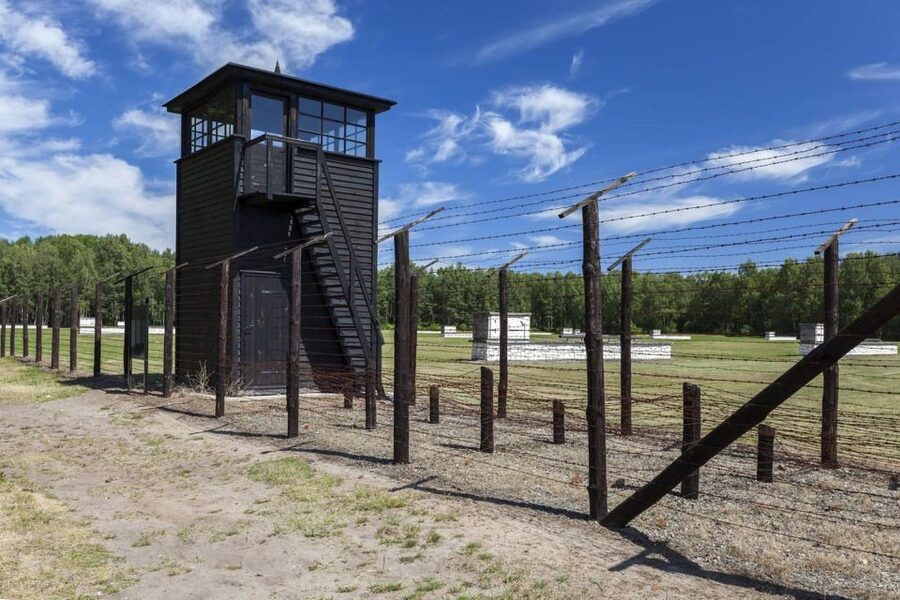
- Hotel pickup from Gdańsk or Sopot and an airconditioned minibus transfer that keeps the day smooth
- Skip-the-ticket-line so you spend more time where it counts
- Museum guidance in English, with clear explanations as you move through the site
- Time at the Memorial Museum and related areas, including the commander’s villa
- Emotional, guided focus on the gas chambers, crematorium, and victims’ monument
- A structured schedule that stays respectful, but leaves less room for drifting
Why Stutthof Is One of the Most Important Stops Near Gdańsk
If you are in Gdańsk, it’s easy to get swept into the charm of the old town. Then comes Stutthof, and the tone flips completely. This is not a casual “learn a little and move on” outing. The camp is widely recognized as the first and the longest operating Nazi camp in Poland, and it also holds the added historical weight of being the first Nazi concentration camp located outside German territory.
That matters because Stutthof is not just a chapter of World War II. It’s a lens on how persecution and occupation unfolded across Pomerania, how systems of terror spread, and how long the machinery of cruelty ran. A guided visit helps you connect those dots in a way that you likely can’t do alone, especially when the site forces you to confront scenes that are hard to process.
The best versions of this tour are structured so you walk from “context” to “place,” instead of jumping straight into the hardest images. That sequence helps your brain catch up. You’ll still feel the heaviness, but it lands with more meaning rather than just shock.
Further Stutthof Museum visits from Gdansk:
- Stutthof Concentration Camp English Tour with Gdansk Hotel pickup
★ 4.5 · 73 reviews - Stutthof Concentration Camp Private Tour with Transport
★ 4.8 · 57 reviews - Stutthof Concentration Camp tour including transfer from Gdansk
★ 5.0 · 34 reviews
The Minibus Transfer: Calm Start, Real Context on the Way
The trip out to Stutthof is long enough that you’ll be grateful you are not trying to solve transport on your own. You ride from Gdańsk in an airconditioned minibus driven by an English-speaking driver. Pickup is offered from hotel locations in Gdańsk (and the tour also lists pickup options including Sopot).
What makes the ride worthwhile is that it’s not treated like dead time. Many drivers share background about the local area and how the region’s history connects to what you’ll see later. You also get something practical: a punctual, organized handoff. That means less stress before a difficult visit, which is a big deal.
I also like that this tour builds in the “two-way” feeling. You go out with guidance in motion, then you return the same way, with a chance to ask questions en route. That can help you leave with a clearer understanding of what you just witnessed.
The Memorial Museum Stop That Sets the Tone
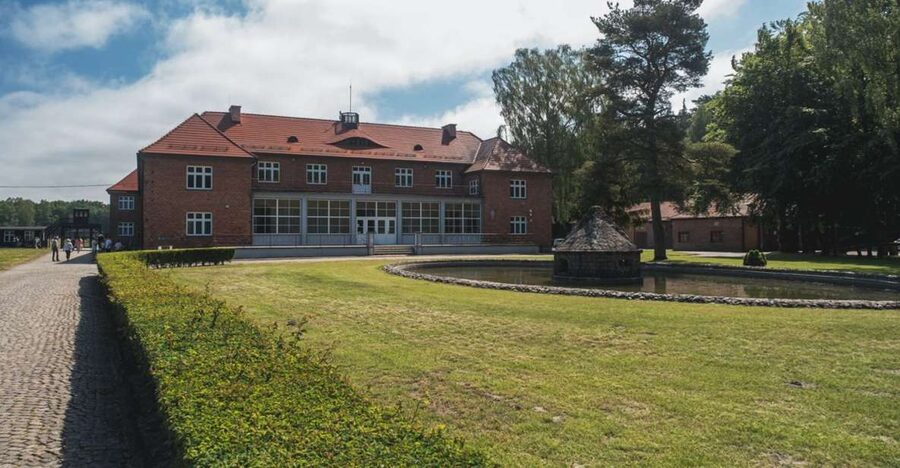
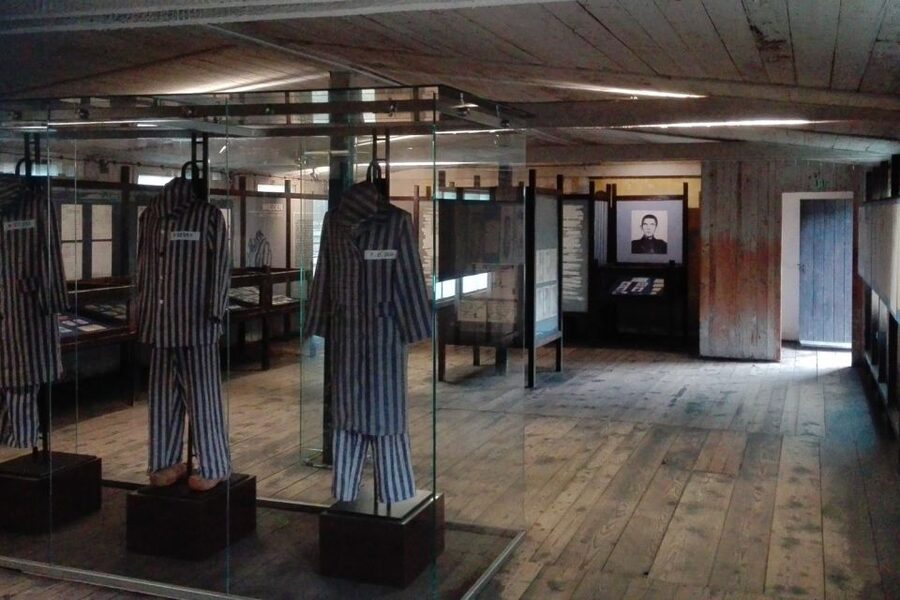
Once you arrive, you meet your guide and begin with the Memorial Museum, where the focus is on commemoration and documentation. This is where the day earns its seriousness. The museum part of the visit is guided for about 2.25 hours (and it’s described as up to around 2.5 hours within the total day).
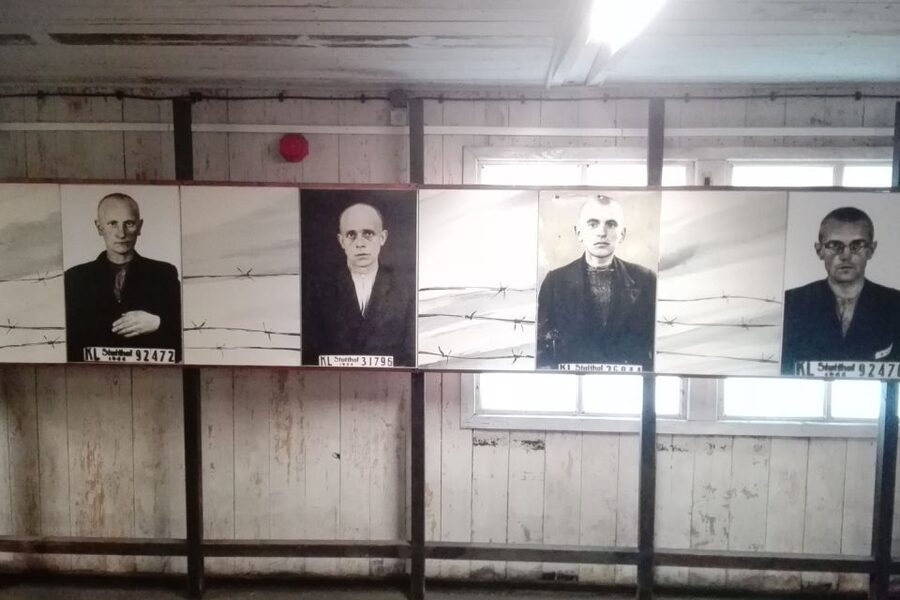
You’ll see how the camp was run, who was imprisoned, and how the system worked in practice. The guide’s role here is crucial. It’s one thing to read information on placards. It’s another to have someone guide you through the narrative at a pace that respects the subject and still keeps you oriented.
One thing I appreciate about this style of tour is that it doesn’t pretend you can turn away from what happened. The guide’s tone tends to be somber and measured. In the best moments, you can ask questions and get answers that don’t talk around the topic.
A possible drawback is that this is a guided route through key areas, not a choose-your-own-adventure. If you want to linger at every display or you like to move slowly without structure, the format may feel a bit strict. The upside is that you won’t miss essential parts because you got turned around.
The Commander’s Villa: A Shift from Records to Power
After the museum, the tour moves to areas connected to camp leadership, including the commander’s villa. This stop often lands differently than the main exhibition rooms. You are moving from “here is what was done” to “here is what the system looked like for the people running it.”
Even if you do not know much going in, this part can clarify the logic of the camp as an operation. You start seeing the camp less as an abstract horror and more as something built, maintained, and directed. That can feel uncomfortable, but it’s also a key piece of understanding.
Guides who handle this well do not sensationalize it. They explain what you’re seeing, then connect it back to the larger story about persecution and occupation in the region.
Still tacked up around Gdansk




Entering the Gas Chambers and Crematorium
The most intense portion of the tour is visiting the areas related to mass murder, including the gas chambers and crematorium. The tour is specifically described as walking you into those spaces while hearing about the atrocities committed there.
There’s no polite way to say this, so I’ll be direct: this section will feel heavy. The value of having a guide is that you’re not standing there trying to interpret what you’re looking at by yourself. Instead, you get context as you move from one location to the next.
This is also where you should slow down mentally. If you’re someone who hates dwelling on difficult material, the guided approach still helps. The guide sets boundaries for the story, so you can take in what’s in front of you without it turning into a chaotic overload.
If you are sensitive to disturbing history, plan for your emotional aftercare. Don’t schedule this right before a big dinner, a long party night, or anything that requires upbeat energy. Build breathing room into your day.
The Victims’ Monument and the Pomerania Connection
After the most harrowing parts, you move on to pay your respects at the camp victims’ monument. That moment is more than a stop on a route. It’s a pivot from what the site documents toward what it commemorates.
Then you learn more about the persecution and occupation of Pomerania, which helps you widen the lens beyond the camp fence line. Stutthof didn’t exist in isolation. The region around it played its part, and the stories are tied to broader wartime policies.
I like this placement in the tour flow. By the time you reach the monument and regional context, you have already seen enough to understand the stakes. The later history makes those stakes clearer, and it can help you connect what the camp represents to what happened to communities across the area.
The Big Historical Frame: Why Stutthof Ends Up in Your Mental Timeline

Stutthof is often discussed as a key site for understanding how Nazi terror operated over time. This tour frames it as both the first and longest operating camp in Poland, which gives you a sense of duration, not just one incident.
It also highlights that Stutthof was the first Nazi concentration camp outside German territory. That detail matters because it explains why the camp became such an important part of the occupation system in the region.
You’ll also travel to Sztutowo, which is closely tied to the camp site and memorial area. The tour includes a guided museum visit of about two hours at the Stutthof Museum before returning to Gdańsk.
The practical takeaway for you is this: if you want a day trip that feels like more than a checklist, choose one that gives you a timeline. This one does, and the guided structure makes it easier to keep the story straight.
Price and Value: What $128 Actually Buys You
At around $128 per person for a roughly 5-hour outing, you’re not just paying for entry. You’re paying for a whole package:
- Hotel pickup and drop-off (so you’re not solving transport)
- An English-speaking driver and an English-speaking museum guide
- Entrance fees and parking fees
- Insurance
- Skip-the-ticket-line
Food and drinks are not included, so plan on grabbing something afterward in Gdańsk.
Is it expensive? It depends on your style. If you prefer DIY travel, you could try to plan transport and tickets yourself. But you’d lose the built-in narrative that helps you understand what you’re seeing, especially inside the most difficult areas. This tour’s value is the combination of guided interpretation plus the logistical comfort of door-to-door pickup.
Also, the all-in approach helps with emotional pacing. When the timing is handled for you, you can focus on the visit itself instead of fighting logistics at the worst moment of the day.
Timing That Works, Timing That Might Not
Your day is structured around three blocks:
1) pickup and the ride out
2) the museum and key sites inside the camp complex
3) the ride back to your drop-off in Gdańsk or Sopot
The total length is about 5 hours. Within that, the museum tour takes up to around 2.5 hours, and the description notes an extended version as part of the timing.
This pacing is a good fit if you want a single, focused experience that covers the essentials. It can be less ideal if you like to linger, take tons of photos, or read everything slowly.
You also need to be comfortable with walking. Comfortable shoes are strongly advised, and it’s described as a walking tour.
What To Pack, Wear, and Follow on Museum Grounds
This is the part that saves you headaches.
Wear:
- Comfortable shoes (you’ll be walking)
- Something appropriate for the site rules. Sleeveless shirts are not allowed, so pack a layer if you’re visiting in warm weather and tend to dress lightly.
Bring:
- A jacket if the day is cold or cloudy. The tour guidance suggests an extra layer.
- An umbrella is allowed, and so is an extra jumper or backpack, but size limits apply.
Rules to know:
- No smoking
- No luggage or large bags
- Museum grounds allow bags up to 30 x 20 x 10 cm
If you travel with a bigger daypack, plan to keep it within that limit or be ready to simplify what you bring. It’s not the time to argue with a gate check.
Who This Tour Fits Best
This is not a “bring the whole family” outing. It’s not recommended for children under 13. That’s likely because the content is extremely intense and the visit is emotionally demanding.
It’s a strong choice for:
- Adults and teens 13+ who want an organized, guided visit
- People who care about understanding context, not just facts
- Anyone spending time in Gdańsk and wanting one major WWII history stop done right
It might feel less ideal if:
- You want total freedom to roam without structure
- You get uncomfortable with fixed timing
- You prefer a lighter, less intense museum day
Booking Wisdom: How to Decide If This Is Your Right Move
If you want a single day trip that connects regional WWII history to one of Poland’s most important camp sites, this tour is built for that job. The format handles the hardest logistics, you get English guidance through the major sites, and you are not left to interpret the most complex areas on your own.
Just be honest with yourself. This is not entertainment. It’s a respectful, guided history visit where you enter spaces tied to mass murder. If you can handle that responsibly, you’ll likely find the structure and the clarity of the guides a big part of why the trip is worth it.
If you tend to be sensitive to disturbing content, go in prepared, plan the rest of your day gently, and keep your expectations realistic. You will see the key places, but you will not have unlimited time to linger.
Should You Book the Gdańsk to Stutthof Tour?
Book it if you want:
- Door-to-door pickup from Gdańsk or Sopot
- A guided English-language museum experience
- A structured route that covers the major sites, including the hardest sections, without you having to piece everything together
Skip it or look for another option if you:
- Need a long, self-paced museum day
- Have very young kids or someone in your group who is unlikely to cope well with graphic, emotional history
- Struggle with fixed schedules and prefer to stop longer wherever your eyes catch something
If you are on the fence, I’d frame it this way. Stutthof is one of those places where good guidance is not a luxury, it’s part of doing the visit responsibly. With pickup, museum guidance, and clear pacing, this tour gives you the structure you need to take it in and still make sense of it when you leave.
FAQ
How long is the Stutthof tour from Gdańsk?
The duration is about 5 hours, including pickup, travel time, and the museum visit. The museum portion takes up to 2.5 hours as part of the extended version.
Where does pickup happen for this tour?
Pickup options include locations in Gdańsk and Sopot, and pickup is available from any hotel in Gdańsk.
Do I need tickets in advance?
The tour includes skip the ticket line.
Is the tour guided in English?
Yes. The Stutthof museum guide and the driver are English speaking.
What is included in the price?
Hotel pickup and drop-off, an English-speaking guide for the Stutthof Museum, an English-speaking driver, all entrance and parking fees, and insurance.
What is not included?
Food and drinks are not included.
Is it suitable for kids?
It is not recommended for children under age 13.
What should I bring or wear, and are there any restrictions?
Bring comfortable shoes, and if it’s cold bring an extra jacket. Smoking is not allowed, sleeveless shirts are not allowed, and luggage or large bags are not allowed. Bags must be no larger than 30 x 20 x 10 centimeters.
Freshly posted from Gdansk
- Private Walking Tour of Old Gdańsk with an architect-guide★ 5.0 · 7 reviews
- GDANSK City Tour by Golf Cart Live Guide & Sightseeing 90min★ 4.7 · 7 reviews
- Stutthof Concentration Camp private tour★ 5.0 · 7 reviews
- Private Roundtrip Transfer to Stutthof Concentration Camp 4h★ 5.0 · 7 reviews
- Gdansk: Polish Craft Beer Tasting Session★ 4.5 · 7 reviews
- Gdansk, Sopot & Gdynia – Private 3 City Tour★ 5.0 · 7 reviews
- Gdansk: PRIVATE Alcotour City Tour Sightseeing Golf Cart★ 5.0 · 7 reviews
Stutthof Museum Tours from Gdansk, compared.
Stutthof Concentration Camp English Tour with Gdansk Hotel pickup
Read our review →
Stutthof Concentration Camp Private Tour with Transport
Read our review →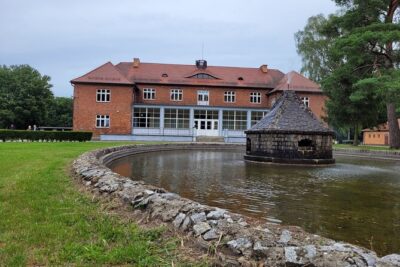
Stutthof Concentration Camp tour including transfer from Gdansk
Read our review →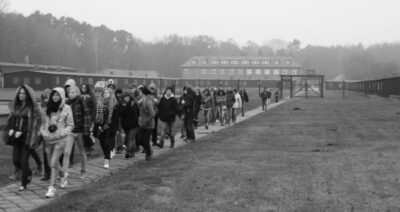
Stutthof Concentration Camp Half-Day Private Tour
Read our review →
Stutthof Concentration Camp: Private Guided Tour with Transport
Read our review →
Stutthof Concentration Camp Regular Tour from Gdansk
Read our review →
Stutthof Concentration Camp Private Tour from Gdansk
Read our review →Browse the lists this tour appears in