
Reviewed · STUTTHOF MUSEUM TOURS FROM GDANSK
Stutthof Concentration Camp Half-Day Private Tour
A quiet drive can feel heavy. A private, half-day visit to Stutthof brings you face-to-face with how Nazi control worked in Gdańsk’s region, with a guided tour of the camp grounds.
I especially like the stop-and-listen pacing through the old and new camp quarters, and the respectful closing at the camp victims’ monument. One real consideration: the exhibition is graphic and emotionally intense, so it is recommended for age 13 and up.
In This Review
- Key points worth knowing before you go
- Stutthof from Gdańsk, what a half-day private format gives you
- Why Stutthof is different, the context you should know first
- The drive, the break, and how the timing keeps you from burning out
- Entering the museum grounds, old and new quarters in one coherent story
- The commander’s villa, what a home for power really means
- Gas chambers and the crematorium, how the tour handles the darkest parts
- Paying respects at the victims’ monument
- Persecution and occupation of Pomerania, putting the camp into its region
- Price and value, when $461 per group actually works out
- Who should book, and who should think twice
- Tips to make the experience better without ruining the tone
- Should you book this Stutthof concentration camp private tour?
- FAQ
- Where is pickup available for this Stutthof tour?
- How long is the Stutthof Concentration Camp half-day private tour?
- How long is the guided museum tour at Stutthof?
- What languages are the live guides available in?
- Is this a private group tour?
- How much does it cost, and what does the price include?
- Does the tour include entry to the museum and concentration camp?
- What parts of the camp are included in the guided route?
- Is there an optional documentary film during the tour?
- Is the tour suitable for children?
Key points worth knowing before you go
- First Nazi concentration camp on Polish territory: Stutthof opened in 1939 and stayed operating longer than other camps in the area.
- You cover both old and new camp quarters: It helps you see how the camp changed over time.
- Major sites included: The commander’s villa, gas chambers, crematorium, and the victims’ monument are part of the guided route.
- Short, focused tour length: About 5 hours total with a guided museum visit lasting around 2 hours.
- Private means real question time: You can ask follow-ups instead of shouting over a crowd.
- Optional documentary screening: If you want more context, there may be time for a film about the camp’s history.
Stutthof from Gdańsk, what a half-day private format gives you
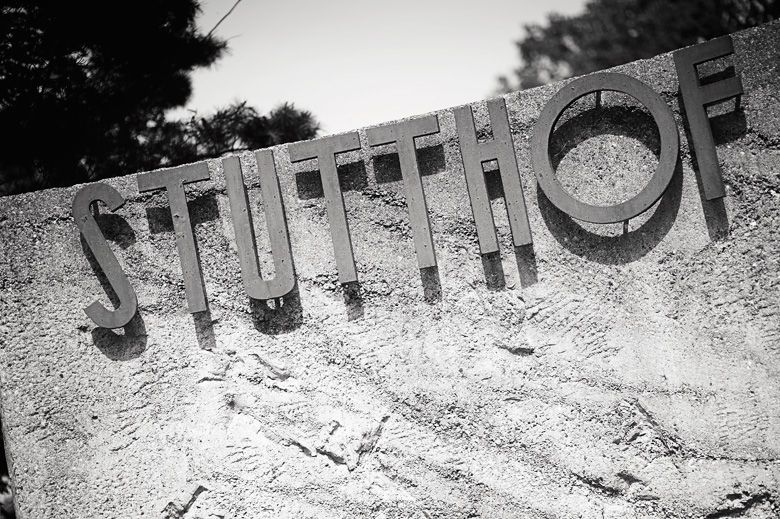
Stutthof is not a place for rushing. The concentration camp museum is designed to make you slow down, read carefully, and sit with what you see. That is why I like the half-day private setup: it gives you structure without dragging the experience out for hours and hours.
From Gdańsk, you’re picked up from your hotel or apartment area in Gdańsk, Sopot, or Gdynia. Then you ride by van for about an hour to reach the museum. That travel time matters more than people think, because it gives you a mental “shift” before you enter. You arrive with time to focus, not with adrenaline.
The value of the private approach is simple: you’re not just buying access to the site. You’re getting a live guide who can answer your questions as they come up. In the reviews I read, people singled out guides who were practical, helpful, and able to explain with a steady, dry sense of how the facts fit together. I’d expect that tone to help you stay steady in an emotionally brutal setting.
One more point I’d underline before you book: the museum is recommended for ages 13+. If you’re bringing younger teens, consider whether they can handle graphic scenes and heavy subject matter with support.
Further Stutthof Museum visits from Gdansk:
- Gdansk: Stutthof Concentration Camp Regular Tour
★ 4.7 · 361 reviews - Stutthof Concentration Camp English Tour with Gdansk Hotel pickup
★ 4.5 · 73 reviews - Stutthof Concentration Camp Private Tour with Transport
★ 4.8 · 57 reviews
Why Stutthof is different, the context you should know first
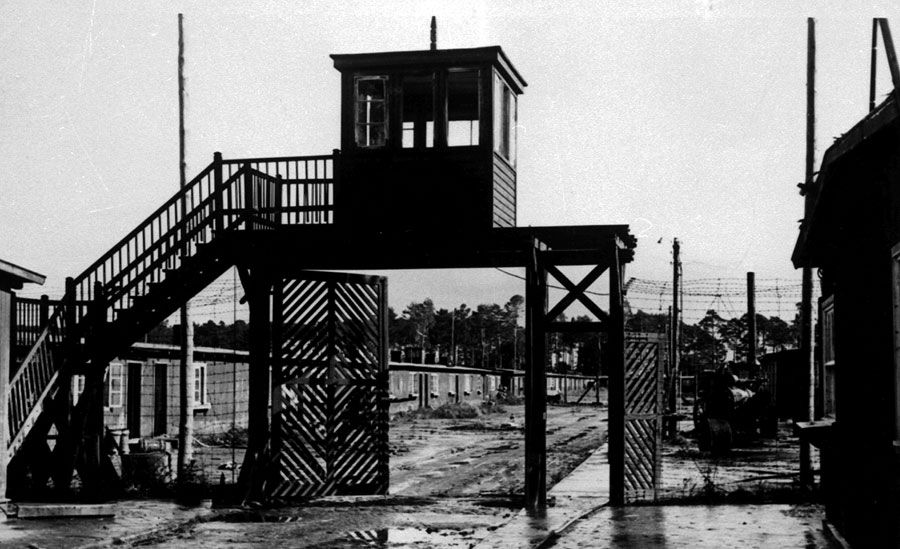
Stutthof is the first Nazi concentration camp established on Polish territory, and it kept operating longer than any other camp of its type in the region. It was created in 1939, with the early intent to hold around 3,000 prisoners. The targeting was not random. The early concentration included Jewish people and also members of the Polish intelligentsia from the Pomeranian region and the Free City of Gdańsk.
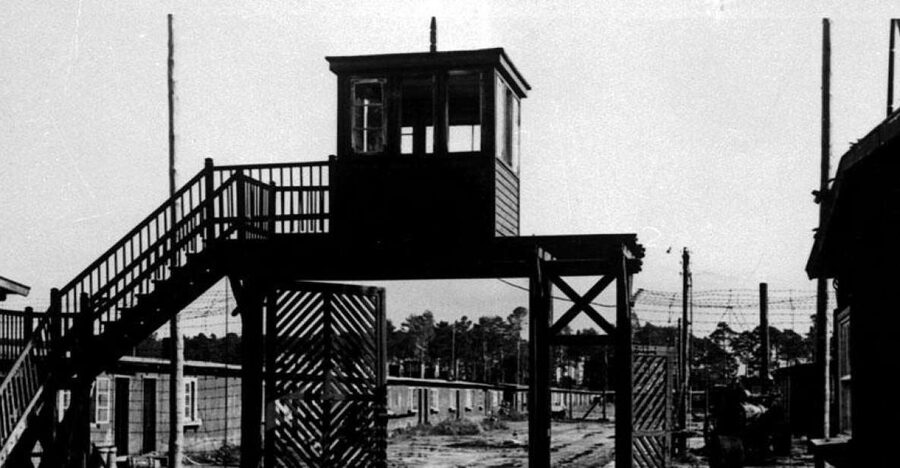
What makes the site so important to understand is the scale and duration. Over time, Stutthof became a place where more than 110,000 people from 26 countries experienced unimaginable suffering. Many were subjected to forced labor, starvation, torture, and mass executions, including in gas chambers. When you see the buildings and layouts today, you’re not just looking at ruins. You’re looking at a system built for captivity and control, carried out over years.
That context is exactly what a good guided visit helps with. Without it, you might walk through and only catch fragments. With it, you start to connect details: why certain structures exist, why some sections feel different, and how the camp’s “day-to-day” cruelty was organized.
The drive, the break, and how the timing keeps you from burning out
This tour is built around a manageable schedule. Total time is about 5 hours. The van ride in and out keeps the flow efficient, and you’re not left trying to coordinate transportation on your own.
A typical flow looks like this:
- Pickup in the Gdańsk area, then about 1 hour by van
- Guided museum tour for about 2 hours
- Break time around 30 minutes at Morska 32
- Return to Gdańsk
That break is small, but it’s smart. After a guided visit through gas chambers and crematorium areas, you want a moment to reset your body, not just keep going. I’d use that pause to grab water and something light, if food is available, and to give yourself time to absorb what you just learned.
Also pay attention to how you pack for the day. This is a museum visit where walking and standing are part of the experience. Wear comfortable shoes. Bring layers, since the weather around outdoor camp grounds can feel cooler and windier than the city.
Entering the museum grounds, old and new quarters in one coherent story
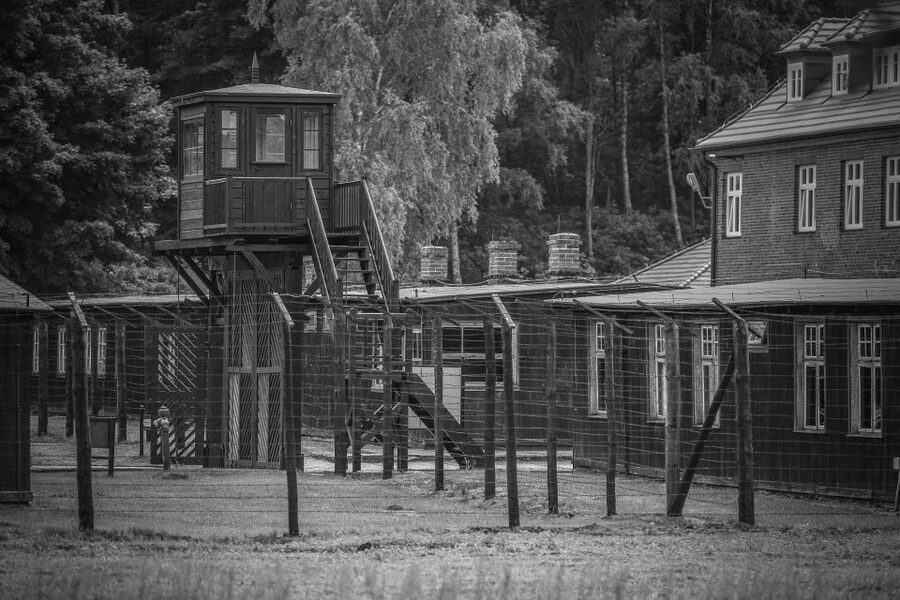
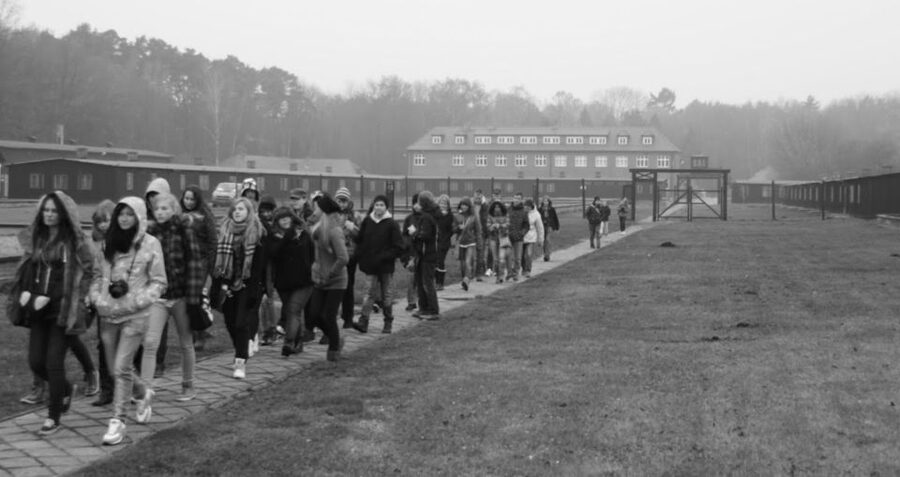
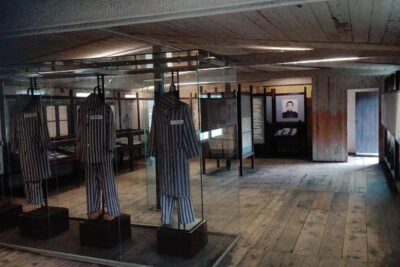
The heart of the tour is the guided walkthrough of the camp grounds, including both the old and new camp quarters. Seeing these areas in sequence matters. The camp was not static. It expanded and changed, and that evolution is part of the historical story.
Here’s what I’d expect to feel as you move through the old and new sections: the guide will likely help you read the place like a timeline. You’re not just looking at structures. You’re trying to understand how the camp’s operation affected housing, prisoner movement, labor control, and daily life. The value of having a guide is that you don’t have to guess what you’re looking at.
If you’re the type who likes to understand “how it worked,” this part is where it clicks. The layout gives you clues. The explanation ties the clues together, so you come away with more than images in your phone.
And if you’re worried about getting lost in a big, self-guided museum route, this private plan helps you stay oriented. You follow a clear path and learn in a logical order, with time to ask questions without pressure.
Still tacked up around Gdansk




The commander’s villa, what a home for power really means
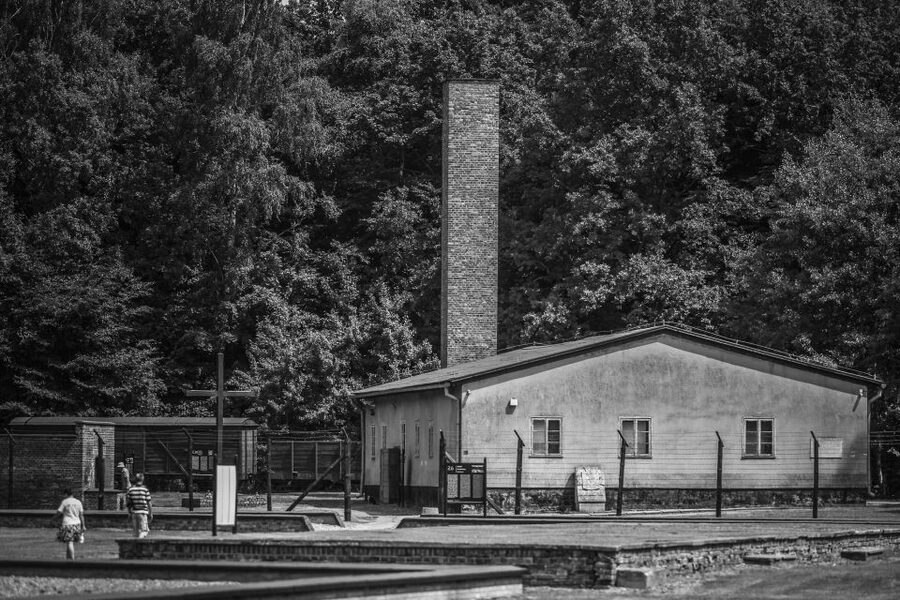
One of the more chilling stops on the route is the commander’s villa. It may sound like a “side attraction,” but it isn’t. It’s a direct reminder that this was not just random cruelty. The camp had hierarchy, comfort for some, and systematic control over many.
When you stand near the places associated with command, ask the guide to explain what you’re looking at and why it’s located where it is. Even when the buildings are modest compared with grand palaces, the point is the same. A commander’s residence inside the camp’s system shows proximity between power and suffering.
I like this stop because it changes your perspective. Instead of focusing only on prisoners, you see the structure that enabled the violence. That makes the later sections, like the gas chambers and crematorium areas, feel even more “connected” instead of feeling like separate, unrelated horrors.
Gas chambers and the crematorium, how the tour handles the darkest parts
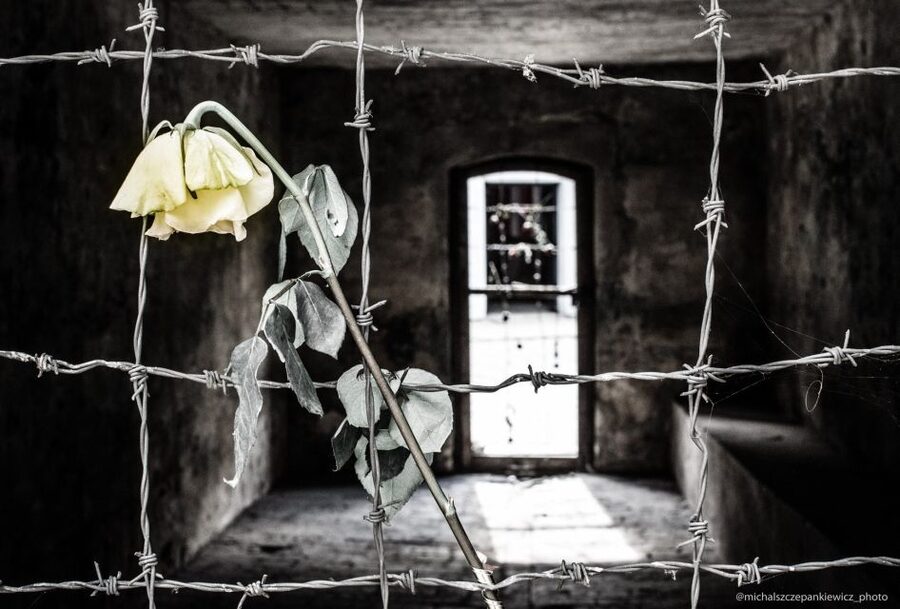
The tour includes the areas associated with the gas chambers and crematorium. These are the parts that require the most emotional stamina. The museum is open to visitors as a place of reflection, but the content is intentionally graphic and hard to process.
I can’t soften that. This is not a casual sightseeing stop. The guide’s job here is important: they should keep the explanations factual and grounded, and help you understand what happened without turning it into spectacle. That is also where having a private format can help. You can pause when you need to. You can ask a question if something in the layout feels unclear.
It’s also the kind of experience where expectations matter. You might leave feeling heavy, even if you feel prepared intellectually. Plan the rest of your evening loosely. Don’t schedule a big dinner or a late event right afterward. Let your body come down off the emotional high.
If the option for a documentary film is available during the tour, it can be a way to add context after you’ve seen the sites. I’d treat it as optional, not required. If you feel you need more grounding in the history, it can help.
Paying respects at the victims’ monument
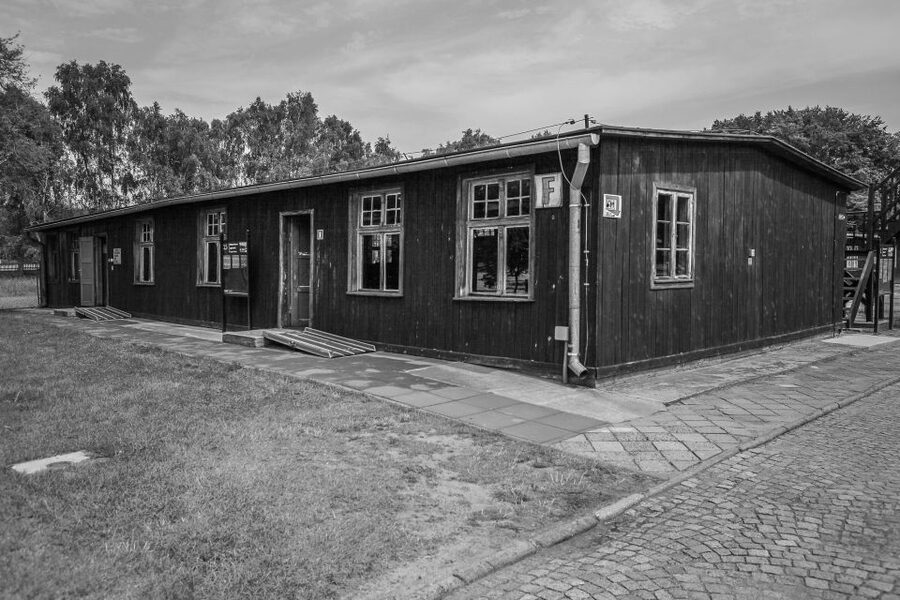
A key moment comes at the camp victims’ monument. This isn’t just a photo stop. It’s where the visit shifts from learning details to honoring people who were targeted and murdered.
I like that the tour includes this stop because it changes the tone. After walking through areas tied to machinery of persecution and mass murder, you end with a reminder of human lives, not just historical processes.
If you’re the kind of person who needs a minute of quiet to take it in, build that into your pace. Even in a structured tour, you can slow down here. I’d also encourage you to step back from your phone during this moment. Let it be a real pause, not a background moment.
Persecution and occupation of Pomerania, putting the camp into its region
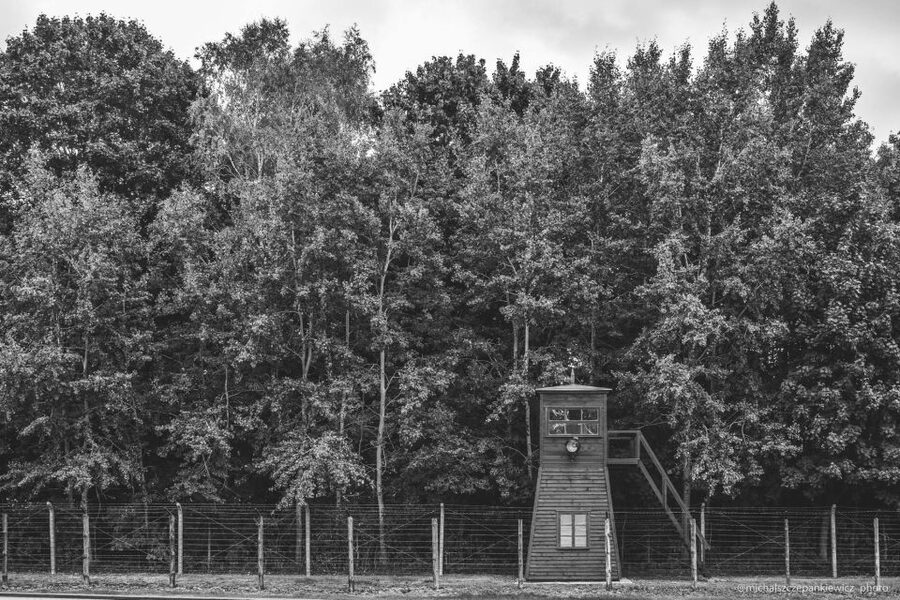
Stutthof isn’t just about one prison site. The tour also gives context about the persecution and occupation of Pomerania. That matters because it explains why this location became such an important tool of Nazi control.
Pomerania around the Free City of Gdańsk was not outside history. It was part of the machinery of occupation, and the camp’s prisoners included people from the region. When you understand that, you can see how local communities were pulled into a wider plan.
This is where I’d pay extra attention during the guide’s explanations. Ask how the prisoners were selected, how the occupation shaped the treatment of groups like Jewish people and the Polish intelligentsia, and how the camp’s long operation affected the region over time. Those answers help the museum sections land with more meaning.
Price and value, when $461 per group actually works out
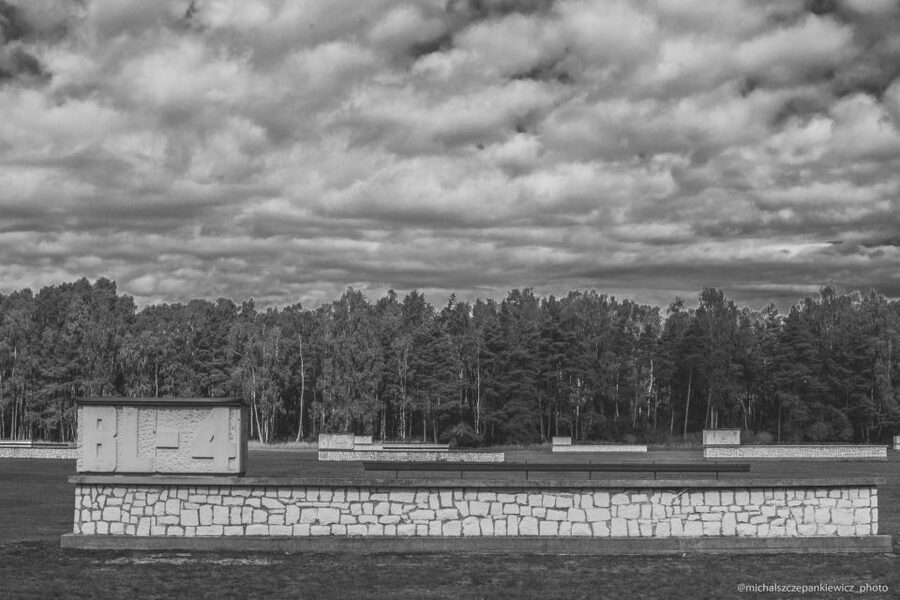
The price is $461 per group up to 3 people, for a duration of about 5 hours. That sounds like a lot until you convert it into “who’s paying for what.”
Here’s how value usually works for this kind of private tour:
- You’re paying for private transport from Gdańsk (and possibly Sopot or Gdynia pickup).
- You’re paying for a private museum guide.
- Entrance tickets to the camp museum are included.
- Parking fees are included.
So you’re not handling logistics while trying to get good historical interpretation. If you can travel with others, you spread the total cost across more people, which improves the per-person value quickly. And if you’re traveling as a smaller group, you’re still buying time, clarity, and question-friendly guidance.
In my book, this tour is worth it when you care about understanding rather than just checking boxes. The museum is emotionally intense and fact-heavy. Having a guide who can explain the camp’s evolution, its targets, and the function of key sites is part of what you’re paying for.
Who should book, and who should think twice
This tour is a strong fit for adults and older teens who can handle difficult subject matter and want an organized, guided visit. It’s also a good choice for people who prefer private learning, with room for questions.
It is not suitable for children under 13. Since the exhibition is graphic and emotionally intense, I’d also recommend considering maturity and support, not just age. If your group includes anyone who might struggle with graphic content, you might want to rethink the timing or split up so each person can choose what they can handle.
If you like practical travel, this one also works because you don’t need to arrange transportation. You show up for pickup, you do the guided visit, you get time to reset, then you’re back in Gdańsk.
Tips to make the experience better without ruining the tone
You don’t want to turn a place like this into a checklist. But small choices can make the day smoother:
- Wear comfortable shoes, because you’ll be walking during a guided museum visit.
- Bring a small water bottle if you’re the type who gets thirsty, since you’ll have only a short break.
- If you get overwhelmed, take your time. A private guide can usually adjust your pace.
- If documentary screening is offered, decide based on your energy level. Sometimes more context helps. Sometimes you just need space.
Should you book this Stutthof concentration camp private tour?
If you want a guided visit that covers the old and new camp quarters, the commander’s villa, the gas chambers and crematorium areas, and ends at the victims’ monument, this is a clear match. The private format and the live guide make the experience easier to process, and the schedule is tight enough to avoid dragging out emotional fatigue.
Book it if you’re ready for a serious, historically grounded museum day and you value real explanation and Q-and-A time. Skip it, or reconsider the group mix, if graphic content will be hard for anyone in your party to handle.
If you do book, treat the day like it deserves your full attention. This is not a casual stop. It’s a place to learn, reflect, and remember.
FAQ
Where is pickup available for this Stutthof tour?
Pickup is available from hotels or apartments in Gdańsk, Sopot, and Gdynia.
How long is the Stutthof Concentration Camp half-day private tour?
The total duration is about 5 hours.
How long is the guided museum tour at Stutthof?
The guided tour lasts about 2 hours at the Stutthof Museum.
What languages are the live guides available in?
The tour guide is available in English, German, and Polish.
Is this a private group tour?
Yes, it is a private group tour.
How much does it cost, and what does the price include?
The price is $461 per group up to 3. It includes private transport, a private museum guide, entrance tickets to the concentration camp museum, and parking fees.
Does the tour include entry to the museum and concentration camp?
Yes. Entrance tickets to the Stutthof Concentration Camp Museum are included.
What parts of the camp are included in the guided route?
The tour includes the old and new camp quarters, the commander’s villa, the gas chambers, the crematorium, and the camp victims’ monument.
Is there an optional documentary film during the tour?
An optional screening of a documentary film about the camp’s history may be included.
Is the tour suitable for children?
It is not suitable for children under 13 due to the graphic and emotionally intense nature of the exhibition.
Freshly posted from Gdansk
- Private Walking Tour of Old Gdańsk with an architect-guide★ 5.0 · 7 reviews
- GDANSK City Tour by Golf Cart Live Guide & Sightseeing 90min★ 4.7 · 7 reviews
- Stutthof Concentration Camp private tour★ 5.0 · 7 reviews
- Private Roundtrip Transfer to Stutthof Concentration Camp 4h★ 5.0 · 7 reviews
- Gdansk: Polish Craft Beer Tasting Session★ 4.5 · 7 reviews
- Gdansk, Sopot & Gdynia – Private 3 City Tour★ 5.0 · 7 reviews
- Gdansk: PRIVATE Alcotour City Tour Sightseeing Golf Cart★ 5.0 · 7 reviews
Stutthof Museum Tours from Gdansk, compared.
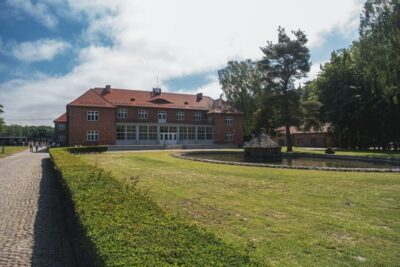
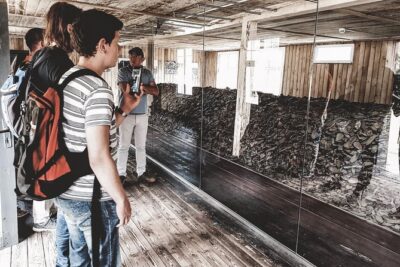
Stutthof Concentration Camp English Tour with Gdansk Hotel pickup
Read our review →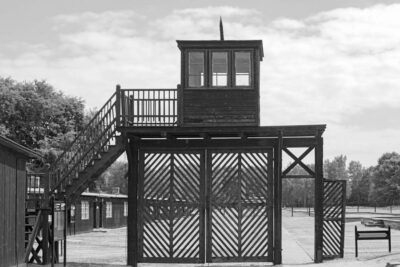
Stutthof Concentration Camp Private Tour with Transport
Read our review →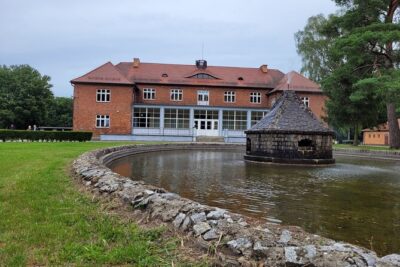
Stutthof Concentration Camp tour including transfer from Gdansk
Read our review →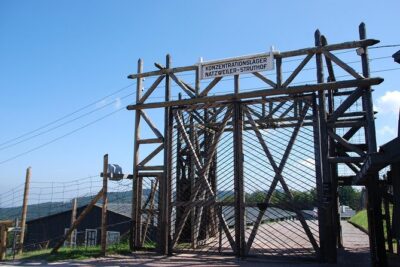
Stutthof Concentration Camp: Private Guided Tour with Transport
Read our review →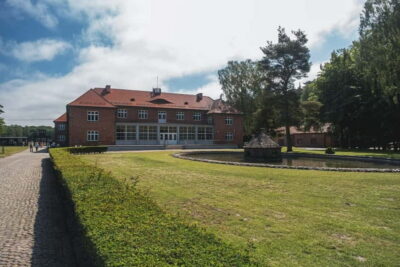
Stutthof Concentration Camp Regular Tour from Gdansk
Read our review →
Stutthof Concentration Camp Private Tour from Gdansk
Read our review →Browse the lists this tour appears in