
Reviewed · JEWISH HISTORY & HERITAGE TOURS
A unique walking tour of Jewish Warsaw — past and present
One street at a time, Warsaw’s Jewish story comes into focus. This 3-hour walk connects nearly 1,000 years of Jewish life in the city to the brutal WWII years, then to the quieter reality of Jewish Warsaw today, led by Oliwia.
I especially like two things: you see Nożyk Synagogue, the only Warsaw synagogue that survived the war and still stands, and you end at Pomnik Umschlagplatz, the place tied to deportations to Treblinka. One thing to plan for: it is about 4.5-5 km of walking in roughly 3 hours, so it is not the best fit if you struggle with longer distances.
In This Review
- Key moments you will actually notice on the walk
- Why this Jewish Warsaw walk feels different than a sight list
- Price and value: what $32 includes, and what is extra
- Meeting point and on-your-feet logistics (read this first)
- Nożyk Synagogue: the single surviving Warsaw synagogue
- Hala Mirowska: how the city moved before the ghetto
- Muranów: the ghetto wall and the weight of place
- Ringelblum Archive memorial: testimony preserved under pressure
- POLIN Museum: how a 10-minute stop can still point you right
- Miła 18: where the ghetto story becomes personal
- Pomnik Umschlagplatz: Treblinka begins here
- The past and present thread: why today’s community matters
- Who this tour suits best
- Should you book this Jewish Warsaw walking tour?
- FAQ
- How long is the walking tour of Jewish Warsaw?
- How much do we walk during the tour?
- Where do we meet the guide?
- What is the price per person?
- Is the tour in English and what is the group size?
- Is entry to Nożyk Synagogue included?
- Is entry to the POLIN Museum included?
- Is the tour wheelchair accessible?
- What booking options are available if my plans change?
Key moments you will actually notice on the walk
- Nożyk Synagogue, the lone survivor from wartime, with a short guided stop
- Hala Mirowska, a chance to understand how this neighborhood worked before the ghetto years
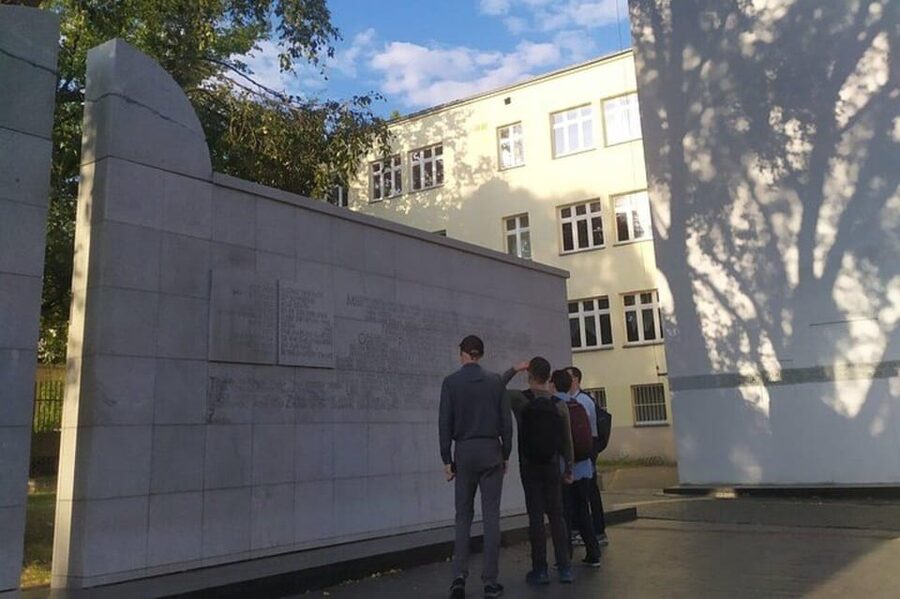
- Muranów and the ghetto wall, including one of the few remaining sections
- Ringelblum Archive memorial area, built around preserving testimony
- Miła 18 to Pomnik Umschlagplatz, moving from daily life to deportations tied to Treblinka
Why this Jewish Warsaw walk feels different than a sight list
Warsaw’s Jewish history is not a single chapter. You’ll hear how Jews settled in Poland, how the community grew until it was a major part of city life, and how WWII crushed that world. Then the tour shifts forward, so it does not end with tragedy.
What makes this walk work is the way the guide links places to stories, with a delivery style that keeps the facts moving. Oliwia stands out for her humor and timing, plus clear explanations that help details land without turning into a lecture. If you like history that feels human, this is your lane.
Also, the group stays small, limited to 10 people. That matters more than it sounds, because you get room to ask questions without the whole flow grinding to a halt.
More Walking Tours in Warsaw
- Warsaw: Old Town Highlights Walking Tour in English
★ 4.7 · 1,516 reviews - Warsaw: Old Town Guided Walking Tour
★ 4.9 · 599 reviews - Half-Day Polish Food Walking Tour with Guide and Dinner
★ 4.5 · 381 reviews
Price and value: what $32 includes, and what is extra
At $32 per person for about 3 hours, the value is mostly in the guided storytelling. You are not just walking past plaques. You are getting an info pack ahead of time, plus visual aids and practical recommendations about where to go and where to eat and drink after the tour.
Two costs are specifically not included: the entry fee to Nożyk Synagogue and the entry fee to the POLIN Museum. That is important. If you want to actually go inside those places, plan to pay separately, and plan some extra time.
If you are the kind of traveler who likes to understand what you are seeing before you see it, this tour is priced in a sensible way. You are paying for interpretation, not for museum ticket entry.
Meeting point and on-your-feet logistics (read this first)
You meet at Sienna 53, in front of the Baguette Mi restaurant. When you arrive, look for a guide holding a white and green umbrella.
The walking is roughly 4.5-5 km total. That is very doable for many people, but it is still a full morning or early afternoon effort in terms of steady walking. The operator also notes wheelchair accessibility, but they also say it is not recommended for travelers who have trouble walking long distances. So, if mobility is limited, it is worth thinking carefully before booking.
My practical tip: wear shoes you can walk in for a long stretch, and bring water. The tour includes several guided segments, so you may feel like you are constantly listening, but your legs still do the work.
Nożyk Synagogue: the single surviving Warsaw synagogue
The tour starts with a guided stop at Nożyk Synagogue, about 15 minutes. This is the anchor point, because it is not just another historic building. It is the one Warsaw synagogue that survived the war and remains standing today.
During the guide time, you’ll get the context for why that survival matters. A building like this is a physical link to a pre-war Jewish Warsaw that was meant to be erased. Even if you have seen synagogue exteriors elsewhere, this one lands differently because it survived where so much else did not.
One watch-out: entry is not included. So you might stand outside and absorb the story, then decide on the spot whether you want to pay for entry time at the synagogue itself. If your schedule is tight, you may want to confirm how you will handle that extra stop when you book.
Further Jewish history and heritage itineraries:

Hala Mirowska: how the city moved before the ghetto
Next up is Hala Mirowska for about 10 minutes. This stop is shorter, so treat it as orientation. The goal is to help you picture the city rhythms that existed before the ghetto era took over everything.
When you listen closely here, you’ll start noticing how “where people shopped, worked, and gathered” became part of the story of what life was like, and why the ghetto period represented such a violent break from normal patterns. Even a brief stop can make later scenes hit harder, because you have a baseline for comparison.
If you want to get the most out of this short segment, keep your questions ready. A good guide will connect the dots from this neighborhood feel to what happened later in Muranów.
Muranów: the ghetto wall and the weight of place
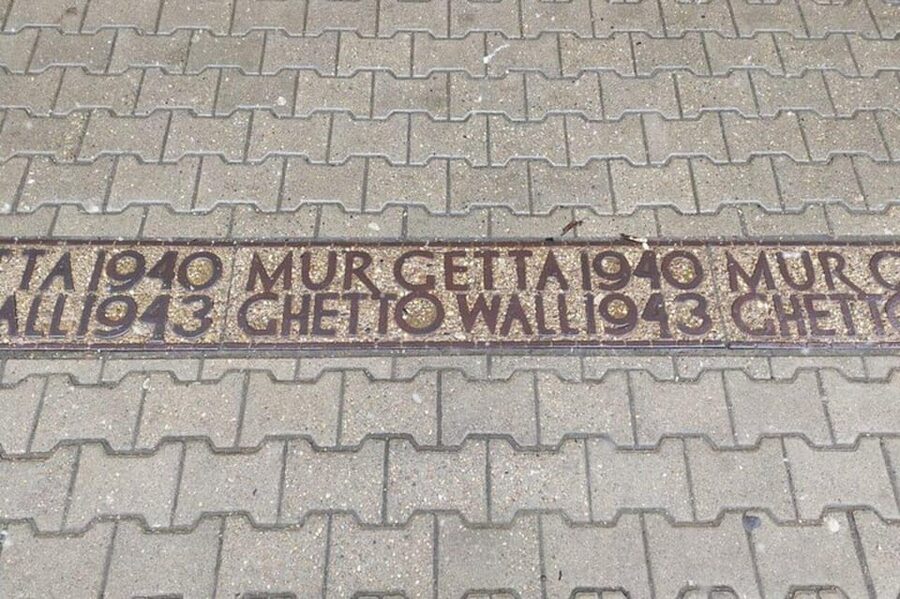
You then spend about 30 minutes in Muranów, a major focus of the walk. This is where the story turns from background into something you can feel in the streets.
You will see one of the few remaining parts of the ghetto wall. That detail matters. Most visitors can read about the ghetto in a book, but seeing a surviving remnant makes the concept of confinement concrete. You start thinking about what it meant to be watched, separated, and cut off from the rest of the city.
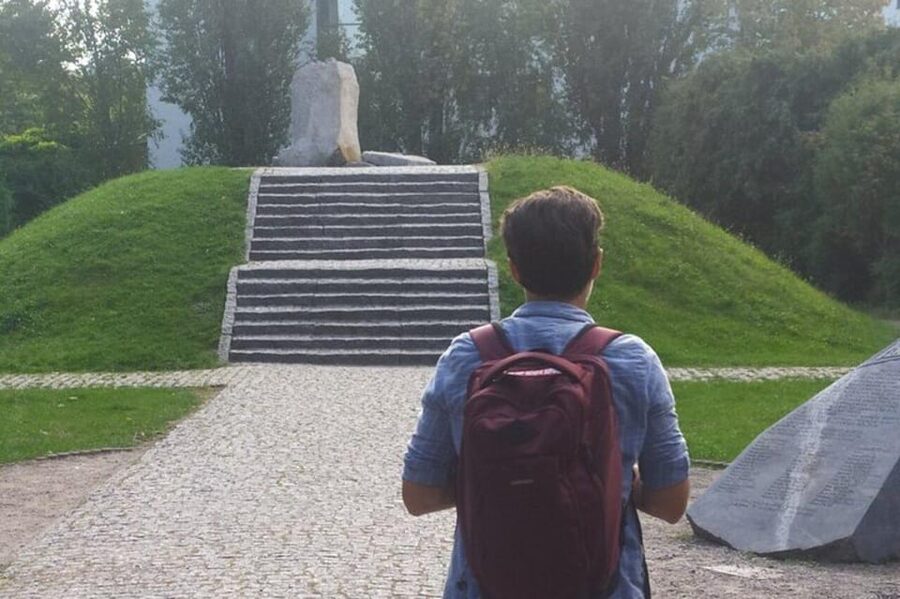
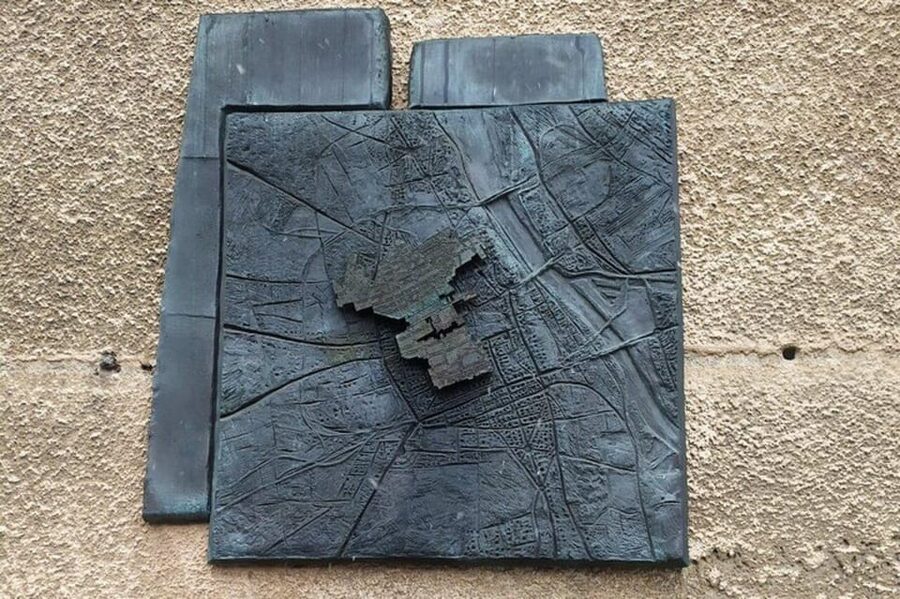
In Muranów, you will also encounter several monuments that remind you of the Jews’ heroic struggle in the ghetto. The tour’s tone stays respectful and grounded, so the monuments do what they are meant to do: they point you back toward resistance, courage, and the people behind the history.
A drawback to consider here: if you are very sensitive to WWII topics, this portion can feel heavy. For me, that heaviness is also the point. You are not rushing through the emotional core just to check boxes.
Ringelblum Archive memorial: testimony preserved under pressure
After Muranów, you visit the Upamiętnienie Archiwum Ringelbluma area for about 10 minutes. This stop is short, but it has a clear purpose: it connects you to the idea that people tried to document what was happening, even when the future looked impossible.
Ringelblum is not just a name in this context. The memorial ties into the larger theme of memory and proof, why later generations can know what happened instead of only guessing. Standing at the memorial, you’ll feel the tour moving beyond dates and locations, toward the human act of recording reality.
This is one of those stops where your guide’s voice matters. Oliwia’s style, with humor used carefully elsewhere, fits here too. You get clarity without disrespecting the gravity of the place.
POLIN Museum: how a 10-minute stop can still point you right
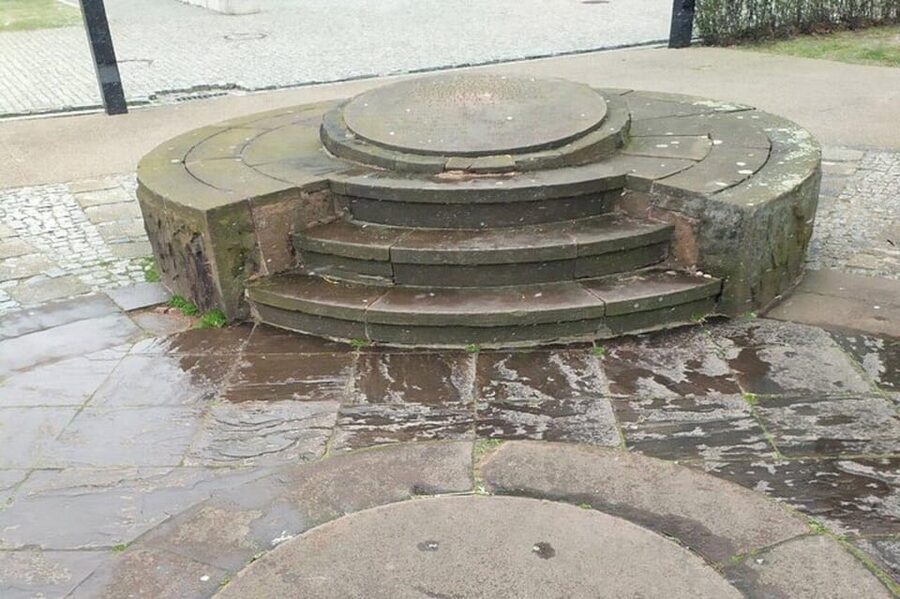
The walk includes a brief guided visit connected to the POLIN Museum of the History of Polish Jews for about 10 minutes. Entry is not included, so you are likely not going inside on this tour.
That said, this stop can still be valuable. You’ll learn how the museum fits into the broader story, so when you later decide whether to buy a ticket, you will know what you are looking for. For many travelers, a museum visit works best after you have walked the streets and understood the key landmarks first.
If you plan to visit POLIN on your own later, this tour sets you up to make better choices. You will know which themes the museum emphasizes and why.
Miła 18: where the ghetto story becomes personal
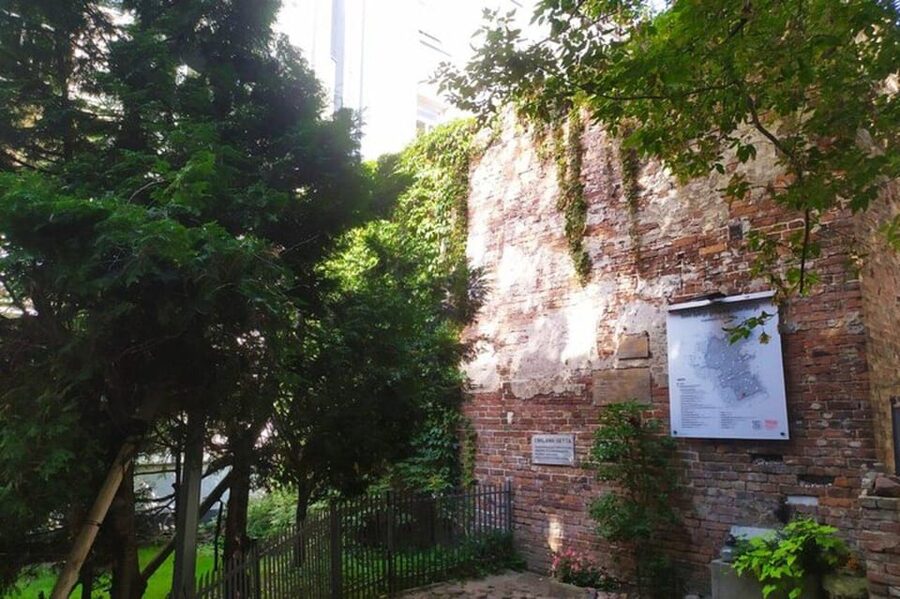
You then reach Miła 18 for about 10 minutes. This is another short stop, but it is placed for a reason. Addresses like this matter because they turn “the ghetto” from a broad concept into something tied to real households and real people.
Even when the walking time is limited, the guide should help you see what to notice: the shift in how life was structured, the pressure built into daily routines, and how the story of the ghetto is not only about the worst moments, but also about how people lived under impossible conditions.
If you are taking photos, keep in mind that some parts of this story deserve quiet attention. You might get more from the stop by listening first, then taking pictures if the guide suggests it.
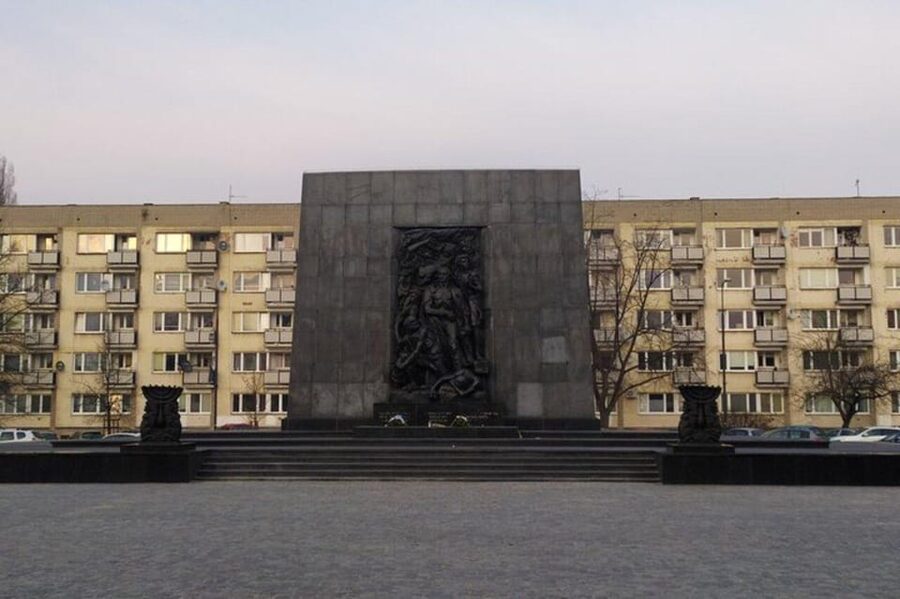
Pomnik Umschlagplatz: Treblinka begins here
The tour finishes at Pomnik Umschlagplatz. This is where the walk lands its hardest truth.
The highlights for this tour include learning about the place from where 300,000 Jews were transported to Treblinka. That number is staggering, and a good guide does not rush past it. You should come prepared to sit with the reality of what a “transportation point” meant in practice: separation from families, forced movement, and a plan of extermination carried out with bureaucratic coldness.
This ending is also one reason the tour feels complete. It begins with a surviving synagogue, moves through neighborhood life and the ghetto’s physical remains, and ends where the ghetto story connects to mass deportation.
When you leave, you’ll likely want a little time to decompress. That is normal. If your next plan is far away, build in a buffer.
The past and present thread: why today’s community matters
The tour does not treat Jewish Warsaw as a museum piece locked in the 1940s. You’ll hear about how the community reemerged after the war, in quieter forms, and what the current situation is.
This is a big deal for me as a traveler. It is easy to experience WWII history as a closed chapter. But Warsaw’s Jewish story did not stop. By the time you finish, you should understand why the guide’s approach includes the “then” and the “now,” not just the tragedy.
It also helps you read the city differently. You start noticing context, not just architecture. You realize that memorials, surviving buildings, and institutions like POLIN all work together to keep memory present without freezing it in place.
Who this tour suits best
This walk suits you if you want Jewish Warsaw history as a guided street-level story, not just a list of monuments. It also works well if you like a guide who can teach with clarity and keep things from becoming dry, Oliwia included.
It is a strong choice for first-time visitors who want the essentials without spending a whole day in museums. It is also a good pairing with your later museum time, because the walk helps you understand what to focus on when you go deeper.
I would think twice before booking if you have trouble walking long distances. Even though the tour notes wheelchair accessibility, the overall distance is still about 4.5-5 km, and the stops are spaced so you are on your feet for most of the experience.
Should you book this Jewish Warsaw walking tour?
If you want a focused 3-hour route that connects Nożyk Synagogue, the ghetto wall remains in Muranów, Ringelblum’s testimony memory, and the deportation site at Pomnik Umschlagplatz, book it. For the price, you are getting interpretation, pacing, and a small-group guide style that keeps the story clear instead of overwhelming.
Pass if you need a short, low-walking option or you prefer to spend all your time inside museums rather than on streets and monuments. But for most travelers who can handle steady walking, this tour is a smart way to see Jewish Warsaw with context, not just scenery.
FAQ
How long is the walking tour of Jewish Warsaw?
The tour duration is approximately 3 hours.
How much do we walk during the tour?
You will cover approximately 4.5-5 km on foot.
Where do we meet the guide?
You meet in front of the Baguette Mi restaurant at Sienna 53. Look for a guide with a white and green umbrella.
What is the price per person?
The price is $32 per person.
Is the tour in English and what is the group size?
The tour is in English, and it is a small group limited to 10 participants.
Is entry to Nożyk Synagogue included?
No. The entry fee to the Nożyk Synagogue is not included.
Is entry to the POLIN Museum included?
No. The entry fee to the POLIN Museum is not included.
Is the tour wheelchair accessible?
Yes, the tour is listed as wheelchair accessible.
What booking options are available if my plans change?
The tour offers free cancellation up to 24 hours in advance for a full refund, and you can reserve now and pay later.
Squares Crossed on Foot
- Old Town Warsaw Walking Tour
★ 4.5 · 333 reviews - World War 2 in Warsaw walking tour in English
★ 4.7 · 237 reviews - Warsaw: Jewish Heritage & Holocaust Walking Tour
★ 4.7 · 119 reviews - Warsaw: Old and New Town Private Walking Tour
★ 4.8 · 116 reviews
Freshly posted from Warsaw
- Krakow Small Group Tour from Warsaw with Lunch, Schindler’s Factory included★ 5.0 · 7 reviews
- Warsaw Private Transfer from Warsaw Chopin Airport (WAW) to City centre★ 4.0 · 7 reviews
- 3-hour tour at Warsaw Uprising 1944 Museum /inc. Pick-up/★ 4.9 · 7 reviews
- Wolfs Lair – Hitlers hideout★ 4.5 · 7 reviews
- Warsaw: Evening History and Pubs Tour by Retro Minibus★ 5.0 · 7 reviews
- Warsaw: Private Vodka Tasting Night with Snacks and Pickup★ 5.0 · 7 reviews
- Warsaw Old Town with Royal Castle + Royal Route: SMALL GROUP /inc. Pick-up/★ 5.0 · 7 reviews
Jewish History & Heritage Tours, compared.

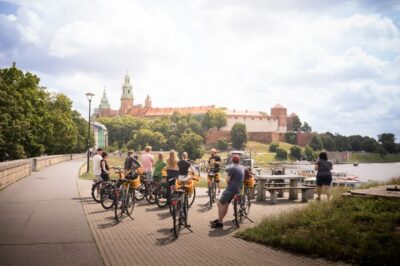
Bike Tour of Old Town, Jewish Quarter and the Ghetto
Read our review →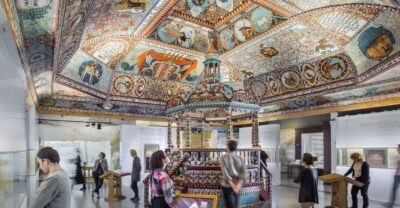
POLIN Museum of the History of Polish Jews Ticket
Read our review →
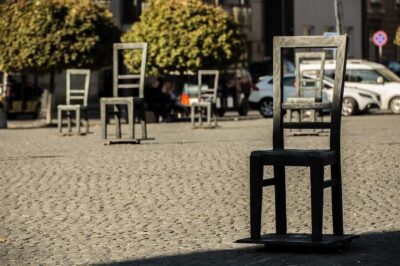
Kazimierz, Schindler’s Factory & Ghetto Guided Tour
Read our review →
Full Bike Tour – the Old Town, Jewish Qtr & the Ghetto NEW BIKES
Read our review →
Warsaw Ghetto Private Walking Tour with Hotel Pickup
Read our review →Browse the lists this tour appears in