
Reviewed · WROCLAW TOURS & ACTIVITIES
Wrocław Centennial Hall and Surroundings Private Tour UNESCO
A concrete dome and gardens in one walk. This private tour focuses on Wrocław’s UNESCO Centennial Hall area, pairing big architecture with calm paths and multimedia stops around the pergola and Japanese Garden. You also get time for the Four Domes Pavilion and key viewpoints nearby.
I like the way the tour keeps moving without feeling rushed, especially around the Centennial Hall interior and its multimedia option. And I especially appreciate the human factor: a professional licensed guide who can answer questions and guide you through what matters, not just what looks impressive.
The main drawback is timing. Centennial Hall interior access and garden hours can change because of concerts or events, and if that happens you may rely on what stays open, like the multimedia museum.
In This Review
- Key things to know before you go
- UNESCO Centennial Hall: the dome you can spot from far away
- Your 2-hour route: where the time actually goes
- Centennial Hall interior versus “just the dome”: how to handle closures
- Interactive museum option: what you get with the multimedia exhibition
- Pergola water features and Japanese Garden timing in summer
- Four Domes Pavilion and the WuWa 1929 exhibition
- Wrocław Fountain, concerts, and the quick stops that shape the vibe
- Pergola restaurant break: Polish food with a view
- Optional boat trip and nearby add-ons you can choose
- Private guide value: $40 per person, plus entrances you should budget
- Who this tour suits best, and who should adjust expectations
- Should you book this UNESCO Centennial Hall private tour?
- FAQ
- Where is the meeting point?
- How long is the private tour?
- What language is the guide?
- Is the Centennial Hall multimedia museum included in the price?
- Is the Japanese Garden entrance included?
- What if the Centennial Hall is closed inside on the day?
- Can I cancel?
Key things to know before you go

- UNESCO focus, but not just one building: You see the Centennial Hall area plus surrounding highlights.
- Interactive option inside the museum: You can add the multimedia exhibition Centrum Poznawcze Hali Stulecia if it is open.
- Pergola water features and the Japanese Garden: Summer is the best bet for the full water effect.
- Four Domes Pavilion stop: Includes time at the exhibition WuWa 1929.
- Optional boat idea on request: You can ask about a short trip toward the center.
- Plan for possible closures: Events can limit what you can enter on the day.
UNESCO Centennial Hall: the dome you can spot from far away
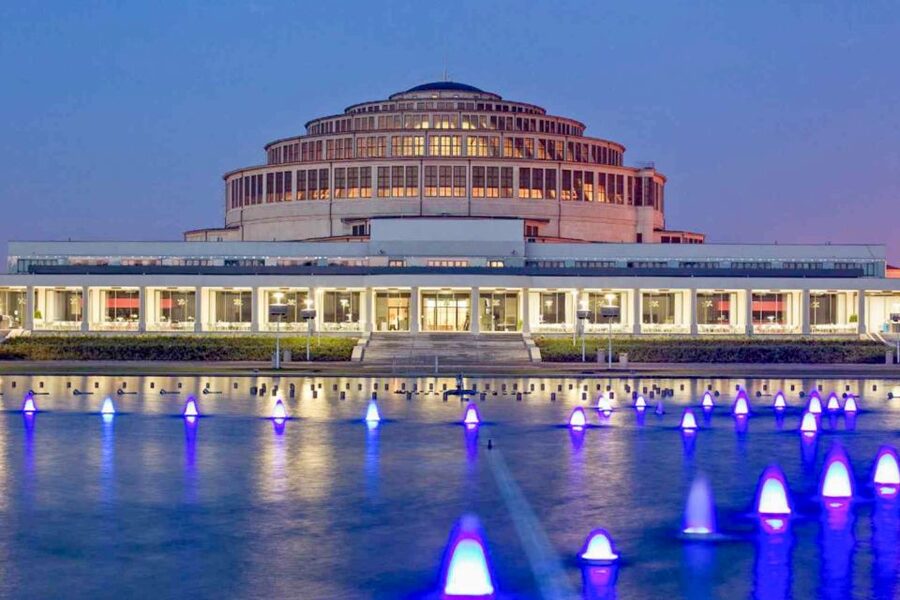
Wrocław’s Centennial Hall, also known historically as Hala Ludowa and Jahrhunderthalle, is the kind of landmark you recognize fast. It’s a UNESCO World Heritage Site since 2006, and it’s built around one unforgettable shape: a huge concrete dome.
What I like about touring this site with a licensed guide is that you don’t just stand and stare. You get a clear sense of what to look at first, what the spaces are doing, and where to stand for the best views of the hall and the surrounding gardens. That matters here because the Centennial Hall sits in a larger landscape of paths, water features, and structures that help explain the whole idea.
Still tacked up around Wroclaw
- Wroclaw: E-Car Tour and Audio Guide
★ 4.6 · 1,738 reviews - Wroclaw: 2-Hour Private Guided Tour by Electric Car
★ 4.8 · 805 reviews - Wroclaw: Ticket for Old Town Boat Cruise
★ 3.9 · 361 reviews
Your 2-hour route: where the time actually goes
This is a tight, efficient loop. You meet at the main entrance to the Centennial Hall, then you work your way through the area in a logical order that keeps you from doubling back.
You might start with a quick pass by Iglica, the Wrocław Needle. That section is short, around 10 minutes, but it helps you orient quickly before you get into the pavilion and garden world. After that, you move to the Four Domes Pavilion area, then the pergola zone for water features and a quick food or drink break.
From there, you hit the Wrocław Fountain area (this is also where a concert can be part of the moment), then you spend time at the Japanese Garden. The Japanese Garden stop is longer than the other points, around 30 minutes, so you’re not just snapping photos, you’re walking at a calmer pace. Finally, you return to the Centennial Hall for your main guided look, with around 45 minutes set aside for the building experience.
Centennial Hall interior versus “just the dome”: how to handle closures

Here’s the practical part: the Centennial Hall may be closed inside due to an entertainment event or concert. The good news is that the multimedia museum option is expected to be open even when the hall interior is affected.
So you’ll want to think of the tour as two layers:
- The outside and surroundings layer, where you can still admire the hall and its setting.
- The inside and multimedia layer, where you can access the exhibition Centrum Poznawcze Hali Stulecia if the museum is open.
Also, there’s helpful context for recent visitors. Renovation work that made visits harder in 2019 to 2022 has been completed (in 2023). That likely means it’s much more straightforward now than during the tricky earlier period.
If you plan to pay for the multimedia exhibition, treat it like your “Plan A,” but keep a calm Plan B in mind. This tour’s value is strong even if you end up focusing more on exterior viewpoints and the surrounding grounds.
Interactive museum option: what you get with the multimedia exhibition
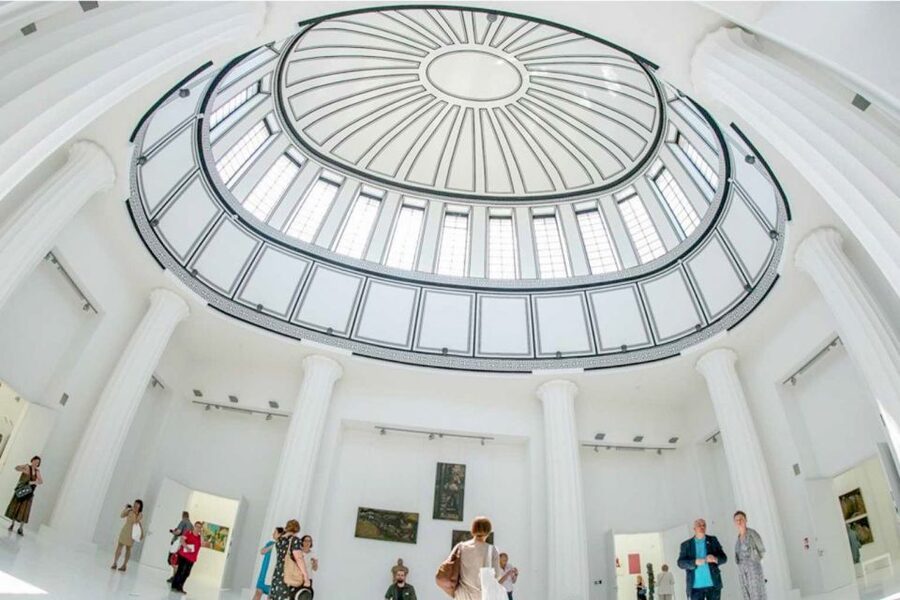
The Centennial Hall area has an interactive museum called Centrum Poznawcze Hali Stulecia. The entrance fee to the museum is not included in the tour price, so you should budget an extra 8 EUR per person if you want the multimedia exhibition.
Why this is worth considering: the museum turns the hall into more than a photo stop. It’s the difference between seeing a dome and understanding how the space works. If your schedule is short, this is the best way to add depth without spending half a day on a separate museum trip.
One more detail that helps: because this is a private group tour, your licensed guide can steer the timing so you don’t lose your spot if you arrive during busier periods. That becomes especially important when gardens or entrances have restricted hours.
Beneath the newer pins on the Wroclaw board:



Pergola water features and Japanese Garden timing in summer

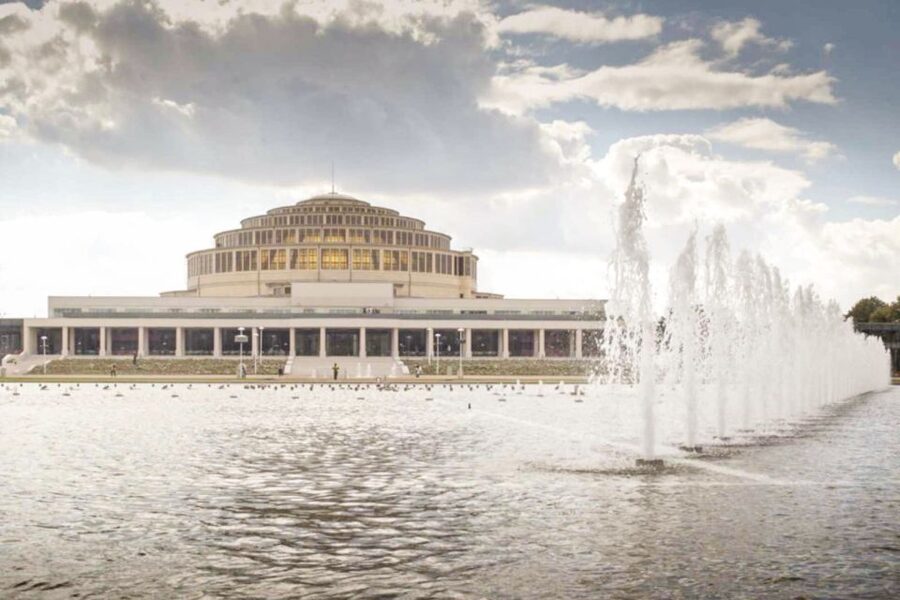
The pergola is a highlight for anyone who likes atmosphere. In the Centennial Hall complex you can still see the pergola with multimedia water features. During warmer months, the water features and garden setting can feel like the whole area comes to life in a way that’s harder to replicate when it’s cold.
That’s why I think summer is the best season for this stop. You’re not just looking at landscaping, you’re experiencing a themed environment where sound and motion can be part of the background.
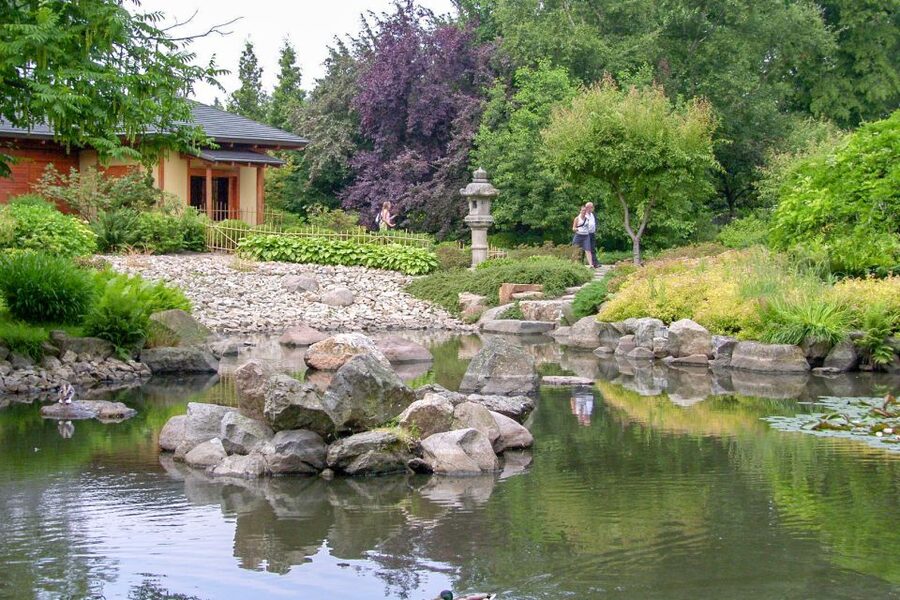
Then you get the Japanese Garden, with about 30 minutes set aside. The entrance fee is not included, and it’s listed at 8 EUR per person. In practice, that time window is enough to do two things: enjoy a slow walk through the garden mood and still have energy left for the remaining pavilion and Centennial Hall time.
Important reality check: the Japanese Garden can close on certain days. The tour information you’re given before you go should help you plan, but I’d also recommend you treat opening hours as changeable when concerts or events are scheduled nearby.
Four Domes Pavilion and the WuWa 1929 exhibition
The Four Domes Pavilion is another architectural “signature,” and it comes with an exhibition called WuWa 1929. You’ll get guided time here with a sightseeing approach, plus a short pass time around 10 minutes in the flow of the day.
What makes this stop meaningful is that it adds texture beyond the main hall dome. The exhibition name is specific, so it’s not a vague museum stop. You’re moving through a district that feels designed, not random.
If you’re the kind of person who enjoys learning what you’re looking at, this is one of those moments where a guide helps. Even with only a short block of time, you’ll get enough direction to make the exhibition feel connected to the rest of the UNESCO complex.
Wrocław Fountain, concerts, and the quick stops that shape the vibe
Not every UNESCO tour gives you “in-between” experiences, but this one does. The Wrocław Fountain area is listed as a guided sightseeing stop with a concert possibility. That means the soundtrack may be real, not hypothetical, if your timing aligns.
There’s also a small value in the shorter stops, like the pass by Iglica. It’s only around 10 minutes, but it helps you connect landmarks as you go. When you can link points in your head, the whole walk feels more coherent.
And if you want a practical photo tip: keep your phone camera ready for these transitions. The best photos often come as you’re turning corners between major sites, not only when you reach the main point.
Pergola restaurant break: Polish food with a view
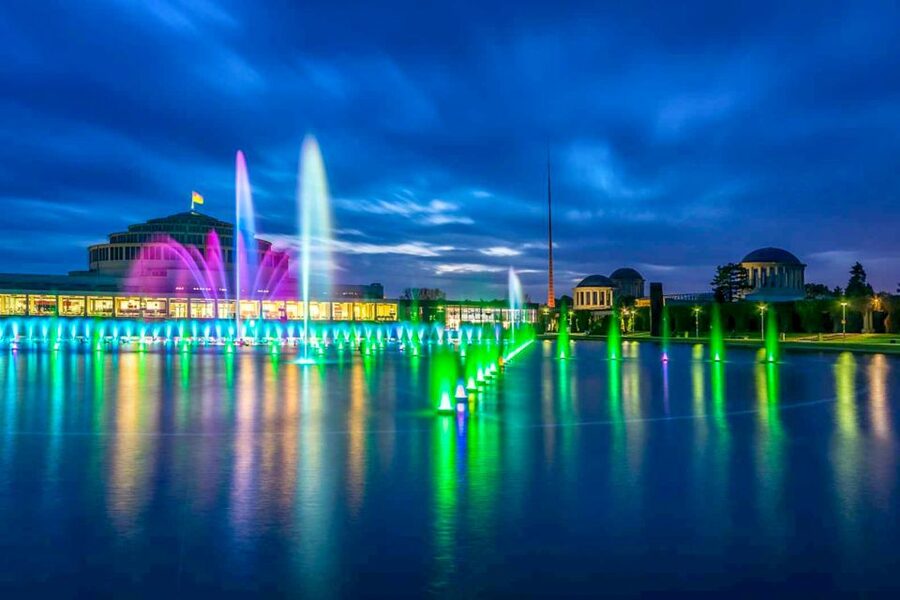
The pergola zone is also where you can pause. There’s time for coffee, street food, or a sit-down break at the Restauracja Pergola.
This stop is listed as a break time with beer, coffee, and dessert, around 15 minutes. The tour also mentions regional Polish cuisine at a regional restaurant with views of the water features. So yes, you get a chance to recharge while staying in the setting, instead of escaping to someplace generic.
I like the way this makes the tour feel local. You’re not treating the food as a separate chore. You’re eating where the atmosphere you came to see is still in view.
Optional boat trip and nearby add-ons you can choose
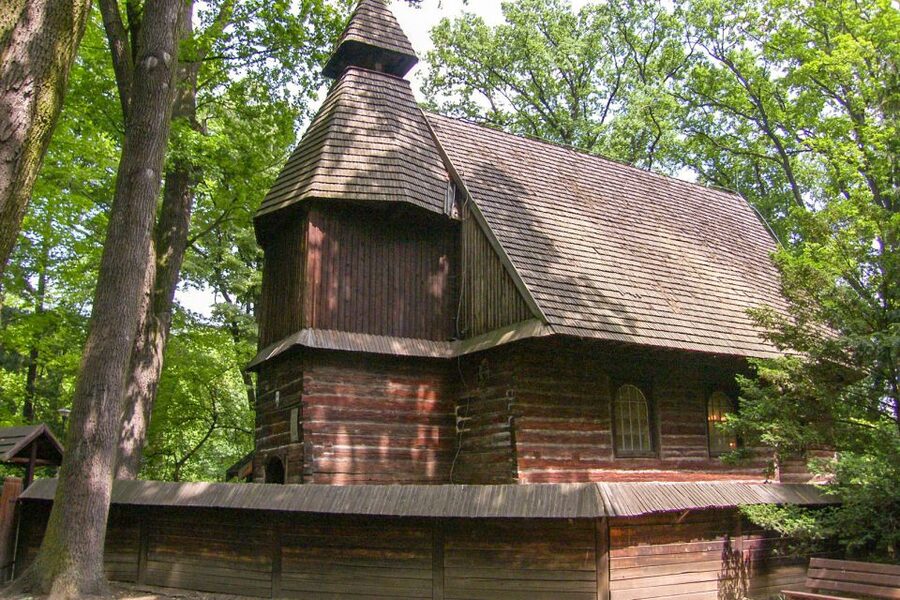
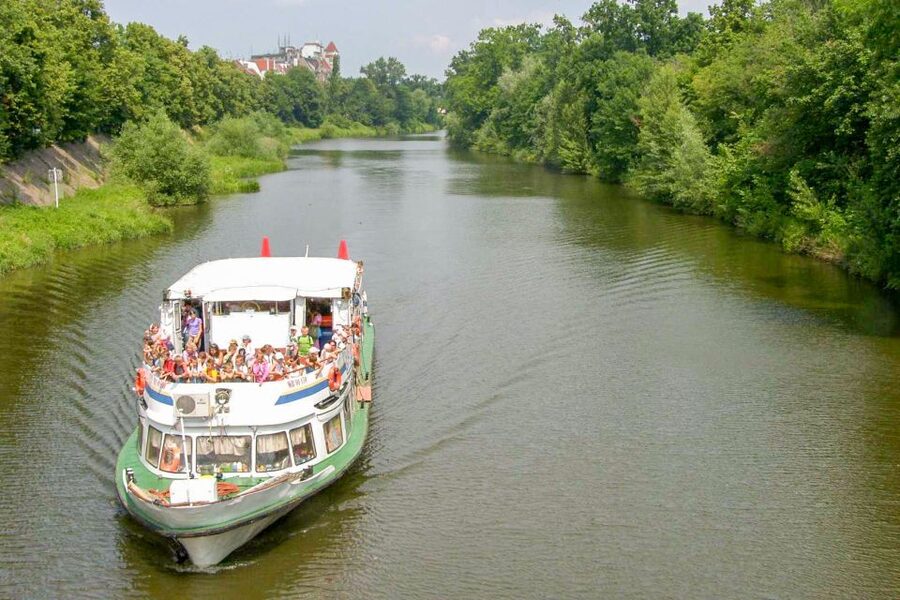
The experience also gives you flexibility. You can walk on from the group after the tour elements toward the pier and return by ship to the old town, or you can choose to go toward the zoo with Afrikanarium.
The boat trip to the center is noted as on request. That means it’s not guaranteed in every situation, but it’s a realistic option if your timing and the provider’s plans line up.
If you like mixing “guided interpretation” with “your own pace,” this structure is a good match. You finish with enough context to enjoy the next stop on your own terms.
Private guide value: $40 per person, plus entrances you should budget
At $40 per person for a 2-hour private tour, the headline cost is reasonable, especially because it includes a professional licensed guide for your group.
But the key value equation isn’t just the $40. Two entrances are explicitly not included:
- The Centennial Hall multimedia museum Centrum Poznawcze Hali Stulecia: 8 EUR per person
- The Japanese Garden: 8 EUR per person
So your all-in “culture add-ons” cost may be higher if you choose both paid entrances. Still, I think the money can be well spent because you’re getting multiple high-quality stops packed into a short time.
Where the private format really pays off is in pacing and attention. You can ask questions as you go, and your guide can adjust the flow if you’re slower, faster, or stuck waiting around due to changing entry conditions.
Who this tour suits best, and who should adjust expectations
This tour suits you best if you want:
- A focused UNESCO visit without a half-day of independent map work
- A guide-led route through the hall area, pergola, garden, and pavilion
- A realistic way to see more than one highlight in two hours
It may not be the best fit if you need guaranteed interior access to every site every day. The tour information clearly warns that the hall can be closed inside for events, and the Japanese Garden can also close.
If you’re traveling in a season where events are more frequent, I’d plan your expectations around what is always possible: outdoor viewing and the surrounding complex. Then treat the paid museum and garden access as bonuses when they’re open.
Should you book this UNESCO Centennial Hall private tour?
Yes, if you want a guided, high-value snapshot of the Centennial Hall complex and you like the idea of pairing architecture with garden calm. The strongest part is the guide-led experience, with confidence and solid question-answering reported by visitors, plus the chance to add a little extra orientation when conditions call for it.
Book it with a small reality check: closures happen, especially around events. Make sure you confirm on the day whether the Centennial Hall interior and the Japanese Garden are open, and bring patience if conditions change.
If you want to turn your time into smart sightseeing instead of wandering, this is a good way to do it.
FAQ
Where is the meeting point?
Meet at the big main entrance to the Centennial Hall.
How long is the private tour?
The tour lasts 2 hours.
What language is the guide?
The live tour guide speaks Polish and German.
Is the Centennial Hall multimedia museum included in the price?
No. The entrance fee to the multimedia exhibition Centrum Poznawcze Hali Stulecia is 8 EUR per person.
Is the Japanese Garden entrance included?
No. The Japanese Garden entrance fee is 8 EUR per person.
What if the Centennial Hall is closed inside on the day?
The Centennial Hall may be closed inside due to an entertainment event or concert, but the multimedia museum of the Centennial Hall will be open.
Can I cancel?
Yes, you can cancel up to 24 hours in advance for a full refund.
Freshly posted from Wroclaw
- Electric Scooter Tour: Old Town Tour – 1,5-Hour of Magic!★ 5.0 · 1 review
- Poznan: Heart of Greater Poland full Day Trip from Wroclaw★ 5.0 · 1 review
- Wroclaw Scavenger Hunt and Highlights Self-Guided Tour★ 5.0 · 1 review
- Wroclaw – Gross Rosen Round Trip including tickets★ 5.0 · 1 review
- University of Wrocław – discover this place with a guide!★ 5.0 · 1 review
- Wrocław: Solar gondola cruise on the Oder with a guide★ 5.0 · 1 review
- Wroclaw Grand City Private Tour with Japanise Garden and Panorama Painting★ 5.0 · 1 review
Wroclaw Tours & Activities, compared.


Old Town and Ostrów Tumski Walking Tour in English
Read our review →
Private Old Town Guided Walking Tour (2 hours)
Read our review →
Wrocław Dwarfs & Sightseeing Tour by Electric Mini Bus
Read our review →
Group city tour (walking tour) through Wroclaw in German
Read our review →Browse the lists this tour appears in