
Reviewed · WALKING TOURS
Old Town Wrocław Walking Tour
Wrocław tells stories on every corner, and this Old Town walk is built to help you understand them fast. I especially like how the Wrocław Town Hall turns into a launch pad for the city’s layered past, from medieval trade to later shifts in power.
I also love the “see it, then get it” pacing. You cover the Rynek Market Square sights, then move to the church tower views, the university, and finally Ostrów Tumski, so the city’s timeline clicks together instead of feeling like random photo stops.
One thing to consider: you are walking for about 2.5 hours and the route ends on Cathedral Island. Plan for roughly a 15-minute walk back on your own afterward, and if your group fills up, you may need to stand closer to the guide to hear clearly.
In This Review
- Key things I’d mark on your map
- Start Smart: Meeting at Alexander Fredro in Rynek
- Town Hall First: Gothic power, beer-cellar legend, and five eras
- Rynek Market Square: Cloth Hall passages and architecture with attitude
- St. Elizabeth of Hungary: The 91-meter tower, modern art, and dwarfs
- Wrocław University: Baroque elegance and up to 10 Nobel winners
- Ostrów Tumski: Cathedral Island and the long view over the Oder
- What the walk feels like: timing, weather, and how to dress
- Price and value: $26.60 for a smart history shortcut
- Who this tour suits best, and who might want a different option
- My booking verdict: should you do this Old Town Wrocław walking tour?
- FAQ
- How long is the Old Town Wrocław walking tour?
- What is the price of the tour?
- What language is the tour offered in?
- Where does the tour start and end?
- Do I need to pay for admission at the stops?
- Can I cancel if my plans change?
Key things I’d mark on your map
- Town Hall stories beyond the usual, including the oldest beer-cellar legend in Europe
- Rynek architecture walk, with baroque and modernist houses, plus the Cloth Hall area and passages
- St. Elizabeth of Hungary at 91 meters, with modern art context and the famous Wrocław dwarfs nearby
- Wrocław University Nobel thread, tied to the baroque campus and big-name scientific legacy
- Ostrów Tumski bridge crossing, stepping into the city’s oldest core from the 10th century
- End on Cathedral Island, so you can keep exploring right there instead of racing back
Start Smart: Meeting at Alexander Fredro in Rynek
This tour begins right where Wrocław’s Old Town energy starts to make sense, at the Monument of Alexander Fredro on Rynek. From here, it is an easy mental jump to the Market Square area, because you are already in the right neighborhood. If you like arriving early and doing a quick look around before the group forms, this is a good spot for that.
The tour is designed for first-time visitors, but it does not feel like a dumbed-down “greatest hits” stroll. The guide’s narrative is the point. Instead of only pointing at facades, you get the why behind what you are seeing, and that is what helps you move through Wrocław with confidence.
One practical note: the group is capped at 15 people for a small-group feel, but there can be up to 35 travelers maximum. That means the tour can feel intimate on some days and busier on others. Either way, wearing comfortable shoes matters because this is real walking, not a park-and-posing tour.
More Walking Tours in Wroclaw
- Wrocław: Old Town and Ostrów Tumski Walking Tour in English
★ 4.8 · 311 reviews - Wroclaw: Private Old Town Guided Walking Tour (2 hours)
★ 4.8 · 275 reviews - Group city tour (walking tour) through Wroclaw in German
★ 4.9 · 203 reviews
Town Hall First: Gothic power, beer-cellar legend, and five eras
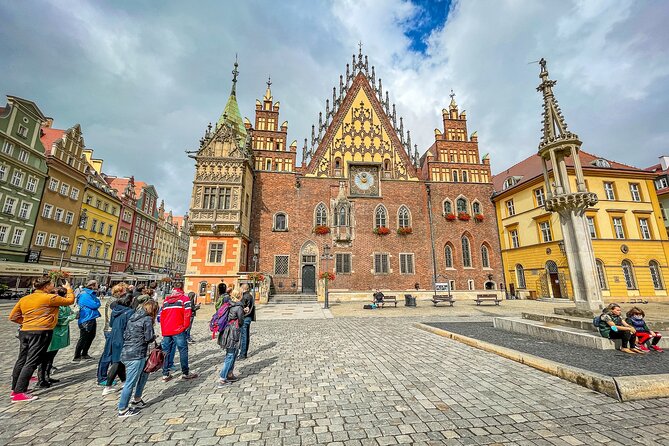
Your first stop is Wrocław Town Hall, the Gothic masterpiece that anchors the Old Town. This is where the guide sets the tone: Wrocław’s story is not one straight line. It is a stack of eras, overlapping cultures, and changing borders.
The standout thread here is the talk about the oldest beer cellar in Europe. Even if you do not care about beer history, it is a clever way to explain how cities like Wrocław worked. Beer mattered because it was local, practical, and tied to how towns funded themselves and hosted visitors.
You also get city history told through the Town Hall’s role during periods when the city was taken over by five different countries over time. That kind of big-picture timeline can sound heavy, but the guide keeps it tied to the building you are standing in, so the facts feel more “real” and less like memorization.
Practical heads-up: the Town Hall stop is short, about 20 minutes. So if you want to ask questions, save the best ones for after your first answers land. You will be glad you did, because later stops move quickly too.
Rynek Market Square: Cloth Hall passages and architecture with attitude
Next you circle Rynek, Wrocław’s Market Square, and the walk gives you a fast visual map of what makes the area special. The guide highlights key structures around the square, pulling out contrasts that you might otherwise miss on your own.
You get a guided look at baroque and modernist houses, plus details like a pillory. You also spend time on the cloth hall area with the numerous passages. Those passages matter, because they hint at how commerce flowed through the town center. When you see them with context, the square stops being just a pretty backdrop and starts looking like a working city.
This is also one of the best moments for your camera, but not the usual “stand still and shoot” moment. Because the guide is pointing at different facades and explaining what they represent, you will get a better set of photos by walking a little and changing your angle as you go.
Stop length is about 20 minutes here, so you are not stuck. If you like to linger near views, plan to come back after the tour. The tour gives you the map and the meaning, but you will likely want to spend extra time where something surprises you.
St. Elizabeth of Hungary: The 91-meter tower, modern art, and dwarfs
Then comes Church of St. Elizabeth of Hungary, one of the Old Town’s big visual anchors. The tower rises to 91 meters, which means you are not just looking at a church, you are seeing a landmark that shaped how people navigated the city.
What I like about this stop is that it connects the historic monument to the more playful modern side of Wrocław. The guide talks about modern art around the church and the famous Wrocław dwarfs, which are a signature part of the city’s character today.
Even if you have heard of the dwarfs before, this is the better way to “get” them. Instead of treating them like random street decoration, you understand how Wrocław blends old and new. That mix is a big part of why the city feels different from places with only one dominant architectural era.
This stop is about 15 minutes. Use it to look up first, then look around. The tower is the obvious draw, but the area details are what make it memorable.
More Polish squares crossed on foot:

Wrocław University: Baroque elegance and up to 10 Nobel winners
From the church area, the tour moves to the University of Wrocław, a baroque campus that gives you another layer of what the city has valued over time. This stop is shorter, about 10 minutes, but it is packed with meaning.
The key idea is the claim that the university is home to as many as 10 Nobel Prize winners. Whether you remember Nobel facts or not, the point is larger: Wrocław has been a place where learning and research mattered, not just trade and politics.
This is a good stop for you if you like a city where education is visible. You can often spot older universities by their style and their place in the city core. Here, the baroque setting helps you see how education gained status, and how a city builds pride around institutions.
One drawback to note: because the stop is only around 10 minutes, you might not have time for a deep question about the Nobel thread or academic history. If that is your thing, ask during the moments when the guide is done pointing and begins explaining.
Ostrów Tumski: Cathedral Island and the long view over the Oder
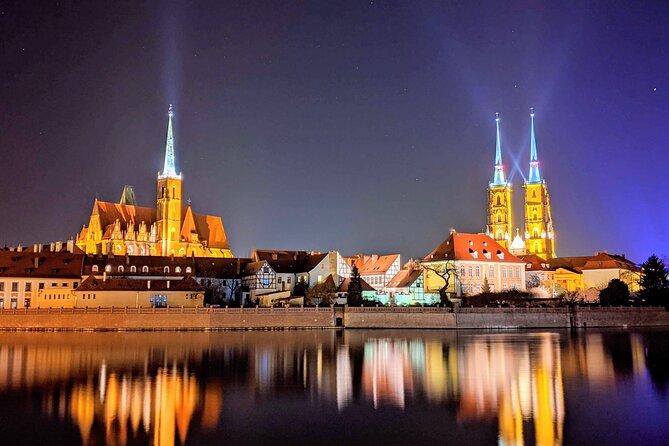
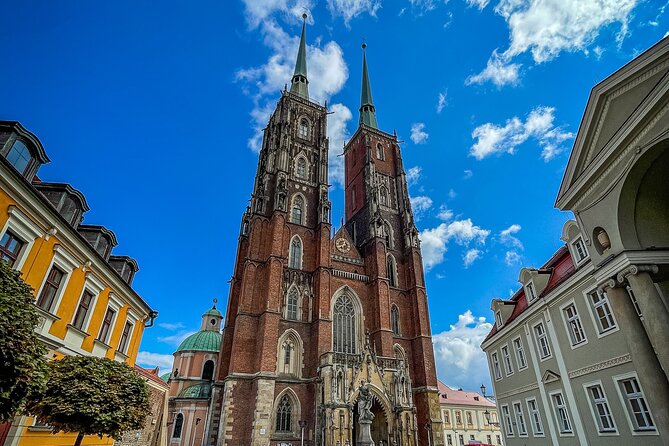
The final leg takes you over bridges into Ostrów Tumski, also called Cathedral Island. This is the oldest part of the city, dating to the 10th century, and the vibe shifts as soon as you cross over. The history feels heavier here, because the area is tied to the city’s early spiritual and civic roots.
You get time, about 30 minutes, to walk among gothic churches and palaces, then to take in the views of the Oder River. This is the stop that makes the tour feel complete. Up to this point, you have been learning Wrocław as a town that grew and changed. Here, you see Wrocław as a place with deep roots.
The guide also returns to the city’s complex history, especially Polish-German relations. That topic can feel abstract until you realize you are standing in spaces shaped by centuries of shifting control. Ostrów Tumski is one of the most direct ways to feel that history in your feet and eyes, not just in your head.
You should plan for this as your “slow down” zone. Even if the tour pace stays steady, you will want a moment to look out toward the river and let the setting sink in.
What the walk feels like: timing, weather, and how to dress
The total time is about 2 hours 30 minutes. That puts it in the sweet spot for a first day, or a morning that turns into an afternoon of independent exploring.
The tour operates in all weather, so dress like the weather actually matters. Wrocław weather can change quickly, and if rain rolls in, you will still be outside. Bring a light layer, and if you hate wet shoes, wear shoes you can handle.
You are also not dealing with a museum-style endurance test. This is mostly outdoor walking, with short, focused stops. The tradeoff is that you need decent shoes and you need to keep moving. If you love slow tourism, you might want to spend extra time on Cathedral Island after the tour ends.
Price and value: $26.60 for a smart history shortcut
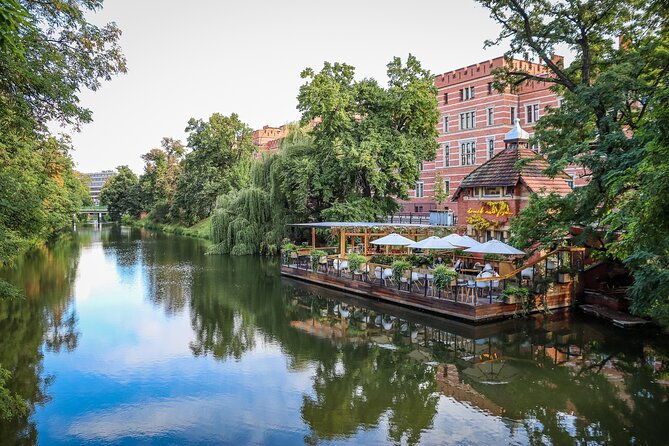
At about $26.60 per person, this is priced like a solid walking tour deal, not a luxury add-on. What makes the value work is the structure: you get an expert guide plus a narrative that connects multiple nations and eras to the actual buildings in front of you.
Also, the stops are set up to keep you from paying surprise site fees. The tour notes free admission for each of the main stops, including the Town Hall and the Market Square highlights, plus the church, university, and Cathedral Island areas.
The biggest “value” win is time. You can spend days wandering Wrocław and still miss the meaning of why these buildings look the way they do. This tour gives you a framework in one sitting. Then you can revisit the places that hit you the most with better questions.
One more small value add: many people come away with practical recommendations. Some guides share a QR code with a map of food or hangout ideas after the walk. Even if you do not follow every suggestion, it helps you spend your remaining time with less guesswork.
Who this tour suits best, and who might want a different option
This is a strong match if you are:
- visiting Wrocław for the first time and want a clean orientation
- the type who likes history tied to visible landmarks
- curious about how the city’s past links to architecture, not just dates
It is also a good fit if you like small-group energy. The cap is 15, which usually keeps questions flowing. When the day runs larger and approaches the maximum of 35, audio can become harder for some people. If that is your concern, choose a spot near the front at the start and keep yourself there when the guide stops to talk.
It may feel less ideal if you want a very short, mostly silent tour. This one is narrative-forward, with the guide doing most of the explaining. If you like wandering with minimal talking, you might prefer a self-guided route or a shorter “photo walk.”
My booking verdict: should you do this Old Town Wrocław walking tour?
I think you should book it if you want to leave Wrocław understanding what you saw, not just seeing what you saw. The route hits the Town Hall, the Market Square core, a standout church with dwarfs and modern art context, the baroque university, and then ends where Wrocław feels oldest on Ostrów Tumski. That arc is exactly what makes a first visit click.
Book it especially if you enjoy guides who make the story feel human. Names like Łukasz, Susanna, Simon, Michael, Matt, and Peter show up in people’s experiences, and the consistent theme is clear English and explanations that stay connected to the streets and buildings.
Only skip it if you are short on time, you hate walking, or you already know Wrocław’s timeline and prefer to explore without a guided thread. For most visitors, this is the kind of tour that pays off the rest of your trip, because you will recognize places instantly when you return.
FAQ
How long is the Old Town Wrocław walking tour?
It runs about 2 hours 30 minutes.
What is the price of the tour?
The price is $26.60 per person.
What language is the tour offered in?
The tour is offered in English.
Where does the tour start and end?
It starts at the Monument of Alexander Fredro on Rynek, and it ends on Ostrów Tumski, Cathedral Island. The end point is about a 15-minute walk back to the starting area.
Do I need to pay for admission at the stops?
The tour information lists admission as free at the main stops.
Can I cancel if my plans change?
Yes. You can cancel for a full refund up to 24 hours in advance. If you cancel less than 24 hours before the start time, the amount paid is not refunded.
Freshly posted from Wroclaw
- Segway Tour Wroclaw: Old Town Tour – 1,5-Hour of Magic!★ 4.8 · 7 reviews
- The Roots of Poznań (small group)★ 5.0 · 8 reviews
- Wroclaw to Rock City Adrspach in Czech Republic Private Tour including tickets★ 4.5 · 8 reviews
- Wroclaw Private Old Town Guided Walking Tour★ 5.0 · 8 reviews
- Wroclaw: Multimedia Fountain Evening Show★ 4.0 · 9 reviews
- Wroclaw: Solar Catamaran Cruise on the Odra River★ 4.8 · 9 reviews
- Segway Tour Wroclaw: Old Town & Ostrów Tumski – Full Tour★ 5.0 · 9 reviews
Walking Tours, compared.
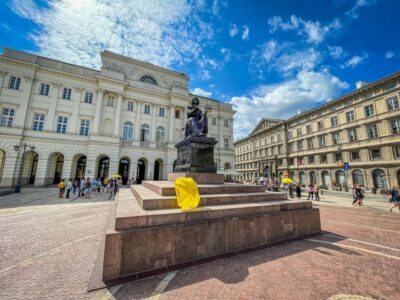
Old Town Krakow & Wawel Castle Walking Tour
Read our review →
Gdańsk City Sights & History Guided Walking Tour in English
Read our review →
Browse the lists this tour appears in