
Reviewed · JEWISH HISTORY & HERITAGE TOURS
Warsaw Daily Jewish Ghetto Guided Tour with Jewish Cemetery
A walk that never lets you forget. This 3-hour Warsaw Jewish Ghetto guided tour takes you through the Moranow district, where you’ll see the remains of ghetto walls and learn how everyday life was crushed under Nazi occupation. I especially like how the guide connects big events, like the Warsaw Ghetto Uprising of 1943, to real streets and real buildings. The Nozyk Synagogue stop also adds a haunting sense of continuity, even after the war. One consideration, though, is that the Jewish Cemetery is closed on Saturdays, so the tour route swaps the cemetery for All Saints Church instead.
What makes it feel worth the price is the format. You travel with a licensed, English-speaking guide in a small group of up to 15, which keeps the pace human and gives you room for questions. Reviews also highlight that guides like Anna and Ewa can be both personable and seriously on-the-ball, turning facts into stories you can actually follow. And because the tour skips the ticket line, you spend more time learning and less time waiting around.
You’ll meet your guide outside the InterContinental Hotel on Emilii Plater 49, in the 00-125 area of Warsaw. Check your email the day before for important notes, arrive on time, and wear comfortable shoes, because this is a walking tour through places tied to trauma and loss.
In This Review
- Key highlights worth planning around
- Moranow Ghetto streets: where the math of tragedy becomes real
- From InterContinental meeting point to the ghetto walls
- Nozyk Synagogue: the one surviving prewar landmark in Warsaw
- WWII context: Nazi persecution and the Warsaw Ghetto Uprising heroes
- Jewish Cemetery: Polish-Jewish memory you can actually stand beside
- Saturday reality check: All Saints Church instead of the cemetery
- Price and value: is $131 for 3 hours fair?
- Who should book this Warsaw Jewish Ghetto and cemetery tour
- Should you book it?
- FAQ
- How long is the Warsaw Jewish Ghetto guided tour with the Jewish Cemetery?
- Where is the meeting point for the tour?
- What is the group size?
- What language is the tour guide?
- Is the Jewish Cemetery included?
- Does the tour include skipping the ticket line?
- Is the tour wheelchair accessible?
- When can I cancel for a full refund?
Key highlights worth planning around
- Moranow district focus: See the area where Warsaw’s largest Jewish ghetto operated, within a closed zone of about four square kilometers.
- Ghetto walls and old houses: You’re not just reading history, you’re walking where it happened.
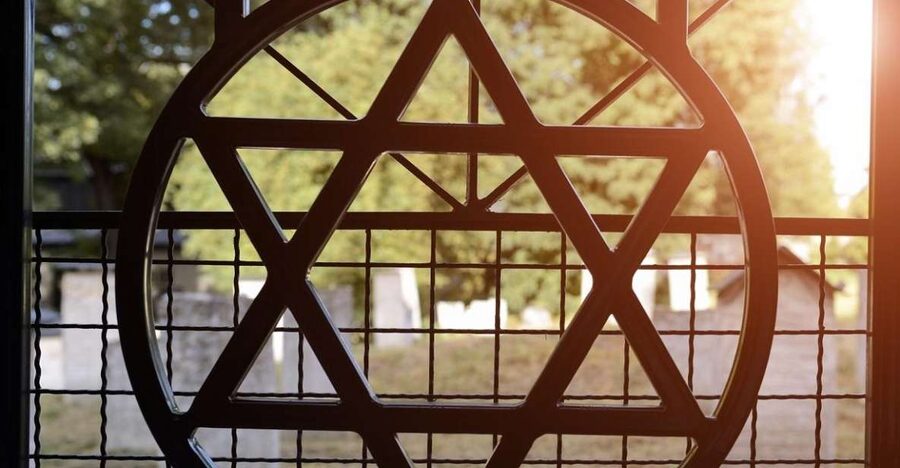
- Nozyk Synagogue stop: The tour includes the Nozyk Synagogue, noted as the only surviving prewar synagogue in Warsaw.
- Warsaw Ghetto Uprising context: The guide explains Nazi persecution and the uprising’s heroes in a clear, chronological way.
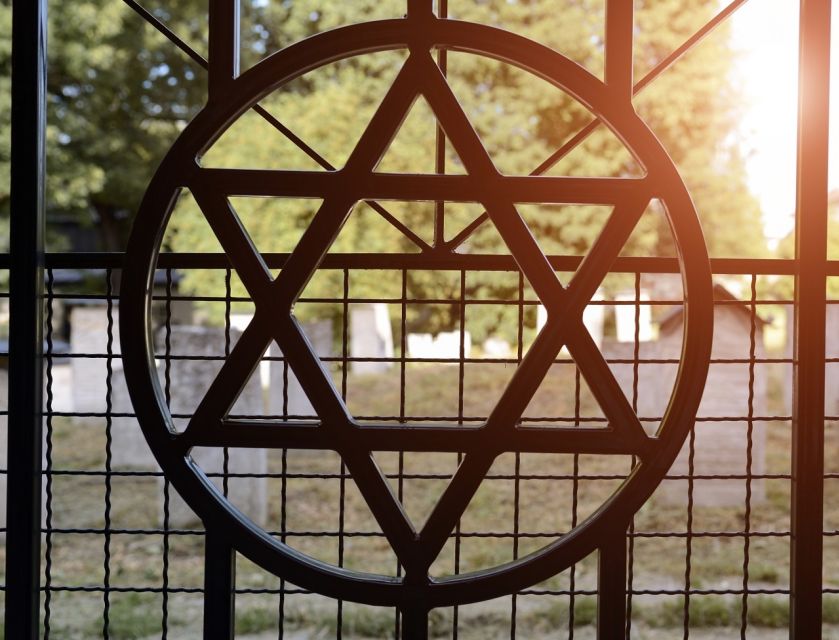
- Jewish Cemetery as the final stop: You’ll hear stories tied to Polish-Jewish spiritual leaders, political activists, cultural creators, and nameless victims.
- Saturday swap plan: If the cemetery is closed, you’ll visit All Saints Church instead, with explanations of the connection to Jewish history.
Moranow Ghetto streets: where the math of tragedy becomes real
The Moranow district is the core of this tour, and it matters because it was the largest Jewish ghetto in Europe during World War II. On the map, it sounds like a fact. On your feet, it becomes a feeling.
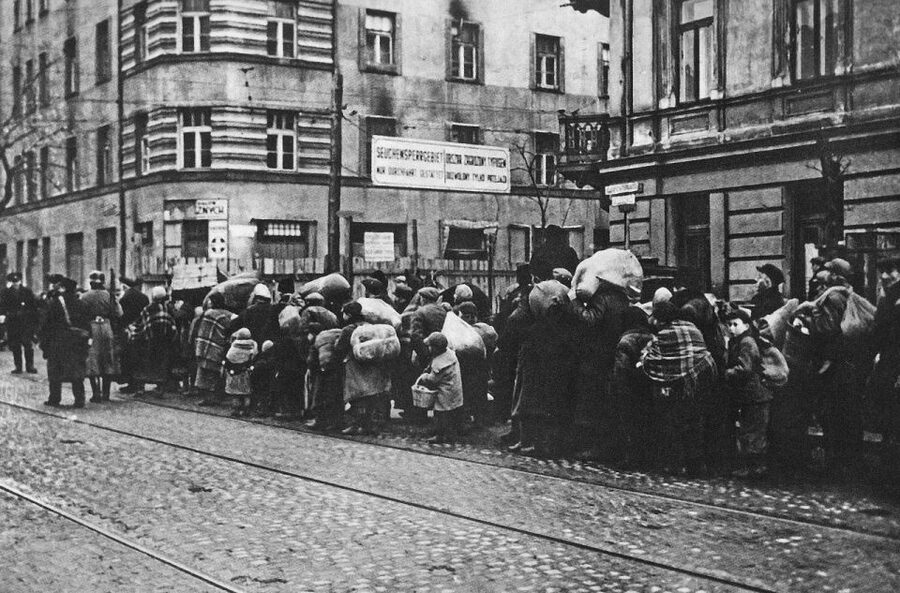
Your guide frames the story with the basic numbers: more than 400,000 Jews from Warsaw were forced into a sealed area of roughly four square kilometers. That concentration is hard to imagine until you’re standing near the surviving built fabric of the district. The tour also covers what happened inside that space, including that 100,000 people died in the ghetto from exhaustion, hunger, disease, and other conditions of extreme deprivation. You also learn about the nearby Treblinka extermination camp, where more than 300,000 were killed.
I like that the guide does not treat those figures like trivia. Instead, the tour uses them as an anchor to explain how the Nazi plan unfolded. You’ll hear about how the ghetto was created under German-occupied Poland and how the broader Final Solution was carried out. That context helps you make sense of why so many events that seem separate, like street-level restrictions and organized mass murder, were actually part of one system.
You should also expect a tour that is honest about the subject. This is not a sightseeing loop with fun detours. It’s a historical walk with a memorial mood, so if you prefer light banter over heavy topics, this may not be your style.
Further Jewish history and heritage itineraries:
- Warsaw: POLIN Museum of the History of Polish Jews Ticket
★ 4.7 · 1,142 reviews - Warsaw: Warsaw Ghetto Private Walking Tour with Hotel Pickup
★ 4.9 · 369 reviews - Warsaw: Jewish History Guided Walking Tour in English
★ 4.7 · 324 reviews
From InterContinental meeting point to the ghetto walls
The tour starts at a clear, easy-to-find landmark: in front of the InterContinental Hotel, Emilii Plater 49, 00-125 Warsaw. The instruction is simple, do not enter the hotel, it’s just a meeting point. This matters because the entire experience depends on everyone arriving on time, and the guide may not wait for late arrivals.
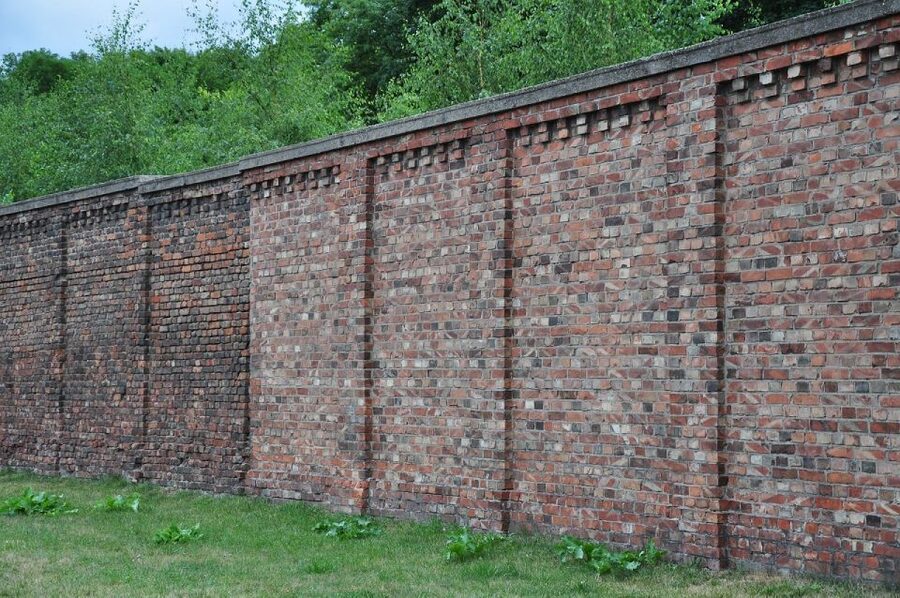
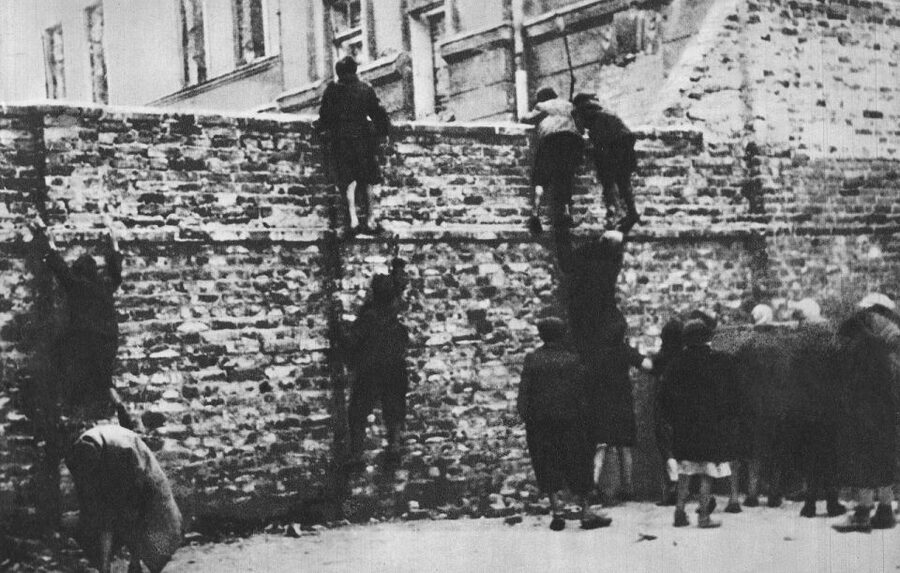
From there, you move into the Moranow area and start noticing what most casual visits miss. The tour is designed around remnants, not reconstructions. You’ll see remains of the ghetto walls and old houses tied to the period when the ghetto held people in an enclosed reality.
Why that’s valuable: walking past walls, even partial ones, forces your brain to shift from abstract history to physical space. You can picture how movement was controlled, how fear was built into ordinary routines, and how a neighborhood became an instrument of oppression.
Also, with a group capped at 15, your guide can keep the pace steady. In larger crowds, these tours can turn into a fast march where you barely catch the next fact. Here, the small size supports a slower rhythm, and the guides noted in reviews, like Anna and Ewa, come across as people who can explain events clearly while staying human.
Practical tip: bring layers. Warsaw weather can swing, and 3 hours is enough time to get cold or sweaty if you’re underdressed or wearing the wrong shoes. Since the tour is focused on walking, comfortable footwear is not optional.
Nozyk Synagogue: the one surviving prewar landmark in Warsaw
One of the most memorable stops is the Nozyk Synagogue. The tour highlights it as the only surviving prewar synagogue in Warsaw, which gives the site extra weight. You’re stepping into a place that carries a before-and-after story, where the war’s destruction is not just something you read about. It’s part of the building’s survival.
What I like about including a synagogue during a ghetto tour is that it widens your understanding. It’s easy to let the story become only about persecution and extermination. The synagogue stop reminds you that Jewish communal life existed before the violence and continued through different forms, including in the way communities rebuilt after catastrophe.
Your guide will weave the synagogue into the larger timeline, so it doesn’t feel like a random landmark inserted for variety. Instead, it functions like a historical marker: this is what the ghetto tried to sever, and this is what remained.
When you visit, take your time looking beyond the surface. Even if you have limited time in Warsaw, this is a stop where a few quiet minutes can make the whole tour click better.
WWII context: Nazi persecution and the Warsaw Ghetto Uprising heroes
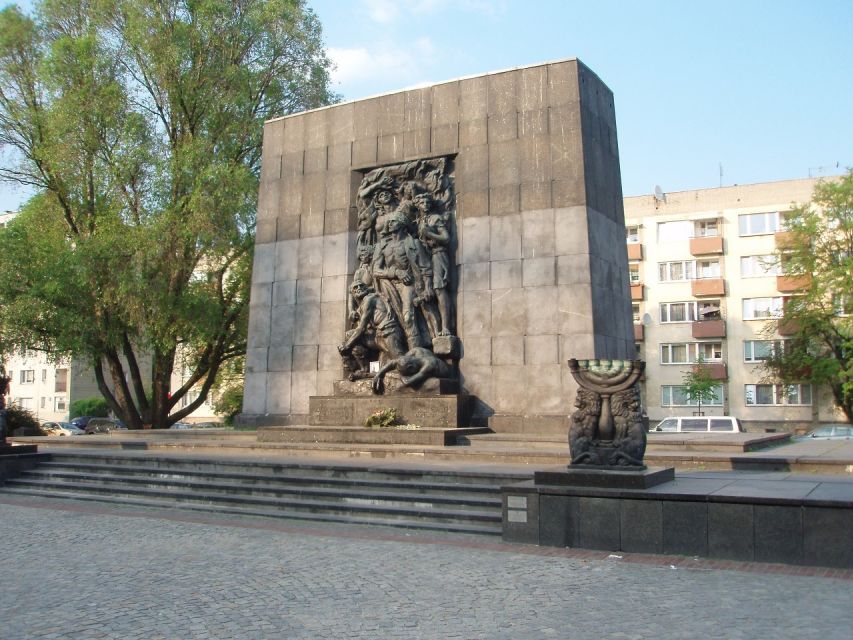
The tour’s strongest value is how it explains the chain of events. You won’t just get a list of tragedies. You’ll get a guided story of persecution in German-occupied Poland, including how the ghetto was created and how it fit into the Nazi Final Solution plan.
Then comes the Warsaw Ghetto Uprising of 1943, and that part is handled with a focus on the heroes. This matters because it changes the emotional ending of the story. You’re reminded that people did not simply accept their fate. Resistance happened, even under impossible circumstances.
I also appreciate that the guide connects street-level realities to larger policy. When you hear about forced confinement in a four square kilometer zone, and then later hear about Treblinka, the tour helps you see how geography and ideology worked together. The result is less confusion and more understanding.
For readers who want to feel oriented, this kind of chronological structure is the difference between a tour that feels like facts and a tour that feels like comprehension. In a small group, you may also get a chance to ask about parts that still confuse you, especially if the guide is as personable as the Anna and Ewa mentions in reviews suggest.
Still tacked up around Warsaw


Jewish Cemetery: Polish-Jewish memory you can actually stand beside
The Jewish Cemetery is the final stop, and it’s where the tour’s tone becomes most personal. The guide explains the Polish-Jewish heritage associated with the site, including stories of spiritual leaders, political activists, honored creators of Jewish culture, and thousands of nameless victims of the ghetto.
This is not an activity where you rush. Even if your feet are tired after walking around Moranow, you’ll want to slow down here. The included entrance tickets mean you won’t waste time trying to sort admission, and the guide’s explanations help you understand what you’re seeing beyond “old stones.”
Why this stop is especially valuable is that it links the ghetto to a longer cultural memory. The war is central, but the cemetery also grounds you in identity: people were not only victims. They were also communities, thinkers, leaders, and families. Listening to those stories while you stand in the cemetery’s space changes how you hold the information from earlier in the tour.
A note on the experience: the tour description makes it clear that this last stop is where the guide will tell stories at length. If you can, go into it with the mindset that it will be emotionally heavy. Bring a small amount of patience for silence, because that’s often part of how these memorial spaces work.
Saturday reality check: All Saints Church instead of the cemetery
One of the most important practical details: the cemetery is closed on Saturdays. If you book for a Saturday, your tour will not include the Jewish Cemetery. Instead, you’ll visit All Saints Church, which the tour notes is closely related to Jewish history, and you’ll learn fascinating stories along with the church’s architecture.
This is the one piece of the tour that can genuinely change what you hoped to see. So I recommend deciding based on your priorities. If the Jewish Cemetery is your top goal, check whether your date falls on a Saturday before you book.
Even with the swap, you still get a guided experience connected to the same overarching story. But it’s fair to say the cemetery is the memorial experience many people specifically want, so don’t treat the Saturday alternative as a perfect substitute.
Price and value: is $131 for 3 hours fair?
At $131 per person, this tour is not the cheapest way to see Warsaw. But it is also not a bare-minimum walking route. You’re paying for a licensed guide, an English-speaking live guide, a small group size up to 15, and entrance tickets to the Jewish Cemetery. The tour also includes skipping the ticket line, which matters because time is precious during a short 3-hour experience.
Value comes down to outcomes, not just features. In this case, you’re getting:
- a focused route through the Moranow district tied to the ghetto’s largest scale in Europe
- context on WWII policies and the Final Solution
- discussion of the Warsaw Ghetto Uprising and its heroes
- a Nozyk Synagogue stop that marks what survived
- cemetery interpretation with stories behind people, not only dates
If you want to walk through Warsaw with clear explanations that turn locations into meaning, this price is in the reasonable range for a guided, licensed, interpretation-heavy tour. If you prefer to go completely independent with guidebooks and self-paced museum stops, you might spend less. But you’ll likely lose the timeline clarity that makes this topic easier to understand.
One small but practical bonus: the tour data lists free cancellation up to 24 hours in advance and a reserve now, pay later option. That reduces risk if your Warsaw plans might shift.
Who should book this Warsaw Jewish Ghetto and cemetery tour
You’ll probably love this tour if:
- you want a structured, guided understanding of the Warsaw Ghetto and how WWII persecution unfolded
- you appreciate small group tours where you can actually hear the guide and follow the story
- you want both street-level history (ghetto walls and houses) and a final memorial setting (the Jewish Cemetery)
- you’re interested in the Nozyk Synagogue as a surviving prewar landmark
You might want to think twice if:
- you’re booking for a Saturday and specifically want the Jewish Cemetery, since it will be closed
- you prefer lighter, entertainment-style city tours and want mostly visual stops with minimal emotional weight
If you’re visiting Warsaw for the first time and you have limited time, this is a strong use of a half day, especially because it focuses on a single, coherent theme.
Should you book it?
I think this is a good booking for anyone who wants more than surface-level history. The small group size, licensed English guide, and the combination of Moranow ghetto remains, Nozyk Synagogue, and the Jewish Cemetery make it feel like a complete guided experience rather than a scatter of random sights.
If you’re flexible and you want a guided timeline you can trust, book it. If you’re set on seeing the Jewish Cemetery, check your day and plan around the Saturday closure. Either way, come prepared for a serious walking tour, not a casual stroll.
FAQ
How long is the Warsaw Jewish Ghetto guided tour with the Jewish Cemetery?
The tour lasts 3 hours.
Where is the meeting point for the tour?
Meet your guide in front of the InterContinental Hotel, Emilii Plater 49, 00-125 Warsaw. Do not enter the hotel, it is only a meeting point.
What is the group size?
It is a small group tour with up to 15 participants.
What language is the tour guide?
The live tour guide is English.
Is the Jewish Cemetery included?
Yes, the Jewish Cemetery is the last stop, and entrance tickets are included. On Saturdays, the cemetery is closed and the tour visits All Saints Church instead.
Does the tour include skipping the ticket line?
Yes, the tour includes skipping the ticket line.
Is the tour wheelchair accessible?
Yes, the tour is listed as wheelchair accessible.
When can I cancel for a full refund?
You can cancel up to 24 hours in advance for a full refund.
Freshly posted from Warsaw
- Warsaw Private Transfer from Warsaw Chopin Airport (WAW) to City centre★ 4.0 · 7 reviews
- Krakow Small Group Tour from Warsaw with Lunch, Schindler’s Factory included★ 5.0 · 7 reviews
- Wolfs Lair – Hitlers hideout★ 4.5 · 7 reviews
- 3-hour tour at Warsaw Uprising 1944 Museum /inc. Pick-up/★ 4.9 · 7 reviews
- Warsaw: Evening History and Pubs Tour by Retro Minibus★ 5.0 · 7 reviews
- Warsaw: Private Vodka Tasting Night with Snacks and Pickup★ 5.0 · 7 reviews
- Warsaw Old Town with Royal Castle + Royal Route: SMALL GROUP /inc. Pick-up/★ 5.0 · 7 reviews
Jewish History & Heritage Tours, compared.
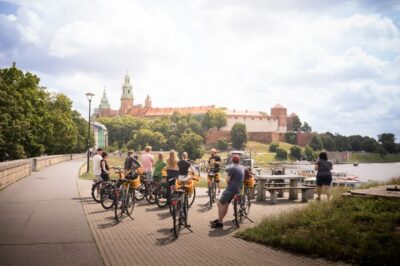
Bike Tour of Old Town, Jewish Quarter and the Ghetto
Read our review →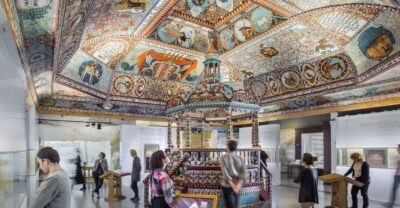
POLIN Museum of the History of Polish Jews Ticket
Read our review →
Kazimierz, Schindler’s Factory & Ghetto Guided Tour
Read our review →
Full Bike Tour – the Old Town, Jewish Qtr & the Ghetto NEW BIKES
Read our review →
Warsaw Ghetto Private Walking Tour with Hotel Pickup
Read our review →Browse the lists this tour appears in