
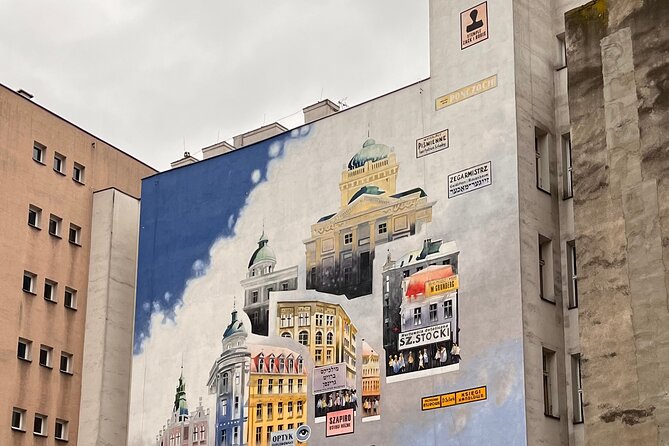
Reviewed · JEWISH HISTORY & HERITAGE TOURS
Past Meets Present in Warsaw’s Jewish Ghetto
This walk in Warsaw turns history into something you can see and understand fast, moving from ghetto life sites to the places of deportation. What makes it stand out is the mix of documentary archive stops and memorial spaces, all explained in clear, human terms by the certified guide. You also get free admission at every stop, so your money stays focused on the guidance rather than ticket juggling.
I especially like the way the route tracks the geography of the ghetto, starting at Zydowski Instytut Historyczny and ending near Willy Brandt Square. You’ll also appreciate how the guide, Mona, pairs context with emotion, including the uprising leadership remembered at the Anielewicza mound. One thing to consider is that it is not set up for travelers with mobility or walking problems, since it’s a mostly on-foot experience across multiple sites.
In This Review
- Why this route works (and what to expect)
- Key points you’ll care about
- Entering Warsaw’s Jewish Ghetto, one place at a time
- Stop 1: Zydowski Instytut Historyczny, where documents become memory
- Stop 2: Długa on Nalewki Street, the ghetto’s daily crossroads
- Stop 3: Ogrod Krasinskich, a calm pause outside the ghetto boundary
- Stop 4: Warsaw Ghetto Square at the POLIN Museum, daffodils and the Ghetto Heroes monument
- Stop 5: Mordechaja Anielewicza mound at Mila 18, leadership remembered in earth and stone
- Stop 6: Umschlagplatz, the departure point to Treblinka
- Stop 7: Pomnik Willy’ego Brandta, linking Warsaw’s memory to wider accountability
- Price, value, and who this tour fits best
- A few smart ways to prepare before you go
- Should you book this Warsaw ghetto walk?
- FAQ
- How long is the tour?
- What does the tour cost?
- Is the tour offered in English?
- Where does the tour start and end?
- How many people are in a group?
- Are tickets or admissions included?
- Is coffee or tea included?
- Is the tour accessible for people with mobility problems?
- Is public transportation nearby?
- What if I need to cancel?
Why this route works (and what to expect)
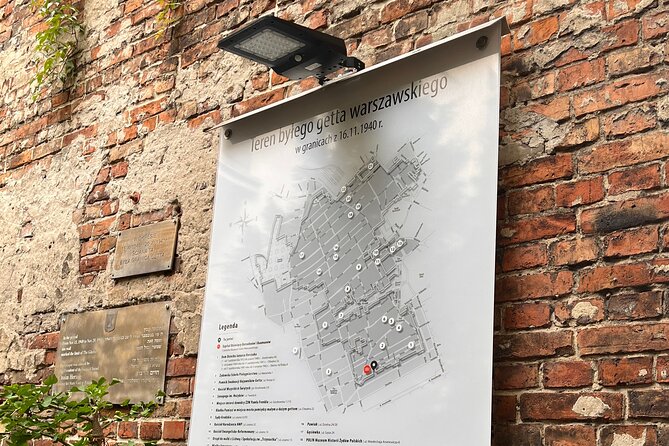
The pacing is built for a steady walk with short stops, about 2 hours 30 minutes total. Most stops are brief, but they’re placed so you get the “before, during, and after” feeling without feeling rushed. Since coffee is not included, you’ll want to plan for a drink either before you start or after you finish at the Willy Brandt area.
Key points you’ll care about
- A tight 2.5-hour itinerary that links key ghetto and memorial sites in order, so the story clicks
- Certified English guide with a calm, honest approach, led by Mona_be_your_guide
- Free entry at all stops, including the Warsaw Ghetto commemoration areas and museum-adjacent locations
- Small group size, max 10, which makes it easier to ask questions and hear answers clearly
- Ends at Willy Brandt Square, with local recommendations so you can keep the day going
- Not ideal for limited mobility, because the experience involves walking between locations
Further Jewish history and heritage itineraries:
- Warsaw: POLIN Museum of the History of Polish Jews Ticket
★ 4.7 · 1,142 reviews - Warsaw: Warsaw Ghetto Private Walking Tour with Hotel Pickup
★ 4.9 · 369 reviews - Warsaw: Jewish History Guided Walking Tour in English
★ 4.7 · 324 reviews
Entering Warsaw’s Jewish Ghetto, one place at a time
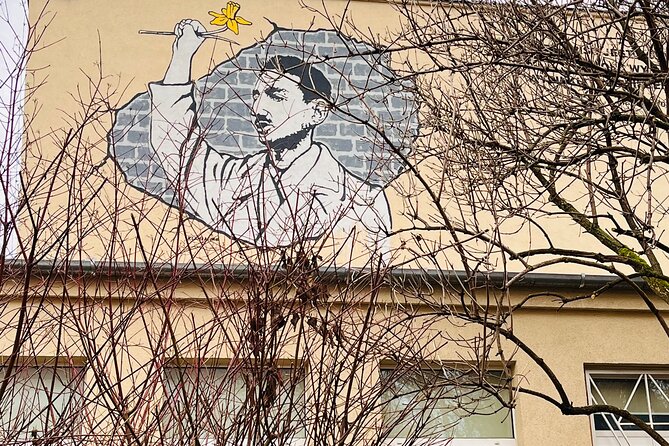
This is the kind of tour where you walk, look, and get meaning attached to what you’re seeing. The route is designed to help you follow a timeline without turning it into a textbook. You start near the Monument of Slowackiplac Bankowy and finish at Skwer Willy’ego Brandta Mordechaja Anielewicza, so you’re not stuck doing awkward backtracking.
The group stays small, up to 10 people. That matters more than you might think on sensitive subjects. With fewer people, you’re more likely to get specific answers, and the guide can respond to the questions that come up naturally. The tour uses a mobile ticket, which is convenient if you don’t want to manage paper. It also runs in English, which is great if you want context and not just signage.
Practical note: the tour is near public transportation, but it’s still a walking itinerary. You’ll want comfortable shoes. And if you’re someone who needs frequent breaks or step-free routes, plan carefully, since it is explicitly not recommended for mobility and walking problems.
Stop 1: Zydowski Instytut Historyczny, where documents become memory
You begin at Zydowski Instytut Historyczny, a building that once served as a center of Jewish social life in the Warsaw ghetto. Today it functions as an archive for Jewish documentary materials, which is a powerful shift from past to present.
Even if you only spend about 15 minutes here, the point is clear: this isn’t just about monuments. It’s also about evidence, records, and the way communities tried to hold onto identity during impossible conditions. In a city where so much was destroyed, documentary preservation is one of the most practical forms of remembrance. It’s also a good first stop because it sets the tone early: life, not only tragedy.
If you’re the kind of traveler who likes to understand what a place actually does now, this is a strong start. And since admission is free for this stop, there’s no added stress.
Stop 2: Długa on Nalewki Street, the ghetto’s daily crossroads
Next comes a look at Długa on Nalewki Street, at their crossing. This spot mattered because it was part of the most lively and active area of the northern Jewish quarter, where shops, manufactories, and stalls lined up along the street life.
This is a good stop for “turning on your imagination,” but it stays grounded. The guide’s job here is not to put a romantic glow on it. It’s to show you the normal rhythms that existed right up to the point where normal life was shattered. Standing at a street corner in a modern city, you can easily miss what happened here. A good guided explanation helps you read the place like a map.
Spend the few minutes well. Don’t rush your looking. Pause to note the street layout and think about movement through the area. The next stops will move you from daily life toward commemoration spaces, and this corner helps you understand why the loss was so deep.
Still tacked up around Warsaw



Stop 3: Ogrod Krasinskich, a calm pause outside the ghetto boundary
Ogrod Krasinskich is described as an oasis of calm, a place of rest for Warsaw residents, and it’s especially significant because during WWII it was excluded from the ghetto.
This is the tour’s emotional palate cleanser, but it’s also a hard reminder of control and division. The same city had a “here” and a “not here.” Knowing a park was cut away from ghetto boundaries helps you picture how confinement worked in real space, not just in descriptions.
At about 20 minutes, you get enough time to slow down. Use it to reset your senses before moving into the large memorial squares. If you’re visiting in colder months, this could be a spot where you’ll feel the weather more, since it’s open-air. Layer up.
Stop 4: Warsaw Ghetto Square at the POLIN Museum, daffodils and the Ghetto Heroes monument
Then you arrive at Warsaw Ghetto Square, linked with the POLIN Museum area, and the Monument to the Ghetto Heroes. This is one of the most important commemoration sites on the route.
The detail I find especially meaningful is how locals place daffodils on the anniversary of the Ghetto Uprising. That tiny, specific act turns remembrance into something living. It’s not only about what happened long ago. It’s about how people keep it visible year after year.
This stop runs about 30 minutes. That longer time makes sense because it’s a place where you need space to absorb meaning. The guide helps you connect the monument to the broader story of resistance and the cost of it. You’ll also get a sense of how Warsaw uses public memory to keep names and events from fading into general WWII history.
A helpful mindset here: let yourself feel the weight of it. This tour does not try to soften the realities. It tries to keep the focus on understanding, not spectacle.
Stop 5: Mordechaja Anielewicza mound at Mila 18, leadership remembered in earth and stone
From the square you move to Mordechaja Anielewicza, known on the tour as the Anielewicz Mound at Mila 18. This spot commemorates the deaths of the leaders of the Warsaw Ghetto Uprising.
This is a turning point on the walk. You go from memorial symbolism toward remembering people, decision-making, and sacrifice. The mound is brief on paper, but in practice it has a lot of presence. At around 30 minutes, you should treat it like a sit-down moment, even if you’re standing.
In the reviews, the tour’s tone is described as both heartfelt and hopeful while staying brutally honest. You feel that balance here. It’s not just mourning. It’s also clarity about what resistance meant when survival was at stake.
If you’ve ever wondered how a city preserves agency in a story dominated by forced loss, this stop answers that question. It keeps leaders visible, not only the victims as numbers.
Stop 6: Umschlagplatz, the departure point to Treblinka
Next is Umschlagplatz, marked as the departure point for Jews transported to Treblinka Extermination Camp. The tour notes that about 300,000 Jewish people died there.
This part of the itinerary is short, about 15 minutes, but you can expect it to hit hard. A short duration can feel surprising, until you remember that this is not about lingering theatrically. It’s about getting the essential facts in the right location, then moving on with your understanding intact.
What makes Umschlagplatz important to see with a guide is the spatial logic. Deportations were carried out through a specific kind of place and process. Being told where you are, what this site represents, and why it matters helps you avoid treating it like a vague memorial stop.
I also recommend taking a beat here to look at the space around the monument. Notice how modern Warsaw fits over the past. That contrast can make the message more real, in a good way.
Stop 7: Pomnik Willy’ego Brandta, linking Warsaw’s memory to wider accountability
You finish with Pomnik Willy’ego Brandta, a memorial to Brandt’s tribute to the murdered Jews of Warsaw and all victims of World War II.
Ending here is smart because it widens the frame. You get a sense of how remembrance traveled beyond one city, while still keeping Warsaw’s Jewish story central. If you’ve been holding intense focus from the earlier stops, this final memorial can feel like a moment to regroup.
From the tour end point at Willy Brandt Square, you’ll also get recommendations for where to go for coffee in the neighborhood. Since coffee and tea are not included, this is a practical help. It’s also a nice way to reset after a heavy topic.
Price, value, and who this tour fits best
The price is $112.43 per person for about 2 hours 30 minutes, with group discounts available and a maximum of 10 travelers. For many tours, the cost is mostly paying for someone to point at things. Here, you’re paying for interpretation, and the small group size matters.
The added value is that admission tickets are free at each of the listed stops. That means your total cost is mostly the guide service, not a chain of extra purchases. For a theme like the Warsaw ghetto, context is the real currency, and that’s what you’re buying.
Who should book? If you want a guided walk that connects place, timeline, and meaning, this is a strong choice. If you’re the type who likes to ask questions, a small group and an English guide make that easier.
Who should rethink? If you have mobility limits or walking constraints, the tour is explicitly not recommended for you. Also, since there’s no coffee stop included, plan your timing so you don’t feel stuck hungry at the end.
A few smart ways to prepare before you go
You don’t need to study history for months, but a little readiness helps you get more from the walk. Here are practical steps you can take:
- Wear comfortable shoes, since you’ll be on your feet between multiple sites.
- Bring a small bottle of water if it’s warm or if you tend to get thirsty during walks.
- Decide in advance what you want most, either ghetto daily life context, the uprising narrative, or the deportation route. The guide can address what you’re curious about.
- Keep your phone charged. You’ll likely use maps after you finish at Willy Brandt Square, and you’ll have a mobile ticket.
This isn’t a light stroll. It’s a focused, emotional walk through Warsaw’s most painful chapters, explained with care.
Should you book this Warsaw ghetto walk?
I’d book it if you want a clear, place-based introduction to the Warsaw Jewish Ghetto story, with a guide who can handle both the human side and the hard facts. The small group size, the English commentary, and the free admission at stops make it good value for a structured, 2.5-hour experience.
I’d skip it or choose an alternative if you can’t do the walking well. And if you’re looking for entertainment or casual sightseeing, this won’t match that mood. It’s a remembrance route, and it expects you to take it seriously.
If you do go, go with open attention. You’ll leave with a better grasp of how Warsaw remembers, and why the details still matter.
FAQ
How long is the tour?
The tour is approximately 2 hours 30 minutes.
What does the tour cost?
The price is $112.43 per person.
Is the tour offered in English?
Yes, the tour is offered in English.
Where does the tour start and end?
It starts at the Monument of Slowackiplac Bankowy, 00-142 Warszawa, Poland, and ends at Skwer Willy’ego Brandta Mordechaja Anielewicza, 01-999 Warszawa.
How many people are in a group?
The tour has a maximum of 10 travelers.
Are tickets or admissions included?
Admission tickets are free for the listed stops on the itinerary.
Is coffee or tea included?
No, coffee and/or tea are not included.
Is the tour accessible for people with mobility problems?
It is not recommended for travelers with mobility or walking problems.
Is public transportation nearby?
Yes, it is near public transportation.
What if I need to cancel?
You can cancel for a full refund up to 24 hours in advance. If you cancel less than 24 hours before the start time, the amount paid is not refunded.
Freshly posted from Warsaw
- Warsaw Uprising and WWII Old Town Walking Tour with Museum★ 5.0 · 1 review
- EVERYDAY Warsaw Traditional Food Tour with Old Town Sightseeing★ 5.0 · 1 review
- Warsaw to Auschwitz and Krakow Old Town Full-Day Trip by Car★ 5.0 · 1 review
- A Day in Warsaw: Private Full-Day Highlights Tour★ 5.0 · 1 review
- Pub Crawl with Shots, Discounts, Games & VIP Entry★ 5.0 · 1 review
- POLIN Museum of the History of Polish Jews : PRIVATE TOUR /inc. Pick-up/★ 5.0 · 1 review
- Private Guided Warsaw Walking Tour with Drone Photography★ 5.0 · 1 review
Jewish History & Heritage Tours, compared.
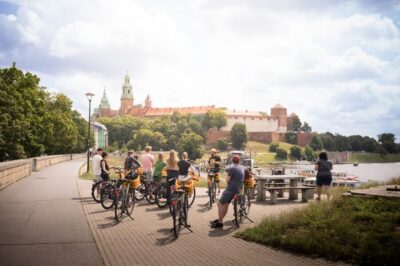
Bike Tour of Old Town, Jewish Quarter and the Ghetto
Read our review →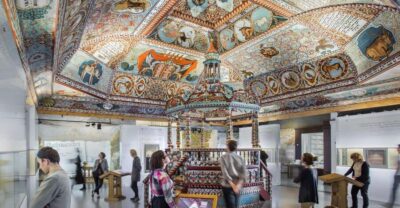
POLIN Museum of the History of Polish Jews Ticket
Read our review →
Kazimierz, Schindler’s Factory & Ghetto Guided Tour
Read our review →
Full Bike Tour – the Old Town, Jewish Qtr & the Ghetto NEW BIKES
Read our review →
Warsaw Ghetto Private Walking Tour with Hotel Pickup
Read our review →Browse the lists this tour appears in