
Reviewed · JEWISH HISTORY & HERITAGE TOURS
Krakow Jewish Quarter and Ghetto Tour by Electric Golf Cart
Kazimierz hits hard, even from a cart. This electric golf cart tour mixes synagogues, streets, and wartime reminders in about 90 minutes, with an English-speaking driver and an audio guide to keep you on track. You’re covering the Jewish Quarter, then moving into the Krakow Ghetto area with stops tied to names like Szeroka Street and Umschlagplatz.
I especially like how quickly you can see a lot. The route is designed to hit over 20 important cultural monuments in Kazimierz, and the cart makes it easier to keep going even in hot or cold weather. I also like that you’re not stuck only watching from the sidewalk, because the format allows short visits at multiple stops, so you can step inside when the site offers it.
One consideration: the route can include more Christian church interiors than you might expect if you came hoping for strictly synagogue and Jewish-heritage stops. If that mismatch matters to you, you may want to pair this with some time walking on your own.
In This Review
- Key highlights you should know before you go
- Getting oriented fast in Kazimierz on an electric cart
- Where the tour starts and ends, and why that matters
- Kazimierz, Szeroka Street, and the synagogues that shaped daily life
- St. Joseph church and the Christian landmarks you will likely see
- A preserved fragment of the ghetto wall, and why plaques matter
- Plac Zgody, Umschlagplatz, and the deportation location you can picture
- The Podgórze pharmacy stop, and how people tried to protect others
- Pacing, audio headsets, and what to expect inside stops
- Price and value: $34.75 for cart time plus guided context
- Who this tour fits best, and who might prefer something else
- Should you book the Krakow Jewish Quarter and Ghetto Tour?
- FAQ
- How long is the Krakow Jewish Quarter and Ghetto Tour?
- What is the price per person?
- Is the tour available in English?
- Do I get a mobile ticket?
- Where do I meet, and where does the tour end?
- What’s included in the tour price?
- Is hotel pickup or drop-off included?
- What is the maximum group size?
- Is free cancellation available?
Key highlights you should know before you go
- Electric golf cart, real relief for long blocks on foot, with an English-speaking driver handling the driving
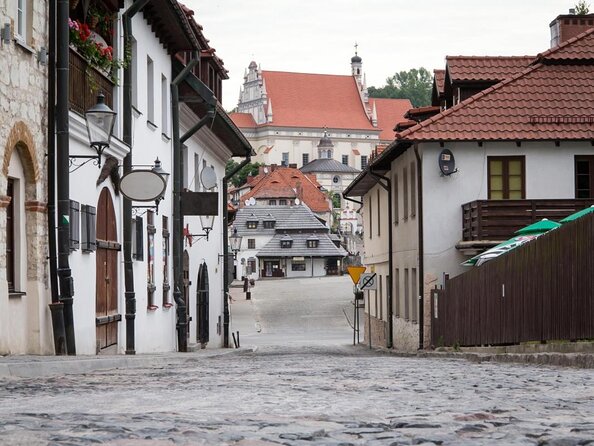
- Szeroka Street focus on why this street mattered, including the rare concentration of synagogues there
- Ghetto reminders you can stand in front of like a preserved fragment of the wall and commemorative plaques
- Umschlagplatz at Plac Zgody gives the deportation story a clear, specific location
- Podgórze pharmacy story adds an unexpected layer of how people tried to protect each other
- Small-group feel with a maximum of 50 travelers, so the tour doesn’t drag
Getting oriented fast in Kazimierz on an electric cart
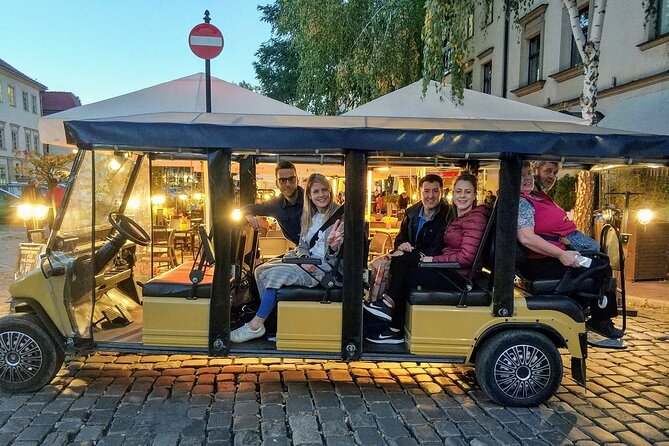
Kazimierz is one of those parts of Krakow where it pays to understand the map before you zoom around. This tour uses an electric golf cart so you spend less time stuck in city traffic flow and more time hearing what each place meant. It’s a smart choice if your days are tight, because you can cover the core “Jewish Quarter plus ghetto area” storyline in one sitting.
You also get a built-in structure: audio guide plus live narration from an English-speaking driver. That combination matters because many of the streets and buildings in Kazimierz look normal at street level, even though the meaning behind them is not. The cart format helps you move between points of context, so the story connects instead of feeling like random stops.
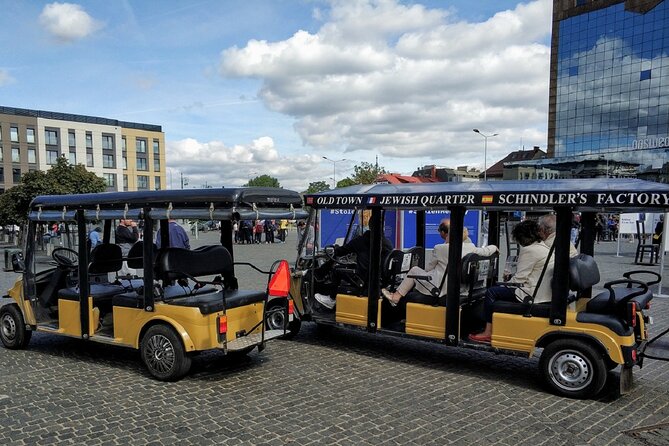
Comfort is not just a nice-to-have here. Several people highlight that the cart is a game-changer in bad weather, and that it keeps things manageable in heat and cold. If you have limited stamina, this kind of route can help you still experience the neighborhood without turning the day into a walking punishment.
More Golf Cart Tours in Krakow
- Krakow: City Sightseeing Tour by Electric Golf Cart
★ 4.5 · 3,264 reviews - Krakow: City Sightseeing Tour Eco Electric Buggy Golf Cart
★ 4.7 · 3,143 reviews - Krakow: Extended City Sightseeing Tour – Eco Buggy Golf Cart
★ 4.7 · 794 reviews
Where the tour starts and ends, and why that matters
The tour begins at Mikołaja Zyblikiewicza 2 (31-029 Kraków) and ends at Mikołaja Kopernika 3 (31-034 Kraków). That matters because Kazimierz and the ghetto sites are spread across different parts of the city, and ending in a different spot can save you from backtracking.
It’s also listed as near public transportation, which is helpful if you’re juggling schedules. And since the tour uses a mobile ticket, you can usually handle this with phone access rather than worrying about printed documents.
One more practical note: some travelers report confusion at the parking area with cart operators, especially when weather was bad and families were trying to load quickly. If you’re traveling with a stroller or a group, arrive a bit early, and be ready to ask where your cart is waiting.
Kazimierz, Szeroka Street, and the synagogues that shaped daily life
Kazimierz is the engine of Jewish life in Krakow for centuries, and the tour starts you in the right mindset. You begin with the idea of an “independent city” south of Wawel that eventually became Krakow. That sets up why this area feels separate even today, with streets and buildings that carry a long memory.
Then you hit Szeroka Street, the heart of Kazimierz. This street gets special emphasis because it once held four synagogues, an unusual concentration for Europe at the time. When you’re walking Szeroka Street later on your own, you’ll likely see it differently, because the tour gives you the “why” behind the cluster.
One of the stops centers on one of the oldest synagogues in Poland preserved in such good condition. Even if you’re not a history nerd, this is the type of stop that makes the neighborhood feel real. Buildings like this are physical evidence, and the short in-person moments let you process what you’re hearing about religious life, community organization, and architecture.
I like that the tour keeps synagogues and streets in the spotlight rather than treating them like quick photo backdrops. If your goal is to understand how Kazimierz worked as a community, this is where you benefit most from the cart route: you can listen, then look, then listen again.
St. Joseph church and the Christian landmarks you will likely see
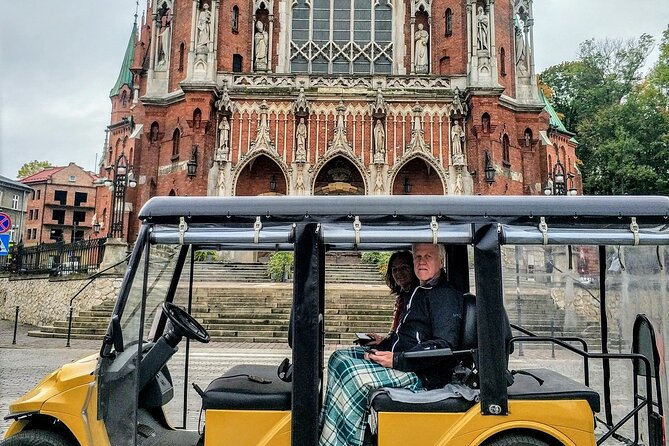
A distinctive part of the route is the parish church of St Joseph, described as dominating the Podgórze Market Square. This is a key shift in area, because Podgórze was incorporated into Krakow only in the 20th century. Seeing St Joseph helps you connect the “Jewish Quarter story” to the broader urban story of how Krakow absorbed neighboring districts.
Now, here’s the balancing act. The tour is billed around Jewish history, and many of the stops do support that. But more than one person points out that some of the locations they could step into were churches rather than Jewish buildings. If you want a strictly synagogue-focused day, this could feel like a mismatch.
Still, there is a practical reason these landmarks can show up. The streets and squares are the terrain of the tour, and the buildings standing there now shape how the neighborhood reads from the outside. If you treat church stops as part of the geography of memory, the tour becomes more useful for orientation. If you want every minute to be Jewish heritage only, add expectations management or follow up with a walking route.
Further Jewish history and heritage itineraries:
A preserved fragment of the ghetto wall, and why plaques matter
The tour then turns toward the Krakow Ghetto story, including a stop at a small fragment of the original wall around the former ghetto. You’re not just hearing about the ghetto in general terms. You’re standing in front of a remaining piece of the border that confined people.
The plaque commemoration matters because it translates a big tragedy into specific human stakes. These memorials are usually brief and simple, but they do the job of pulling you out of “historic event mode” and back into “this happened to real people right here.”
This is one of the most emotionally heavy segments, and the cart format does not blunt that. If anything, being able to sit for part of the drive before you face the wall can help you take it in. People also describe this as emotionally moving and touching, which makes sense. The tour does what good guided work should do, it helps you slow down at the moments built for remembering.
Plac Zgody, Umschlagplatz, and the deportation location you can picture
Then comes Plac Zgody, also referred to as Concord Square. Under Nazi occupation, this area was designated Umschlagplatz, the spot where Jews were forced to gather before deportation. This part of the tour is valuable because it anchors the story to a specific place name you can recognize again later.
Even if you’ve read about the ghetto before, it’s different to connect the abstract words to a real square. The tour also frames it as only one “small bright spot” on the map of a much larger tragedy. That wording is important for context. It keeps you from thinking the ghetto story is limited to a single site.
When the guide ties the location to what happened there, you start to understand how occupation systems used public space. That helps later when you’re walking nearby streets and trying to make sense of what you see.
Practical tip: take a moment before you move on. In this segment, rushing your thinking can make the site feel like another stop. Standing still for 30 to 60 seconds, even if you’re surrounded by other visitors, can help you absorb the meaning.
The Podgórze pharmacy stop, and how people tried to protect others
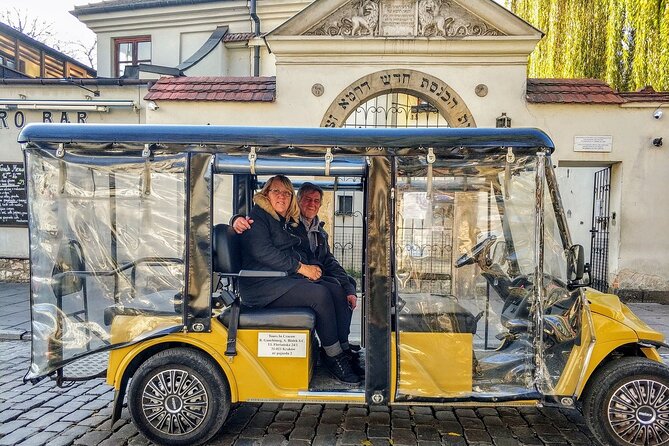
One of the more surprising stops is tied to a former Polish pharmacy that acted as a kind of refuge during deportation. The tour highlights this as a symbolic bright spot on an otherwise tragic map, with shelter and a flow of messages or packages inside and outside the ghetto.
This works well because it interrupts the pattern of only seeing loss. Wartime stories often need those rare, specific examples of protection and courage, otherwise the whole narrative can feel like a single long scream. Here, the pharmacy detail gives you something concrete: not just suffering, but also the messy, real-world attempt to keep humans connected when rules tried to isolate them.
If you’re the type who likes to balance grief with comprehension, this stop will likely land well. It also makes the ghetto story feel like lived life, not just an exhibit.
Pacing, audio headsets, and what to expect inside stops
The tour runs about 1 hour 30 minutes. That’s enough time to see the core sites, but it’s not enough time to wander at your own pace for long. This is a “see it, understand it, then return later if you want” style of tour.
The format includes an audio guide and an English-speaking driver. Some people note the audio is through headsets rather than loudspeakers, which can affect how easy it is to talk with your group while listening. If you hate wearing headsets, this is something to consider.
Seat orientation can also affect your comfort. A few travelers reported being in the back seats facing backward. If you’re picky about comfort, arrive early and ask about seating or your best shot at the front when loading.
The other pacing factor is “quick pop-in” stops. Multiple visitors liked that they got short time to enter buildings and see interiors, especially when the guide made it possible to hop on and off the cart for photos and brief visits. That said, if you only want long, slow time inside synagogues, you may find the visits too short and want a walking follow-up.
Price and value: $34.75 for cart time plus guided context
At $34.75 per person for roughly 90 minutes, this tour is positioned as a budget-friendly way to cover two related zones. The value is not just the cart. You’re paying for a route that is structured around context, an English-speaking driver, and the included audio guide.
The cart component matters in real terms. If you were trying to cover these points by public transport plus walking in the same 90 minutes, you’d spend time and energy just getting from one spot to the next. Here, the cart carries you between stops, and the guide focuses on making the route intelligible.
Is it expensive for what it is? A couple of travelers felt the price was high for the duration. That complaint is understandable if you measure only time sitting on the cart. But if you measure time spent learning specific place meaning, the cost makes more sense.
My take for value: this is a good deal for people short on time, people who want orientation in Kazimierz fast, and people who would rather not plan a self-guided route across multiple key sites.
Who this tour fits best, and who might prefer something else
This tour fits best if you want:
- A fast overview of Kazimierz plus the ghetto area in about 90 minutes
- An easier physical day thanks to the electric cart
- A guide-led story in English, supported by an audio guide
It may not fit as well if you want:
- A purely synagogue-only itinerary without church interiors
- Long interior stays or slow, wandering photography time
- A walking pace where you can stop whenever you feel like it
For many people, the sweet spot is using this as the “first pass.” Then you go back on foot to the places that grabbed you most. Some visitors explicitly say they planned to return by walking after the tour, which tells me this format does a solid job of directing attention.
Should you book the Krakow Jewish Quarter and Ghetto Tour?
Book it if you want a structured, English-supported way to understand Kazimierz and the Krakow ghetto sites without burning half your day on transit and searching. The cart makes it easier to handle the emotional weight of the ghetto stops while still seeing plenty of landmarks.
Skip or pair differently if you are very strict about the balance of Jewish versus Christian interiors. If the idea of stepping into churches feels off-theme, plan a walking follow-up so you can spend more time exactly where you want it.
If you do book, aim to go into the day ready to listen and ready to pause. The preserved wall fragment and the Umschlagplatz location work best when you let them land.
FAQ
How long is the Krakow Jewish Quarter and Ghetto Tour?
It runs for about 1 hour 30 minutes.
What is the price per person?
The price is $34.75 per person.
Is the tour available in English?
Yes. It is offered in English, with an English-speaking driver.
Do I get a mobile ticket?
Yes, the tour uses a mobile ticket.
Where do I meet, and where does the tour end?
You start at Mikołaja Zyblikiewicza 2, 31-029 Kraków, Poland and end at Mikołaja Kopernika 3, 31-034 Kraków, Poland.
What’s included in the tour price?
Included: an audio guide, transport by golf cart during the tour, and an English-speaking driver.
Is hotel pickup or drop-off included?
No, hotel pickup/drop-off is not included.
What is the maximum group size?
This tour has a maximum of 50 travelers.
Is free cancellation available?
Yes. You can cancel up to 24 hours in advance for a full refund.
Melex Loops
- Krakow: Electric Car Sightseeing Tour
★ 4.4 · 450 reviews - Krakow: Jewish Quarter and Ghetto Electric Golf Cart Tour
★ 4.6 · 348 reviews - Krakow: City Sightseeing Tour Eco Electric Buggy Golf Cart
★ 4.5 · 311 reviews - Krakow Grand City Tour by golf cart – All 3 districts
★ 5.0 · 311 reviews
Freshly posted from Krakow
- ZALIPIE – painted village, unique small group tour from Krakow★ 5.0 · 7 reviews
- Magic of Krakow: Guided Tour of the Old Town★ 5.0 · 7 reviews
- “John Paul II Route” PRIVATE -Wadowice, Kalwaria Z.-Łagiewniki★ 5.0 · 7 reviews
- Krakow: Craft Beer Tasting City Walking Tour★ 4.4 · 7 reviews
- Krakow : Zakopane Tour + Thermal Pools with Hotel Pickup★ 4.8 · 7 reviews
- Krakow in One Day: City Tour by Electric Car★ 5.0 · 7 reviews
- Cracow: Wawel Castle and Cathedral Guided Tour★ 5.0 · 7 reviews
Jewish History & Heritage Tours, compared.
Bike Tour of Old Town, Jewish Quarter and the Ghetto
Read our review →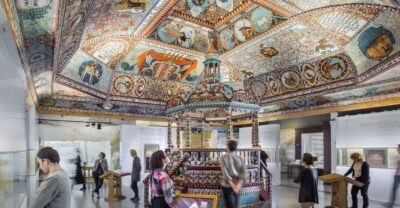
POLIN Museum of the History of Polish Jews Ticket
Read our review →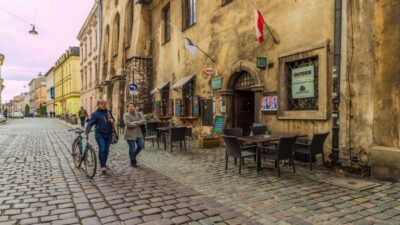
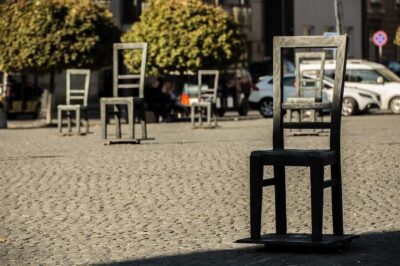
Kazimierz, Schindler’s Factory & Ghetto Guided Tour
Read our review →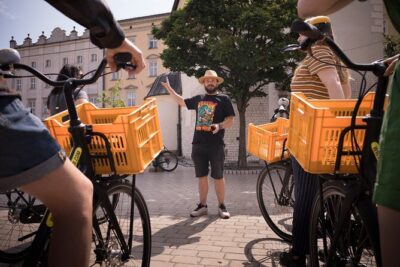
Full Bike Tour – the Old Town, Jewish Qtr & the Ghetto NEW BIKES
Read our review →
Warsaw Ghetto Private Walking Tour with Hotel Pickup
Read our review →Browse the lists this tour appears in