
Reviewed · JEWISH HISTORY & HERITAGE TOURS
Krakow: 2 Hour Walking Tour in Jewish Quarter
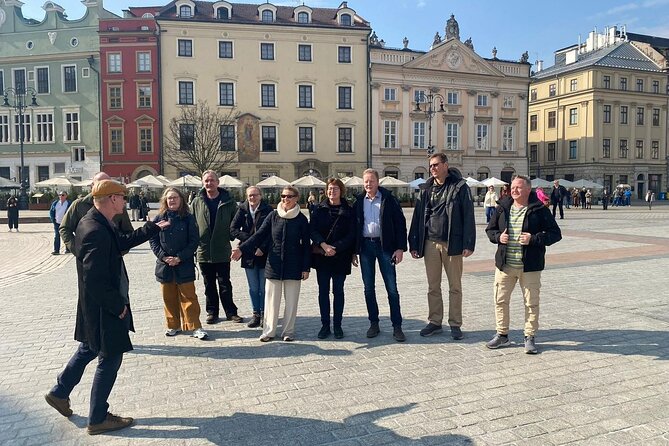
A short walk. A big story. This 2 hour Jewish Quarter tour links synagogue history, everyday Kazimierz life, and modern memory into one easy route. I like that it mixes moving places like Tempel and Remuh with lighter local moments like Market Square and the classic zapiekanki stop. The route also ends in the lively Plac Wolnica area, so you finish with options for food or a slow wander.
What I really like is the guide style. The best part is how actively the guide works to keep you engaged, checking in with questions and answering them with real detail, not quick sound bites. You also get an English speaking experience that stays practical while still giving context, so you are not just reading plaques.
One thing to plan for: several synagogues are not included and require paid entry. You are also expected to have cash on hand, which is easy if you come prepared, but annoying if you do not.
In This Review
- Key highlights before you set off
- Why this 2 hour Jewish Quarter walk is a smart use of time
- Price and what you need to pay for synagogue entry
- How the route flows, where you start, and how long each stop really takes
- Stop by stop: what you learn and what to notice as you walk
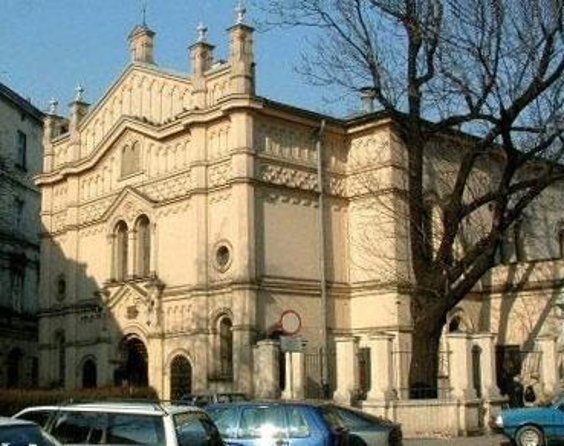
- Tempel Synagogue, how community life shaped prewar Krakow
- Jewish Community Centre of Krakow (JCC Krakow), Prince Charles and neighborhood impact
- Market Square, New Square energy and the must try zapiekanki
- Schindler’s List Passage, how movie scenes become real memory
- Singer, the bar with a name you will understand
- Old Synagogue, a quiet stop that adds depth
- Popper Synagogue, plus Wolf Popper and a bookshop next door
- Remuh Synagogue (Synagoga Remuh), history and the option to go further
- Kupa Synagogue (Synagoga Kupa), another key piece of the synagogue story
- Corpus Christi Church (Kosciol Bozego Ciala), why the name matters
- Hamsa, Jewish dishes and traditions through food and symbols
- Plac Wolnica, local legends and the closing vibe
- What makes the guide experience feel worth it
- Practical tips so your visit goes smoothly
- Should you book this Krakow Jewish Quarter walking tour?
- FAQ
- How long is the Krakow Jewish Quarter walking tour?
- What is the price per person?
- Is the tour offered in English?
- What does the tour price include?
- Do I need cash for this tour?
- Where is the meeting point and where does the tour end?
- How big are the groups?
- What is the cancellation policy?
Key highlights before you set off
- English guided storytelling that keeps explanations clear and question friendly
- Two hours, 12 key stops, from synagogues to Market Square and a church
- Synagogue entry needs cash for places where admission is not included
- Kazimierz local food culture, with zapiekanki strongly encouraged
- Memory and meaning in context, including the Schindler’s List Passage
- Small-group feel, with a maximum of 50 travelers
Why this 2 hour Jewish Quarter walk is a smart use of time
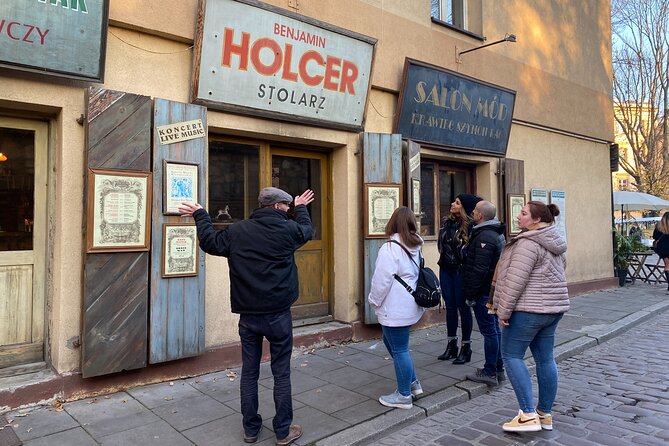
Kazimierz can feel like information overload. You see synagogues, streets, memorial sites, and food smells, but it is not always obvious what connects it all. This tour helps because it gives you a clear order of stops and a storyline you can follow while walking.
The pace is built for attention span and weather. With about two hours total time, you get enough stops to feel grounded, but not so many that you spend the whole day staring at your phone. It also works well as a first taste of the neighborhood, especially if you plan to do more exploring afterward on your own.
I also like the balance between reverence and everyday life. You are not only looking at war era memory. You also get a snapshot of community institutions and local traditions, so the neighborhood feels lived in, not frozen in time.
More Walking Tours in Krakow
- Old Town Krakow & Wawel Castle Walking Tour
★ 5.0 · 1,508 reviews - Creepy Krakow: 2-Hour City Walking Tour
★ 4.7 · 1,131 reviews - Krakow: The Old Town Walking Tour
★ 4.8 · 794 reviews
Price and what you need to pay for synagogue entry
The tour costs $38.45 per person and lasts about 2 hours. That price mainly covers the professional guide and the structured walk between key points.
Most importantly, not every stop has included admission. For some synagogues, you will need to pay a cash entry fee, listed as 50 PLN per person, which is about €10. If you hate last minute spending or you prefer paying by card, this is the main tradeoff.
A good way to handle it: bring the cash before the tour starts. That way you can focus on the explanations and decide quickly whether you want to go into a specific synagogue building or cemetery area where available.
How the route flows, where you start, and how long each stop really takes
You begin at Miodowa 19 and you finish at Plac Wolnica. The ending point matters because Plac Wolnica is a natural place to keep wandering, grab a snack, or link up with other Krakow sights.
The stops are short on purpose. Many are around 5 to 15 minutes each, which keeps the walk moving and helps you see more without feeling rushed. It is also a practical style if you are traveling with mixed interests, because you can concentrate on the pieces that grab you most.
Group size is capped at 50 travelers. In real terms, that means you should still be able to ask questions and hear the guide, especially if you stay attentive at the front when explanations start.
Stop by stop: what you learn and what to notice as you walk
Below is the tour journey, in the order you will experience it, with what each stop is really about and what you might want to watch for.
Further Jewish history and heritage itineraries:
Tempel Synagogue, how community life shaped prewar Krakow
Your first major stop is Tempel Synagogue. This is where the story starts to feel grounded in everyday community strength, not just later tragedy. The guide explains what was happening around the synagogue and the idea of a thriving Jewish community before the war.
Tip for your visit: take a moment to notice how the space feels, even before you learn details. When a guide starts with context like this, it helps every later stop hit harder because you understand what life looked like before it was shattered.
Admission here is not included, so if you want to go inside, you will need that cash entry plan.
Jewish Community Centre of Krakow (JCC Krakow), Prince Charles and neighborhood impact
Next is the Jewish Community Centre of Krakow (JCC Krakow). The guide introduces the center and explains the role it played for the Jewish community and the surrounding neighborhood. You also hear about Prince Charles and why his name connects to the center’s importance.
This stop is valuable because it turns the conversation toward continuity and community institutions, not only historic buildings. It helps you see that the story is not just about old walls. It is also about what was maintained, rebuilt, or reshaped in later years.
Entry is free, so you can focus on listening rather than budgeting extra time for tickets.
Market Square, New Square energy and the must try zapiekanki
Then you reach Market Square, tied to the idea of the New Square. This is also your practical, fun moment in the itinerary: you are encouraged to meet locals in Kazimierz and try Poland’s classic fast food, zapiekanki.
If you are hungry at this stage, great timing. This is one of the best parts of a walking tour because food turns history into a real place you can feel. Even if you do not buy it immediately, watching how the square works gives you a sense of modern Kazimierz life.
Admission is free at this stop.
Schindler’s List Passage, how movie scenes become real memory
Next comes the Schindler’s List Passage. The guide talks about the movie and adds documentary context and factual points. It is the kind of stop where you should slow down and let the story land, because film references can blur where truth begins unless explained carefully.
Why it matters: this is one of Krakow’s most globally recognized memory threads. By connecting it to documentaries and facts, the tour helps you separate what you saw on a screen from what happened in real life.
Admission is free here.
Singer, the bar with a name you will understand
You then pause at Singer, a bar with a name that has meaning. The guide explains what the bar represents and why it is called Singer.
This is a small stop, but it is useful because it shows how names, businesses, and local culture carry meaning. When you understand why something is named the way it is, the place becomes more than a backdrop.
This stop is about 5 minutes and is free.
Old Synagogue, a quiet stop that adds depth
The Old Synagogue stop is shorter, about 10 minutes, but it adds another layer to the synagogue story. The guide provides background so you do not just see an exterior and move on.
This is one of the stops where I suggest you pay attention to transitions. The tour keeps building themes, so the Old Synagogue works like a chapter bridge between bigger story points.
Admission is not included, so if you want to enter, your cash prep matters.
Popper Synagogue, plus Wolf Popper and a bookshop next door
Then you reach Popper Synagogue, explained in a quick 5 minutes. The guide also points out a bookshop next to it and connects it to Wolf Popper.
Even if you stay outside for this one, the context is the point. The name connection helps you see how individuals and institutions tied to community memory can shape modern streetscapes.
Admission is free for this stop.
Remuh Synagogue (Synagoga Remuh), history and the option to go further
You also visit Remuh Synagogue (Synagoga Remuh) as part of the tour. The guide shares its history and explains the synagogue, and if you want, you can visit as well as the cemetery.
This stop is especially powerful because it gives you a sense of continuity and place. If you are the type who likes to go inside where allowed, this is often the moment you will feel the most emotionally connected.
Plan for it: admission here is not included. If you want the full experience including the cemetery option, use your cash and give yourself the mental space to slow down.
Kupa Synagogue (Synagoga Kupa), another key piece of the synagogue story
Next is Kupa Synagogue (Synagoga Kupa). The guide gives the history and what makes it part of the larger neighborhood picture.
This stop works best when you treat it as context, not a checklist. Each synagogue has its own story, and the guide’s job is to help you understand those differences without drowning you in dates.
Admission is free at this stop.
Corpus Christi Church (Kosciol Bozego Ciala), why the name matters
The tour then shifts to Corpus Christi Church (Kosciol Bozego Ciala). The guide shares the origin of the name and the history of the place, and you can also visit inside.
Even if you are focused on Jewish sites, this stop helps you understand the wider neighborhood mix. Places like this remind you that the neighborhood is layered, with different communities interacting over time.
It is about 10 minutes and is free for the stop itself, with the option to visit.
Hamsa, Jewish dishes and traditions through food and symbols
You then pause at Hamsa. This part is about hummus, Jewish dishes, and some religious traditions.
I like this section because it is approachable. Symbols can feel abstract until you pair them with food and daily meaning. You start linking what you saw in buildings with what people actually ate and practiced.
This stop is about 5 minutes and is free.
Plac Wolnica, local legends and the closing vibe
Finally, you reach Plac Wolnica. The guide explains facts and local legends tied to this square, wrapping up the story and giving you ideas for how to keep exploring after the walk ends.
This ending works because you are not dumped back in a random location. You are placed at a square that naturally invites wandering, and it connects nicely with the neighborhood atmosphere you have been learning about.
Admission is free here.
What makes the guide experience feel worth it
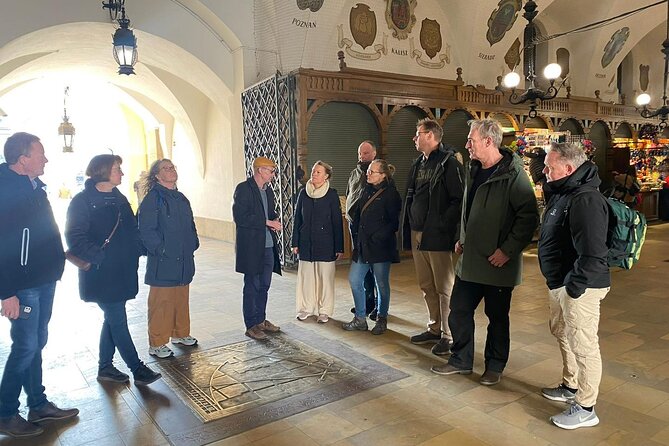
The strongest praise angle here is the guide effort. You get a guide who works hard to help you understand what you are seeing, and who asks if you have questions. When you ask something, the answers are detailed, not hand-wavy.
That matters because the Jewish Quarter contains complex history. Without explanation, it is easy to miss the point or misread symbols. With this kind of guide, you are more likely to leave with a mental map, not only photos.
The tour language is English, so you will not have to translate key ideas on the move.
Practical tips so your visit goes smoothly
Here are a few small moves that make this kind of tour feel easier.
- Bring 50 PLN cash in advance for synagogue admissions where required
- Wear shoes you can walk in for two hours, since many stops are back to back
- If you care about the optional Remuh cemetery visit, give yourself a calm mindset and plan time for it
- Keep your questions ready. The guide is set up to handle them and answer with detail
- Since it requires good weather, have a backup day in mind if conditions are poor
Should you book this Krakow Jewish Quarter walking tour?
I think it is a good booking if you want a structured Jewish Quarter introduction that covers major synagogue stops, plus Kazimierz daily life moments like the food square. The guide interaction and question friendly style are the differentiators, and the two hour length is a practical sweet spot.
I would skip or adjust expectations if you do not want to carry cash for synagogue entry, or if you prefer longer, slower visits inside every site. This is built for walking and context, not a full day of museum-style time in buildings.
If you are arriving in Krakow and want one clear, efficient way to understand the Jewish Quarter before you wander on your own, this tour gives you that starter framework, and it does it at a price that feels fair for a professionally guided two hour circuit.
FAQ
How long is the Krakow Jewish Quarter walking tour?
It lasts about 2 hours.
What is the price per person?
The price is $38.45 per person.
Is the tour offered in English?
Yes, it is offered in English.
What does the tour price include?
It includes a professional guide. It does not include admission for some synagogues.
Do I need cash for this tour?
Yes. You need cash so you can enter the synagogues where admission is not included. The amount is listed as 50 PLN per person.
Where is the meeting point and where does the tour end?
You meet at Miodowa 19, Kraków and end at plac Wolnica, Kraków.
How big are the groups?
The tour has a maximum of 50 travelers.
What is the cancellation policy?
Free cancellation is available. You can cancel up to 24 hours in advance for a full refund. If canceled less than 24 hours before the start time, the amount paid is not refunded.
Squares Crossed on Foot
- Kraków: Old Town & Wawel Castle Walking Tour in English
★ 4.8 · 532 reviews - Krakow: Evening Walking Tour with Spooky Stories
★ 4.7 · 500 reviews - Krakow Old Town Guided Walking Tour
★ 4.5 · 438 reviews - Krakow: Jewish Ghetto Walking Tour
★ 4.6 · 349 reviews
Freshly posted from Krakow
- Krakow: Audio-Guided City Experience by Golf Cart★ 5.0 · 1 review
- Krakow: Zakopane and Thermal Springs Tour with Hotel Pickup★ 5.0 · 1 review
- Half-day In the footsteps of John Paul II Tour from Krakow★ 5.0 · 1 review
- Krakow: Wawel & Salt Mine Experience with Lunch★ 5.0 · 1 review
- Tour to Wadowice: Hometown of Pope Saint John Paul II★ 5.0 · 1 review
- Krakow: Nowa Huta Communist District Walking Tour★ 5.0 · 1 review
- Krakow: Outdoor Paintball with Hotel Transfers★ 5.0 · 1 review
Jewish History & Heritage Tours, compared.
Bike Tour of Old Town, Jewish Quarter and the Ghetto
Read our review →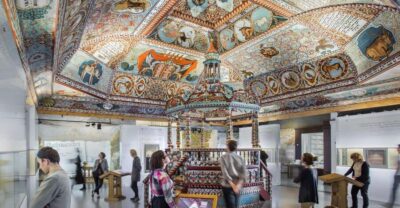
POLIN Museum of the History of Polish Jews Ticket
Read our review →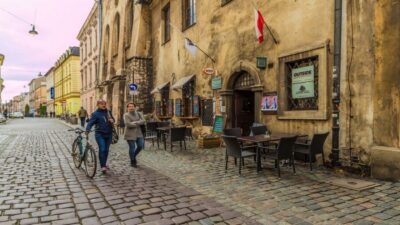
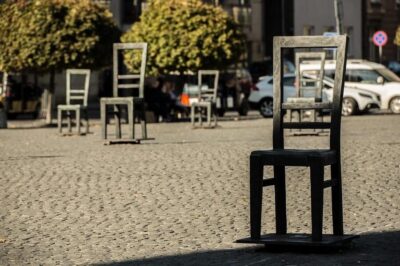
Kazimierz, Schindler’s Factory & Ghetto Guided Tour
Read our review →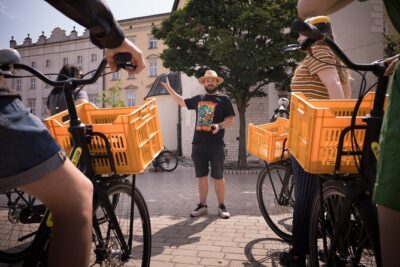
Full Bike Tour – the Old Town, Jewish Qtr & the Ghetto NEW BIKES
Read our review →
Warsaw Ghetto Private Walking Tour with Hotel Pickup
Read our review →Browse the lists this tour appears in