
Reviewed · JEWISH HISTORY & HERITAGE TOURS
Jewish Krakow Walking Tour in English
Krakow’s Jewish streets tell stories you cannot read fast. This Jewish Krakow walking tour in English links prewar Jewish life, the Holocaust in the area, and today’s community. Two things I really like are how the route centers on Kazimierz and Podgórze and how guides use a constructed narrative that keeps the walk moving and meaningful, with names like Maciek and Max popping up in standout comments.
The main drawback to factor in is that the tour can end a good distance from where you started, so you may want a plan for getting yourself back. Also, because you are walking around old streets and cobblestones, wear supportive shoes, even if it is not a long walk on paper.
In This Review
- Key highlights that make this tour worth your time
- Where the story begins: the Old Synagogue stairs
- Kazimierz: synagogues, Jewish art, and everyday life before WWII
- How the Holocaust chapter is handled in Podgórze
- Today’s Krakow: Jewish revival where you can still see life
- The guides and storytelling style: why reviews keep naming people
- How long is 150 minutes, and what the walk feels like
- Price and value: what $26 buys, and how the pay-what-you-wish setup works
- Practicalities that matter: meeting point, timing, and ending location
- Who should book, and who might want a different option
- Should you book this Jewish Krakow walking tour?
Key highlights that make this tour worth your time
- Old Synagogue meeting point on the Jewish Quarter main street, so you start where the story begins
- Kazimierz focus on Jewish art and architecture, including the legacy of synagogues that survived WWII
- Podgórze WWII ghetto sites, with the tragedy framed across 1941 to 1943
- A real narrative, not just a list of stops, with guides who stay lively and answer questions
- A built-in coffee break, helpful when the walk starts to feel long
- English live guide with strong feedback for pacing and clarity, including guides like Krzysztof and Lucy
Where the story begins: the Old Synagogue stairs
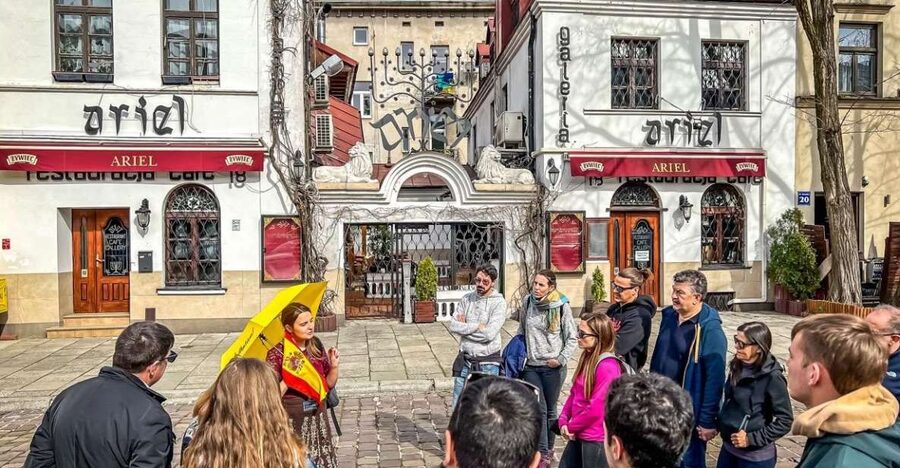
Most tours start at a landmark. This one starts at a landmark with extra gravity. You meet on the stairs in front of the Old Synagogue, on the main street in the Jewish Quarter. That matters because the Jewish Quarter is not just a place to visit, it is a place to understand.
From that first step, the tone usually shifts from sightseeing to context. You are not asked to memorize dates. Instead, you get a chain of why things happened, what people’s lives looked like, and how the built environment holds evidence even when the community was shattered.
The guides also seem to know how to calibrate the group’s attention span. Multiple reviews highlight good pacing, and that is exactly what you want on a 150-minute walk that covers both everyday life and atrocity.
More Walking Tours in Krakow
- Old Town Krakow & Wawel Castle Walking Tour
★ 5.0 · 1,508 reviews - Creepy Krakow: 2-Hour City Walking Tour
★ 4.7 · 1,131 reviews - Krakow: The Old Town Walking Tour
★ 4.8 · 794 reviews
Kazimierz: synagogues, Jewish art, and everyday life before WWII
Once you leave the meeting area, the tour spends time in Kazimierz, Krakow’s historic Jewish district. This is where you start to see how architecture becomes a language. The area is described as a jewel of Jewish art and architecture, and the tour’s focus on the district helps you connect buildings to community life.
A key detail you get to hold onto is that Krakow once had one of the largest Jewish populations in the world, and Kazimierz was a center of this civilization. Even without going into every building name, the tour structure helps you understand the logic: synagogues were not just religious sites, they were landmarks for education, debate, social life, and identity.
One of the most striking points in the tour description is the survival story. The tour notes that there are seven ancient synagogues in the area that survived the destruction of WWII and the Holocaust. Whether you view each one in detail or as part of a larger picture, the lesson is the same: some parts of the past endured, which is why you can still learn from the street-level evidence today.
If you are the kind of traveler who likes to understand how communities function, Kazimierz is the best place to slow down in your head. You will be hearing about historical context, but you will also be shown how to read signs, spaces, and street patterns as part of the larger narrative.
A practical consideration: one review mention that they would have preferred a brief visit into a practising synagogue. That is not guaranteed on this type of walking tour. If a worship visit is a must for you, check with the operator in advance, but expect the emphasis to stay on history and important sites rather than inside-the-service time.
How the Holocaust chapter is handled in Podgórze
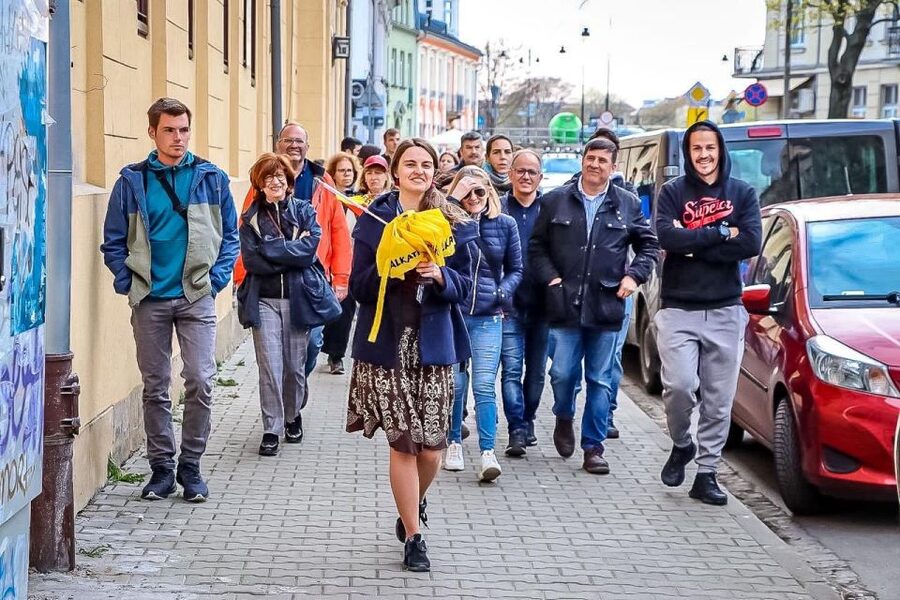
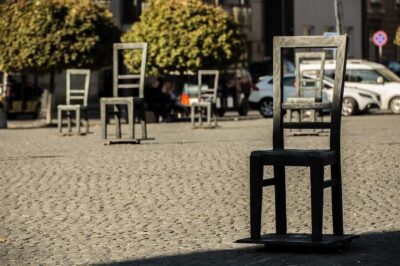
The tour does not shy away from the Holocaust, and it also does not treat it as abstract tragedy. It moves into Podgórze, the area of the former WWII Jewish ghetto, and uses the physical setting to tell what happened there.
The tour description specifically frames Podgórze as telling the story of the tragedy that original buildings witnessed in 1941 to 1943. That time window is important, because it helps you avoid the common mistake of thinking of the Holocaust as one single moment. It was a process, with shifting rules, worsening conditions, and constant loss.
This is also where the walking format can work better than a museum visit. You see how neighborhoods connect. You also sense the scale of what happened, even when there are no dramatic plaques in front of you. Reviews mention that guides pointed out places of importance that you would likely miss on your own, and that is exactly what this part of Krakow needs. The ghetto story is easy to skim past if you are only looking for obvious landmarks.
There is one small caution drawn from feedback: one person noted that an original segment of ghetto wall was not included right at the end and was only a short distance further. I would not assume that is always the case, but it is a useful mindset for you. If you are very detail-focused about boundaries and wall sections, leave time to walk a bit more if your guide suggests it.
Today’s Krakow: Jewish revival where you can still see life
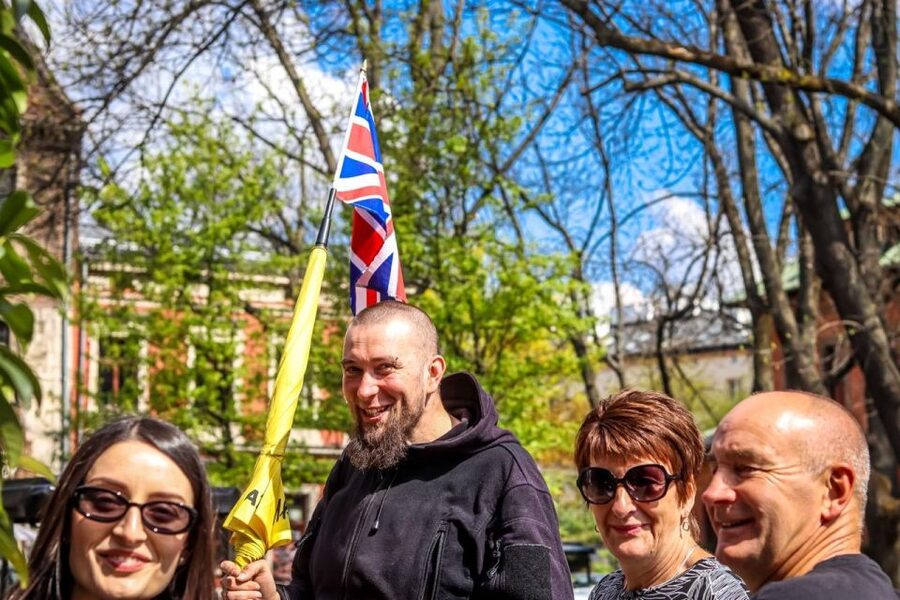
A big reason to do this tour rather than only reading about Krakow is the way it bridges past and present. The tour description says you will talk about destruction during WWII, but you will also see the amazing revival of Jewish culture in contemporary Kraków.
Present-day Kazimierz is described as a cultural heart of the modern city and home to a small but living Jewish community. That phrasing matters because it avoids turning the story into pure loss. You are still in a living city, and the guide is likely to point out how people carry culture forward through community institutions and daily life.
What I like about this approach is that it changes how the “heavy” part lands. After learning about death and destruction, you do not just end with silence. You end with what survives, what returns, and what Krakow became after the worst chapter ended. That does not erase tragedy. It gives it meaning in a bigger timeline.
Further Jewish history and heritage itineraries:

The guides and storytelling style: why reviews keep naming people
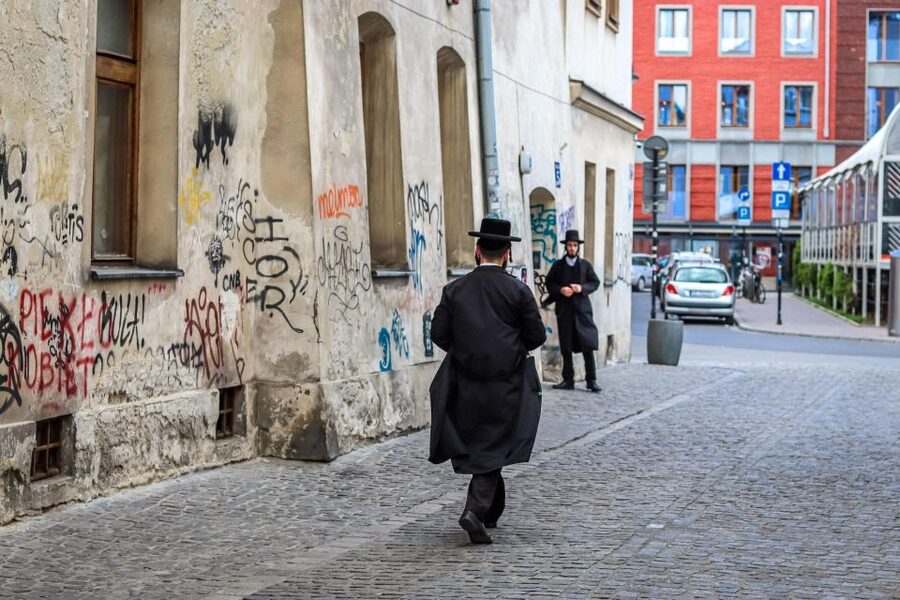
This tour is praised heavily for guide quality, and that shows up through recurring names. People called out guides such as Max, Pawel, Mateusz, and Maciek, plus others like Krzysztof, Lucy, Damian, Natalia, and Victoria. The pattern is not just compliments about facts. It is about delivery.
A few specific strengths show up again and again:
- Well-paced narration, so the walk does not drag and the story stays coherent
- Compelling storytelling, including humor that makes the group comfortable without turning heavy topics into jokes
- Strong Q and A, with guides able to answer questions clearly
- A built-in break, which can make a long theme easier to digest
One review notes a group stopped partway due to a child’s fatigue after a coffee break. That tells you the tour rhythm may be flexible enough to stop, even if you choose to shorten your time. For families, this is a comfort.
Another review mentions rain, with a quick redirection. That is worth remembering: your experience depends on weather, cobblestones, and how the guide reads the group. If it is wet, go slow and keep an eye on your footing.
How long is 150 minutes, and what the walk feels like

150 minutes sounds manageable. On paper, it is 2.5 hours. On the ground, it is a story-based walk across the Jewish Quarter and toward the ghetto area.
The best way to think about the physical effort is: you are walking for a while, often on cobblestones, and you will be stopping to listen. One review explicitly advises comfortable shoes because most of it is cobblestones, and that is your takeaway. Bring shoes with grip and support.
Also, the tour is described as wheelchair accessible. That said, cobblestones and uneven old streets can still change the pace. If you need mobility support, you will likely do best by moving with your group and letting the guide know what pace works for you.
Group dynamics can affect the feel too. Since this is a walking tour, the most important comfort item is not only shoes. It is stamina for listening while walking. If you get mentally tired easily, plan water and treat the coffee break as part of your strategy.
Price and value: what $26 buys, and how the pay-what-you-wish setup works
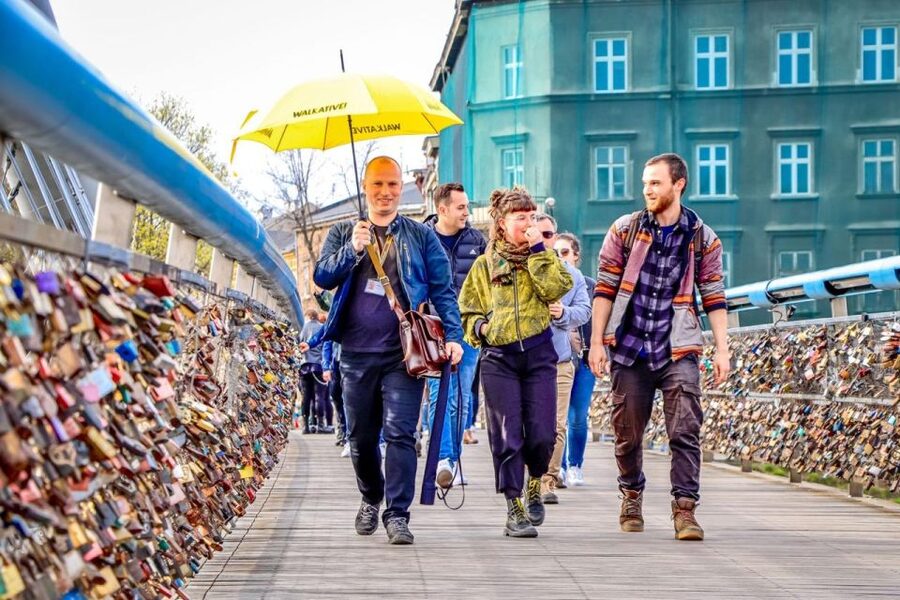
At $26 per person, this tour is not expensive for what you get: an expert local guide plus a constructed narrative across major historical sites. The biggest value is not just the destination list. It is the guided explanation that helps you connect sites into a timeline.
One detail you should know about the payment model is how this works with pay-what-you-wish. The info says that when you book this tour, you join a general pay as you wish tour setup, where the amount you pay covers the reservation fee and the guide’s payment. That means your upfront price is doing more than just locking in a seat.
Is it worth it? In my view, it becomes a good deal if you care about meaning and context. If you only want a self-paced walk and already know a lot about Krakow’s Jewish history, you might feel the price is less justified. But if you want your questions answered and your route interpreted, the guide time is the product you are buying.
For families or anyone planning a bigger Holocaust-focused trip, this can also help you mentally prepare. One review notes doing Auschwitz after this tour and said they felt they needed to hear and see this beforehand. That is personal, but it points to the tour’s role as context-building before you go to other sites.
Practicalities that matter: meeting point, timing, and ending location
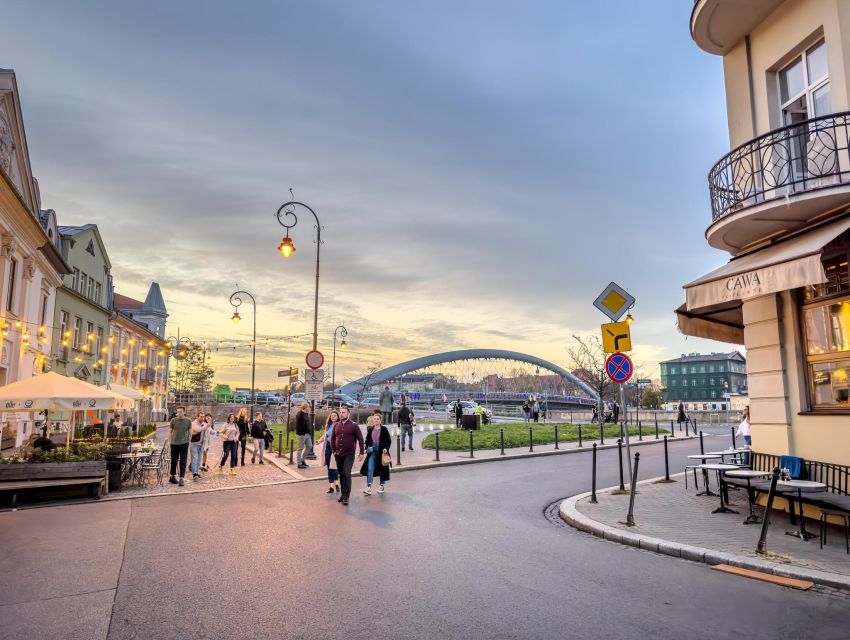
This is one of the more practical walking tours, and that helps. The meeting point is specific: stairs in front of the Old Synagogue, on the main street in the Jewish Quarter. Plan to arrive 10 minutes early so you can find the group without rushing.
One practical issue came up in feedback: a person said the tour started at the Old Synagogue area but finished miles away over the river, and they were unsure how to get back. That does not mean it always happens the same way, but it is a fair warning. Before you book, think about your return plan. Save yourself stress by knowing which direction you want to walk or how you will get back to your base.
Weather can change the experience too. Rain makes cobblestones slippery, and one review mentions the meeting point being tricky in rain, followed by quick redirection. Bring a small umbrella or rain shell, and keep your attention on your feet.
Who should book, and who might want a different option
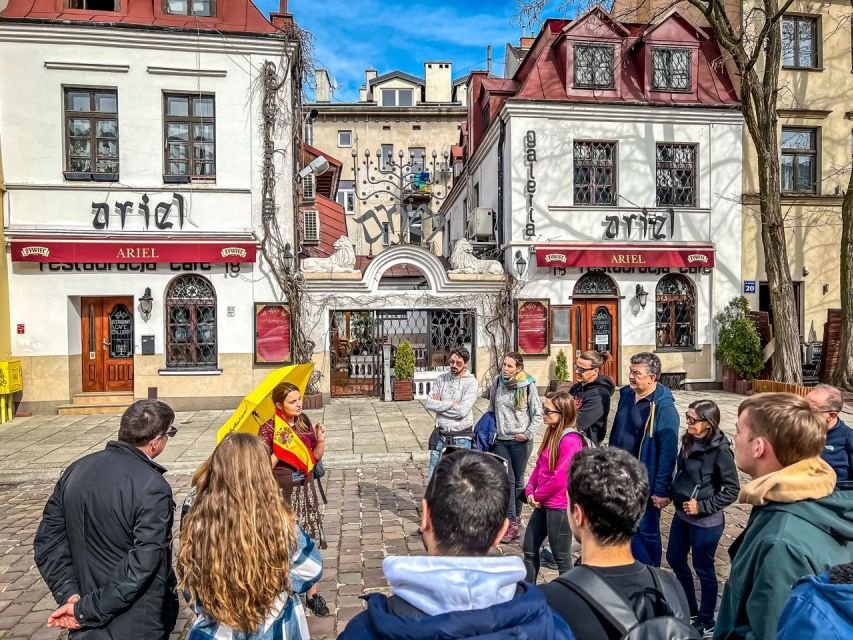
This Jewish Krakow walking tour is a strong choice if you:
- Want an English guide with a coherent story, not random points of interest
- Care about Kazimierz and Podgórze as connected chapters
- Prefer walking with interpretation, especially when history is hard to piece together
- Want a tour that includes both tragedy and postwar Jewish cultural revival
It may be less ideal if:
- You need to be inside a practising synagogue for a service rather than just seeing and learning about significant sites
- You dislike long walks with stops and listening time
- You strongly prefer tours that end right where they start, with no need to navigate your way back
For most people, it is a good balance of moving through important places while still understanding them.
Should you book this Jewish Krakow walking tour?
I think you should book if you want the Jewish Quarter and ghetto area explained in a way that helps you actually understand what you are seeing. The combination of a guided 150-minute narrative, English delivery, and the focus on Kazimierz plus Podgórze is a solid value for $26. The repeated praise for pacing and engaging guiding styles, including names like Maciek, Max, and Pawel, suggests this is not just a checklist tour.
My only caution is practical: plan your return since the ending point may not be next to where you began, and wear proper shoes for cobblestones. If you can handle that, you will leave with a clearer timeline, more meaning in the streets, and a better sense of why Krakow matters.
Squares Crossed on Foot
- Kraków: Old Town & Wawel Castle Walking Tour in English
★ 4.8 · 532 reviews - Krakow: Evening Walking Tour with Spooky Stories
★ 4.7 · 500 reviews - Krakow Old Town Guided Walking Tour
★ 4.5 · 438 reviews - Krakow: Jewish Ghetto Walking Tour
★ 4.6 · 349 reviews
Freshly posted from Krakow
- ZALIPIE – painted village, unique small group tour from Krakow★ 5.0 · 7 reviews
- “John Paul II Route” PRIVATE -Wadowice, Kalwaria Z.-Łagiewniki★ 5.0 · 7 reviews
- Krakow: Craft Beer Tasting City Walking Tour★ 4.4 · 7 reviews
- Magic of Krakow: Guided Tour of the Old Town★ 5.0 · 7 reviews
- Krakow : Zakopane Tour + Thermal Pools with Hotel Pickup★ 4.8 · 7 reviews
- Krakow in One Day: City Tour by Electric Car★ 5.0 · 7 reviews
- Cracow: Wawel Castle and Cathedral Guided Tour★ 5.0 · 7 reviews
Jewish History & Heritage Tours, compared.
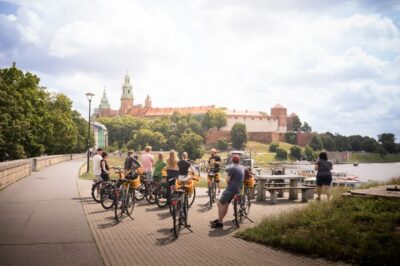
Bike Tour of Old Town, Jewish Quarter and the Ghetto
Read our review →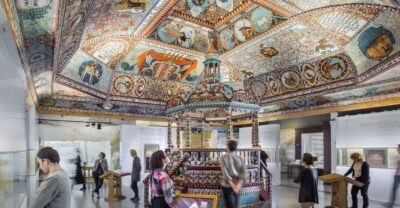
POLIN Museum of the History of Polish Jews Ticket
Read our review →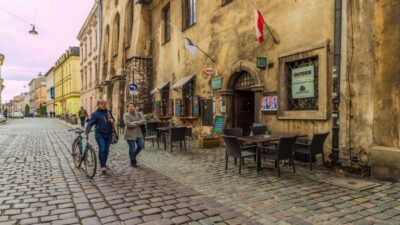
Kazimierz, Schindler’s Factory & Ghetto Guided Tour
Read our review →
Full Bike Tour – the Old Town, Jewish Qtr & the Ghetto NEW BIKES
Read our review →
Warsaw Ghetto Private Walking Tour with Hotel Pickup
Read our review →Browse the lists this tour appears in