
Reviewed · COOKING CLASSES
Warsaw: Polish Dumplings Cooking Class
Pierogi are the ultimate Warsaw comfort food. This class turns that idea into a hands-on lesson, from making the dough to learning how to seal dumplings the right way, in a small group setting.
I especially liked the practical step-by-step format and the fact you finish by eating what you made, plus a Polish liqueur tasting. The one thing to watch is timing: it runs about 150 minutes, so show up on time to catch the short intro and don’t plan to drift in late, especially since the activity is non-refundable once booked.
In This Review
- Key highlights
- 150 Minutes of pierogi making, from dough to sealed dumplings
- Where Pierogi & More is, and how to find the entrance fast
- The short pierogi intro that sets you up for success
- Dough mixing and kneading, the step people skip at home
- Filling choices: meat, vegetarian, or vegan pierogi
- Folding and sealing techniques, plus the tasty “hacks”
- The big end-of-class meal, family-style comfort food
- Liqueur tasting at the end, a classic finishing touch
- Photos, recipe booklet, and how you keep the class alive at home
- Who this class suits best in Warsaw
- Price and value: what $75 gets you in real terms
- Quick practical tips before you go
- Should you book the Warsaw Polish dumplings cooking class?
- FAQ
- How long is the Warsaw pierogi cooking class?
- Where is the meeting point?
- Is the instructor available in English?
- How many people are in the group?
- Can I make vegetarian or vegan pierogi instead of meat?
- What do I eat and drink during the class?
- Are drinks and alcoholic beverages included?
- How do I receive photos and recipes after the class?
- Is it suitable for kids under 8, and is it refundable?
Key highlights
- Up to 10 people, so you get real attention while you fold and seal
- Meat, vegetarian, or vegan pierogi options, so the class works for mixed groups
- 150-minute session that moves from dough to filling to finished dumplings
- Big family-style meal at the end, with liqueurs included
- Take-home materials, including a recipe booklet plus photos and recipes sent to you
150 Minutes of pierogi making, from dough to sealed dumplings
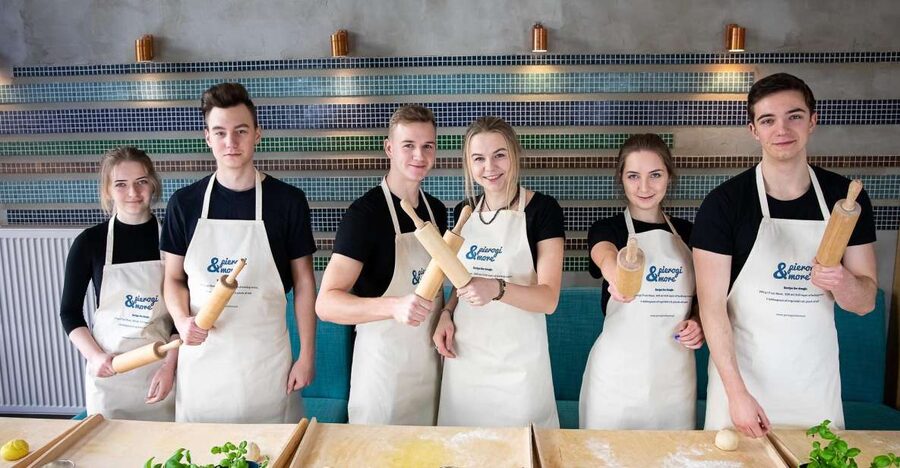
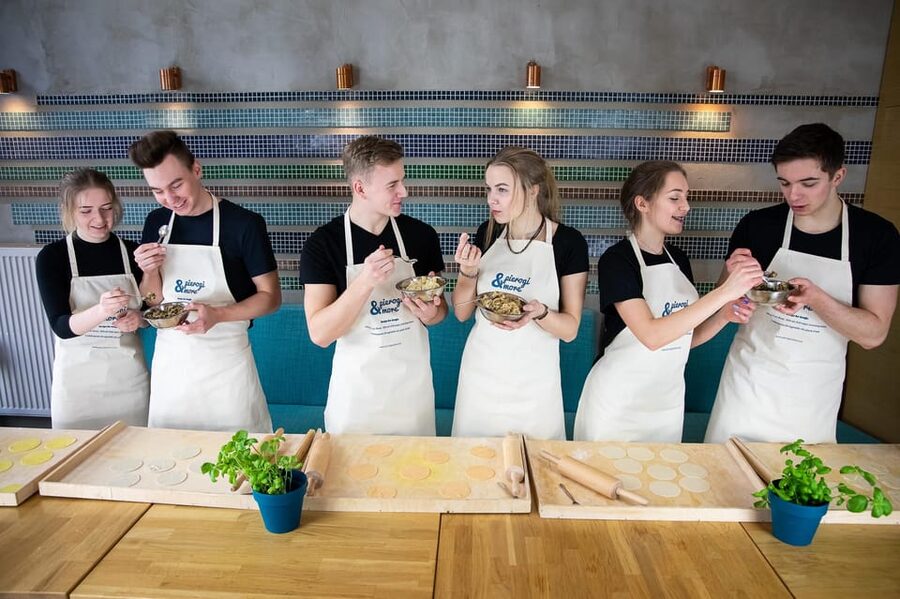
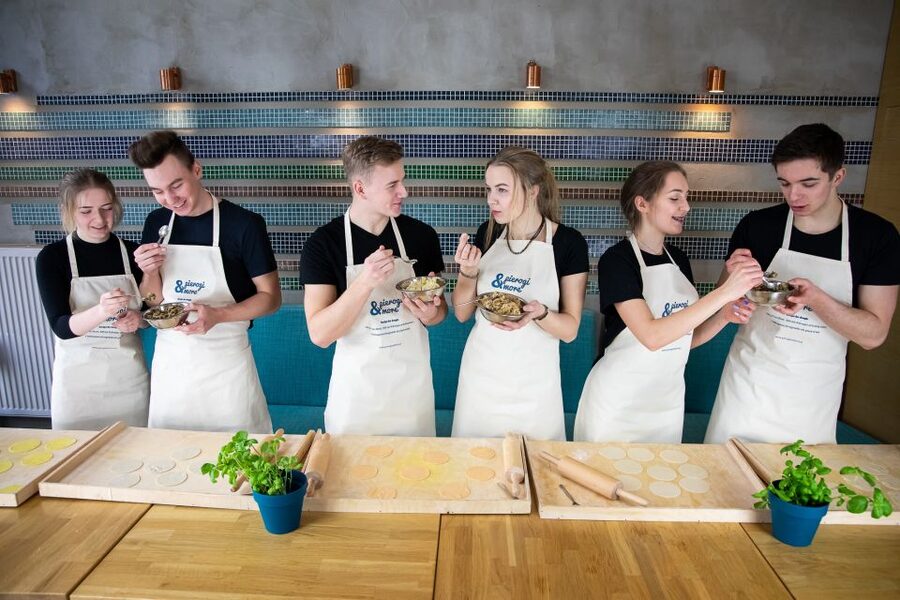
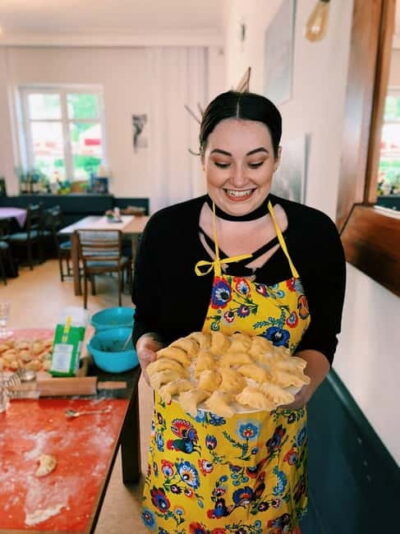
Plan on a focused, hands-on 2 to 2.5 hours. You start with mixing and kneading dough, then you roll it out, fill it, and practice folding and sealing techniques. If you’ve only ever eaten pierogi and never made them, this is the kind of class that helps you understand what makes them feel Polish and homemade, not like random dumpling dough.
What I like is that you’re not just watching. You’re doing the work: dough handling, portioning filling, and learning how to close the edges so pierogi cook up properly. The pace is fast enough to feel productive, but structured so beginners are not left behind.
You also get a short introduction before you start. It’s meant to explain the origins of pierogi and where they sit in Polish culinary life, so the rest of the class lands with more meaning than just a food stunt.
More flour on Polish aprons:
- Warsaw’s No 1 cooking class-Polish dumplings with liqueur tasting
★ 5.0 · 576 reviews - Pierogi Cooking Class with Market Shopping and Local Snacks
★ 5.0 · 343 reviews - Krakow Pierogi Cooking Class with Market Visit & Home-Cooked Meal
★ 5.0 · 212 reviews
Where Pierogi & More is, and how to find the entrance fast
You meet at Pierogi & More, 3 Stawki Street, 00-193 Warsaw. The entrance is from the street, and you should look for the large Pierogi & More sign.
This matters more than you’d think. A lot of cooking classes run smoothly only if everyone gets there on time for the intro and prep flow. If you arrive late, you can miss the exact moment the dough stage begins, and that is the part where your dough confidence starts.
Tip: give yourself extra minutes on the walk. Warsaw streets are easy to navigate, but you’ll feel less rushed if you’re settled before the host starts.
The short pierogi intro that sets you up for success
Before hands get messy, you get a brief kickoff about pierogi and their role in Polish food culture. Then it’s straight into the process.
I like this format because it respects your time. Instead of turning the class into a lecture, you get just enough context to understand what you’re making and why certain choices matter, like dough texture and how the filling gets portioned.
You also hear what to expect in terms of meat versus vegetarian or vegan options. That way, when it’s your turn to choose, you already know how the class will adapt.
Dough mixing and kneading, the step people skip at home
The class begins with dough mixing and kneading. That’s the backbone step, because pierogi dough quality affects everything: how easy it is to roll, how well it seals, and how the dumplings hold together when cooked.
You’ll get technique guidance while you work, not a one-line instruction and good luck. Kneading is one of those skills where small changes matter, like how long you work it and how dough should feel before you roll.
If you’ve ever made pasta or bread, you’ll recognize the logic. If you haven’t, that’s still fine. You’re learning through doing, with English instruction and hands-on help.
Still tacked up around Warsaw

Filling choices: meat, vegetarian, or vegan pierogi
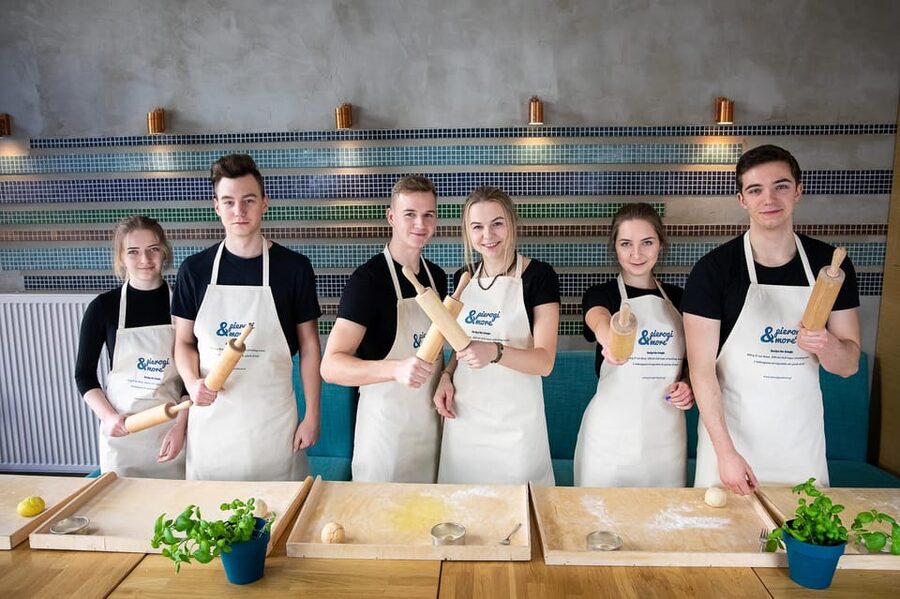
One of the best parts for me is choice. You can prepare pierogi with meat filling or choose vegetarian or vegan options, depending on what you prefer.
That flexibility makes the class work for couples and friends with different eating styles. It also helps you understand how pierogi can taste distinct while still following the same core method.
During the class, you learn filling preparation and then you move into portioning and sealing. This is where you build muscle memory, and where the host’s guidance helps you avoid the two most common home mistakes: overfilling or undersealing.
Folding and sealing techniques, plus the tasty “hacks”
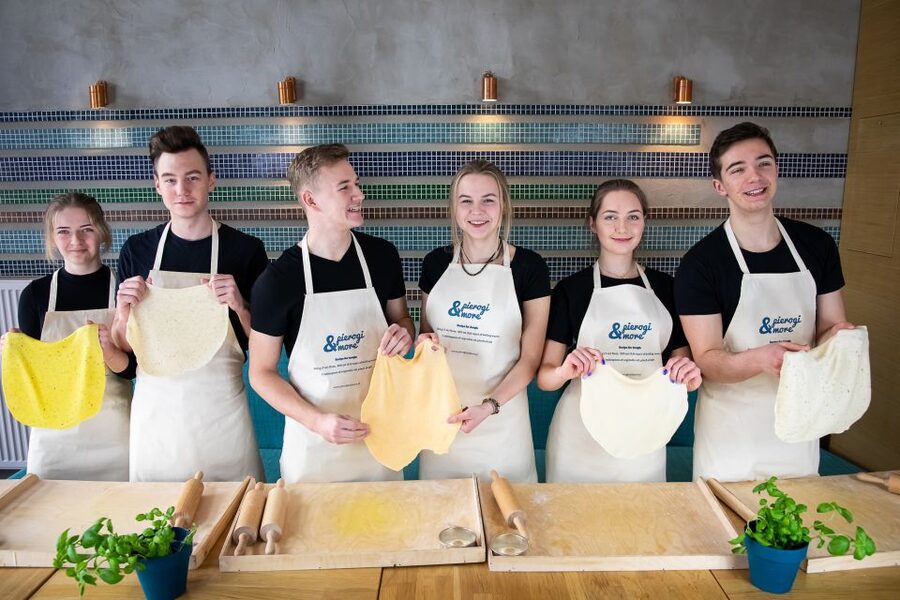
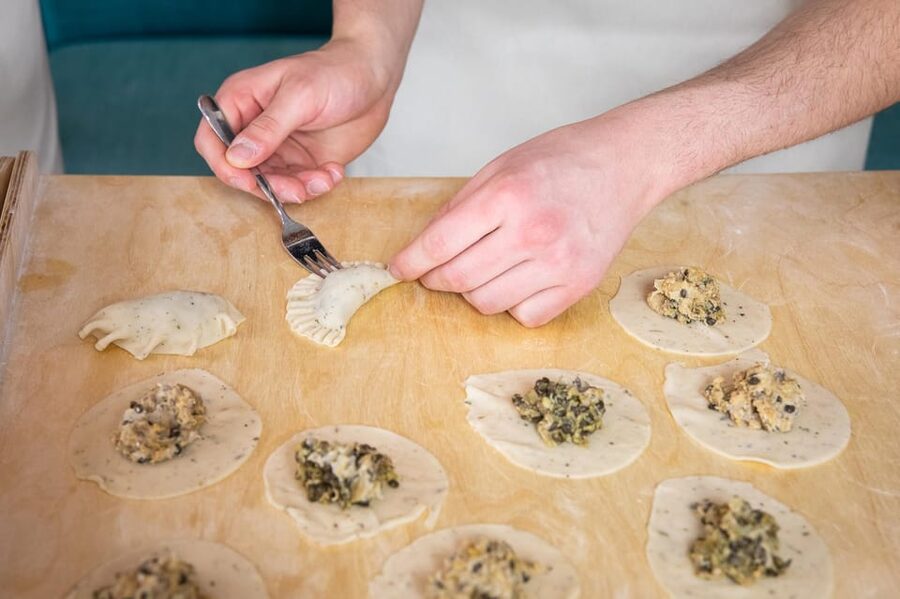
Folding is not just about making the dumpling look pretty. It affects cooking. A sealed pierogi helps keep filling in and reduces bursts.
You learn various techniques of folding and sealing, along with hacks designed to make pierogi extra tasty. “Extra tasty” sounds vague, but in practice it usually comes down to small things like managing dough thickness, getting consistent filling amounts, and using smart methods to close edges cleanly.
I also like that you’re taught multiple ways rather than one rigid style. If one shape feels awkward at first, you can experiment, improve, and still finish with a satisfying result.
And if you’re a perfectionist type, this is fun in a slightly competitive way. You’ll start noticing what changes your seal strength and what changes your bite.
The big end-of-class meal, family-style comfort food
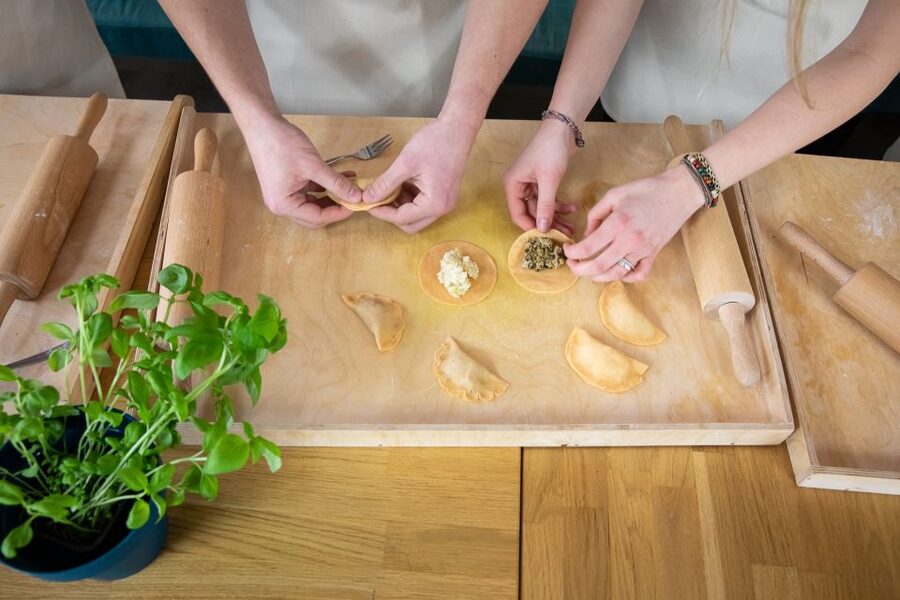
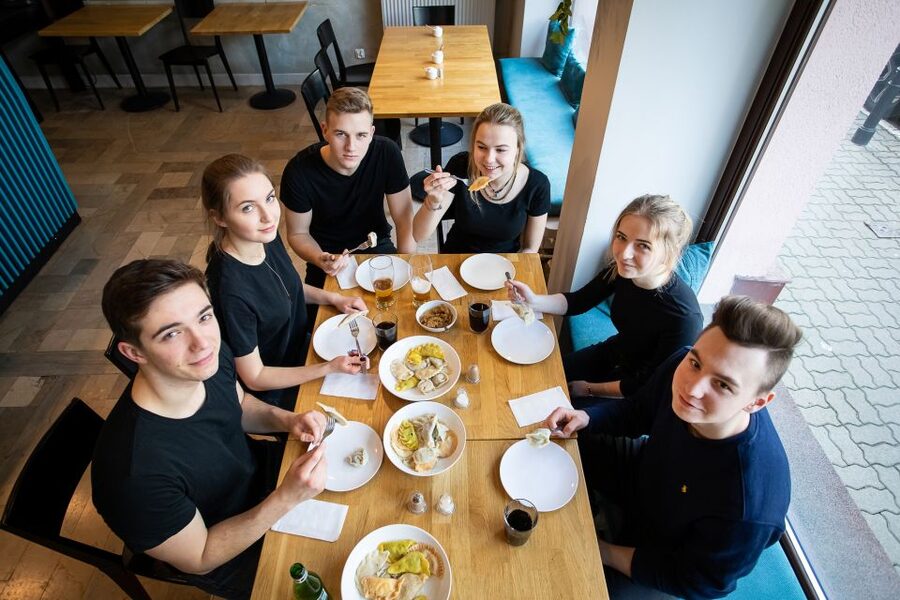
After you finish making pierogi, you get to eat. The class includes a big meal, with vegetarian or vegan options available.
The meal is built around your work, so it doesn’t feel like you learned pierogi and then got distracted by unrelated food. You get to taste the dumplings you assembled, compare textures, and recognize the difference between good dough handling and dough that’s a little too thick or too dry.
This is also where confidence kicks in. Once you’ve tasted a plate of pierogi you made, you stop thinking of pierogi as something that belongs only to restaurants or grandmothers. It becomes something you can actually reproduce.
Liqueur tasting at the end, a classic finishing touch
You also get a tasting of Polish liqueurs included in the class. It’s served as a well-deserved finish after you eat and before you wrap up.
I like this because it turns the experience into a complete evening. Cooking classes sometimes stop at the food and call it done. Here, you get a cultural touch that fits the comfort-food theme.
Important note on drinks: alcoholic beverages are listed as not included. That said, the class does include liqueur tasting, and drinks are included in the price of the evening class only. If you book a morning class, you may order drinks at your own cost.
Photos, recipe booklet, and how you keep the class alive at home
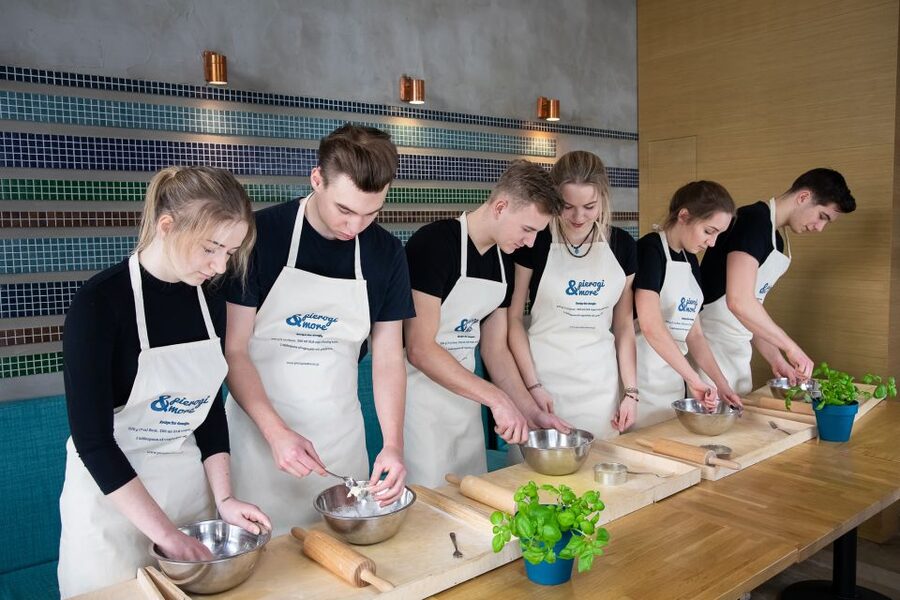
You take home a recipe booklet, and you also receive recipes by e-mail after the class. On top of that, the host shares a link to pictures taken during the session.
This is genuinely useful. When you’re back home, it’s easy to forget small timing and dough cues. Having the written recipe plus your own photos helps you recreate what you did, and it’s also handy if you want to make pierogi for a group.
Also, the class gives you a record of your progress. Watching your own dumpling shapes in photos helps you see where you improved, so your next batch gets better faster.
If you’re the type who hosts dinner, this is the part that turns the class into a lasting souvenir, not just a one-night activity.
Who this class suits best in Warsaw
This workshop fits best if you want hands-on food practice and you like eating what you make. It’s also a good fit for different dietary needs because you can choose meat, vegetarian, or vegan pierogi.
It works well for:
- Couples who want a shared activity with a tasty payoff
- Solo travelers who want conversation and a small-group vibe
- Families with older kids (the class is not suitable for children under 8)
- Groups of friends where at least one person is happy to learn folding and cooking, not just taste
Reviews reflect that the atmosphere stays friendly and interactive, with hosts guiding each person and keeping the process moving. Many classes at Pierogi & More are led by instructors named Maria, Daria, Ben, Nina, Patrycja, and Marysia. You might meet one of these friendly faces during your session, since the class is run by an English-speaking teaching team.
Price and value: what $75 gets you in real terms
At $75 per person for about 150 minutes, you’re paying for more than instruction. You’re paying for ingredients, workspace, and guided technique, plus the full meal and liqueur tasting at the end.
Here’s why I think the value holds up:
- You learn a repeatable skill (dough, filling, sealing) you can use again at home
- The portion size feels like a real meal, not a snack
- Vegetarian and vegan options are included, so the cost works for mixed diets
- You get take-home materials: recipe booklet, emailed recipes, and a photo link
The biggest “value check” is your willingness to get hands-on. If you want a quick food tasting with zero effort, this might feel like too much work for the money. If you like cooking and want a guided shortcut to pierogi technique, it’s a strong deal.
Also remember the class is non-refundable once booked, so plan your schedule carefully.
Quick practical tips before you go
- Arrive early enough to catch the short intro. Dough timing matters, and being late can throw off your flow.
- Wear clothes you don’t mind getting flour dust on. Kneading gets messy, even when you’re careful.
- If you have dietary restrictions, decide on meat versus vegetarian or vegan before the class starts so you can jump into filling prep quickly.
- If you’re booking a morning class, double-check drinks. Drinks are included for the evening class only, and morning drinks may cost extra.
- Go with a mindset of learning. Your first batch at home will be better because you’ll remember how the dough felt and how the seal should look.
Should you book the Warsaw Polish dumplings cooking class?
I think you should book it if you want a fun evening that turns into a practical skill. For me, the win is the full loop: technique teaching, plenty of hands-on time, then a meal you helped create, plus liqueur at the end.
Skip it if you only want passive sightseeing or if you’re not interested in cooking at all. Also be mindful of the age limit, since it’s not suitable for children under 8.
If your Warsaw trip needs one memorable, tasty, hands-on activity that still gives you something to take home, this is an easy yes. You’ll leave full, you’ll have photos, and you’ll have the recipe steps to make pierogi again back in your own kitchen.
FAQ
How long is the Warsaw pierogi cooking class?
The class lasts 2 hours to 150 minutes.
Where is the meeting point?
Meet your guide at Pierogi & More, 3 Stawki Street, 00-193 Warsaw. The entrance is from the street, and you should look for the large Pierogi & More sign.
Is the instructor available in English?
Yes, the instructor teaches in English.
How many people are in the group?
The group is small, limited to 10 participants.
Can I make vegetarian or vegan pierogi instead of meat?
Yes. You can choose to prepare your dumplings with meat filling or with vegetarian or vegan options.
What do I eat and drink during the class?
You’ll make pierogi and then enjoy a big meal with vegetarian or vegan options. A tasting of Polish liqueurs is also included.
Are drinks and alcoholic beverages included?
Alcoholic beverages are not included. Drinks are included in the price of the evening class only, and for morning classes you may order drinks at your own cost.
How do I receive photos and recipes after the class?
You’ll get a link to pictures taken during the class, and you’ll receive recipes by e-mail.
Is it suitable for kids under 8, and is it refundable?
The class is not suitable for children under 8. The activity is non-refundable.
Freshly posted from Warsaw
- Krakow Small Group Tour from Warsaw with Lunch, Schindler’s Factory included★ 5.0 · 7 reviews
- Warsaw Private Transfer from Warsaw Chopin Airport (WAW) to City centre★ 4.0 · 7 reviews
- 3-hour tour at Warsaw Uprising 1944 Museum /inc. Pick-up/★ 4.9 · 7 reviews
- Wolfs Lair – Hitlers hideout★ 4.5 · 7 reviews
- Warsaw: Evening History and Pubs Tour by Retro Minibus★ 5.0 · 7 reviews
- Warsaw: Private Vodka Tasting Night with Snacks and Pickup★ 5.0 · 7 reviews
- Warsaw Old Town with Royal Castle + Royal Route: SMALL GROUP /inc. Pick-up/★ 5.0 · 7 reviews
Cooking Classes, compared.
Warsaw’s No 1 cooking class-Polish dumplings with liqueur tasting
Read our review →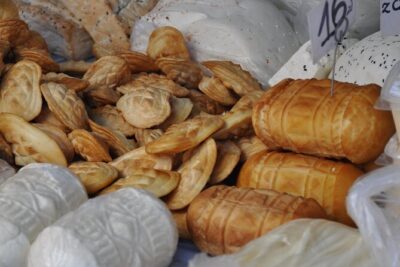
Pierogi Cooking Class with Market Shopping and Local Snacks
Read our review →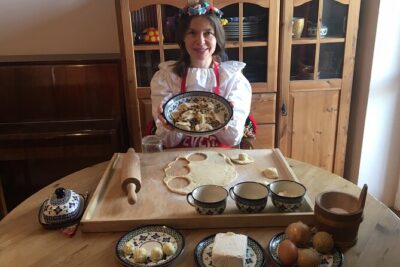
Krakow Pierogi Cooking Class with Market Visit & Home-Cooked Meal
Read our review →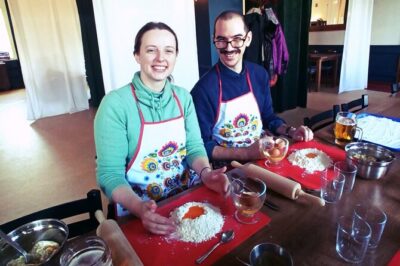
Pierogi Cooking Class: Mastering the Art of Polish Dumplings
Read our review →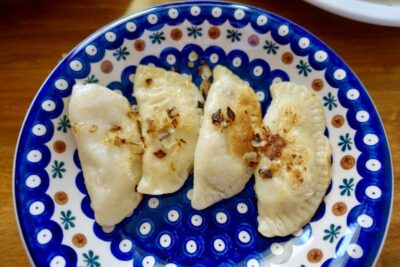
Browse the lists this tour appears in