
Reviewed · PIEROGI & POLISH FOOD EXPERIENCES
Pierogi Cooking Class: Mastering the Art of Polish Dumplings
Pierogi dough turns dinner into a hands-on story. This class in central Krakow gives you a real, practical way to learn Polish dumplings, from scratch dough to two fillings, then you eat what you make with beer or wine. I like that it feels beginner-friendly, yet structured enough that you end up with dumplings you can actually recreate at home. The main thing to consider is that the class is tied to a specific restaurant setup and fixed timing, so keep an eye on day-of messages.
You also get a small-group feel with pickup from a central meeting point, and it runs in English with instructors who teach in a patient, step-by-step way. I especially like the mix of savory and sweet, because it mirrors how pierogi show up on Polish tables, not just as one “tourist dish.” The group is capped, but it is still a busy, hands-on cooking room, so go in with a flexible mindset if you are traveling with a bigger crew.
In This Review
- Key things to know before you cook
- Krakow pierogi class: the simple recipe arc in 2 hours
- From meeting point to kitchen setup: what your first minutes feel like
- Making the dough from scratch, and why it’s the real skill
- Filling two ways: Pierogi Ruskie plus a sweet fruit version
- Savory: Pierogi Ruskie (potatoes and twaróg)
- Sweet: fruit-filled pierogi for the season
- Shaping and boiling: getting to the point where food turns real
- Beer or wine with your dumplings: a small inclusion with big impact
- Instructors like Olga and Magda, and why teaching style matters
- Price and value: what you pay includes more than a snack
- Potential snags to plan for, without killing the vibe
- Who this pierogi class is perfect for
- How to prepare so you enjoy every minute
- Should you book this Krakow pierogi class?
- FAQ
- How long is the pierogi cooking class in Krakow?
- What is the price per person?
- Is the class offered in English?
- Where do I meet for pickup?
- What types of pierogi will I learn to make?
- Is alcohol included with the meal?
- What should I wear?
- Do I need cooking experience?
- Can I bring dietary requirements?
- What is the cancellation policy?
Key things to know before you cook
- From-scratch dough: You make the dough yourself, not just assemble fillings.
- Two fillings, two styles: You’ll do one savory option plus a fruit-based sweet version.
- Hands-on shaping and boiling: You learn how to fill, shape, and cook until they’re right.
- Beer or wine included: Your meal comes with a local drink pairing.
- English-led instruction: You can follow along even if you cook rarely.
- Real local teaching: Instructors often share family-style tips and techniques.
Krakow pierogi class: the simple recipe arc in 2 hours
This is the kind of Krakow activity that makes you feel busy in a good way. You start with dough and end with a plate of dumplings that you shaped and boiled. The whole session runs about 2 hours, which matters because it keeps things focused. You are not waiting around for someone else to do the work, and you are not stuck in a long workshop where your attention fades.
The structure is also a big part of the value. First comes the dough, then filling prep, then filling and shaping, then boiling, then eating. That sequence is how you learn pierogi, because each step has one main goal. Dough should be manageable, fillings should be balanced, and cooking should be timed so the pierogi stay tender and don’t turn into glue. When an activity follows that logic, you walk away with skills, not just a memory.
I also like that the class is framed as Polish food culture, not just food theater. You get local tips, family-style methods, and stories that explain why pierogi matter beyond a single filling. That adds context without turning the class into a lecture you tune out.
One practical note, the session is hands-on in a real restaurant kitchen. That means it is not a showroom, and you should expect some kitchen noise and close quarters. If you want a totally quiet, museum-like experience, this is not it. If you want to cook, laugh, and leave fed, it fits perfectly.
More pierogi pressed at the table:
- Krakow: Tipsy Polish Food Tour With History, Pierogi & Shots
★ 4.9 · 439 reviews - Pierogi Cooking Class with Market Shopping and Local Snacks
★ 5.0 · 343 reviews - Krakow Pierogi Cooking Class with Market Visit & Home-Cooked Meal
★ 5.0 · 212 reviews
From meeting point to kitchen setup: what your first minutes feel like
Your experience starts with pickup from a centrally located meeting point at WavelovePodchorążych 3, 30-084 Kraków. Meeting near the city center is a quiet win, because you avoid time lost to long transfers and late starts.
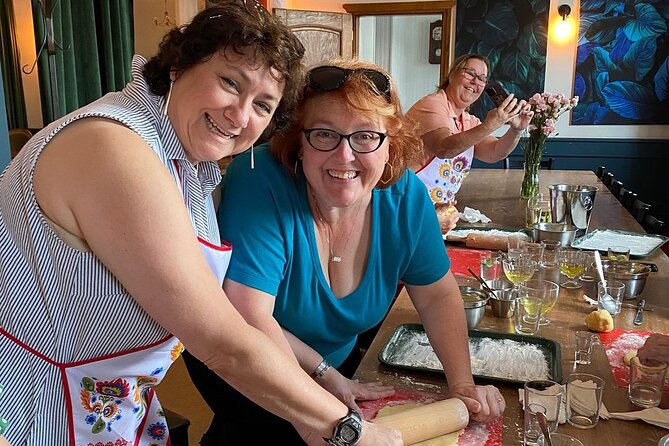
Once you arrive, you’ll settle in at the local restaurant where the class takes place. The setting is meant to be comfortable, and the format is built for personal service. Small group teaching usually helps because instructors can correct little issues early, like dough texture or sealing technique.
The class also makes a point of being family-friendly, so you might share the space with kids and see adults learning alongside them. That can be a nice energy boost because it keeps things lively. If you’re traveling with a child, it’s the sort of activity where you can see progress quickly, because the work is broken into clear stages.
Dress code is smart casual. In other words, wear something you are not afraid to get a little flour on. Cooking is messy. Even if you keep your hands clean, you are working with dough and boiling water, so choose comfy shoes you can stand in.
Making the dough from scratch, and why it’s the real skill
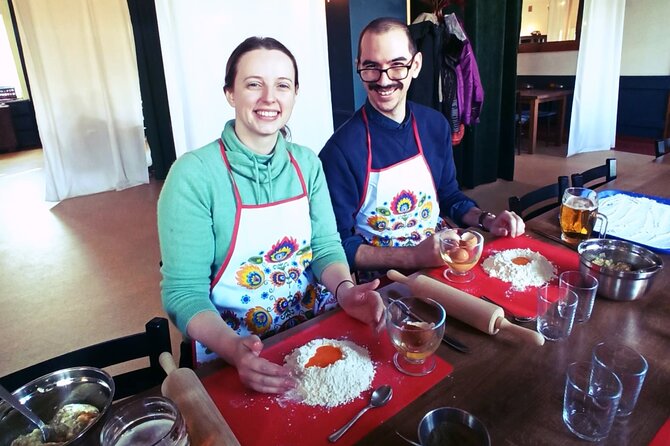
Most cooking classes let you do the easy part. This one starts earlier. You’ll make pierogi dough from scratch, which is where the technique lives.
The key takeaway for you: dough is not just a covering. It is the container that determines texture. If your dough is too dry, it cracks when you seal. Too wet, and you struggle to handle it. Getting it right means you can fill and shape without it turning into a sticky mess.
In the class flow, you work through the dough first, then you move to fillings. That order matters. You are not rushing your dough skills while your attention is split between mixing and filling. You can focus, learn, and then apply it immediately.
It also helps that the instruction is step-by-step and welcoming for beginners. The teaching style people rave about is patience and clear explanations. Instructors such as Olga and Magda have been highlighted for making the process simple, fun, and manageable, even if pastry dough feels intimidating.
If you want to bring this home later, your best souvenir is not the printed recipe. It’s the muscle memory of how dough feels at each stage, and how to adjust when it’s slightly too firm or slightly too soft.
Filling two ways: Pierogi Ruskie plus a sweet fruit version
You do two different types of pierogi. That alone is a good value move, because you leave with more than one flavor to repeat at home.
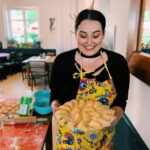
More flour on Polish aprons:


Savory: Pierogi Ruskie (potatoes and twaróg)
The savory option is Pierogi Ruskie, also known as Ruthenian-style dumplings. The filling is boiled potatoes mixed with creamy and tangy white cheese (twaróg).
This pairing is a classic for a reason. Potatoes bring comfort and body. Twaróg brings tang and richness, so the filling tastes full, not flat. Learning this filling helps you understand the pierogi logic: comfort food with a backbone of dairy brightness.
You’ll prep this filling as part of the class, then fill your pierogi and shape them. That’s important because it teaches you portion control. Overfill and they burst or seal poorly. Underfill and they taste less satisfying. You’ll learn a practical middle ground.
Sweet: fruit-filled pierogi for the season
Then comes the sweet side. You’ll make sweet pierogi with fresh fruits, using fruit available at the time of your class.
Sweet pierogi are a great contrast because they show pierogi can be dessert-like, not just a meal. The fruit version also helps you understand how fillings need to stay manageable. Juicier fruit can be tricky if it makes the filling runny, so learning how the instructor handles the texture is part of the takeaway.
If you like Polish food for its balance of savory comfort and comforting sweetness, this two-track approach is exactly why the class is popular.
Shaping and boiling: getting to the point where food turns real
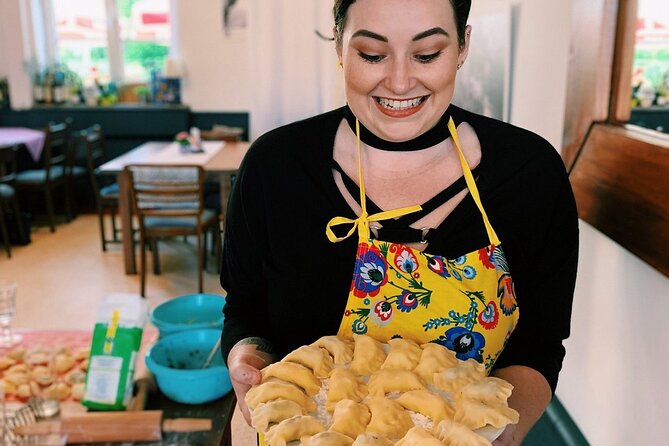
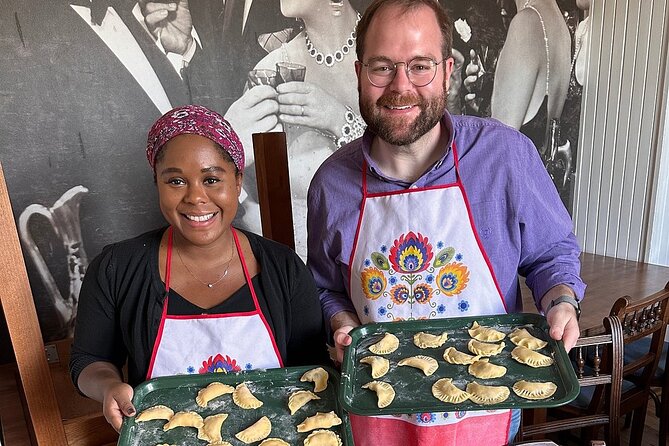
After dough and fillings, you fill and shape pierogi, then boil them until they’re right. This is where the class becomes truly hands-on.
Boiling is not just timing, it’s texture. Too short, and the dough feels tough. Too long, and it can get soft or break down. The class keeps you moving through the steps, so you practice the key moment of deciding when the pierogi are cooked.
You’ll also have the chance to try different shapes. People consistently mention having fun with shaping, and that matters because different shapes can change how the dumplings hold filling and how they cook. Even if you keep it simple at home later, knowing that shapes exist helps you stop worrying about doing one exact form.
One more practical point, this is a real dining moment at a real table in a real restaurant. It’s not a staged tasting where you get a tiny bite. You work, you cook, then you sit down and eat what you made.
That transition is part of the appeal. Cooking classes can feel like homework. Here, it turns into dinner.
Beer or wine with your dumplings: a small inclusion with big impact
Your meal includes a local drink, with a choice of a large beer or a glass of wine. That’s not a throwaway detail. It changes the whole vibe.
First, it makes the class feel like a proper evening, not just a kitchen lesson. Second, pairing helps you slow down after the work. You finish shaping, boiling, then you can actually enjoy your own pierogi while it’s hot.
If you like Polish beer culture, this is a comfortable way to connect it to food, without needing to order a bunch of things separately. If you’re more of a wine person, the glass option keeps you from needing to translate menus.
The result is a simple but satisfying payoff: you cook twice, you boil them, then you taste them with a drink included.
Instructors like Olga and Magda, and why teaching style matters
The best part of any cooking class is not the recipe. It’s how the teacher handles your mistakes.
This class has a reputation for friendly, patient instruction. People specifically mention Olga and Magda as instructors who guide each step clearly and keep the mood relaxed. Maria and Ania also show up in feedback as instructors who tailor instructions to different needs and make sure you do not feel lost.
For you, the practical benefit is confidence. If you get stuck on dough, sealing, or filling portions, a good instructor can fix it early. That prevents the classic cooking-class problem where one bad step ruins the rest of your batch.
Also, family-style tips are part of the package. The class references grandmothers’ methods and Polish culinary stories. Even if you take only one technique home, those little “how” and “why” notes make future cooking easier.
Price and value: what you pay includes more than a snack
At $82.72 per person, this is not a budget class. But it also is not just a tasting session.
You’re paying for:
- Two pierogi styles (savory and sweet)
- Dough made from scratch
- Hands-on shaping and cooking guidance
- A meal that includes your pierogi
- Beer or wine included
- An English-speaking local guide
That package is the value story. If you tried to recreate this at home without the instruction, you’d spend on ingredients and still struggle with the key timing and texture steps. Here, you get tuition plus a plated result.
Timing can also make value feel higher. Because it’s only about 2 hours, it fits nicely between sightseeing plans. You are not paying for time you’re waiting. You are paying for active doing.
One booking tip, the class is commonly booked ahead, with an average of 43 days in advance. If you’re traveling in busy periods, lock it in early so you’re not choosing between less ideal times.
Potential snags to plan for, without killing the vibe
Every cooking class depends on the restaurant workflow and the ingredient prep. In this case, there are two situations you should keep in mind.
First, if you have a tight travel schedule, watch for day-of updates. One cancellation issue has been reported when the venue became unavailable due to a private event. That does not mean it will happen to you, but it’s a good reminder not to tie your entire day to one fixed moment without a little cushion.
Second, if your group size changes at the last minute, it can affect how much ingredient prep and workflow the kitchen has ready. One person described a class where the instructor struggled after additional participants arrived beyond what was expected. If you’re traveling with a group and you might add people, confirm early.
If you’re booking for a solo trip, a couple, or a family on a normal schedule, these are more like “heads up” than dealbreakers.
Who this pierogi class is perfect for
This is a strong fit if you want:
- A hands-on Polish food activity in Krakow, not just a tasting
- A class that includes both savory and sweet pierogi
- Beginner-friendly teaching that makes dough and sealing feel doable
- A meal included at the end, paired with beer or wine
It’s also family friendly. Even if kids are more interested in the fun part (shaping, steam, tasting), they still benefit from being in a structured learning moment.
Where it might not be ideal is if you want a silent, sit-down lecture. This is active cooking, with standing, mixing, and boiling. You’ll use your hands and you’ll be in the kitchen rhythm.
How to prepare so you enjoy every minute
You’ll get more out of it if you arrive ready to focus for about 2 hours.
A few practical steps:
- Wear smart casual clothes and shoes you can stand in
- If you have dietary requirements, share them when booking, since the class asks you to advise specific dietary needs
- If you want to repeat the recipe later, pay attention to how dough feels and how the instructor tests doneness. That’s more useful than writing down every step
After the class, you may receive a recipe by email depending on what the instructor plans. In feedback, some people mention getting recipes after the session, while one person noted they did not receive what they were told. If that matters to you, consider asking the instructor at the end whether the recipe is sent and when to expect it.
Should you book this Krakow pierogi class?
Book it if you want a Polish food experience that actually teaches you something. The combination of making scratch dough, preparing two fillings, and then eating the results with a local drink is a straightforward value deal.
Skip it or look for another option if:
- Your day is so tight that you cannot tolerate any possibility of timing changes
- You hate hands-on cooking and would rather watch than do
- You have complicated dietary restrictions and you need very specific ingredients handled a certain way
If you’re in Krakow for a few days and want one memorable evening that ties culture to a skill you can repeat, this is the kind of class that makes dinner at home feel richer for weeks.
FAQ
How long is the pierogi cooking class in Krakow?
The class runs about 2 hours.
What is the price per person?
The price is $82.72 per person.
Is the class offered in English?
Yes, the class is offered in English.
Where do I meet for pickup?
The meeting point is WavelovePodchorążych 3, 30-084 Kraków, Poland.
What types of pierogi will I learn to make?
You’ll make savory pierogi (including Pierogi Ruskie) and sweet pierogi with fresh fruit.
Is alcohol included with the meal?
Yes. Your meal includes alcoholic beverages, with a choice of beer or wine.
What should I wear?
Dress code is smart casual.
Do I need cooking experience?
No. The class is described as welcoming even if you’re new to cooking.
Can I bring dietary requirements?
Yes. You should advise any specific dietary requirements at the time of booking.
What is the cancellation policy?
Free cancellation is available up to 24 hours in advance for a full refund. If you cancel less than 24 hours before the start time, the amount you paid is not refunded.
More Workshops in Krakow
- Krakow: Sip & Paint Workshop
★ 5.0 · 35 reviews - Zakopane: Ski Lesson on Gubałówka Hill for beginners
★ 4.9 · 81 reviews - Pierogi Class and Liquor Tasting with View on Warsaw
★ 5.0 · 71 reviews - First class Warsaw Airport Transfer (WAW)
★ 5.0 · 10 reviews
Freshly posted from Krakow
- ZALIPIE – painted village, unique small group tour from Krakow★ 5.0 · 7 reviews
- “John Paul II Route” PRIVATE -Wadowice, Kalwaria Z.-Łagiewniki★ 5.0 · 7 reviews
- Krakow: Craft Beer Tasting City Walking Tour★ 4.4 · 7 reviews
- Magic of Krakow: Guided Tour of the Old Town★ 5.0 · 7 reviews
- Krakow : Zakopane Tour + Thermal Pools with Hotel Pickup★ 4.8 · 7 reviews
- Krakow in One Day: City Tour by Electric Car★ 5.0 · 7 reviews
- Guided Tour of Plaszow Concentration Camp, Kraków★ 4.8 · 7 reviews
Pierogi & Polish Food Experiences, compared.
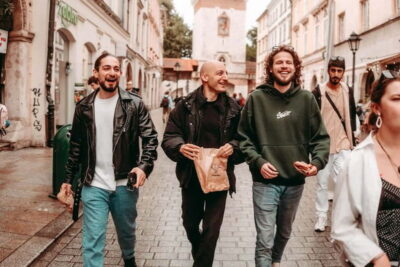
Tipsy Polish Food Tour With History, Pierogi & Shots
Read our review →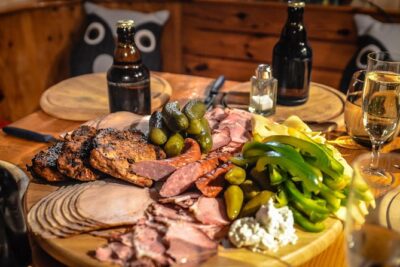
Half-Day Polish Food Walking Tour with Guide and Dinner
Read our review →
Pierogi Cooking Class with Market Shopping and Local Snacks
Read our review →
Krakow Pierogi Cooking Class with Market Visit & Home-Cooked Meal
Read our review →
Food Tour of 10 Tastings with Pierogi, Vodka & More
Read our review →
Guided Polish Food and Culture Tour with Tastings
Read our review →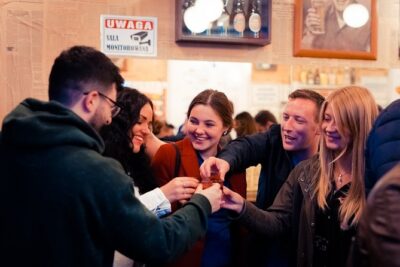
Browse the lists this tour appears in