
Reviewed · PIEROGI & POLISH FOOD EXPERIENCES
Krakow: Pierogi Power Cooking Class with Marta
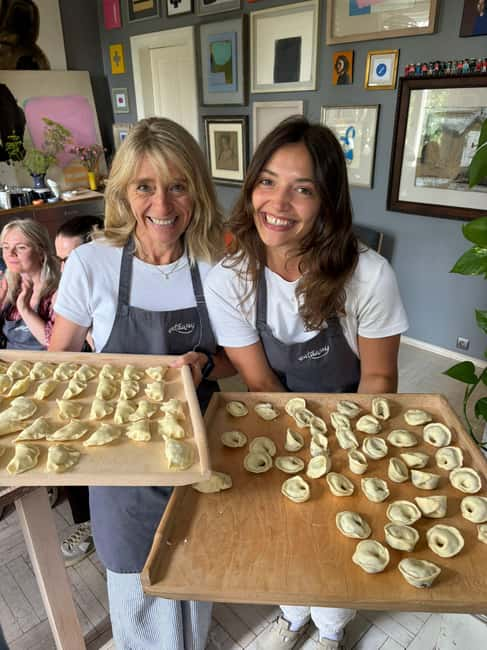
Pierogi power plus Polish home cooking feels like a cheat code for your Krakow trip. This class puts you at the table, rolling dough and shaping dumplings with Marta in her home kitchen in Salwator, then lets you eat what you make with coffee or tea. It’s a fun, practical way to learn real technique, not just watch it happen.
Two things I really like about this experience: you get hands-on pierogi making from scratch, with individual boards and help at every step, and you finish with a proper dessert moment, homemade cheesecake with salty caramel sauce. One thing to consider is that it takes place in a private home, and it is not suitable for people with food allergies.
If you want Krakow food you can actually repeat at home, this hits the mark. You’ll leave with a clear process for dough and filling, and a better sense of how Polish comfort food comes together.
In This Review
- Key highlights worth aiming for
- Pierogi Power in Marta’s Salwator Kitchen
- Getting there: easy hop from Rynek Glówny
- Welcome drink, aprons, and the pierogi mindset
- Making pierogi dough and filling from scratch
- Shaping, sealing, and staying unhurried
- Cooking the pierogi, then eating what you made
- The cheesecake finish: salty caramel comfort
- Price and value: is $80 worth it?
- Who should book this pierogi class?
- Turning the class day into a mini itinerary in Krakow
- A quick practical checklist before you go
- Should you book Marta’s pierogi class?
- FAQ
- How long is the pierogi cooking class?
- What is included in the class besides cooking?
- What language is the instruction in?
- Where is the class located and how do I get there?
- Is transportation to the location included?
- What should I bring?
- Is the class suitable for people with food allergies?
Key highlights worth aiming for
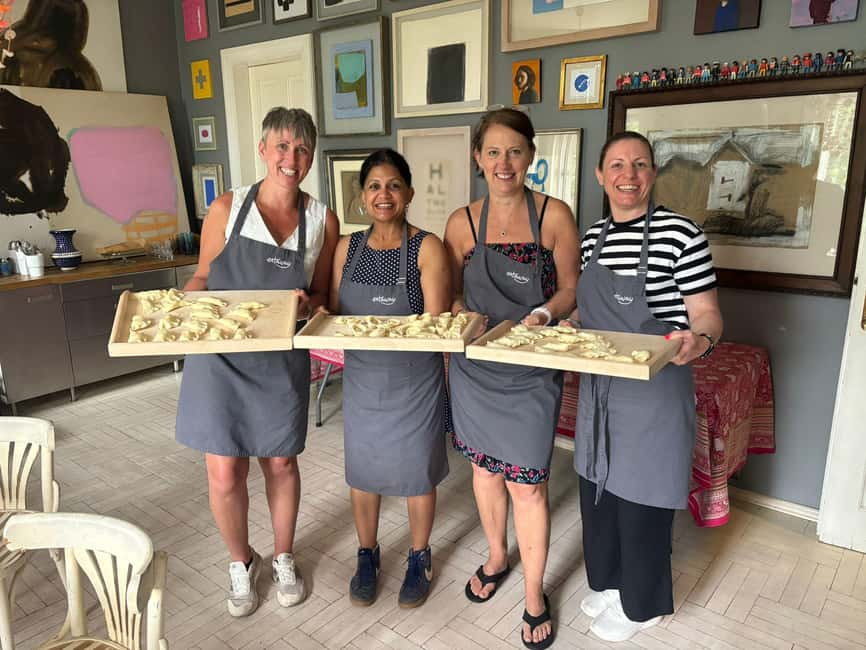
- Salwator home kitchen setting: the class happens in a real Krakow apartment, not a demo studio
- Welcome tea or coffee to start things off warm and friendly
- Pierogi dough and filling from scratch, with your own board to work at
- Cooking together, then eating together, with plenty to go around
- Homemade cheesecake with salty caramel sauce as the sweet finish
Pierogi Power in Marta’s Salwator Kitchen
This is one of those Krakow experiences that feels personal right away. You’re not just learning recipes, you’re learning the rhythm of making them: mix, rest, shape, fill, cook, eat, repeat. And because it’s in a home in the Salwator area, the setting is cozy and lived-in, with a kitchen vibe that makes it easier to relax and focus.
Your class starts with a tea or coffee welcome. It’s a small thing, but it matters. You’re stepping into someone’s space, and having a warm drink keeps the mood comfortable before aprons go on.
Once you’re ready, you’ll learn the basic story behind Polish comfort food, including the history of Polish cuisine and why pierogi became such an iconic dish. Then you move from background to hands-on work, which is the sweet spot for most people. You get context, and you still do the practical part.
A practical note: the class is in English, and it’s aimed at people who want to cook. Bring comfortable clothes so you can move easily, because you’ll be making dough and handling fillings.
More pierogi pressed at the table:
- Krakow: Tipsy Polish Food Tour With History, Pierogi & Shots
★ 4.9 · 439 reviews - Pierogi Cooking Class with Market Shopping and Local Snacks
★ 5.0 · 343 reviews - Krakow Pierogi Cooking Class with Market Visit & Home-Cooked Meal
★ 5.0 · 212 reviews
Getting there: easy hop from Rynek Glówny
Location matters for any class. You have a simple plan here, with two common options from Rynek Główny.
Taxi is the fastest, about 10 minutes. If you prefer public transport, take a tram heading to Salwator on lines 1, 2, or 6. Get off at the stop after the Salwator Pętla stop, the one that is the final stop where the trams turn around. From there, it’s a pleasant 4-minute walk up the hill to the apartment.
The address is ul. Władysława Anczyca 11 / 5. It’s building number 11, apartment 5.
If you’re making this part of your day, keep the walk in mind. Salwator has that hill feel, which is great for views after, but you’ll want comfy shoes since you’ll head uphill before cooking.
Welcome drink, aprons, and the pierogi mindset
The biggest difference between a cooking class and a kitchen workshop is whether you feel guided. Here, you do.
After the tea or coffee welcome, you’ll put on aprons and get ready to work. Then Marta talks through the history of Polish cuisine and what makes pierogi special in Polish food culture. Even if you already love pierogi, that short context helps you taste what you’re doing while you cook.
Then comes the shift to technique. Marta explains the key steps and the small decisions that affect flavor, especially when it comes to dough texture and how you balance the filling.
This matters because pierogi can go wrong in predictable ways if you only follow a loose idea of the recipe. Dough can become too thick or too sticky. Sealing can be weak. Filling can taste bland if it’s not seasoned properly. The structure of this class helps you avoid the common slip-ups, because you’re not guessing alone.
Making pierogi dough and filling from scratch
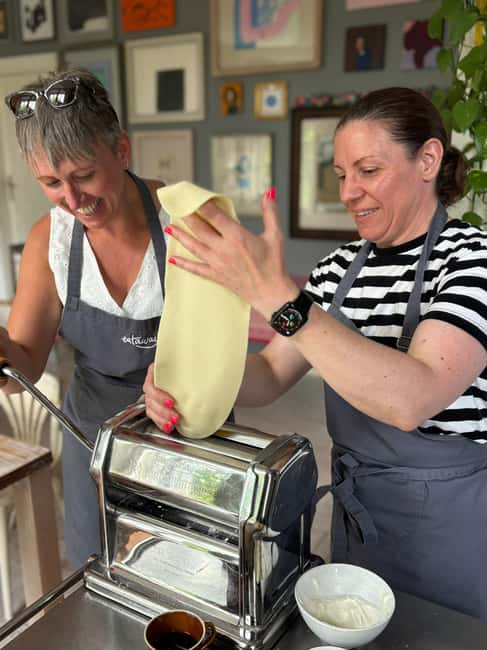
This is where the class earns its name. You will make pierogi dough and prepare the filling from scratch together. Each guest gets their own board, so you’re not standing around waiting for a turn. And Marta gives assistance at each stage, which is huge if you’re new to dumplings.
Dough is not just a bland shell. The dough decides the eating experience, how chewy or tender it feels, and how well it holds the filling. Filling is where flavor gets built. You’ll learn how Marta approaches the ingredients to achieve that distinctive Polish comfort food taste.
What I like about this setup is that it turns learning into muscle memory. You repeat the motions, you see what the dough should look like as it comes together, and you get feedback before you move too far ahead. If you’ve ever cooked at home and wondered why your results didn’t match the dish you had on your travels, this kind of guidance is the fix.
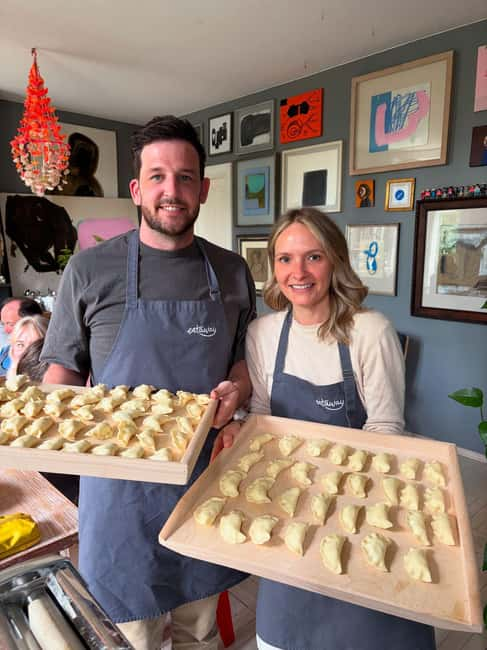
One more bonus from a recent class experience: some groups end up making three types of pierogi, not just one variation. That means you get more than one flavor profile and more practice with shaping and filling combinations. If your class includes multiple varieties, it’s a great way to take home a wider set of ideas.
More flour on Polish aprons:

Shaping, sealing, and staying unhurried
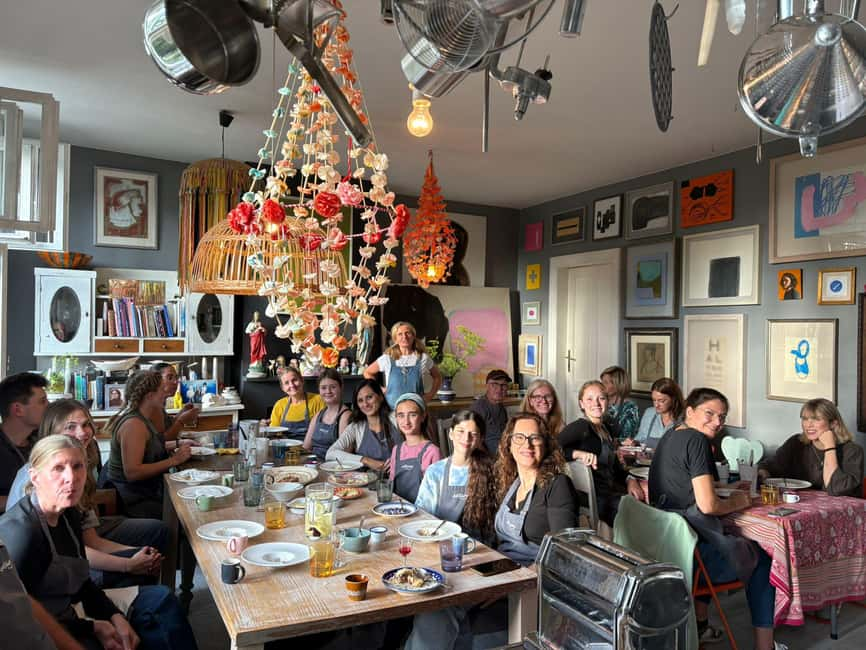
Pierogi shaping looks simple until you try it. The seams, the thickness, and the way the dumpling closes all matter, even if it feels like a craft project at first.
Because you have your own board and Marta checks in throughout, you’re not stuck in an awkward in-between stage. You’ll learn what the dough should feel like and how to handle it without overworking. You also learn how to fill without overstuffing, which helps the dumplings cook properly.
This is also a good time to ask questions, because Marta is teaching in English and you’re in a small, active group setting. If you’re the type who likes understanding the why behind the what, this is where you’ll enjoy it most.
And yes, there’s a real sense of progress here. You start with dough. You end with sealed dumplings that are actually ready for the stove. That progression is satisfying, and it keeps the 3 hours from feeling like a lecture.
Cooking the pierogi, then eating what you made
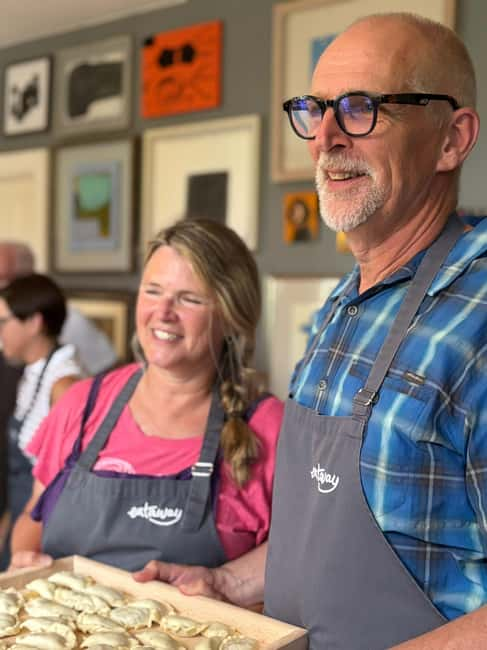
Once your dumplings are ready, you cook them and then enjoy them together. This is a big part of the value. You don’t just leave with knowledge, you get to taste the results immediately.
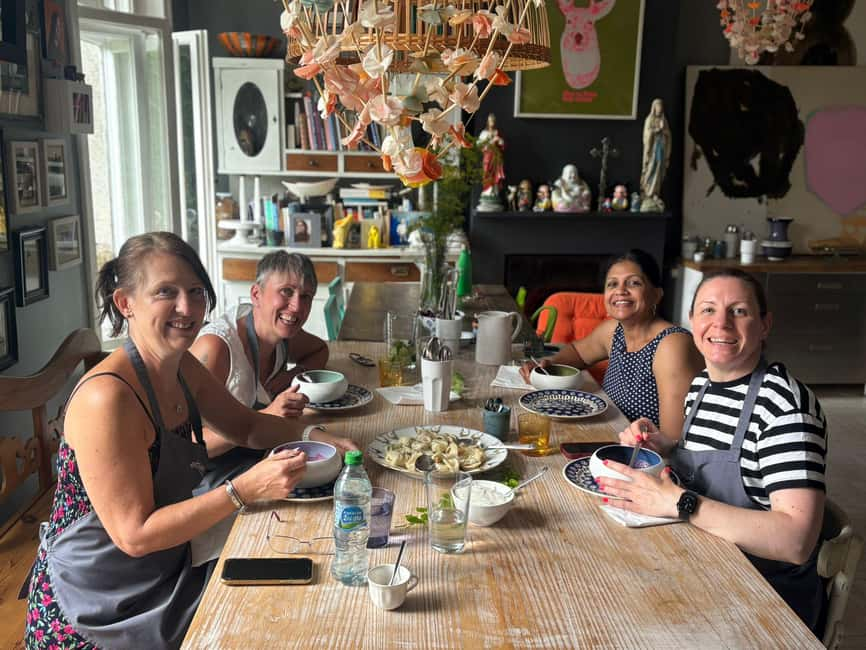
The included setup includes plenty to go around, and you’ll be eating the pierogi as a group. If you want to build a better sense of seasoning and texture, tasting right after cooking is one of the best teaching tools.
In one class experience, the meal included soup and salad served alongside the pierogi. Even if your specific meal is simpler, the key idea stays the same: you’re not eating a tiny portion. You’re sharing a real meal that helps you calibrate your expectations for pierogi texture and flavor.
If you’re thinking about what this class does for you as a traveler, it’s straightforward. You’ll walk away with a stronger “food memory.” Next time you see pierogi on a menu, you’ll understand what makes a good one good.
The cheesecake finish: salty caramel comfort
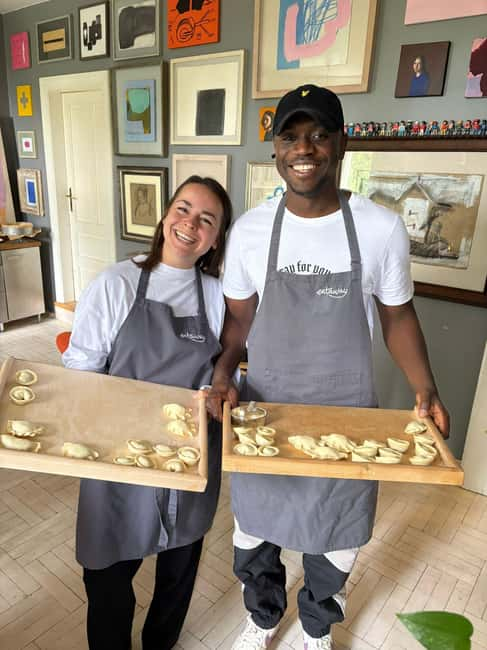
All good Polish cooking classes end with dessert, and this one delivers. You’ll enjoy homemade cheesecake with salty caramel sauce along with fresh coffee or tea.
The combination makes sense. Pierogi are savory and filling, and cheesecake gives you the soft, creamy contrast. The salty caramel is the clever bridge. It echoes the comfort-food balance you get in many Polish sweets and pastries, where sweetness is not the only note.
This dessert step is also more than just sugar. It’s a nice way to transition from cooking mode to chat mode. You can relax, compare notes, and ask more questions while you enjoy the final course.
If you’re a dessert person, you’ll appreciate that it’s not store-bought. It’s part of the home-cooked feel of the class.
Price and value: is $80 worth it?
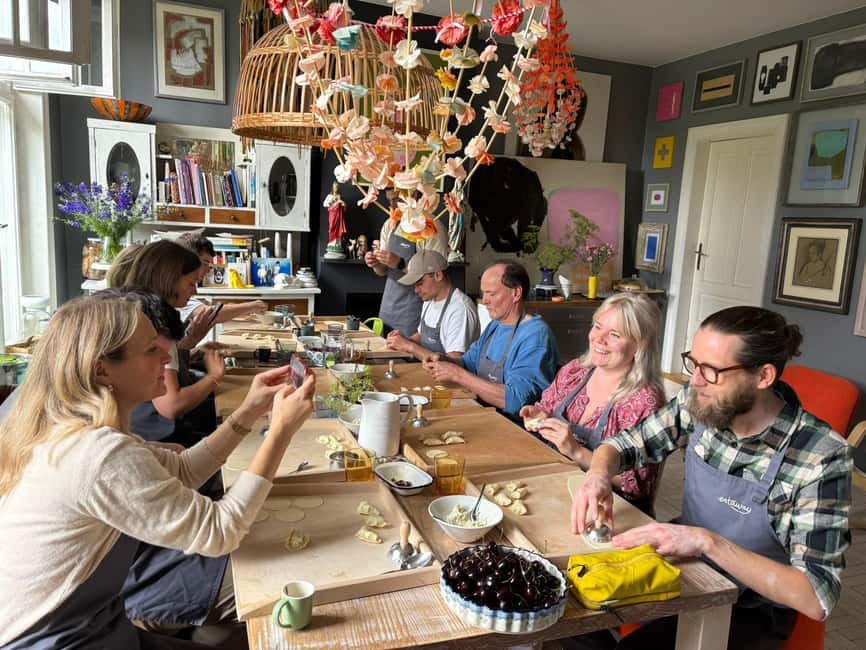
At $80 per person for a 3-hour class, you’re paying for more than a recipe handout. You’re paying for ingredients, guidance, time, and a full meal experience.
Here’s why it can be good value:
- You get dough, filling, cooking, and dessert, with coffee or tea included.
- You’re taught in English and supported at every stage.
- You leave with practical skills you can repeat, which is harder to get from a restaurant meal.
If you usually spend your travel food budget on dining out, this class can feel like a fair swap. Instead of paying for a plate, you’re paying for an experience plus a skill set. And because you’re eating what you make, the meal feels earned.
The main cost factor you should plan for is transport. The class does not include transportation to the location. Still, the ride from central Krakow is short, and the tram is straightforward.
Who should book this pierogi class?
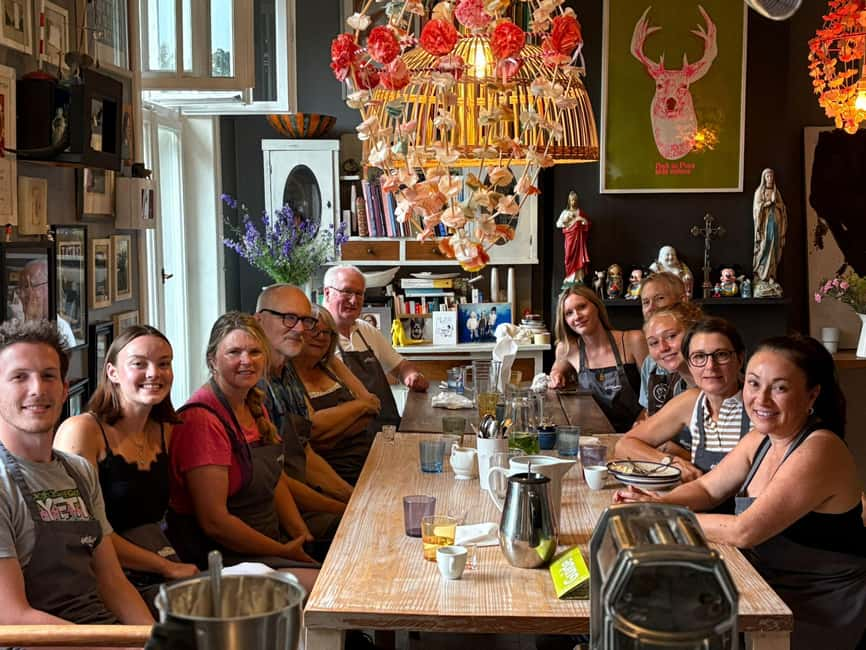
This class is ideal if you fit a few simple profiles.
You’ll enjoy it most if you:
- Like interactive activities where you actually cook
- Want to learn Polish comfort food in a way that transfers to your home kitchen
- Prefer small, home-based experiences over big show-style classes
- Enjoy savory meals and don’t mind getting flour on your sleeves
It’s also a good choice if you want a calmer evening activity. Cooking classes are hands-on and focused, which can balance a packed sightseeing day.
On the other hand, it’s not suitable for people with food allergies, so if that applies, you’ll need a different option.
Turning the class day into a mini itinerary in Krakow
The class is in Salwator, and that’s a smart base. It’s one of Krakow’s prettiest and historical districts, and you can pair the class with a nearby landmark.
Kościuszko Mound is a popular site with views over the city. You can visit either before or after your cooking class. If you do it before, you’ll get your legs moving while Krakow is waking up for the day. If you do it after, you’ll get the payoff views after a cozy indoor meal.
The key practical tip is timing. Cooking takes the full 3 hours, so keep your mound visit light. Think “short walk and views,” not an all-day hike.
A quick practical checklist before you go
Bring comfortable clothes. That’s the only must-mention item, but it covers a lot. Also consider:
- Wear something you can move in easily for rolling and shaping
- Plan for a short uphill walk from the tram stop
- Come hungry, since the class includes cooking and a full meal feel, plus cheesecake
If you like structure, this class gives it. If you like food craft, it also gives you that. Either way, it’s a satisfying way to spend part of your Krakow time.
Should you book Marta’s pierogi class?
I’d book it if you want a memorable Krakow food experience that goes beyond tasting. The best part is the combination of real technique plus an actual sit-down meal in a home kitchen, ending with salty caramel cheesecake. For $80, you’re not just buying a snack, you’re buying skills and a full experience.
Skip it if you have food allergies or if you’re not comfortable with cooking hands-on in a private home setting.
If you’re deciding between “watch cooking” and “do cooking,” choose doing. Your dumplings will be proof enough.
FAQ
How long is the pierogi cooking class?
The class lasts 3 hours.
What is included in the class besides cooking?
You get a welcome drink (tea or coffee), aprons, the cooking class with pierogi making, and homemade cheesecake with salty caramel sauce, plus fresh coffee or tea.
What language is the instruction in?
The instructor teaches in English.
Where is the class located and how do I get there?
It takes place at ul. Władysława Anczyca 11 / 5 in the Salwator area. From Rynek Główny, it is about 10 minutes by taxi or about 15 minutes by tram on lines 1, 2, or 6 toward Salwator, then a short 4-minute walk uphill.
Is transportation to the location included?
No, transportation to the location is not included.
What should I bring?
Wear comfortable clothes.
Is the class suitable for people with food allergies?
No, it is not suitable for people with food allergies.
More Workshops in Krakow
- Krakow: Sip & Paint Workshop
★ 5.0 · 35 reviews - Krakow: Chocolate Workshop
★ 3.8 · 7 reviews - Mercedes V Class VIP minivan Kraków
★ 5.0 · 2 reviews - Krakow: 2-Hour Cocktail-Making Workshop
★ 5.0 · 1 review
Freshly posted from Krakow
- Krakow: Zakopane and Thermal Springs Tour with Hotel Pickup★ 5.0 · 1 review
- Krakow: Audio-Guided City Experience by Golf Cart★ 5.0 · 1 review
- Half-day In the footsteps of John Paul II Tour from Krakow★ 5.0 · 1 review
- Krakow: Wawel & Salt Mine Experience with Lunch★ 5.0 · 1 review
- Tour to Wadowice: Hometown of Pope Saint John Paul II★ 5.0 · 1 review
- Krakow: Nowa Huta Communist District Walking Tour★ 5.0 · 1 review
- Krakow: Outdoor Paintball with Hotel Transfers★ 5.0 · 1 review
Pierogi & Polish Food Experiences, compared.
Tipsy Polish Food Tour With History, Pierogi & Shots
Read our review →
Half-Day Polish Food Walking Tour with Guide and Dinner
Read our review →
Pierogi Cooking Class with Market Shopping and Local Snacks
Read our review →
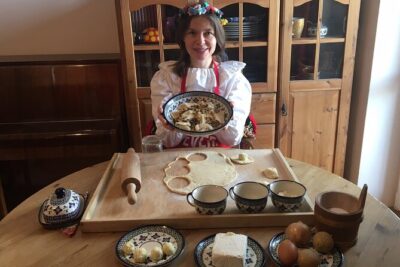
Krakow Pierogi Cooking Class with Market Visit & Home-Cooked Meal
Read our review →
Food Tour of 10 Tastings with Pierogi, Vodka & More
Read our review →
Guided Polish Food and Culture Tour with Tastings
Read our review →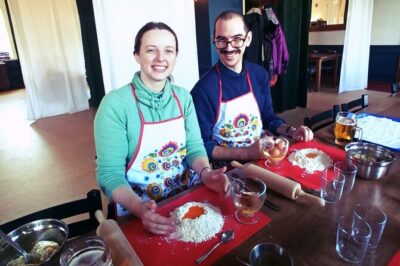
Pierogi Cooking Class: Mastering the Art of Polish Dumplings
Read our review →Browse the lists this tour appears in