
Reviewed · SCHINDLER'S FACTORY MUSEUM TOURS
Small Group Schindler Factory and Ghetto Tour with Guide
Paper gates, heavy truths, smart timing.
This 3-hour Krakow tour ties the dots between Schindler’s Factory and the former ghetto neighborhood, using a licensed guide and small numbers so you can actually ask questions. You start inside the museum and move out into the streets where those wartime events played out.
I like how the experience is built as one continuous story, from the German occupation (1939 to 1945) to the creation of the ghetto in 1941. I also like that the group is kept tight, with a guide who can keep up with your questions, including a tour leader noted for being energetic, knowledgeable, and kind (Aleksandra).
One drawback to consider: this is not a casual, feel-good outing. The subject is the Nazi occupation and the fate of Poles, Germans, and Jews in Krakow, so it’s a heavy listen, and it’s not suitable for children under 12.
In This Review
- Key things to know before you go
- Schindler’s Factory, set up for a clear story
- Why the guide’s narration changes the museum experience
- The shift from “museum facts” to “street meaning”
- Fragment of ghetto wall: what you’re really looking at
- Ghetto Heroes Square: honoring lives, not just events
- The walking plan: 3 hours that stay focused
- Price and value: what $97 buys you in Krakow
- Who this tour is best for
- Meeting point tips and what to expect on the day
- Should you book this Krakow Schindler and ghetto tour?
- FAQ
- How long is the Schindler Factory and ghetto tour?
- Is the tour in English?
- How big is the group?
- Where do we meet the guide?
- Do I need to buy museum tickets?
- Does the tour help you avoid long lines?
- Is this tour suitable for children?
- Is free cancellation available?
Key things to know before you go
- Schindler’s Factory first, so you get the historical framework before walking outside
- Small group size, capped at a maximum of 8 (with the provider stating up to 10 participants)
- Former ghetto sites on foot, explained in the actual locations, not just from a screen
- Stops are time-boxed, including a ghetto wall fragment and Ghetto Heroes Square
- English live guide, with narration during the museum and on the streets
Schindler’s Factory, set up for a clear story
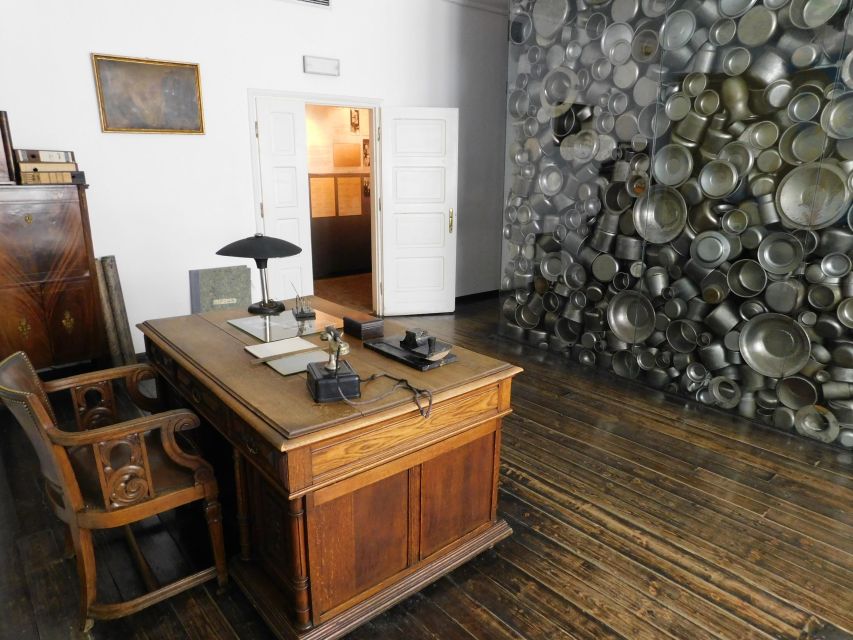
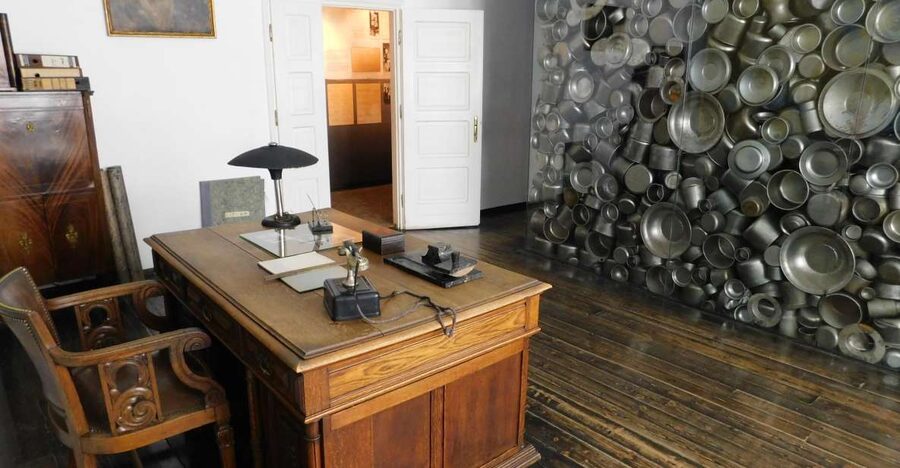
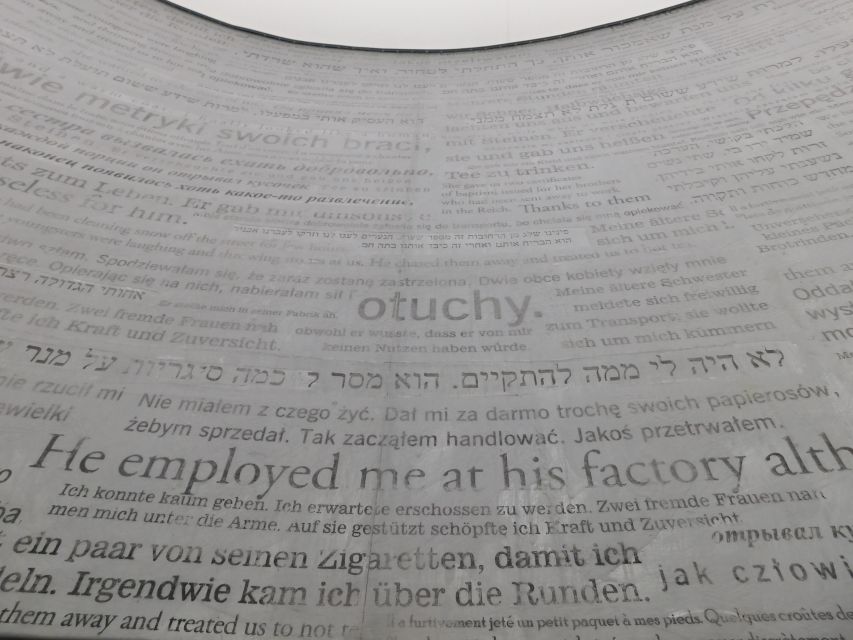
You begin at Oskar Schindler’s Enamel Factory, then head into Schindler’s Factory, Krakow’s most visited museum. The format matters here. Instead of arriving cold and trying to piece together World War II on your own, you get a guided route through the permanent exhibition Krakow, the Occupation 1939-1945.
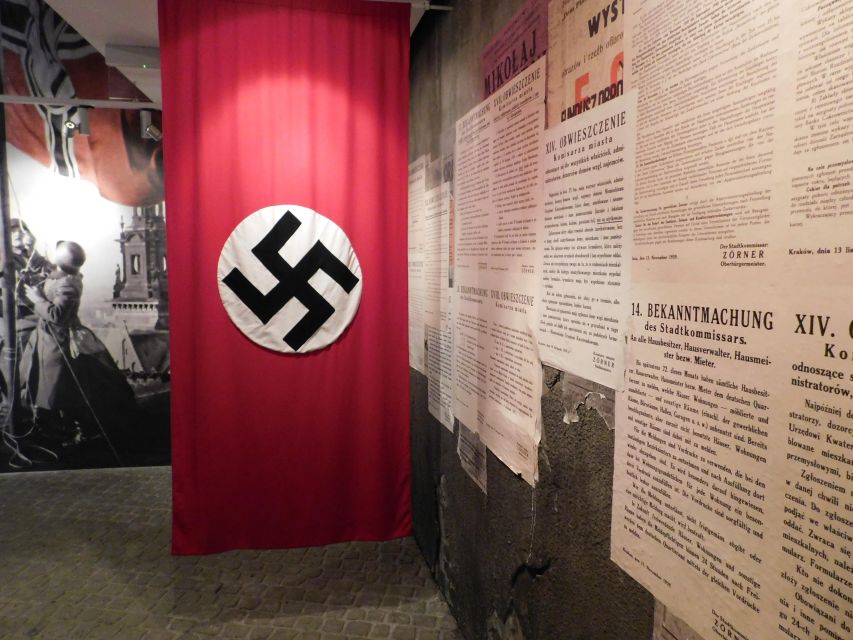
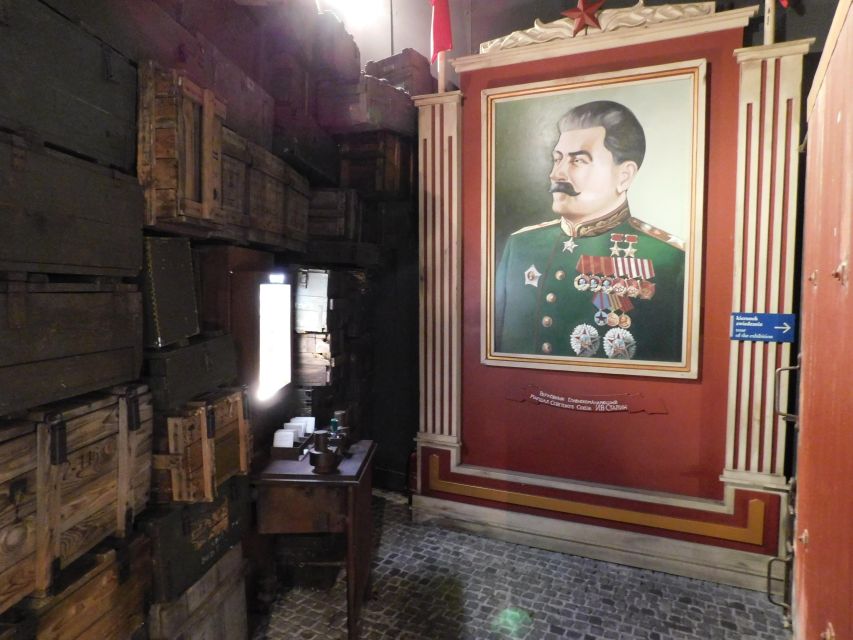
That exhibition focuses on what occupation meant in daily life and power. You learn how the war shifted from the outbreak of war, through brutal control, and into the final stretch when the Red Army entered Krakow in January 1945. The narration also covers the fates of multiple groups, including Poles, Germans, and Jews, so it’s not a one-note story.
I find this order smart because it prevents the usual museum problem: leaving with facts but without a timeline. Here, the timeline is delivered first, then tested outside on the walk.
Further visits to Schindler’s Factory Museum:
- Krakow: Schindler’s Factory Ticket and Guided Tour Option
★ 4.3 · 4,306 reviews - Krakow: Schindler’s Factory Tour with Entrance Ticket
★ 4.5 · 3,182 reviews - Krakow: Schindler’s Factory Skip-the-Line Ticket
★ 4.4 · 3,105 reviews
Why the guide’s narration changes the museum experience
Schindler’s Factory is full of information, and without context you can end up reading wall text like it’s homework. With a professional guide speaking in English, the museum becomes a guided narrative you can follow from room to room.
You spend about 2 hours in the museum as part of the 3-hour plan. That time window is enough to cover the core themes of occupation and Krakow’s wartime transformation, without turning into a marathon. You’ll also hear the exhibition tied to the places you’ll visit next, so you’re not just learning, you’re preparing to recognize.
If you’re someone who likes to ask questions, this is where the small group pays off. With fewer people around, your guide can handle curiosity instead of rushing everyone through the same script.
The shift from “museum facts” to “street meaning”
Once the museum sets your footing, the tour steps into the former ghetto area. This is where the walking portion earns its keep. The guide points out locations and historical events in the authentic surroundings where they happened.
The ghetto itself was a residential area created by the German occupants for Krakow’s Jewish population in 1941. That one detail changes the way you process what you see. You’re no longer looking at an abstract site. You’re looking at an area that was shaped by coercion, segregation, and control, and the guide helps you connect that to the occupation story you just heard indoors.
This museum-to-streets transition is the difference between a standard “see the sights” tour and an experience that makes you understand how the past functioned day to day.
Fragment of ghetto wall: what you’re really looking at
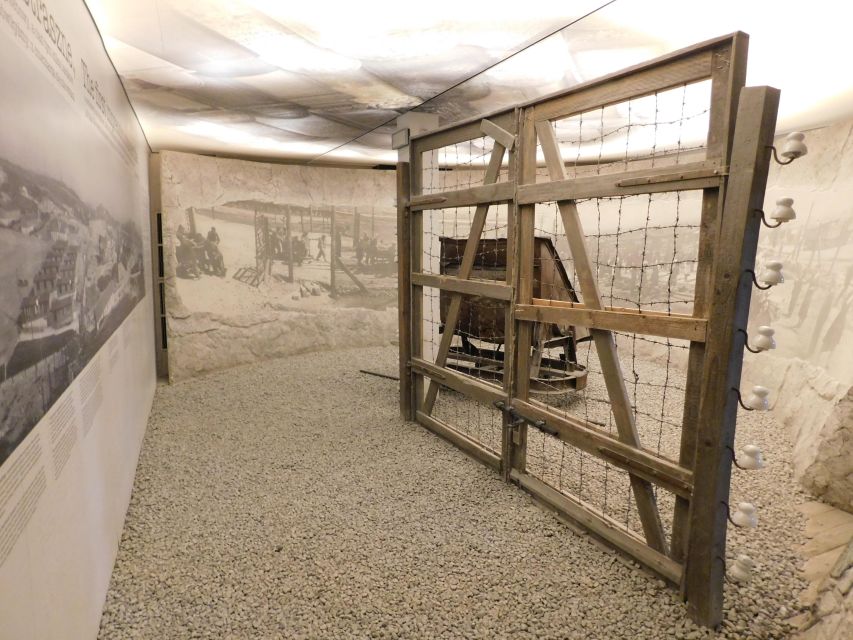
Your first external stop is a fragment of the ghetto wall. Even when it feels small, a wall fragment has a powerful job to do: it turns policy into architecture.
A guide can help you interpret what this kind of boundary meant in practice, and why it mattered psychologically and socially, not only physically. You also get roughly 30 minutes here, which is long enough to slow down, listen, and absorb, without the stop dragging.
Practical note: if you want to take your time with photos or close looks, remember the schedule is tight. This tour keeps moving on purpose, so don’t plan on hanging back forever at each spot.
Further Jewish history and heritage itineraries:


Ghetto Heroes Square: honoring lives, not just events
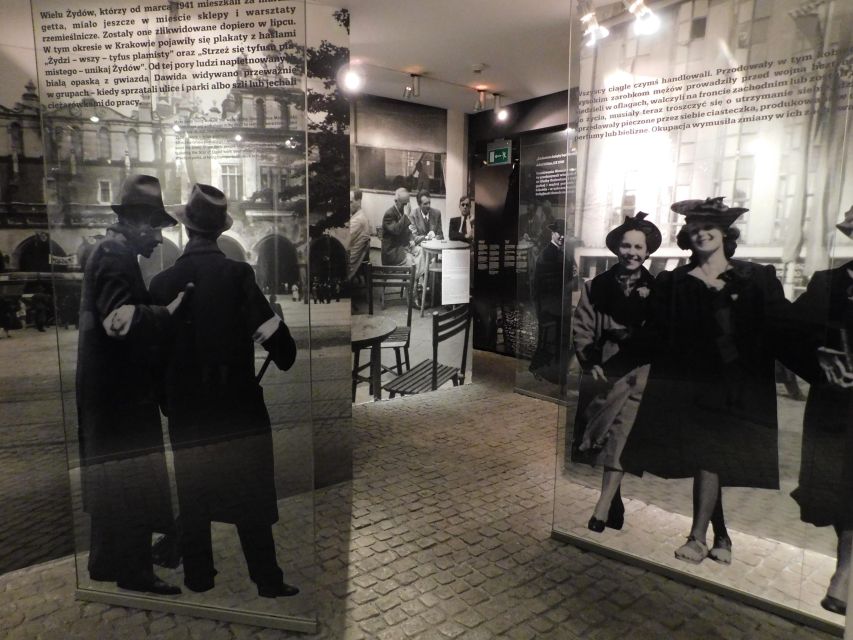
Next you head to Ghetto Heroes Square for another 30 minutes of guided sightseeing. This stop shifts the tone from pure confinement and control to remembrance and human scale.
Squares like this are meaningful because they force you to stand somewhere public and reflect on private suffering and community loss. The guide’s narration helps you connect the square to the broader wartime reality you already learned inside Schindler’s Factory.
If you’re hoping for moments of silence, you’ll likely find some of that here. It’s not a party atmosphere, and that’s appropriate. You’re there to understand and remember.
The walking plan: 3 hours that stay focused
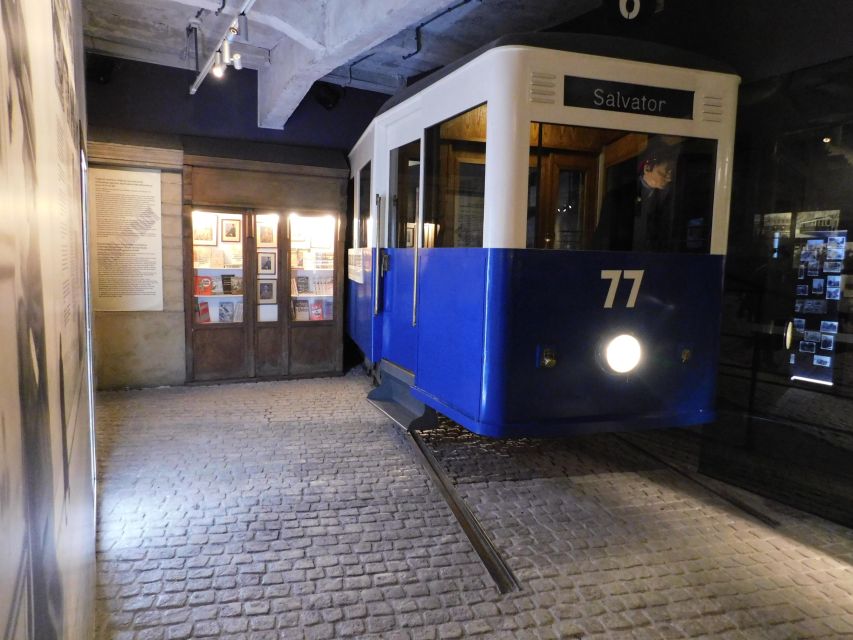
The full tour runs about 3 hours, with a clear flow:
- Start at Oskar Schindler’s Enamel Factory
- Museum portion at Schindler’s Factory for about 2 hours
- Ghetto wall fragment for about 30 minutes
- Ghetto Heroes Square for about 30 minutes
- Finish at Plac Bohaterów Getta
Because it’s short, it’s also efficient. You’re not trying to spend an entire day in heavy history. You’re getting a concentrated version that still includes both the museum and key ghetto locations.
The tradeoff is that each outside stop is time-boxed. If you want to linger, read every sign, and wander off-script, you might want to pair this with additional self-guided time after the tour ends.
Price and value: what $97 buys you in Krakow
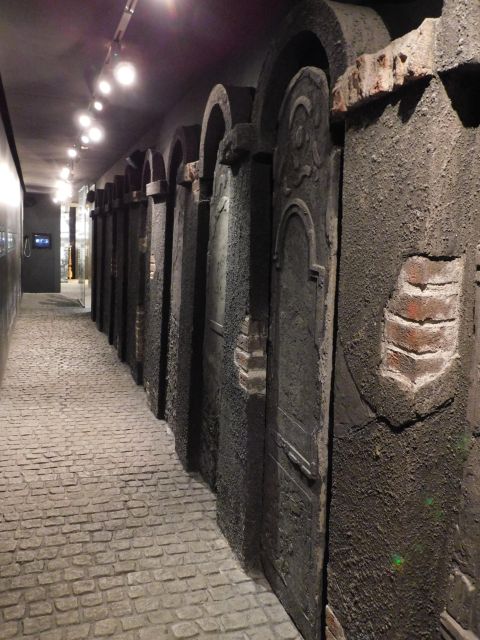
At $97 per person for a 3-hour guided experience, you’re paying for three things: licensed guiding, museum entry, and the small-group format.
The museum skip-the-ticket-line feature helps too. When a site is busy, that kind of small time savings can matter more than you’d expect. Here, it helps keep the 3-hour plan on track, so you don’t lose the best parts to waiting.
Where value really shows is in the size of the group. A cap around 8 to 10 participants means your guide can steer the story to your questions instead of just pushing people along. That’s the kind of difference you notice during the narration, not just on the final photo.
If you’re already budgeting for Schindler’s Factory anyway, bundling it with the ghetto walk is often the smarter move. You avoid the hassle of stitching together two separate plans and you get the “why this place matters” connection in one continuous session.
Who this tour is best for
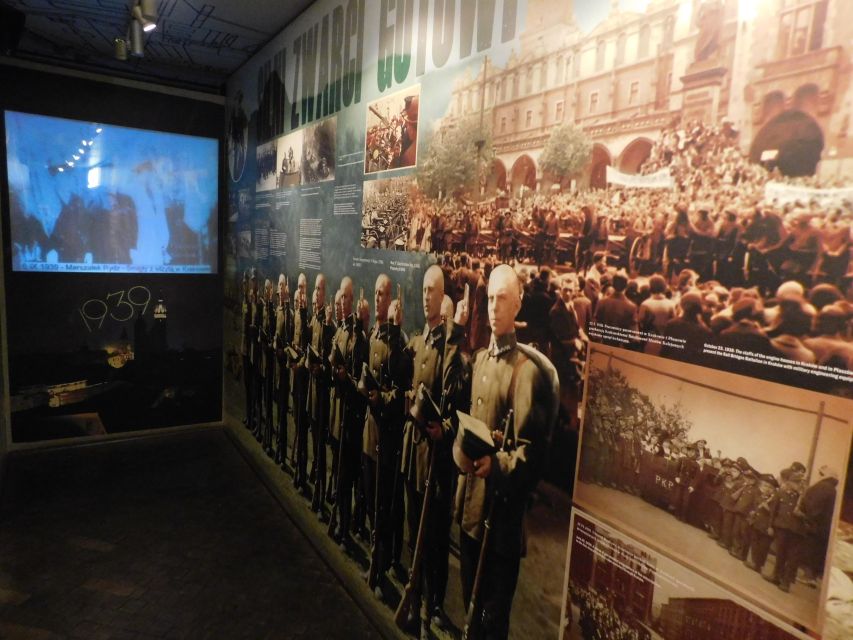
This is a strong fit if you want a guided, English-speaking overview of Krakow during World War II that doesn’t feel like a blur. You’ll like it if you:
- Want history grounded in real locations, not only lecture-style storytelling
- Appreciate a small-group pace that supports questions
- Prefer a structured timeline for the occupation period from 1939 to 1945
I’d also say it’s a good choice for first-time visitors to Krakow who feel like the city’s WWII layer is hard to organize on their own.
It may not be your best match if you want light entertainment or you’re traveling with kids under 12, since it’s not suitable for that age group.
Meeting point tips and what to expect on the day
Meet at Oskar Schindler’s Enamel Factory and look for your guide holding a black sign that says Best Krakow Walks. The sign is there to reduce the “where are we supposed to go” stress, especially if you arrive a few minutes early.
Because the tour includes timed stops, arrive on time. The museum portion is a big chunk of the experience, and you do not want to start late and feel rushed through the narration.
The guide is English live for the museum and the former ghetto site, and you should expect walking between stops. The duration is fixed at about 3 hours, so wear comfortable shoes.
Should you book this Krakow Schindler and ghetto tour?
Book it if you want the most efficient way to understand Krakow’s WWII story in one guided package. The combination of Schindler’s Factory, a tight group size, and a walking route through former ghetto locations is exactly the kind of structure that helps history “click.”
I’d especially recommend it if you care about getting context, not just collecting stops. The order, museum then streets, is the secret sauce.
Skip it if you’re looking for a casual stroll, or if the heavy subject matter of Nazi occupation and ghetto life feels too intense for your trip style. Also, if you know you hate time-boxed tours, you may prefer a longer independent visit where you can linger longer at each location.
If you want a focused, small-group overview that respects the topic and still feels organized, this one is a solid choice.
FAQ
How long is the Schindler Factory and ghetto tour?
The tour lasts about 3 hours.
Is the tour in English?
Yes, it is offered with a live English speaking guide.
How big is the group?
It is a small-group experience. The highlights mention a maximum of 8 people, and the provider also states the group is limited to 10 participants.
Where do we meet the guide?
You meet at Oskar Schindler’s Enamel Factory, and your guide will have a Best Krakow Walks black sign.
Do I need to buy museum tickets?
Non-refundable tickets to Schindler’s Factory are included in the tour price.
Does the tour help you avoid long lines?
Yes, it includes skip-the-ticket-line entry for Schindler’s Factory.
Is this tour suitable for children?
It is not suitable for children under 12.
Is free cancellation available?
Yes, you can cancel up to 24 hours in advance for a full refund.
Freshly posted from Krakow
- Krakow: Audio-Guided City Experience by Golf Cart★ 5.0 · 1 review
- Krakow: Zakopane and Thermal Springs Tour with Hotel Pickup★ 5.0 · 1 review
- Half-day In the footsteps of John Paul II Tour from Krakow★ 5.0 · 1 review
- Krakow: Wawel & Salt Mine Experience with Lunch★ 5.0 · 1 review
- Tour to Wadowice: Hometown of Pope Saint John Paul II★ 5.0 · 1 review
- Krakow: Outdoor Paintball with Hotel Transfers★ 5.0 · 1 review
- Krakow: Nowa Huta Communist District Walking Tour★ 5.0 · 1 review
Schindler's Factory Museum Tours, compared.
Schindler’s Factory Ticket and Guided Tour Option
Read our review →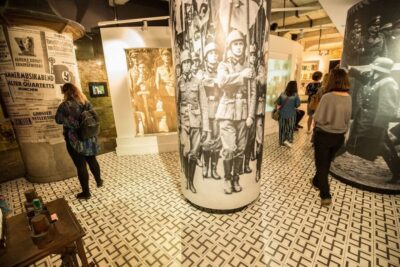
Schindler’s Factory Tour with Entrance Ticket
Read our review →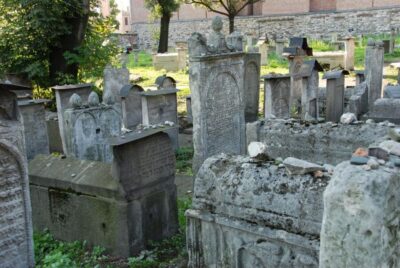
Schindler’s Factory Tour with Entrance Ticket
Read our review →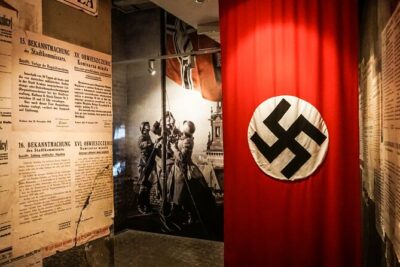
Schindler’s Factory in Krakow: Guided Tour & Skip the Line Ticket
Read our review →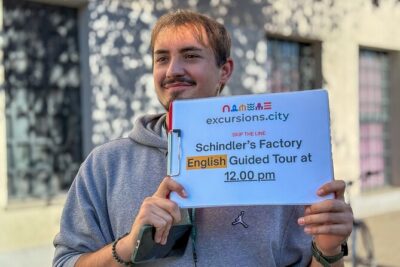
Krakow Schindler’s Factory Guided Tour with Admission Ticket
Read our review →Browse the lists this tour appears in