
Reviewed · SCHINDLER'S FACTORY MUSEUM TOURS
Krakow: Schindler’s Factory Skip-the-Line Ticket
A visit to Schindler’s Factory is history you can walk into. This skip-the-line ticket gets you past the hassle and into one of Krakow’s most important WWII sites, where the story is told through the people who lived it.
I especially liked how it ties Krakow under Nazi occupation to real individual moments, not just big war headlines. I also like the smart “go in fast” setup, with ticket delivery by email or WhatsApp when you choose the ticket-only option.
The one drawback to consider is that the subject matter is heavy, and even with a smooth entry you should expect an emotional, text-heavy museum. If you don’t read well in a second language, a few exhibit texts may feel awkward to take in at the pace you want.
In This Review
- Key things to know before you go
- Why Schindler’s Factory feels different than a typical museum stop
- The skip-the-line benefit, and what it changes for your day
- Walking the exhibits: what you’ll actually see and why it matters
- 1) The factory setting and the WWII pivot
- 2) Personal stories of Krakow inhabitants
- 3) Oskar Schindler’s office and the Survivor’s Ark theme
- 4) How the exhibits balance Polish-Jewish community context
- Guided tour vs ticket-only: your best choice depends on how you like to learn
- If you choose ticket-only, plan to read and take your time
- If you choose a guided tour, you’re paying for the “storytelling layer”
- Price and logistics: does $25 per person actually make sense?
- Timing, meeting up, and what to bring so you don’t get stuck
- Meeting point
- Bring your ID or passport
- Tickets you receive
- Group size, pace, and the reading challenge inside
- What to do after: easy nearby stops to connect the dots
- Who should book this skip-the-line ticket
- Should you book it?
- FAQ
- How long is the Schindler’s Factory visit?
- Is this really skip-the-line entry?
- Do I get a guide with the ticket?
- What do I need to bring for entry?
- How will I receive my ticket if I pick ticket-only?
- Where do I meet the group?
- Is the experience refundable?
- Is it wheelchair accessible?
- What is included in the skip-the-line ticket price?
- What should I plan to do nearby after the visit?
Key things to know before you go

- Original enamel factory setting: The site traces back to 1937, when the factory was established.
- Skip-the-line entry: You should be able to enter without the long ticket queue.
- Personal stories, not only Schindler trivia: The focus is Krakow residents’ lives during the occupation.
- Survivor’s Ark moment: You’ll visit Oskar Schindler’s office area, tied to this symbolic theme.
- Ticket-only vs guided options: Guided tours add storytelling and context; ticket-only is self-paced.
- Bring ID: You must have a physical passport or ID card to enter.
Why Schindler’s Factory feels different than a typical museum stop
If you’ve ever watched Schindler’s List or read about Oskar Schindler, you might think you already know the core story. Schindler’s Factory still delivers that heart of the narrative, but it does something more useful. It shows you how WWII touched daily life in Krakow, up close and personal.
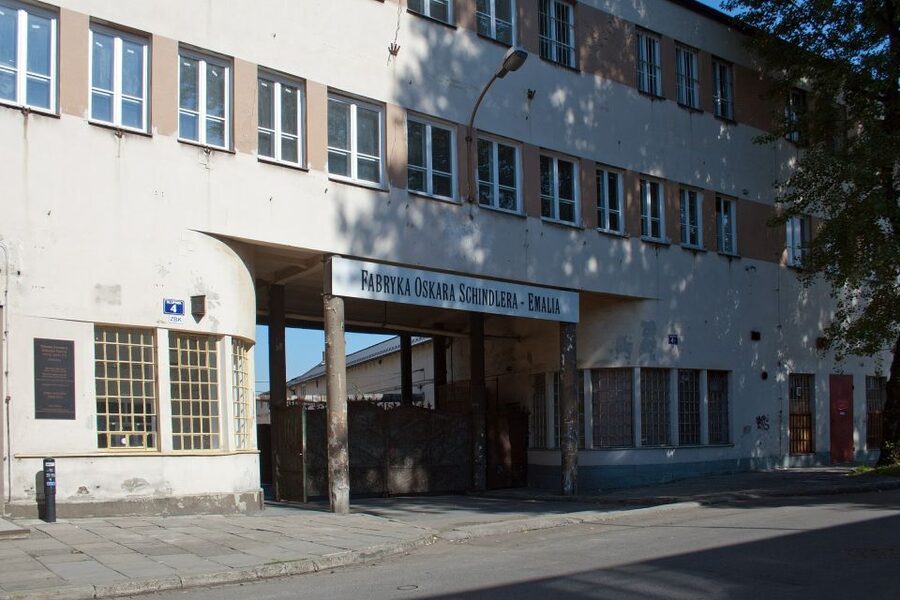
The location matters. This is not just a museum built “about” history. It’s the factory site itself, known as Oskar Schindler’s Deutsche Emailwarenfabrik, dating back to 1937. Standing in an industrial space that existed before the full horror took over gives the displays extra weight. It’s harder to treat the past as distant or abstract.
And the exhibit approach is practical: you move through stories that explain what changed, what people feared, and what choices people faced. You see how a wider Nazi system played out inside real families, neighborhoods, workplaces, and documents.
Further visits to Schindler’s Factory Museum:
- Krakow: Schindler’s Factory Ticket and Guided Tour Option
★ 4.3 · 4,306 reviews - Krakow: Schindler’s Factory Tour with Entrance Ticket
★ 4.5 · 3,182 reviews - Krakow: Schindler’s Factory Tour with Entrance Ticket
★ 4.6 · 1,737 reviews
The skip-the-line benefit, and what it changes for your day
This ticket is built for one key problem in Krakow: popular museums can mean long lines. The whole point here is skip-the-line entrance, so you can spend your time inside the museum instead of spending it shuffling in a queue.
That matters for two reasons.
First, the museum experience is timed. The visit length runs about 90 minutes to 2 hours, depending on the option and your pace. When you arrive with a ticket that lets you enter quickly, you’re more likely to start on time and finish without feeling rushed.
Second, it helps your whole itinerary. If you’re doing Auschwitz-Birkenau or other major history stops, you already have a heavy day. Saving time at Schindler’s Factory means you can protect your schedule for lighter breaks afterward, like a coffee and a short walk nearby.
One more practical note: even with skip-the-line entry, there can still be busy moments around showtimes. So I’d treat this as “fast entry,” not as “instant emptiness.”
Walking the exhibits: what you’ll actually see and why it matters
Inside, the museum concentrates on Krakow under Nazi occupation for nearly six years. That time span is important because it helps you understand how oppression deepened, not just how one dramatic event happened.
Here’s the “what it feels like” version of the route.
1) The factory setting and the WWII pivot
The factory itself anchors your visit. The site connects to the period before the occupation fully hardened, then to the German invasion timeline: Germany invaded Poland on September 1, 1939, and Schindler arrived in Kraków on September 6 when German troops entered the city.
You’ll feel the transition from normal industry to a world where work, paperwork, and forced control became instruments of survival and terror. This is where the museum becomes more than a timeline. It becomes a lesson in how systems operate.
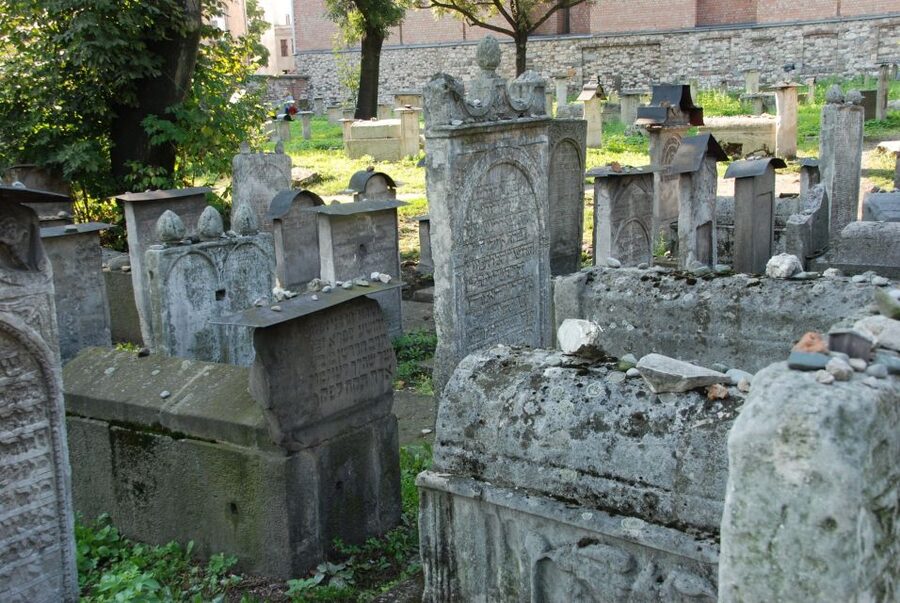
Still tacked up around Krakow



2) Personal stories of Krakow inhabitants
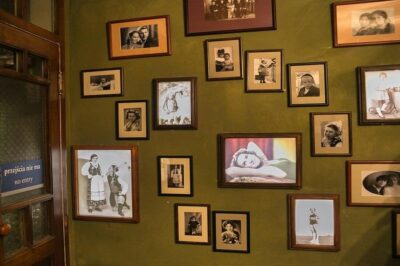
A major highlight is the museum’s emphasis on individual experiences. Instead of only describing policy, you get personal stories that show how daily life changed: what people could do, what they couldn’t, and what kinds of choices were forced on them.
This is where the museum can hit hardest, because the “ordinary” details are what make the horror stick. You might recognize the structure from good documentaries: a bigger story, then a person in it.
3) Oskar Schindler’s office and the Survivor’s Ark theme
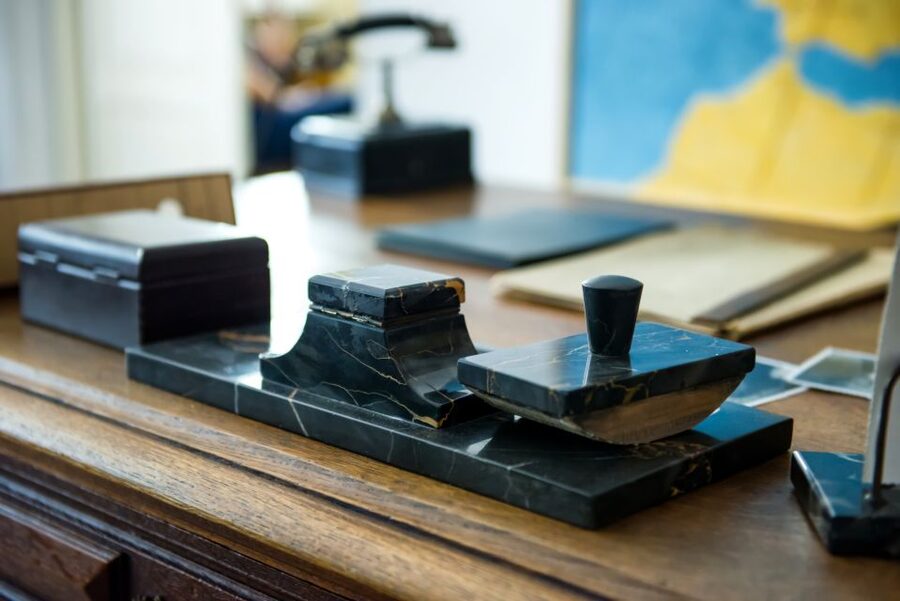
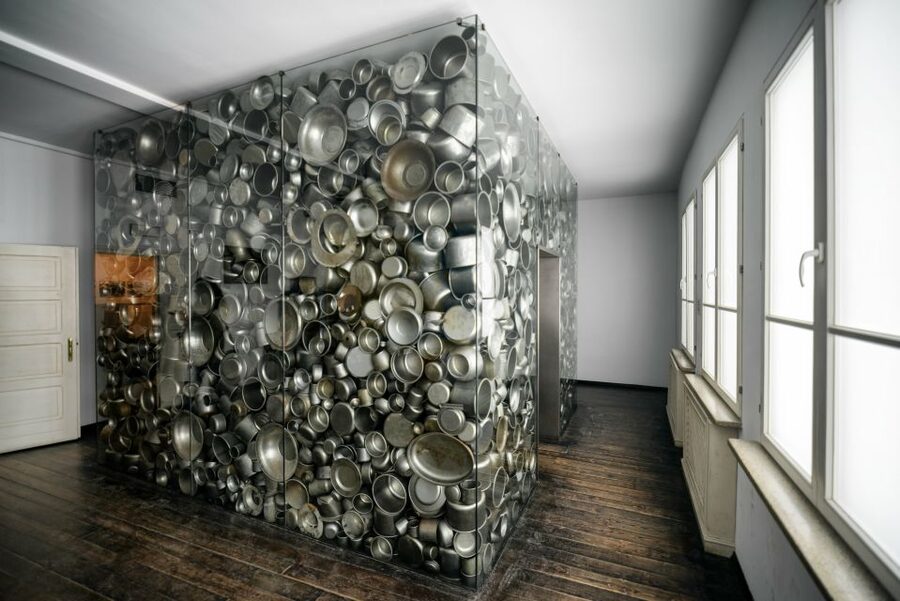
The experience includes a visit connected to Schindler’s office, with a symbolic reference to the Survivor’s Ark. The message here is not just that Schindler saved people. It’s that survival depended on specific human actions within a brutal system.
You’ll also learn how many people he helped, since the museum highlights his role in saving over 1000 lives. It’s the part of the story that gives your emotions somewhere to land, even if the overall context stays painful.
4) How the exhibits balance Polish-Jewish community context
The museum doesn’t just focus on Schindler. Many accounts note that it gives meaningful background on the Polish-Jewish community and the wider occupation story. That’s valuable because it keeps you from narrowing the whole war into one “famous hero” framing.
If you’re the kind of traveler who hates reading dense text with no connection, a guide can help a lot here, because the museum carries a lot of details.
Guided tour vs ticket-only: your best choice depends on how you like to learn

You can book either:
- Skip-the-line ticket only (no live guide)
- Guided option (includes a live guide)
If you choose ticket-only, plan to read and take your time
Some people prefer to wander, pause, and absorb at their own pace. If that’s you, ticket-only can work well. The museum is well laid out, and it’s very possible to do it self-paced without getting lost.
But here’s the tradeoff: the museum contains a lot of information, and the story is layered. If you like having someone connect the dots out loud, you might feel the museum goes by like a textbook.
One practical point: ticket-only entries are set up for smooth arrival. You’ll receive your entry ticket by WhatsApp or email a day before the tour. That means you’ll want to have the ticket message ready, and you should double-check your contact details when booking.
If you choose a guided tour, you’re paying for the “storytelling layer”
Guides are a standout part of this experience. Names like Tom and Thomas show up with strong praise for engaging delivery and clear structure. Navia is also mentioned as welcoming and very knowledgeable in the way she communicates the material.
What you’re really buying with the guided option is context and pacing. A good guide helps you notice what the museum wants you to connect, explains background that isn’t repeated on every label, and turns the exhibit text into a coherent story.
Even accounts that start with ticket-only still end with the same advice: if you don’t know the Holocaust and occupation story well already, a guide makes a big difference. Without that help, the museum can feel like a lot of reading stacked together.
Price and logistics: does $25 per person actually make sense?
The price listed is $25 per person, for a visit around 90 minutes to 2 hours. That might sound like “just a ticket,” but you’re paying for two upgrades at once:
1) Skip-the-line entry, which saves time and reduces the stress of waiting
2) The option to add a live guide if you want the story explained while you’re inside
If you’re comparing value, think about your day. If you’re tight on time or you hate lines, the skip-the-line feature can be worth it by itself. And if you’re choosing the guided option, the added context can be the difference between skimming labels and truly understanding how the pieces fit.
The museum itself is not an easy “quick stop.” People often want to get meaning out of it, not just check a box. For that goal, paying for an easier entrance and better interpretation is a fair trade.
Timing, meeting up, and what to bring so you don’t get stuck
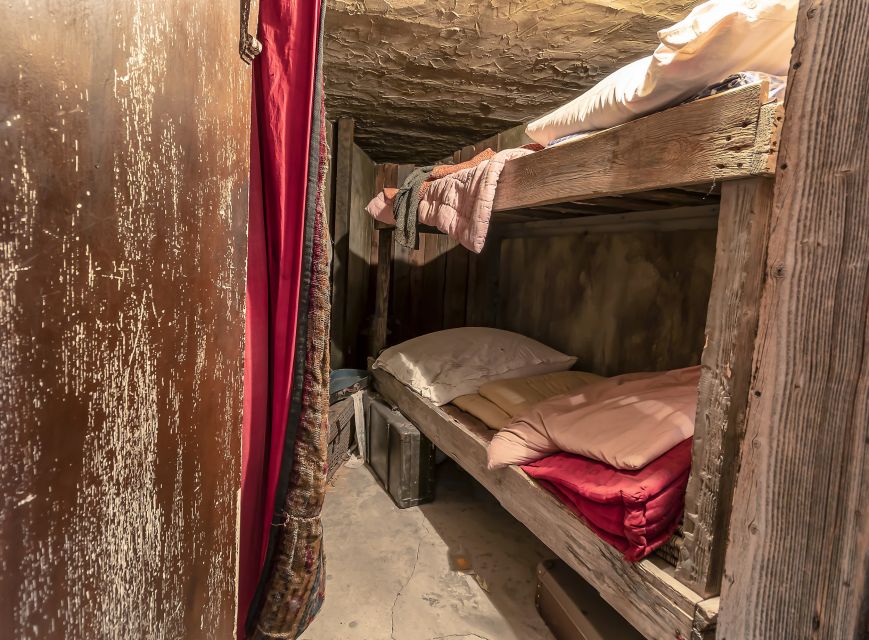
This experience runs 90 minutes to 2 hours, depending on the option and starting time. Starting times depend on availability, so check the schedule before you lock in your Krakow plan.
Meeting point
The meeting point may vary depending on the option booked. If you choose a guided tour, your tickets may be provided by the guide at the meeting point.
Bring your ID or passport
This is non-negotiable. You’ll need a physical passport or ID card to enter the exhibition. If you’re traveling with a digital copy only, fix that before you head out.
Tickets you receive
If you choose the ticket-only option, your ticket is sent to you by WhatsApp or email a day before. Make sure the phone number or email you enter when booking is correct, because that’s where the access info will go.
Group size, pace, and the reading challenge inside

A couple considerations came up that can help you choose your style.
- Group size can feel large for some people during the guided experience. If you prefer lots of individual attention, expect a group format.
- The museum is text-heavy, and some signage may be harder to read depending on lighting and where the label is placed. If reading is tough for you, plan to go slower, sit when you can, and rely more on a guide for key explanations.
Also, accept that the tour includes emotional content. That’s part of the point here. The best approach is to treat it like a thoughtful visit, not a fast-moving sightseeing task.
What to do after: easy nearby stops to connect the dots

This museum sits in a part of Krakow where WWII memory is close by. One practical advantage: you can keep learning with a short walk after your visit.
From the museum area, it’s easy to reach the Ghetto Wall and Ghetto Memorial Square. If you want to make your history day feel connected instead of scattered, this is a smart follow-up.
You can also find cafes and restaurants nearby, plus a small coffee shop or gift shop that can work well for a breather after the emotional intensity of the exhibits.
Who should book this skip-the-line ticket
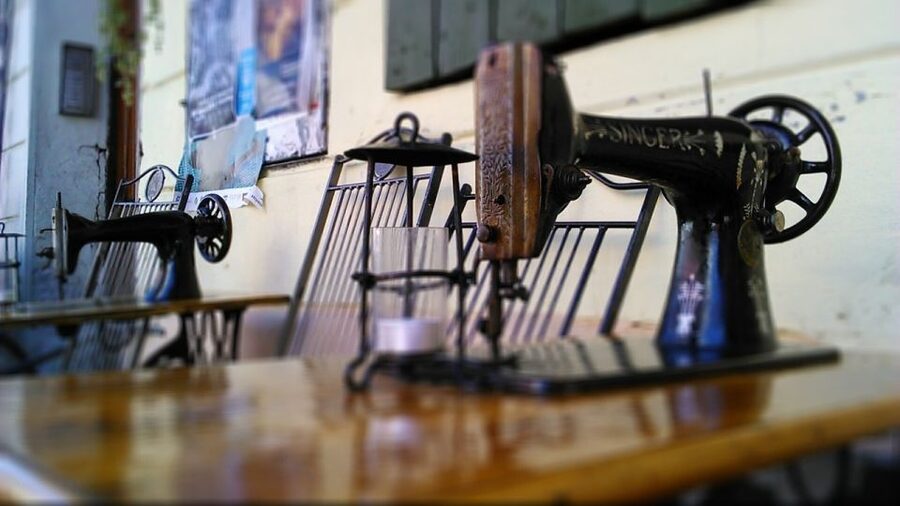
This is a strong fit if you:
- Want an efficient entry to a top Krakow museum
- Like the kind of history that connects policy to personal lives
- Are doing WWII history in Krakow and want the Schindler story told with context
- Prefer a guided option if you want help making sense of layered details
It might be less ideal if you:
- Are trying to do too many major history sites in one day
- Hate reading museum labels and would rather have minimal text and maximal interaction
- Need the experience to feel light or casual
If you’re traveling with kids, it can still be done, but the subject matter is serious. You’ll want to judge what your group can handle emotionally.
Should you book it?
Yes, I think you should book this skip-the-line ticket if you care about spending your time inside the museum, not in a queue. At $25 per person for a 90-minute to 2-hour visit, it’s reasonably priced for the value of fast access plus the option of a live guide.
My strongest recommendation: if you know the general Schindler story but not the details of life in Krakow under Nazi occupation, go for the guided option. If you already know the background and you’re comfortable reading carefully, ticket-only can still work well, especially if you want to set your own pace.
FAQ
How long is the Schindler’s Factory visit?
It runs about 90 minutes to 2 hours. Exact timing depends on the starting time and how the visit is structured.
Is this really skip-the-line entry?
Yes. This ticket is described as a skip-the-line entrance ticket to the museum.
Do I get a guide with the ticket?
A live guide is included only if you select the guided option. For ticket-only, a live guide is not included.
What do I need to bring for entry?
Bring a physical passport or ID card. You need it to enter the exhibition.
How will I receive my ticket if I pick ticket-only?
For ticket-only, you receive your entry ticket by WhatsApp or email from the provider a day before the tour. Make sure your contact details are correct.
Where do I meet the group?
The meeting point may vary depending on the option you booked.
Is the experience refundable?
No. The activity is non-refundable.
Is it wheelchair accessible?
Yes, the experience is wheelchair accessible.
What is included in the skip-the-line ticket price?
The included items are the skip-the-line entry ticket, and a live guide only if you chose the guided option.
What should I plan to do nearby after the visit?
The museum area is within a short walk of the Ghetto Wall and the Ghetto Memorial Square, plus there are cafes and restaurants nearby.
Freshly posted from Krakow
- ZALIPIE – painted village, unique small group tour from Krakow★ 5.0 · 7 reviews
- “John Paul II Route” PRIVATE -Wadowice, Kalwaria Z.-Łagiewniki★ 5.0 · 7 reviews
- Krakow: Craft Beer Tasting City Walking Tour★ 4.4 · 7 reviews
- Magic of Krakow: Guided Tour of the Old Town★ 5.0 · 7 reviews
- Krakow in One Day: City Tour by Electric Car★ 5.0 · 7 reviews
- Krakow : Zakopane Tour + Thermal Pools with Hotel Pickup★ 4.8 · 7 reviews
- Guided Tour of Plaszow Concentration Camp, Kraków★ 4.8 · 7 reviews
Schindler's Factory Museum Tours, compared.
Schindler’s Factory Ticket and Guided Tour Option
Read our review →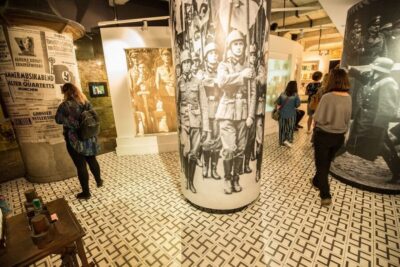
Schindler’s Factory Tour with Entrance Ticket
Read our review →Schindler’s Factory Tour with Entrance Ticket
Read our review →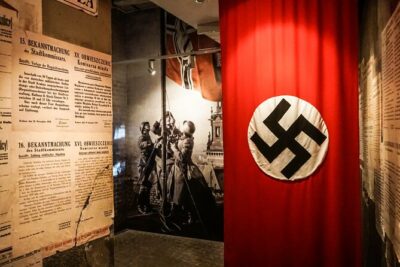
Schindler’s Factory in Krakow: Guided Tour & Skip the Line Ticket
Read our review →
Krakow Schindler’s Factory Guided Tour with Admission Ticket
Read our review →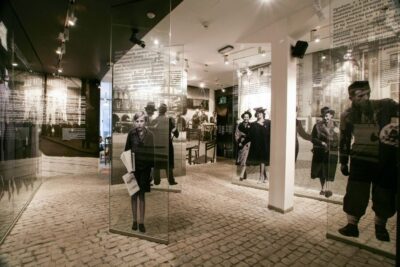
Schindler’s Factory Guided Tour with Entry Ticket
Read our review →Browse the lists this tour appears in