
Reviewed · SCHINDLER'S FACTORY MUSEUM TOURS
Schindler’s Factory Visit & Skip-the-Line Entry
A Nazi-era story, told through real spaces.
This Schindler’s Factory visit in Krakow turns WWII history into a guided walk with staged scenes, rare photos, and modern multimedia. You get skip-the-line entry plus a professional English guide, so you are not just staring at walls and guessing what you are seeing.
What I really like is the guided narrative that connects occupied Krakow, the fate of Polish and Jewish inhabitants, and how the film Schindler’s List shaped global attention. I also like the “you are there” design choices, from cobbled streets to indoor set pieces like a hairdresser, a photographer, and a photoplasticon that brings the ghetto setting to life.
One drawback to keep in mind: the experience is intense and can feel rushed, especially if your group is on the larger side or you end up spending more time moving through tight areas than reading or lingering.
In This Review
- Key highlights to know before you go
- Entering Schindler’s Factory Museum in Krakow: what you’ll actually feel
- Skip-the-line tickets that still require smart timing
- ID rules that can make or break entry day
- Fabryka Emalia Oskara Schindlera: how the building supports the story
- The guided itinerary: hairdresser, photographer, photoplasticon, and a tram scene
- Inside the ghetto labyrinth and the story toward Płaszów
- Pacing, group size, and why you may feel rushed
- Price and value: is $50.46 per person worth it?
- What you should be ready for emotionally
- Language matters: English narration you can follow
- Getting there and making the start smoother
- Should you book the Schindler’s Factory guided tour?
- FAQ
- How long is the Schindler’s Factory guided tour?
- Is the tour available in English?
- What does the price include?
- Does this tour include skip-the-line entry?
- What ID do I need to enter Schindler’s Factory Museum?
- Why do they ask for full names when booking?
- Is the meeting area near public transportation?
- When is the tour scheduled for, and can the time change?
- How far in advance is this experience typically booked?
- Can I cancel for a full refund?
- Is the tour suitable for most people?
Key highlights to know before you go
- Guaranteed skip-the-line entry to Schindler’s Factory Museum, plus an admission ticket included
- English guided commentary throughout, designed to explain what you are seeing
- Film-like indoor moments like a tram scene, photoplasticon, and ghetto labyrinth areas
- Modern multimedia and eyewitness accounts, not just text panels
- A strong story arc about occupied Krakow and what happened to Polish and Jewish residents
- Time limits inside can limit reading and slower pace in busier groups
Entering Schindler’s Factory Museum in Krakow: what you’ll actually feel
If you have seen Schindler’s List, this visit hits differently. The museum does not try to be casual. It moves you through occupied Krakow in a way that is structured and guided, so you understand why each room matters, and how people lived under pressure.
The most important thing to know up front is that this is a museum tour, not a quick museum selfie lap. You are walking through parts that recreate the city’s wartime world, then learning how that story connects to persecution and the broader system that led to places like Płaszów.
You should also come prepared for emotional weight. This is WWII history tied to real people and real suffering. A good guide helps you keep your bearings, so the experience becomes clear instead of overwhelming.
Further visits to Schindler’s Factory Museum:
- Krakow: Schindler’s Factory Ticket and Guided Tour Option
★ 4.3 · 4,306 reviews - Krakow: Schindler’s Factory Tour with Entrance Ticket
★ 4.5 · 3,182 reviews - Krakow: Schindler’s Factory Skip-the-Line Ticket
★ 4.4 · 3,105 reviews
Skip-the-line tickets that still require smart timing
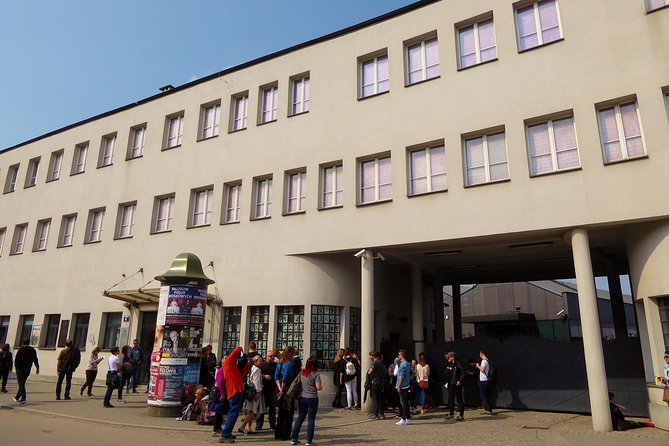
The big selling point is the skip-the-line entry guarantee, which is exactly what you want for a popular Krakow attraction. The catch is that “skip the line” does not always mean “no waiting anywhere.” In practice, you may still spend some time clustering with your group at the start, especially during busy entry windows.
So here is your practical move: arrive early enough to get through any ID check and meeting steps without stress. Bring your ID ready, because the museum staff require it. If you show up flustered, you will feel it right away.
Also, plan your expectations around timing. The tour length is about 1 hour 30 minutes, and the museum setting can be slow in small spaces. That means the guide’s pacing matters. When the narration is good, you will feel like you are in control. When the group is large, you may feel pushed along.
ID rules that can make or break entry day
This is not a museum where you can wing it with a phone screen and hope for the best. Because the museum uses personalized tickets, you must provide full names when booking. When you arrive, you must bring a passport or ID, and the name and surname on your ticket must match what you present.
I suggest you do two things before you travel:
First, double-check that the names you used during booking exactly match your passport or ID.
Second, bring the physical document, not a photo.
This rule matters because one of the most common travel frustrations is losing time right at the door. A smooth entry turns the rest of the visit into a steady story instead of a scramble.
Fabryka Emalia Oskara Schindlera: how the building supports the story
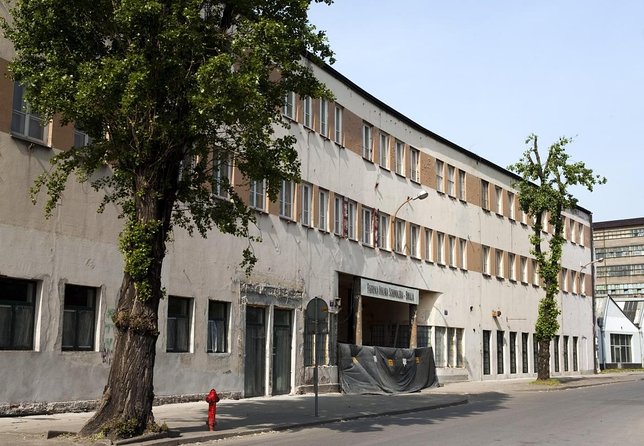
Your main stops center on Fabryka Emalia Oskara Schindlera, where the museum presentation uses the space to tell the story of Krakow under Nazi occupation. You walk through sections that show everyday wartime life and how the system tightened around Polish and Jewish residents.
One extra historical detail that helps you understand what you are seeing: the original factory operations were relocated to the Czech lands later in the war. Today, what you tour is the museum set in the Krakow factory structure, designed to keep the memory and context alive.
That matters because you are not looking at a working industrial site. You are looking at a carefully designed museum that uses the factory location as a framing device for the city’s wartime timeline.
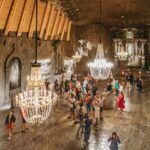
Still tacked up around Krakow


The guided itinerary: hairdresser, photographer, photoplasticon, and a tram scene
The tour is built like a timeline you can walk through. You start by entering occupied Krakow and then move through several indoor experiences that turn “history on paper” into “history in rooms.”
Here is what to expect as you go.
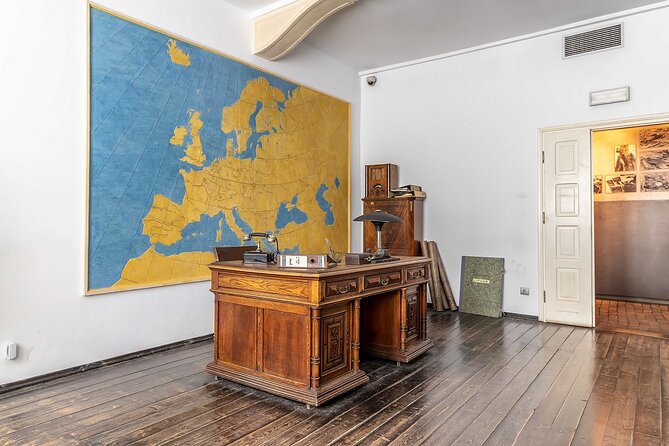
You begin in an area that introduces the museum’s big picture: occupied Krakow, the Germans as occupiers, and the factory owner Oskar Schindler. The guide then weaves the story of how people survived, how restrictions grew, and how persecution unfolded.
From there, the tour leans into recreated spaces. You will pass through set-style rooms such as a hairdresser and a photographer. These are not just props. They are there to show how wartime life was still made of small routines, even as violence and control increased.
Next comes the photoplasticon area. This is one of the most striking elements because it creates an environment linked to the ghetto setting. It is designed to make the history feel immediate, which is exactly why a guided explanation helps.
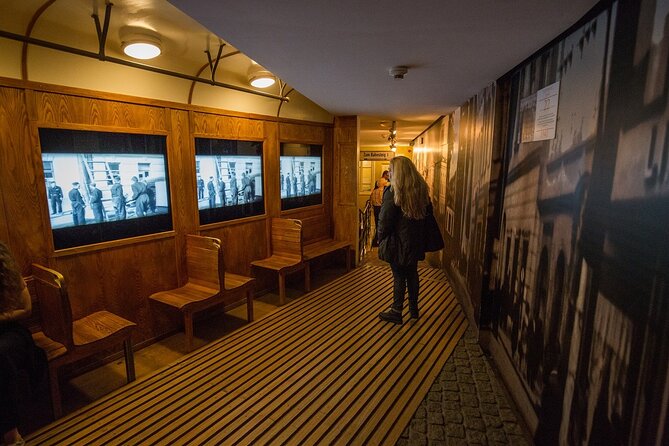
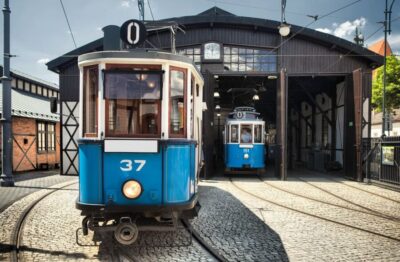
Then you get a tram segment. It is one of those clever museum moves that teaches you how to think like a resident of the city, not just like a visitor. You see a film-style presentation through the tram windows, reinforcing the sense that this is a city under occupation, moving and changing even when it should not have been.
Two practical tips here.
Wear shoes you can stand in comfortably, because these are stop-and-start rooms.
And if your group is moving fast, listen closely to the guide’s transitions, because they often connect one room’s meaning to the next.
Inside the ghetto labyrinth and the story toward Płaszów
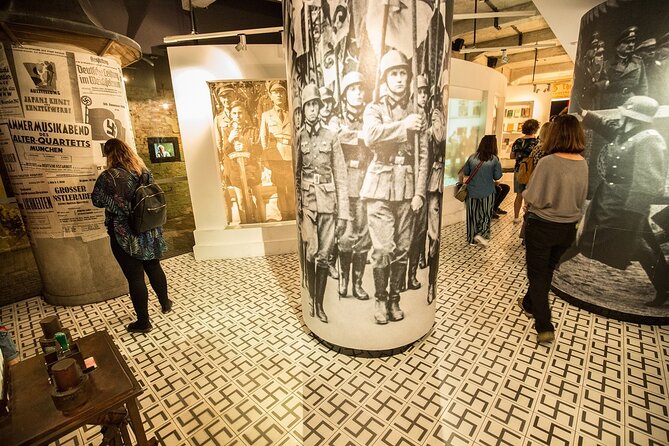
A central part of the experience is a walk through a narrow labyrinth area tied to the ghetto. This is where you can feel the museum tightening the narrative, guiding you from city life into confinement and danger.
You will encounter spaces that include a Jewish apartment in the ghetto context, along with the people who lived there. The museum uses modern multimedia and eyewitness accounts to keep the story from becoming generic. Instead, the message is specific and human: policies affected daily rooms, daily choices, and daily survival.
As the tour continues, the narrative moves toward the camp in Płaszów. This is part of what gives the visit its “whole arc” feel. You are not only learning what happened at one point in time. You are seeing a progression, with each section building toward what came next.
This is also where a strong guide makes a huge difference. The better the guide, the easier it is to understand why each transition matters, even if you do not get a long quiet moment to read everything.
Pacing, group size, and why you may feel rushed
Time is the main tradeoff with this tour. The duration is about 1 hour 30 minutes, and the museum has its own rules and flow. That means you do not get an unlimited slow burn through every exhibit.
Some groups can feel large. In the feedback I saw, a group size around 20 people got called out as too many for the tight indoor spaces, with some people feeling rushed and unable to linger over photos or displays.
If you are the type who needs time to read every label, you might find the pacing a little too quick. If you want a guided, storyline approach that explains what matters, it will work much better.
Also watch for where waiting happens. Even with skip-the-line entry, you may still spend minutes gathering at the start, and you might wait if the museum requires movement in batches. Plan a calm mindset. The narration will be your anchor.
Price and value: is $50.46 per person worth it?
At $50.46 per person, you are paying for two things at once: the guided experience and the included admission tied to the museum’s ticketing system.
For value, I look at three questions.
First, do you get access fast? Skip-the-line entry is a real time-saver in Krakow’s most popular WWII-related spaces.
Second, do you get interpretation? The guide commentary is the difference between looking at exhibits and understanding how they connect.
Third, do you get enough “wow” moments for the money? You do, with staged rooms, the photoplasticon experience, and the tram film segment.
If you are comfortable exploring a museum on your own with a guidebook, you might decide a self-guided visit could be cheaper. But if you want the story stitched together clearly, the price feels more fair.
I also like that headsets are used in practice and are reported to work well, with strong sound quality. That makes a difference in spaces where you are standing close to other groups.
What you should be ready for emotionally
This is not a light afternoon. The museum focuses on the fate of Polish and Jewish inhabitants during WWII and explains the system of persecution in Krakow.
The tour also gives context across the timeline, starting before the war period intensifies and continuing beyond liberation. One benefit of that structure is it prevents the story from feeling like a few isolated snapshots.
If you are bringing teenagers, the visit can still work well, especially if they connect the museum scenes to what they have seen on screen. Some people specifically noted that their teens enjoyed it.
If you are sensitive to heavy historical content, you can still do this tour, but I recommend you plan recovery time afterward. Add a quieter meal or a long walk afterward, so your brain can process what you just learned.
Language matters: English narration you can follow
The tour is offered in English, which is essential for a museum like this. If you cannot follow the guide, you lose a big part of what makes the tour worth paying for.
In the feedback I saw, guides were praised for clear English. One caution: there were also comments about some tours feeling rushed, and one mention of English that was hard to understand at times. So, go in expecting English commentary, but remember the pacing can affect how easy it feels to catch every detail.
If you want to make the most of it, bring your attention. This is a story you will remember best if you do not split your focus between the room and your phone.
Getting there and making the start smoother
The museum is near public transportation, which is great because Krakow is easy to navigate when you are not stuck waiting for parking. Still, do not plan a super tight connection right before your tour time.
The tour starts at your scheduled slot, and from January 1, 2026, times are approximate and may change because of museum scheduling. You can choose a preferred time, but the exact time is not guaranteed. That means you should avoid booking anything that requires you to be perfectly punctual at the minute.
Start with a buffer. Then you will enjoy the tour instead of spending the first 10 minutes worrying about the next plan.
Should you book the Schindler’s Factory guided tour?
Book it if you want the visit to be more than a self-guided look. You are paying for guided context, English commentary, and skip-the-line access, plus a museum experience with multimedia scenes like the tram segment and the photoplasticon.
You should also book if you liked the film Schindler’s List and want the real Krakow story behind it. The tour’s timeline approach helps you understand the bigger picture, including what happened to Polish and Jewish residents under occupation.
Skip or consider another format if you know you dislike tight indoor spaces and time pressure. If your ideal museum visit is slow reading and quiet wandering, the 1.5-hour structure plus indoor rules might feel restrictive. Also, if you strongly prefer smaller groups, be aware that some departures can feel packed.
My bottom line: if you come ready to listen and you wear comfortable shoes, this tour is a high-impact, well-structured way to understand Krakow during WWII, with the added benefit of skip-the-line entry and a guide who keeps the story clear.
FAQ
How long is the Schindler’s Factory guided tour?
It is about 1 hour 30 minutes.
Is the tour available in English?
Yes, the tour is offered in English.
What does the price include?
The admission ticket to Schindler’s Factory Museum is included.
Does this tour include skip-the-line entry?
Yes, it is listed with a guaranteed skip-the-line entry to Schindler’s Factory Museum.
What ID do I need to enter Schindler’s Factory Museum?
You must bring a passport or ID. The name and surname on your ticket must match your document.
Why do they ask for full names when booking?
The museum’s personalized tickets require full names for all participants.
Is the meeting area near public transportation?
Yes, it is near public transportation.
When is the tour scheduled for, and can the time change?
Times are approximate and may change due to the museum’s scheduling (starting January 1, 2026). You can choose a preferred time, but the exact time is not guaranteed.
How far in advance is this experience typically booked?
On average, it is booked about 26 days in advance.
Can I cancel for a full refund?
Yes. You can cancel up to 24 hours in advance for a full refund.
Is the tour suitable for most people?
Most travelers can participate.
Freshly posted from Krakow
- ZALIPIE – painted village, unique small group tour from Krakow★ 5.0 · 7 reviews
- “John Paul II Route” PRIVATE -Wadowice, Kalwaria Z.-Łagiewniki★ 5.0 · 7 reviews
- Krakow: Craft Beer Tasting City Walking Tour★ 4.4 · 7 reviews
- Magic of Krakow: Guided Tour of the Old Town★ 5.0 · 7 reviews
- Krakow in One Day: City Tour by Electric Car★ 5.0 · 7 reviews
- Krakow : Zakopane Tour + Thermal Pools with Hotel Pickup★ 4.8 · 7 reviews
- Guided Tour of Plaszow Concentration Camp, Kraków★ 4.8 · 7 reviews
Schindler's Factory Museum Tours, compared.
Schindler’s Factory Ticket and Guided Tour Option
Read our review →
Schindler’s Factory Tour with Entrance Ticket
Read our review →
Schindler’s Factory Tour with Entrance Ticket
Read our review →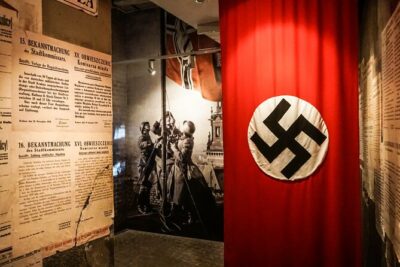
Schindler’s Factory in Krakow: Guided Tour & Skip the Line Ticket
Read our review →
Krakow Schindler’s Factory Guided Tour with Admission Ticket
Read our review →Browse the lists this tour appears in