
Reviewed · SCHINDLER'S FACTORY MUSEUM TOURS
Schindler’s Factory Small-Group Guided Tour
History hits hard at Schindler’s Factory. This small-group guided visit uses the exhibition Kraków under Nazi Occupation 1939 to 1945 plus multimedia scenes to explain what everyday life meant under occupation. I especially like how the museum context is clear, right from the former administrative building, and I also love that the story keeps moving from room to street, instead of staying stuck in one gallery.
One thing to consider: this is not a Schindler biography museum. You will get the Oskar Schindler thread, but the bigger emphasis is on occupied Kraków and how Polish and Jewish residents were affected, including the ghetto and Płaszów.
In This Review
- Key highlights I’d plan around
- Schindler’s Factory in Kraków: what you’re really walking into
- The former administrative building on Lipowa 4
- Inside the story rooms: hairdresser, photographer, and photoplasticon
- The tram segment: watching the city from moving windows
- The ghetto route: a narrow labyrinth and a Jewish apartment
- Płaszów: connecting occupied Kraków to the camp story
- Price and value: is $45.38 worth it?
- Group size, tour pace, and when to book
- Practical tips so you get more out of the tour
- Who should book this tour, and who might not love it
- FAQ
- FAQ
- How long does Schindler’s Factory Small-Group Guided Tour take?
- What is included in the price?
- Where does the tour start?
- Where does the tour end?
- What is the maximum group size?
- Is this tour focused on Schindler’s personal biography?
- Are children allowed?
- Is it near public transportation?
- What is the cancellation policy?
- Should you book this tour?
Key highlights I’d plan around
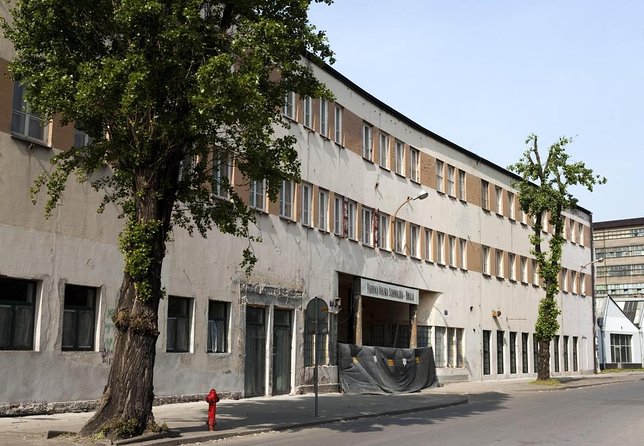
- Former administrative building setting: the exhibition is housed in part of the old Schindler’s Enamel Factory complex on Lipowa 4.
- Multimedia and reconstructed scenes: hairdresser, photographer, and an authentic photoplasticon-style stop make the story feel lived in.
- A tram ride inside the tour: you see a film about city life through the tram windows as you move along.
- A ghetto labyrinth experience: a guided route includes a Jewish apartment setting to help you follow the human story.
- Connects street-level occupation to Płaszów: the tour ties Kraków’s streets to the camp in Płaszów.
Schindler’s Factory in Kraków: what you’re really walking into
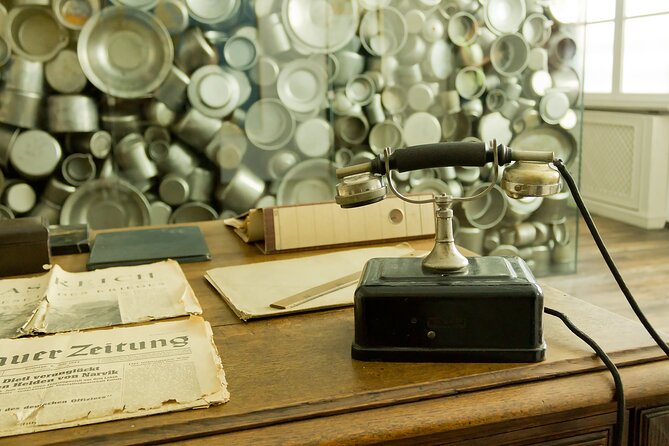
This tour has a specific job, and it does it well: it helps you understand occupied Kraków as a lived place, not just a list of dates. The exhibition is titled around Kraków’s occupation period, and the guide’s role is to connect the different rooms and mini-worlds into one clear storyline.
I like that the experience uses modern tools to make the past understandable, not just visible. You’ll see wartime life portrayed through themed settings and media, and it’s designed to help you keep track of where you are in the history as you go.
Your biggest expectation check is the focus. If you want lots of factory machinery, worker details, or a pure Schindler-focused biography, you might feel that the emphasis is elsewhere. The tour centers the wider city under Nazi rule, with Schindler as part of that story rather than the only subject.
Further visits to Schindler’s Factory Museum:
- Krakow: Schindler’s Factory Ticket and Guided Tour Option
★ 4.3 · 4,306 reviews - Krakow: Schindler’s Factory Tour with Entrance Ticket
★ 4.5 · 3,182 reviews - Krakow: Schindler’s Factory Skip-the-Line Ticket
★ 4.4 · 3,105 reviews
The former administrative building on Lipowa 4
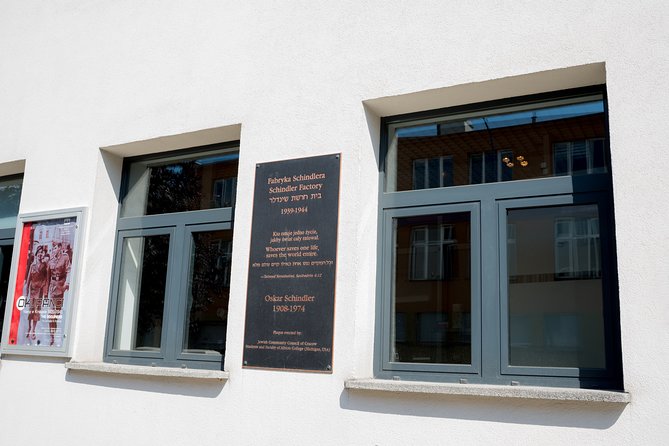
You start on Lipowa 4, right by the Schindler’s Enamel Factory complex, and the tour begins where many visitors first wish they could start: with context. The exhibition Kraków under Nazi Occupation 1939 to 1945 sits in the former administrative building, and that matters because it frames the factory space as part of the city’s wartime system.
This is also where you get an important clarification for your expectations. The museum is not presented as a personal biography of Oskar Schindler. Instead, it’s dedicated to occupied Kraków and shows multiple aspects of what life looked like under Nazi occupation, including the fates of Polish and Jewish inhabitants.
If you’ve seen the famous Spielberg film, you might still find this version worth your time. The film is one story, and this tour is broader, showing how the city’s daily functioning, control, and displacement worked around people.
Inside the story rooms: hairdresser, photographer, and photoplasticon
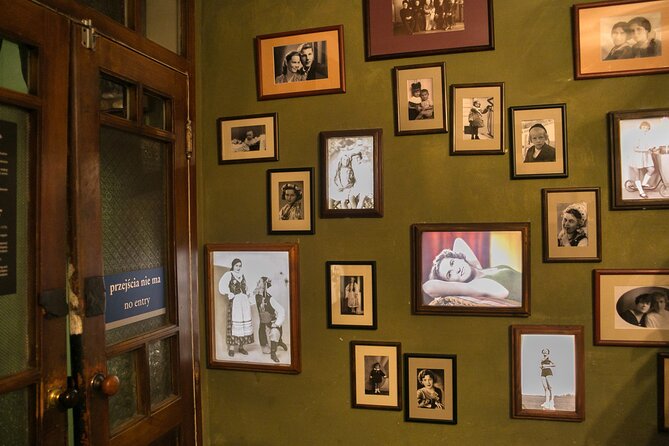
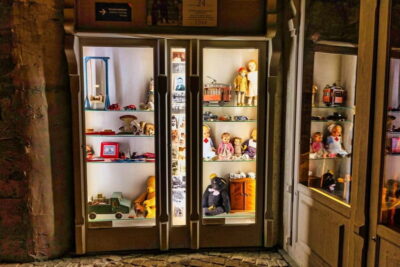
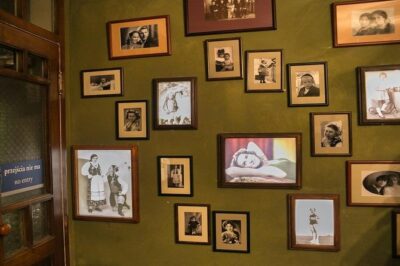
A big part of the value here is the way the tour keeps you moving through “micro-locations” that stand in for real life. You’ll step into a hairdresser setting, then into a photographer setting, where the guide helps you read what those places represent during wartime occupation.
Then comes an especially memorable stop: an authentic photoplasticon. It’s the kind of concept you might not encounter anywhere else in Kraków, and it changes the pace from general explanation to something more immediate. It gives you a way to grasp how people were recorded, processed, and controlled during the war, not just how history is summarized afterward.
This section works best when you let your senses do some of the work. Even if you already know the basics, the themed locations help you picture the daily atmosphere, the uncertainty, and the way normal routines were bent or broken.
The tram segment: watching the city from moving windows
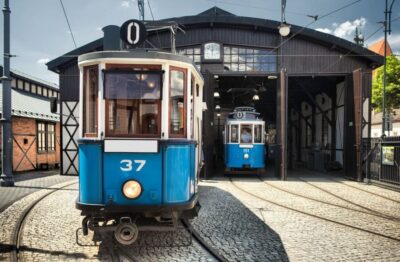
One of the most practical and creative parts of the tour is the tram experience. You’ll get on a tram, and through the windows you’ll see a film about city life.
This is more than a novelty ride. It’s a clever way to connect “inside the exhibition” with “outside in the city,” so you can feel how occupation shaped movement, visibility, and daily rhythms. Even in a short tour time window, this gives you a change of perspective, like stepping back to see the bigger pattern.
Because it’s tram-based and film-based, keep in mind your personal comfort. If you’re sensitive to screen light or prefer slower, purely walking experiences, you may want to adjust your expectations. But if you like guided storytelling that uses media thoughtfully, this is one of the stronger moments.
Still tacked up around Krakow
The ghetto route: a narrow labyrinth and a Jewish apartment
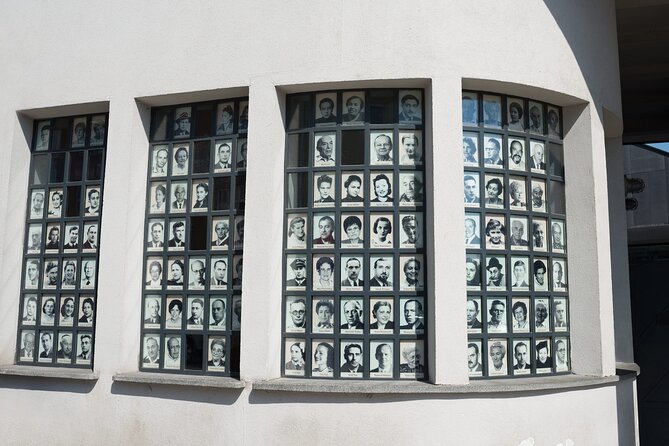
After the tram segment, the tour moves into the ghetto area experience, including a Jewish apartment setting. The route is described as a narrow labyrinth, and that description fits the feeling you’ll likely get: the tour wants you to experience the space as restricted and tense, not as a wide-open “history stop.”
The apartment part is a key value point. Instead of presenting the ghetto only as borders and tragedy, the setting helps you understand the daily reality people faced. It’s not trying to sugarcoat anything. It’s trying to show you how private space, family life, and survival pressures overlapped in a place built to control and dehumanize.
I also appreciate that the guide’s job here is interpretation. You’re not just being shown a room. You’re being guided through what that room meant in the larger story, with modern multimedia adding emotional context without leaving you to guess what to think.
Płaszów: connecting occupied Kraków to the camp story
The walk continues from the ghetto setting to the camp in Płaszów. This is where the tour becomes more direct, and you’ll likely feel your attention sharpen because the stakes rise.
The benefit of placing Płaszów within the tour route is that you’re not treated to a standalone, isolated “camp stop.” Instead, you experience how the narrative progresses: occupation in the city, confinement in the ghetto, then the brutal outcomes that followed.
This section may be emotionally heavy, so plan your day around it. If you’re pairing this with other major WWII sites, give yourself breathing room before and after. A guided tour helps you process information, but it still takes energy.
Price and value: is $45.38 worth it?
At $45.38 per person, this is not a bargain ticket, but it also isn’t a “splurge-only” activity. The value comes from three things you get together: a guided interpretation, a structured route through multiple themed settings, and admission included in the experience.
The duration is listed as about 1 hour 30 minutes, and in practice it can feel closer to a longer guided visit depending on pacing and questions. Either way, it’s a compact format that moves through several distinct segments: museum rooms, occupation-themed locations, a tram film sequence, a ghetto route, and then Płaszów.
The small-group limit also matters. With a maximum of 25 travelers, you’re more likely to get a guide who can keep the narrative clear and manage the group as it transitions between spaces. If you’ve ever done big-group tours where you spend half your time trying to keep up, you’ll recognize why this size cap is part of the pricing logic.
Group size, tour pace, and when to book
The tour runs as a small group with a cap of 25 travelers. That keeps things manageable, especially because the route includes transitions and media moments, not just walking stops.
Average booking time is noted at around 29 days in advance. In plain terms, that tells you this is popular enough that last-minute booking might be hit or miss during busier seasons. If this is a top priority, plan ahead rather than assuming you can slot it in at any time.
Also remember the tour ends back at the meeting point. That helps your day planning, because you don’t need to reorganize transport after the visit.
Practical tips so you get more out of the tour
First, arrive a few minutes early at Lipowa 4 so you’re not rushing when the guide is ready to start. It’s a simple thing, but it helps you settle into the right mindset before the story ramps up.
Wear comfortable shoes. Even if the duration is short, the tour’s flow includes moving between indoor and outdoor areas and following a guided route through tighter spaces.
Bring a small amount of patience for multimedia pacing. Some parts are designed to be seen and heard in specific ways, so try not to multitask. If you’re the type who takes nonstop photos, you’ll still be able to capture images, but do leave a little time to actually watch and absorb the scenes.
Finally, do a quick expectation reset before you go. You’re there to understand occupied Kraków, not to get a museum stamp collection. When you follow the guide’s storyline, the experience becomes more coherent and more meaningful.
Who should book this tour, and who might not love it
This tour is a strong match if you want a guided way to understand WWII occupation in Kraków through a combination of museum spaces and staged environments. It’s also a good pick if you like when a guide explains how scenes connect, because the route is built to be followed in order.
You’ll also likely enjoy it if you’re comfortable with modern multimedia and want it used as a storytelling tool, not as a distraction. The tram film moment and the themed settings are designed to help you keep the emotional and historical thread together.
Consider another option if you’re mostly after a technical tour of factory machinery or a strictly Schindler-centered biography. This experience is about occupied Kraków and the fates of Polish and Jewish residents, with Schindler part of the larger wartime context.
FAQ
FAQ
How long does Schindler’s Factory Small-Group Guided Tour take?
The tour duration is listed at about 1 hour 30 minutes.
What is included in the price?
The admission ticket is included.
Where does the tour start?
It starts at Lipowa 4, 32-051 Kraków, Poland.
Where does the tour end?
The tour ends back at the meeting point.
What is the maximum group size?
The maximum group size is 25 travelers.
Is this tour focused on Schindler’s personal biography?
No. It is not biographical. The museum exposition is dedicated to occupied Kraków and reveals many aspects of life under Nazi rule.
Are children allowed?
Children must be accompanied by an adult.
Is it near public transportation?
Yes, it is near public transportation.
What is the cancellation policy?
You can cancel for a full refund up to 24 hours before the experience starts. If you cancel within 24 hours, the amount paid is not refunded.
Should you book this tour?
Book it if you want a clear, guided way to understand occupied Kraków through a museum setting and a moving route that includes multimedia, a tram segment, a ghetto apartment experience, and a stop connected to Płaszów. The small-group size and included ticket make it a practical plan for a short visit to the area.
Skip it, or at least lower your expectations, if your main goal is a machine-focused factory visit or a strictly Schindler biography. Here, the heart of the experience is the occupied city and how people lived and were displaced during the war.
Freshly posted from Krakow
- Krakow: Audio-Guided City Experience by Golf Cart★ 5.0 · 1 review
- Krakow: Zakopane and Thermal Springs Tour with Hotel Pickup★ 5.0 · 1 review
- Half-day In the footsteps of John Paul II Tour from Krakow★ 5.0 · 1 review
- Krakow: Wawel & Salt Mine Experience with Lunch★ 5.0 · 1 review
- Tour to Wadowice: Hometown of Pope Saint John Paul II★ 5.0 · 1 review
- Krakow: Outdoor Paintball with Hotel Transfers★ 5.0 · 1 review
- Krakow: Nowa Huta Communist District Walking Tour★ 5.0 · 1 review
Schindler's Factory Museum Tours, compared.
Schindler’s Factory Ticket and Guided Tour Option
Read our review →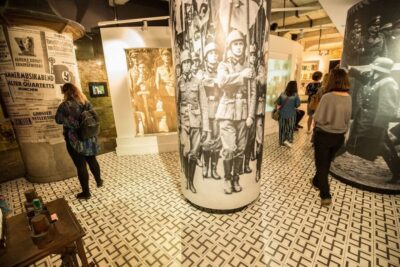
Schindler’s Factory Tour with Entrance Ticket
Read our review →
Schindler’s Factory Tour with Entrance Ticket
Read our review →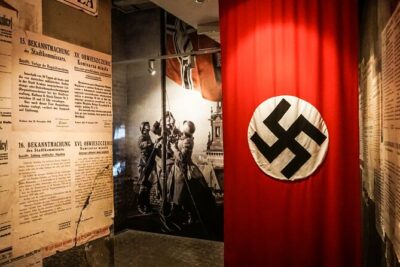
Schindler’s Factory in Krakow: Guided Tour & Skip the Line Ticket
Read our review →
Krakow Schindler’s Factory Guided Tour with Admission Ticket
Read our review →Browse the lists this tour appears in