
Reviewed · SCHINDLER'S FACTORY MUSEUM TOURS
Schindler’s Factory and Jewish Ghetto Guided Tour
Real history hugs your footsteps in Kraków. In this 3-hour guided tour, you pair Schindler’s Factory Museum with a wartime Jewish district walk, and I like how the original artifacts and period reconstructions do the heavy emotional lifting. You also get context for daily life in Nazi-occupied Kraków, not just one man’s story.
The walking route takes you past key survival sites, including Józefińska 41 and Ghetto Heroes Square, with a stop at Under the Eagle Pharmacy (you don’t go inside). One watch-out: Schindler’s Factory is extremely popular, so parts of the museum may feel a bit rushed if you like to read slowly.
In This Review
- Key things to know before you go
- Start at Schindler’s Factory, then walk the ghetto routes
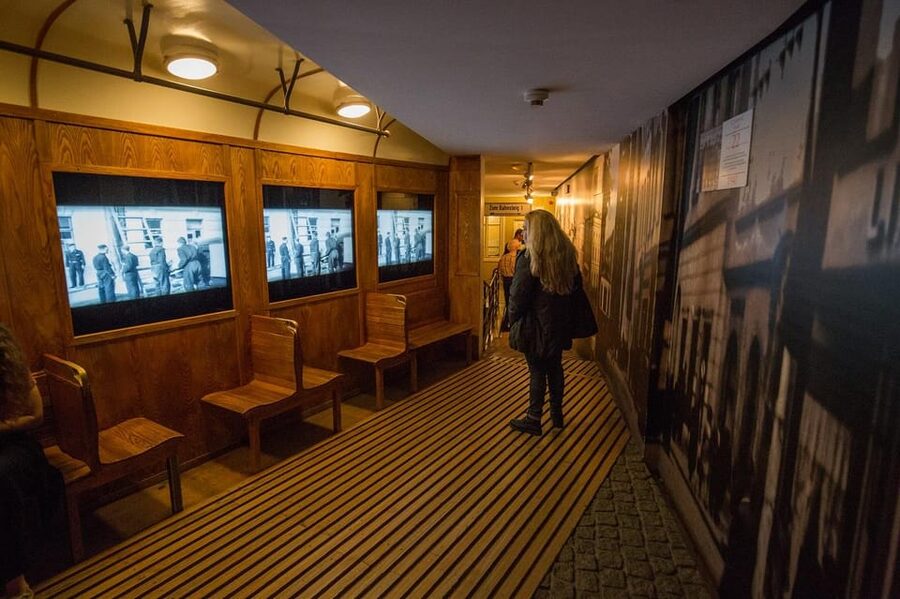
- Schindler’s Factory Museum: how the exhibition frames daily life under occupation
- Schindler’s story within a wider city story, not just one life
- Józefińska 41: an orphanage, welfare offices, and a hospital inside the ghetto
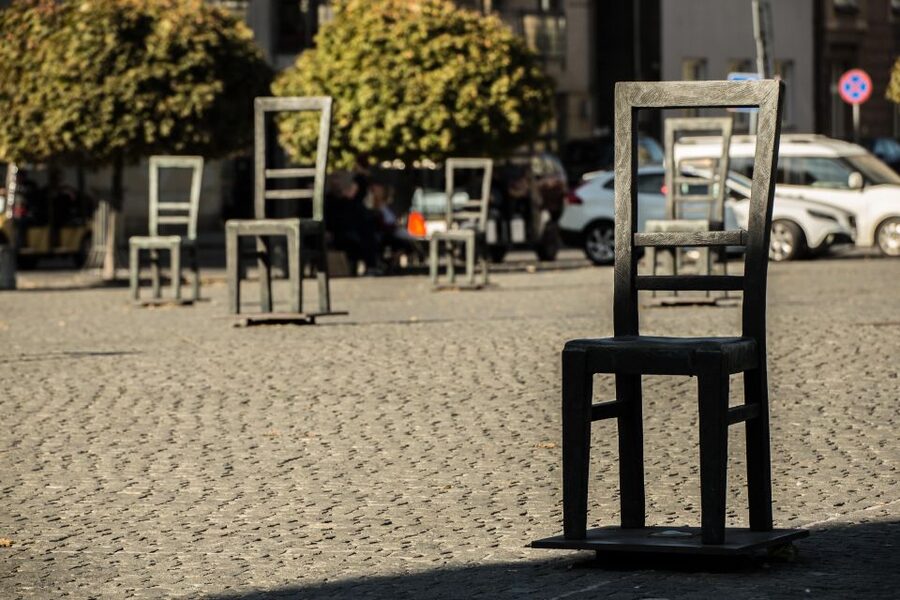
- Ghetto Walls and Ghetto Heroes Square, the Chair Memorial
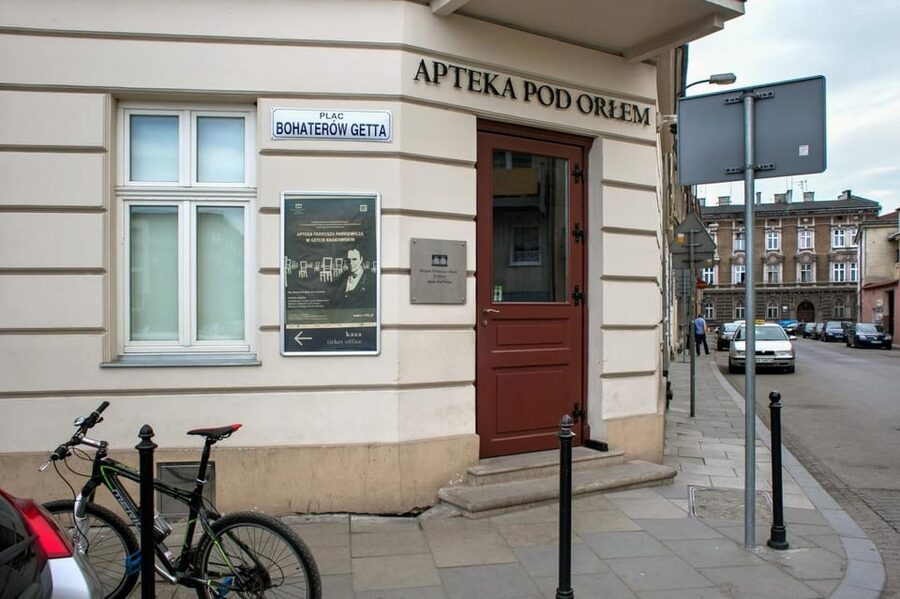
- Under the Eagle Pharmacy: why the outside stop still matters
- Price and value for a 3-hour licensed tour in Kraków
- Who this tour fits, and who might want to adjust
- Should you book this tour?
- FAQ
- Where do I meet the guide?
- How long is the tour?
- What languages are offered?
- What’s included in the price?
- Is food included?
- Do I need to provide full names for tickets, and what if I arrive late?
Key things to know before you go
- Factory first, ghetto second: you’ll understand the city’s before-and-during context before the streets feel like a map of confinement.
- Licensed guide, small group: group size is capped at 25, which matters when you’re moving through narrow spaces.
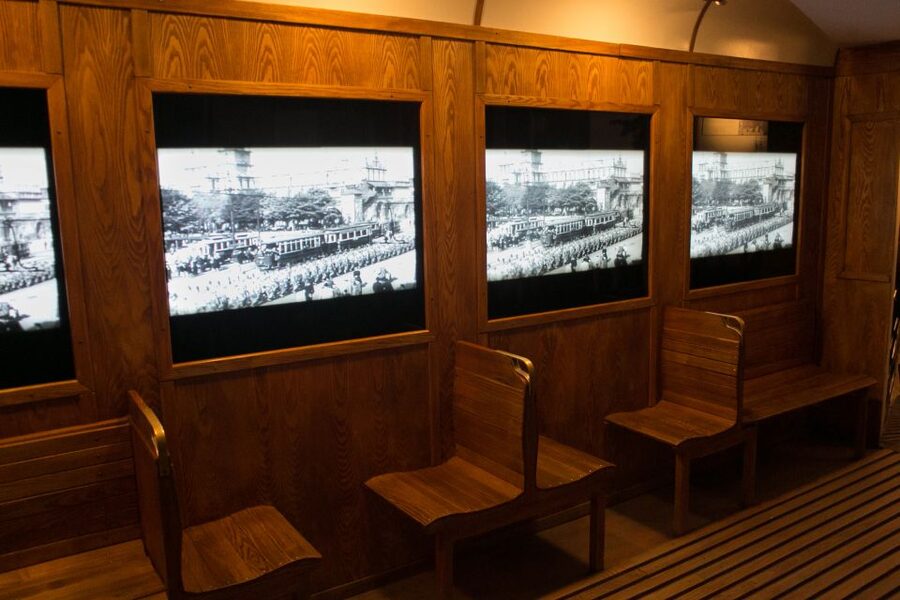
- Artifacts plus reconstructions: the exhibition uses authentic-looking objects and reconstructed streets to explain how daily life broke down.
- Józefińska 41 is more than a stop: it’s a concentrated look at survival infrastructure inside the ghetto, including an orphanage, welfare offices, and a hospital.
- Ghetto Heroes Square and the Chair Memorial: it connects the geography to round-ups and deportations.
- Under the Eagle Pharmacy is an outside stop: you’ll hear the story of Tadeusz Pankiewicz’s aid network, without entering the building.
Start at Schindler’s Factory, then walk the ghetto routes
This tour is built for flow. You begin at Schindler’s Enamel Factory, now the museum, then you step out into Kraków and follow wartime routes on foot. That order is a smart choice, because you get the broader picture first, and only then do the street-level sites start to feel like a working timeline.
The meeting point is straightforward: stand at the main entrance to the Schindler’s Factory Museum, on the right-hand side. Your guide will be holding a sign for the guided tour. Arrive at least 10 minutes early, because once the group enters, late arrivals can’t be accommodated.
You should also be ready for the pacing reality of popular museums. A 3-hour schedule means you’re going to see the essentials, but not everything. If you’re the type who wants to linger over every label, bring a mindset of, I’m here for guided context, not a self-paced crawl.
Further visits to Schindler’s Factory Museum:
- Krakow: Schindler’s Factory Ticket and Guided Tour Option
★ 4.3 · 4,306 reviews - Krakow: Schindler’s Factory Tour with Entrance Ticket
★ 4.5 · 3,182 reviews - Krakow: Schindler’s Factory Skip-the-Line Ticket
★ 4.4 · 3,105 reviews
Schindler’s Factory Museum: how the exhibition frames daily life under occupation
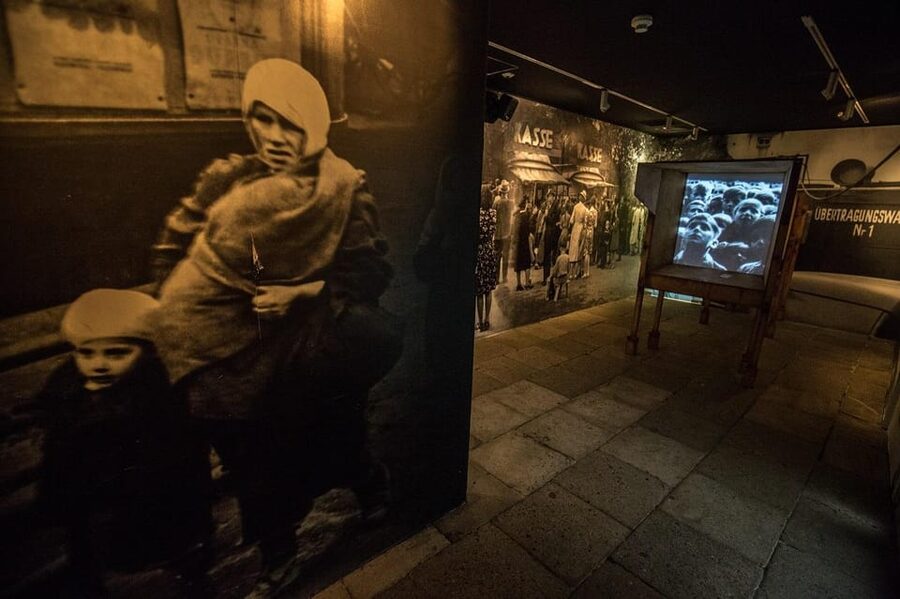
Inside Schindler’s Factory, you’re not just touring a building. You’re walking through an exhibition called Kraków under Nazi Occupation 1939 to 1945, told through the lens of Oskar Schindler. The emotional center is his choices, because the tour explains how he employed Jewish workers and used his influence and resources to protect them from deportation.
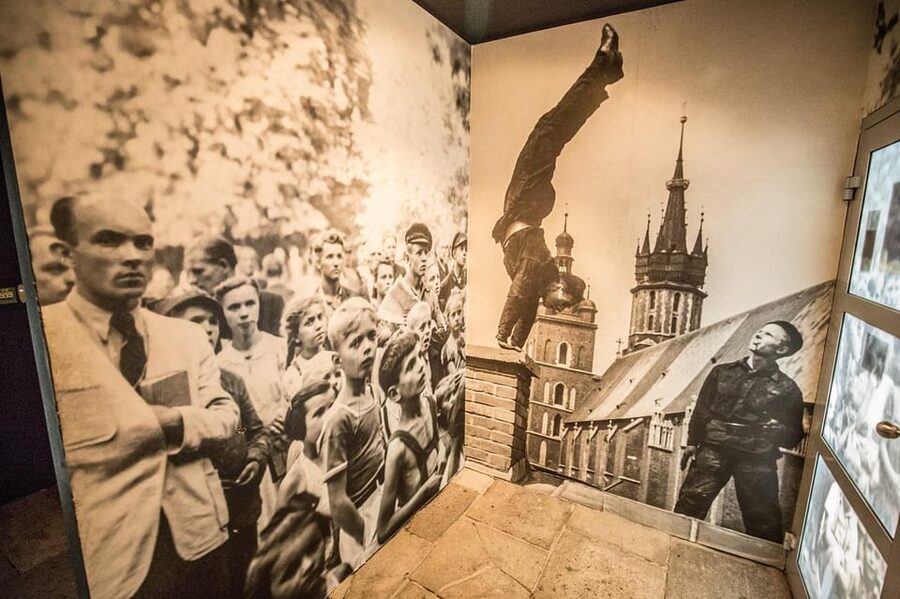
What makes this portion more than a biography is the way daily life in the city is threaded through the story. You’ll see photographs, personal objects, and reconstructed streets that communicate fear, uncertainty, and the slow tightening of rules that made ordinary routines impossible. The guide’s job is to turn those displays into a clear picture of how Kraków changed, and how Jewish and non-Jewish residents endured the war side by side within the same collapsing system.
A key detail: the factory building once had production equipment, but the museum setup no longer contains original manufacturing gear. That can surprise people who expect a preserved worksite. Instead, the focus is on interpretation: what the factory meant in the war, and how Schindler’s network intersected with survival for the people later called Schindlerjuden.
The layout is designed with narrow passageways in mind, so expect tight moving areas. If you’re claustrophobic or just dislike bottlenecks, go in with patience. This is also where having a licensed guide helps, because they can point you to the “what matters” moments so you’re not lost in the crowd.
Guides can make a huge difference here, and you’ll hear a variety of styles across languages. In English bookings, names like Bartholomew and Joanna have been associated with clear explanations, with guides who know how to answer follow-up questions without rushing. In other languages, guides such as Magda and Phil have been praised for strong communication and helpful tone. Even if the guide’s name doesn’t match yours, the lesson is the same: pick the language you’re most comfortable with, because the subject demands full attention.
Schindler’s story within a wider city story, not just one life
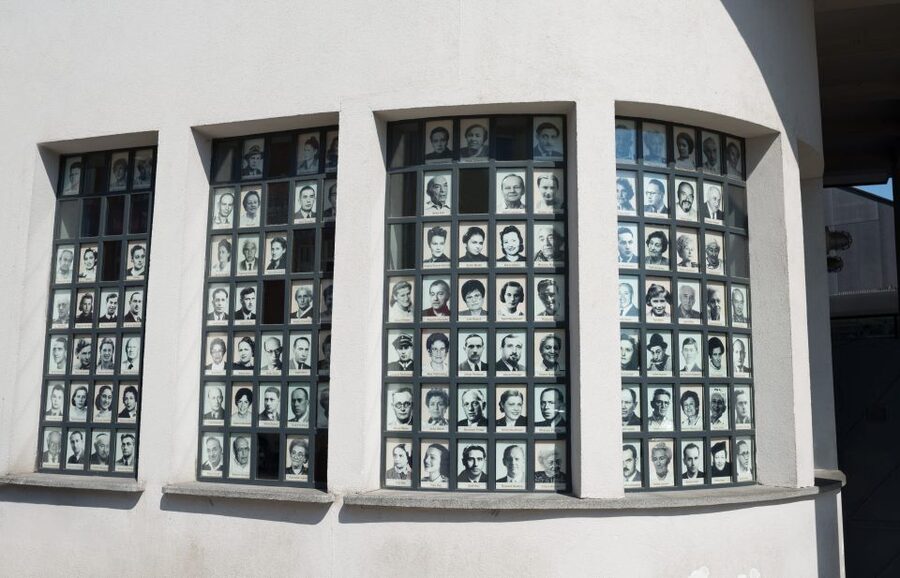
Oskar Schindler’s actions are central, but the tour keeps your attention on the bigger machine around him. You learn how courage can be real and practical, not just sentimental. The point is that Schindler’s defiance worked inside a system built to crush options.
The guide brings up how more than a thousand men and women survived thanks to Schindler’s determination. That number lands harder when the exhibition has already shown you what survival meant day to day: bureaucratic cruelty, forced labor, constant threat, and the way deportations were the end point of a longer process.
I like that the narrative doesn’t isolate Schindler from the world around him. It treats his choices as part of a wider story of Kraków under pressure, where ordinary people were navigating violence, restrictions, and moral risk every day. If you came hoping for a simple storyline, you’ll still get it. But you’ll also leave understanding why this story mattered to a city, not only to a single factory.
Józefińska 41: an orphanage, welfare offices, and a hospital inside the ghetto
Once you finish inside the museum, the tour becomes a street-level walk through the wartime district. You begin among remnants of the Kraków Ghetto, then you move deeper into the neighborhood.
One of the most important stops is Józefińska 41. This isn’t just a historic address. It represents ghetto life through the infrastructure people needed to stay alive. The tour explains that the area held an orphanage, welfare offices, and a hospital, meaning that even under extreme persecution, there were systems of support trying to keep people fed, cared for, and alive long enough to endure another day.
That’s why this stop works. It forces you to see the ghetto not only as a prison wall, but as a place where families were still trying to function, and where institutions tried to soften the blow of violence. You’ll likely feel the contrast between what buildings are supposed to do, and what the Nazis made them do by necessity.
One practical note: the walk can be cold in winter, and the emotional weight is not light. I’d plan for weather and comfort, because you’re outdoors during part of the experience. Warm layers make a difference when you’re trying to take in details while listening closely.
Further Jewish history and heritage itineraries:

Ghetto Walls and Ghetto Heroes Square, the Chair Memorial
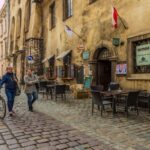
As you move along, you’ll see preserved fragments of the ghetto walls. These remnants aren’t dramatic in the tourist-photo sense, but they hit hard because they show the physical reality of confinement. The walls mark separation and loss in a way that words can only explain so far.
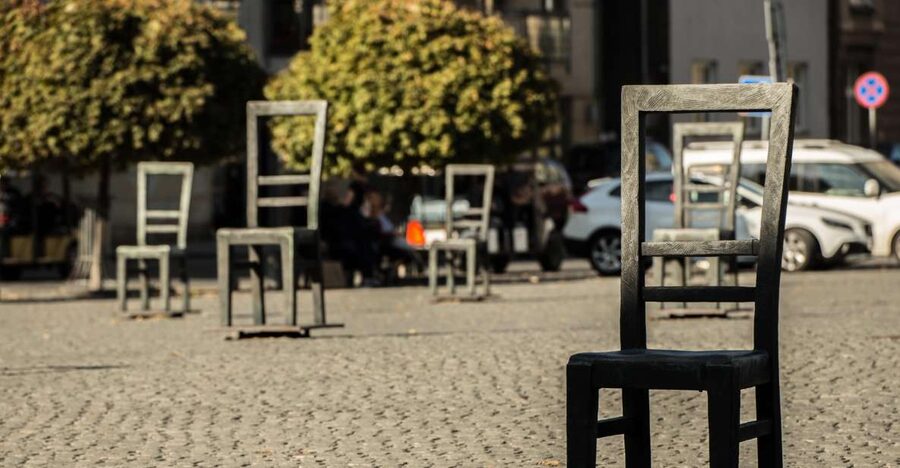
Then you reach Ghetto Heroes Square, marked today by the Chair Memorial. This is where the tour shifts from “life inside the walls” to “what happened because of the walls.” You learn how this open space became a staging area for round-ups and deportations to concentration camps.
The Chair Memorial adds a haunting symbol to a real location. It’s the kind of site where you’ll understand the geography of suffering. It also helps connect what you saw in the museum, because the exhibition set up the gradual tightening. Here, you see where that tightening led.
This is also where some tours can feel repetitive if you’re already steeped in the museum’s message. In this format, the museum gives the framework and the streets show the consequences. If you’re sensitive to repetition, focus on how the information changes location, and how the same history becomes visible in real space.
Under the Eagle Pharmacy: why the outside stop still matters
The final street stop is Under the Eagle Pharmacy. You don’t enter, but you do stop to hear its story, and that story is one of help inside a system built to deny help.
The tour highlights Tadeusz Pankiewicz and his staff, who risked everything to aid Jewish residents by offering medicine, shelter, and hope. Even without stepping inside the building, you get the point: networks of care were not a side plot. They were a lifeline.
If you’ve ever visited Holocaust sites and thought, Where is the everyday kindness?, this stop helps answer that question. It shows that some people resisted in practical ways, not only through grand gestures.
One consideration: since there’s no entry, you won’t get the kind of quiet time you might hope for. If you like to linger, you may wish for more time here. But the value comes from the story the guide connects to the site, and how it balances the heaviness of earlier stops.
Price and value for a 3-hour licensed tour in Kraków
At $57 per person for a 3-hour tour, you’re paying for three things: a licensed guide, fast-track admission to Schindler’s Factory, and a guided walking component across key ghetto sites. In a place like Schindler’s Factory, fast-track access is more than convenience. It helps protect your time, especially when the museum is crowded.
The walking portion is included, and it’s not generic city sightseeing. You’re getting context tied to specific addresses and places, including Józefińska 41, Ghetto Heroes Square, and Under the Eagle Pharmacy. That kind of guidance is hard to replicate on your own unless you already know what you’re looking for.
The only simple drawback on value is time pressure. A 3-hour tour means you may feel rushed through parts of the museum. If you’re the type who reads every caption and studies every photograph, you might want to plan a separate self-guided return to the museum later. This tour is best at giving you orientation and interpretation, so you understand what you’re seeing and why it matters.
Food and drinks are not included, so plan around that. You’ll be focused on history, and you don’t want hunger or thirst to yank you out of concentration at an emotionally intense moment.
Who this tour fits, and who might want to adjust
This is a strong fit if you want structure. You like a clear sequence, factory first and street walk next, so the history clicks together in your head. It’s also a good fit if you want a guide who can explain how Jewish and non-Jewish residents endured war in the same city, not as separate facts.
It’s also ideal if you’d rather not plan out a route through the ghetto sites yourself. The tour handles that for you, and it includes specific stops that do real interpretive work, especially Józefińska 41.
That said, this tour may feel rushed for people who want lots of slow time inside Schindler’s Factory. It can also feel emotionally dense, because the subject is heavy and the route is built around it. If you prefer lighter pacing or more independent wandering, you might pick a self-guided museum visit and add only one guided walk element later.
Should you book this tour?
Book it if you want a licensed, structured guide who connects Schindler’s Factory to the ghetto locations in a logical order. At $57 for fast-track entry plus a focused walking route, it’s good value for people who care about context and clarity.
I’d especially book if you’re visiting in a language you feel confident speaking, because the tour runs in a single language per group. And if you hate crowds and slow reading, know that Schindler’s Factory can be busy, and the schedule may compress museum time.
If you want a single decision rule, use this: if you want the “why” behind what you’re seeing, this tour gives you that. If you want “read every line at your own pace,” add extra time for self-guided exploration in Kraków after the tour.
FAQ
Where do I meet the guide?
Meet your guide in front of the main entrance to the Schindler’s Factory Museum, on the right-hand side. The guide will hold an Schindler’s Factory Guided Tour sign.
How long is the tour?
The tour lasts 3 hours.
What languages are offered?
The tour is available in French, English, Spanish, German, and Italian.
What’s included in the price?
The price includes a professional, licensed guide, fast-track admission to Schindler’s Factory, and a walking tour of the Jewish wartime district.
Is food included?
No. Food and drinks are not included.
Do I need to provide full names for tickets, and what if I arrive late?
Yes. Personalized tickets are issued, and providing the full names of all participants at booking is mandatory. You should arrive at least 10 minutes early, because once the group has entered, late arrivals cannot be accommodated and tickets are non-refundable.
Freshly posted from Krakow
- ZALIPIE – painted village, unique small group tour from Krakow★ 5.0 · 7 reviews
- Krakow: Craft Beer Tasting City Walking Tour★ 4.4 · 7 reviews
- Magic of Krakow: Guided Tour of the Old Town★ 5.0 · 7 reviews
- “John Paul II Route” PRIVATE -Wadowice, Kalwaria Z.-Łagiewniki★ 5.0 · 7 reviews
- Krakow in One Day: City Tour by Electric Car★ 5.0 · 7 reviews
- Krakow : Zakopane Tour + Thermal Pools with Hotel Pickup★ 4.8 · 7 reviews
- Full-Day Morskie Oko in The Tatra Mountains and Thermal Baths from Kraków★ 5.0 · 7 reviews
Schindler's Factory Museum Tours, compared.
Schindler’s Factory Ticket and Guided Tour Option
Read our review →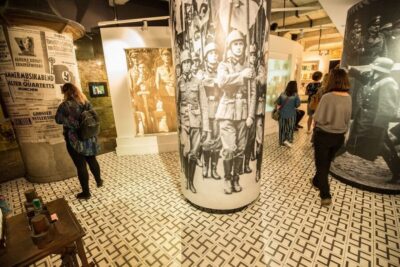
Schindler’s Factory Tour with Entrance Ticket
Read our review →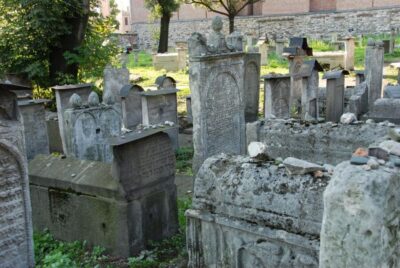
Schindler’s Factory Tour with Entrance Ticket
Read our review →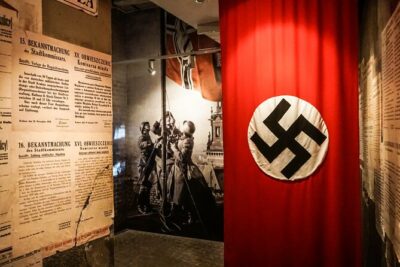
Schindler’s Factory in Krakow: Guided Tour & Skip the Line Ticket
Read our review →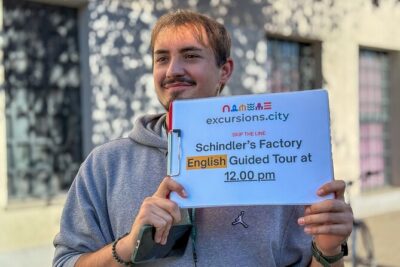
Krakow Schindler’s Factory Guided Tour with Admission Ticket
Read our review →Browse the lists this tour appears in