
Reviewed · JEWISH HISTORY & HERITAGE TOURS
Poznan: Private Jewish Heritage Tour
Poznan’s Jewish past comes into focus on foot. This private Jewish heritage tour links everyday city landmarks to the lives of Polish Jews, with stops that include Holocaust-era sites and forced-labor history. I especially like how you start at the New Synagogue on Stawna 10 and then move through meaningful squares and memorials in a way that makes the story feel whole, not random. The main drawback to weigh is that what you see is mostly street-level and outdoor remembrance, so if you want lots of inside visits, this tour may feel more like walking, reading, and reflection than sightseeing.
For $16 per person for a 3-hour guided experience, it feels like strong value, especially because it is a private group with a live guide and multiple language options. Guides shown in the reviews, like Martin and Matteusz, are praised for strong research, lots of discussion, and making the sites feel personal. Still, because Jewish heritage remains are scattered through Poznan, expect a fair bit of walking and plan for weather.
In This Review
- Key highlights to look for
- Meeting at Stawna 10 and getting the story in the right order
- The former Jewish quarter: New Synagogue, community HQ, and the Akiva Eger route
- Wolnosci Square and the idea of where life paused
- City Stadium and the Square of the Righteous Among the Nations
- Monument to the victims and the forced-labor story you cannot skip
- Akiva Eger’s grove and the new Jewish cemetery
- Seeing a synagogue destroyed in World War II and understanding what ruins teach
- Price and logistics for a 3-hour private Jewish heritage walk
- Who this tour suits best (and who should consider alternatives)
- Should you book the Poznan Jewish Heritage Tour?
- FAQ
- How long is the Poznan Jewish Heritage Tour?
- How much does it cost?
- Is a guide included?
- Are entrance tickets included?
- Where do we meet for the tour?
- What languages are available?
- Is the tour wheelchair accessible?
Key highlights to look for
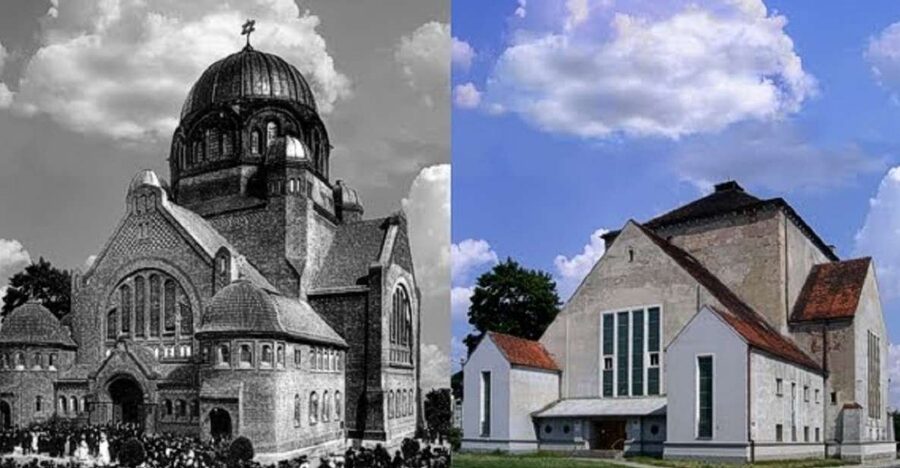
- Stawna 10 New Synagogue start: you get oriented at the right anchor point before the streets start telling their story
- Trail of Jewish monuments: you follow a route through squares, memorials, and former community spaces
- Akiva Eger connections: you learn who he was and find his grove in the Jewish cemetery
- Holocaust and forced-labor sites: you visit the places tied to German occupation and persecution
- Memorial points of conscience: you see the Square of the Righteous Among the Nations and related reminders in Poznan
- Ruins and wartime destruction: you view where a synagogue was destroyed during World War II
Meeting at Stawna 10 and getting the story in the right order
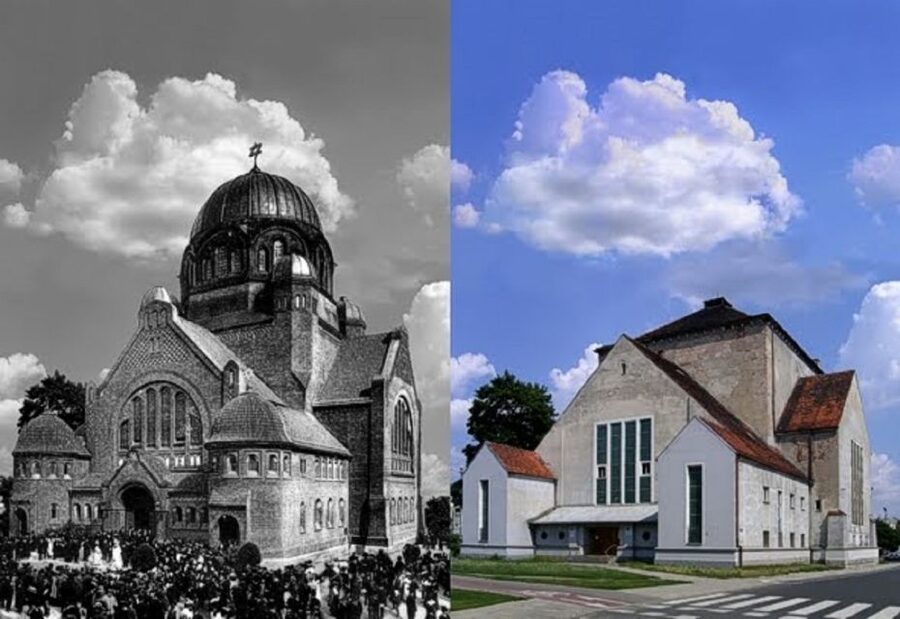
Your tour begins at the New Synagogue area, on Stawna 10, with your guide meeting you by name. I like this approach because the Jewish story of Poznan is not something you naturally piece together from one landmark. Starting here gives you a mental map fast, then the rest of the walk makes sense as you move from community spaces to memory sites.
The experience is fully private, so you are not stuck listening through a crowd. That matters on a history-heavy route, because you will likely want to ask small, specific questions. The guides for this tour are also described as open to discussion, which is a big plus when you run into names and places that you might not know yet.
One practical consideration: meeting points can get messy in older city areas, especially when signage and the idea of old versus new sites do not always match your first expectation. If you are coming from outside Poznan’s center, I recommend giving yourself extra time and double-checking you are by the New Synagogue at Stawna 10 when your guide arrives.
Further Jewish history and heritage itineraries:
- Krakow: Schindler’s Factory & Ghetto Guided Tour
★ 4.7 · 1,694 reviews - Krakow: Jewish Quarter and Former Ghetto Tour
★ 4.9 · 1,441 reviews - Krakow: Bike Tour of Old Town, Jewish Quarter and the Ghetto
★ 4.9 · 1,155 reviews
The former Jewish quarter: New Synagogue, community HQ, and the Akiva Eger route
Once you are oriented, you start in the former Jewish quarter, the area that once served as the social and religious heart for Poznan Jews. This is where the tour earns its pace. Instead of jumping around randomly, you learn how community life worked, then you see the spaces that supported it.
The stops here are not just name tags. You will see the headquarters of the Jewish community, the New Synagogue, and Akiva Eger Square. That cluster is important because it connects architecture and civic identity. When you understand why places like these existed, you also understand why their loss hit so hard.
Akiva Eger is a key figure on this route. During the walk, you learn who he was and later you will find his grove at the Jewish cemetery. I like that the tour does not treat cemetery references as an add-on. It builds a line from public Jewish life to religious and scholarly memory, which makes the cemetery stop feel earned rather than tacked on.
Wolnosci Square and the idea of where life paused
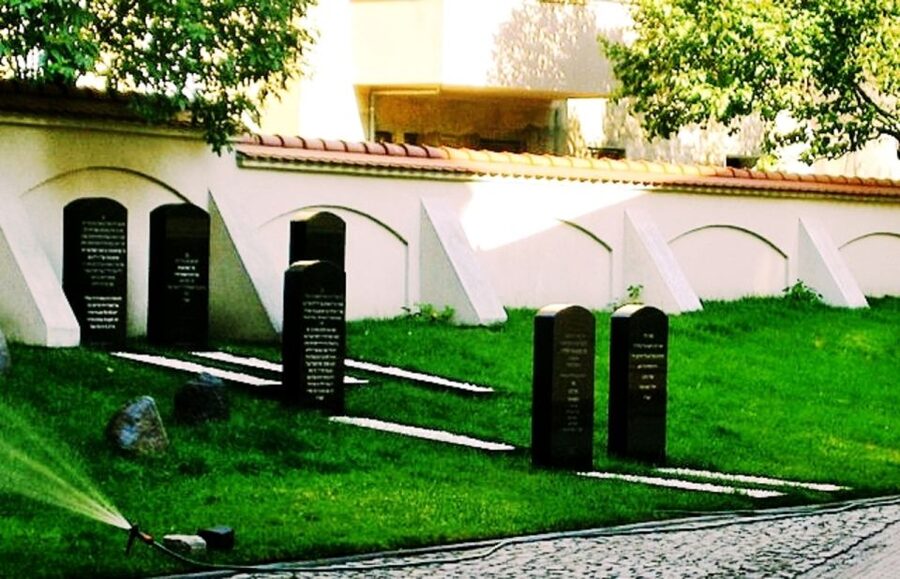
From the quarter, you move toward Wolnosci Square, a place tied to the eternal rest of Poznan Jews. This is one of those stops where the guide’s tone changes, because you are no longer talking about community institutions. You are talking about loss, and you are doing it in the public space where the past still shapes the present.
What makes this stop valuable is the way it reframes the walk. You are not only learning about events. You are learning about geography and how remembrance is anchored in places you might otherwise treat as ordinary city corners.
This is also where you should lean into questions. If you want to understand the difference between a community’s everyday rhythm and the way remembrance takes over after catastrophe, ask your guide how they connect those dots. The guides for this tour are described as research-focused and discussion-friendly, so you should get thoughtful answers rather than vague storytelling.
City Stadium and the Square of the Righteous Among the Nations
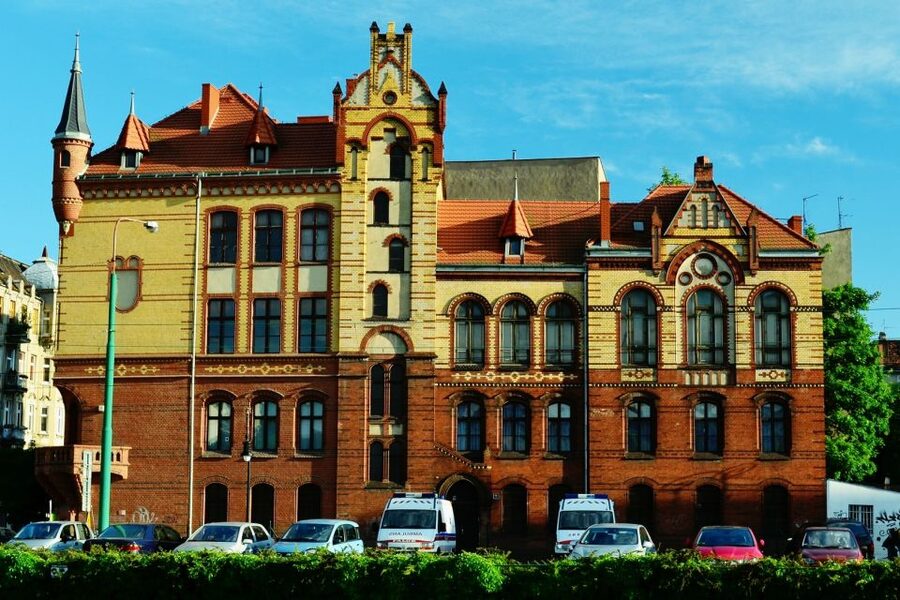
As you continue, the tour brings in the City Stadium, which witnessed the tragic fate of Jews during German occupation. This is a heavy point on the walk, and it can feel strange to stand in a place that today might seem normal. That is exactly why guided context matters.
You are not meant to just point and move on. You learn what happened there and how the occupation reshaped public life and institutions. In a city tour, these stops can easily become grim trivia if you do not have someone guiding interpretation. Here, that interpretation is part of the experience.
Then comes the Square of the Righteous Among the Nations. Seeing this alongside Holocaust-era locations changes the emotional temperature of the route. It adds a human scale to the story, reminding you that some people acted to help, even when the broader system was set up for persecution. I appreciate that the tour includes this, because it avoids a one-note experience of only darkness.
More centuries between two rebuilt squares:

Monument to the victims and the forced-labor story you cannot skip
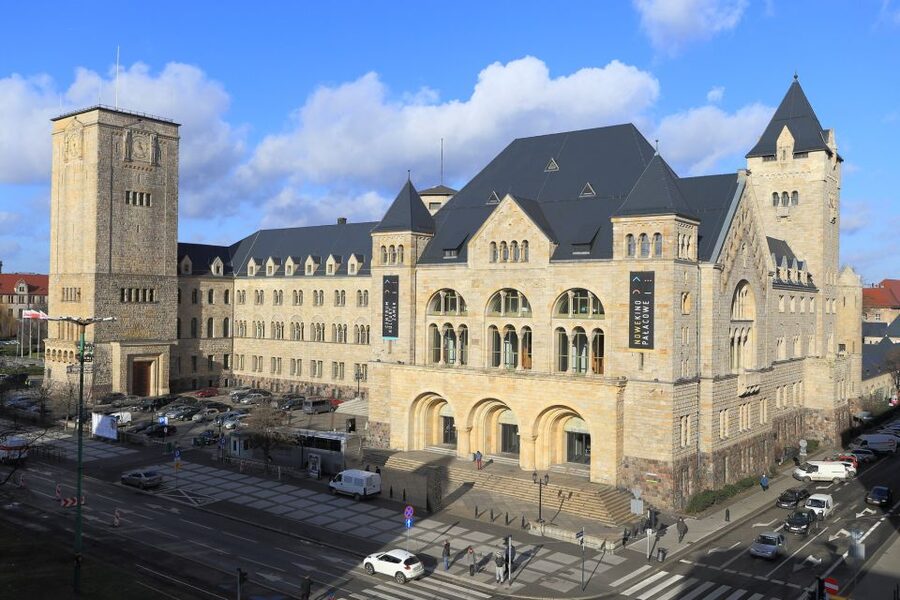
One highlight is the forced-labor camp for Jews and what it means in Holocaust history. In practice, this part of the tour connects you to the physical reality of imprisonment, exploitation, and survival under German occupation.
There is also a Monument to the Victims of the Labor Camp for Jews in Poznan. I like memorial stops like this because they keep your learning grounded. It is easy to think of the Holocaust as distant and abstract. Monuments pull it back into your senses: the wording, the location, and the fact that people stood where you are standing.
A review specifically called out an opportunity to visit Fort VII, which is strongly associated with the forced-labor context around Poznan. If your guide includes Fort VII during your route, pay attention to how the guide explains the difference between prison, forced labor, and mass violence. Those categories matter, and the guide’s job is to help you see that they are connected but not identical.
Even if you are not a history buff, this segment is the reason to book. It is not just about Jewish heritage as culture. It is also about Jewish suffering as documented reality, and you get the guidance you need to process it respectfully.
Akiva Eger’s grove and the new Jewish cemetery
Later, you head to the new Jewish cemetery and look for Akiva Eger’s grove. This is a powerful stop because it ties together scholarship, memory, and place. Cemeteries can feel like a collection of names if you do not have context. With the guide’s explanation, you start to notice meaning in the layout and in why certain figures are remembered where they are.
Finding Akiva Eger’s grove on this route is one of the tour’s most distinctive features. I also like that it is not only about one famous person. The cemetery connects individuals to a wider community story, and it gives you a quiet moment after the sharper emotional weight of the occupation sites.
If you are sensitive to memorial spaces, keep your pace slow. I would rather you pause, read what is there, and let the guide fill in the background than rush to “finish the list.”
Seeing a synagogue destroyed in World War II and understanding what ruins teach
The walk includes seeing the synagogue that was destroyed by Germans during World War II. This matters because it turns your attention from what survived to what was deliberately removed. Ruins and missing buildings can be the hardest things to interpret without guidance, since the city does not always label the loss clearly.
In a place like Poznan, Jewish heritage is not concentrated into one museum area. It is spread through streets and remnants. That is why the guided portion becomes essential. Your guide helps you connect the wartime destruction to the earlier community life you saw at the start.
This is also where the tour can surprise you. One of the strengths mentioned in reviews is that guides bring passion and strong subject research, sometimes even adding extras like short video materials made to show the layout from above. That kind of extra helps you understand the city geometry, which is useful when the physical evidence is incomplete.
Price and logistics for a 3-hour private Jewish heritage walk
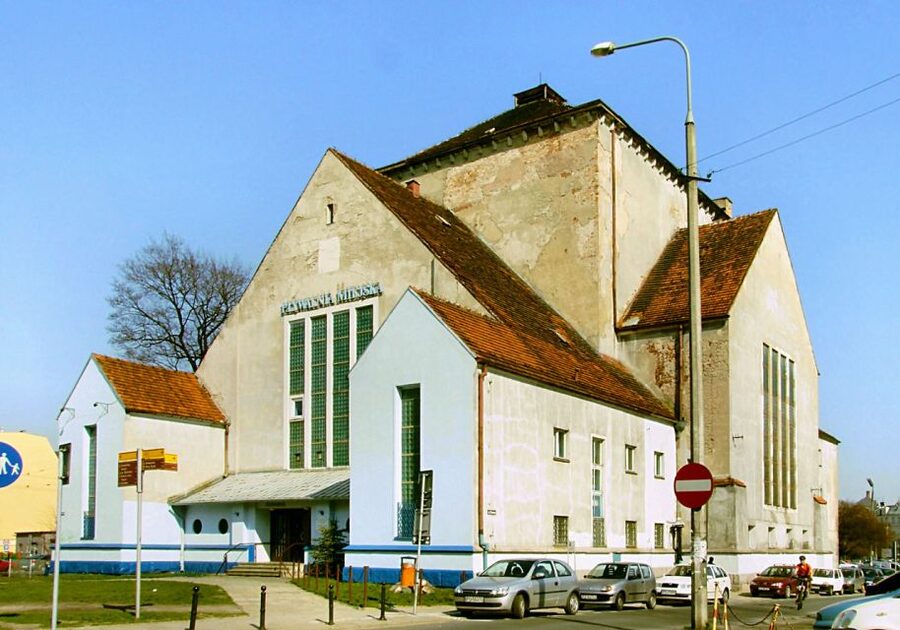
At $16 per person, this tour is priced like an affordable, high-value city experience. You get a live guide for three hours, and the private format means you are not sharing your questions with strangers. Entrances are not included, which tells you the tour is built around what you can view without paying separate ticket fees. That also makes it easier to plan, since a lot of the experience is outdoor and street-level.
Walking is part of the deal. Because Jewish heritage remains are scattered across Poznan, you will spend time moving between stops, not just standing still. Dress for comfort and wear shoes you trust. If it is rainy or icy, you will feel it sooner than you might on a standard museum tour.
Language options are a practical strength too. The guide can work in English, Spanish, German, Russian, Polish, French, and Italian. If you are traveling with family members who prefer a particular language, this flexibility can be a deciding factor.
Wheelchair accessibility is listed as available. Since the route includes multiple stops across city spaces, it is smart to ask your provider ahead of time about any specific movement constraints on the day. Even when something is broadly accessible, real streets and distances still matter.
Who this tour suits best (and who should consider alternatives)
This tour is a great fit if you want Jewish Poznan to feel personal, not like a history lecture. It is especially good if:
- you like walking routes that connect multiple sites into one story
- you want guidance on names and places you would not easily find on your own
- you care about Holocaust and forced-labor remembrance with context
It may not be ideal if:
- you want lots of indoor sightseeing and paid entrances
- you dislike heavy topics and long memorial moments
- you prefer a short, minimal-walking city overview
If you have family ties to the region, the tour can feel even more meaningful. One review mentioned a family connection, and that makes sense. When you learn how a community lived and where the memory is anchored, your personal questions tend to come alive.
Should you book the Poznan Jewish Heritage Tour?
I think this is an easy yes for travelers who want more than surface-level heritage. The mix of landmarks, memorials, and the Akiva Eger thread gives you structure. You are not only seeing what is left, you are understanding what those sites represent.
The value is also hard to ignore: $16 for a private, 3-hour guided experience, with multiple language options and a route built around visible city history. Just go in with realistic expectations: it is walking and remembrance, not an all-entrance museum day.
If you are in Poznan for a short stay and want one guided Jewish heritage route that ties community life to Holocaust-era events, book it. If you are coming mostly for light sightseeing, you might feel the emotional weight more than you expect, and you may want to pair it with something gentler afterward.
FAQ
How long is the Poznan Jewish Heritage Tour?
The tour lasts 3 hours.
How much does it cost?
The price is $16 per person.
Is a guide included?
Yes. The tour includes a live guide.
Are entrance tickets included?
No. Entrances are not included.
Where do we meet for the tour?
Your guide will wait for you by the New Synagogue on Stawna 10 street, with your name.
What languages are available?
The live tour guide can speak English, Spanish, German, Russian, Polish, French, and Italian.
Is the tour wheelchair accessible?
Yes. The tour is listed as wheelchair accessible.
Freshly posted from Poznan
- From Poznan: Torun Sightseeing Day Tour★ 5.0 · 1 review
- A Secret Diary Poznan Old Town City Exploration Game★ 3.0 · 1 review
- Explore the Instaworthy Spots of Poznan with a Local★ 5.0 · 1 review
- Poznan From Polan Tribe to World War II Self Guided Walking Tour★ 5.0 · 1 review
- Poznan: Srodka District and Cathedral Island Private Walking Tour★ 5.0 · 1 review
- Gniezno Tour and Polish Food Experience★ 5.0 · 1 review
- Poznan: Srodka District and Cathedral Island Private Walking★ 5.0 · 2 reviews
Jewish History & Heritage Tours, compared.
Bike Tour of Old Town, Jewish Quarter and the Ghetto
Read our review →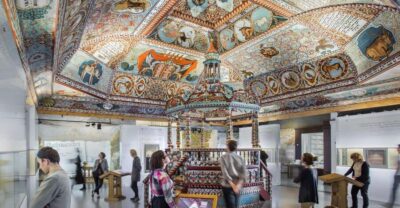
POLIN Museum of the History of Polish Jews Ticket
Read our review →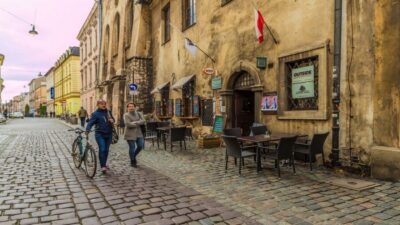
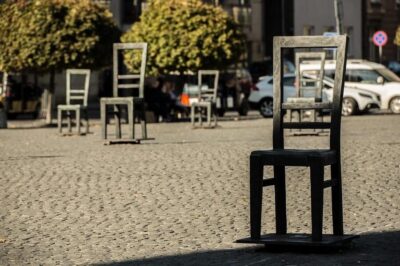
Kazimierz, Schindler’s Factory & Ghetto Guided Tour
Read our review →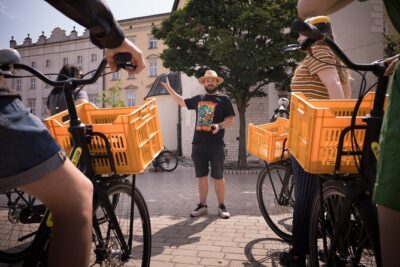
Full Bike Tour – the Old Town, Jewish Qtr & the Ghetto NEW BIKES
Read our review →
Warsaw Ghetto Private Walking Tour with Hotel Pickup
Read our review →Browse the lists this tour appears in