
Reviewed · SCHINDLER'S FACTORY MUSEUM TOURS
Krakow: Schindler’s Factory Museum Small Group Guided Tour
Krakow feels different after this tour. You start outside Oskar Schindler’s factory building, then move through the city and museum in a way that makes the German occupation feel painfully real, not abstract. I especially like the human focus, with the story of Oskar Schindler and the people he saved, plus the way the guide connects events to everyday life.
Two things I love most: the small group size (no more than 14) keeps the pace thoughtful, and the guide can explain what changed in Krakow from 1939 to 1945 without turning it into a lecture. You also get museum admission included, so you do not waste time figuring out tickets, lines, or logistics.
One possible drawback: this is heavy subject matter. You should be ready for a lot of emotion and some steady walking, including moving through the museum’s 3 levels. If you want pure sightseeing only, this may feel too intense.
In This Review
- Key highlights worth your attention
- Why Schindler’s Factory changes how you read Krakow
- Meeting at the factory, then letting your guide set the tone
- The city walk: Krakow under pressure, not just wartime dates
- Inside the Schindler’s Factory Museum on 3 levels
- Oskar Schindler’s story, and why the focus on people matters
- The guide makes or breaks it, and small groups help
- What the 90 minutes feel like in real time
- Price and value: is $52 worth it?
- Who this tour suits best, and who should think twice
- Tips to make your visit smoother and more meaningful
- Should you book this Schindler’s Factory small-group tour?
- FAQ
- How long is the Krakow Schindler’s Factory small-group tour?
- What group size should I expect?
- What languages are available?
- Is museum admission included?
- What should I bring to the tour?
- Is the tour wheelchair accessible?
- Is alcohol allowed during the tour?
- Can I cancel and get a refund?
Key highlights worth your attention
- A walk in Schindler’s footsteps, starting at the factory now known as the museum
- Streets-and-museum storytelling that shows how Krakow changed between 1939 and 1945
- Museum admission included, plus a guide, so you get more out of the time you spend there
- Small group limit of 14, which makes questions and clarifications easier
- English or German live guide, with past guides like Alicja Wrobel and Anna praised for clear explanations
Why Schindler’s Factory changes how you read Krakow
This tour takes you past the usual postcard Krakow loop. You still get “in the city,” but the story is the occupation and what it did to ordinary people. The result is that Krakow stops being just charming stone streets and starts feeling like a living document of 1939 to 1945.
What makes it work is that it is not only about big-picture history. You learn how systems can target identity and reduce human beings to something less than fully human. In a space like this, that context matters, because you can actually connect the dots between policy and daily life.
More Museum Tours in Krakow
- Auschwitz-Birkenau Museum and Memorial Guided Tour from Krakow
★ 4.5 · 1,510 reviews - Krakow: Rynek Underground Museum Guided Tour
★ 4.6 · 1,122 reviews - Krakow: City Card with Public Transport and Museums
★ 3.9 · 675 reviews
Meeting at the factory, then letting your guide set the tone
Your tour begins before you even step inside, at the historic administrative building of Oskar Schindler’s factory, now the museum. You look for a person holding a sign that says GoGuide – Schinlder’s Factory guided tour and the starting time shown during booking. That sounds small, but it saves you the awkward scavenger hunt before you have to focus.
From there, your guide brings you into the story of the German occupation. You are not just listening. You are physically standing where work, decisions, and risk were concentrated. Even in a short 90 minutes, that opening moment helps you understand why Schindler’s Factory is treated with such seriousness today.
The city walk: Krakow under pressure, not just wartime dates
After the start, you walk through Krakow with your guide explaining how life shifted between 1939 and 1945. The goal is to help you picture the war as something that kept changing your route to work, your safety, and your daily expectations.
This part is valuable because it prevents the museum from becoming a sealed box. When you move through streets while the guide frames what was happening, you get a better sense of how quickly normal life could break. It also keeps the tour from feeling like only indoor museum time, which is a plus in any season.
That said, plan for walking. The experience is designed as a guided walk plus a museum visit, so comfortable shoes are not optional. If you have mobility constraints, it is wheelchair accessible, but you will still be moving through an active visitor route.
Inside the Schindler’s Factory Museum on 3 levels
The core of the tour is the Schindler’s Factory Museum visit, with admission included and a guide leading you through the exhibits. You will explore the museum across 3 levels, which means you will be shifting between floors and spaces as the story unfolds.
What I like about this structure is that it supports pacing. Instead of rushing one long hallway of exhibits, the tour can move you through sections of the story at a human speed. Your guide can also point out what to notice, so you are not stuck reading everything on your own while trying to stay oriented.
The exhibits focus on the lives of people in Krakow during the war, including the experiences tied to Nazi persecution. You also learn about Schindler’s efforts to save lives, not just as a headline, but as something that played out through real choices and real risk.
Further visits to Schindler’s Factory Museum:
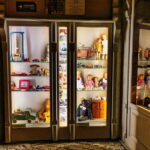


Oskar Schindler’s story, and why the focus on people matters
The tour highlights Schindler and the fact that he saved over 1,200 Jews. That number is important, but the stronger impact comes from hearing how the story connects to specific human lives and changing conditions in Krakow.
You also get stories of people who lived in the city under occupation. The tour frames the horror of daily life, and it also explains the extraordinary feat of survival and rescue that happened in the middle of a system built to destroy. It is the kind of tour where the guide’s job is to keep the story precise, so it does not turn into vague tragedy.
One detail that stands out from how guides are praised here is the ability to connect popular culture references to real people. For example, some guides, such as Alicja Wrobel, are noted for linking Schindler’s List to the underlying reality of those involved. That approach can help if you know the movie first, because it can keep you grounded in history instead of only impressions.
The guide makes or breaks it, and small groups help
This is a live guided tour in English or German, and it runs as a small group of no more than 14 people. In plain terms, that size matters. You can ask a question without the guide having to switch to “answering mode for the entire crowd.”
It also helps the guide tailor how fast you move. When the subject is intense, you need time to process, and you do not want to be rushed past key moments. Small-group dynamics make that possible, and it often explains why guides like Alicja Wrobel and Anna are repeatedly praised for leaving no question unanswered and for making the story feel clear and respectful.
In a museum like this, clarity is a form of respect. A great guide does not just repeat dates. They explain why a detail matters, what it meant for the people living through it, and how it fits into the broader timeline.
What the 90 minutes feel like in real time
Ninety minutes sounds short until you remember you are combining a city walk and a multi-level museum visit. You move, you listen, and you take breaks only when the guide builds them in. If you are the type who needs time to linger over every exhibit label, you may find yourself wanting more.
Still, the tight timing is part of the value. It forces the experience to stay focused on the story the guide wants you to understand. You leave with a clear sense of what happened and why, which is a big win on a packed Krakow schedule.
If you do not have much time in the city, this tour can also serve as a strong anchor. Many people then follow up later with independent reading or additional sites, now that they know what questions to ask.
Price and value: is $52 worth it?
At $52 per person for about 90 minutes, you are paying for three things: a live guide, admission to Schindler’s Factory Museum, and the ability to skip the ticket line. In many cities, museum entry alone can be a noticeable cost, and adding a guide in a historical site often costs more than the entry price.
Here, the value logic is simple. You are not just buying access. You are buying time saved, context delivered, and someone to help you understand what you are looking at. That matters at a museum where the details can feel heavy or confusing without guidance.
Also, the small-group format keeps the experience from turning into a loud, rushed conveyor belt. If you prefer learning through conversation rather than silent self-guided wandering, that $52 price can feel very fair.
Who this tour suits best, and who should think twice
This tour is a strong match if you want more than basic WWII facts. You will get a structured story about Krakow under German occupation, how life changed between 1939 and 1945, and how Schindler’s work translated into saving lives.
You will also enjoy it if you like guided interpretation. The museum visit across 3 levels can be a lot to manage alone, so having someone explain what matters saves you energy.
Who might think twice? If you are not ready for intense content tied to persecution, this may feel difficult. And if walking is a challenge, you should consider your comfort level with moving through multiple museum levels even though the tour is wheelchair accessible.
Tips to make your visit smoother and more meaningful
This is one of those tours where small prep helps a lot. Bring your passport or ID card, because it is required. Wear shoes that handle walking and museum movement.
Also note what is not allowed: alcohol and drugs. I would treat this like a memorial environment and keep your visit calm and respectful.
Finally, arrive with a clear mindset. You are going to learn a story about human choices under extreme pressure. The experience works best when you let the guide set the pace and you focus on understanding, not multitasking.
Should you book this Schindler’s Factory small-group tour?
If you are visiting Krakow and want a guided experience that connects the city streets to the museum, I think this is a smart booking. The combination of small-group attention, museum admission included, and the guided walk between 1939 and 1945 helps you understand the story without wasting time.
Book it if you value clear explanations and you want a respectful, structured way to see Schindler’s Factory. Skip it only if you are looking for light, casual sightseeing, or if you know intense historical content will be too heavy for you right now.
FAQ
How long is the Krakow Schindler’s Factory small-group tour?
The tour lasts 90 minutes (about 1.5 hours).
What group size should I expect?
The tour runs as a small group with no more than 14 people.
What languages are available?
The live guide is available in English and German.
Is museum admission included?
Yes, admission to the Museum is included in the tour price.
What should I bring to the tour?
You should bring a passport or ID card.
Is the tour wheelchair accessible?
Yes, the tour is wheelchair accessible.
Is alcohol allowed during the tour?
No, alcohol and drugs are not allowed.
Can I cancel and get a refund?
Yes, you can cancel up to 24 hours in advance for a full refund.
Museums for an Afternoon
- Krakow Schindler’s Factory Museum Guided Tour in English
★ 4.5 · 650 reviews - Museum of illusions Entry Ticket
★ 4.5 · 521 reviews - Krakow: Auschwitz-Birkenau Tour & Museum Expert Guide
★ 5.0 · 498 reviews - Krakow: Kościuszko Mound Entry Ticket with Exhibitions
★ 4.4 · 399 reviews
Freshly posted from Krakow
- ZALIPIE – painted village, unique small group tour from Krakow★ 5.0 · 7 reviews
- Magic of Krakow: Guided Tour of the Old Town★ 5.0 · 7 reviews
- “John Paul II Route” PRIVATE -Wadowice, Kalwaria Z.-Łagiewniki★ 5.0 · 7 reviews
- Krakow: Craft Beer Tasting City Walking Tour★ 4.4 · 7 reviews
- Krakow : Zakopane Tour + Thermal Pools with Hotel Pickup★ 4.8 · 7 reviews
- Krakow in One Day: City Tour by Electric Car★ 5.0 · 7 reviews
- Full-Day Morskie Oko in The Tatra Mountains and Thermal Baths from Kraków★ 5.0 · 7 reviews
Schindler's Factory Museum Tours, compared.
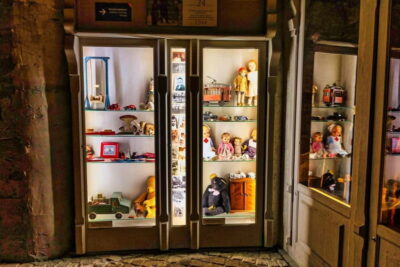
Schindler’s Factory Ticket and Guided Tour Option
Read our review →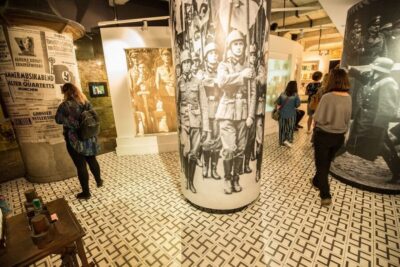
Schindler’s Factory Tour with Entrance Ticket
Read our review →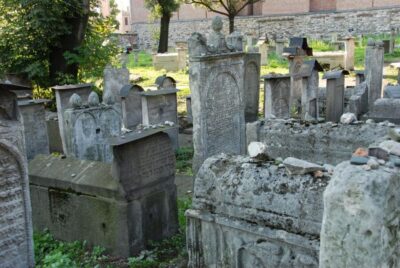
Schindler’s Factory Tour with Entrance Ticket
Read our review →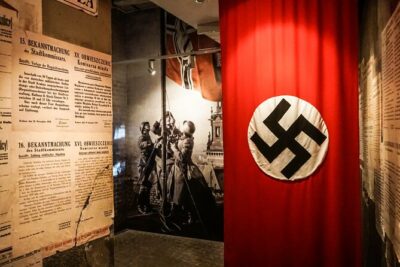
Schindler’s Factory in Krakow: Guided Tour & Skip the Line Ticket
Read our review →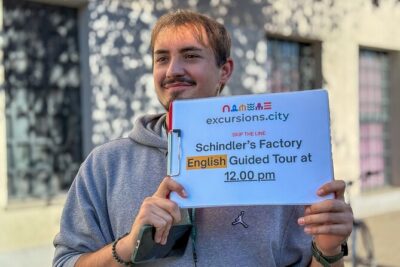
Krakow Schindler’s Factory Guided Tour with Admission Ticket
Read our review →Browse the lists this tour appears in