
Reviewed · SCHINDLER'S FACTORY MUSEUM TOURS
Krakow: Schindler’s Factory Museum Guided Tour
Cobbled streets lead into occupied Krakow. This guided visit to the Schindler’s Factory Museum (the exhibition Kraków under Occupation 1939-1945) uses modern multimedia and a professional guide to explain what daily life, fear, and survival looked like from 1939 to 1945. You move through staged rooms, including a hairdresser and photographer, then experience a tram segment with film visible through the windows, and finally walk into ghetto spaces that lead toward the camp in Płaszów.
The main drawback is physical space. The tour caps at 24 people, and when a group is near that size, the smaller rooms can feel crowded, making it harder for everyone to see and hear the guide at the same moment.
In This Review
- Key highlights
- Why Schindler’s Factory is the anchor for your Krakow WWII day
- How the guided 90 minutes unfold, room by room
- Inside the exhibition at Fabryka Emalia Oskara Schindlera
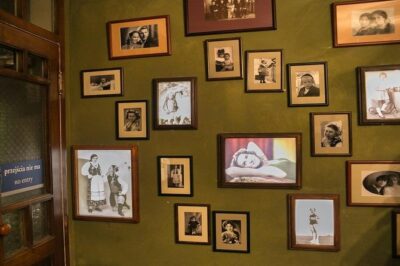
- Hairdresser, photographer, and photoplasticon scenes
- The tram segment and the film view through the windows
- The ghetto labyrinth and a Jewish apartment
- Reaching Płaszów and what to watch for emotionally
- Guide-led storytelling, crowding, and how to get the most
- Price, value, and who should book
- Should you book this guided tour?
- FAQ
- FAQ
- Where does the tour start?
- How long is the guided tour?
- Is the museum admission ticket included?
- How big is the group?
- Is the starting location near public transportation?
- Do I need to bring identification?
- Can the tour start time change?
- What name rules apply after January 1, 2026?
- What if I need to cancel?
Key highlights
- Schindler’s Factory setting: the museum sits in the former administrative building of the enamel factory, the same place made famous through Schindler’s List.
- Kraków under Occupation 1939-1945 storyline: the exhibition connects the fate of Polish and Jewish residents with the actions of German occupiers and Oskar Schindler.
- Photoplasticon and recreated interiors: you step through scenes like a hairdresser, photographer, and an authentic-style photoplasticon experience.
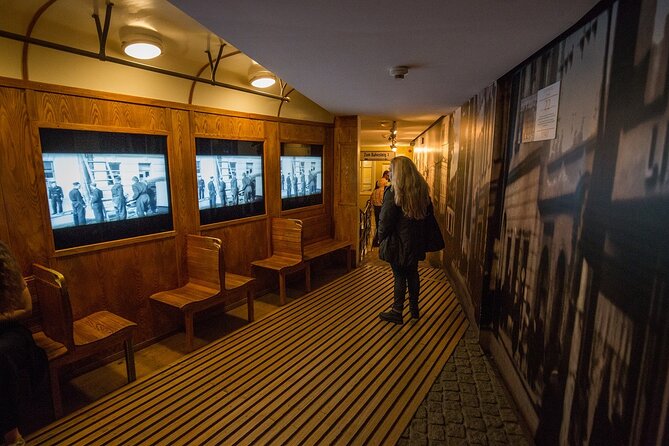
- Tram ride segment: you get a film view through tram windows that helps you connect the stories to city life.
- From ghetto labyrinth to Płaszów: the route moves from lived-in spaces into the setting of the camp.
Why Schindler’s Factory is the anchor for your Krakow WWII day
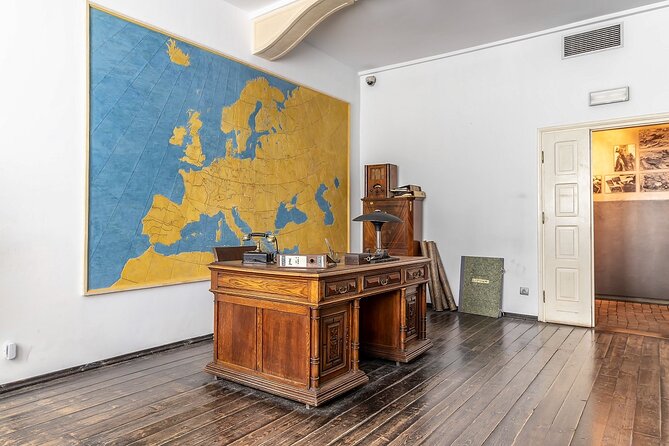
If you want Krakow’s World War II story in one focused place, Schindler’s Factory is the right starting point. This isn’t a generic museum hall of artifacts. It’s set in the former enamel factory complex, specifically the administrative building, and it turns the city’s occupied years into a sequence of rooms and scenes you can walk through.
What I like most is the structure. The exhibition is titled Kraków under Occupation 1939-1945, and it doesn’t treat history as distant. It links the lives of Polish and Jewish residents to the role of German occupiers and to the factory owner, Oskar Schindler. If you’ve seen Schindler’s List, you’ll recognize the emotional gravity of the subject, but the museum format adds context around the real geography and the human stakes beyond the movie’s storyline.
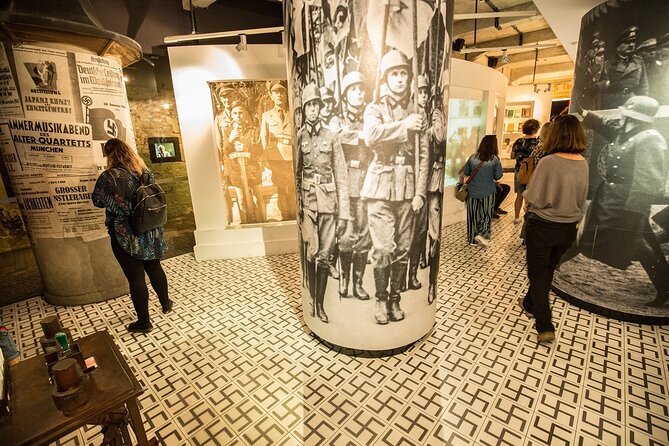
Also, the museum uses modern multimedia, so it can communicate tone and urgency without relying only on text panels. That matters here, because the subject is heavy. The best guided tours help you stay oriented while still letting the emotional impact land.
More Museum Tours in Krakow
- Auschwitz-Birkenau Museum and Memorial Guided Tour from Krakow
★ 4.5 · 1,510 reviews - Krakow: Rynek Underground Museum Guided Tour
★ 4.6 · 1,122 reviews - Krakow: City Card with Public Transport and Museums
★ 3.9 · 675 reviews
How the guided 90 minutes unfold, room by room
This tour runs about 1 hour 30 minutes, and the pace is built for movement. You start at Lipowa 4, 32-051 Kraków, then you walk along cobbled streets to reach the factory complex and go through a set route inside and around the exhibition scenes.
The overall rhythm works like this:
you enter occupied Krakow through a chain of themed spaces, you experience one transport-style segment via a tram, then the route tightens into ghetto-style passages, and finally it pushes toward the camp in Płaszów. The guide’s job is to connect what you’re seeing to what it meant for real people, so don’t expect this to feel like a fast self-guided museum lap.
The most practical way to prepare is mental, not logistical. You should go in expecting you will be standing, walking, and looking closely at staged environments. If you prefer museums where you can wander freely for hours, this format is more directed. If you like having the guide’s explanations right when you’re looking at the scene, it’s a strong match.
Inside the exhibition at Fabryka Emalia Oskara Schindlera
The heart of the tour is the museum at Fabryka Emalia Oskara Schindlera. Here, the exhibition tells the story of Krakow between 1939 and 1945, focusing on what occupation did to Polish and Jewish residents, and how occupiers and Schindler fit into that unfolding tragedy.
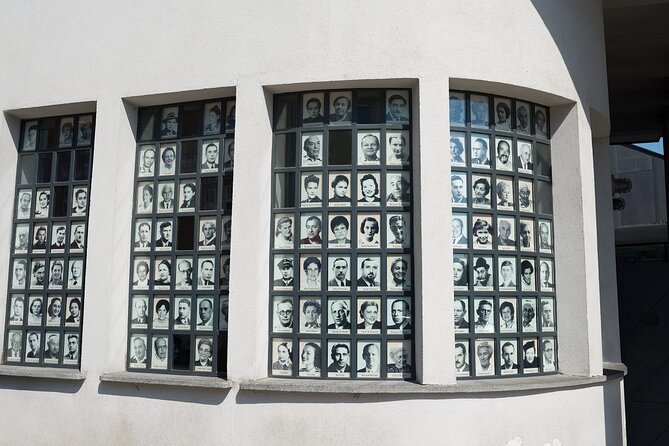
What makes the location important is that this is the factory setting itself. The museum’s home is the former administrative building in Schindler’s enamel factory. That gives the experience more weight than a museum in a neutral building. You’re not just learning about an industrial site from a distance, you’re walking inside the kind of space where decisions were made and lives were affected.
In a guided visit, I find it helps to listen for how the guide frames the exhibition’s storyline. The tour is designed so you don’t just read separate sections. Instead, the guide helps you track the progression of the occupation, and then ties it to the lived-in feel of the recreated spaces you’ll move through next.
One practical upside: the tour says the admission ticket is included, so you’re not juggling separate entries or ticket rules during the visit. That makes this a clean way to spend a tough subject without adding extra friction.
Hairdresser, photographer, and photoplasticon scenes
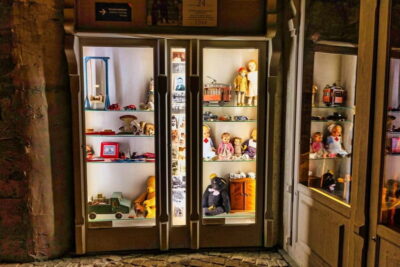
One reason this tour works so well is that it takes you beyond the big story points and into small, specific scenes. On the route, you’ll enter a hairdresser and a photographer environment. These rooms are the kind of spaces that feel ordinary in peacetime, which is exactly the contrast the museum wants you to notice once occupation changes everything.
You’ll also encounter an authentic photoplasticon experience. Photoplasticons were used to project images at scale, and they fit the museum’s theme of perception, propaganda, and how mass viewing shaped public life during the war era. Even if you don’t know the term ahead of time, the guide’s explanations help you understand why this device matters in context, not just as a strange historical gadget.
Here’s the thing to watch for: in small rooms, the meaning comes through details and timing. The guide will usually connect what you see to how people lived, worked, and were restricted. If you’re squeezed into a crowded corner, you might miss the guide’s pointers for the best perspective. So if your group seems large, try to keep a little mobility so you can shift your angle rather than getting pinned against the wall.
These scenes are often where the tour feels most human. They remind you that the story isn’t only about deportations and camps, it’s also about the daily texture of life and how quickly it could be warped.
Further visits to Schindler’s Factory Museum:
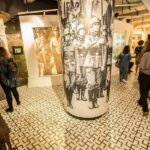

The tram segment and the film view through the windows
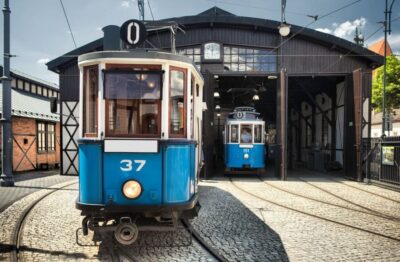
A standout part of the route is the tram portion. You’ll get on a tram, and through the windows you’ll see a film about the life of the city. This is a clever storytelling tool because it adds movement to the experience. You aren’t stuck facing a screen at a distance. You’re on a vehicle, looking through its windows, which makes the transition between scenes feel more like travel through time rather than jumping between exhibit rooms.
For me, the value of this segment is orientation. It helps you mentally position the war-era scenes against a broader sense of what Krakow looked like as a living city. The museum isn’t only showing ruins or listing events. It’s trying to connect the setting, and the tram helps you do that in a way that feels less abstract.
Practical note: trams and staged vehicles can also be a bottleneck when groups are near the size limit. If you want the clearest view of the window film, you’ll likely do better standing toward the center or choosing the spot that faces the windows most directly. Your guide should help you find the right moment and angle.
The ghetto labyrinth and a Jewish apartment
After the tram segment, the tour tightens into the ghetto experience. You’ll go through a narrow labyrinth-like layout, and you’ll enter a Jewish apartment setting as part of the ghetto neighborhood reconstruction.
This is emotionally different from the shop-like rooms earlier in the tour. In a home space, the message is about intimacy and the everyday reality of people who had to manage terror, uncertainty, and confinement within the walls where they lived. The apartment setting gives you a chance to imagine routines, even though the context is tragic.
When you’re in this part of the route, let the guide’s explanation set your pace. Don’t rush past the smaller details because you feel you should be moving onward. Instead, pause where the guide asks you to look. The layout is designed to be narrow and maze-like, so you will naturally slow down while your body follows the turns.
If crowding is an issue for your group, this is also where it can matter most. Apartment and corridor spaces can hold fewer people comfortably. Keep a little space for yourself, and if you can, position so you are not completely blocked by someone standing directly in front of you.
Reaching Płaszów and what to watch for emotionally
The final push of the guided route follows the connection from ghetto spaces to the camp in Płaszów. This isn’t presented as a distant historical footnote. It’s framed as the continuation of the persecution system that shaped the lives you’ve seen earlier in the route.
In my opinion, the key to getting value from this ending is emotional pacing. If you go from the apartment setting straight into the camp context without letting yourself process the meaning of the previous rooms, it can feel jarring. A good guide helps smooth that transition by explaining how the story changes scale, from constrained daily life to the machinery of deportation and incarceration.
You might not remember every detail, but you should remember the overall progression. The tour’s power is in the chain of spaces: each room adds a layer, and the last part re-anchors you in what eventually happened.
It’s also worth noting that the museum experience is built with modern multimedia. That can include sound, projection, and staged presentation. If you’re sensitive to loud or intense media elements, decide in advance that you’ll take quick breathers when the group moves to new rooms.
Guide-led storytelling, crowding, and how to get the most

The guide is a major part of why this tour is worth the ticket. The museum has modern multimedia, but the difference between reading panels and understanding the meaning lies in how someone explains the connections. During this route, you’re not expected to be a WWII expert. Instead, you’re guided through the storyline in real time as you encounter each scene.
That said, the tour cap of 24 people is real. One practical consideration is that small rooms can feel tight when groups are large. If you end up near the upper end of the group size, you may notice that it’s hard for everyone to stand in the best listening position at the same time.
Here’s how to handle it without ruining the experience:
- Stay slightly flexible with your position, don’t plant yourself in a doorway.
- Keep your ears on the guide, even if your eyes can’t catch every detail. The guide will often point out what matters most.
- If you can, stand where you can see both the scene and the guide’s direction, not just the wall in front of you.
The goal is to make the guide’s commentary usable, even in a crowded environment. When it works, this format feels like a guided walk through a story with you inside it, not just looking at it.
Price, value, and who should book
At $46.69 per person, this tour is not cheap in the simple sense. But it also isn’t paying for only a room full of exhibits. You’re paying for a guided route, timed for about 1 hour 30 minutes, including an admission ticket, plus access to an exhibition that uses modern multimedia and staged scene design.
For your value check, think of what you get:
- A structured storyline you follow in order, not random browsing.
- Interpretation while you’re seeing the spaces, including the tram segment, the photoplasticon, the ghetto labyrinth, and the apartment setting.
- A professional guide helping connect the dots between occupiers, Krakow’s residents, and Oskar Schindler.
Who should book? This tour is ideal if you want a focused Krakow WWII experience without turning it into a full-day project. It’s also a good choice if you like museum experiences where the guide helps you read what you’re seeing.
It may be less ideal if you strongly dislike tight indoor spaces or if you want long, silent museum wandering. The time is fixed, and the movement is part of the design.
Should you book this guided tour?
Yes, I’d book it if you want a guided, time-efficient way to understand what Kraków under Occupation 1939-1945 means in real spaces. The combination of the Schindler’s Factory setting, the modern multimedia approach, and a route that moves through specific scenes like the hairdresser, photographer, photoplasticon, tram film view, ghetto labyrinth, and the Płaszów link makes this more than a standard museum stop.
I’d hesitate only if crowded rooms would seriously frustrate you. With a group limit of 24, the design can create bottlenecks in smaller environments.
FAQ
FAQ
Where does the tour start?
The tour starts at Lipowa 4, 32-051 Kraków, Poland.
How long is the guided tour?
It runs for about 1 hour 30 minutes.
Is the museum admission ticket included?
Yes. The admission ticket is included.
How big is the group?
This activity has a maximum of 24 people.
Is the starting location near public transportation?
Yes, it is near public transportation.
Do I need to bring identification?
From January 1, 2026, you should bring your ID, because the name on your ticket must match your ID.
Can the tour start time change?
From January 1, 2026, the final starting time may change. You can choose a preferred time, but the exact time is not guaranteed.
What name rules apply after January 1, 2026?
From January 1, 2026, entry tickets will be personal. When booking, you’ll need to provide the real and correct name and surname for each participant, and changes may not be possible.
What if I need to cancel?
You can cancel for a full refund if you cancel at least 24 hours in advance of the experience start time.
Museums for an Afternoon
- Krakow Schindler’s Factory Museum Guided Tour in English
★ 4.5 · 650 reviews - Museum of illusions Entry Ticket
★ 4.5 · 521 reviews - Krakow: Auschwitz-Birkenau Tour & Museum Expert Guide
★ 5.0 · 498 reviews - Krakow: Kościuszko Mound Entry Ticket with Exhibitions
★ 4.4 · 399 reviews
Freshly posted from Krakow
- Krakow: Audio-Guided City Experience by Golf Cart★ 5.0 · 1 review
- Krakow: Zakopane and Thermal Springs Tour with Hotel Pickup★ 5.0 · 1 review
- Half-day In the footsteps of John Paul II Tour from Krakow★ 5.0 · 1 review
- Tour to Wadowice: Hometown of Pope Saint John Paul II★ 5.0 · 1 review
- Krakow: Wawel & Salt Mine Experience with Lunch★ 5.0 · 1 review
- Krakow: Outdoor Paintball with Hotel Transfers★ 5.0 · 1 review
- Krakow: Nowa Huta Communist District Walking Tour★ 5.0 · 1 review
Schindler's Factory Museum Tours, compared.
Schindler’s Factory Ticket and Guided Tour Option
Read our review →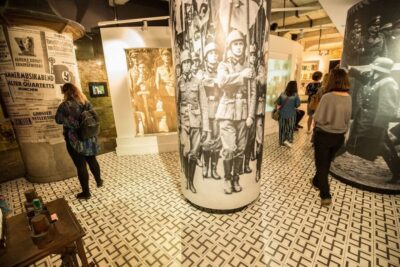
Schindler’s Factory Tour with Entrance Ticket
Read our review →
Schindler’s Factory Tour with Entrance Ticket
Read our review →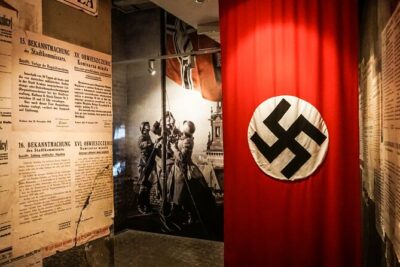
Schindler’s Factory in Krakow: Guided Tour & Skip the Line Ticket
Read our review →
Krakow Schindler’s Factory Guided Tour with Admission Ticket
Read our review →Browse the lists this tour appears in