
Reviewed · SCHINDLER'S FACTORY MUSEUM TOURS
Kraków: Schindler’s Factory & Jewish Ghetto in a Small Group
A visit to Schindler’s Factory hits hard and stays longer. This small-group tour pairs the enamel factory museum with time in the Jewish Ghetto, guided by licensed English-speaking history experts who focus on context, not just facts. I love how the experience is structured so you get both the personal human side and the big-picture story behind Oskar Schindler’s choices, and I also like the small-group comfort that helps you ask questions without feeling rushed. One thing to consider: the subject matter is emotionally heavy, and the pacing may feel information-dense depending on how quickly your group takes breaks.
What makes this tour especially meaningful is that it doesn’t treat the Holocaust like a set of dates. You’ll see original materials, including photographs, documents, and film footage, tied to Kraków’s Jewish community and the reality of Nazi-occupied life. I also like the practical details, like the clear meeting instructions outside the museum and the fact that your entry ticket and live guide are included. The only drawback is simple: no food or drinks are included, so plan a snack or water stop nearby if you need it.
In This Review
- Key highlights at a glance
- Schindler’s Factory: the story behind Schindler’s List
- Inside the museum: what you’ll actually see and why it matters
- A practical heads-up about timing
- The Jewish Ghetto walk: turning exhibits into street context
- The guide and small-group format: why the experience feels personal
- Price and value: what $47 gets you in 3 hours
- Meeting point and on-the-ground logistics that matter
- Who this tour is best for, and who should skip it
- FAQ
- Where does the tour meet?
- How long is the tour?
- Is there an entry ticket included?
- Is the guide available in English?
- What should I bring?
- Is the tour wheelchair accessible?
- Are food and drinks included?
- Is free cancellation available?
- Should you book this small-group tour?
Key highlights at a glance
- Small-group size keeps the visit comfortable and question-friendly
- Licensed, English-speaking guide who can explain the story clearly
- Skip-the-ticket-line with your included entry
- Original enamel factory exhibits with photos, documents, and film footage
- Ghetto walking time that turns museum facts into real street context
- Ticket extras may include the small interactive Pharmacy in the ghetto and the former Gestapo building (valid for multiple days)
Schindler’s Factory: the story behind Schindler’s List
Schindler’s Factory is one of Kraków’s most powerful history stops, and this tour frames it the way a good guide should, with clarity and care. You spend about 1.5 hours inside the original enamel factory, following the real story of Oskar Schindler, the German industrialist who helped save more than 1,000 Jews during the Holocaust. The tour is designed to make the headline story understandable, then turn it into something human, including the tension, the risk, and how transformation can happen under impossible pressure.
What you get here is not just an educational visit. The exhibitions use authentic photographs, documents, and film footage to recreate wartime Kraków in a way that feels immediate, even when you’re looking at objects behind glass. That matters because it helps you avoid the common mistake of treating history like a slideshow. Instead, you’re guided to notice how everyday life was disrupted, how the Jewish community lived under worsening conditions, and how Schindler’s position shifted from war profit to lifesaving action.
This tour also respects the fact that people come with different levels of background. If you’re a history lover, you’ll likely enjoy the extra context your guide brings. If you’re newer to the topic, you’ll still get the storyline in a way that makes sense without watering it down. And because this is a small group, you’re less likely to lose focus if something clicks for you and you want to ask a follow-up question.
Further visits to Schindler’s Factory Museum:
- Krakow: Schindler’s Factory Ticket and Guided Tour Option
★ 4.3 · 4,306 reviews - Krakow: Schindler’s Factory Tour with Entrance Ticket
★ 4.5 · 3,182 reviews - Krakow: Schindler’s Factory Skip-the-Line Ticket
★ 4.4 · 3,105 reviews
Inside the museum: what you’ll actually see and why it matters
Inside Schindler’s Factory, plan on a guided route through core exhibition themes. You’ll be looking at evidence of daily life, the mechanisms of occupation, and the specific reality of Kraków’s Jewish community. The emotional weight is real, but the tour is structured so you understand what you’re seeing, instead of just absorbing sorrow.
A strong part of the visit is how the exhibits connect people, not just events. Photographs and documents help you track who was affected and how quickly conditions worsened. Film footage gives additional context, and your guide’s job is to translate those images into understandable timelines and relationships, rather than letting you get lost in the details.
One detail I appreciate is that your guide is set up to highlight the most important aspects without rushing every item. In at least one recent group, the guide was careful not to “hit fast and move on.” That makes a difference. When you slow down just enough, you notice small things in the displays, and you remember them later.
Still, be realistic: the museum content is information-heavy. One review mentioned that the amount of information was quite large but handled well by the guide, with time to focus on key parts. So if you prefer a slower pace, plan to keep your own pacing in mind too, like stepping back for a breath when you need it.
A practical heads-up about timing
This museum portion is about 1.5 hours, but the tour duration totals around 3 hours. That means you’ll want to stay mentally available for the walking portion after the museum, even if you feel like you could keep reading exhibits for another hour.
The Jewish Ghetto walk: turning exhibits into street context
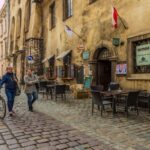
After the factory, the tour continues with a walking exploration of the Jewish Ghetto area. This part matters because it connects the museum to place. Documents describe policies and persecution, but streets make it real. Standing in the area where families lived helps you understand distance, movement, and how tightly life was controlled.
The walking time also helps you absorb what the museum taught you. If you come in knowing only the broad story, the ghetto walk helps you see how that story unfolded locally in Kraków. If you already know the outline, it can still sharpen your understanding by tying names and conditions to geography.
Two extra things to know about the ticket experience. First, your ticket may include access to the small interactive Pharmacy in the ghetto. It’s the kind of stop that breaks the museum intensity with hands-on learning, and one guest found it worth adding even with limited time. Second, the former Gestapo building is mentioned as covered by tickets valid for multiple days. That means you can focus on the guided essentials now, then return later at a time that suits you.
A personal tip for this part: wear shoes that can handle walking on city surfaces and plan small breaks. The emotional content is heavy, and it’s easier to absorb it if you can pause, look around, and let the guide’s explanations settle in.
Further Jewish history and heritage itineraries:

The guide and small-group format: why the experience feels personal
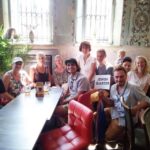
This tour’s value is partly structural. It’s a small group, and that affects everything from the pace to the questions you can ask. In a small group, your guide can respond to curiosity in real time, instead of cutting people off for timing. That’s a big deal at history sites where questions often come from emotions, not just curiosity.
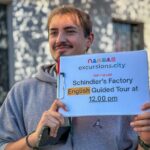
You’ll also appreciate that the tour is led by licensed, passionate guides in English. The guides are repeatedly praised for being able to answer questions and keep the visit organized. One guide named Michał was described as exceptionally personable and able to respond to questions well, with enough time for the group to take in the information. Another guide, Michael, was noted for strong knowledge and care. Even if your guide is someone else, the point is the same: you’re paying for interpretation, not just audio narration.
There’s also a human tone to the way the tour is presented. The experience is described as warm and respectful, which is important for a topic like this. You’ll feel guided, not handled like a line item.
If you’re the type who learns best through conversation and follow-up questions, this format is a good match. If you prefer total quiet and self-paced wandering, you might still enjoy the museum exhibits, but the discussion-driven approach could feel intense.
Price and value: what $47 gets you in 3 hours
At around $47 per person for a roughly 3-hour experience, the biggest value isn’t only the ticket. It’s the combination: entry ticket + live guide + skip-the-ticket-line. If you tried to do this on your own, you’d spend time figuring out the best order, managing lines, and then searching for the right context inside the exhibits. Here, you get a guided storyline assembled for you.
The “small group” element also matters to value. Same museum, different experience. A comfortable group size usually means fewer logistical interruptions and more time for your guide to explain what you’re looking at. That can make the difference between simply seeing rooms and actually understanding what happened.
One more value point is the emotional payoff. This is the kind of tour where the guide helps you keep hold of key ideas, so you don’t leave with scattered impressions. You’re guided to understand the choices people made, and how those choices changed outcomes.
Do note the practical limit: food and drinks are not included. If your schedule is packed, you’ll want to plan a meal before or after, or keep a water bottle handy.
Meeting point and on-the-ground logistics that matter
The meeting point is outside the museum, next to the black-and-white photos of the survivors. I like meeting points like this because they’re hard to miss, and you’re not hunting for your group in a vague plaza.
Plan to bring a passport or ID card. Names of participants must match the names in your IDs, and everyone needs a photo ID or passport. If you’re traveling with kids, pack their ID too, not just yours.
The tour is in English, and it’s wheelchair accessible. If you use a wheelchair, it’s still smart to think ahead about walking sections, street surfaces, and how the group moves, but the activity is stated as accessible.
Also, you’ll want to check your time window before heading out because the tour duration is listed as 3 hours with different starting times depending on availability.
Who this tour is best for, and who should skip it
I’d book this if you want a guided, structured way to understand Kraków during the Nazi occupation, with special focus on Schindler’s lifesaving role and the Jewish Ghetto context. It’s especially suitable for history lovers, students, and anyone who wants meaning, not just sightseeing.
It’s also a good fit if you like having a licensed guide who can handle questions. If you’re someone who gets frustrated by a “see everything quickly” approach, the small-group style can feel much easier.
I’d be cautious if you’re looking for a light, casual tour. This is about genocide and persecution, and it can be emotionally intense. And if you strongly prefer self-paced museum time with minimal conversation, the guided structure might feel like too much at once.
FAQ
Where does the tour meet?
You meet outside the museum, next to the black-and-white photos of the survivors.
How long is the tour?
The total duration is about 3 hours.
Is there an entry ticket included?
Yes. Your entry ticket is included, and you skip the ticket line.
Is the guide available in English?
Yes, the live guide is available in English.
What should I bring?
Bring a passport or ID card. You’ll also need the ID for children, and names must match the IDs.
Is the tour wheelchair accessible?
Yes, the tour is listed as wheelchair accessible.
Are food and drinks included?
No. Food and drinks are not included.
Is free cancellation available?
Yes, you can cancel up to 24 hours in advance for a full refund.
Should you book this small-group tour?
If you care about understanding the human story behind the history, I think this is a strong choice. The mix of Schindler’s Factory guided time plus the Jewish Ghetto walk gives you both museum evidence and street context, and the small-group format helps the visit feel personal. Book it if you want an organized, respectful guide-led experience with an included ticket and skip-the-line convenience. Just go in with the right expectation, this topic is heavy, so give yourself a little recovery time afterward.
Freshly posted from Krakow
- ZALIPIE – painted village, unique small group tour from Krakow★ 5.0 · 7 reviews
- “John Paul II Route” PRIVATE -Wadowice, Kalwaria Z.-Łagiewniki★ 5.0 · 7 reviews
- Krakow: Craft Beer Tasting City Walking Tour★ 4.4 · 7 reviews
- Magic of Krakow: Guided Tour of the Old Town★ 5.0 · 7 reviews
- Krakow : Zakopane Tour + Thermal Pools with Hotel Pickup★ 4.8 · 7 reviews
- Krakow in One Day: City Tour by Electric Car★ 5.0 · 7 reviews
- Guided Tour of Plaszow Concentration Camp, Kraków★ 4.8 · 7 reviews
Schindler's Factory Museum Tours, compared.
Schindler’s Factory Ticket and Guided Tour Option
Read our review →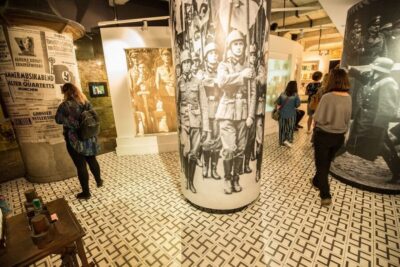
Schindler’s Factory Tour with Entrance Ticket
Read our review →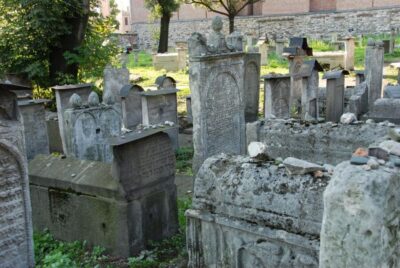
Schindler’s Factory Tour with Entrance Ticket
Read our review →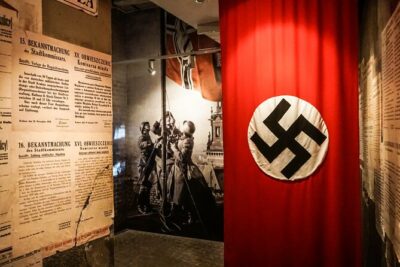
Schindler’s Factory in Krakow: Guided Tour & Skip the Line Ticket
Read our review →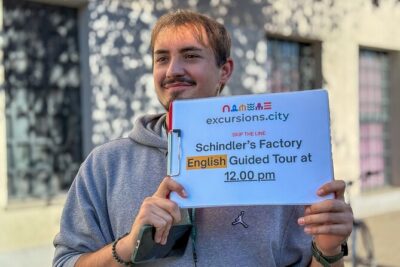
Krakow Schindler’s Factory Guided Tour with Admission Ticket
Read our review →Browse the lists this tour appears in