
Reviewed · SCHINDLER'S FACTORY MUSEUM TOURS
Krakow: Kazimierz, Schindler’s Factory, & Ghetto Guided Tour
Krakow hits hard in the best way. This 5-hour guided route connects Kazimierz street corners with real World War II sites, including Schindler’s Enamel Factory and the former ghetto area. I especially like how the guide ties the neighborhood’s daily life to what happened to the Jewish community.
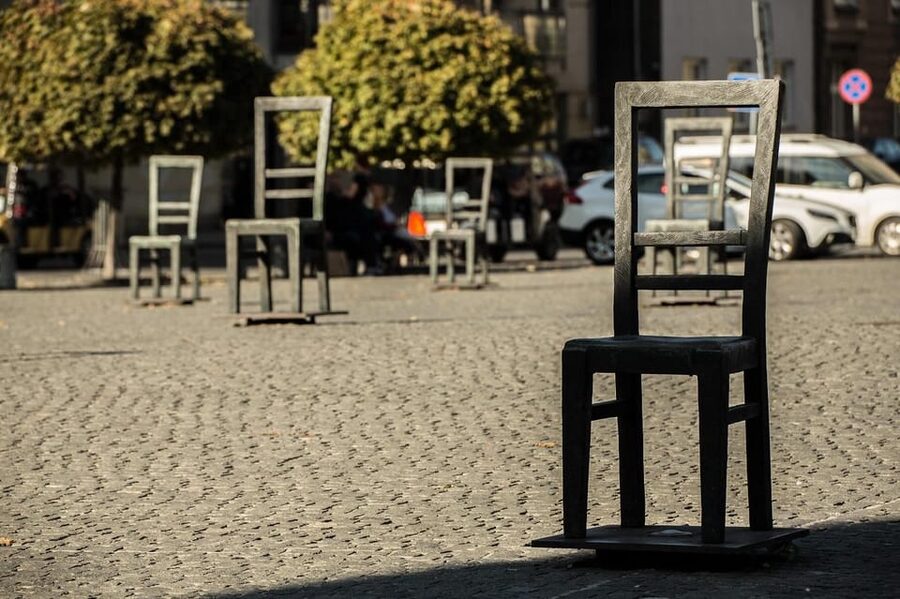
Two things I really value here are the museum stop with skip-the-line entry, and the way the ghetto walk ends at the sobering Heroes’ Square memorial of 68 empty chairs. The main drawback to plan for is that the stories include distressing images and heavy history, so it is not a light, casual stroll.
In This Review
- Key things to know before you go
- Starting in Kazimierz, where the neighborhood becomes the lesson
- The Old Synagogue stop, a quick anchor before the heavier sites
- Schindler’s Enamel Factory, where the timeline gets sharp
- Kazimierz to the ghetto area, learning how a city can be turned into a trap
- Under the Eagle pharmacy and local details that make the story stick
- Heroes’ Square and the monument of 68 empty chairs, a careful emotional finish
- Timing, pacing, and what to wear for 5 hours on your feet
- Cost and value, what you actually get for $81
- What language support looks like in real life
- Who this tour is for, and who should choose something lighter
- Should you book this Krakow Jewish History tour?
- FAQ
- Where is the meeting point for this tour?
- How long is the guided tour?
- What is included in the price?
- Which languages are offered?
- What should I bring?
- Do I need ID for Schindler’s Factory entry?
- Is the content distressing?
Key things to know before you go
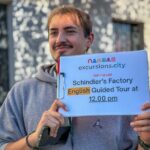
- Meet outside the Old Synagogue, and look for your guide holding an excursions.city sign.
- Schindler’s Factory is timed around demand, so skip-the-line helps you spend more time learning and less time waiting.
- Kazimierz sets the scene, with a guided walk through the district’s Jewish heritage.
- You will see real ghetto traces, including a surviving section of the encircling wall.
- The tour includes a strong emotional finish, at the monument of 68 empty chairs in Heroes’ Square.
Starting in Kazimierz, where the neighborhood becomes the lesson
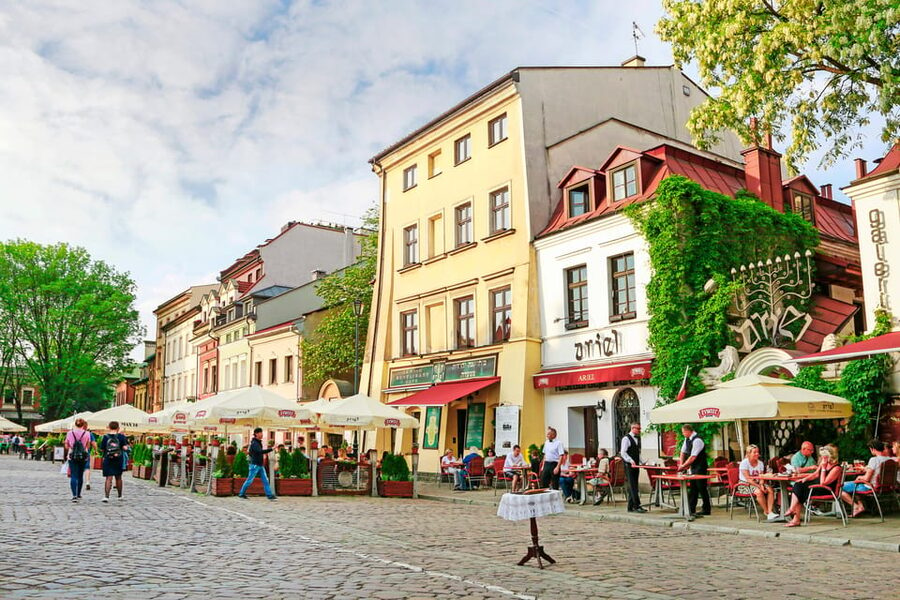
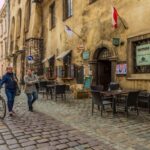
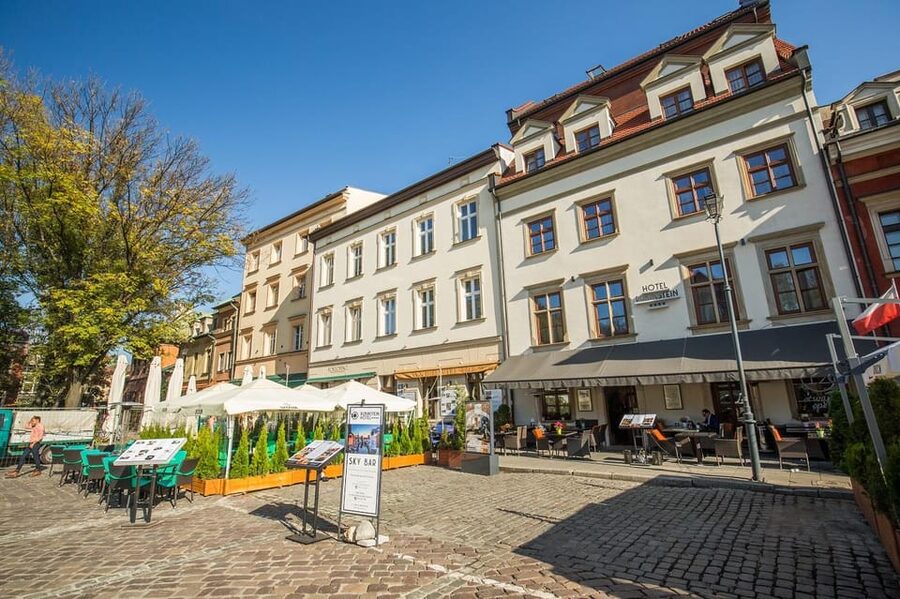
The tour begins in Kazimierz, Krakow’s historic Jewish district, right outside the Old Synagogue. You’ll spot your guide holding an excursions.city sign, then get oriented on how this area housed the Jewish community for centuries. That opening matters, because it frames everything else you’ll see later. Instead of treating World War II as something that happened offstage, you start with the streets where life was shaped and lived.
From there, you walk through Kazimierz’s smaller streets at a human pace. The atmosphere can feel like modern Krakow on the surface, but the guide keeps bringing you back to what this area meant historically. You also get specific stops during the walk that connect landmarks to the stories, including the historic Old Synagogue and references tied to Under the Eagle pharmacy.
A practical tip: comfortable shoes are not optional here. This is a guided walking tour, and you are covering ground on foot. One reviewer noted it can add up to around 5 km, so plan for real walking, not just a short stroll.
Further visits to Schindler’s Factory Museum:
- Krakow: Schindler’s Factory Ticket and Guided Tour Option
★ 4.3 · 4,306 reviews - Krakow: Schindler’s Factory Tour with Entrance Ticket
★ 4.5 · 3,182 reviews - Krakow: Schindler’s Factory Skip-the-Line Ticket
★ 4.4 · 3,105 reviews
The Old Synagogue stop, a quick anchor before the heavier sites
Even if you are not planning to spend extra time inside religious sites on your own, starting at the Old Synagogue gives you an anchor point. It is the kind of location that helps you understand why Kazimierz mattered long before the Nazi occupation. The guide uses that starting point to explain the district’s centuries-long role and how the community fit into Krakow.
This is also where you can get your bearings fast. If you arrive early and grab a coffee nearby, you will feel more ready when the history starts moving quickly. Once the tour leaves the opening area, you will be walking between sites rather than sitting still.
Schindler’s Enamel Factory, where the timeline gets sharp
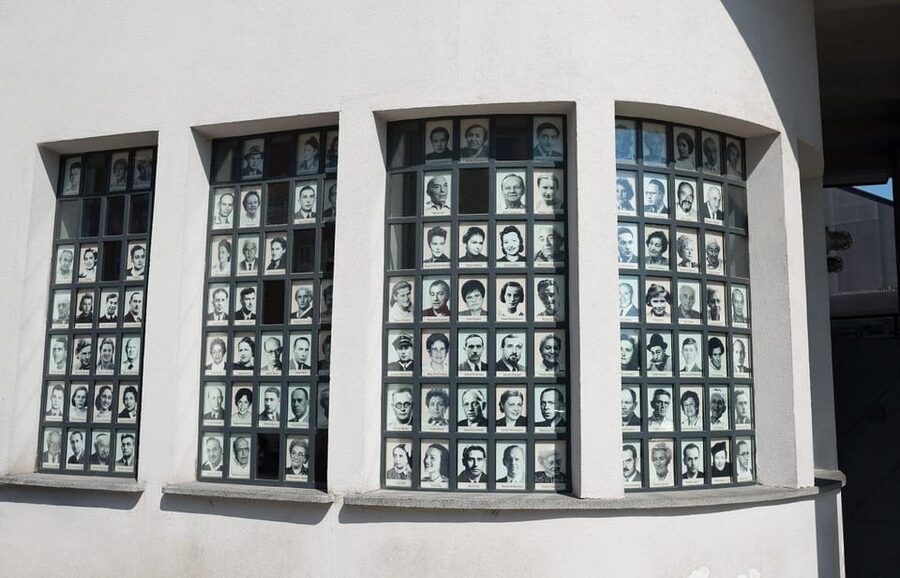
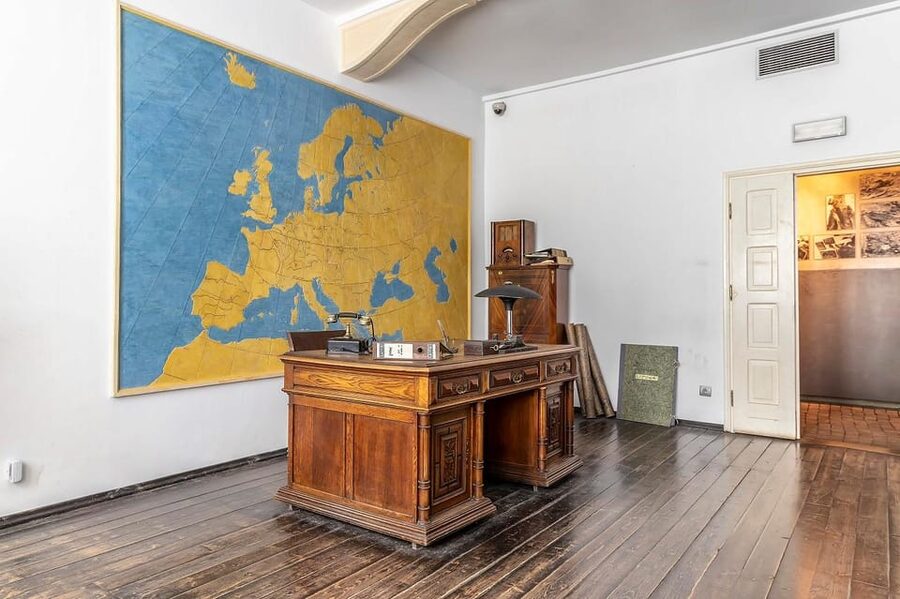
Next comes Oskar Schindler’s Enamel Factory, now a major museum stop. The big advantage for you is the skip-the-line tickets included in the tour price. Museums with heavy visitor demand can eat up your energy in queues. Here, you are paying to keep your day moving, so you can focus on what is inside.
Inside, expect the exhibit to cover the Holocaust in the context of Schindler’s efforts. Your guide explains what the Nazi regime was doing, why survival was so hard, and how Oskar Schindler tried to help Jewish people escape the concentration camps. The goal is not just facts, it is understanding how human choices mattered inside a system built to crush people.
I also like the way the best guides balance tone. One guide (Filip) was praised for covering the material for the full 5 hours while still managing pacing, answering questions, and adding small amounts of humor at appropriate moments. That matters because you do not want the day to feel like a lecture that never breathes, especially with dark subject matter. You still stay respectful, but you are not stuck in freeze-frame sadness the whole time.
If you are sensitive to heavy images, take it seriously. The tour explicitly warns that it may contain distressing images and stories. Come prepared mentally, and do not feel bad stepping aside for a moment if you need a breather.
Kazimierz to the ghetto area, learning how a city can be turned into a trap
After the museum, the tour shifts from the broader story to the specific geography of persecution. You head to the site of the former Jewish ghetto in Krakow, where many Jews were forced to live during the Nazi occupation of Poland.
This is where the tour becomes intensely physical. You are not just hearing about overcrowding. You are standing near the kind of locations where people were squeezed into limited space. The guide points out what happened on a day-to-day level and how the occupation transformed streets into confinement.
A key stop here is the ghetto wall. You will see a part of the undestroyed wall that once encircled the ghetto. Standing near it gives you a clearer sense of control and separation. Even if you know the Holocaust as a concept, seeing a surviving boundary like this makes the history feel concrete.
The tour also includes references to houses where thousands of displaced Jews used to live. Again, the point is not shock for shock’s sake. It is helping you understand what confinement meant in real terms: limited space, forced movement, and constant pressure.
Further Jewish history and heritage itineraries:


Under the Eagle pharmacy and local details that make the story stick
During the tour, you will hear about Under the Eagle pharmacy. It comes up as part of how the guide explains the Jewish experience in Krakow and the surrounding ghetto area. Local landmarks like this do something important. They turn abstract history into a map you can actually hold in your head.
If you like history best when it feels tied to specific corners and buildings, you will probably enjoy this portion. It is the difference between reading about a tragedy and recognizing a place you could walk past later and actually understand.
Heroes’ Square and the monument of 68 empty chairs, a careful emotional finish
The final stop is one of the most powerful: the monument of 68 empty chairs in Heroes’ Square in the ghetto. This is not a factual stop in the usual sense. It is a remembrance stop. The chairs represent lives lost, and the silence around a monument like this usually does more than any explanation can.
I like the pacing of ending here. After the museum and the ghetto walk, your emotions already have momentum. Finishing with the chairs gives the day a landing place, so you do not just spill back into normal tourism mode.
Take a minute. Actually look. Then, if you need to, look away and breathe. Heavy history can make you feel like you should keep absorbing. You do not. Respect your own limits and give your brain time to process.
Timing, pacing, and what to wear for 5 hours on your feet
The tour runs about 5 hours, and it is a walking tour. That duration is long enough that shoes matter, and long enough that you will want to pace yourself rather than try to sprint between stops.
In summer heat, plan extra water time. One review praised a guide for allowing rest stops for extra water, which is exactly the kind of practical care that makes a history tour feel humane. You will feel better if you bring a water bottle and wear breathable clothes.
Weather-appropriate clothing is the only hard requirement listed, but think one step beyond. If it is cold, add a layer. If it is raining, bring something that helps you stay comfortable while walking. This tour is not built around sitting in a bus with the world going by.
Cost and value, what you actually get for $81
At $81 per person for a 5-hour experience, you are paying for three things that add value fast:
- A licensed guide who can connect Kazimierz to the Holocaust sites without turning it into a list of dates.
- Skip-the-line tickets to Schindler’s Enamel Factory. That single included feature can be the difference between a smooth day and a stressful one when lines are long.
- A complete walking route that ties together the Kazimierz neighborhood, the ghetto area, and the emotional end at the memorial.
Is it cheap? No. Is it fair for what you receive? Yes. You are basically buying a guided storytelling route plus museum access designed to save time. If you tried to DIY all of this, you would likely spend extra time coordinating entry times and figuring out what to focus on.
What language support looks like in real life
Your tour can be guided in Italian, English, Spanish, French, or German. That matters because the subject matter is complex and emotionally heavy. When you can fully follow the guide, you get more meaning out of the places.
In the reviews, guides were described as moving and engaging, like Filip in one standout account. That is the type of delivery you want for a topic like this: clear, respectful, and able to handle questions without turning the tone careless.
Who this tour is for, and who should choose something lighter
This is a strong fit if you want:
- A guided connection between Jewish life in Krakow and what happened during the occupation.
- The Schindler’s Factory museum experience with context, not just audio-style walking.
- A final memorial moment that does not rush you.
You might want to consider another option if:
- You prefer lighter sightseeing days with minimal heavy content.
- You do not handle distressing images well.
- You struggle with a full 5-hour walking tour and limited breaks.
If you do go, give yourself permission to slow down mentally. This tour is designed to inform, but it is also designed to affect you.
Should you book this Krakow Jewish History tour?
I recommend booking if you want a structured route that covers Kazimierz, Schindler’s Enamel Factory, and the key ghetto sites in one day, with the museum made practical through skip-the-line tickets. The included licensed guide experience is the secret sauce here, especially for turning locations into a coherent story.
One more reason to lean yes: the guides in the reviews were praised for pacing, engagement, and even small moments of humor used carefully. That balance helps when a tour is dense and dark.
Just go in prepared. Wear comfortable shoes, expect a 5-hour walk, and take seriously the warning that some images and stories can be distressing.
FAQ
Where is the meeting point for this tour?
You meet outside the Old Synagogue in the Kazimierz district. Look for your guide holding an excursions.city sign.
How long is the guided tour?
The duration is about 5 hours.
What is included in the price?
The price includes a licensed guide, a walking tour, and skip-the-line tickets to Oskar Schindler’s Enamel Factory.
Which languages are offered?
The live tour guide is available in Italian, English, Spanish, French, and German.
What should I bring?
Bring comfortable shoes and weather-appropriate clothing.
Do I need ID for Schindler’s Factory entry?
From January 1, 2026, you must provide the full names of all participants when reserving, and you must bring a passport or ID for entry to Schindler’s Factory Museum. Without it, entry may be denied.
Is the content distressing?
Yes. The tour may contain distressing images and stories, so it helps to go in with that in mind.
Freshly posted from Krakow
- Krakow: Zakopane and Thermal Springs Tour with Hotel Pickup★ 5.0 · 1 review
- Krakow: Audio-Guided City Experience by Golf Cart★ 5.0 · 1 review
- Half-day In the footsteps of John Paul II Tour from Krakow★ 5.0 · 1 review
- Krakow: Wawel & Salt Mine Experience with Lunch★ 5.0 · 1 review
- Tour to Wadowice: Hometown of Pope Saint John Paul II★ 5.0 · 1 review
- Krakow: Outdoor Paintball with Hotel Transfers★ 5.0 · 1 review
- Krakow: Nowa Huta Communist District Walking Tour★ 5.0 · 1 review
Schindler's Factory Museum Tours, compared.
Schindler’s Factory Ticket and Guided Tour Option
Read our review →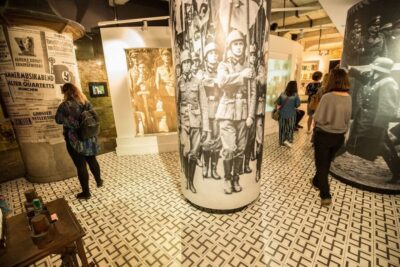
Schindler’s Factory Tour with Entrance Ticket
Read our review →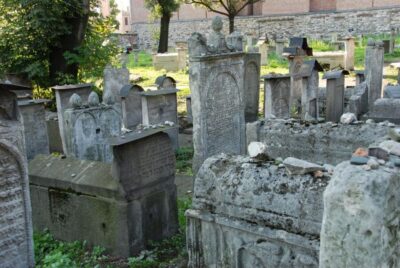
Schindler’s Factory Tour with Entrance Ticket
Read our review →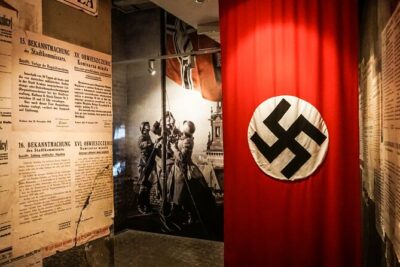
Schindler’s Factory in Krakow: Guided Tour & Skip the Line Ticket
Read our review →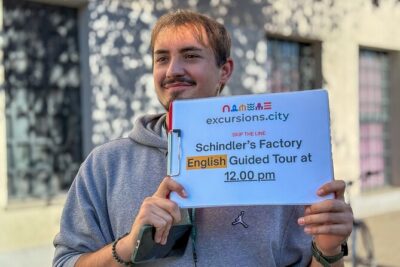
Krakow Schindler’s Factory Guided Tour with Admission Ticket
Read our review →Browse the lists this tour appears in