
Reviewed · SCHINDLER'S FACTORY MUSEUM TOURS
Krakow: Former Jewish Quarter & Schindler’s Factory Guided Tour
History walks beside you in Kazimierz. This 3.5-hour guided route strings together Szeroka Street synagogues, Plac Nowy, and a powerful museum visit at Schindler’s Factory, all with an English-speaking guide and a small group size (max 24). It is the kind of tour where the streets and buildings tell the story, not just a slideshow.
I especially love how it mixes sacred spaces with everyday city life, starting on Szeroka Street and moving into Market Square rhythm. I also like that Schindler’s Factory is handled with an included, structured, multimedia-style visit that connects WWII history to ordinary people in multicultural Krakow.
One thing to consider: entry to Schindler’s Factory uses personalized tickets, so you must provide full names for everyone and bring passport or ID for entry, or you may be refused.
In This Review
- Key highlights to expect
- Walking Szeroka Street, the heart of old Jewish Krakow
- The Old Synagogue stop, what “oldest preserved” means on the ground
- Remuh Synagogue and the cemetery complex, prayer space as a whole world
- Kupa Synagogue, Szpitalna, and why the poorest mattered
- Plac Nowy Market Square, from Plac Żydowski to today’s social life
- Corpus Christi Church, a Gothic to Baroque interior contrast
- Father Bernatek Footbridge, Kazimierz meets Podgórze
- Fabryka Emalia Oskara Schindlera, Oskar Schindler in the real headquarters
- The museum sequence, how the multimedia helps you grasp daily life
- Guide energy matters, and this one gets praised for it
- Where this tour fits best, and who should skip it
- Should you book this Krakow Jewish Quarter and Schindler’s Factory tour?
- FAQ
- How long is the Krakow Former Jewish Quarter and Schindler’s Factory guided tour?
- Is the tour offered in English?
- What is the main focus besides the Schindler’s Factory Museum?
- Are tickets included for the synagogues?
- Is the Schindler’s Factory admission ticket included?
- What documents do I need for Schindler’s Factory entry?
- What is the group size limit?
- Where does the tour start and end?
- Will the schedule change for 2026?
- What is the cancellation policy?
Key highlights to expect
- Szeroka Street’s synagogue concentration gives you the big picture fast, with 16th to 18th century architecture all around
- Remuh Synagogue plus the cemetery complex helps you understand Jewish prayer space as part of a living tradition
- Kupa Synagogue’s story links a synagogue to the Jewish hospital and the Poor
- Plac Nowy’s layers show how the square’s purpose shifted from Plac Żydowski to today’s market and café culture
- Corpus Christi Church as a style contrast with Gothic stone walls paired with Baroque gold inside
- Schindler’s Factory multimedia route takes you through places like a photographer’s atelier, a hairdresser, a tram ride, a ghetto apartment, and the Płaszów camp
Walking Szeroka Street, the heart of old Jewish Krakow
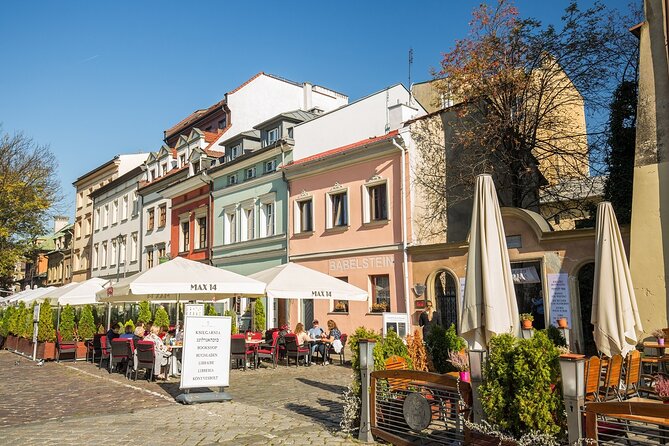
Your tour starts on Szeroka Street 24, in the thick of Kazimierz. This street is often described as the center of old Jewish life in Krakow, and in person you get why. You are surrounded by major synagogue buildings alongside palaces and imposing houses dating to the 16th, 17th, and 18th centuries. Even if you only have about a quarter-hour here, it is a strong “orientation” stop, the kind that helps you read what you see later.
Szeroka Street is also a good place to understand why a guided tour matters. From the outside, lots of buildings look similar, especially if you are not used to Jewish architectural cues. With a guide, you learn what you are looking at and why the buildings matter. It is not only about landmarks. It is about how community, worship, and city power shaped the neighborhood.
You will also notice the practical side of timing. The tour keeps each stop tight, so you see the main sites without dragging. That works well for a 3 hours 30 minutes overall visit, especially because the museum segment takes a full 1 hour 30 minutes on its own.
Further visits to Schindler’s Factory Museum:
- Krakow: Schindler’s Factory Ticket and Guided Tour Option
★ 4.3 · 4,306 reviews - Krakow: Schindler’s Factory Tour with Entrance Ticket
★ 4.5 · 3,182 reviews - Krakow: Schindler’s Factory Skip-the-Line Ticket
★ 4.4 · 3,105 reviews
The Old Synagogue stop, what “oldest preserved” means on the ground
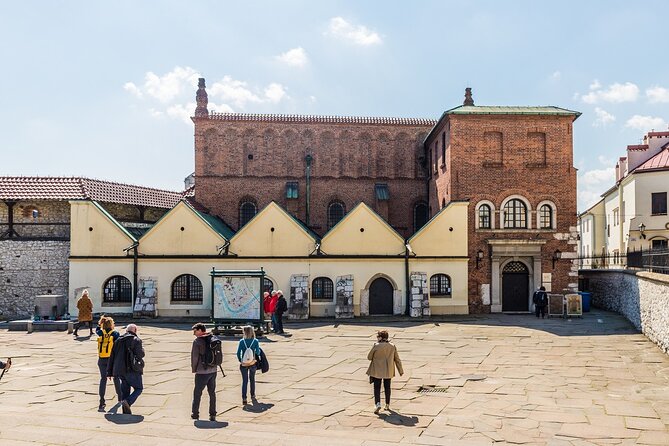
Right along Szeroka Street, the route includes the Old Synagogue, billed as the oldest preserved synagogue in Poland. It is also described as one of the most valuable monuments of Jewish religious architecture in Europe. Those phrases can sound like marketing, but they actually point to what makes this stop meaningful: this is not a recreated set. You are looking at surviving fabric and design.
In practical terms, you will get a short window (about 15 minutes) that is best used for looking slowly rather than rushing for photos. Spend time taking in how the building signals religious identity. If you care about details, this is one of the better moments on the tour to slow down, because the architecture itself is part of the message.
The tour notes this stop as admission ticket free, which is a nice value perk. It means your time here is mostly about the guided context, not paying extra just to step inside.
Remuh Synagogue and the cemetery complex, prayer space as a whole world
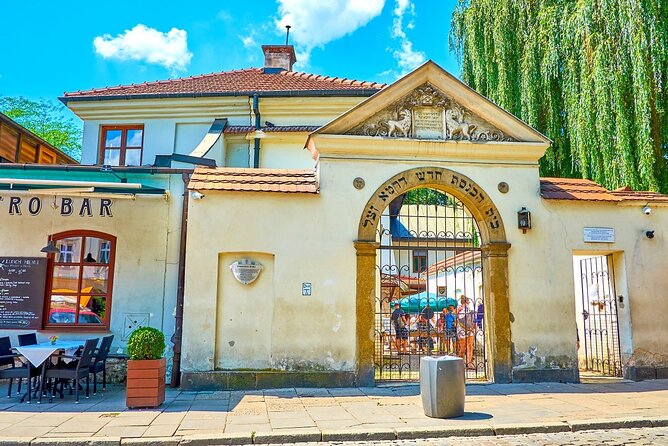
Next up is the Remuh Synagogue (Synagoga Remuh). The tour frames it as the second oldest Jewish prayer house in Krakow, and that age detail matters because it signals continuity. You are seeing a place that has been part of religious life for generations, not something newly built for tourists.
What I like about how this stop is taught is the emphasis on the adjacent cemetery as a combined complex. That is an important concept. Jewish sacred space is often understood as connected across time, and a cemetery beside a synagogue makes that visible. You are not only looking at where people pray. You are also seeing how a community remembers and remains present in the landscape.
The time here is about 15 minutes, and the tour states the admission ticket is not included. So if you plan to enter the synagogue, factor in that extra cost before you go. From a value perspective, it is still a strong stop, because the guide helps you get more from what you pay for.
Kupa Synagogue, Szpitalna, and why the poorest mattered
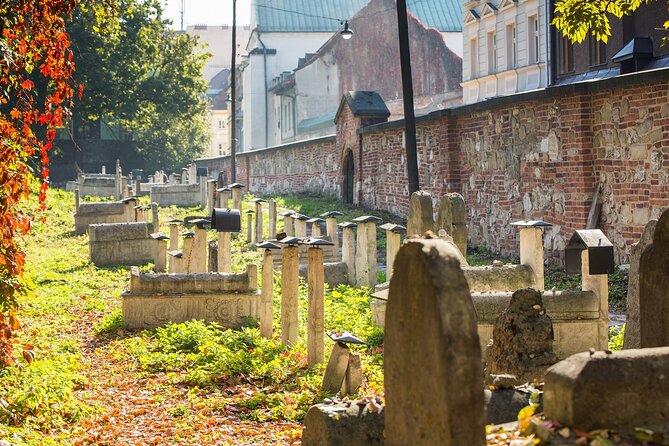
The tour then moves to Kupa Synagogue (Synagoga Kupa), noted as the last synagogue built during the existence of the Jewish town. It is also called Szpitalna because of its proximity to the former Jewish hospital, and it is linked to a group description, because the poorest members of the community prayed there.
That is a powerful framing. Many synagogue stories focus on leaders or grand patrons. This one connects worship to care institutions and to daily survival needs. Even with a short stop (about 10 minutes), the idea lands: religion in this neighborhood was not only ceremonial. It served real people with urgent needs.
As with Remuh, the tour states the admission ticket is not included for Kupa Synagogue. So it is another place where you will likely want to decide in advance if you want to add entry fees during the tour. If you are trying to keep the trip cost predictable, this is where you should pay attention.
Further Jewish history and heritage itineraries:
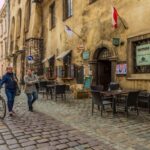
Plac Nowy Market Square, from Plac Żydowski to today’s social life
After the synagogue sequence, the route shifts gears into city life at Market Square, Plac Nowy. This stop is about 20 minutes, and it gives your brain a breather. You are stepping into a place that has transformed but still shows layers.
The tour notes that Plac Nowy was once known as Plac Żydowski. In 1900, a circular pavilion went up in the middle of the square, with small grocery and butcher shops, plus a fast-food bar known for delicious casseroles, which are still famous in Krakow today. That is a wonderfully specific way to show how food becomes local memory.
You also get a sense of how the square functions by day. Weekdays bring stalls for vegetables and antiques. On Sunday mornings, it becomes a busy clothing market. In warm summer nights, cafés and pubs spill over into the square, turning it into one big beer garden.
Value-wise, this stop is admission ticket free, so it is mostly about absorbing atmosphere and the guide’s context. If your goal is to understand how communities and commerce mix, this is one of the best uses of time on the itinerary.
Corpus Christi Church, a Gothic to Baroque interior contrast
Next, you visit Corpus Christi Church (Kosciol Bozego Ciala), another short stop around 10 minutes. The tour points out its size, importance, and architecture, but what it really emphasizes is the interior contrast.
You get Gothic stone walls, then the interior harmonizes with the gold of the Baroque. That mixture can feel surprising if you expect churches to be one style all the way through. Here it is presented as a visual story about change over time, which fits nicely after the synagogue and square stops.
This stop is free to enter according to the tour notes. Still, spend your time wisely. You will get the most out of this church if you look upward and inside, not just at the exterior.
Father Bernatek Footbridge, Kazimierz meets Podgórze
The route then includes the Father Bernatek Footbridge, built in 2010 on the site of the former Podgórze bridge. It connects Kazimierz with Podgórze. This is a quick 10-minute stop, but it serves a big purpose.
When you move from synagogues and the market into WWII-era topics, you need a sense of geographic context. The bridge helps you understand how neighborhoods connect physically, not only historically. It is also a good place to take photos because the structure makes movement visible, like a line you can follow between areas.
The tour lists this stop as free. It is also a nice reminder that the Krakow you walk today is not frozen. It is rebuilt, repaired, and repurposed.
Fabryka Emalia Oskara Schindlera, Oskar Schindler in the real headquarters
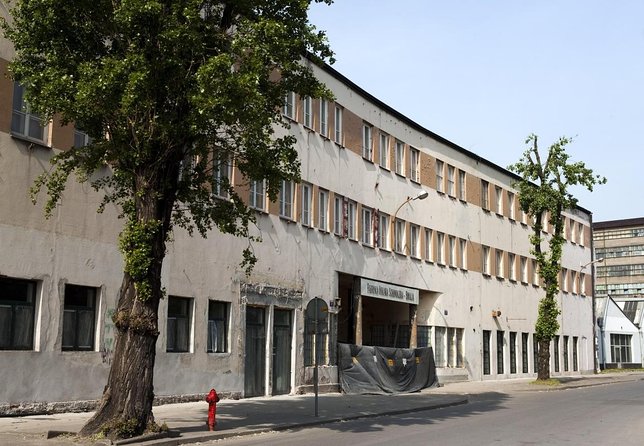
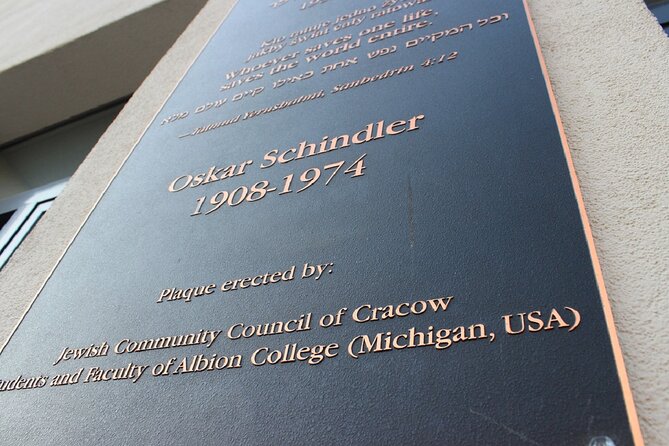
Now comes the emotional core: Fabryka Emalia Oskara Schindlera, the guided museum visit at Schindler’s Factory. You spend about 1 hour 30 minutes here, and the tour states the admission ticket is included.
This is not a distant, abstract museum. The tour emphasizes that you are in the real headquarters of Deutsche Emailwarenfabrik, where the owner Oskar Schindler is explained as an entrepreneur known from the Spielberg film, who saved many employees from inevitable death. You are not just hearing the storyline. You are learning it through the building’s preserved structure and the way the exhibition is staged.
A standout detail is the preserved office and a symbolic installation the tour calls the ark of survivors, described as thousands of pots like the ones made by employees during the war. That kind of detail matters because it turns a moral story into something tangible. You can see how craft and survival connect.
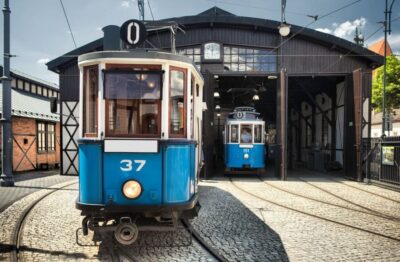
The tour also uses modern multimedia to guide you through the city, including cobbled streets, then transitions into places like a photographer’s atelier, a hairdresser, a tram, and a typical apartment in the Jewish ghetto, before moving you toward Płaszów camp. Even without extra explanation, that sequence is designed to connect everyday life to what came next.
The museum sequence, how the multimedia helps you grasp daily life
What makes this museum stop hit harder, in a good way, is how it uses small everyday spaces to frame big history. The route you follow is not only about industrial machinery or camp geography. It tries to show what life looked like in a multicultural Krakow before things fractured.
As you walk through the multimedia sequence, you are guided through ordinary settings: a photographer’s atelier, a hairdresser, and even getting on a tram. Those elements make the experience more specific and easier to hold in your mind later. Then you see a typical ghetto apartment, and the museum transitions the viewer from “normal routines” into the forced reality of the war, ending with the context of the Płaszów camp.
From a practical standpoint, the museum is the one place where you cannot treat time lightly. The tour requires full names for all participants when reserving and asks you to bring passport or ID for entry. It also notes that from January 1, 2026, times are approximate and may change due to scheduling at the museum. You can pick a preferred time, but the exact time is not guaranteed.
That sounds like admin until you are standing at the entrance. So plan for it. Have the required names exactly as on ID, and keep your ID accessible.
Guide energy matters, and this one gets praised for it
Two things come through clearly in how people describe this experience: the guidance is passionate and the information feels like it has structure. One name that shows up in feedback is Fil, described as a fountain of information who painted a realistic picture of what life was like in the places you toured.
That kind of guiding is especially valuable on a route like this, because the stops include different themes: sacred architecture, market culture, church style contrasts, neighborhood geography, and then WWII history in a single storyline. Without a guide, it can turn into a list of buildings. With the right pacing and explanations, it becomes a coherent walk through time.
Where this tour fits best, and who should skip it
I think this tour fits best if you want context you can feel in the streets. If you like tours that connect architecture to people, and people to history, this one makes sense. The small group size also helps you ask questions without getting drowned out.
It is also a good choice if you want a balance: you get synagogue stops, then a break in Plac Nowy, then another church, then the bridge, and finally the major museum visit. You are not stuck only in one emotional mode for the full time.
You might consider another option if you dislike museums with heavy WWII themes, or if you are very sensitive to the idea of being guided through transitions like ghetto apartment settings into camp context. The tour moves through those topics as part of the multimedia experience, so it is not designed to be light.
Should you book this Krakow Jewish Quarter and Schindler’s Factory tour?
If your goal is a connected Krakow day, with key Jewish Quarter sites plus Schindler’s Factory in one guided flow, I would book it. The value is strongest where you pay for the museum experience, since entry to Schindler’s Factory is included, while several street stops are free. You also get a route that keeps momentum without rushing the big landmarks.
Just don’t treat the ticket requirements like a footnote. Provide full names exactly and bring your ID. If you do that, you will get the full benefit of the guided storyline, from Szeroka Street to the ark of survivors display.
FAQ
How long is the Krakow Former Jewish Quarter and Schindler’s Factory guided tour?
The duration is about 3 hours 30 minutes.
Is the tour offered in English?
Yes, it is offered in English.
What is the main focus besides the Schindler’s Factory Museum?
The tour also covers the former Jewish Quarter sites such as Szeroka Street, the Old Synagogue, Remuh Synagogue, Kupa Synagogue, Plac Nowy, Corpus Christi Church, and the Father Bernatek Footbridge.
Are tickets included for the synagogues?
The Old Synagogue is listed as free. Remuh Synagogue and Kupa Synagogue are listed as not included.
Is the Schindler’s Factory admission ticket included?
Yes, the tour lists admission to Fabryka Emalia Oskara Schindlera as included.
What documents do I need for Schindler’s Factory entry?
You must provide the full names of all participants when reserving, and you must bring a passport or ID for entry to the Schindler’s Factory Museum.
What is the group size limit?
The tour has a maximum of 24 people.
Where does the tour start and end?
It starts at Szeroka 24, 31-053 Kraków and ends at Lipowa 4, 32-051 Kraków.
Will the schedule change for 2026?
From January 1, 2026, times are approximate and may change due to Schindler’s Factory Museum scheduling. You can choose a preferred time, but the exact time is not guaranteed.
What is the cancellation policy?
Free cancellation is available up to 24 hours in advance for a full refund. If you cancel less than 24 hours before the start time, the amount is not refunded.
Freshly posted from Krakow
- Krakow: Audio-Guided City Experience by Golf Cart★ 5.0 · 1 review
- Krakow: Zakopane and Thermal Springs Tour with Hotel Pickup★ 5.0 · 1 review
- Half-day In the footsteps of John Paul II Tour from Krakow★ 5.0 · 1 review
- Krakow: Wawel & Salt Mine Experience with Lunch★ 5.0 · 1 review
- Tour to Wadowice: Hometown of Pope Saint John Paul II★ 5.0 · 1 review
- Krakow: Outdoor Paintball with Hotel Transfers★ 5.0 · 1 review
- Krakow: Nowa Huta Communist District Walking Tour★ 5.0 · 1 review
Schindler's Factory Museum Tours, compared.
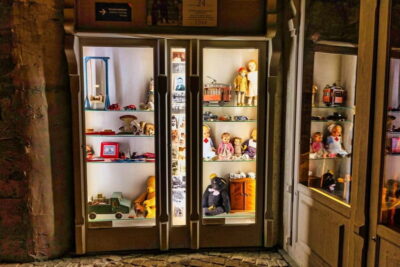
Schindler’s Factory Ticket and Guided Tour Option
Read our review →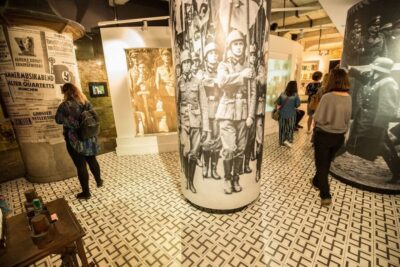
Schindler’s Factory Tour with Entrance Ticket
Read our review →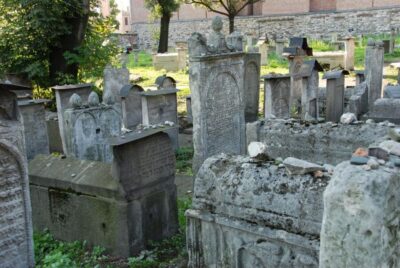
Schindler’s Factory Tour with Entrance Ticket
Read our review →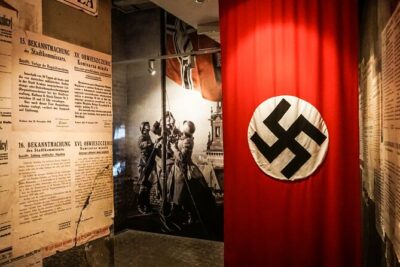
Schindler’s Factory in Krakow: Guided Tour & Skip the Line Ticket
Read our review →
Krakow Schindler’s Factory Guided Tour with Admission Ticket
Read our review →Browse the lists this tour appears in