
Reviewed · SCHINDLER'S FACTORY MUSEUM TOURS
Kazimierz, Schindler’s Factory & Ghetto Guided Tour
Three stops, one heavy story in Krakow. This tour brings Kazimierz to life first, then connects you to Schindler’s Enamel Factory, and ends at the former Jewish ghetto remains. I especially liked how the guide makes the history feel specific and close, not like a lecture. One possible drawback: the Schindler’s Factory visit can feel crowded, so you may not have much quiet time to read on your own.
I also love the way the tour leans on real teaching. Guides like Malgosia, Teresa, Ewa, and Filip are named by past visitors for their clarity and for turning hard topics into something you can actually hold in your mind.
At $81 for a 5-hour format, it’s a solid value if you want context and skip-the-line help. The only catch is that it covers a lot of ground and topics, so you should be ready for an emotional, reflective day.
In This Review
- Key things I’d plan for
- Kazimierz first, where the streets do the storytelling
- Schindler’s Enamel Factory, where context matters most
- Former ghetto site, wall remnants, and the 68 chairs
- Price and what you truly get for $81
- Timing, pace, and the reality of crowds
- Tips to get the most from your guide
- Who should book this tour, and who might skip it
- Should you book this Kazimierz, Schindler’s Factory & Ghetto Tour?
Key things I’d plan for
- Meet outside the Old Synagogue on Szeroka 24, then start in Kazimierz on foot.
- Skip-the-line entry to Schindler’s Enamel Factory is included, saving time for a popular museum.
- See ghetto remnants including an undestroyed wall section and key former-location landmarks.
- Learn the Schindler story with a guide so you understand what you are looking at.
- Expect a topic that hits hard, especially around Holocaust history and forced displacement.
Kazimierz first, where the streets do the storytelling
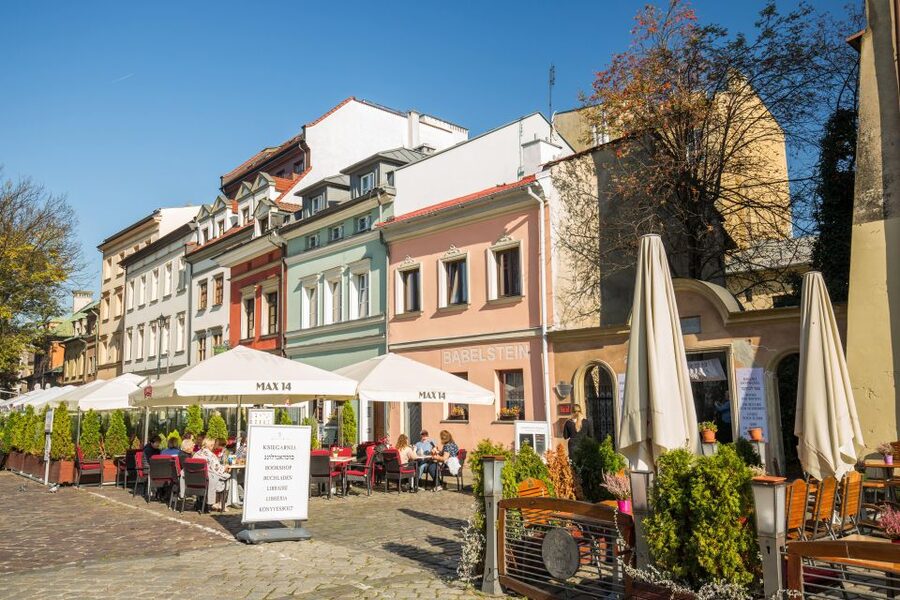
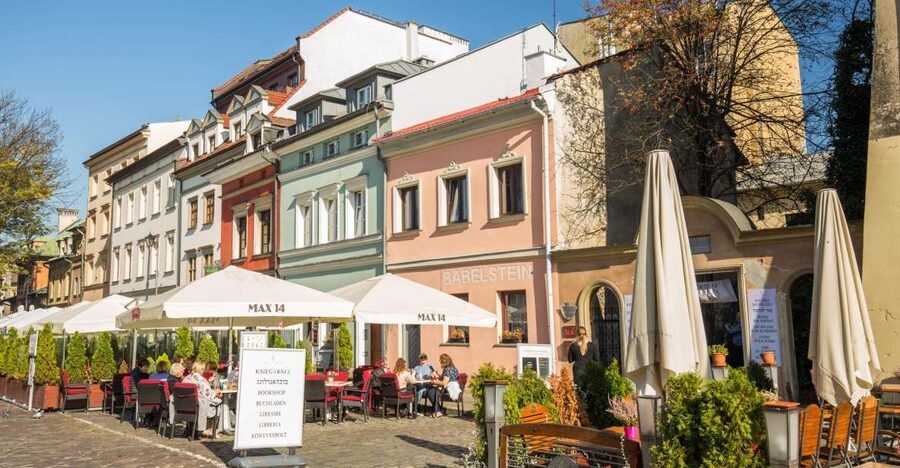
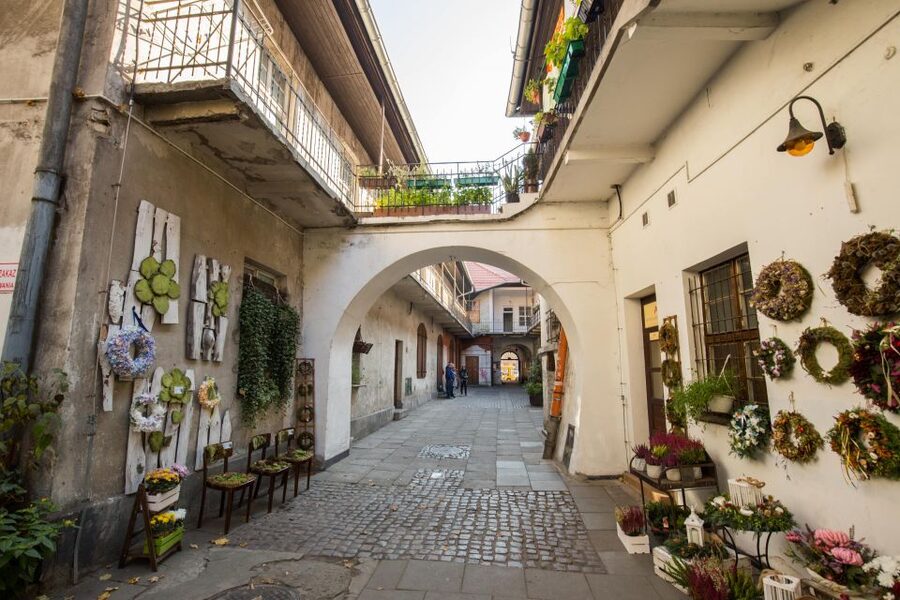
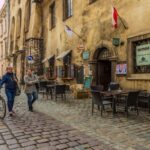
The tour begins outside Krakow’s Old Synagogue area in the Kazimierz district, on Szeroka 24. From the start, you’re put in a neighborhood context: Kazimierz is where Krakow’s long Jewish community life took root, shaped the city, and later endured brutal Nazi occupation policies.
What I like about starting here is simple. You don’t jump straight from modern streets into tragedy. You begin with place. The guide points out the feel of the district now, which helps you understand why Kazimierz is often described as stylish and lively today. Then the story folds back in time, so you can see how much was taken away, and how much changed.
As you walk through Kazimierz with your licensed guide, you learn what to notice. It’s not just names and dates. You’re taught how buildings and street corners connect to Jewish life, community institutions, and daily routines. And because the tour is run with a live guide in multiple languages (German, Spanish, English, French, Italian), you can ask questions as you go instead of saving everything for a museum audio device.
Small practical note: if you’re the type who likes to photograph every façade, slow down. In Kazimierz, it’s tempting to treat it like any other “pretty neighborhood.” Your guide will steer you back to what matters, so you can capture the mood and the meaning.
Further visits to Schindler’s Factory Museum:
- Krakow: Schindler’s Factory Ticket and Guided Tour Option
★ 4.3 · 4,306 reviews - Krakow: Schindler’s Factory Tour with Entrance Ticket
★ 4.5 · 3,182 reviews - Krakow: Schindler’s Factory Skip-the-Line Ticket
★ 4.4 · 3,105 reviews
Schindler’s Enamel Factory, where context matters most
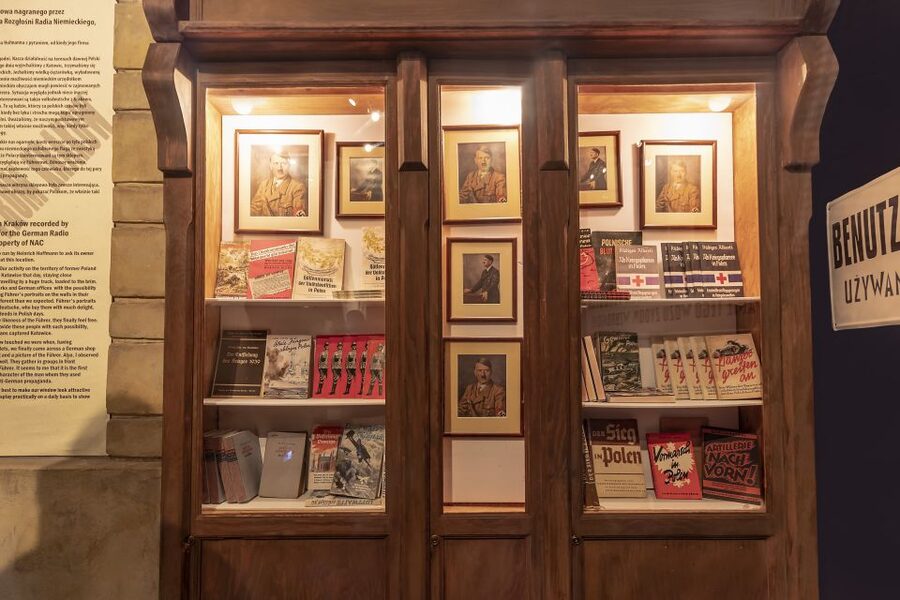
Next comes the museum stop at Oskar Schindler’s Enamel Factory. The tour includes skip-the-line tickets here, which is a real value. Schindler’s Factory can draw big crowds, and losing time in lines is the easiest way to make a meaningful visit feel rushed.
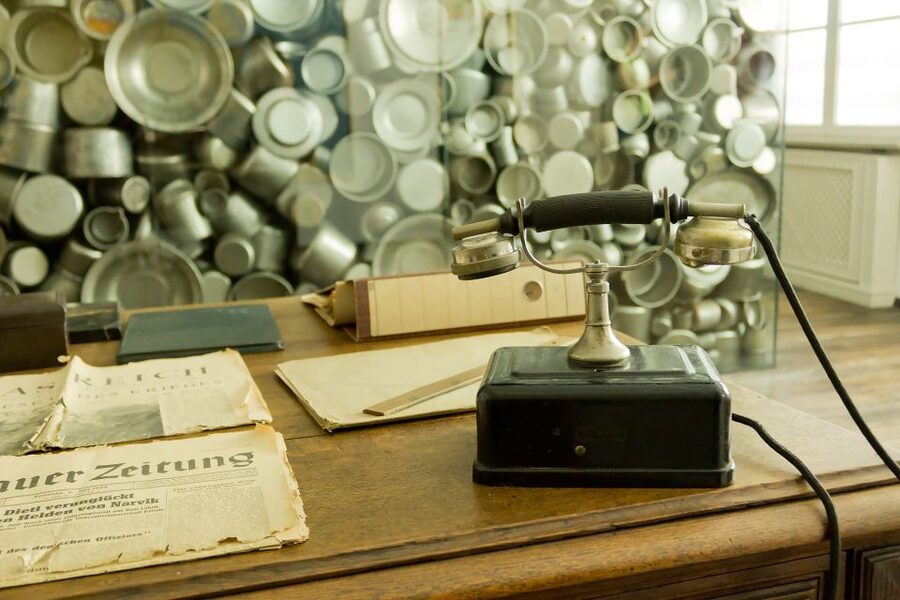
This is also the tour’s emotional core. You’ll learn about the Holocaust and Oskar Schindler’s heroic efforts to save Jewish people from Nazi concentration camps. The guide’s job is crucial at this stage. Without context, it’s easy to look at artifacts and displays as a list of tragedies. With context, you start to see the human choices and the scale of what was at stake.
One detail that stood out from past experience is the crowd factor. Even with skip-the-line entry, the museum itself can get busy. When that happens, the group may be larger at the factory stop than earlier in the day. The practical result is that you might feel like you can’t fully linger in front of every display while the group moves through the explanation.
So I suggest this mindset: go in ready to listen, but also plan to regain time after the guided portion if you want to read quietly. If you’re someone who likes to absorb slowly, you may want to consider getting extra time for self-guided reading, outside the main guide-led flow.
Also, keep your identity documents ready. From January 1, 2026, personalized tickets require you to provide the full names of all participants when you reserve, and you’ll need to bring a passport or ID for entry. If you’re traveling with friends or family, make sure names match your ID exactly. This is one of those small details that can decide whether a day runs smoothly.
Former ghetto site, wall remnants, and the 68 chairs
After the factory, the tour shifts to the former Jewish ghetto area. This part is designed to show you remnants, not just talk about them. You’ll learn how many Jews were forced to live in the ghetto during the Nazi occupation of Poland, and you’ll also see key physical traces of what that meant in practice: overcrowding, confinement, and the daily squeeze of life under control.
The standout visual in this section is the undestroyed wall portion around the ghetto. Seeing a surviving wall segment changes the way you process the history. It turns abstract language into something spatial, something you can picture in your head when you walk away.
You’ll also encounter former-location highlights, including houses where thousands of displaced Jews used to live and the pharmacy known as Under the Eagle. These stops help you understand that ghetto life was not only about deprivation. It was also about functioning inside impossible constraints.
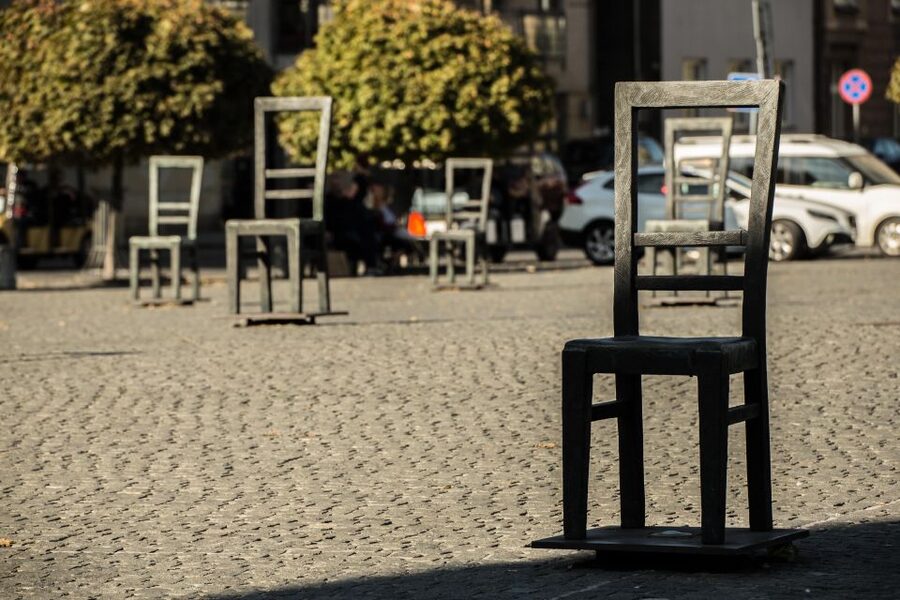
Finally, the tour includes a significant memorial moment at Heroes’ Square: the monument of 68 chairs. Even if memorials aren’t usually your thing, this one hits because it’s clear, specific, and symbolic. It gives your brain an anchor after absorbing the site-specific details.
Emotionally, this is the part where you should give yourself a breather. If the day feels heavy, that’s normal. Don’t fight it. You’re learning how people were trapped, and then you’re being asked to take that knowledge back into the present.
Price and what you truly get for $81
At $81 per person for a 5-hour tour, the price feels fair for what’s included and what isn’t. Here’s the value math that matters:
Included:
- A licensed guide
- Skip-the-line tickets to Schindler’s Enamel Factory
Not included:
- Food and drinks
The big “value driver” is that skip-the-line factor at the factory. Without it, you’d likely lose time right where you most want to concentrate. The guided element also matters here because Holocaust history and the Schindler story are not the easiest things to interpret quickly on your own. A strong guide turns signage into meaning.
The tradeoff is that food and drinks are on you. Since the tour lasts about 5 hours, you’ll want to plan for water and timing. I recommend eating before you start rather than hoping you’ll be near a convenient meal stop during the route.
Further Jewish history and heritage itineraries:


Timing, pace, and the reality of crowds
This tour runs for about 5 hours, and the schedule is subject to museum operations. Times are described as approximate and can change due to Schindler’s Factory Museum scheduling. That’s important to know if you have a tight dinner reservation or a train connection later the same day.
The other reality check is crowd flow. In Kazimierz and the ghetto portion, groups can feel more manageable, which makes it easier to ask questions and linger at key points. At the museum, crowding can increase, which can make you feel like the group moves quickly through the most explanatory moments.
What helps most is your plan. If you want deep reading time inside Schindler’s Factory, treat the guided visit as the framework. Then, if your schedule allows, plan extra time later to slow down and absorb displays at your own pace.
Tips to get the most from your guide
Your guide can make or break this type of tour, and the good news is that strong teaching is a theme here. Past guides named by visitors include Malgosia, Teresa, Filip, and Ewa, with praise focused on clarity, pedagogy, and turning the tour into a moment that felt more like understanding than information overload.
Here are practical ways to match your expectations to the format:
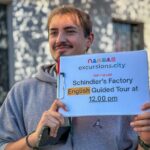
- Arrive early enough to find the group. You meet outside the Old Synagogue area on Szeroka 24, looking for a guide holding an excursions.city sign.
- Bring an ID/passport if you’re traveling around 2026. From January 1, 2026, entry to Schindler’s Factory requires passport or ID, and reservation names must be correct.
- Expect questions to be welcomed. This is the kind of tour where a guide can explain why a location matters, not just what it was.
- Ask about any add-on synagogue components. One past visitor noted that some synagogue visits required a supplement that was not included in the base tour price. If synagogues are on your personal must-see list, ask your guide or the provider what’s already included versus what may cost extra.
One more tip: if you’re the sort who prefers to read at your own speed, don’t fight the group pace. Instead, jot down the things you want to revisit, then look again later during any self-guided time you can make.
Who should book this tour, and who might skip it
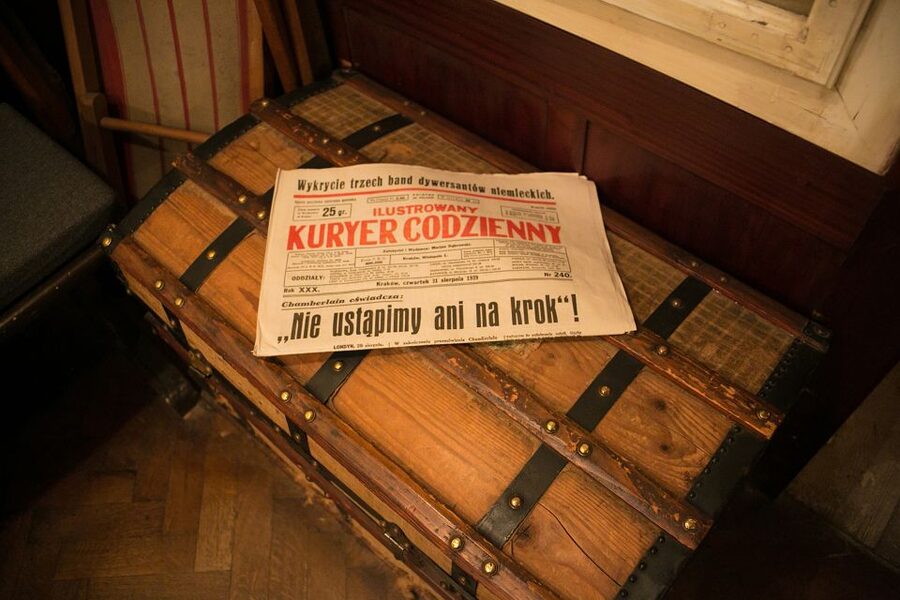
This tour is a strong fit if you want:
- A guided route through Kazimierz
- A structured explanation of Schindler’s Factory
- Site-based context for the former Jewish ghetto area
It’s also a good choice if you like walking tours where the guide handles the “what am I looking at and why does it matter” part.
You might consider a different approach if:
- You want to spend a lot of quiet time reading independently inside the factory during the guided portion.
- You are uncomfortable with heavy Holocaust history and forced displacement narratives. (That doesn’t mean you shouldn’t come. It just means you should prepare emotionally.)
Should you book this Kazimierz, Schindler’s Factory & Ghetto Tour?
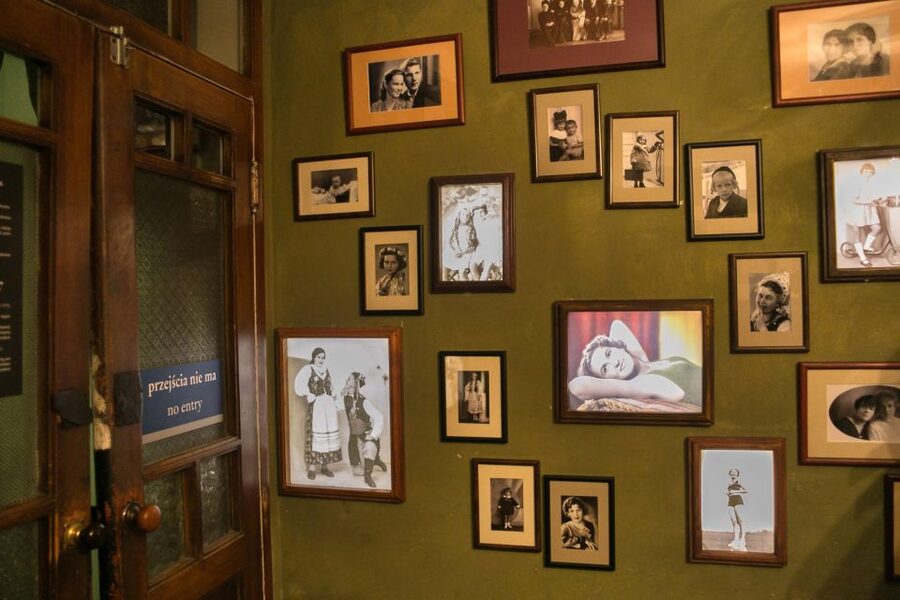
Yes, I think you should book it if you want more than landmarks. This is the kind of tour where guidance changes the outcome. Starting in Kazimierz gives you place, Schindler’s Factory gives you meaning, and the ghetto remnants give you scale you can see.
If you’re debating, I’d decide based on one question: do you want someone to connect the dots for you? At $81 with skip-the-line tickets and a live guide across key sites, the answer is usually yes.
Just go in with realistic expectations about pacing at the museum, bring the right ID for the 2026 requirement, and plan to handle the emotional weight with care.
Freshly posted from Krakow
- ZALIPIE – painted village, unique small group tour from Krakow★ 5.0 · 7 reviews
- “John Paul II Route” PRIVATE -Wadowice, Kalwaria Z.-Łagiewniki★ 5.0 · 7 reviews
- Krakow: Craft Beer Tasting City Walking Tour★ 4.4 · 7 reviews
- Magic of Krakow: Guided Tour of the Old Town★ 5.0 · 7 reviews
- Krakow : Zakopane Tour + Thermal Pools with Hotel Pickup★ 4.8 · 7 reviews
- Krakow in One Day: City Tour by Electric Car★ 5.0 · 7 reviews
- Guided Tour of Plaszow Concentration Camp, Kraków★ 4.8 · 7 reviews
Schindler's Factory Museum Tours, compared.
Schindler’s Factory Ticket and Guided Tour Option
Read our review →
Schindler’s Factory Tour with Entrance Ticket
Read our review →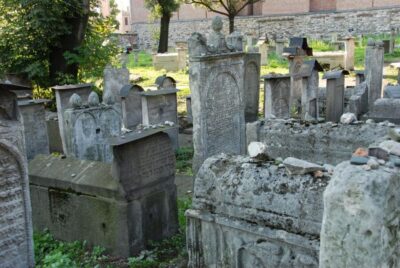
Schindler’s Factory Tour with Entrance Ticket
Read our review →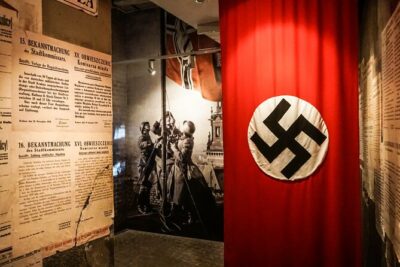
Schindler’s Factory in Krakow: Guided Tour & Skip the Line Ticket
Read our review →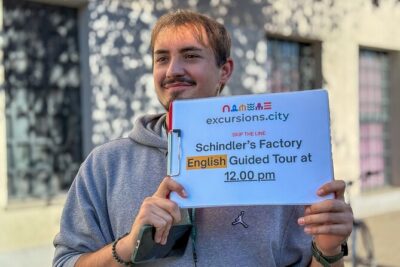
Krakow Schindler’s Factory Guided Tour with Admission Ticket
Read our review →Browse the lists this tour appears in