
Reviewed · SCHINDLER'S FACTORY MUSEUM TOURS
Jewish Quarter Kazimierz and Schindler’s Factory Guided Tour
Krakow tells two stories at once. This 3.5-hour guided tour threads centuries of Jewish life through the streets of Kazimierz, then lands you in the story of Oskar Schindler and the Jewish workers he saved. You also get the very practical bonus of seeing the area used for Schindler’s List locations tied to the Podgorze ghetto.
I especially like how the Kazimierz walk starts on Szeroka Street and moves past key places such as the Old Synagogue, the Remuh Synagogue and cemetery, and other major synagogues. I also like that the Schindler portion uses a licensed guide plus fast-track museum entry, so you spend your time understanding the exhibits instead of waiting.
One drawback to plan for: the museum time is only about 90 minutes, so if you want to linger over every document and photo, you may feel a bit rushed. Also, you are touring museum spaces rather than an active factory floor.
In This Review
- Key things I’d plan around
- Entering Kazimierz: where history still sits on the sidewalk
- Szeroka Street to synagogues: what you’ll see and why it matters
- Remuh and Moses Isseries: learning how community leaders shaped daily life
- WWII in Kazimierz: from community life to ghetto reality
- Schindler’s Factory Museum: what the 90 minutes is really for
- Layout, crowding, and comfort inside the museum
- How this tour fits your budget and your goals
- Should you book this Kazimierz and Schindler tour?
- FAQ
- How long is the tour?
- Is the tour offered in English?
- What does the price include?
- Is admission to Schindler’s Factory included?
- Where does the tour start and end?
- What sites will we see in Kazimierz?
- Will we see film locations from Schindler’s List?
- How big are the groups?
- Can I cancel for free?
Key things I’d plan around
- Kazimierz on foot: you walk the Jewish Quarter’s most important streets and landmarks in a tight, guided loop
- Schindler’s List location context: you learn why this exact neighborhood shows up in the film’s Podgorze scenes
- Remuh and Moses Isseries: you get a clear link between 16th-century scholarship and what you see today
- A focused Schindler’s Factory Museum guide: the exhibition frames Nazi occupation through personal stories of Schindlerjuden
- Limited museum time: 90 minutes with a guide is meaningful, but it is not enough for everyone to read everything slowly
- Small-ish group: capped at 25, which helps, but it can still feel crowded inside narrow WWII galleries
Entering Kazimierz: where history still sits on the sidewalk
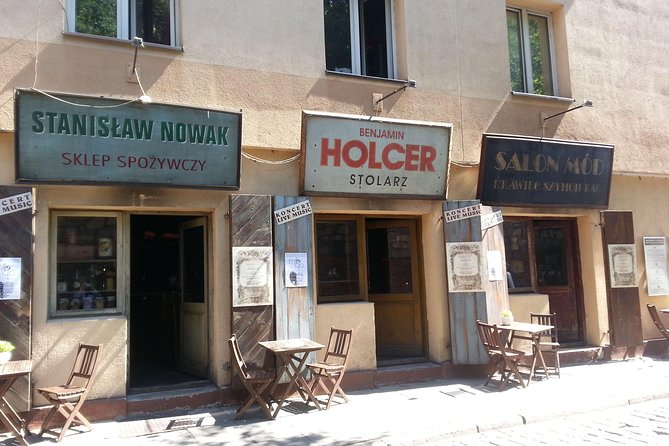
Your tour begins at Szeroka 24 in Krakow, right in Kazimierz, the city’s historic Jewish Quarter. From the first minutes, you are not stuck with a lecture. The guide gets you oriented by pointing out the street layout, the architecture style, and why these blocks mattered before WWII.
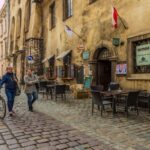
Kazimierz is a good place to learn because so much remains physically standing. You will be walking past synagogues, old townhouses, and everyday street corners that help you understand how real community life worked. In practical terms, this makes the later WWII story hit harder. It is one thing to read about a ghetto. It is another to stand in the neighborhood where the people lived first.
I like that the guide keeps the pacing steady, so you actually absorb the flow of Jewish life over time rather than sprinting from stop to stop. If you are new to Krakow, this is also a fast way to understand how the city grew and changed around this community.
Further visits to Schindler’s Factory Museum:
- Krakow: Schindler’s Factory Ticket and Guided Tour Option
★ 4.3 · 4,306 reviews - Krakow: Schindler’s Factory Tour with Entrance Ticket
★ 4.5 · 3,182 reviews - Krakow: Schindler’s Factory Skip-the-Line Ticket
★ 4.4 · 3,105 reviews
Szeroka Street to synagogues: what you’ll see and why it matters
The walking portion centers on Szeroka Street, the historic heart of Kazimierz. This is where the tour’s sights are the most immediate. You pass the kind of building fronts that survived centuries, and the guide uses them to explain what each place meant to the community.
A few highlights the guide brings into focus:
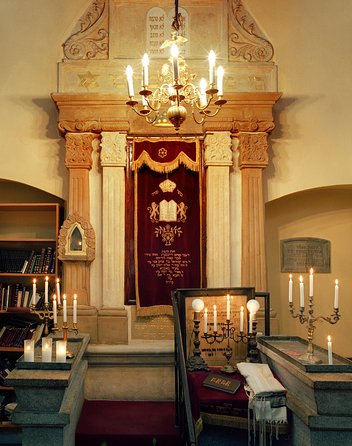
- Old Synagogue: today it functions as a museum of Jewish history
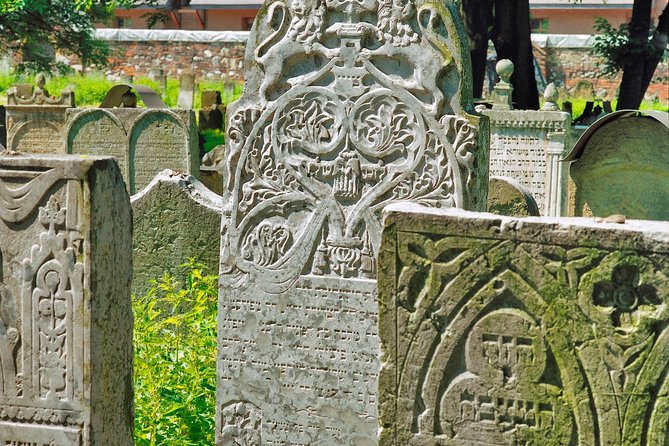
- Remuh Synagogue and cemetery: among the country’s most important Jewish religious sites
- Kupa Synagogue: historically connected with the poorest residents
- Tempel Synagogue: now used as an active center for cultural life
Even if you do not go inside every synagogue, you still get a sense of the variety within Kazimierz. Different congregations and neighborhoods had different needs and different social realities. That matters because it keeps the story from feeling like one flat, single experience.
Practical note: this part of the tour is about 90 minutes. It is long enough to learn a lot, but short enough that you will probably want to come back later for deeper visits.
Remuh and Moses Isseries: learning how community leaders shaped daily life
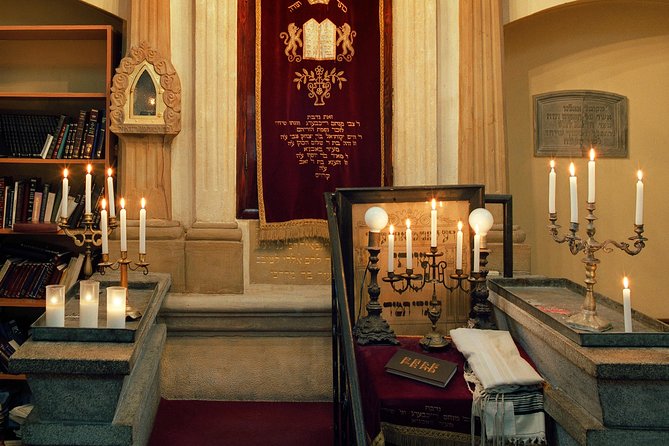
One of the most interesting links the guide makes is to the revered rabbi Moses Isseries, known as Remuh. You are not just told a name and date. The tour explains why scholarship and teaching mattered, and how figures like Remuh helped shape community identity.
Standing in the area around Remuh Synagogue and cemetery gives you a different angle on Kazimierz. It is not only about buildings. It is about where people turned for spiritual guidance and learning. When you later hear how the Nazi occupation broke community life apart, you already understand what was lost beyond “religion” as a label.
If you like history that connects institutions to real human routines, this is the best payoff in the Kazimierz portion. It also helps you connect the older story to what happened under Nazi control later in the tour.
WWII in Kazimierz: from community life to ghetto reality
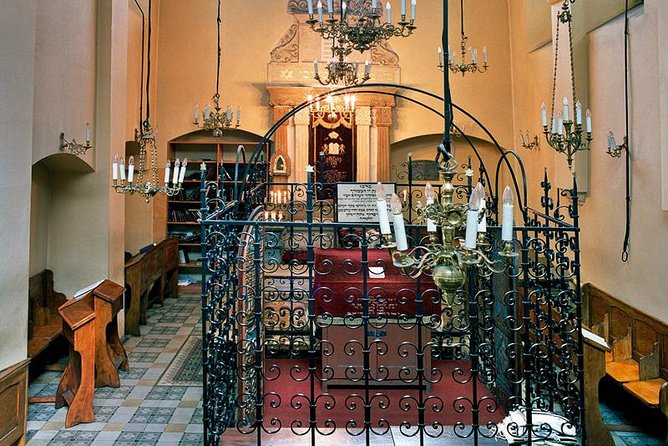
After the pre-war context, the guide shifts into WWII. You hear about how Jewish residents were herded into the Jewish ghetto, and how the neighborhood’s meaning changed under occupation.
This is where the tour’s structure works well. By giving you the centuries-long context first, the WWII material feels less like isolated tragedy and more like a brutal interruption. The guide also helps connect Krakow’s Jewish story to broader Holocaust realities, without turning it into a vague overview.
The tour also includes the cinematic angle. You will hear why Steven Spielberg chose this area for the film’s depiction of the Podgorze ghetto in Schindler’s List. That film connection can be useful for visual learners. It gives you something concrete to attach to names and timelines.
One caution here: the subject matter is heavy. The pace is respectful, but it is still a lot of emotional weight in one sitting. If you are sensitive to WWII imagery, take brief breaks during the museum portion, and remember you do not have to read every single display at full speed.
Further Jewish history and heritage itineraries:
Schindler’s Factory Museum: what the 90 minutes is really for
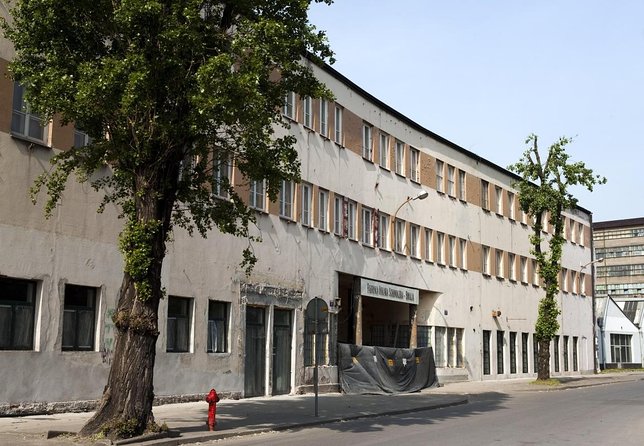
The second half of the tour heads to Fabryka Emalia Oskara Schindlera, the Schindler’s enamel factory site now operating as a museum. This is where your tour turns from walking city streets to reading the story in documents, artifacts, and staged settings.
The guided exhibition focuses on Kraków under Nazi Occupation 1939 to 1945, using Oskar Schindler’s life as the lens. You learn how Schindler employed Jewish workers and used his influence to help protect many from deportation. The tour emphasizes that more than a thousand people survived because of actions taken during that period, often referred to as Schindlerjuden.
What I found most valuable is the guide’s job here. The museum has a lot of information on its own, but a guided explanation helps you connect the pieces: who the workers were, what risks they faced daily, and how the occupation reshaped everything around them.
You will also spend time examining:
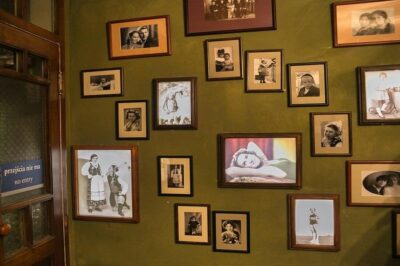
- photographs and personal objects
- documents and exhibits connected to Schindler and his workers
- reconstructed street-like elements that recreate the sense of fear and uncertainty
There is also an important reality check. The museum building used to be part of the factory. Today it does not contain original production equipment. So you are not touring machinery or an active workspace. You are touring a museum that explains the factory’s role in Nazi-era survival and labor.
Layout, crowding, and comfort inside the museum
The museum layout can feel tight. The passageways are narrow, and the exhibit setup is designed to create a strong sense of the WWII atmosphere. Plan on your comfort depending on how you handle enclosed spaces.
Reviews also point out that group size can matter inside. This tour caps groups at 25, which is fairly controlled. Still, if the museum has multiple groups in the same rooms, it can get crowded, and that can limit how slowly you can move.
My practical advice is simple:
- Wear shoes that work on museum floors
- Bring a light layer if you get cold easily
- Be ready to spend some moments focusing, not wandering
If you know you want more time in the museum than the guided portion provides, leave yourself extra hours afterward. You will be able to go back to whatever section grabbed you most.
How this tour fits your budget and your goals
At $71.20 per person for about 3 hours and 30 minutes, this is not a bargain-basement walking tour. But you are paying for two things that add real value: a licensed guide who connects the story across sites, and fast-track entry into the Schindler museum.
If you tried to DIY this, you could do it. But you would likely lose time figuring out what to prioritize and how the Kazimierz story connects to the WWII ghetto reality. Here, the guide does that translation for you, and that is what turns the visit from sightseeing into understanding.
Who this tour suits best:
- First-timers to Krakow who want a focused, high-impact introduction
- People interested in Jewish history in Kazimierz and WWII-era Krakow
- Film fans who want context for Schindler’s List locations
- Travelers who prefer a structured route, with someone explaining what you are seeing
If you are the type who wants to read every label slowly and sit with exhibits for a long time, you might find the museum portion too time-limited as a “one pass” experience. In that case, treat the guided visit as your orientation, then plan independent time afterward.
Should you book this Kazimierz and Schindler tour?
I think you should book this tour if you want a well-shaped overview that connects Kazimierz, WWII, and the Schindler’s Factory Museum without wasting time. The Kazimierz walking section gives you the setting, and the museum guide gives you the human story behind the displays. If you care about film history too, the Spielberg Podgorze location context is a smart bonus.
I would skip or adjust expectations if your top priority is a long, self-paced museum experience, or if you are expecting to tour an operating enamel factory floor with production equipment. This is a museum visit with guided interpretation, and the schedule is tight by design.
If you book, do one extra thing: after the tour ends, stay nearby long enough to revisit the museum section that moved you most. That is how you turn a good guided introduction into a visit that sticks.
FAQ
How long is the tour?
The tour lasts about 3 hours 30 minutes total, with roughly equal time for the Kazimierz walking part and the Schindler’s Factory Museum guided part.
Is the tour offered in English?
Yes. The tour is offered in English.
What does the price include?
You get a walking tour of Kazimierz with a professional licensed guide, plus fast-track admission for the Schindler’s Factory Museum portion.
Is admission to Schindler’s Factory included?
Yes. Admission for the Schindler’s Factory Museum portion is included, and you get fast-track entry.
Where does the tour start and end?
It starts at Szeroka 24, 31-053 Kraków and ends at Lipowa 4, 32-051 Kraków.
What sites will we see in Kazimierz?
You will walk through Kazimierz starting on Szeroka Street and pass key locations such as the Old Synagogue, Remuh Synagogue and cemetery, Kupa Synagogue, and Tempel Synagogue.
Will we see film locations from Schindler’s List?
You will hear why the area was chosen for the Podgorze ghetto scenes in Schindler’s List.
How big are the groups?
Group size is limited to a maximum of 25 participants.
Can I cancel for free?
Free cancellation is available. You can cancel up to 24 hours in advance for a full refund.
Freshly posted from Krakow
- ZALIPIE – painted village, unique small group tour from Krakow★ 5.0 · 7 reviews
- “John Paul II Route” PRIVATE -Wadowice, Kalwaria Z.-Łagiewniki★ 5.0 · 7 reviews
- Krakow: Craft Beer Tasting City Walking Tour★ 4.4 · 7 reviews
- Magic of Krakow: Guided Tour of the Old Town★ 5.0 · 7 reviews
- Krakow : Zakopane Tour + Thermal Pools with Hotel Pickup★ 4.8 · 7 reviews
- Krakow in One Day: City Tour by Electric Car★ 5.0 · 7 reviews
- Cracow: Wawel Castle and Cathedral Guided Tour★ 5.0 · 7 reviews
Schindler's Factory Museum Tours, compared.
Schindler’s Factory Ticket and Guided Tour Option
Read our review →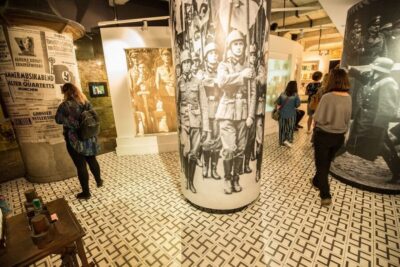
Schindler’s Factory Tour with Entrance Ticket
Read our review →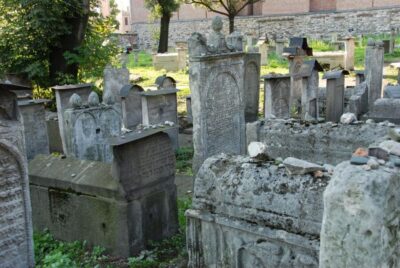
Schindler’s Factory Tour with Entrance Ticket
Read our review →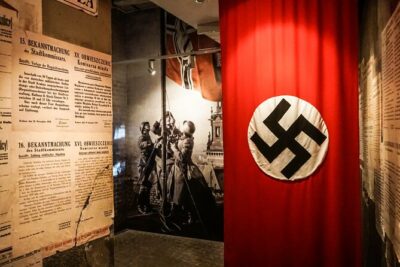
Schindler’s Factory in Krakow: Guided Tour & Skip the Line Ticket
Read our review →
Krakow Schindler’s Factory Guided Tour with Admission Ticket
Read our review →Browse the lists this tour appears in