
Reviewed · GOLF CART & MELEX TOURS
Gdansk City Tour Sightseeing by Golf Cart Shared or Private
Old Town Gdańsk goes by fast. This shared or private golf cart sightseeing loop keeps you moving while still stopping at the city’s most memorable landmarks. I like how the route strings together religious and political history in one smooth ride, and I especially like that it’s offered in English so you can actually follow the story.
The itinerary is packed with big sights, so one possible drawback is timing. In about 1 hour to 1 hour 30 minutes, you will see a lot of highlights, but you may not have long, slow time inside every stop, especially if you want photos at every corner.
In This Review
- Key highlights to plan around
- Why a golf cart tour works so well in Gdańsk
- The meeting point at Wielkie Młyny 1: start where the action is
- St. Mary’s Church: the Crown of Gdańsk in Brick Gothic form
- Crane Gate (Gdańsk Crane): river trade turned into a landmark
- The Gdańsk market building under reconstruction until 2026
- St. John’s Church: Brick Gothic architecture in the Old Town
- Museum of the Second World War: history you cannot ignore
- The Polish Post Office: Poczta Polska and the start of WWII in the city story
- European Solidarity Centre: resistance history in plain sight
- Sołdek: the retired steamship as a physical reminder
- The amber altarpiece: one of the world’s largest works
- The Teutonic Knights mill: 18 wheels, forced labor, and scale
- St. Catherine’s Church: Gdańsk’s oldest church roots
- How long you should expect each stop to feel
- Price and value: what $27.64 gets you
- Shared vs private: which style fits your travel day
- Photo tips and timing so you don’t miss the best angles
- Who this tour is best for
- Should you book this Gdańsk golf cart city tour?
- FAQ
- How long is the Gdansk City Tour sightseeing by golf cart?
- Is the tour offered in English?
- Where is the meeting point in Gdańsk?
- Does the tour start and end at the same place?
- Is this tour shared or private?
- How many people can be on the tour?
- Is there a mobile ticket?
- Is it okay for most travelers, and are service animals allowed?
- What happens if the weather is poor or I need to cancel?
Key highlights to plan around
- Fast orientation on a golf cart through central Gdańsk, with frequent photo stops
- Brick Gothic masterpieces like St. Mary’s Church and St. John’s Church
- WWII and resistance history at the Museum of the Second World War and the European Solidarity Centre
- Amber and medieval craftsmanship including one of the world’s largest amber altarpieces
- Industrial power meets history at the Teutonic Knights mill with 18 wheel systems
- Driver-friendly touring with extra explanation and plenty of stops, like the friendly Jacob experience
Why a golf cart tour works so well in Gdańsk
Gdańsk can be a big-feeling city when you try to do everything on foot, especially around the Old Town where streets and riverfront areas pull you in different directions. A golf cart tour solves that problem by keeping you on a timed route and letting the driver handle the getting-there part.
What I like most is the balance between motion and stopping. You get short arrivals at key places, enough time to take photos and get your bearings, then you roll onward. That makes the tour a strong first-day plan if you want to understand the city before you start exploring on your own.
The other practical win is language. With English offered, you can follow what you are looking at instead of just guessing based on signage. If you’re the kind of traveler who enjoys context, you’ll appreciate the explanations tied to the specific sites you pass and stop for.
More Golf Cart Tours in Gdansk
- Gdansk: Shared or Private City Tour Sightseeing by Golf Cart
★ 4.9 · 754 reviews - Gdansk: City Tour Live Guided by Golf Cart/Buggy Sightseeing
★ 4.9 · 715 reviews - Gdansk: Shared/Private Golf Cart City Tour with Local Guide
★ 4.9 · 604 reviews
The meeting point at Wielkie Młyny 1: start where the action is
Your tour starts at Galeria Na Wieży, Wielkie Młyny 1, 80-849 Gdańsk. This is a good location because it puts you close to the Old Town energy and also near major central streets. I find starting near well-known landmarks helps you settle in quickly, even if you are arriving from a hotel outside the historic core.
The tour ends back at the meeting point, which is handy. You don’t have to worry about how to get back to your starting area or whether your day plan needs a second transport step.
Because it is near public transportation, you can also treat this as an easy add-on to a longer day. If you build your schedule around it, you can do the golf cart tour first, then go back to whatever you liked most.
St. Mary’s Church: the Crown of Gdańsk in Brick Gothic form
The route begins with St. Mary’s Church, a Roman Catholic co-cathedral and central landmark in Gdańsk. It was completed in 1502 in the Brick Gothic style, and locals know it as the Crown of Gdańsk.
This stop matters because it sets the architectural tone for the whole city. Brick Gothic buildings are a major visual theme in Gdańsk, and seeing St. Mary’s early helps you recognize the style in later stops. Even if you do not go deep inside, the outside presence gives you something solid to connect to as you move through the Old Town.
A consideration: like many famous churches, it can be busy, and your time there may feel more like a highlight stop than a long visit. If you want extra time inside, plan to come back after the tour.
Crane Gate (Gdańsk Crane): river trade turned into a landmark
Next comes the Gdańsk Crane, also called the Crane Gate. It is a 15th-century crane located on the Motława River, and it is one of the best examples of how Gdańsk’s river economy shaped the city.
I like this stop because it shifts the story from religious power to working life. A crane might sound utilitarian, but in Gdańsk it has become a symbol of maritime trade and how the port mattered to the city’s rise.
Another plus is the setting. Being tied to the riverfront means good photo angles and a different feel than the church courtyards and narrow streets. If you want a break from the densest Old Town areas, this is a smart place on the route for it.
More melex loops around the old town:
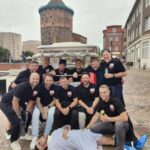

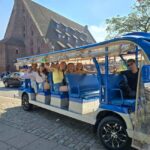
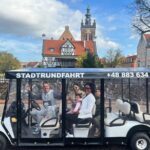
The Gdańsk market building under reconstruction until 2026
The tour also includes the Gdańsk market building, built in 1896 in the neo-Gothic style in the historical center. The current catch is that it is under reconstruction until 2026.
You will still see it, and it can be interesting to view the contrast between finished parts and ongoing renovation. This kind of stop is useful because it reminds you that a city does not freeze in time. What you see today is shaped by what caretakers are working on right now.
Still, if you were hoping for a fully accessible, photogenic exterior from every angle, reconstruction can limit where you can stand. That means it might be a quicker stop compared to sights that are fully open and unobstructed.
St. John’s Church: Brick Gothic architecture in the Old Town
St. John’s Church is another Brick Gothic highlight in the Old Town of Gdańsk. It fits the overall theme of the tour by reinforcing why this city is famous for architectural style, not just individual buildings.
This stop is valuable when you are trying to understand how consistent the city’s design language is. You start noticing recurring elements like brick patterns, gothic proportions, and the way these churches anchor their neighborhoods.
A small practical note: if you like details, you might find you want more time than the tour allows. Keep the stop in your mind, then plan an extra walk later if you want to linger.
Museum of the Second World War: history you cannot ignore
The Museum of the Second World War is one of the tour’s weightier stops. It is a state cultural institution established in 2008, dedicated to the Second World War in Gdańsk.
I like including this museum stop because it explains why Gdańsk’s story is not only about medieval trade and architecture. The city sits at a crossroads of European conflict, and the museum context helps you understand the later memorials and resistance themes.
In a fast golf cart schedule, you may not get full museum time. That is okay if your goal is to see the site and get oriented. If you want deeper interior time, you can treat the tour stop as your primer, then plan a separate museum visit.
The Polish Post Office: Poczta Polska and the start of WWII in the city story
Next is the Polish Post Office (Poczta Polska) in the Free City of Danzig area, tied to major WWII events. It was created in 1920 and operated until the German invasion of Poland, which marked the beginning of World War II.
This is a powerful stop because it connects a specific building to a clear historical turning point. You are not just looking at a plaque, you are looking at a place that was in the middle of crucial events.
If you prefer history that has names and dates, this stop delivers. Just know that post office buildings can have active surroundings, and the tour time may be best used for reading key points and photographing from permitted angles.
European Solidarity Centre: resistance history in plain sight
The European Solidarity Centre is a museum and library devoted to the history of Solidarity, the Polish trade union, and civil resistance movements in Communist Eastern Europe. It opened on 31 August 2014.
This stop is especially valuable if you are visiting for more than aesthetics. Gdańsk is a city where protest and political change are part of the identity, and the Solidarity story connects modern Europe to local choices and risk.
You might enjoy it most if you like understanding social history, not just wars. The museum’s focus makes it feel more personal and human than many purely military memorial spaces.
Again, within a 1 to 1.5 hour tour, your visit may be a look at the site and its place in the broader story. If you want time to read exhibits, add a separate visit after the tour.
Sołdek: the retired steamship as a physical reminder
The tour includes Sołdek, a retired Polish coal and ore cargo steamship. It is a strong contrast to the churches and buildings because it is industrial and physical, something you can picture in motion.
I like this kind of stop for two reasons. First, it grounds the city’s maritime and trade heritage in a tangible object. Second, it gives your brain a break from the heavy indoor history stops by returning you to everyday work themes.
If you are short on time, you will still get a chance to see the ship and understand why it is part of the overall narrative. If you love ships and industrial design, you might want to spend more time here after your golf cart loop ends.
The amber altarpiece: one of the world’s largest works
One highlight included on this tour is an amber altarpiece housed within a reconstructed medieval church. The altarpiece is described as one of the world’s largest amber altarpieces.
This stop is a reminder that Gdańsk was not only a port and a battlefield city. It also produced world-famous craft. Amber art is one of those things that looks different once you see it in person, because you can appreciate scale and materials.
A practical consideration: reconstructed churches and major artworks can mean controlled access and short visiting time on tours. Use your stop time to get your bearings first, then decide if you want a longer follow-up visit.
The Teutonic Knights mill: 18 wheels, forced labor, and scale
Perhaps the most dramatic “what am I looking at” stop is the medieval mill built by the Teutonic Knights around 1350. The description calls it the grandest civil construction in Gdańsk, with a rising tiled roof.
Here is what makes this stop memorable: until 1356, when the Radunia Canal was built, the mill was powered by slaves turning 18 huge wheels. It is also described as the largest industrial plant in Europe during the Middle Ages and as an operation that functioned until the end of World War II.
I like including it because it makes you confront the full range of history in one place. You are seeing medieval engineering and industrial organization, but you are also seeing how systems of power and exploitation were built into everyday production.
Because the subject includes forced labor, it can feel heavier than the average “old building photo stop.” That said, if you are the type who likes honest context, this is one of the most meaningful stops on the route.
St. Catherine’s Church: Gdańsk’s oldest church roots
The tour also features St. Catherine’s Church, described as the oldest church in Gdańsk. Building began in the 1220s, and the church saw many renovations and additions before reaching its full size.
This stop helps you understand that Gdańsk’s story starts much earlier than the more famous later medieval and Renaissance-era buildings. If you like seeing continuity, starting with an origin point like the 1220s gives weight to what you are seeing around the city.
You may not get a long visit inside, so treat it like a moment to spot features and absorb the age. Then, if you want to follow up, you’ll know what to look for when you revisit on your own.
How long you should expect each stop to feel
The tour runs about 1 hour to 1 hour 30 minutes. That time frame is enough to hit major landmarks in a compact route, but it is not enough to turn this into a slow museum crawl.
So I recommend you use the tour for two things:
1) Getting your bearings fast in central Gdańsk.
2) Choosing which stops deserve a longer return later.
You’ll probably get the most out of it if you travel with a flexible mindset. Think of the golf cart loop as your “map with explanations,” not as the final answer for every museum and church.
Price and value: what $27.64 gets you
The price is listed at $27.64 per person, which is fairly reasonable for a guided, multi-stop tour that includes both Old Town landmarks and major 20th-century history sites.
Value comes from logistics. You’re not just paying for someone to point out buildings. You are paying for the convenience of a golf cart route, time saved on transit, and a sequence that connects architecture, WWII sites, and Solidarity-era resistance context in one go.
If you are a first-time visitor or you want to reduce walking on uneven streets, the cost makes even more sense. If you already know Gdańsk well and you only care about one or two sites, the value could feel less strong, since the clock is shared across many stops.
Shared vs private: which style fits your travel day
The tour is offered as shared or private. If you want a social atmosphere and you enjoy hearing how different people react to the same stops, shared can be a good fit.
If you want a quieter day with more flexibility, private is often worth it. The tour’s structure is built around stopping at places and taking photos, and a private format can make those moments feel more tailored.
A note from the kind of experience you can expect: the private tour mentioned Jacob as the driver, described as friendly and happy to explain history of areas and take plenty of photos at places of interest. Even when you go shared, this is the kind of service style to look for, meaning clear explanations and photo-friendly pacing.
Photo tips and timing so you don’t miss the best angles
This route is inherently photo-heavy, since it hits major exteriors and riverfront views, plus the standout art and monumental buildings. Start with a simple plan: take a few wide shots first, then come back for details only if time allows.
For the market building under reconstruction, be ready that parts may be blocked or scaffolding may limit angles. For churches, anticipate crowds. For the WWII and Solidarity sites, focus on reading key informational points when available, then take the photo that helps you remember what the place stands for.
If you care about photos most, private can be a better match for extra pauses. If you care about understanding the city more than stopping repeatedly, shared is still a solid choice.
Who this tour is best for
This golf cart tour is a good match for:
- First-time visitors who want to see major Gdańsk highlights quickly
- Travelers who want architecture plus modern history without building a complicated self-guided route
- Anyone who prefers not to do long walks across multiple neighborhoods
- People who travel with limited time but still want context for what they see
It also fits families in many cases since most travelers can participate and service animals are allowed. If you are someone who expects lots of free time inside museums, you’ll likely want to treat this as a sampler and add a longer visit on a second day.
Should you book this Gdańsk golf cart city tour?
I think you should book it if you want a smart, time-efficient introduction to Gdańsk. The route covers major Brick Gothic landmarks, touches WWII history, and includes the Solidarity story, all in one compact format. For $27.64, the convenience and the historical linking make it feel like a practical deal, not just a ride.
I would skip or adjust your expectations if you need long indoor time at museums and churches. This tour’s strength is breadth and orientation, not deep solo exploration at each stop.
Also keep the weather in mind. The experience requires good weather, and if it is canceled due to poor weather, you should expect a different date or a full refund.
If you want to get your bearings fast in Old Town Gdańsk and walk away knowing which sites deserve a return, this is a booking you can feel good about.
FAQ
How long is the Gdansk City Tour sightseeing by golf cart?
The tour lasts about 1 hour to 1 hour 30 minutes.
Is the tour offered in English?
Yes, the tour is offered in English.
Where is the meeting point in Gdańsk?
The meeting point is at Galeria Na Wieży, Wielkie Młyny 1, 80-849 Gdańsk, Poland.
Does the tour start and end at the same place?
Yes, the activity ends back at the meeting point.
Is this tour shared or private?
It is offered as either shared or private.
How many people can be on the tour?
The tour has a maximum of 99 travelers.
Is there a mobile ticket?
Yes, the tour includes a mobile ticket.
Is it okay for most travelers, and are service animals allowed?
Most travelers can participate, and service animals are allowed.
What happens if the weather is poor or I need to cancel?
The experience requires good weather. If it is canceled due to poor weather, you will be offered a different date or a full refund. Cancellation is free up to 24 hours in advance for a full refund.
Freshly posted from Gdansk
- 1-Day Private Tour Stutthof Concentration Camp and Malbork Castle★ 5.0 · 1 review
- Oliwa Cathedral in Gdansk & Trip to Park – 2h private trip by luxury car★ 5.0 · 1 review
- Private Bartending Workshop in Gdańsk★ 5.0 · 1 review
- A Two Hour Walking Tour in Old Town Gdansk★ 5.0 · 1 review
- Gdańsk Private Romantic Sunset Cruise★ 5.0 · 1 review
- Sopot: Old Town Highlights Private Walking Tour★ 5.0 · 1 review
- Surprise Walk of Gdansk with a Local★ 5.0 · 1 review
Golf Cart & Melex Tours, compared.
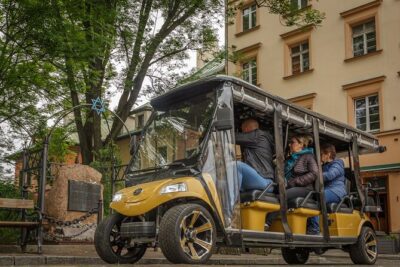
City Sightseeing Tour Eco Electric Buggy Golf Cart
Read our review →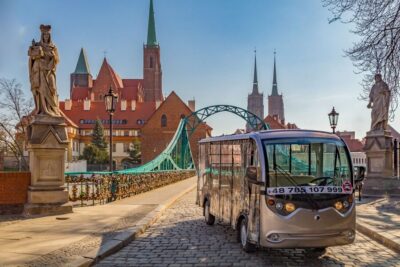
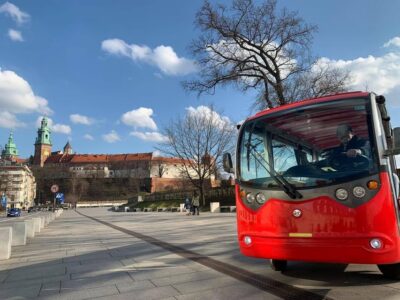
Extended City Sightseeing Tour – Eco Buggy Golf Cart
Read our review →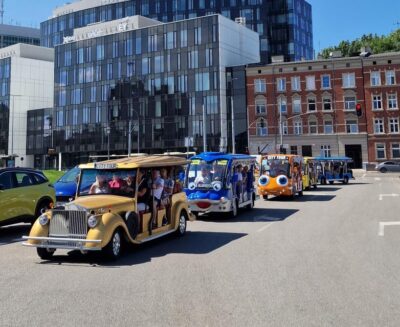
Shared or Private City Tour Sightseeing by Golf Cart
Read our review →
City Tour Live Guided by Golf Cart/Buggy Sightseeing
Read our review →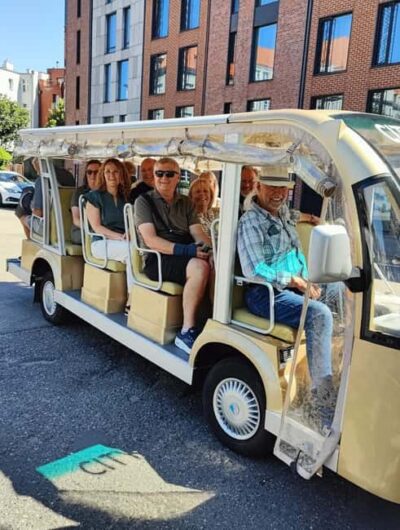
Shared/Private Golf Cart City Tour with Local Guide
Read our review →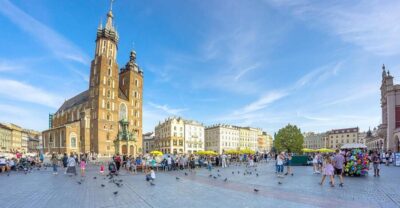
Browse the lists this tour appears in