

Reviewed · GOLF CART & MELEX TOURS
Gdansk: City Tour Live Guided by Golf Cart/Buggy Sightseeing
Gdansk clicks into place fast on wheels. This 1 to 2 hour golf cart tour is a practical way to see the biggest sights with a live multilingual guide, and it focuses on the stories behind the brick, cranes, and monuments. I like that it hits major landmarks like the red-brick St. Mary’s Church and the medieval harbor area without turning your day into a long slog of walking.
What I especially like is the way the guide keeps the city moving from medieval trade to 20th-century history, including the place where the fall of the socialist camp began and the European Solidarity thread. One thing to watch: it is rain or shine, and in colder months some buggies may feel chilly if heating does not work well.
In This Review
- Quick hits before you ride
- Riding in a golf cart, the smart way to get oriented
- Price and timing: why $8 can still feel like good value
- Where the tour starts and how pickup works in the city center
- Long Market and the Golden Gate: medieval Gdansk in minutes
- St. Mary’s Church: the red-brick highlight you will remember
- Motława river port views and the Great Harbor Crane
- The Museum of Second World War: what a quick stop can do
- Shipyard and the working-city side of Gdansk
- European Solidarity Centre and the start of the fall of the socialist camp
- St. Bridget’s Church and quick faith stops with real context
- Amber Museum and the Gdańsk Carousel: lighter stops with local flavor
- Hala Targowa and the Polish Post office defenders: where daily life meets memory
- Neptune’s Fountain and your next move after the ride
- The guides: the main reason this tour scores 4.9
- Small practical tips so your cart ride feels comfortable
- Should you book this Gdańsk golf cart tour?
- FAQ
- FAQ
- How long is the Gdansk city tour?
- Where do I meet the guide?
- Is pickup available from my hotel?
- What languages are the live guides available in?
- Does the tour run in bad weather?
- Is it wheelchair accessible?
Quick hits before you ride
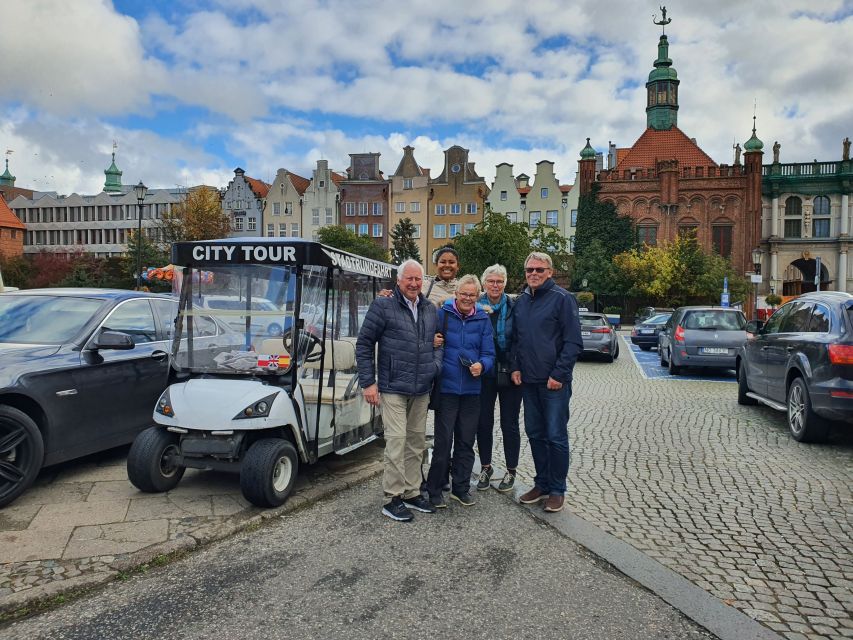
- A bargain starter, priced around $8, built for your first day in Gdansk
- Live Q and A, not pre-recorded audio, with guides in English and several other languages
- St. Mary’s Church (red bricks), plus medieval gates and views along the Motława river port area
- Great Harbor Crane viewing, with maritime history stops mixed into the route
- Solidarity-era history, including the shift that helped spark the end of the socialist camp
- Many sites in short pauses, so you can return later if you want to spend more time in any one place
Riding in a golf cart, the smart way to get oriented
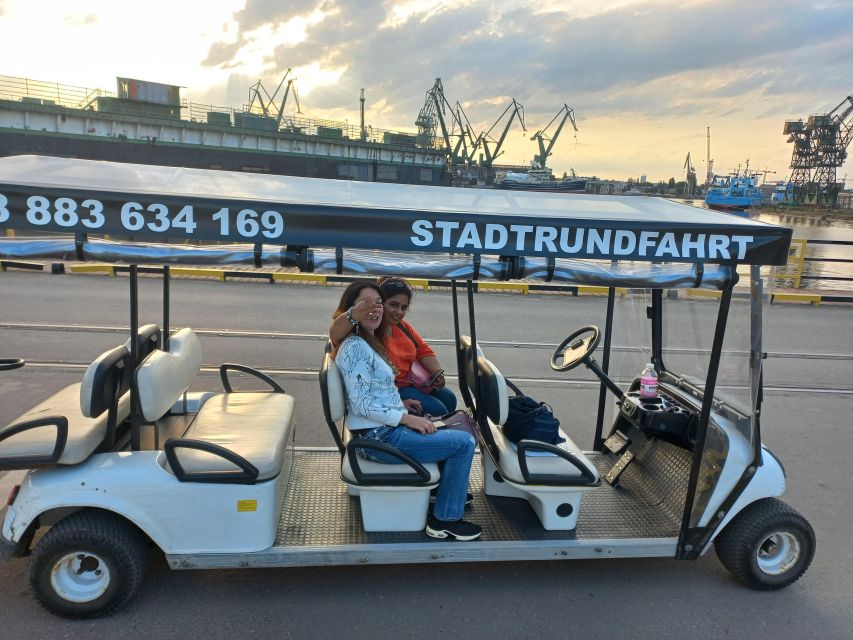
I love tours that act like a map you can ride. This one does that well. You start near the center, and you cover a broad slice of Gdansk without wearing yourself out before you even know where everything is.
The format also helps: you get guided stops where the guide explains what you are seeing, then you roll on to the next place. That matters because Gdansk can feel layered. You have medieval structures beside 19th-century and 20th-century memories, and the city’s shoreline and river geography shape a lot of the story. From the cart, you catch that “why here” feeling quickly.
Small group size is another plus. Several reviews point out that when the group is tiny, the pace can loosen, so your 1 to 2 hours can stretch. One guest even had the tour expand from the planned time to about 3 hours, mostly because conversation and questions kept adding value.
More Golf Cart Tours in Gdansk
- Gdansk: Shared or Private City Tour Sightseeing by Golf Cart
★ 4.9 · 754 reviews - Gdansk: Shared/Private Golf Cart City Tour with Local Guide
★ 4.9 · 604 reviews - Gdansk: NO LIMIT BEER City Tour by Golf Cart Private/Shared
★ 5.0 · 352 reviews
Price and timing: why $8 can still feel like good value
Let’s be blunt. $8 is not just cheap, it is a sign this tour is designed as a first-day orientation hit. You are paying for guided context across multiple neighborhoods, plus convenient transport that reduces walking.
Timing is listed as 1 to 2 hours. In reality, the ride time can drift depending on how many questions you ask and how the day moves. Reviews include examples of the tour going longer, sometimes around 2.5 to 3 hours. That is a good sign for value, because you are not stuck in a rushed “look and go” script.
You also get skip-the-ticket-line included. That can matter if you decide later that you want to revisit a site for deeper time. Even if a stop is more of a viewpoint or quick explanation, the line-skipping benefit reduces friction for any ticketed moments built into the route.
Where the tour starts and how pickup works in the city center
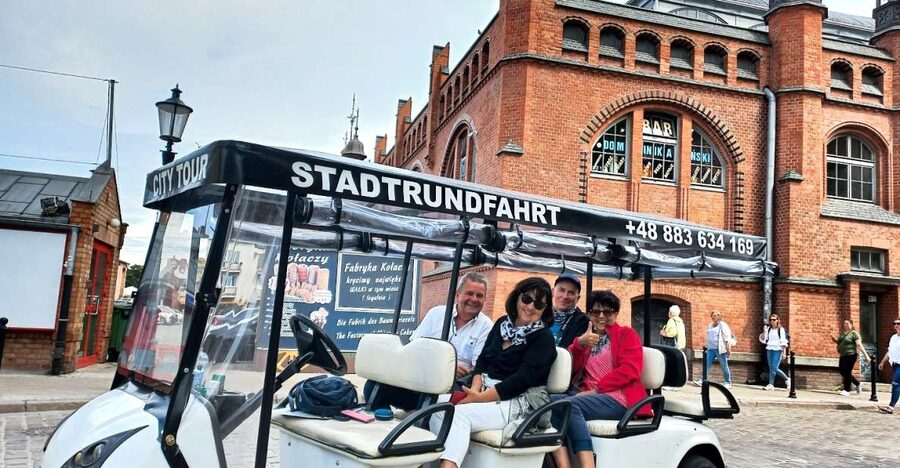
Your meeting point is very close to Gdańsk Neptune’s Fountain on Long Market (Długi Targ). If you need a landmark, the Red Dog Saloon Bar is nearby.
Pickup is optional for hotels in the historical city center within 2 kilometers of Neptune’s Fountain. The rule is simple: wait at your pickup location 10 minutes before the scheduled start. If you are staying farther out, plan on meeting near Long Market so you do not lose time.
Drop-off includes Neptune’s Fountain and also Ławnicza 2. This is handy because it puts you back in the busiest central zone right after the ride, so you can keep exploring without a second round of logistics.
Long Market and the Golden Gate: medieval Gdansk in minutes
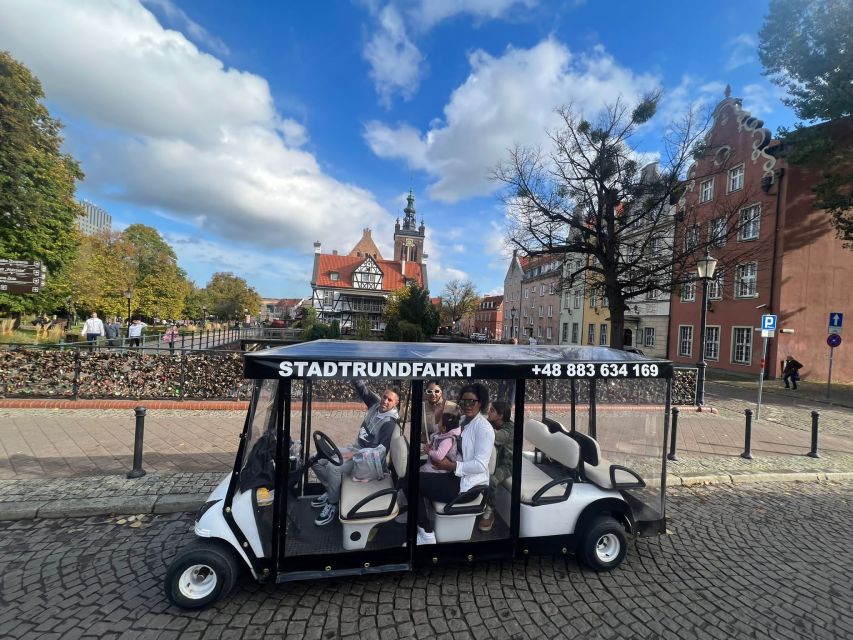
The tour’s first real stops are right where you want them: the historic core. Long Market is the main stage, the place where you can feel the old city’s commercial heartbeat in one block. In a short stop, the guide sets context so you are not just reading buildings like postcards.
Next comes the Golden Gate (Złota Brama). It is one of those spots that can look ornamental until you remember it was a real boundary and a statement. On the cart, you get the overview fast, and then you can choose if you want to return later for close-up photos or a closer look at details.
A key benefit here: you get these stops early enough to shape how you see the rest of the route. After Long Market and the Golden Gate, St. Mary’s Church and the harbor area stop being isolated landmarks. They start feeling like parts of one story arc.
More melex loops around the old town:

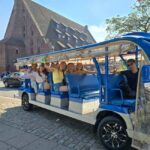

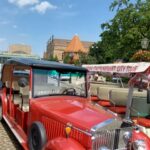
St. Mary’s Church: the red-brick highlight you will remember
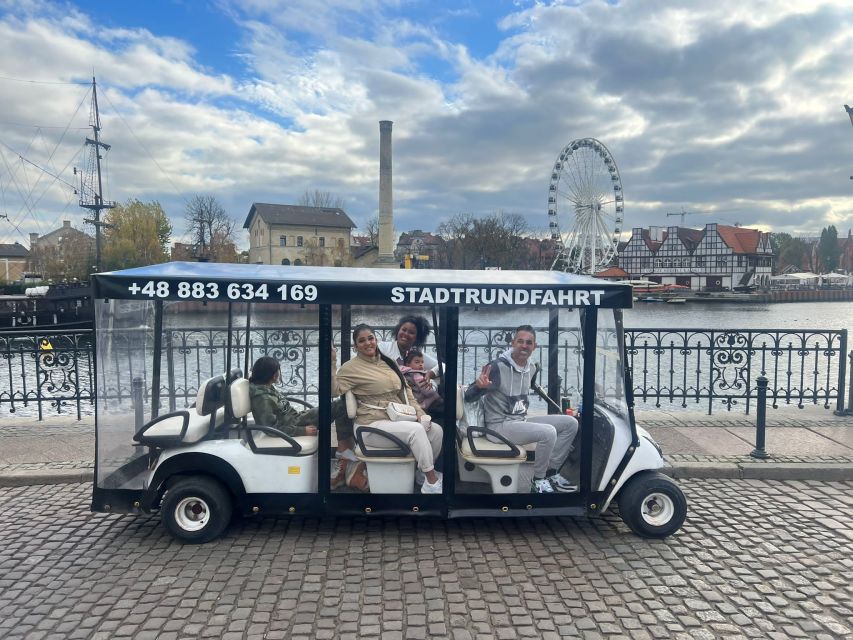
If you do just one thing with this tour, make it the St. Mary’s stop. Basilic of St Mary is famous for being the largest church in the world built in red bricks. That is not just a fun fact, it changes how you read the skyline.
The cart keeps you from getting stuck in long walking routes, while the guide points out what makes the architecture and setting meaningful. Even with a short stop, you can orient your photos: look for angles where the church’s mass and red brick pattern dominate the view.
One practical tip: wear layers. Church exteriors and river-facing squares can be windy, and you may be out for a few minutes even if the schedule is fast.
Motława river port views and the Great Harbor Crane
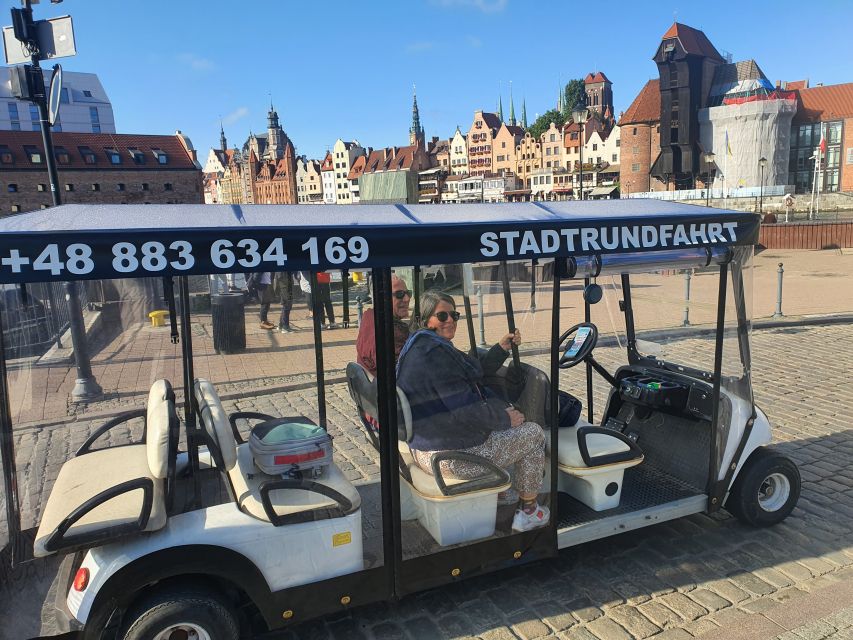
Gdansk’s port story is central, and the route brings you into that atmosphere. One of the stated highlights is the view of the historical port along the Motława river. Even if you have only a short look, the river position helps explain why Gdansk became such an important trade and shipbuilding center.
Then you get to one of the most memorable maritime sights: the Great Harbor Crane, part of the Crane National Maritime Museum. This is exactly the kind of stop that rewards a guide. A crane is just a crane until you understand what it meant for loading, commerce, and the rhythm of harbor work.
You do not need museum-depth knowledge to enjoy it. What you need is a mental picture, and the guide does that by connecting the crane to the bigger harbor narrative.
The Museum of Second World War: what a quick stop can do
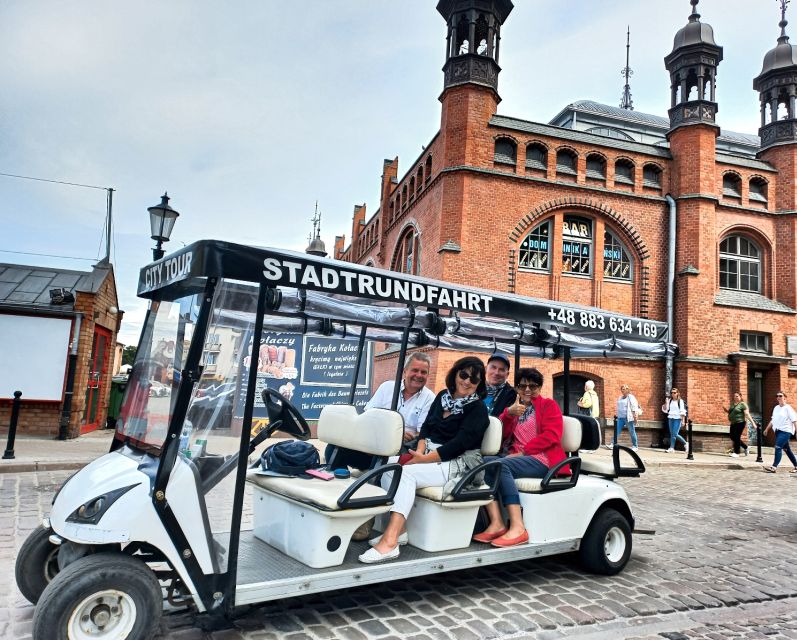
The Museum of Second World War stop is brief, but it can still set your footing for the rest of the day. With a guided approach, you are less likely to treat the area as a checklist item and more likely to connect it with the later Solidarity history.
Even if you do not go inside during this ride, you leave with a better frame. That matters because Gdansk’s 20th-century events are not abstract. They sit in the same city blocks you are visiting for medieval sights and shipyard stories.
Shipyard and the working-city side of Gdansk
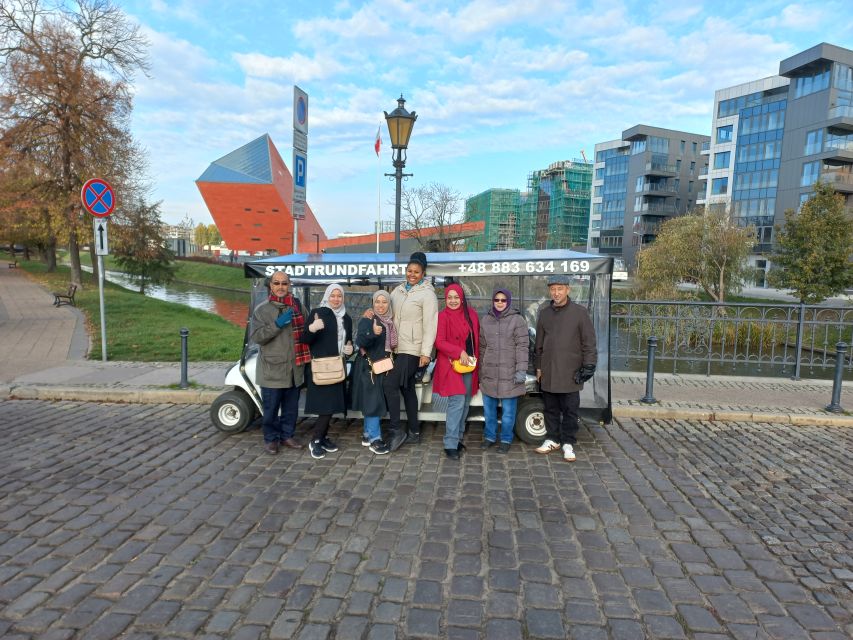
Next up is the Gdańsk Shipyard. This is where the city moves from monuments into labor and industry. In many cities, the “big history” is locked in museums. In Gdansk, you can feel it in the way the waterfront and shipyard culture shaped identity.
On this cart route, the shipyard stop works as a bridge. It connects why Gdansk mattered, not just what happened there. If you already know a little Polish history, the shipyard makes that history feel physical.
If you do not know much yet, do not worry. The guide’s job here is to connect dots, and the route is built to do that quickly.
European Solidarity Centre and the start of the fall of the socialist camp
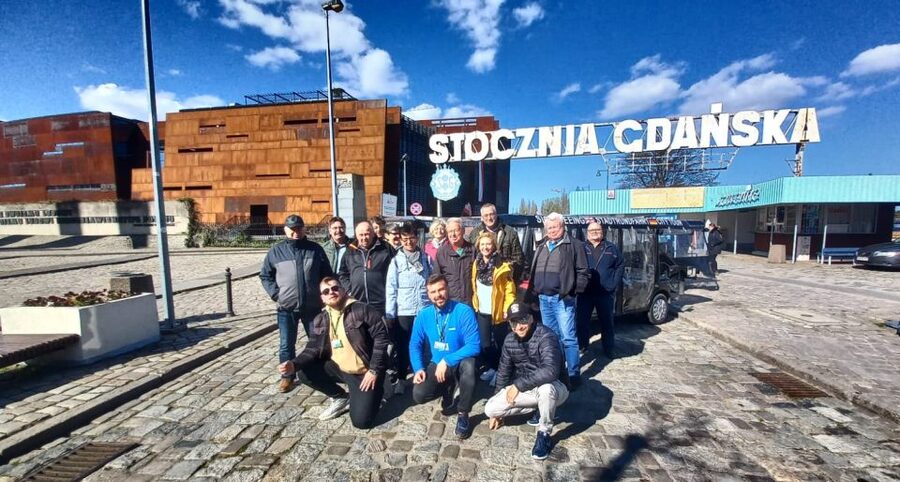
This is one of the emotional centers of the tour. The route includes the European Solidarity Centre, plus the topic of the place where the fall of the socialist camp began. That is not a small claim, so it is worth seeing even if you have only a short guided moment.
A strong guide helps you understand why Solidarity mattered beyond slogans. You get context that ties the city’s identity to labor movements and political change. This makes the rest of the route feel less like random stops and more like a timeline you can see.
The stop sequence is also smart. You go from harbor and shipyard into Solidarity. That keeps the story grounded in what people did and built, not only what leaders said.
St. Bridget’s Church and quick faith stops with real context
St. Bridget’s Church appears later in the ride. This is a good placement because by the time you reach it, you can compare faith architecture across eras. Early on you focus on major red-brick church scale. Later you see another layer of the city’s spiritual and historical fabric.
The stops are not meant to be exhaustive. Instead, they give you names and context so you can choose what to revisit later if something sparks your curiosity.
Amber Museum and the Gdańsk Carousel: lighter stops with local flavor
Not every minute has to be heavy history. The route includes the Amber Museum and the Gdańsk Carousel.
The amber stop adds a local-material story. Amber is strongly associated with the region, and having it on the tour helps you understand that Gdansk was not only a political battleground or industrial powerhouse. It was also connected to trade goods and craftsmanship.
The carousel is short, but it gives you a visual break. It also helps you remember the city is lived-in, not just memorialized.
Hala Targowa and the Polish Post office defenders: where daily life meets memory
Two of the sharper stops come late in the route: Hala Targowa Kupców Dominikańskich and the Defenders of the Polish Post office.
The market hall stop helps you see everyday Gdansk rhythm. Markets are a good reality check. They show how people keep moving through history rather than freezing it behind glass.
Then you hit the Defenders of the Polish Post office memorial. This is where the tour’s emotional tone can shift, because the story is tied to conflict and courage. Even with a short guided pause, the guide’s explanation can help you understand what the site represents in the broader 20th-century narrative.
Neptune’s Fountain and your next move after the ride
You end at Neptune’s Fountain (and also near Ławnicza 2). This is a good finish point because it is central, easy to orient from, and full of options for your next hours.
My advice: treat the ride as a decision tool. After you see what the guide highlights, you can choose where you want to spend your own time. If you love churches, you can return to St. Mary’s area for a slower look. If maritime history hooks you, plan museum time near the harbor zone. If Solidarity history is what grabbed you, you can build the rest of your day around that theme.
The guides: the main reason this tour scores 4.9
The tour provider lists live guidance in English, Polish, Ukrainian, Spanish, and German. That helps a lot in a city where historical nuance can get lost if you only get partial translations.
Names that come up repeatedly in feedback include Michael and Alexander, plus Maciej, Noris, Maryana, and Alex. The common thread is energy plus specific local stories. Multiple reviews mention guides bringing personal memories and anecdotes, and some mention phone-based comparisons before and after major wartime damage. That kind of contrast makes the scale of change easier to grasp.
If you want a tour that feels human instead of scripted, this is where the value is. A lot of guests describe the guides as warm, patient, and willing to answer questions rather than rushing them off.
Small practical tips so your cart ride feels comfortable
This tour runs rain or shine, so plan accordingly. In colder seasons, bring a windproof layer. One review noted the heating failed on a buggy, so do not assume warmth is guaranteed. Also pack gloves or at least something for cold fingers if you plan to keep your phone out for photos.
Because the tour is built around quick stops, wear shoes that handle uneven historic streets and cobbles. You will not do a marathon of walking, but you will still step off and on at places along the route.
Finally, if you care about a specific theme, tell the guide early. The route can be flexible, and live guidance makes it easier to focus on what you actually want.
Should you book this Gdańsk golf cart tour?
Book it if it is your first time in Gdańsk and you want to get oriented fast without burning energy. It is also a great pick if you want a guided overview that connects medieval trade, harbor industry, and 20th-century history, including Solidarity-era turning points.
I would also book it if you like your history with human stories. The guide-led approach is repeatedly praised, and the route hits high-impact sites: St. Mary’s Church, the Great Harbor Crane, the European Solidarity Centre, and the Defenders of the Polish Post office.
Skip it only if you want long museum time at every stop. This is a moving overview. You will see a lot, but not every site becomes a deep, slow visit during the ride.
FAQ
FAQ
How long is the Gdansk city tour?
The duration is 1 to 2 hours, depending on the starting time and how the tour runs.
Where do I meet the guide?
Meet close to Gdańsk Neptune’s Fountain on Long Market (Długi Targ). A nearby reference point is the Red Dog Saloon Bar.
Is pickup available from my hotel?
Yes, pickup is optional from hotels in Gdansk city center within 2 kilometers of Neptune’s Fountain. Wait at your pickup location 10 minutes before the tour start.
What languages are the live guides available in?
Live guides are available in English, Polish, Ukrainian, Spanish, and German.
Does the tour run in bad weather?
The tour takes place rain or shine. Dress for the weather.
Is it wheelchair accessible?
Yes, the tour is wheelchair accessible, and there is a small group option.
If you want, tell me your travel month and interests (churches, WWII history, Solidarity, or harbor/shipyard). I can help you decide whether this should be your first-day plan or saved for later.
Freshly posted from Gdansk
- Private Walking Tour of Old Gdańsk with an architect-guide★ 5.0 · 7 reviews
- GDANSK City Tour by Golf Cart Live Guide & Sightseeing 90min★ 4.7 · 7 reviews
- Stutthof Concentration Camp private tour★ 5.0 · 7 reviews
- Private Roundtrip Transfer to Stutthof Concentration Camp 4h★ 5.0 · 7 reviews
- Gdansk: Polish Craft Beer Tasting Session★ 4.5 · 7 reviews
- Gdansk, Sopot & Gdynia – Private 3 City Tour★ 5.0 · 7 reviews
- Gdansk: PRIVATE Alcotour City Tour Sightseeing Golf Cart★ 5.0 · 7 reviews
Golf Cart & Melex Tours, compared.
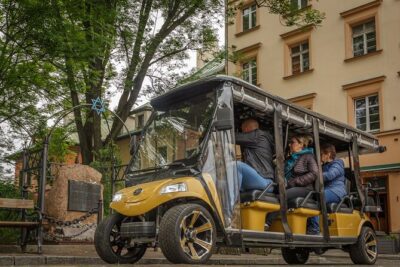
City Sightseeing Tour Eco Electric Buggy Golf Cart
Read our review →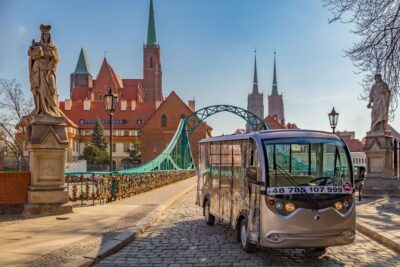
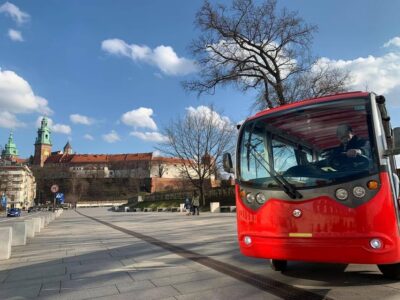
Extended City Sightseeing Tour – Eco Buggy Golf Cart
Read our review →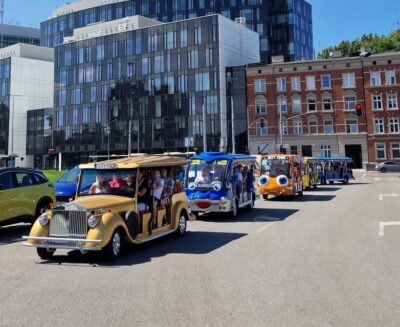
Shared or Private City Tour Sightseeing by Golf Cart
Read our review →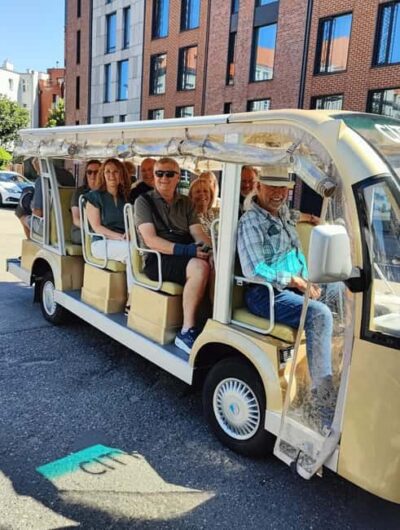
Shared/Private Golf Cart City Tour with Local Guide
Read our review →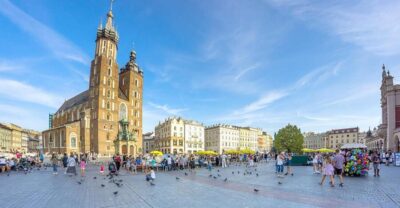
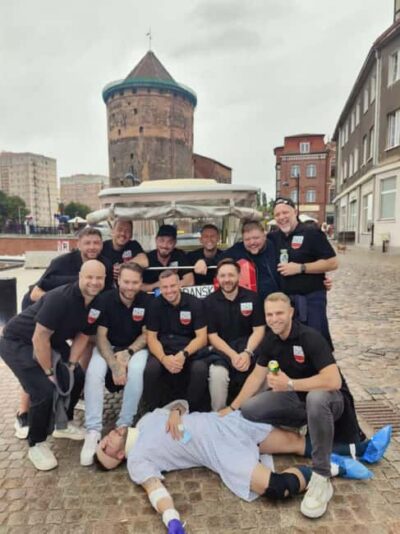
NO LIMIT BEER City Tour by Golf Cart Private/Shared
Read our review →Browse the lists this tour appears in