
Reviewed · JEWISH HISTORY & HERITAGE TOURS
Criminal Kazimierz: In the Footsteps of the Krakow’s Vampire
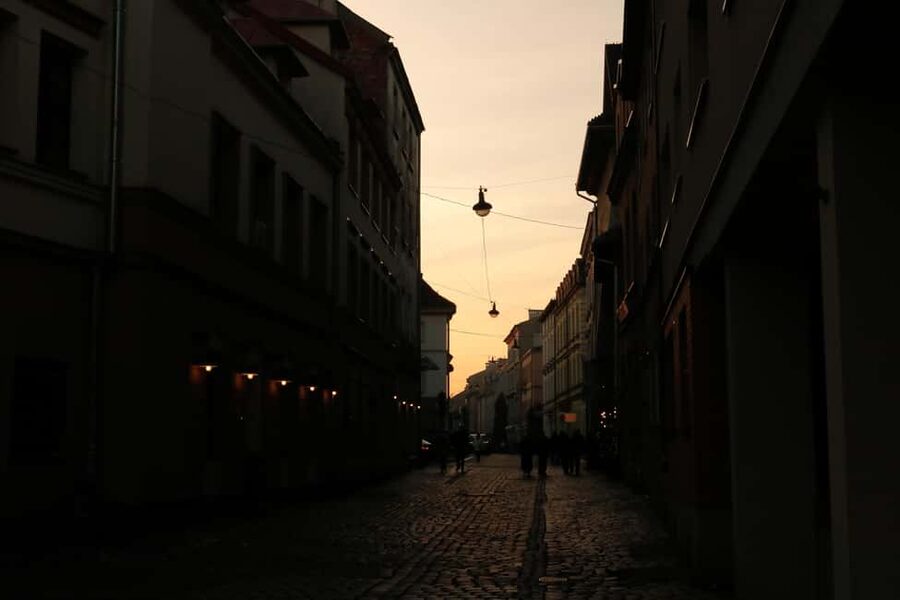
Serial killers look different in real streets. This 90-minute walk through Kazimierz tracks Karol Kot, the Vampire of Kraków, using the neighborhood itself as your map.
I love how the story stays grounded in actual locations, not just spooky storytelling. You’ll get a clear sense of where events happened and why the district felt so tense in the post-war years.
I also like the way the guide keeps things organized and easy to follow, even when the subject matter turns dark. The tour is led by a professional, English-speaking guide, and the tone is careful and direct.
A key consideration: this is not for kids or anyone who gets rattled easily, and it can be emotionally heavy.
If you want a grim walk that feels specific and real, this is it. If you want light sightseeing, you should skip it.
In This Review
- Key things I’d pencil in before you go
- Kazimierz at street level, where the story sticks
- Finding the tour: 24 Szeroka Street and what you should expect first
- The early horror: poisoned beer bottles and the psychology angle
- Youth paramilitary discipline, the skilled marksman, and the double life
- First serious attack: the community shock and the missing robbery motive
- The first fatal stabbing: fear rituals like pots on heads
- Violence escalates: from targeting a child to a near killing
- How the investigation worked: school inspections, interrogations, and testimony
- The breakthrough: a student report, forensics, and victim identifications
- Kot’s home and final fate, plus the Nowy Square reflection
- Price and value: is $35 worth it for 90 minutes?
- What to bring, what to avoid, and how to stay comfortable
- Who should book this tour, and who should skip it
- Should you book Criminal Kazimierz?
- FAQ
- How long is the Criminal Kazimierz tour?
- Where is the meeting point for the tour?
- What language is the guide?
- How much does the tour cost?
- What should I bring with me?
- Is the tour suitable for children or people with health concerns?
- Are food and drinks included?
- Is cancellation free?
Key things I’d pencil in before you go
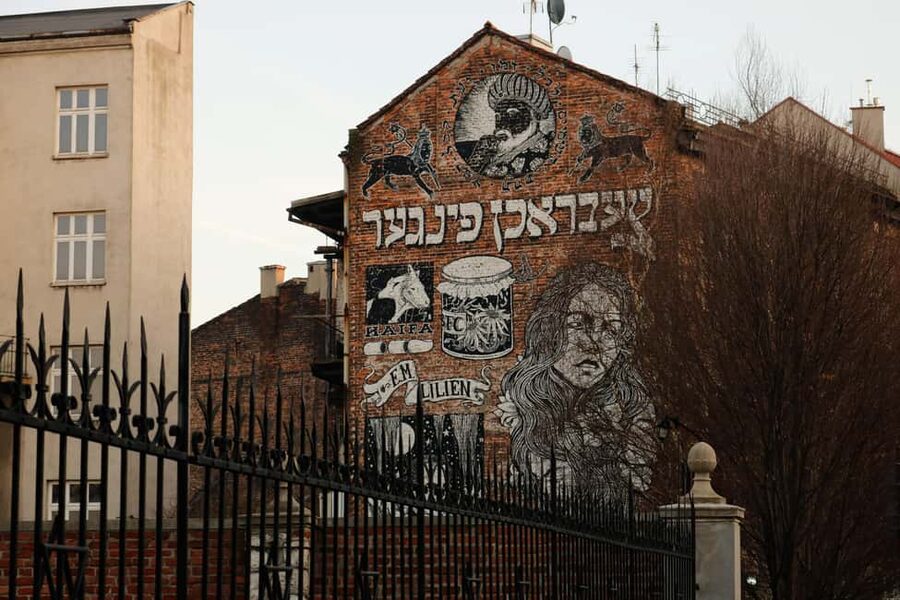
- Kazimierz streets as a living timeline of 20th-century Kraków
- Karol Kot, the Vampire of Kraków, told step-by-step with key sites
- Crime details tied to places like Nowy Square and the areas tied to early attacks
- A professional English guide who explains clearly and stays on track
- Easy walking for most people, around 90 minutes total
- A dark, unsettling theme that is not recommended for children or sensitive viewers
Kazimierz at street level, where the story sticks
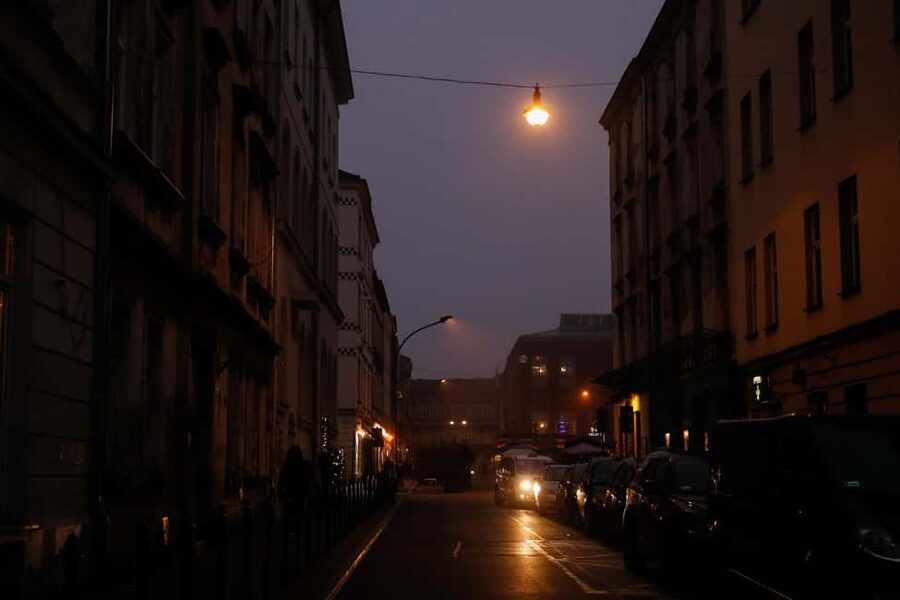
Kazimierz is the part of Kraków where you feel how old cities change. You can see layers in the streets and buildings, and that matters here, because this walk is built around one man and the way his crimes spread fear. You are not asked to imagine everything from scratch. The neighborhood does the heavy lifting.
I like that the tour frames events in context first. Post-war Kraków is described as socially complicated, with buildings and neighborhoods showing strain. That backdrop helps you understand why these crimes landed so hard with the public. The story is not just about violence, it is about how a city reacts when someone seems to slip between rules.
And yes, the atmosphere is dark on purpose. This is a walking tour that leans into a thriller mood, but it still aims for history that makes sense. If you prefer your true-crime with locations, not just narration, you’ll enjoy how the walk is paced.
Further Jewish history and heritage itineraries:
- Krakow: Schindler’s Factory & Ghetto Guided Tour
★ 4.7 · 1,694 reviews - Krakow: Jewish Quarter and Former Ghetto Tour
★ 4.9 · 1,441 reviews - Krakow: Bike Tour of Old Town, Jewish Quarter and the Ghetto
★ 4.9 · 1,155 reviews
Finding the tour: 24 Szeroka Street and what you should expect first
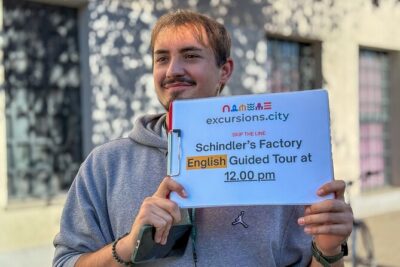
You meet at 24 Szeroka Street, in front of the Old Synagogue, with a sign for excursions.city. This is a practical setup. You can get oriented fast because you are starting in the heart of Kazimierz, not out on the edge of town.
At the start, your guide sets the stage. You’ll hear about the district’s turbulent 20th-century history and the background of Karol Kot. The goal is to give you a foundation before the tour turns into a crime timeline. That makes later stops easier to absorb, because you already know what you are looking at and why it matters.
The walking tempo is described as easy, suitable for all fitness levels. That does not mean it is a bench tour. You’ll still be on your feet through a dense part of Kazimierz, so comfortable shoes matter.
Tip: if you are a fast walker, go slower than your normal pace. The stops are part of the storytelling, and you’ll get more out of it if you pause when the guide asks you to look.
The early horror: poisoned beer bottles and the psychology angle
The tour’s first major theme is Kot’s early fascination with death. You’ll hear about arsenic-laced beer bottles left in plain sight. The detail here is important. It shows how he didn’t rely only on sudden violence. He also worked with fear, spectacle, and the idea that harm could appear casually.
You’ll connect this to the broader communist-era reality in Kraków, including grim references to slaughterhouses. The point is not shock for shock’s sake. The guide uses these threads to explain how Kot built a mindset around harm and obsession.
What I like is that you get the psychology angle, not just the checklist of crimes. When the guide talks about self-harm and slaughterhouse imagery, it helps explain how his violence fit together over time. If you enjoy understanding motives and patterns, this part will feel especially clear.
Possible downside: if you find poison or the concept of tampering disturbing, this is where the tour gets heavy early. You can’t really skim it because the story is structured in an order meant to show escalation.
Youth paramilitary discipline, the skilled marksman, and the double life
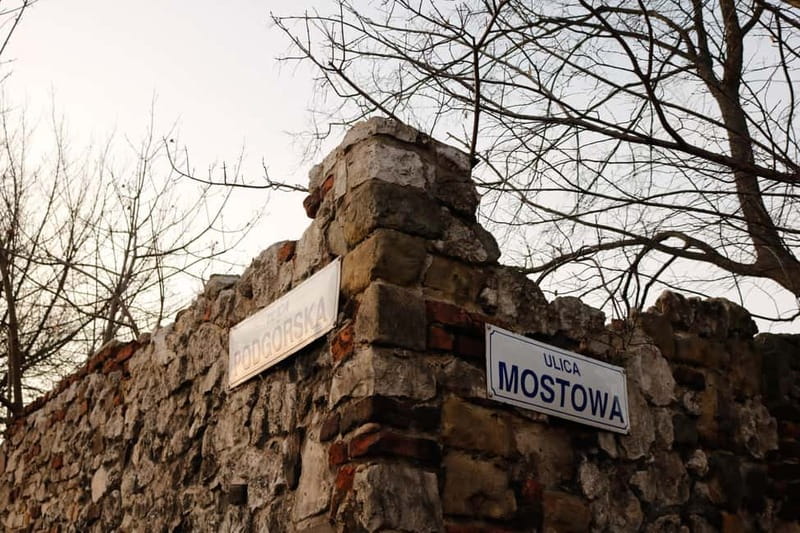
Next comes Kot’s double life. You learn about his connection to a youth paramilitary organization and his skills as a shooter. On the surface, that sounds disciplined. In the tour, that contrast is the point.
The narrative shows how precision and control can exist alongside cruelty. You’ll hear how his obsession with knives and violence grew behind a façade of discipline. That is one of the most unsettling messages of the walk, because it makes you think about how people can look orderly while hiding something far darker.
This section also helps you see why the investigation could be difficult early on. A person who fits a confident stereotype is not always easy to detect as a threat. The story builds to that, rather than jumping straight to the worst scenes.
If you like true-crime explanations that focus on behavior patterns, this is one of the strongest sections.
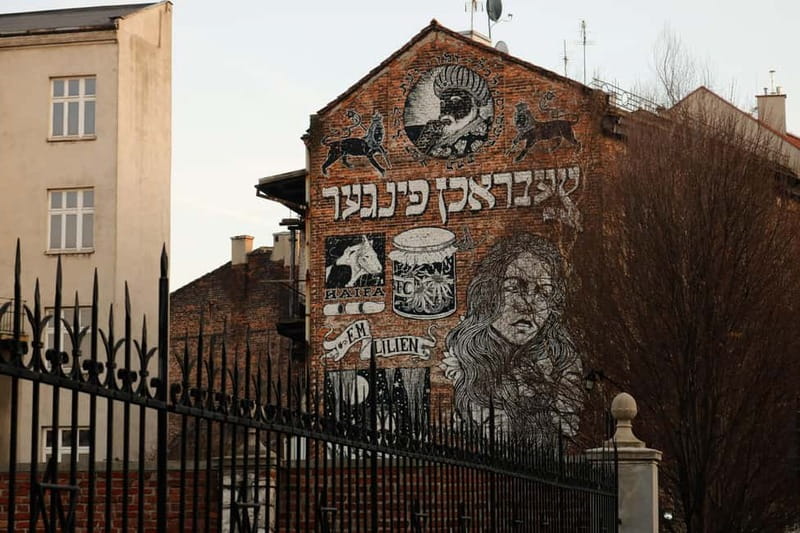
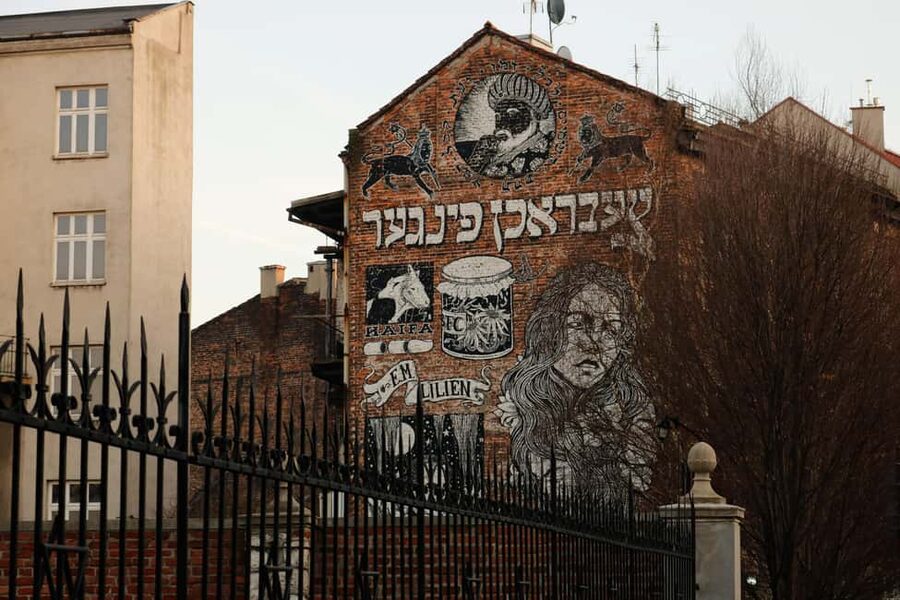
Still tacked up around Krakow


First serious attack: the community shock and the missing robbery motive
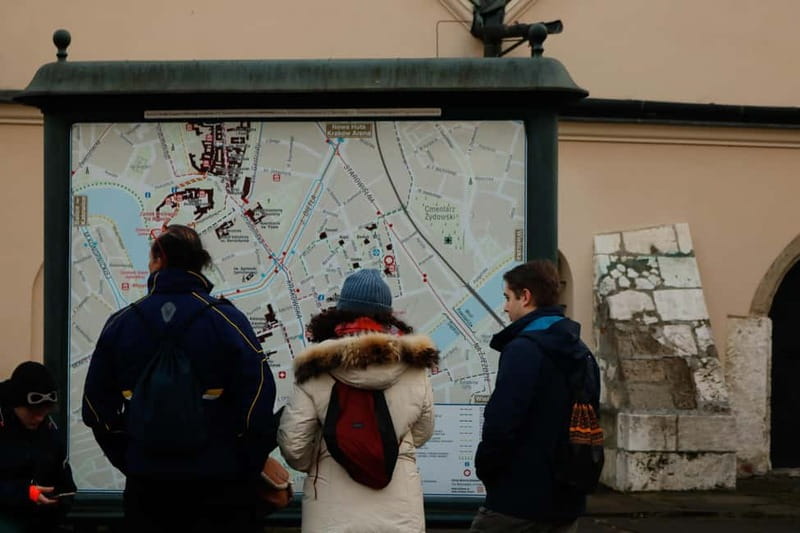
You’ll then stand where Kot’s early knife attack shocked the community. This is not a random stop. It is used to show how locals reacted before the police had the full picture.
A key detail you’ll take away is the lack of a robbery motive. The tour points out that this absence hinted that something far darker was at work. That kind of reasoning matters, because it explains why crimes like these don’t always follow a simple script.
From a practical standpoint, this stop is also where you start thinking differently while walking. You begin to see streets as evidence markers in a timeline. You are not just watching the city. You are mentally placing events inside it.
It can feel strange. That’s normal. If you are doing this expecting pure sightseeing, you might struggle.
The first fatal stabbing: fear rituals like pots on heads
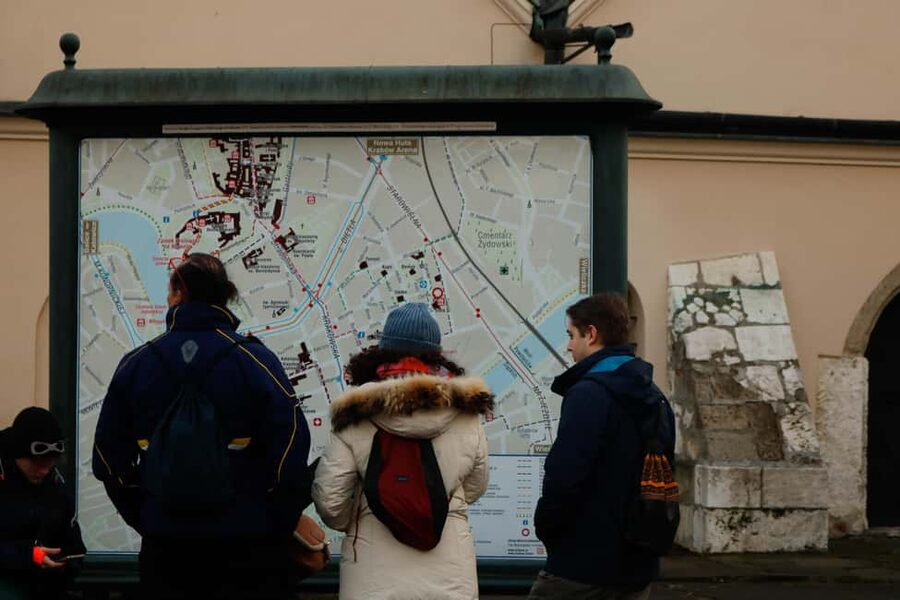
After the early escalation, the walk reaches a site near where Kot committed his first fatal stabbing. Here the story includes a chilling detail: elderly residents began wearing pots on their heads in fear.
That kind of detail sticks because it shows the social ripple effect of crime. People adapt. They create small protective habits when they feel helpless. This isn’t only about the killer’s actions. It is about how fear reshapes daily life.
You’ll also notice how the guide keeps the timeline readable. The stops are arranged so you can track progression without getting lost. That matters because you are dealing with a lot of emotionally heavy content.
Violence escalates: from targeting a child to a near killing
The tour then moves into the moment Kot crosses a line. You’ll hear about murdering a child, followed by nearly killing another just weeks later. The description emphasizes the calmness with which he operated.
This is the section that most strongly communicates the term serial killer in real human terms. It stops being abstract. The story shows speed, pattern, and persistence, not random violence.
If you are sensitive to content involving children, you should think hard before booking. The tour is explicitly not recommended for children, and it is built around these events.
How the investigation worked: school inspections, interrogations, and testimony
Once the narrative hits the police investigation phase, the tone shifts into procedures. You’ll hear about a city-wide manhunt that involved school inspections and student interrogations. The most chilling part is that classmates’ testimonies helped identify Kot.
This is where the tour becomes more than just a horror story. It shows how investigations unfold in real life, especially when information comes from ordinary people. The tour uses these details to show how fear can coexist with methodical work.
I like this part because it keeps you from drowning in gore. The focus becomes the logic of detection: who noticed what, who said what, and what the police could connect.
The breakthrough: a student report, forensics, and victim identifications
Then you get the breakthrough. A brave student reported Kot’s threats, leading to his arrest. You’ll also hear about forensic evidence tying him to the crimes and the crucial victim identifications.
This stop helps explain why some cases move forward when one person speaks up. Even though the tour is dark, this section has a practical message about action and testimony.
It also helps you understand the structure of the case. The investigation is not portrayed as magic. It is portrayed as small steps that add up. That makes the story more believable and easier to hold in your head.
Kot’s home and final fate, plus the Nowy Square reflection
The tour ends outside Kot’s former residence. From there, you’ll hear about his trial and execution. You’ll also hear about a psychological profile described as remorseless, and you’ll get mentions of later residents telling strange tales about the apartment.
The final part matters, because it pulls you out of the past just enough to notice what remains. The tour includes a reflective stop at Nowy Square, where you consider the lasting impact of these dark chapters on the city.
This is not just about terror. It’s about memory. Kraków did not forget. You leave with a clearer sense of how places carry stories forward, even when the original events are long over.
Price and value: is $35 worth it for 90 minutes?
At $35 per person and about 90 minutes, the value depends on what you want from a guide. This tour includes a professional guide, and it is built around structured storytelling tied to real stops in Kazimierz.
If you are the type who likes your historical walk to have a clear narrative arc and specific locations, this price makes sense. You are paying for organization, context, and a live guide who can explain why each stop matters.
If you want casual sightseeing or if you dislike dark topics, it might feel like too much. In that case, even a good guide cannot change the theme. You might get more enjoyment and less emotional weight from a lighter Kazimierz walk.
The tour does not include transportation or food and drinks. That is normal for a neighborhood walk, but it means you should plan your schedule around it. If you are hungry afterward, grab a snack after the tour rather than expecting it here.
What to bring, what to avoid, and how to stay comfortable
You’ll want to come prepared for city walking. Bring comfortable shoes. Wear warm clothing, especially if you are doing this in cooler months. Bring a camera if you want photos, but avoid flash photography.
There are also clear limits: no smoking, no flash photography, and keep alcoholic drinks out of the tour setting.
And dress for weather. The tour takes place regardless of weather. That matters in Kraków. You should expect it to be a sidewalk walk, rain or shine.
Who should book this tour, and who should skip it
This experience is a good fit if you:
- Like guided walks with a clear story and specific locations
- Enjoy true crime told with context, not just shock value
- Can handle unsettling themes and want to understand fear in a real city setting
- Prefer English narration from a live guide
It is not a good fit if you:
- Need a kid-friendly outing (it is not recommended for children under 12)
- Are pregnant
- Have heart problems
- Get uneasy with dark historical material or faint-heart discomfort
If you are unsure, think of it like this: the walk is easy, but the subject matter is not.
Should you book Criminal Kazimierz?
I’d book it if you want Kazimierz to feel real, not just pretty. The best reason is the structure: you follow Karol Kot through a timeline that connects psychology, investigation, and specific places. With a friendly, well informed English guide, the story stays clear even when it is grim.
I would not book it if you need a light day, or if you are sensitive to details involving violence escalation and fear in communities. This is not the tour for that mood.
If your goal is a focused, 90-minute walk that leaves you thinking about how cities remember, it is a strong choice.
FAQ
How long is the Criminal Kazimierz tour?
The tour lasts about 90 minutes (about 1.5 to 2 hours).
Where is the meeting point for the tour?
Meet at 24 Szeroka Street, in front of the Old Synagogue. Look for a sign with excursions.city.
What language is the guide?
The live tour guide speaks English.
How much does the tour cost?
The price is $35 per person.
What should I bring with me?
Wear comfortable shoes, bring warm clothing, and bring a camera if you want photos.
Is the tour suitable for children or people with health concerns?
It is not suitable for children under 12. It is also not recommended for pregnant women or people with heart problems, and it is not recommended for those with a faint heart.
Are food and drinks included?
No. Food and drinks are not included.
Is cancellation free?
Yes. You can cancel up to 24 hours in advance for a full refund.
Freshly posted from Krakow
- Krakow: Audio-Guided City Experience by Golf Cart★ 5.0 · 1 review
- Krakow: Zakopane and Thermal Springs Tour with Hotel Pickup★ 5.0 · 1 review
- Half-day In the footsteps of John Paul II Tour from Krakow★ 5.0 · 1 review
- Tour to Wadowice: Hometown of Pope Saint John Paul II★ 5.0 · 1 review
- Krakow: Wawel & Salt Mine Experience with Lunch★ 5.0 · 1 review
- Krakow: Nowa Huta Communist District Walking Tour★ 5.0 · 1 review
- Krakow: Outdoor Paintball with Hotel Transfers★ 5.0 · 1 review
Jewish History & Heritage Tours, compared.
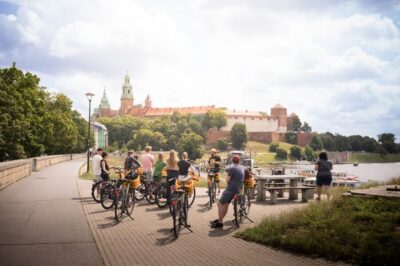
Bike Tour of Old Town, Jewish Quarter and the Ghetto
Read our review →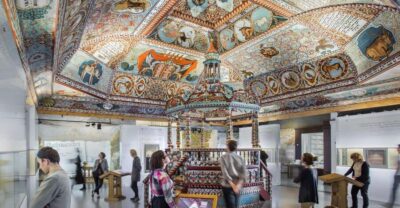
POLIN Museum of the History of Polish Jews Ticket
Read our review →
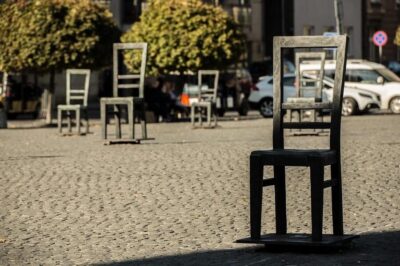
Kazimierz, Schindler’s Factory & Ghetto Guided Tour
Read our review →
Full Bike Tour – the Old Town, Jewish Qtr & the Ghetto NEW BIKES
Read our review →
Warsaw Ghetto Private Walking Tour with Hotel Pickup
Read our review →Browse the lists this tour appears in