

Reviewed · CYCLING TOURS
Wroclaw: 3-Hour Bike Tour in English or Polish
Wroclaw in three hours, without the foot fatigue. This bike tour is built for efficient sightseeing, gliding past traffic while a guide ties together baroque Old Town details and the city’s big-hitters like UNESCO-listed Centennial Hall. I love that you trade slow walking for quick, comfortable momentum, and you get a guide who brings the street names and buildings to life. One thing to consider, this is not a slow meander, so if you prefer extra time per stop or you struggle with cycling comfort, you may find the pace a bit brisk.
What makes it especially practical is the mix of classic landmarks and local-feeling stops you can actually reach in one loop. I like the hands-on approach too: you ride quality city bikes with lights and security locks, so you spend your energy seeing rather than figuring out logistics. If you’re visiting for the first time, this tour is a great way to get your bearings fast and understand why each corner of Wroclaw matters.
In This Review
- Key highlights you will feel right away
- How a 3-hour Wroclaw bike loop makes sense for first-time visitors
- Biking logistics in plain terms, from bikes to meeting time
- Old Town and the Main Square area, where baroque detail rewards your attention
- Ostrow Tumski and Cathedral Island, Wroclaw’s oldest core by bike
- Centennial Hall, the UNESCO masterpiece that makes the whole tour click
- From monuments to museums: the route through university and cultural stops
- Zwierzyniecki Bridge to the Zoo and Japanese Garden, where the city breathes
- Ending with museum-grade sights and market history, without burning your day
- Price and value: is $80 for three hours a good deal?
- Who should book this bike tour, and who might not
- Quick planning tips before you roll out
- Should you book this Wroclaw 3-hour bike tour?
- FAQ
- How long is the Wroclaw bike tour?
- How much does the tour cost?
- What languages are available for the tour?
- When should I arrive at the meeting point?
- What should I bring with me?
- Is the tour suitable for pregnant women?
- Are alcohol or drugs allowed during the tour?
- Can I cancel and get a full refund?
Key highlights you will feel right away
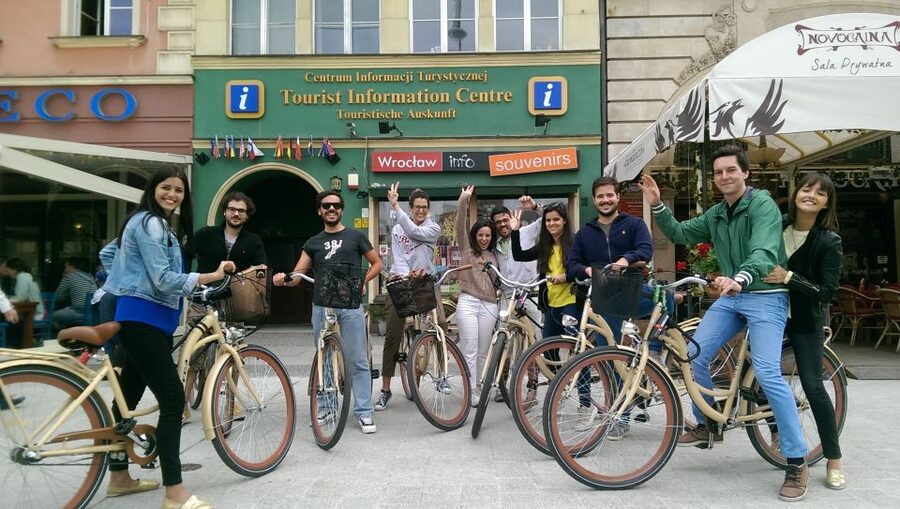
- Old Town baroque views on wheels, including rebuilt scenes after World War II and a promenade-style feel
- Cathedral Island (Ostrow Tumski), the oldest part of the city, experienced without packing heavy walking days
- Centennial Hall as your UNESCO anchor, a major architectural stop within the short time frame
- A wide landmark sweep, from Jatki and the Market Hall to Szczytnicki Park and the National Museum
- Story-driven guiding, with strong feedback for guides such as Artur, Anthony, Hubert, and Martin who connect details to history
How a 3-hour Wroclaw bike loop makes sense for first-time visitors
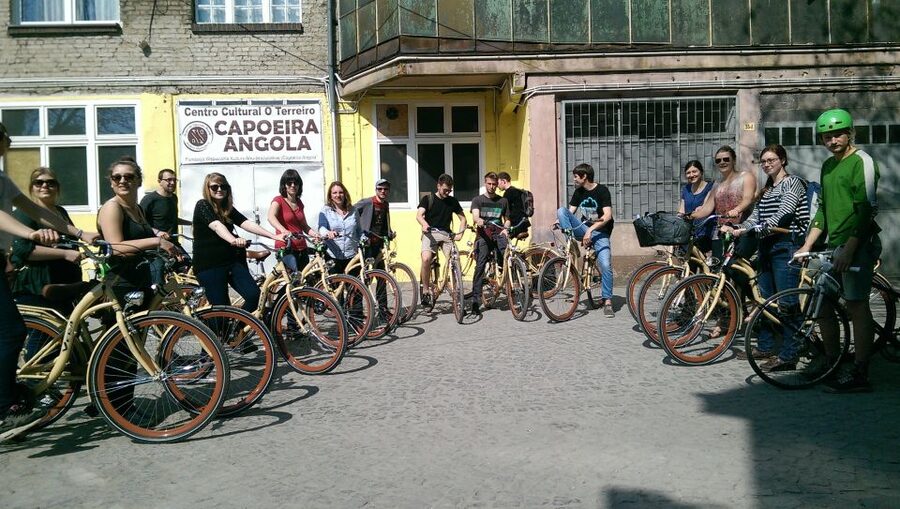
A three-hour format sounds short until you realize Wroclaw is full of “small but meaningful” sights. On foot, you can spend your best energy just crossing between neighborhoods. By bike, you keep your day moving, so you can fit in highlights like the Main Square area and Cathedral Island without sacrificing the rest of your trip planning.
I like that the tour is designed around giving you a real break from your feet. Instead of choosing between walking too much or missing key sights, you get a guided route where the travel time is done for you. The result is a tour that feels like a strong overview, not a rushed checklist.
There’s also a simple sanity factor. You avoid traffic jams, you follow a guide’s rhythm, and you can focus on what you see instead of constantly stopping to read maps. If you’ve ever arrived in a new city and spent the first day “trying to understand the layout,” this format does that work for you.
More Bike Tours in Wroclaw
- Wrocław Bike Rental
★ 4.6 · 13 reviews - Wroclaw: 3-Hour Bike Tour in English
★ 5.0 · 8 reviews - Bike Tour of Wroclaw Old Town, Top Attractions and Nature
★ 5.0 · 5 reviews
Biking logistics in plain terms, from bikes to meeting time
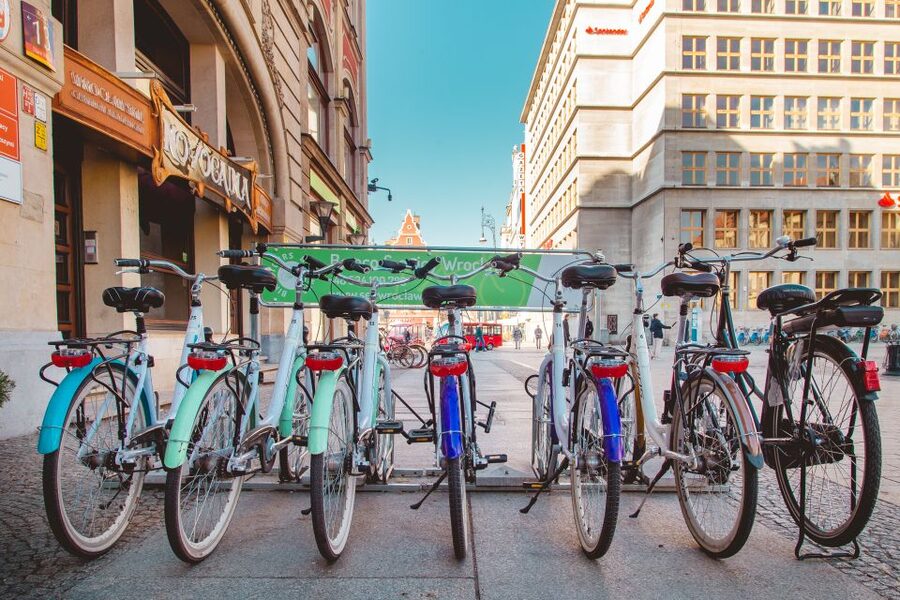
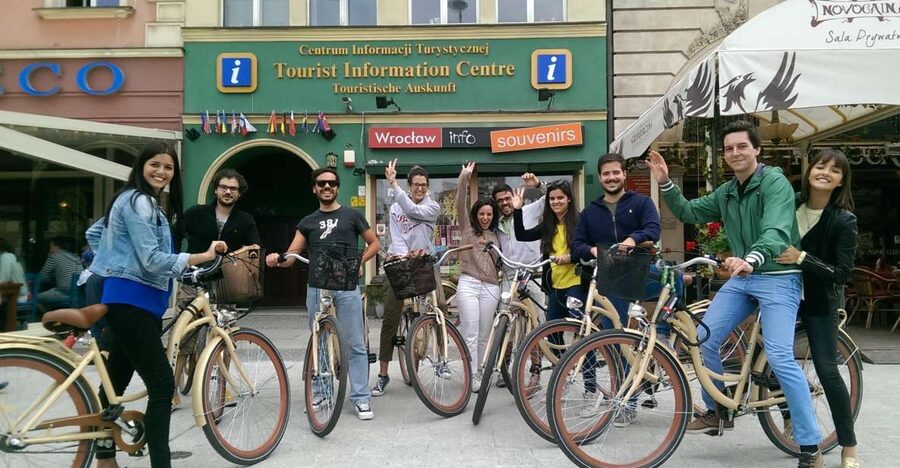
You will start by meeting up with your group and climbing onto a well-maintained, stylish city bike. The bikes come with lights and security locks, which is a helpful safety and practicality detail when you pause at sights. This matters in a place like Wroclaw where you can have quick photo stops and then need to get back on the saddle without drama.
Plan to arrive at the meeting point 15 minutes early. That buffer helps you get fitted, check the bike basics, and start on time. The tour also runs with a live guide in English or Polish, so you will not be guessing your way through the story of what you are looking at.
Two rules keep the ride smooth for everyone. First, you need comfortable shoes, because the route includes stops where you will get on and off and walk briefly. Second, persons under the influence of alcohol and drugs will not be allowed to participate, so keep it clean and you’ll avoid any last-minute unpleasant surprises.
If you are pregnant, this tour is not suitable. With only three hours and a cycling focus, the safest choice is to look for another kind of guided option that does not revolve around staying on a bike.
Old Town and the Main Square area, where baroque detail rewards your attention
Old Town is where Wroclaw shows off its strongest visual personality. During the ride, you get to admire baroque architecture that was carefully reconstructed after World War II. That reconstruction detail is not just a trivia point, it changes how you read the city. You start noticing how specific façades, street rhythms, and building massing were restored to bring the old city back.
From there, the route includes the Main Square and the Old Town Promenade. These are the kind of places where your eyes naturally want to linger, but bikes let you keep momentum while you still get stops that make sense. If you like street-level details, you’ll probably enjoy how the guide frames what you are seeing: not only what the building is, but why it looks the way it does.
The tour also passes through stops connected to everyday city life and historical texture. For example, Jatki is part of that Old Town feel where the city’s market heritage shows up in the stories. You will also encounter Spiż, the monument of animals for slaughter. It sounds odd on paper, but that contrast is exactly why it sticks. It’s a reminder that Wroclaw’s history is not only palaces and churches, it’s also the practical realities of food, work, and daily commerce.
One more historical stop in this area is the Old City Prison. Places like that work well in a guided format because the guide can connect architectural features and location meaning without you needing to translate everything yourself. Even if you do not love heavy topics, it gives the Old Town story more range.
Ostrow Tumski and Cathedral Island, Wroclaw’s oldest core by bike
Cathedral Island, also known as Ostrow Tumski, is the oldest part of Wroclaw. Seeing it as part of a bike route is smart because it keeps the tour moving while still giving you time for a proper focus point. You get the sense of arrival, then the guide can explain why this area anchors the city’s early identity.
This stop is the kind where your perspective changes. On a map, it is just a named island. In person, it feels like a separate mood, calmer and more reflective than the busy trade-route feeling of other parts of the center. If you like architecture and religious heritage, this is likely one of the most rewarding sections of the ride.
If you are coming from a modern travel style, you’ll also like that the guide tends to point out details you might miss when you are reading signs on your own. The goal is to help you notice what makes the island distinct, not just tell you where it is.
Still tacked up around Wroclaw

Centennial Hall, the UNESCO masterpiece that makes the whole tour click
Centennial Hall is the big architectural stop you should treat as your anchor. It is listed as a UNESCO World Heritage Site, and it shows you a side of Wroclaw that feels ambitious and internationally minded. Even if you are not an architecture nerd, this is the kind of place where the scale does some of the work for you.
What I appreciate about including Centennial Hall in a short bike tour is timing. You get the chance to see it while you still have energy for thinking, instead of saving it for the final day when you are tired or running out of daylight. It also helps the tour feel balanced. You are not only looking at reconstructed baroque scenes, you also see a masterpiece that represents a different period of design.
The guide plays a key role here. The difference between seeing a building and understanding it is the context the guide provides. Strong feedback often highlights how guides explain historical facts with clear stories, and Centennial Hall is one of the perfect stages for that kind of explanation.
After this stop, the route naturally expands outward from the core, so you can see how the city transitions from the monumental to the everyday again.
From monuments to museums: the route through university and cultural stops
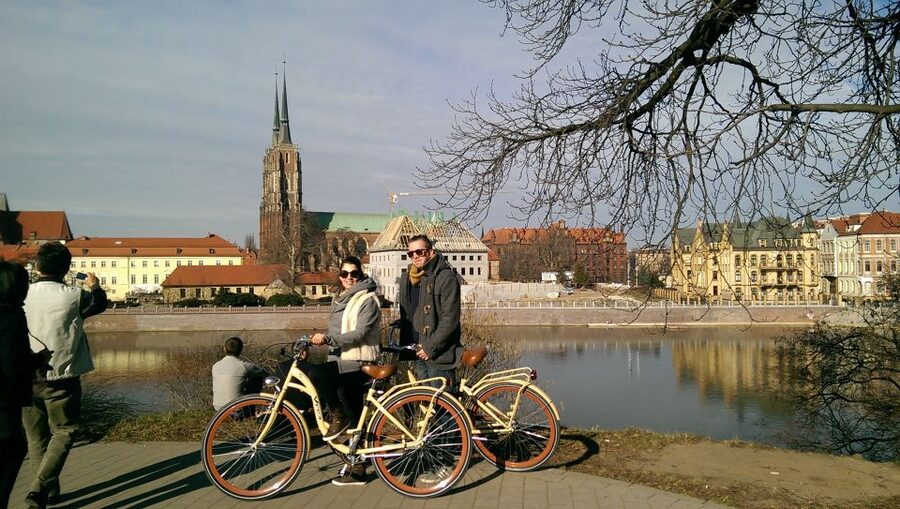
As you continue, the tour moves through a stretch of landmarks that helps you understand Wroclaw as a living city, not a postcard set. You will pass the University of Wroclaw, which gives the day an academic, long-term perspective. When a guide points out how universities shape neighborhoods and civic life, it helps you notice patterns you would otherwise overlook.
You’ll also see the Swordsman Monument. Monuments like this are often easy to photograph and hard to interpret without help. With a guide, you get the meaning behind the symbolism, and the stop stops being random.
Another standout stop is Ossolineum, which is tied to cultural life and collections. The value here is not only what the building represents, but how the guide connects it to Wroclaw’s identity as a place of learning and documentation. It helps you understand why certain buildings get placed in the route when you only have three hours.
Market Hall and the Salt Market also add texture. These stops show the city’s trade and market history in a way that feels concrete. You can think of them as the tour’s “everyday economy” chapters, balancing the more formal architectural moments.
There are also city-space moments in this part of the ride. You will pass Polish Hills and Grunwaldzki Square, which help you map the city’s geography and public spaces. Then you move toward bridges and parks, where Wroclaw shifts from monuments to green and slower rhythm.
Zwierzyniecki Bridge to the Zoo and Japanese Garden, where the city breathes
Crossing Zwierzyniecki Bridge is a nice pivot point in the tour. Bridges do two jobs at once. They help you travel smoothly, and they give you a natural moment to look around before the scenery changes. In a short tour, that kind of transition helps keep the whole experience from feeling like nonstop “look, look, look.”
You will reach Wroclaw Zoo and then the Japanese Garden. Even though you are biking through on a schedule, these stops provide a calmer mood compared to squares and façades. The Japanese Garden is the kind of place where the guide can help you notice design choices that reflect intention, not just decoration.
This section also includes Iglica. It is a recognizable landmark, and it works as an orientation point. When you see it in context, you start to understand where it sits in the city’s layout and why it is a useful visual reference later in your own exploring.
Then the route heads into Szczytnicki Park and continues toward cultural institutions like the National Museum. Park time matters because it gives your brain a break. After a string of architectural and historical facts, you get space to reset your attention, which makes the final stops more enjoyable rather than tiring.
Ending with museum-grade sights and market history, without burning your day
The route includes the National Museum and the House of Old Stock Exchange, plus the Salt Market again as part of the wider sweep of city identity. You are essentially seeing how Wroclaw expresses itself through both culture and commerce.
The House of Old Stock Exchange stop is especially helpful if you want to understand the city beyond what you can read in casual guidebooks. Stock exchange buildings often tell you where wealth, trade, and civic organization clustered. When a guide connects that to Wroclaw’s broader story, it makes the architecture feel relevant rather than abstract.
By the time you are back around the center, the tour accomplishes something simple: you leave with a map in your head. You have seen the Old Town core, the oldest area on Cathedral Island, the UNESCO stop, and the green-space contrast. That mix is valuable because it sets you up for better independent choices after the tour.
Price and value: is $80 for three hours a good deal?
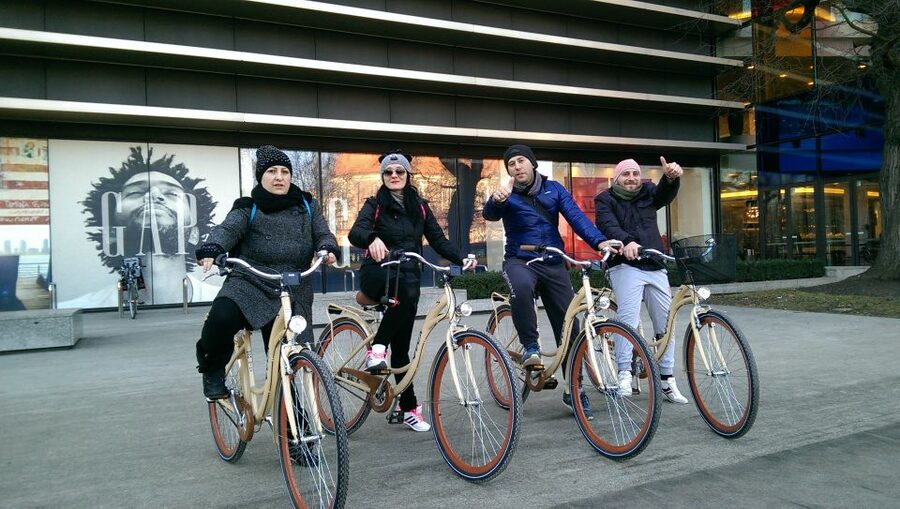
At $80 per person for a three-hour guided bike tour, the value depends on what you want most. If you like the idea of a guided plan, quality bikes, and someone to explain what you are looking at, the price starts to feel fair quickly. You are paying for transportation, not just narration.
You also get language options, English or Polish, plus a live guide. That matters because architecture and monuments are easier to enjoy when you understand the context. The stronger feedback you’ll find for this tour style tends to focus on story-driven historical facts and clear explanations, which is exactly what you want during a short, action-packed ride.
The bike itself is part of the value too. Lights and security locks are included, and the bikes are described as quality and well maintained. That reduces the “did I pick the right rental” uncertainty that often comes with DIY sightseeing.
The main drawback to keep in mind is time. Some people wish for longer, more cycling, or more time at fewer stops. If you know you want slow pacing and lots of independent exploration at each site, you might prefer a longer tour. But if you want an efficient overview that helps you plan the rest of your Wroclaw day, this format is a strong match.
Who should book this bike tour, and who might not
This tour is ideal if you:
- want a first-day orientation to Wroclaw
- like architecture and city history explained in a practical way
- prefer getting around by bike instead of slow foot travel
- want to cover both Old Town and standout modern-era sights like Centennial Hall
It might not be ideal if you:
- are pregnant and need a different format, since this tour is not suitable
- want a very slow pace or extended time inside each stop
- are not comfortable riding a bike for stretches between attractions
If you fall into the “casual cyclist” category, you will still likely enjoy it, as long as you bring comfortable shoes and show up ready to ride and stop briefly at each sight.
Quick planning tips before you roll out
- Wear comfortable shoes, because the route includes moments where you will walk briefly.
- Arrive 15 minutes early so you can get set up smoothly.
- Keep the ride alcohol-free and drug-free, because the tour does not allow participation if someone is under the influence.
- If you are traveling with someone who is unsure about cycling, talk to the provider ahead of time rather than waiting until the start.
Should you book this Wroclaw 3-hour bike tour?
If you want a smart, guided way to see a lot of Wroclaw without turning your legs into Jell-O, I’d book it. The biggest strength is the combination of Old Town architecture, Cathedral Island context, and the UNESCO stop at Centennial Hall, all within a schedule that still feels manageable.
Choose it especially if you enjoy learning through stories and facts, because the guides behind this experience are repeatedly praised for connecting details to what you see, with guides such as Artur, Anthony, Hubert, and Martin standing out in feedback. If you prefer extremely slow travel or you cannot do a bike-based format, look for another option. For most visitors, though, this is a genuinely useful first pass through the city.
FAQ
How long is the Wroclaw bike tour?
The tour lasts 3 hours.
How much does the tour cost?
The price is $80 per person.
What languages are available for the tour?
The live tour guide speaks English or Polish.
When should I arrive at the meeting point?
Please arrive 15 minutes before the activity starts.
What should I bring with me?
Bring comfortable shoes.
Is the tour suitable for pregnant women?
No. The tour is not suitable for pregnant women.
Are alcohol or drugs allowed during the tour?
No. Persons under the influence of alcohol and drugs will not be allowed to participate.
Can I cancel and get a full refund?
Yes. You can cancel up to 24 hours in advance for a full refund.
Freshly posted from Wroclaw
- Segway Tour Wroclaw: Old Town Tour – 1,5-Hour of Magic!★ 4.8 · 7 reviews
- The Roots of Poznań (small group)★ 5.0 · 8 reviews
- Wroclaw to Rock City Adrspach in Czech Republic Private Tour including tickets★ 4.5 · 8 reviews
- Wroclaw Private Old Town Guided Walking Tour★ 5.0 · 8 reviews
- Wroclaw: Multimedia Fountain Evening Show★ 4.0 · 9 reviews
- Wroclaw: Solar Catamaran Cruise on the Odra River★ 4.8 · 9 reviews
- Segway Tour Wroclaw: Old Town & Ostrów Tumski – Full Tour★ 5.0 · 9 reviews
Cycling Tours, compared.
Complete Cracow Bike Tour (small group of maximum 15 people!)
Read our review →
Bike Tour of Old Town, Jewish Quarter and the Ghetto
Read our review →
Highlights of Krakow Bike Tour – Small group
Read our review →
Full Bike Tour – the Old Town, Jewish Qtr & the Ghetto NEW BIKES
Read our review →
Half-Day Warsaw City Sightseeing Bike Tour for Small Group
Read our review →Browse the lists this tour appears in