
Reviewed · CITY TOURS
Warsaw: Behind the Scenes City Tour with Hotel Pickup
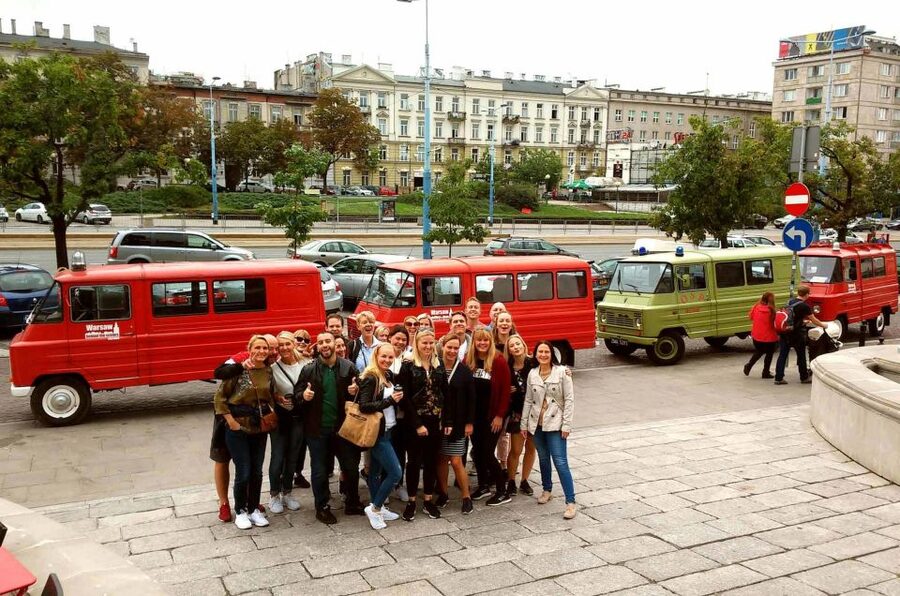
Warsaw gets personal when you leave the main roads. Ride the iconic Żuk minibus and you are rolling through the city in a machine people usually only see in photos. I love the mix of eras, from WWII wreckage and Ghetto remnants to the Soviet rebuild, and the chance to see Praga where old Warsaw survived. One practical catch: these vintage vehicles may lack air conditioning and some do not have seat belts, so dress for the weather and keep straps in mind.
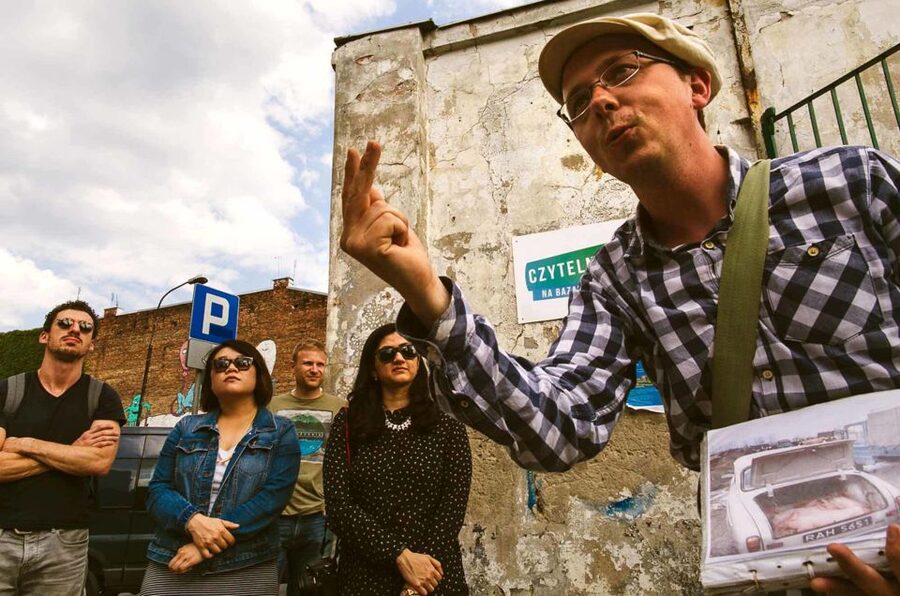
The 3-hour format keeps you moving but not rushed, with short walking stops and a guide who puts the story together in clear English. Guides such as Konrad, Marcin, Marius, and Lukas are repeatedly praised for packing facts into a friendly, sometimes funny conversation and for adjusting to the group when it is small. The result is that you come away with a mental map of Warsaw, not a checklist of monuments.
In This Review
- Key highlights worth your attention
- A retro Żuk minibus is the fast way to read Warsaw
- Hotel pickup and a 3-hour rhythm that actually works
- How the guide ties together pre-war life, WWII, and communism
- Jewish Ghetto remnants and uprising sites: history you can locate
- Muranów reconstruction and Soviet-era planning you can still feel
- Praga on the far side of the Vistula: old streets with a new pulse
- Modern Warsaw after 1989: why the city changed so fast
- Price and value: what $129 buys you in real terms
- Who this tour is best for, and who should skip it
- Should you book this Warsaw Behind the Scenes tour with hotel pickup?
Key highlights worth your attention
- A retro Żuk ride that makes the communist-era setting feel real, not museum-silent
- A time-ordered story from pre-war atmosphere, through WWII and communism, to life after 1989
- Jewish Ghetto remnants and sites tied to uprisings, with context that helps you understand what you are seeing
- Praga across the Vistula, an area shaped by history and now known for murals, workshops, and original architecture
- Small-group pace with pickup from centrally located hotels and minibuses capped at 8 passengers
A retro Żuk minibus is the fast way to read Warsaw
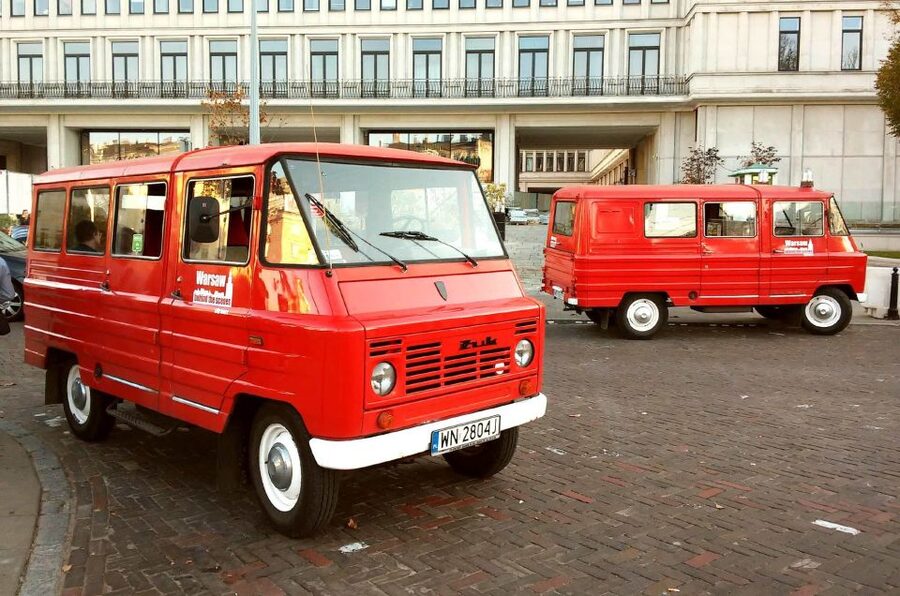
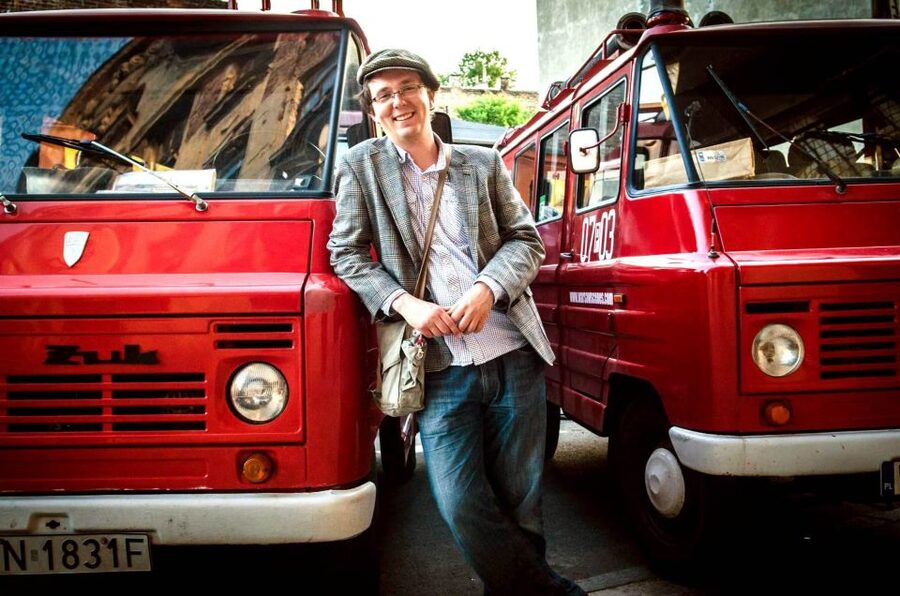
Most Warsaw tours start with Old Town photos and end with a souvenir stop. This one gives you a different first impression: you meet the city through its transport. The Żuk minibus is a recognizable communist-era vehicle, and riding in it changes how streets and buildings land in your brain. It is not just a ride, it is part of the story you are being told.
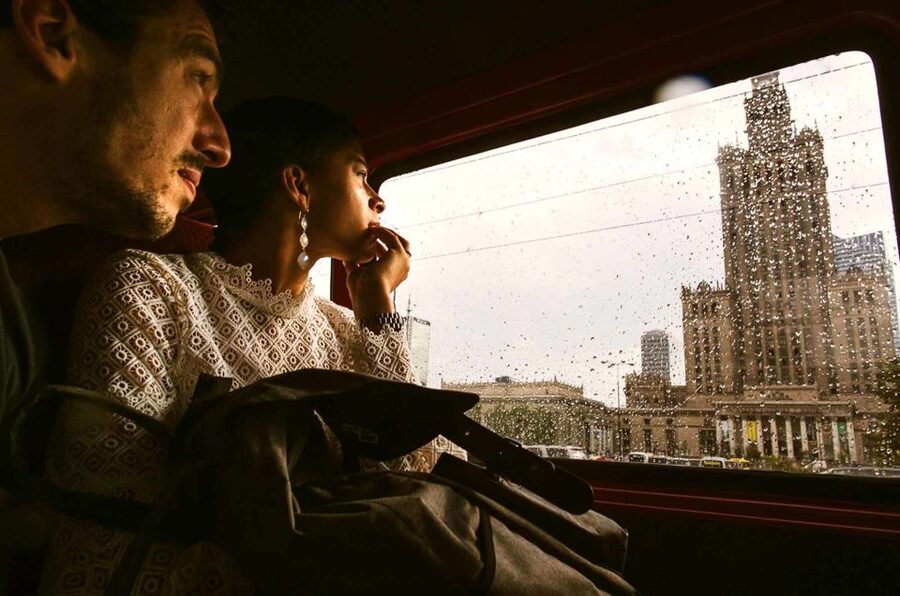
The practical side matters too. These classic vehicles are used for transfers between stops, with walking segments at each location, so you get a mix of views from the window and brief chances to look closer on foot. Also plan for comfort limits: the minibuses are not equipped with air conditioning, some do not have seat belts, and all have winter heating. If you are sensitive to heat or cold, pack layers and dress like you are going to be outside for short bursts.
Still tacked up around Warsaw
- Warsaw: Chopin Concert in the Old Town
★ 4.8 · 2,287 reviews - Warsaw: Traditional Galar Cruise on The Vistula River
★ 4.6 · 1,640 reviews - Warsaw: Old Town Highlights Walking Tour in English
★ 4.7 · 1,516 reviews
Hotel pickup and a 3-hour rhythm that actually works
This tour is built for people who want structure without feeling trapped. You get pickup and drop-off from your accommodation if it is within 1 kilometer of the city center, which is a big deal in Warsaw where crossing the city can eat time. Once you are loaded, the group stays small, with up to 8 passengers per minibus and a fleet of 5 minibuses available for different departures.
The walking segments are short, but they are real. You will want comfortable shoes and clothing that handles a bit of weather. That means you should treat this like a guided city stroll with driving between chapters, not a sit-and-watch-the-world tour.
A note on what you cannot bring: pets are not allowed, and large luggage or bags are not. If you are traveling light, great. If you have big suitcases, you may want to leave them at your lodging before heading out.
Also, this tour is not suitable for wheelchair users, and it is aimed at adults and children over 150 cm. If you are bringing a child under 150 cm, seat boosters are mandatory under Polish law, so you will need to check availability with the operator in advance.
How the guide ties together pre-war life, WWII, and communism
The tour starts with an overview that helps you understand why Warsaw looks the way it does. You are not only shown places, you get the timeline that makes those places meaningful. That is a huge value for first-timers, because Warsaw can look confusing at street level if you only know a few famous landmarks.
From there, the route is designed to move through major eras. You will see parts of Warsaw that reflect pre-war atmosphere, then the scars and aftermath of World War II, and later the way life under communism shaped daily life and city planning. After that, you get the post-1989 transformation, when Warsaw began shifting toward a modern European capital style of growth and cultural revival.
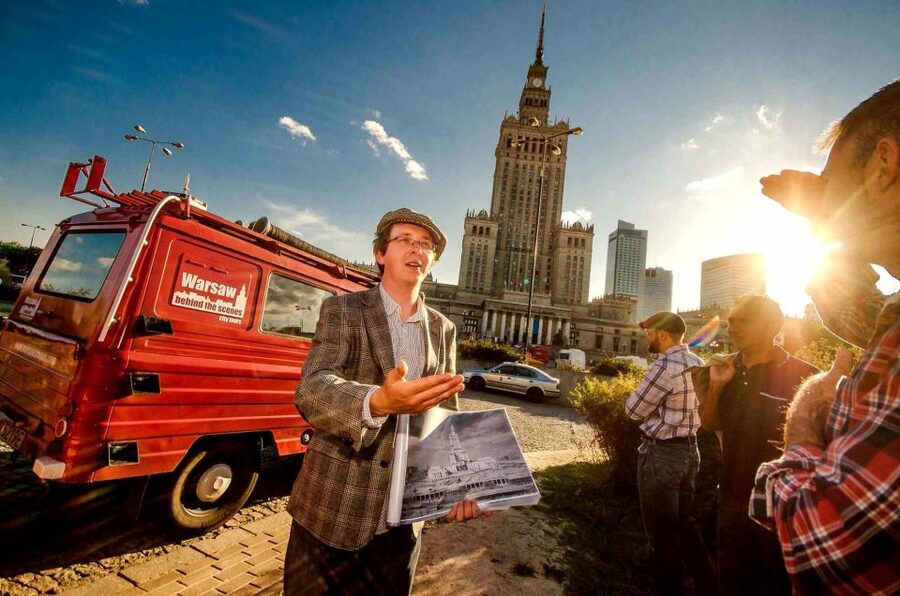
What makes this work is that the guide keeps connecting the dots. The better guides on this route are not just listing dates. People often point out that guides like Konrad and Marcin bring humor, passion, and a conversation-friendly style. That matters because you can ask questions as you go, and the story lands faster when you can react in real time.
Jewish Ghetto remnants and uprising sites: history you can locate
One of the most important parts of this experience is the attention to the Jewish Ghetto and the sites connected with uprisings. These are not abstract lessons. You are looking at urban space that survived, changed, or was erased, and the guide’s job is to help you understand what you are seeing and why it matters.
When you have the remnants of the Ghetto and uprising-related locations in the same tour, you get a clearer picture of how occupation, resistance, and tragedy unfolded across Warsaw. You also get a sense of how those events shaped the city’s physical layout and how memory is carried through place.
A good guide will also make sure you understand the difference between eras and what still exists. That is especially valuable in Warsaw, where reconstruction has layered the city. You can read it like a palimpsest once somebody gives you the framework.
Beneath the newer pins on the Warsaw board:

Muranów reconstruction and Soviet-era planning you can still feel
After the wartime chapters, the tour moves into the post-war rebuild story. A key stop is the reconstruction of Muranów, which is tied to how planners tried to reshape Warsaw out of ruins. The tour also explains how Soviet ideology influenced the creation of new neighborhoods and grand avenues.
This is where you start seeing planning choices rather than just monuments. Instead of only asking what happened, you start noticing how decisions were made. Street widths, block shapes, and where major corridors cut through older areas can tell you something about how authorities wanted the city to function.
If you like architecture and urban design, this portion can really click. You will walk away with a better eye for spotting different periods of building and understanding why some districts feel more planned and others feel more improvised. That is the sort of value that lasts longer than a photo.
Praga on the far side of the Vistula: old streets with a new pulse
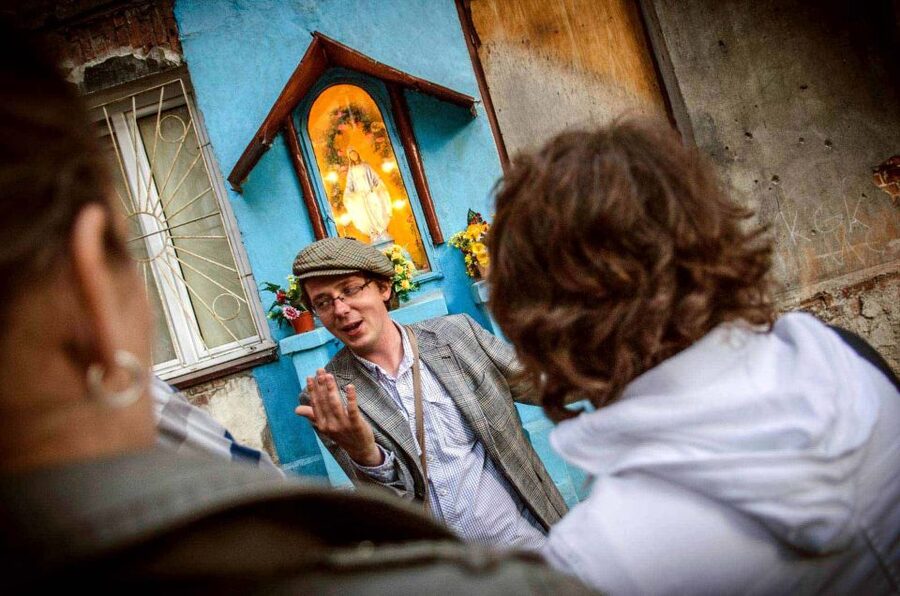
Crossing the Vistula River to Praga is a highlight for many people because the experience shifts. Praga survived the war almost untouched, which means you get a stronger sense of old Warsaw than in districts that were rebuilt from scratch. You are still in a modern city, but you can feel the older fabric in the way streets and buildings hold together.
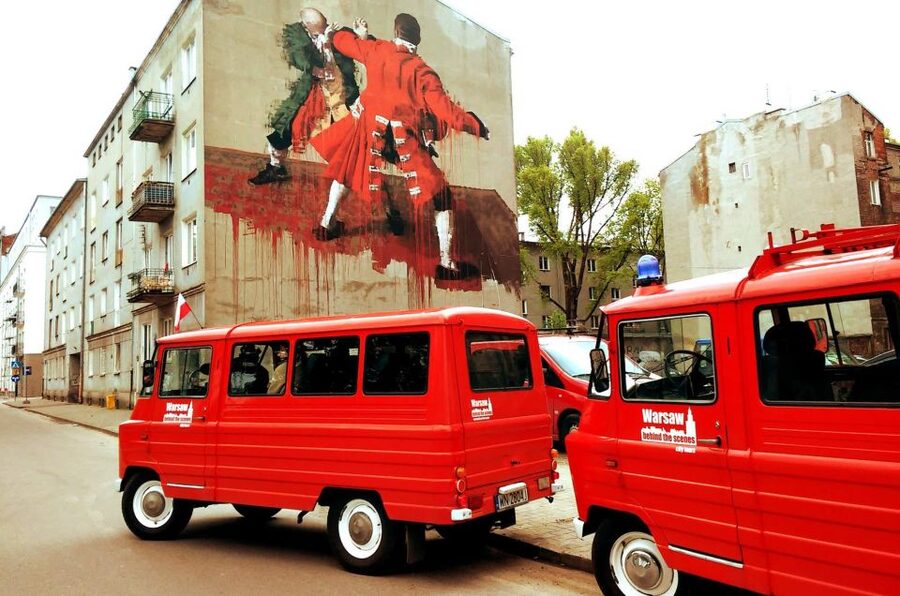
Once known as one of the roughest neighborhoods, Praga has grown into a creative hub. The city now shows up through murals, workshops, and original architecture that you can appreciate without the constant crush of typical tourist routes. It is a district where you see the aftermath of history plus the momentum of people making culture in everyday spaces.
The practical benefit is that this part of the tour gives you contrast. If you have spent time in the heavier WWII and reconstruction chapters, Praga lets the story breathe. It does not erase the past, but it shows how Warsaw kept moving forward.
Modern Warsaw after 1989: why the city changed so fast
Near the end, the tour brings you into modern Warsaw. After 1989, the city started acting like a capital in rapid growth mode, with innovation and a strong push toward cultural revival. This is not just a theory lesson. By this point, you have enough context to understand why certain areas feel different from others.
Modern Warsaw can be easier to appreciate when you know what came before it. When you hear how post-war planners shaped major avenues and neighborhoods, the later shift toward growth and new cultural life makes more sense. You stop thinking of Warsaw as one era and start thinking of it as a series of decisions, each one leaving a visible mark.
This is also a good stretch for you if you want practical takeaways for the rest of your trip. The guide’s framing helps you know where to wander later, and which areas you might want to revisit at your own pace.
Price and value: what $129 buys you in real terms
$129 per person for a 3-hour small-group tour is not a bargain price, but it can be fair value if you care about depth and you want to save time. Here is what you are paying for in concrete terms.
First, you are getting pickup and drop-off from centrally located hotels within 1 kilometer of the city center. That reduces friction, especially if you are juggling limited time. Second, you are paying for an English-speaking guide who connects eras and helps you understand what you are seeing, including sites tied to the Jewish Ghetto and uprisings. Third, you get the Żuk minibus experience, which is part novelty and part educational context.
Finally, the small-group size matters. With up to 8 passengers per minibus, you have a better chance for questions and a less crowded feeling than big bus tours. People also note that some departures can feel almost private when the group is very small, which makes the guide even more responsive.
To get the most out of the price, come with at least a few questions. And be ready to walk for short segments at each stop. If you are looking for a fast set of famous photo ops only, this might feel too story-driven. If you want the Warsaw that sits behind the postcards, it is a solid bet.
Who this tour is best for, and who should skip it
This experience is a strong fit if you are a history-minded traveler who wants Warsaw beyond the usual route. It is also ideal if you like architecture and city planning, because you will see how pre-war life, WWII destruction, communist ideology, and post-1989 change shaped real streets.
You should especially enjoy it if you:
- want a structured time line across multiple eras
- prefer small-group pacing with a live English guide
- like when a transportation choice adds atmosphere, not just convenience
You may want to skip or consider another option if:
- you need wheelchair accessibility, since it is not suitable for wheelchair users
- you rely on air-conditioned transport, since these minibuses are not equipped with AC
- you are traveling with large luggage or a pet, since those are not allowed
- you are traveling with a child under 150 cm without confirming booster availability first
Should you book this Warsaw Behind the Scenes tour with hotel pickup?
If you are spending only a few days in Warsaw and you want the city’s story in one coherent loop, I think you should book it. The big win is the combination of a Żuk ride plus a route that covers the Jewish Ghetto remnants, uprising-related sites, Muranów reconstruction, and Praga across the Vistula, all tied together with guide-led explanations in English.
Do it if you want context, not just coordinates. Skip it if you are after a relaxed, air-conditioned sit-down sightseeing cruise.
Freshly posted from Warsaw
- Krakow Small Group Tour from Warsaw with Lunch, Schindler’s Factory included★ 5.0 · 7 reviews
- Warsaw Private Transfer from Warsaw Chopin Airport (WAW) to City centre★ 4.0 · 7 reviews
- 3-hour tour at Warsaw Uprising 1944 Museum /inc. Pick-up/★ 4.9 · 7 reviews
- Wolfs Lair – Hitlers hideout★ 4.5 · 7 reviews
- Warsaw: Evening History and Pubs Tour by Retro Minibus★ 5.0 · 7 reviews
- Warsaw: Private Vodka Tasting Night with Snacks and Pickup★ 5.0 · 7 reviews
- Warsaw Old Town with Royal Castle + Royal Route: SMALL GROUP /inc. Pick-up/★ 5.0 · 7 reviews
City Tours, compared.
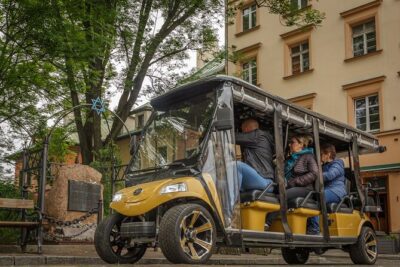
City Sightseeing Tour Eco Electric Buggy Golf Cart
Read our review →
Gdańsk City Sights & History Guided Walking Tour in English
Read our review →
Extended City Sightseeing Tour – Eco Buggy Golf Cart
Read our review →
Shared or Private City Tour Sightseeing by Golf Cart
Read our review →Browse the lists this tour appears in