
Reviewed · WALKING TOURS
Warsaw: 2-Hour Praga Walking Tour
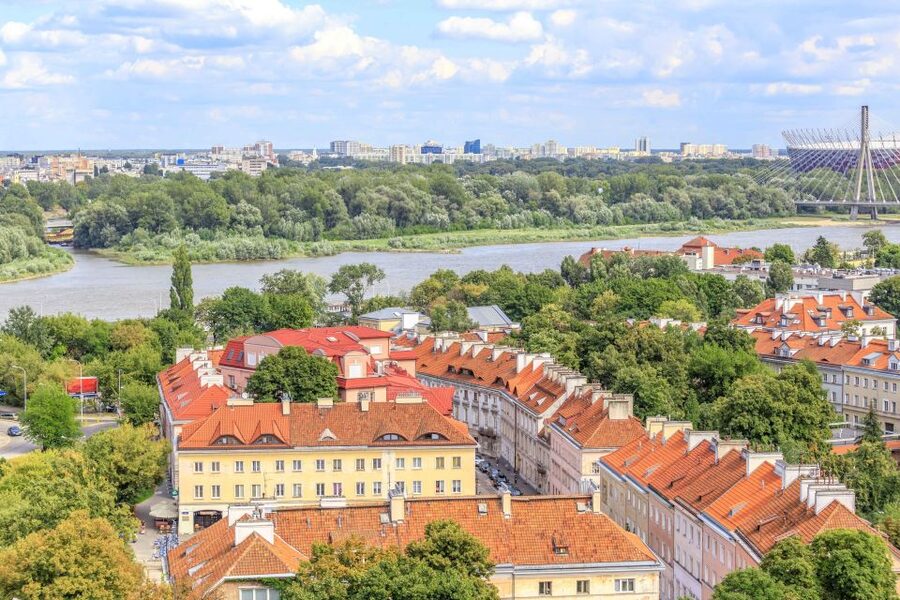
Praga feels like old Warsaw with a pulse. This 2-hour walk through Praga shows you the right bank’s layered past, from pre-war streets to communist blocks, with a stop at the Koneser vodka factory complex.
What I especially like is how the tour mixes eye-catching visuals with stories that actually explain the neighborhood, not just point at buildings.
I love two things most. First, you get to see bullet-hole tenement houses and understand how the area’s physical scars became part of its identity. Second, you stroll past streets tied to Roman Polanski’s Oscar-winning film The Pianist, which makes the district feel unexpectedly cinematic.
One drawback to plan for: it is still a two-hour walk, and there are no food and drinks included, so bring water and be ready to move at a steady pace.
In This Review
- Key things to know before you go
- Why Praga changes how you see Warsaw
- Meeting at Maria Magdalena, then stepping into a different Warsaw
- Tenements with bullet holes, then grey communist blocks
- St. Florian Cathedral and the neighborhood’s religious mix
- Rozycki Bazaar and the street-level economy of Praga
- The Praga Street Band monument: culture in public space
- Streets from The Pianist, where filming meets real life
- The Warsaw Zoo director rescue story: history with a human scale
- Koneser vodka factory: industrial bones, modern life
- Guide quality is the real upgrade, especially Marzena
- Price and value: what $69 buys in two hours
- What to watch for on timing
- Should you book the Warsaw Praga Walking Tour?
- FAQ
- How long is the Warsaw Praga walking tour?
- How much does the tour cost?
- Where is the meeting point?
- What languages is the tour offered in?
- What’s included in the price?
- Is lunch or food included?
- What should I bring?
- What is not allowed during the tour?
- What is the cancellation policy?
Key things to know before you go
- Praga on the right bank feels different from Old Town, with pre-war trade and industry in the background.
- Pre-war, communist, and post-industrial buildings are part of the story, not just sightseeing props.
- The Pianist filming streets help you picture how everyday Praga turned into film scenes.
- Koneser vodka factory shows how an industrial site became a destination for today.
- The tour’s standout part is the guide, with Marzena praised for historical knowledge and patience with questions.
Why Praga changes how you see Warsaw
Warsaw often gets reduced to one big postcard image, but Praga flips the script. On the right bank of the Vistula, this district grew as a trade and industry hub, and over centuries it became a working neighborhood where Christians, Jews, and Orthodox communities lived side by side.
That’s why this tour works so well. You are not only learning names of places, you are learning how people used the city. You also see how the district survived destruction, then shifted into a communist-era rhythm, and later reinvented itself with galleries, small designers, and restaurants.
More Walking Tours in Warsaw
- Warsaw: Old Town Highlights Walking Tour in English
★ 4.7 · 1,516 reviews - Warsaw: Old Town Guided Walking Tour
★ 4.9 · 599 reviews - Half-Day Polish Food Walking Tour with Guide and Dinner
★ 4.5 · 381 reviews
Meeting at Maria Magdalena, then stepping into a different Warsaw
Your tour begins at the Metropolitan Cathedral of Maria and Magdalena. The guide meets you at the exit from subway M2, with a PolinTours sign. The address is aleja Solidarności 52, 03-402 Warszawa.
This is a smart start because it puts you close enough to connect your day’s plans, but it also keeps the mood grounded in everyday Warsaw. Once you’re walking, the neighborhood quickly stops feeling like a “district to visit” and starts feeling like a place to understand.
Tenements with bullet holes, then grey communist blocks
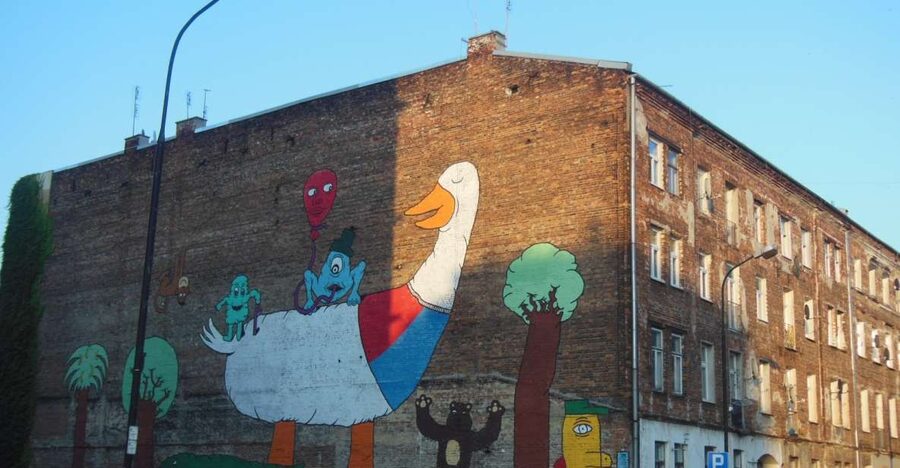
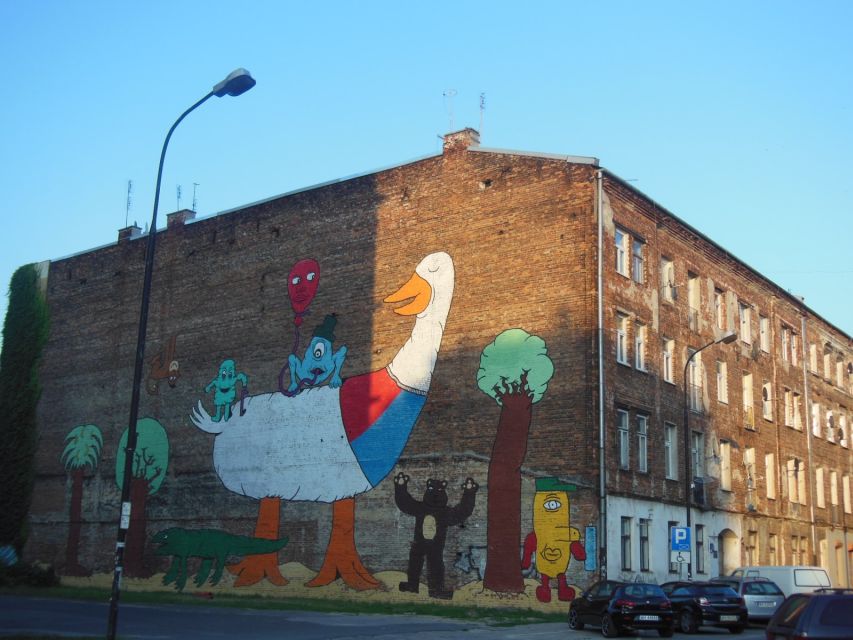
One of the strongest parts of the walk is how it traces time through architecture. You will see streets of pre-war Warsaw, including tenement houses with bullet holes. It is a chilling detail, but the tour does not treat it as shock value. Instead, it helps you connect those scars to the wider story of what Warsaw endured and how those events shaped the city’s layout and memory.
Then the scene broadens to grey apartment blocks from the communist era, plus industrial post-industrial zones. The point is not to force a comparison, but to show how Praga’s “layers” still function today. You may pass buildings that once served one purpose, now repurposed with creative businesses or dining spots.
St. Florian Cathedral and the neighborhood’s religious mix
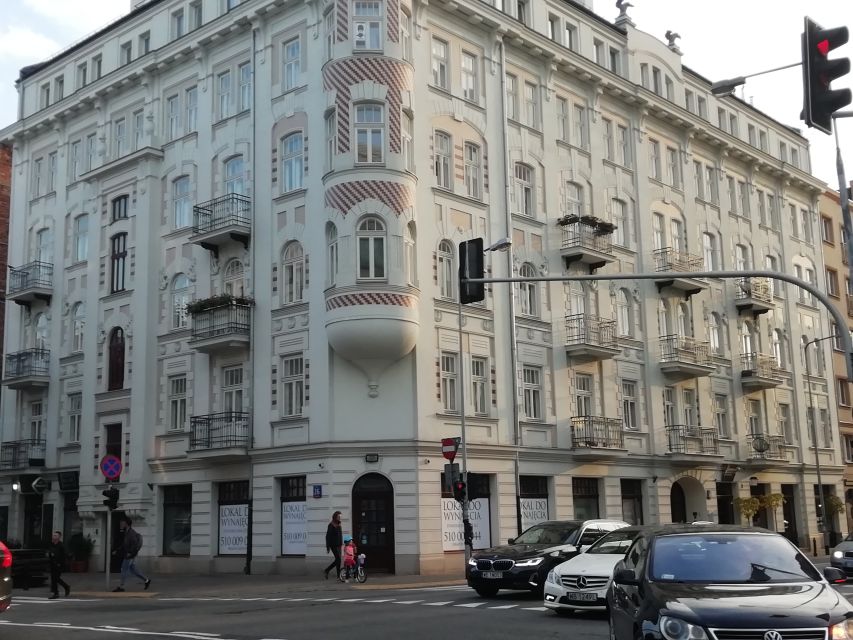
The tour includes St. Florian Cathedral, a major landmark in the district. Expect it to feel like a visual anchor while the tour explains how Praga’s communities formed and how those identities changed over time.
You will also visit an Orthodox church tied to earlier synagogues and a ritual bath. That detail matters because it shows how one neighborhood carried different meanings in different eras. It is not just architecture, it is proof that borders of faith, culture, and daily life shifted in real ways.
If you like your history straight and practical, this part delivers. You get the why behind the religious sites, not only the where.
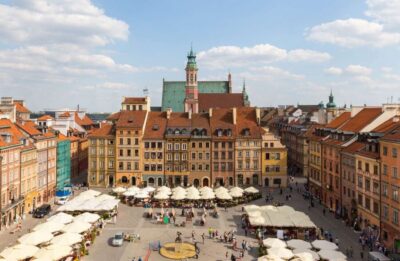
More Polish squares crossed on foot:


Rozycki Bazaar and the street-level economy of Praga
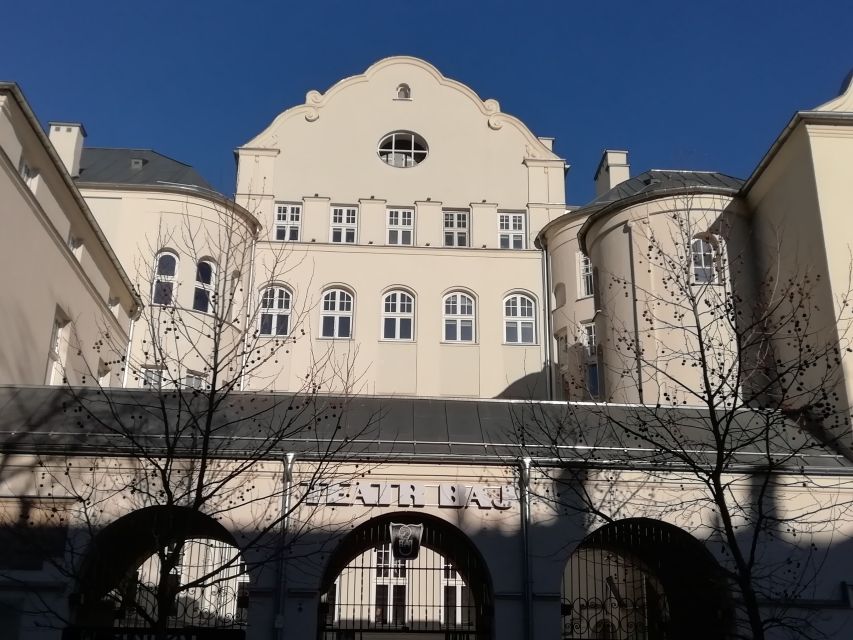
Next up is Rozycki Bazaar, which is the kind of place you understand best by walking slowly and watching how a market district behaves. It represents the neighborhood’s trading DNA, something you are repeatedly reminded of throughout the tour.
Praga grew as an industry and commerce hub, and the tour ties that pre-war role to later symbolism during communist years, when free trade became a kind of quiet resistance. The bazaar stop helps make those ideas feel concrete instead of abstract.
The Praga Street Band monument: culture in public space
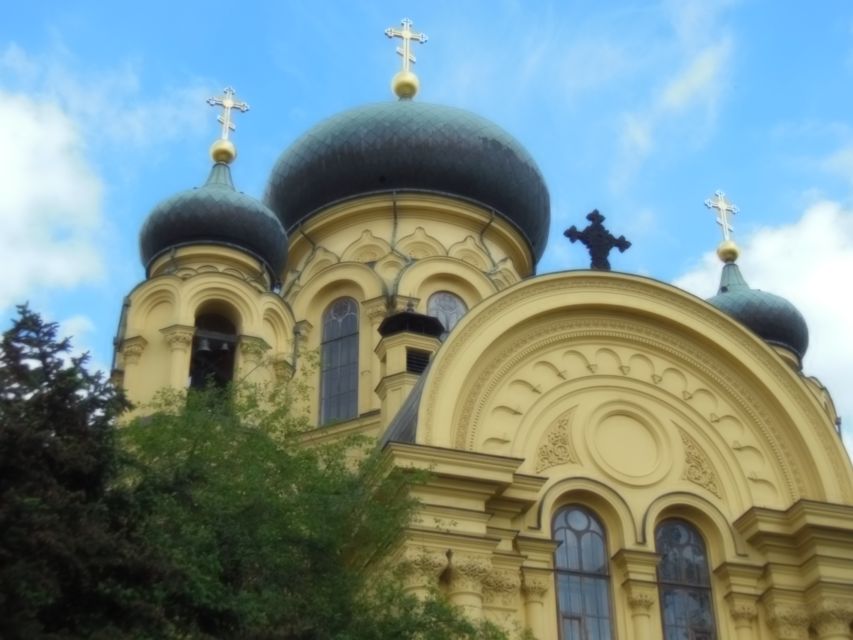
You will also see the monument of the Praga Street Band. It might seem like a “background” sight at first glance, but it’s actually a clue to how Praga expresses identity in public.
When a district keeps turning its neighborhood culture into art and remembrance, it is usually because people feel ownership of where they live. This monument fits that pattern, adding a human, local flavor to the more heavy historical moments.
Streets from The Pianist, where filming meets real life
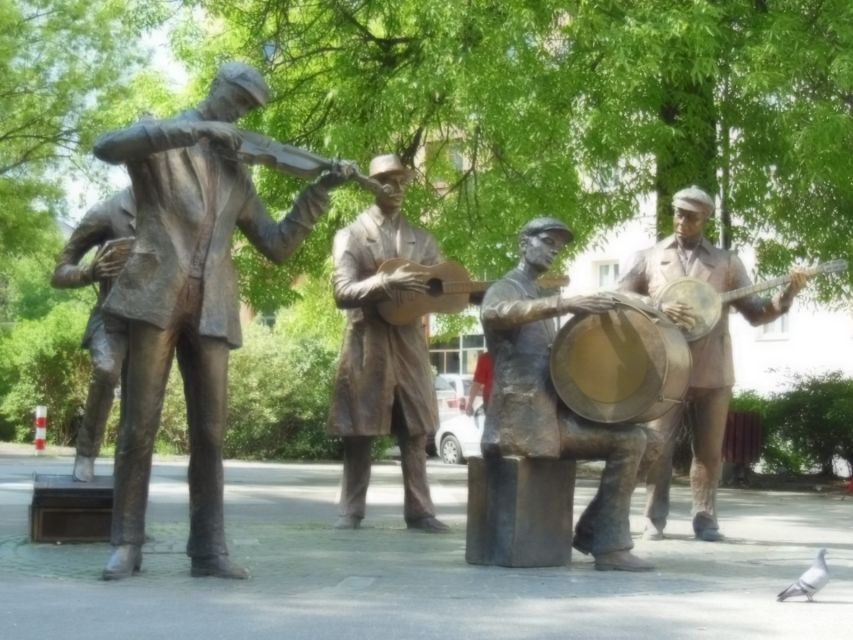
One of the most fun parts is hearing how Praga shows up in Roman Polanski’s Oscar-winning film The Pianist. Film locations are easy to overhype, but here the effect is different: it helps you see ordinary streets as historically specific spaces.
As you walk, you’ll connect the movie idea to the district’s layout and building styles. That makes your visual memory stick. Even if you do not remember every scene from the film, the tour builds an easy mental map of where the atmosphere came from.
The Warsaw Zoo director rescue story: history with a human scale
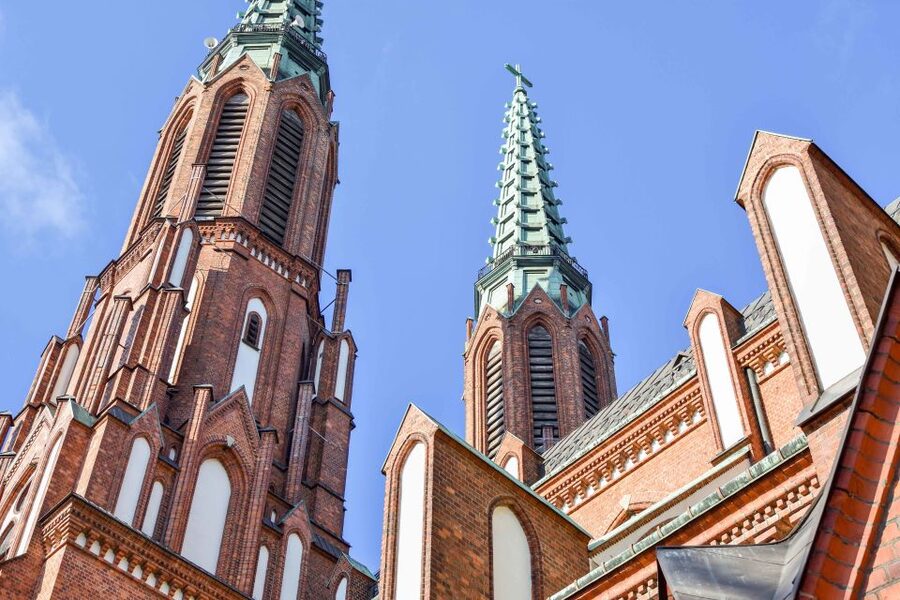
This tour does not stop at buildings. You will also learn about the director of the Warsaw Zoo and the role of his wife in helping save hundreds of Jews from the Warsaw Ghetto.
This segment is powerful because it puts names and choices behind a huge event. Instead of treating WWII as one distant headline, the tour shows how survival depended on individuals and networks. It also fits the Praga theme, where communities were tightly connected through work, neighborhoods, and daily routines.
Koneser vodka factory: industrial bones, modern life
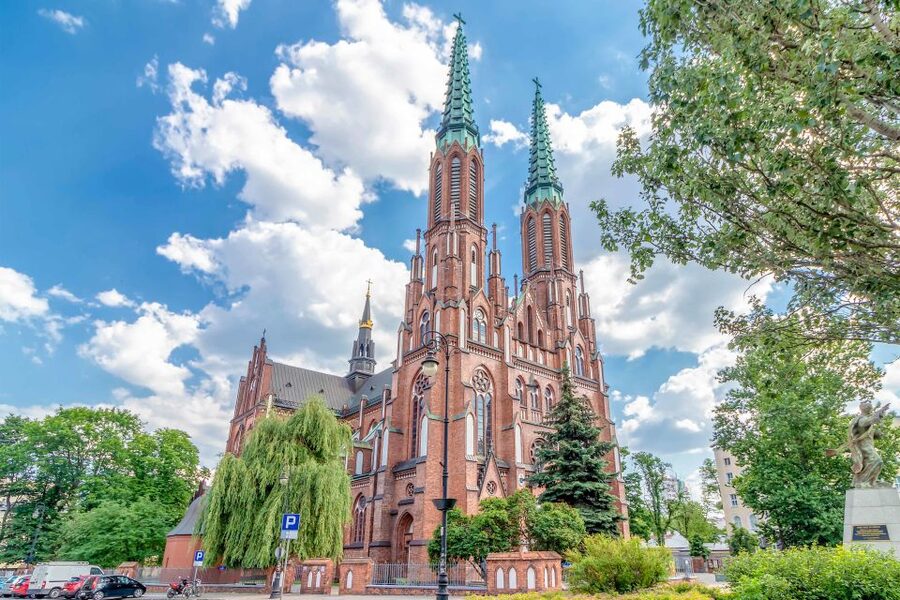
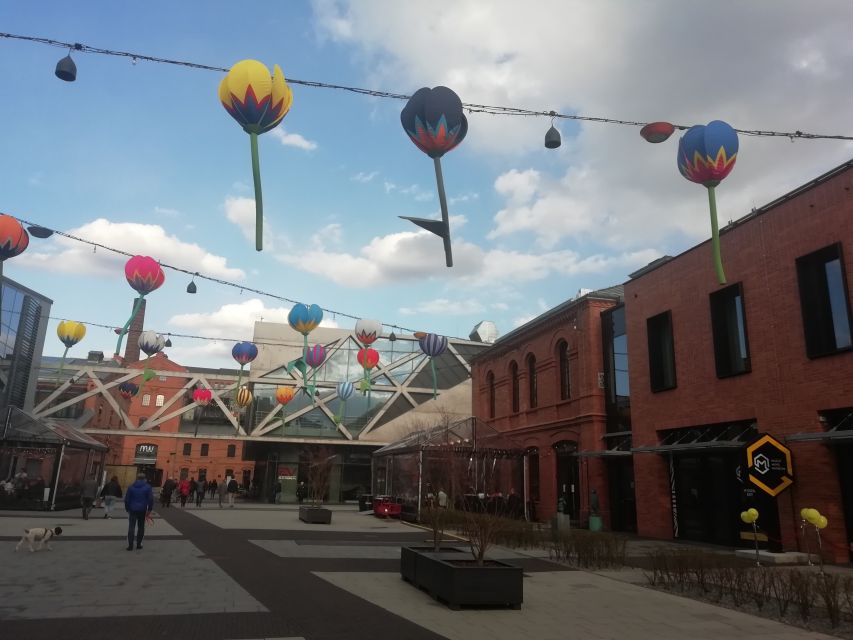
The final big highlight is the complex of the vodka factory Koneser. Industrial sites can feel like relics, but Koneser is different because it represents transformation.
Here you get to see how an old factory world became a destination again. Even if you only spend part of the visit outside, the tour helps you understand what “reuse” means in a neighborhood with so many layers of past and present.
If you like an ending that makes you want to return later, this is it. You leave with a new mental image of Praga, not only the wartime version.
Guide quality is the real upgrade, especially Marzena
A lot of tours give you facts. The better ones teach you how to see. This one gets high marks for that, and the name that comes up again and again is Marzena.
People praise her for historical knowledge that feels accessible, and for patience with questions, including from solo travelers. They also note that she answers architecture and history in a way that keeps the walk moving and the details understandable.
For you, that matters because Praga can look like a collection of buildings at street level. With a guide who can interpret the layers, you walk away with a map of meaning, not just a checklist.
Price and value: what $69 buys in two hours
At $69 per person for a 2-hour private walking tour, you are paying for three things: a certified guide, a focused route, and expert storytelling concentrated in one compact time window.
It is not the cheapest way to see Praga, but it can be good value if you care about context. Two hours is long enough to hit multiple landmarks, including St. Florian Cathedral, the Orthodox church connection, Rozycki Bazaar, and the Koneser complex, without turning the day into a logistics marathon.
Just be realistic about what is not included. There is no lunch and no food or drinks, so factor in water and a light snack. If you expect a full meal stop, you’ll end up hungry.
What to watch for on timing
Most of the experience is straightforward: you meet, you walk, you learn. Still, one practical consideration from real bookings is that schedule changes can occasionally happen at the last minute.
So if you have a tight connection later in the day, I’d treat this tour like a cornerstone. Confirm the start time the day of, and keep your next commitment flexible.
Should you book the Warsaw Praga Walking Tour?
Book it if you want Warsaw that feels real. You’ll enjoy it most if you like districts with layers, you appreciate architecture tied to history, and you want film connections without turning them into trivia.
Skip it, or at least think twice, if you hate walking for two hours or you want food included. Also, if you are very sensitive to schedule changes, keep your plans flexible and double-check timing.
If you do book, wear comfortable shoes, bring sun protection, and plan for a drink break on your own. The payoff is a Praga experience that turns unfamiliar streets into a story you can actually picture.
FAQ
How long is the Warsaw Praga walking tour?
The tour lasts 2 hours.
How much does the tour cost?
The price is $69 per person.
Where is the meeting point?
Meet in front of the Metropolitan Cathedral of Maria and Magdalena, at the exit from subway M2. The guide will be waiting there with a PolinTours sign. Address: aleja Solidarności 52, 03-402 Warszawa, Polska.
What languages is the tour offered in?
The live tour guide offers English, German, and Polish.
What’s included in the price?
A certified tour guide is included.
Is lunch or food included?
No. Lunch, food, and drinks are not included.
What should I bring?
Bring comfortable shoes, sunglasses, a sun hat, and sunscreen.
What is not allowed during the tour?
Pets are not allowed. Also not allowed are oversize luggage, smoking, and alcohol and drugs. The tour also does not allow luggage or large bags.
What is the cancellation policy?
You can cancel up to 24 hours in advance for a full refund.
Freshly posted from Warsaw
- Warsaw Private Transfer from Warsaw Chopin Airport (WAW) to City centre★ 4.0 · 7 reviews
- Krakow Small Group Tour from Warsaw with Lunch, Schindler’s Factory included★ 5.0 · 7 reviews
- Wolfs Lair – Hitlers hideout★ 4.5 · 7 reviews
- 3-hour tour at Warsaw Uprising 1944 Museum /inc. Pick-up/★ 4.9 · 7 reviews
- Warsaw: Evening History and Pubs Tour by Retro Minibus★ 5.0 · 7 reviews
- Warsaw: Private Vodka Tasting Night with Snacks and Pickup★ 5.0 · 7 reviews
- Warsaw Old Town with Royal Castle + Royal Route: SMALL GROUP /inc. Pick-up/★ 5.0 · 7 reviews
Walking Tours, compared.
Old Town Krakow & Wawel Castle Walking Tour
Read our review →
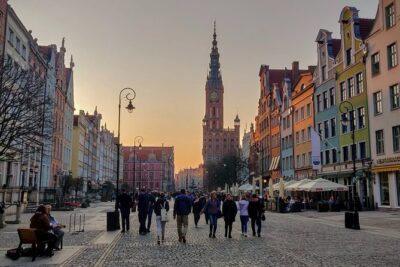
Gdańsk City Sights & History Guided Walking Tour in English
Read our review →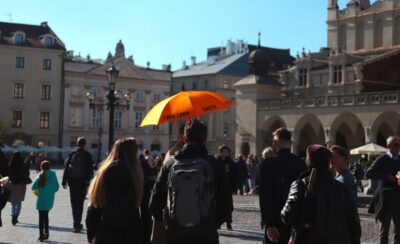
Browse the lists this tour appears in