
Reviewed · MUSEUMS
Krakow: Home Army Museum Skip-the-Line Entry Ticket
Underground Poland feels real in Krakow. With a skip-the-line ticket, you can step into the Home Army Museum and follow the story of the Home Army and the Polish Underground State. It is not just general WWII talk, it is built around the underground struggle and how it worked on the ground.
I especially like the museum’s 8,000+ items and the mix of archival documents, photographs, militaria, and phaleristics. That veteran-saved material gives the exhibits a grounded, specific feel, not just big-picture history. One consideration: it is not suitable for children under 8, and there is no food included, so plan your day meals.
In This Review
- Key Things I’d Highlight Before You Go
- Krakow’s Home Army Museum, the Wartime Story You Can Actually Track
- Inside the Collection: Documents, Photos, Militaria, and Awards
- Why August Emil Fieldorf, Nil Is More Than a Name on the Wall
- How the Museum Teaches: Cultural, Educational, and Scientific Angles
- The Skip-the-Line Ticket: Value That Helps You Spend Time, Not Wait
- Planning Your Krakow Day: Pair It With Nearby Museum Time
- What to Bring, What Not to Bring, and Who Should Aim for This
- Timing and Duration: Fit It Into a 1-Day Window
- Price Breakdown: Why $8 Feels Like a Bargain Here
- Should You Book the Krakow Home Army Museum Skip-the-Line Ticket?
- FAQ
- Where is the Home Army Museum in this Krakow experience?
- How long is the ticket valid for?
- What does the ticket include?
- Is food included with the museum ticket?
- What does skip-the-line mean for this ticket?
- What should I bring with me?
- What is not allowed inside?
- Is this suitable for young children?
Key Things I’d Highlight Before You Go
- Skip-the-line entry means less time waiting and more time reading and looking closely
- A focused wartime story centered on the Polish Underground State and the Home Army
- 8,000+ items including documents, photos, militaria, and medals and insignia
- Veteran-donated collection where much of the museum’s material came from war veterans’ memorabilia
- Named for August Emil Fieldorf, Nil so the leadership story is part of the museum identity
- Education-first exhibits that are cultural, educational, and even scientific in their approach
Krakow’s Home Army Museum, the Wartime Story You Can Actually Track
This museum is built for people who want a clear line of cause and effect, not vague museum facts. The Home Army Museum focuses on the Polish Underground State, its armed forces, and especially the Home Army. You can walk away with a better sense of how resistance movements organized themselves, what they carried, and what records survived.
I like that the museum does not try to be everything. It stays focused on one major theme, and that focus helps the details stick. If you already plan to hit other major Krakow stops, this one gives you a different lens: the city’s WWII-era underground life.
And yes, this is a serious subject. You will get the most from it if you come with curiosity and patience for reading, not with a “quick look” mindset.
More Museum Tours in Krakow
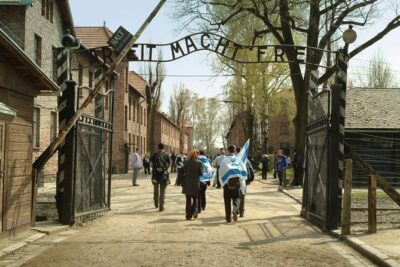
- Auschwitz-Birkenau Museum and Memorial Guided Tour from Krakow
★ 4.5 · 1,510 reviews - Krakow: Rynek Underground Museum Guided Tour
★ 4.6 · 1,122 reviews - Krakow: City Card with Public Transport and Museums
★ 3.9 · 675 reviews
Inside the Collection: Documents, Photos, Militaria, and Awards
What makes the museum click is the variety of its objects and what that variety tells you. The museum has amassed over 8,000 items, and the collection spans archival materials, documents, photographs, and physical artifacts tied to the armed underground. On top of that, you will see militaria and phaleristics, which is the study and collection of military decorations, medals, and insignia.
That mix matters because it lets you approach history from multiple angles. A document can show planning and official lines. A photograph can show faces and places. A uniform or equipment-related item can help you picture the everyday reality of clandestine work. Medals and insignia, when you can see them closely, can also hint at hierarchy, recognition, and identity within organizations.
One practical note for your visit: if you’re the kind of person who likes to zoom in on details, bring a charged smartphone. Even without anything fancy promised, having your phone ready helps you keep your place, take notes, and capture things you want to review later.
Why August Emil Fieldorf, Nil Is More Than a Name on the Wall
The museum’s identity is tied to August Emil Fieldorf, nicknamed Nil. That matters because it anchors the underground story to a specific commander tied to the Home Army. Instead of floating through general resistance history, you get a clearer human point of reference.
This is also where you get some of the “leadership and organization” feeling the museum aims for. When you understand who commanded, you better understand why certain strategies or structures existed. You can also connect the museum’s exhibits to the broader idea of an Underground State, meaning political and military resistance running in parallel.
If you like museums where you leave with names you can remember, this one has a built-in advantage. Fieldorf, Nil is a recognizable centerpiece connected directly to the Home Army.
How the Museum Teaches: Cultural, Educational, and Scientific Angles
The museum describes its activities as cultural, exhibition-based, scientific, and educational. You might expect standard museum panels, and you will get those, but the label suggests the museum is trying to present the material with more than simple storytelling.
In practice, that means the exhibits feel like they were organized to help you understand evidence, not just absorb impressions. With documents, photographs, and veteran memorabilia in the mix, you are essentially seeing how historical knowledge gets assembled. It is education, but grounded in objects.
If you enjoy learning how historians categorize and verify what they study, you’ll probably appreciate that approach. If you prefer mostly visual exhibits with minimal reading, you might need to adjust your expectations and slow down a bit.
More Polish museums that take an afternoon:




The Skip-the-Line Ticket: Value That Helps You Spend Time, Not Wait
This ticket is priced at $8 per person, and you get a full day of valid entry. For a museum focused on WWII underground history, that is strong value, especially because the ticket includes admission and is designed to reduce waiting time with skip-the-line entry.
Here is the practical takeaway: at many popular museums, the “friction” is waiting. If your time in Krakow is tight, skipping the ticket line can buy you back reading time. And for a history museum, reading is the main activity, not just looking at objects from far away.
Also, the ticket fits well into a flexible day plan. It is valid for 1 day, so you can set it as a centerpiece and then adjust the rest of your route around it.
Planning Your Krakow Day: Pair It With Nearby Museum Time
You will get the most out of the Home Army Museum when you pair it with other strong Krakow museum options. A smart combo is to plan at least one cultural museum stop in the same general day flow, like the Polish Aviation Museum or the Princes Czartoryski Museum, plus additional time for wandering.
Why this pairing works: you get contrast. Aviation museums tend to emphasize technology, flight history, and engineering stories. The Princes Czartoryski Museum leans toward art and collecting. By adding the Home Army Museum, you layer in the human and political side of the WWII era, not just machines or masterpieces.
Keep it casual in your pacing. This ticket is meant for a 1-day window, so you can spread visits instead of trying to sprint through everything.
What to Bring, What Not to Bring, and Who Should Aim for This
The museum asks you to bring a charged smartphone. Alcohol and drugs are not allowed. That is pretty standard for museums, but it still matters for how you plan your day.
It is also not suitable for children under 8. That tells you the museum is aimed at older kids and adults who can handle serious subject matter and a more text-heavy approach. If you’re traveling with younger children, consider leaving this one for a solo or adult-only day.
If your travel style is “slow reading, good notes, and one or two major stops,” this works nicely. If your style is “one photo, one story, done,” you might find it harder to get full value unless you set aside real time.
Timing and Duration: Fit It Into a 1-Day Window
The experience is listed as 1 day, and ticket validity is tied to that day window. You can check available starting times, so you are not stuck with one rigid entry slot.
In real terms, you want to do this museum when you can concentrate. Wartime history rewards quiet attention. If you visit when you are hungry, tired, and rushing, it becomes harder to absorb the specific details tied to the 8,000+ items and the Polish Underground State focus.
Price Breakdown: Why $8 Feels Like a Bargain Here
At $8 per person, this ticket is a budget-friendly way to access a museum with a serious archive footprint. You are not paying for a guided show or a packaged “performance.” You are paying for entry to a collection-based museum centered on historical documents and artifacts.
So the value calculation is simple: if you care about WWII-era resistance history and you’re the type who likes to read and look closely, $8 buys you meaningful time. If you only want quick highlights and zero reading, then you may feel underwhelmed because the museum’s strength is in the evidence.
Also, there is no food included. That is not a dealbreaker, but it means you should plan a meal nearby or bring snacks if allowed in your situation. Since food is not part of the ticket, don’t treat this as an all-in-one package.
Should You Book the Krakow Home Army Museum Skip-the-Line Ticket?
I think you should book if you want a focused museum experience in Krakow that centers on the Polish Underground State and the Home Army, and you like collections that are anchored by specific records and veteran-donated items. The museum’s 8,000+ artifacts, documents, photos, militaria, and medal-related material is exactly the kind of thing that rewards patient visitors.
Skip booking if you need kid-friendly content for children under 8, or if you know you will not spend time reading and looking. Also, if you hate “no food included” planning, make sure your day has a meal slot.
If you do book, I’d pair it with one more museum stop, like the Polish Aviation Museum or the Princes Czartoryski Museum, so your day has both contrast and flow.
FAQ
Where is the Home Army Museum in this Krakow experience?
The Home Army Museum is in Krakow, Lesser Poland, Poland.
How long is the ticket valid for?
The ticket is valid for 1 day.
What does the ticket include?
The ticket includes entry only.
Is food included with the museum ticket?
No, food is not included.
What does skip-the-line mean for this ticket?
It is a skip-the-ticket-line entry option, so you can avoid waiting in the ticket line.
What should I bring with me?
You should bring a charged smartphone.
What is not allowed inside?
Alcohol and drugs are not allowed.
Is this suitable for young children?
No, it is not suitable for children under 8 years old.
Freshly posted from Krakow
- Krakow: Zakopane and Thermal Springs Tour with Hotel Pickup★ 5.0 · 1 review
- Krakow: Audio-Guided City Experience by Golf Cart★ 5.0 · 1 review
- Half-day In the footsteps of John Paul II Tour from Krakow★ 5.0 · 1 review
- Krakow: Wawel & Salt Mine Experience with Lunch★ 5.0 · 1 review
- Tour to Wadowice: Hometown of Pope Saint John Paul II★ 5.0 · 1 review
- Krakow: Outdoor Paintball with Hotel Transfers★ 5.0 · 1 review
- Krakow: Nowa Huta Communist District Walking Tour★ 5.0 · 1 review
Museums, compared.
Auschwitz-Birkenau Museum and Memorial Guided Tour from Krakow
Read our review →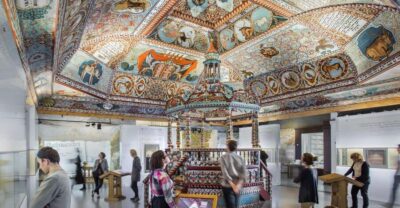
POLIN Museum of the History of Polish Jews Ticket
Read our review →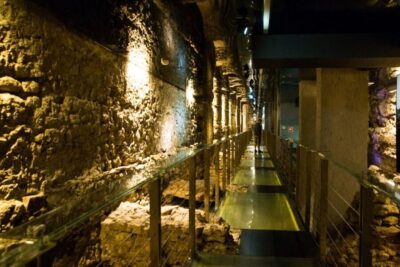

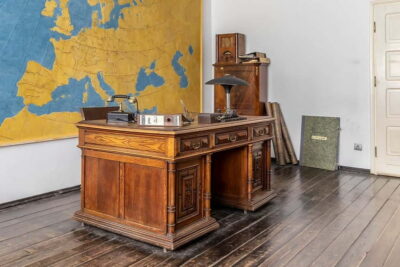


Krakow Schindler’s Factory Museum Guided Tour in English
Read our review →
Browse the lists this tour appears in